On a Thursday morning in early January, hundreds of people began calling the state’s consumer complaint hotline. All of them reporting the same strange problem: engines sputtering, cars stalling and check engine lights flicking on after fueling up their vehicles at gas stations across the front range.
“Our first indicator that there was something that was fairly widespread was several hundred consumer complaints coming into the division on January 8th,” said Deputy Executive Director for the Colorado Department of Labor and Employment, Cher Haavind. “We immediately deployed our investigators to stations to conduct fuel quality samples from those potentially contaminated stations, and did confirm that a delivery of regular unleaded had been contaminated with diesel.”
A report released Friday by state investigators shows the issues were caused by a diesel contamination incident at the HF Sinclair Denver Product Terminal in Henderson that began Jan. 7.
“We determined the root cause of the contamination was a human error when a valve was not closed off,” said Haavind.
Investigators said diesel fuel came in on a pipeline to the Henderson facility, as is standard practice. It was intended for a diesel tank, but because of the open valve, some of that fuel went into a standard gasoline tank instead.
According to the Colorado Division of Oil and Public Safety report, the error led to 49 gas stations receiving and selling contaminated gasoline. The error also damaged hundreds of vehicles.
“We received just over 1,000 consumer complaints from January 8th within the next 48 to 72 hours,” said Haavind.
Overall, the report shows the error led to 2,578,800 gallons of gasoline being contaminated at the Henderson facility.
Both regular unleaded and mid-grade gasoline were affected. However, only about 365,000 gallons of that contaminated fuel were then distributed to gas stations, while more than 888,000 gallons were recovered and returned to the terminal for reprocessing.
“One of the fuel carriers noticed the fuel did not appear normal,” said Petroleum Program Manager at the Division of Oil and Public Safety, Zach Hope. “I guess I should say, it didn't look like regular gasoline as they were delivering it to some of the gas stations and those fuel carriers who observed that let Sinclair know.”
The state says the error sits squarely on Sinclair's shoulders. “It comes down to [the fact] that they relied on a manual process without a lot of alarms or indicators that something might be flowing to the wrong place,” Hope said.
The investigation also warned that failing to monitor valves during fuel transfers can lead to tank overfills or ruptures, which could pose serious environmental and safety risks. In this case, that did not happen because the 3.5-million-gallon storage tank was only about half full when the contamination occurred.
Regulators however, did conclude that the incident violates Colorado fuel quality laws requiring gasoline sold in the state to meet industry standards. “This is a very rare situation,” Haavind said. “In fact, I believe in the last 20 years, this is only the second occurrence.”
After the contamination was confirmed, drivers were advised by the state to file damage claims at the gas station where they purchased fuel, with Sinclair saying it would honor claims as they move through the process.
Some gas station operators detected the problem early
Many local gas stations use tank monitoring systems that measure fuel density. State investigators say because diesel is heavier than gasoline, some of the systems flagged irregular readings shortly after deliveries.
Some station owners then immediately took the contaminated fuel off sale, while others stopped sales after being notified by distributors or Sinclair itself. Their quick actions, investigators say, likely prevented additional consumers from buying contaminated gasoline.
The Colorado Division of Oil and Public Safety says it plans to issue a Notice of Violation to HF Sinclair. This requires HF Sinclair to provide a check made payable to the Division of Oil and Public Safety for the total fine amount of $365,694, which correlates to the number of contaminated gallons distributed.
The company says it will implement new procedures to prevent similar incidents from reoccurring, including a two-person verification for pipeline fuel transfers and the addition of a checklist system to confirm valve positions during fuel operations.
Timeline of the contamination
- The contamination began around 2 p.m. on Jan. 7, when diesel was being delivered to the terminal via pipeline.
- By 6 a.m. on Jan. 8, a fuel distributor noticed a product quality issue while delivering gasoline and notified Sinclair.
- Later that morning, the company stopped selling the fuel and alerted distributors.
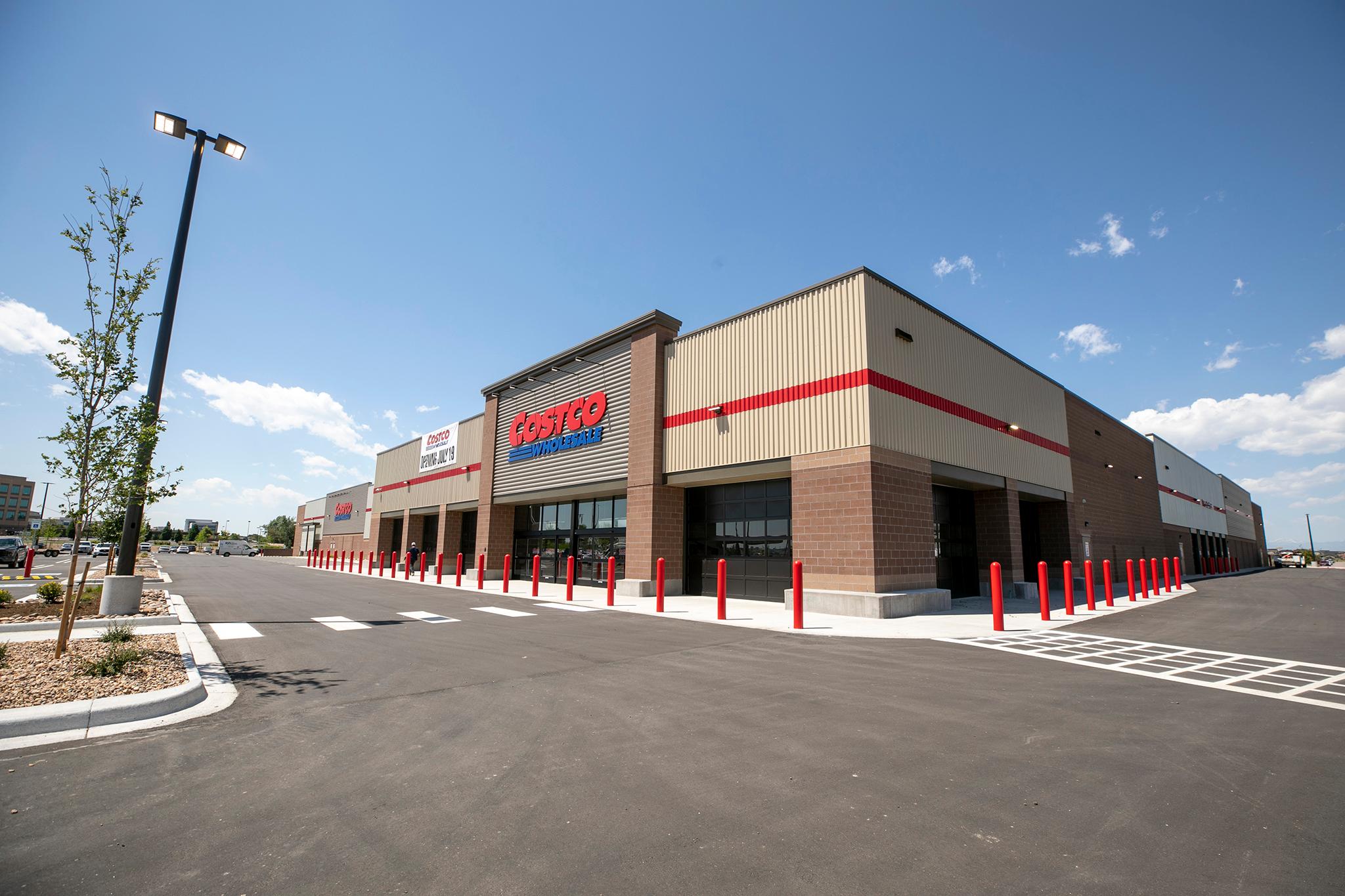
- By 11 a.m., investigators confirmed diesel-contaminated gasoline at a Costco Gas Station location.
- On Jan. 9, state regulators contacted HF Sinclair and learned the company had been aware of the issue since the previous morning but had not notified regulators.
- By Jan. 14, the state published a list of 49 gas stations that had received contaminated fuel.
To file a complaint related to this incident, use this state provided form or call 303-866-4967.