State lawmakers are moving forward with new restrictions on how police use surveillance systems to track millions of automobiles across Colorado.
Senate Bill 26-070 would require police to get a warrant before searching for certain information from Flock Safety and similar automated license plate reading systems.
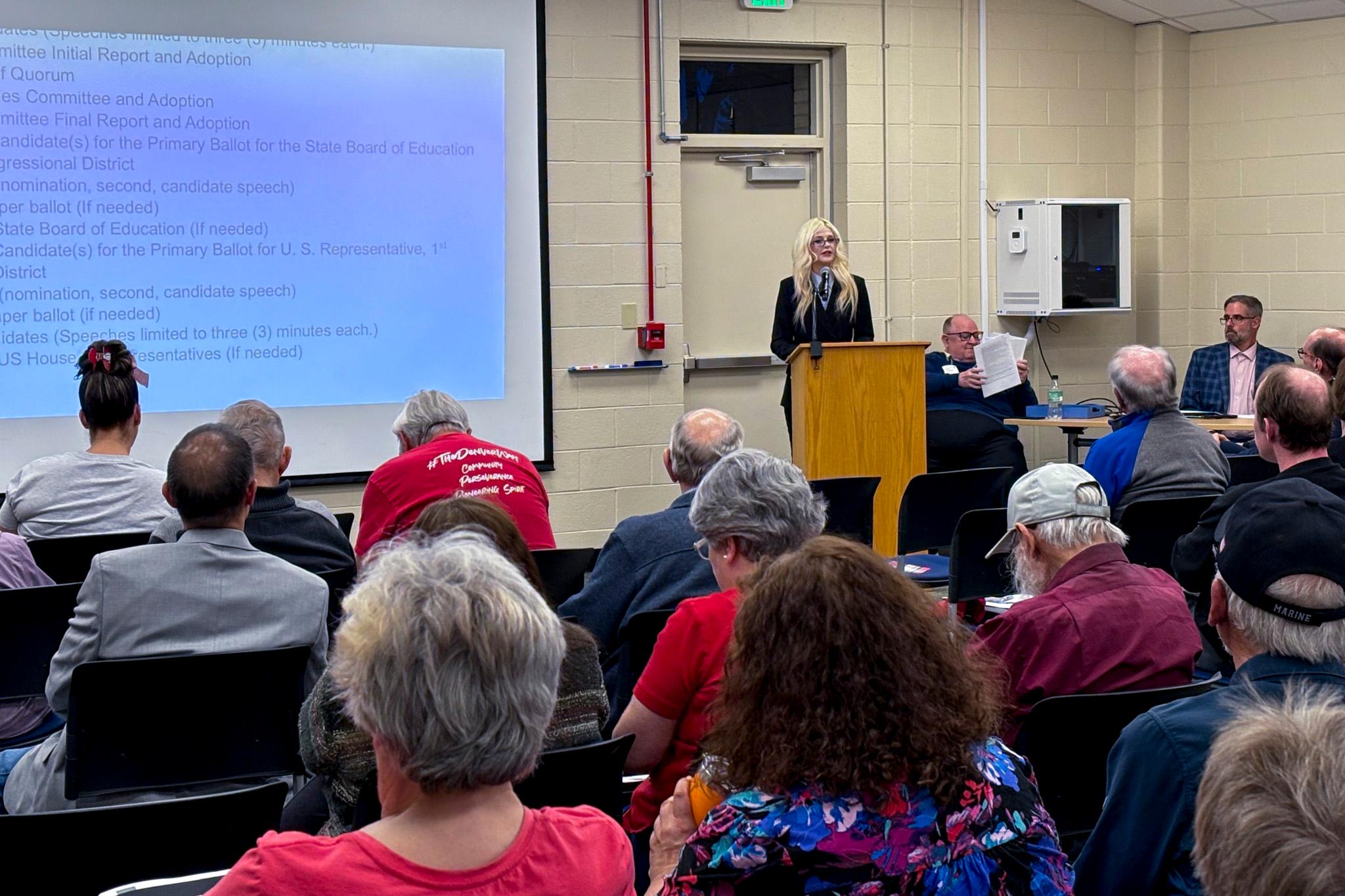
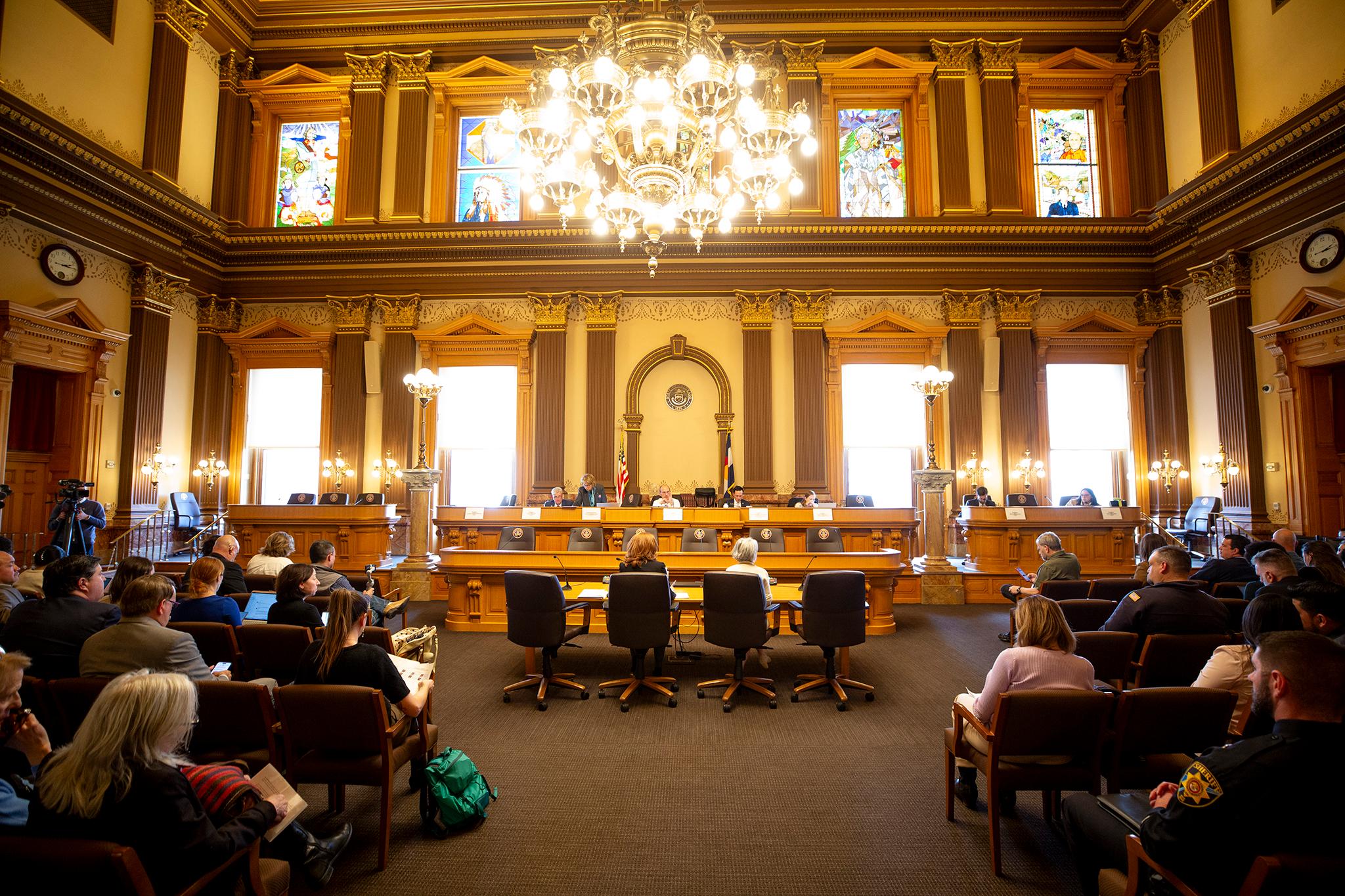
The bill passed the Senate Judiciary Committee on a 5-2 vote after an hours-long hearing that showed the sharp divide between civil rights advocates and law enforcement.
State Sen. Judy Amabile is co-sponsoring the bill with Republican State Sen. Lynda Zamora Wilson.
“People are scared,” said Amabile, a Democrat from Boulder. “People are participating in protests on a regular basis against some of the actions of the federal government and they don't want the federal government to come in and take this data that we've been storing for the last six months.”
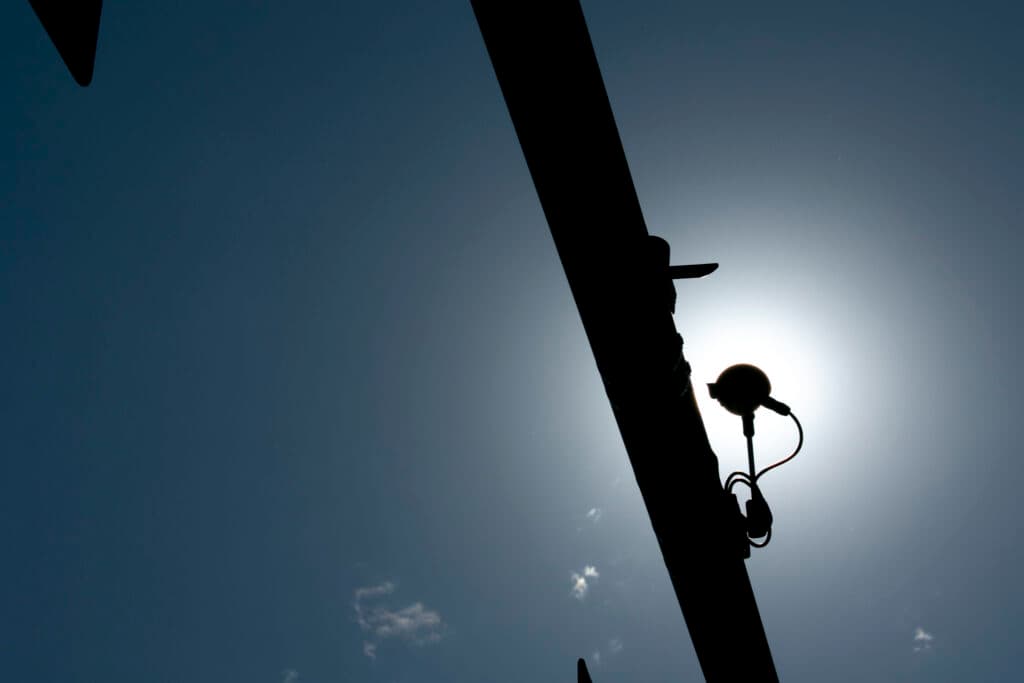
The camera systems record the license plates of millions of vehicles as they pass scores of intersections each day. Police say the technology has revolutionized their work, allowing them to quickly locate suspect vehicles and missing people. But ubiquitous surveillance has drawn growing public outrage in Denver and beyond in recent months, especially with concerns about federal agents tapping into the data.
The sponsors introduced several amendments to address concerns about the bill, including the specification that tolling operators, red-light cameras and 911 data systems are not affected by the bill.
Amabile also intends for the bill to allow law enforcement to access the database without a warrant for a limited time — up to 72 hours — after a crime is reported. But after those 72 hours, law enforcement would need a warrant to continue searches, unless there were exigent circumstances.
The amendments also extended the time that ALPR data could be stored from five days to 30 days. There currently isn’t a state legal limit, but some law enforcement agencies do have policies requiring data to be deleted after 30 days.
Zamora Wilson said the bill is an essential safeguard against surveillance.
“Of course solving crimes with constant surveillance is easier, but is not a constitutional justification,” Zamora Wilson said during the hearing. “It’s not the role of the government to have a god’s-eye view of its citizens.”
Flock operates in 75 Colorado communities, according to the company. During the hearing, the Colorado Municipal League estimated that more than 100 communities in total operate ALPR cameras, including from other companies.
“Denver has had incredible challenges trying to navigate these policies, when Flock has been caught not being completely and directly and fully transparent,” State Sen. Julie Gonzales, a Democrat from Denver, said during the hearing.
Flock specifically has been highly controversial in Denver. Denver Mayor Mike Johnston extended the city’s contract with the company, even after the Denver City Council voted against the extension due to public pushback.
Thousands of agencies around the nation had access to Denver’s Flock data through the “national search” function — a fact that DPD officials said they weren’t aware of until April, when they deactivated the function.
A representative from Flock did not testify during the hearing, but Sen. Amabile told Denverite she worked with Flock during the process of creating the bill. The company hasn’t taken an official stance on the proposal.
The two no votes were also bipartisan, coming from Republican Sen. John Carson and Democratic Sen. Dylan Roberts.
“I think the end result of all of this is going to be (that) the entities utilizing these systems will be aware that legislators are watching and expect everything to be done properly and things will be tightened up as a result of that if there are potential abuses,” Sen. Carson said. “And it's certainly the job of legislators to make sure that people's privacy rights and other constitutional issues and rights are being protected. But at the end of the day, I don't see this rising to the level of the Fourth Amendment.”
Efficient law enforcement or a constitutional threat?
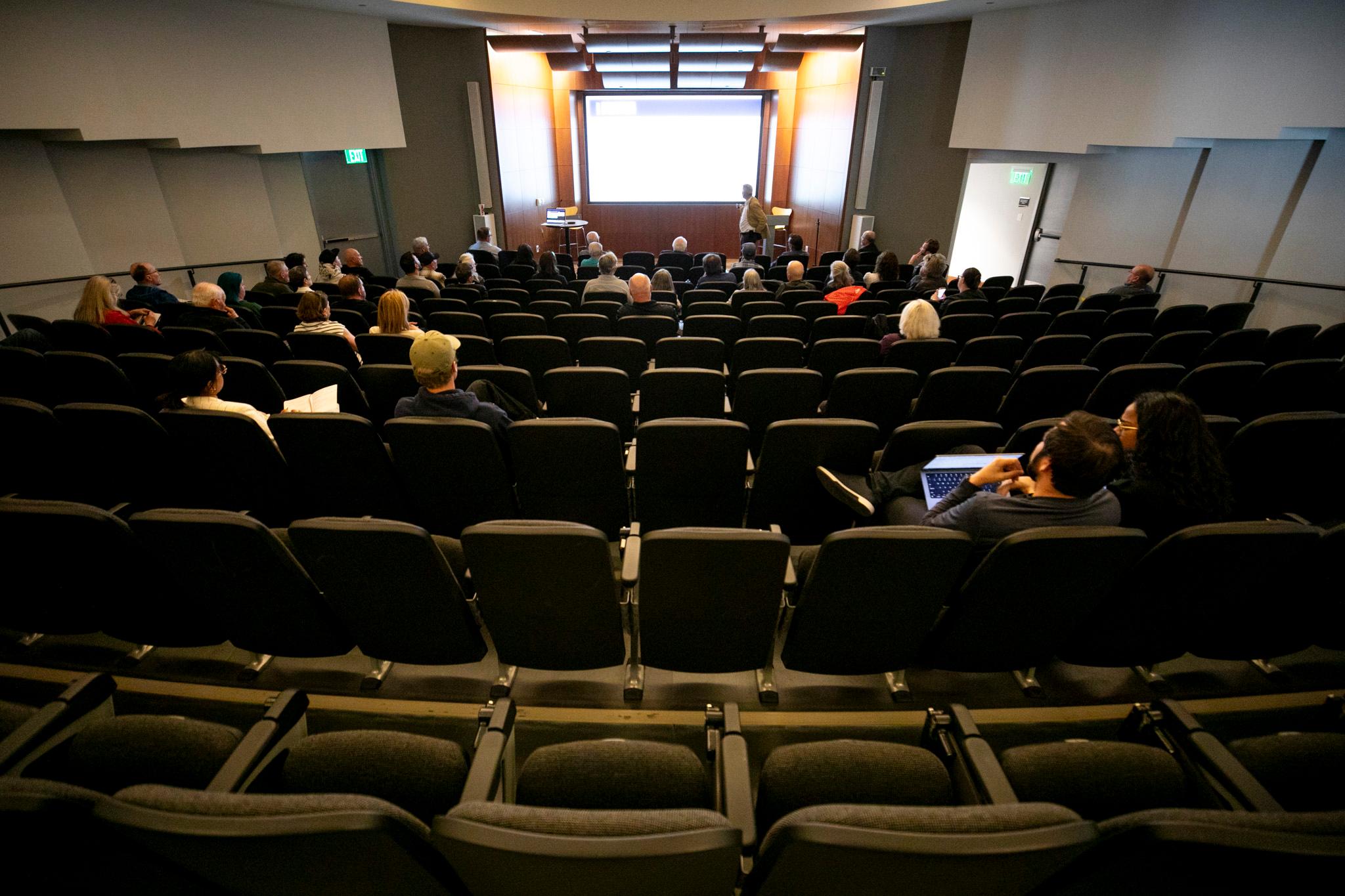
Around 70 witnesses signed up to testify Monday afternoon, including activist groups, law enforcement and community members.
Chrisanna Elser, who was falsely accused of stealing a package via Flock data, spoke in support of the new restrictions.
“I was accused of a crime I never committed and forced to prove my innocence,” Elser said during the hearing. Elser's case was first reported by Denverite.
Alasdair Whitney, an attorney with the Institute for Justice, said the main concern is constitutional rights, not the efficiency of law enforcement.
“In practice, the warrant requirement will make it largely more difficult for law enforcement to access historical ALPR data. But that slight friction is the point,” Whitney said. “The constitution and its protection are not designed for maximum efficiency, even for the sake of law enforcement, they're assigned to protect liberty.”
Supporters of the bill included the family of a man who was murdered on Interstate 225 in Aurora last year. The Aurora Police Department said it used Flock technology to solve the case.
“Thanks to the cameras and technology of the Aurora Police Department, the suspect was able to be arrested. Thanks to his arrest, my family and I had a bit of relief during a difficult time,” Ramone Farfan, the victim's brother, said during the hearing.
Aurora police representatives said waiting for warrants would let cases go cold. Sgt. Michael Tilton testified that the use of Flock cameras not only helped solve the I-225 case, but helped investigators discover another one.
“One man dead, a woman stalked, all solved because of this technology,” Tilton said. “We never would've been able to solve either of these cases, let alone known about one of the crimes had it not been for this technology.”
The bill heads next to the Senate Appropriations Committee, where its $2 million price tag could be another obstacle. Much of the cost is expected to come from the courts, which could spend more time responding to warrant requests.
CPR News reporter Bente Birkeland contributed to this article.