
Lakewood voters are about to make a monumental decision on how the city could grow in the future.
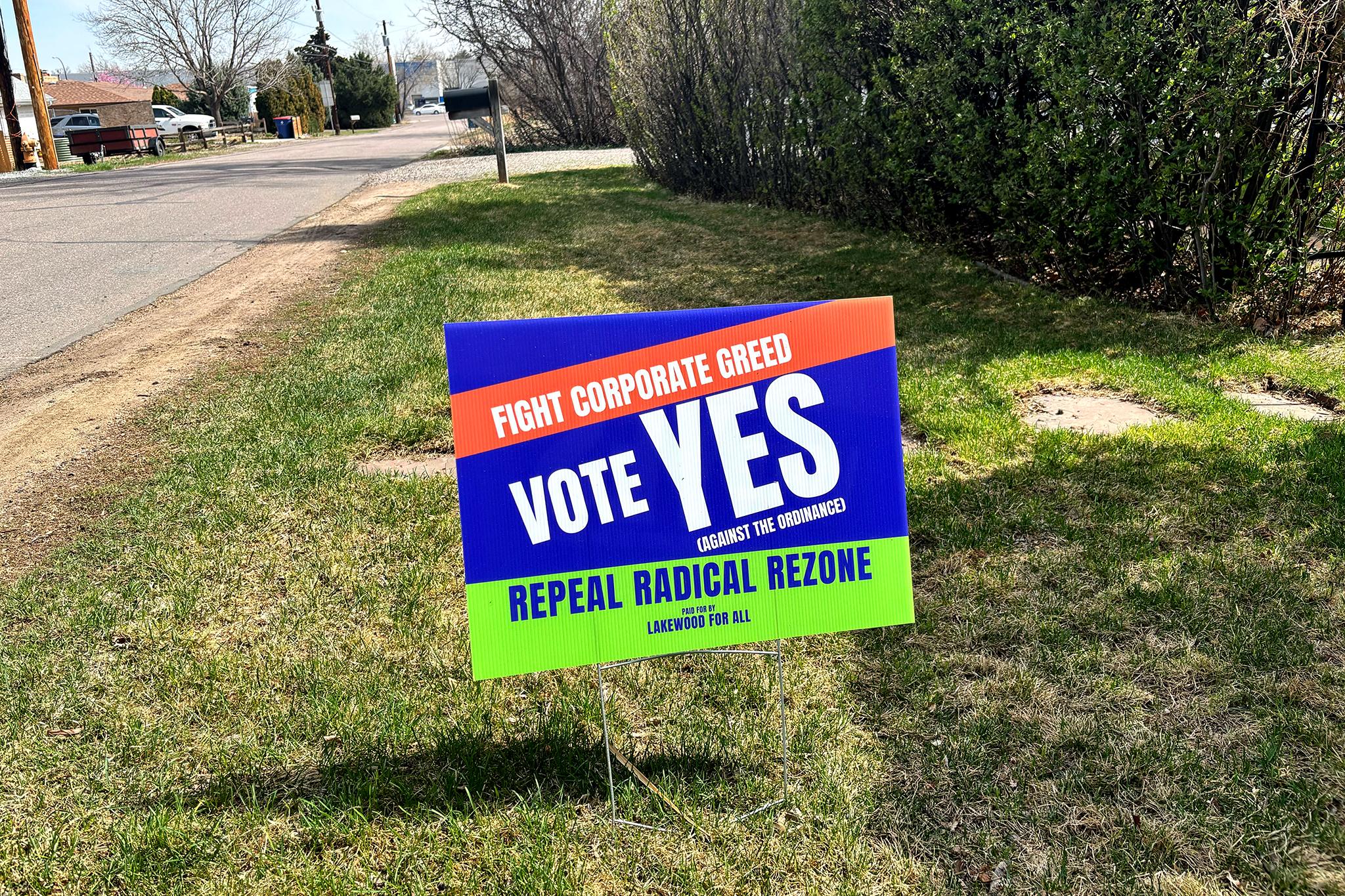
The suburb’s voters will decide April 7 whether to revert the city to its old development rules, making it harder to build townhomes, condos and duplexes across the city.
City officials last year approved new zoning rules, allowing somewhat denser residential development across much of the city. But residents gathered over 3,000 signatures to challenge the change.
In the upcoming special election, a “yes” vote repeals the ordinances approved by city council. A “no” vote keeps the new growth-friendly zoning.
Karen Gordey with the Lakewood Citizens Alliance is a leader of the repeal effort. She said the group is concerned about the effects more development could have on Lakewood.
“By voting yes, it repeals this radical zoning … It gives more time to have more input from the residents,” Gordey said during a community forum on March 22. “I think when the zoning (change) first started that Lakewood was asleep or complacent, a lot of folks were not aware.”
The council passed four ordinances last year that allow the development of more types of housing in more areas. The new rules also limit the size of new residences in some zones, and they encourage the conversion of unoccupied commercial buildings into housing. All four went into effect Jan. 1, but now are paused through the special election.
“I think that a no vote means that you are interested in something changing in Lakewood that will allow for people who already live here to stay here — and for people who want to live here to move here,” said Sophia Mayott-Guerrero. She is a former city council member working with Make Lakewood Livable, the “no” campaign.
“I think that (keeping the new zoning) will decrease our environmental impact as a city per person. And I think that it will improve our landscapes and our overall quality of life,” she said.
Ballots must be submitted by 7 p.m. on April 7.
Here are the changes that could be reversed:
There are four questions on the ballot about the city’s zoning. The measures would repeal ordinances 2025-27, 2025-28, 2025-29 and 2025-30.
The ordinances thoroughly revamped the city’s development rules. But the most controversial change was to the city’s residential zoning.
Under the old rules, single-family homes and accessory dwelling units were the only housing allowed in most of the city’s residential areas. Duplexes and triplexes were not allowed in most of those areas.
The new rules eliminate the concept of a single-family-only zone. Instead, residential areas are designated under statuses like “low-form residential” and “mid-form residential,” which all allow multiple units per property, but in a variety of ways.
In the new zoning rules, most of the city’s residential areas are zoned R-L-B or R-L-C. (See how the zones changed with this map, and find definitions of the old and new zones.)
The city describes R-L-B as “(t)raditional suburban housing, mostly single-family homes with potential for accessory dwelling units and duplexes that look housescale.” It covers most of southwestern Lakewood.
R-L-C is described as “(c)ompact, walkable neighborhoods allowing single-family, duplex, or small multiplex homes with a familiar residential look,” and it covers much of the city north of Mississippi Avenue.
None of the residential zones have explicit caps on the number of units per property, though density would be limited by other restrictions on building size and placement.
“As a result, more duplexes, town homes and affordable options could be built to foster housing affordability,” city staff wrote.
Buildings in the “low form” districts would be limited to 35 feet in height, or three floors. The new residential rules also cap the size of new residential buildings at 5,000 square feet in the low-form zones. City staff say that’s an improvement front he old zoning, which could allow 18,000-square-foot houses in some areas.
Now, voters will decide whether to reject those changes (by voting yes) or keep them (by voting no.)
Supporters of the rezoning say it will allow for more “missing middle” sized homes, like townhomes and duplexes. Opponents say it would invite corporate investors into Lakewood housing.
The updated zoning code and map made numerous other changes that could be reversed by the ballot measure, including:
- Allowing small retail stores (750 square feet or less) in residential neighborhoods, operating 8 a.m. to 8 p.m. at most.
- Allowing food pantries, nonprofits and support services in all zones.
- Requiring neighborhood input before new development is approved near parks
- Setting limits on building height near parks
- Eliminating minimum requirements for how much parking is included in new development near transit stops and bus corridors. This change was required by state law.
- Requiring at least 10% of mixed-use development near transit stops to be open space.
- Allowing older buildings to be converted to residential use even if that doesn’t comply with zoning limits.
What residents are asking:
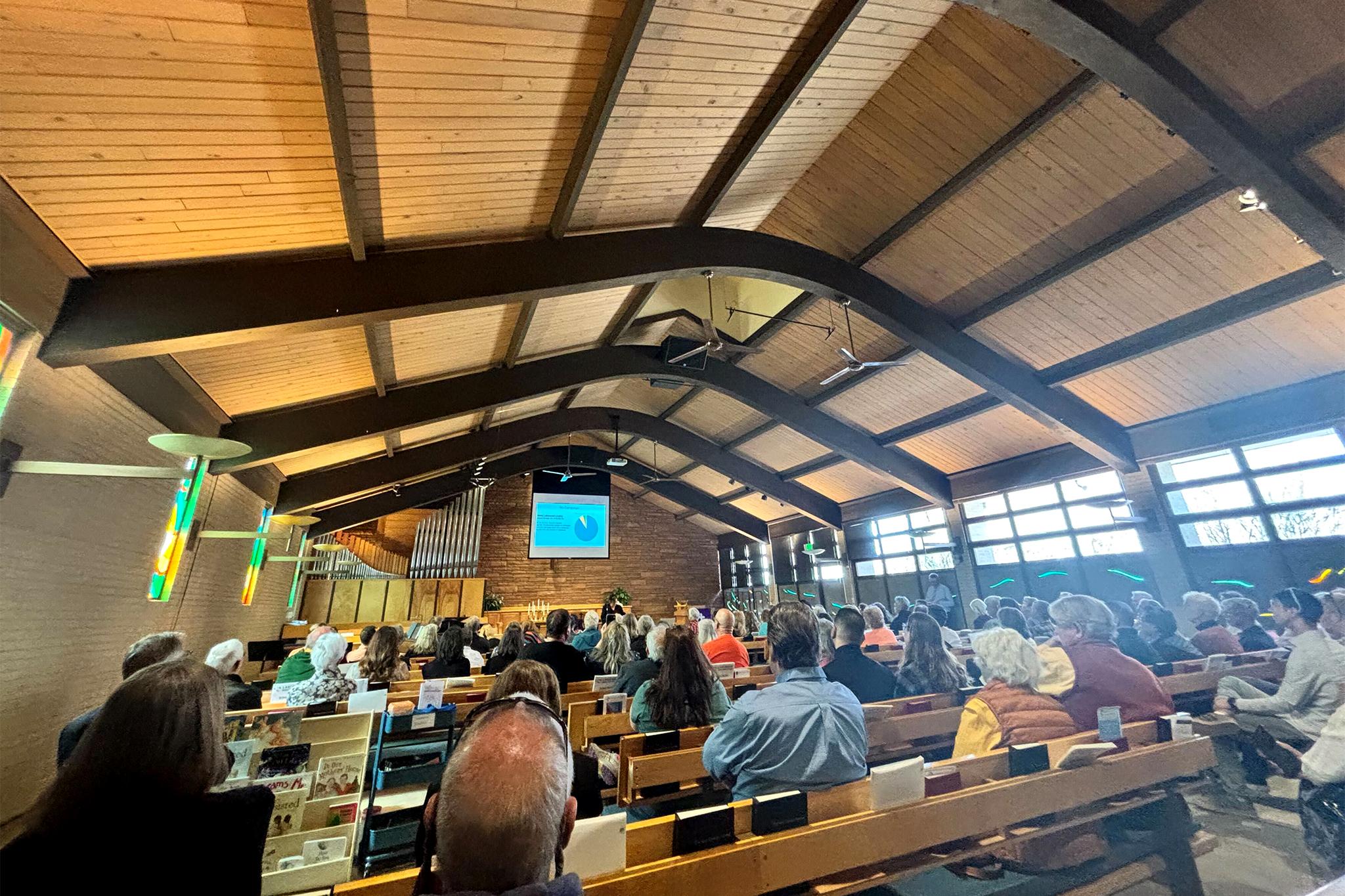
At a forum held at Lakewood United Church of Christ, residents asked Gordey and Mayott-Guerrero questions about the special election. A lot of the questions were focused on what affordable housing means, what kind of housing would be built and how it would affect the city.
“I very recently was able to purchase a townhome, and I'm stoked about it,” Mayott-Guerrero said. “I had a very, very hard time finding one that was going to allow me to actually have a mortgage rather than buying in cash because I don't have that cash. So while yes, I do get to live in one of our examples of middle housing, it was also very difficult to find and I basically jumped on the first thing that had come on the market.”
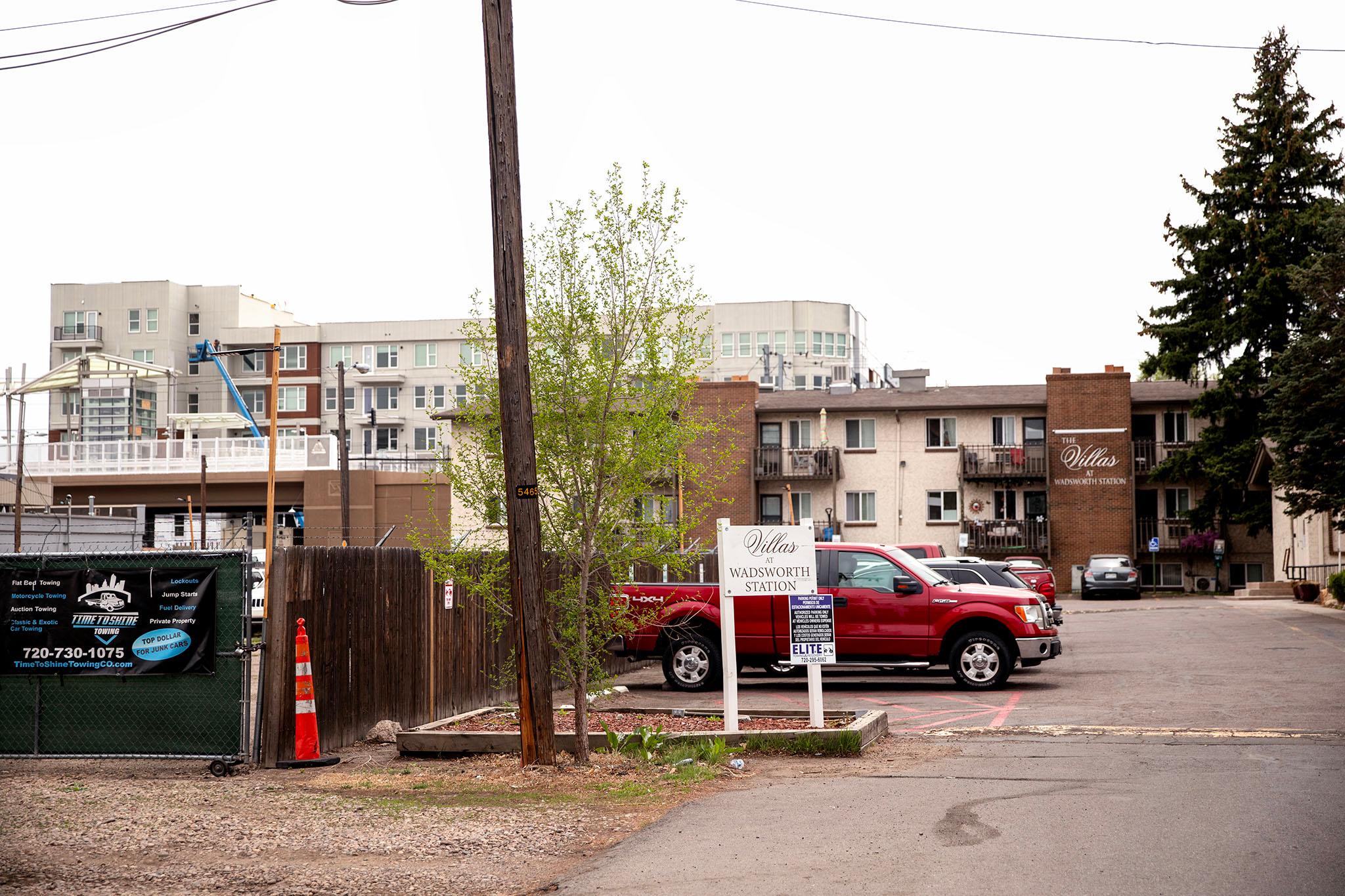
She argued that supporting the ordinance — by voting no — would allow more people to afford Lakewood. Researchers have consistently found that building more housing leads to lower housing cost — supply and demand.
Gordey acknowledged the ordinance may allow more housing construction, but argued it should be more focused on affordable housing.
“If there's not incentives for the builders to build more affordable or attainable housing, then they are going to continue to build market-rate housing,” she said. “Even if you have a smaller house, you still have to pay your permit fees, your fire suppression, all your green initiatives, but at the same time, they also have to carry extra insurance because of our construction defect laws. They need to carry that for seven years after that house is built and then prove as the developer, they have to prove it's not a construction defect.”
The average cost of a home in Lakewood is $557,000, according to Redfin.
Who’s on each side?
The yes campaign has been endorsed mainly by Lakewood residents, according to Gordey. The campaign reported raising $46,442 as of March 28, mostly through individual donations. Lakewood for All, Lakewood Citizens Alliance and Imagine Lakewood are the committees listed in support.
The no campaign has been endorsed by Congresswoman Brittany Pettersen, the American Civil Liberties Union and Lakewood Mayor Wendi Strom. Make Lakewood Livable has reported raising $269,351, with Action Now, Inc. being its top contributor. Action Now is an advocacy group backed by Arnold Ventures, the philanthropy of billionaires John and Laura Arnold.
Back and forth in the development fight
Housing development has been a hot topic for the city for years, with residents voting in a special election in 2019 to put a yearly cap on housing construction. It won with 53% of the votes.
In 2023, the council voted 8-3 to put an expiration date on the growth cap, setting it to disappear in two years. The change was meant to put the city in compliance with state law, but it left Lakewood questioning how to manage growth and development.
The zoning code and map reform that the council approved to take effect in 2026 was made up of 400 pages and split into four votes throughout 2025, with each passing.
Development politics have been a rich part of Lakewood's history. Lakewood officially became incorporated in 1969, largely in response to fears it would be annexed by Denver. Its zoning ordinance wasn’t implemented until 1983.
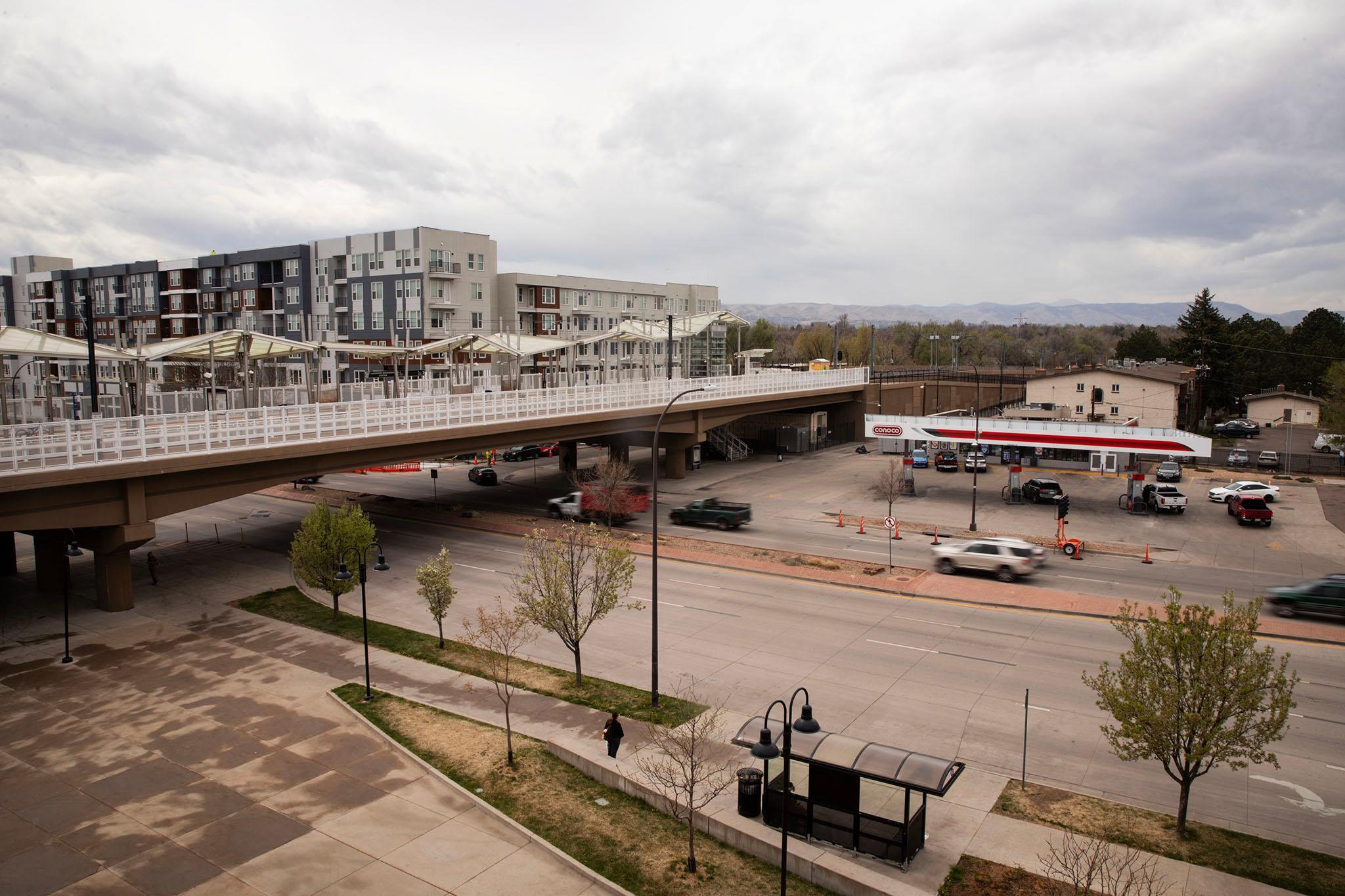
Gordey’s group had to get 3% of the population to sign onto a petition to overturn the council vote. Both sides agree it’s been a hard fight.
“It has been really impressive to see the community want to volunteer and come together on this issue,” said Mayott-Guerrero. But, she added: “I worry about how divisive it's going to be and that it will end up in a fallout that actually reduces participation rather than increases it over time.”
Gordey said she’s concerned about the fallout as well.
“How do we heal as a community? That's the biggest takeaway because at the end of the day, we all live in Lakewood and we all love Lakewood and we're all passionate about this, but one side is going to be very bitter after April 7, and we need to figure out how to rebuild trust and communicate and not be divisive after all of this,” she said.
What’s on the ballot?
Question 1: Shall the City of Lakewood repeal Ordinance 2025-27, an Ordinance amending the Lakewood Zoning Code by repealing and replacing Articles 6-14 of Title 17 of the Lakewood Municipal Code, including provisions concerning residential building and site design standards; institutional, mixed use, commercial, and light industrial building and site design standards; parking and loading standards; sign standards; wireless services and communications; historic preservation; nonconformities; sustainable development; and definitions and interpretations?
Question 2: Shall the City of Lakewood repeal Ordinance 2025-28, an Ordinance amending the Lakewood Zoning Code by repealing and replacing Articles 1, 2, 4 and 5 of Title 17 of the Lakewood Municipal Code, including provisions concerning the purpose and administration of the Zoning Code; procedures and appeals; use and supplemental standards; and dimensional and development standards?
Question 3: Shall the City of Lakewood repeal Ordinance 2025-29, an Ordinance amending the Lakewood Zoning Code by repealing and replacing Article 3 of Title 17 of the Lakewood Municipal Code, including provisions concerning the establishment of zone districts?
Question 4: Shall the City of Lakewood repeal Ordinance 2025-30, an Ordinance amending the Lakewood Zoning Code by repealing the existing zoning map, replacing it with the new zoning map, and rezoning properties thereby?