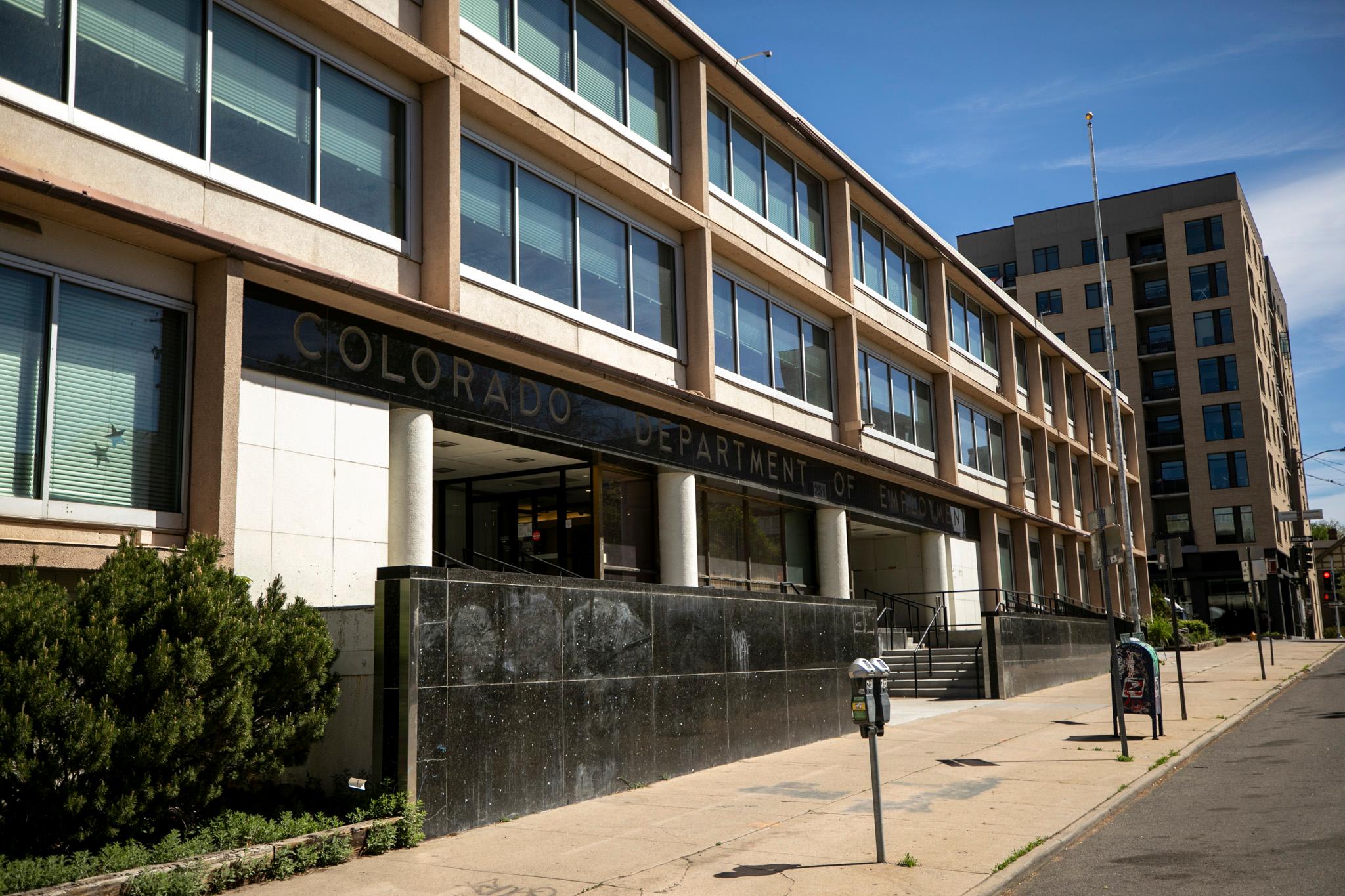
Two of Denver’s anti-poverty measures have clashed in recent years: a push to build affordable housing and a law that is meant to boost pay for workers on city projects.
The city has had a law on the books for seven decades requiring Denver contractors to pay “prevailing wages” — an amount matching market pay — for publicly funded projects.
But the city’s Department of Housing Stability has not been enforcing the law for construction firms working on city-supported affordable housing projects.
Officials with Mayor Mike Johnston’s administration say it isn’t required. Their goal: Making income-restricted housing cheaper and easier to build, even if that means paying workers a little less sometimes.
Now, policymakers, the auditor, the mayor and the city attorney’s office have all been arguing about the prevailing wage law and whether it really applies to all projects funded by the city.
A little history
Denver has had “prevailing wage” laws on the books since the 1950s. The law ensures when projects are funded by the city or built on city land, workers must be paid wages that match the pay for comparable work in the region.
The goal of mandating prevailing wages: “We want to make sure that we are not negatively influencing regional wages,” Councilmember Amanda Sawyer, the bill’s co-sponsor, said at committee.
When City Council reformed the prevailing wage law back in 2016, council members believed all city-funded projects would require contractors to pay prevailing wages.
But in 2017, the city started contributing funding to affordable housing projects that are not built on city land.
And in most of those projects, the city has not forced building contractors to pay prevailing wages. In July 2024, the Johnston administration issued a memo exempting affordable housing projects from the law.
That’s caused a growing rift between some city officials. In 2023, the City Auditor’s Office blasted the housing department for failing to enforce the wage law.
The city has paid out tens of millions toward affordable housing projects in recent years.
What are prevailing wages?
Housing officials argue the law adds costs and red tape to projects. They said that when contractors learn about prevailing wages and related reporting requirements, they walk away from deals, further raising costs.
The City Attorney’s Office argues that city-funded projects on private land should be exempt from the prevailing wage requirement. But other city leaders say that’s dodging the intent of the law.
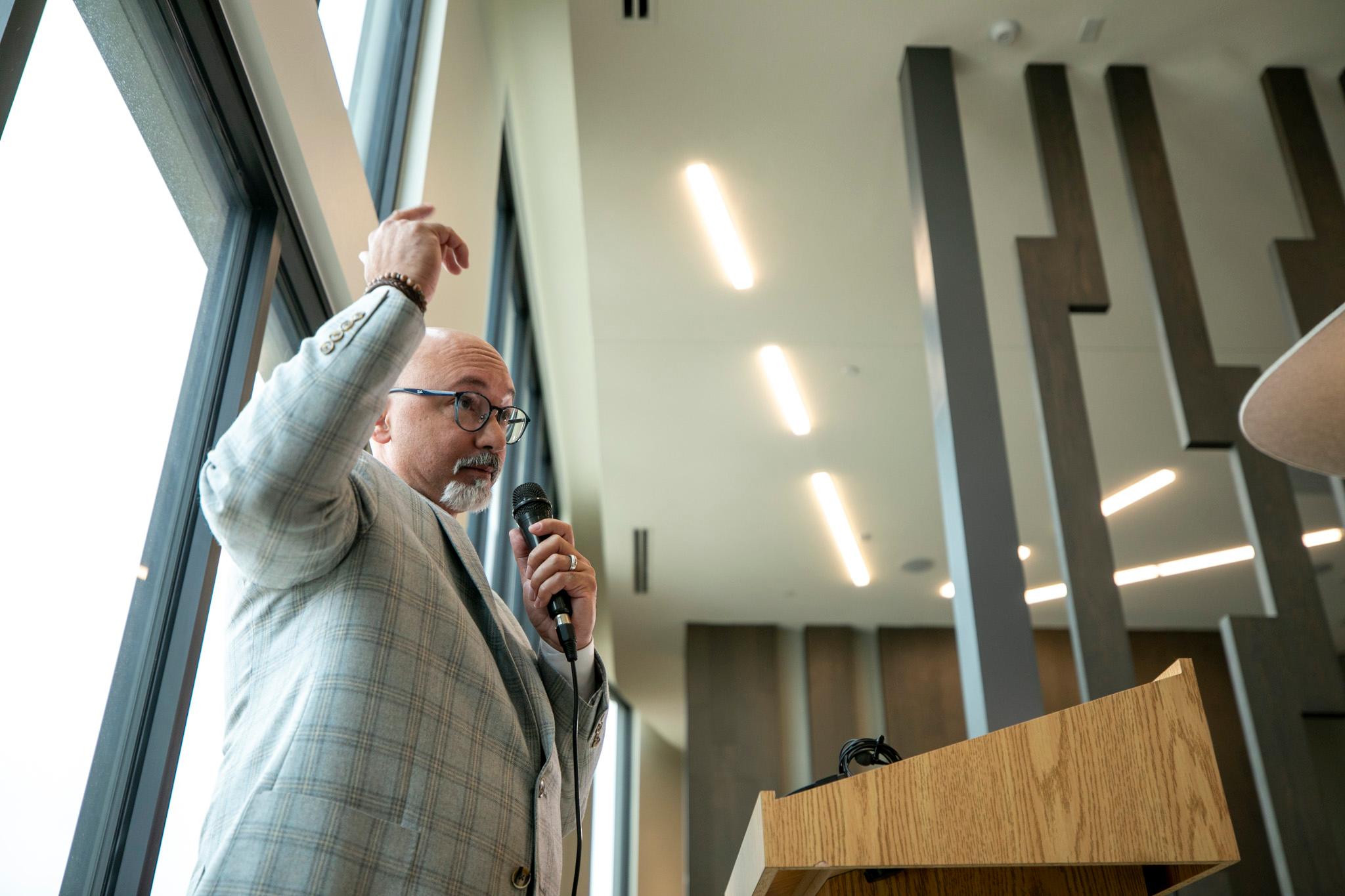
Clerk and Recorder Paul López, who served on the council when the prevailing wage rules were updated in 2016, told a council committee it was the council’s intent to require prevailing wages whenever city funding was involved in construction.
“The intent and the discussion and support that I gave for the affordable housing policy was in fact to try to combat poverty in this city,” López said. “And part of that equation is making sure that we not only have affordable housing, but have a livable wage, because we wouldn't have an affordable housing crisis if we had a living wage for folks all throughout Denver.”
But the way the law is written doesn’t make its intent clear, the city attorney’s office argues.
What’s next?
City Council is trying to resolve the fight by clarifying the prevailing wage law — not by rewriting it, but by adding clarifying punctuation. The revised law, they say, would ensure that all city-funded projects come with prevailing wages.
A council committee unanimously approved sending the proposed clarifying changes to the law onto a full council vote in the weeks to come.
Most council members and Mayor Mike Johnston argue there is a way to ensure workers are paid well and that income-restricted housing can be built affordably.
“We’re supportive of working with Council to build affordable housing and keep wages high,” the mayor’s spokesperson Jon Ewing wrote. “We think there’s a way to do both.”