Denver is rolling out a first-of-its-kind program to help fund climate action at the neighborhood level.
The city’s Office of Climate Action is offering up to $50,000 in mini grants for communities to design and lead their own "sustainability and resilience” projects. The city says, at its core, the program is built on a simple idea: climate solutions work best when they come from the communities they’re meant to serve.
“Community-led projects are some of the most powerful tools we have to engage Denverites in climate action and resilience,” Emily Gideon with the city’s climate office said.
The funding comes from Denver’s Climate Protection Fund, a sales tax approved by voters in 2020 to support emissions reduction and climate resilience efforts.
Unlike traditional city-led initiatives, the new program is meant to prioritize grassroots ideas.
“While there's lots of things that we can do as a city, one of the most important things that we can do is invest in our neighborhoods and people in neighborhoods who have really good ideas,” Gideon said. “We're also really interested in creating solutions alongside the community, and that's the gap that this program fills.”
The city announced the new program on Earth Day.
But as a first-of-its-kind program for the city, some logistics are still being worked out.
Eligibility is limited to community-based organizations within Denver — including nonprofits, neighborhood groups and tribal entities — which could leave out residents who aren’t already connected to an organized group.
But organizers say they’re offering support, including office hours, and can help bridge that gap by connecting people with local organizations to navigate the application process.
How the funding works
The pilot program will award funding in two tiers:
- 10 awards up to $25,000 for smaller, community partnership or pilot projects
- Two awards up to $50,000 for larger, more established efforts
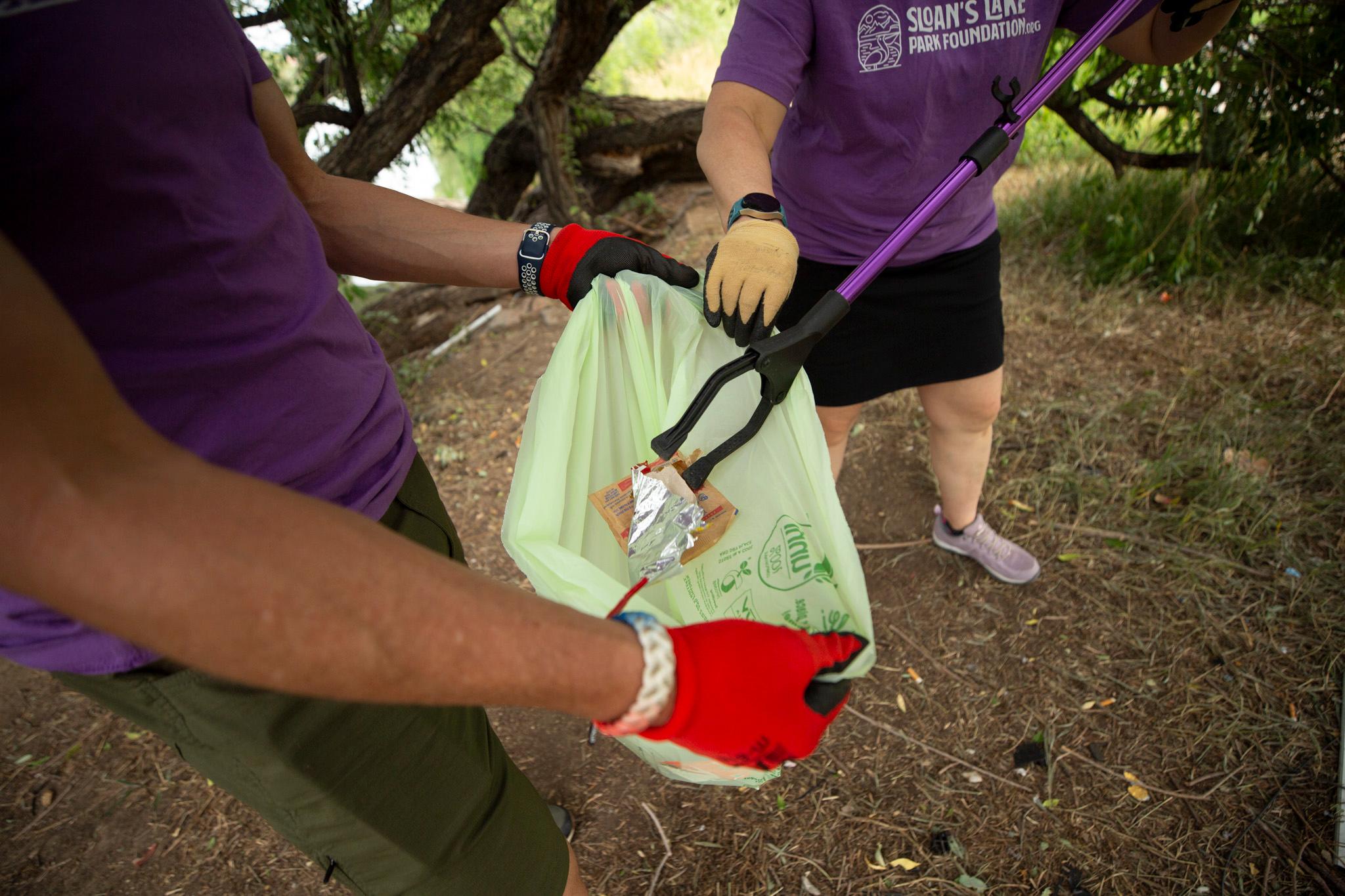
Rather than funding major infrastructure, the city says grants are geared toward engagement and behavior change. Gideon says examples of projects include beautification initiatives around the city, like planting trees or flowers in neighborhoods, and community workshops or discussions about saving energy or transportation costs.
Applications will be accepted on a rolling basis and will be closed when all the funding is exhausted.