A proposal to redevelop a strip mall along Federal Boulevard has set off alarms in southwest Denver’s Asian community, leading to questions about how and if large-scale development is appropriate for the neighborhood.
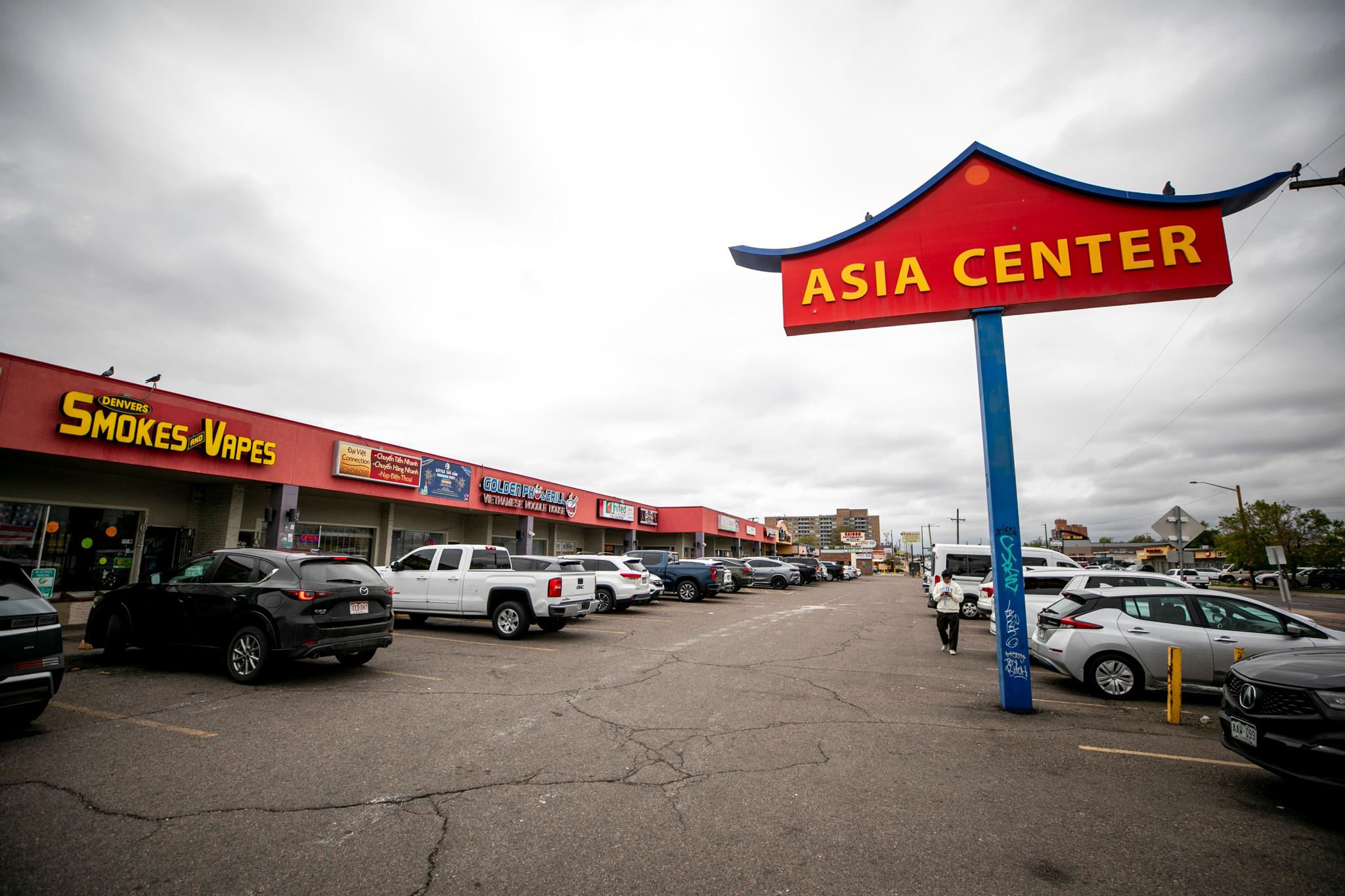
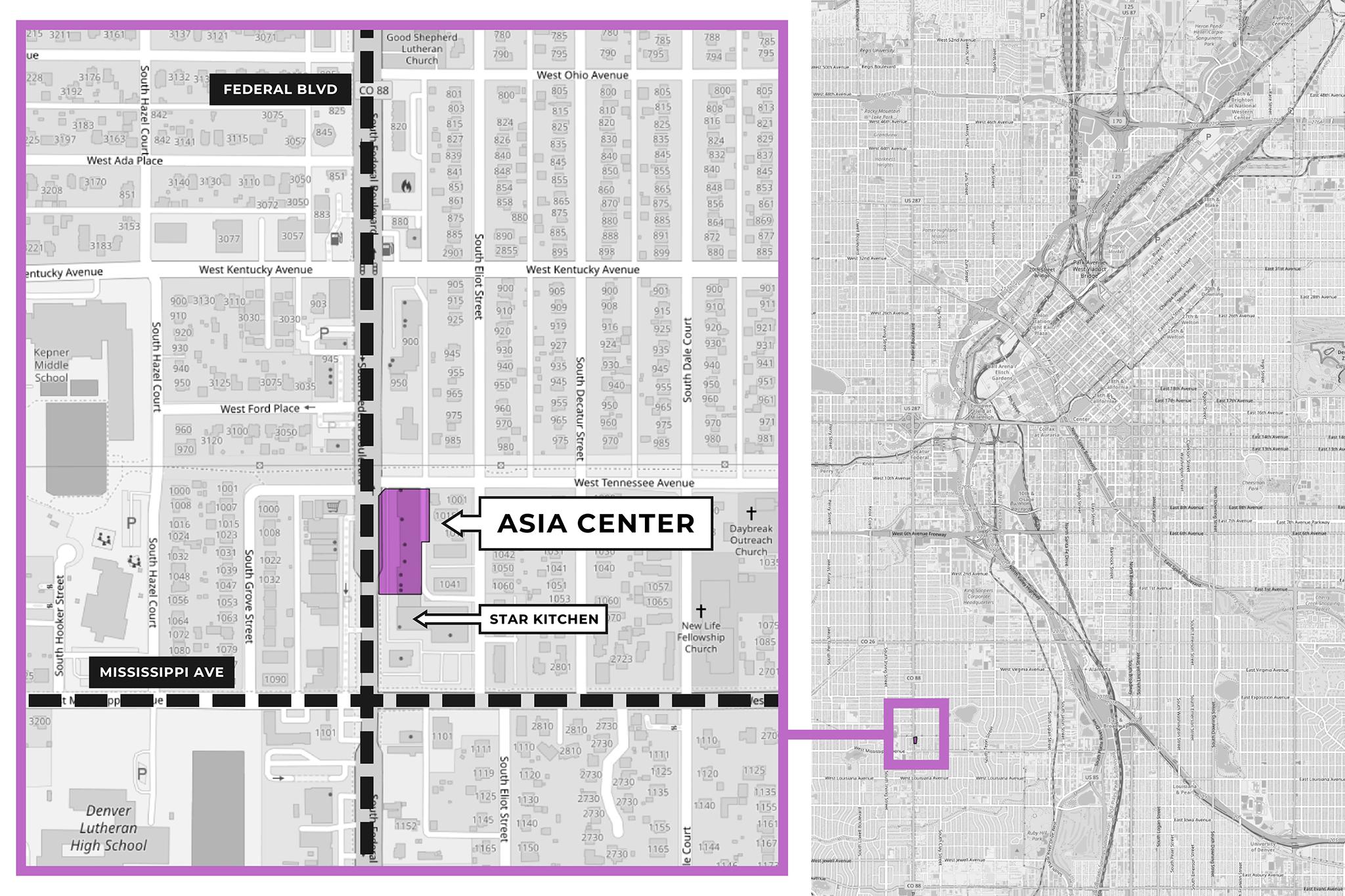
The Asia Center at 1000 S. Federal Blvd. is home to a variety of Asian-centered businesses, with many operating for decades in the mall. But their futures may be at risk. A concept plan submitted by the mall’s landlord to the city proposes converting the mall into a four-story mixed-use housing complex.
While the proposal is still in its early stages and could change considerably or even fail to move forward, it has caused considerable waves in the community, with many fearing that it will push Asian businesses out of the unofficial Little Saigon district.
The strip mall is beloved, but is showing signs of its age.
The 19,000-square-foot Asia Center was sold to Asia Center Development LLC, a conglomerate that includes locals, in 2023 for $5.75 million. Tenants told Denverite that the new owners promised not to change things, but rumors started swirling around potential redevelopment.
At least on its face, the 70-year-old Asia Center has seen better days. Parts of the parking lot need repaving, and facades outside storefronts are covered in wooden structures that previous owners built to deter pigeons and people.
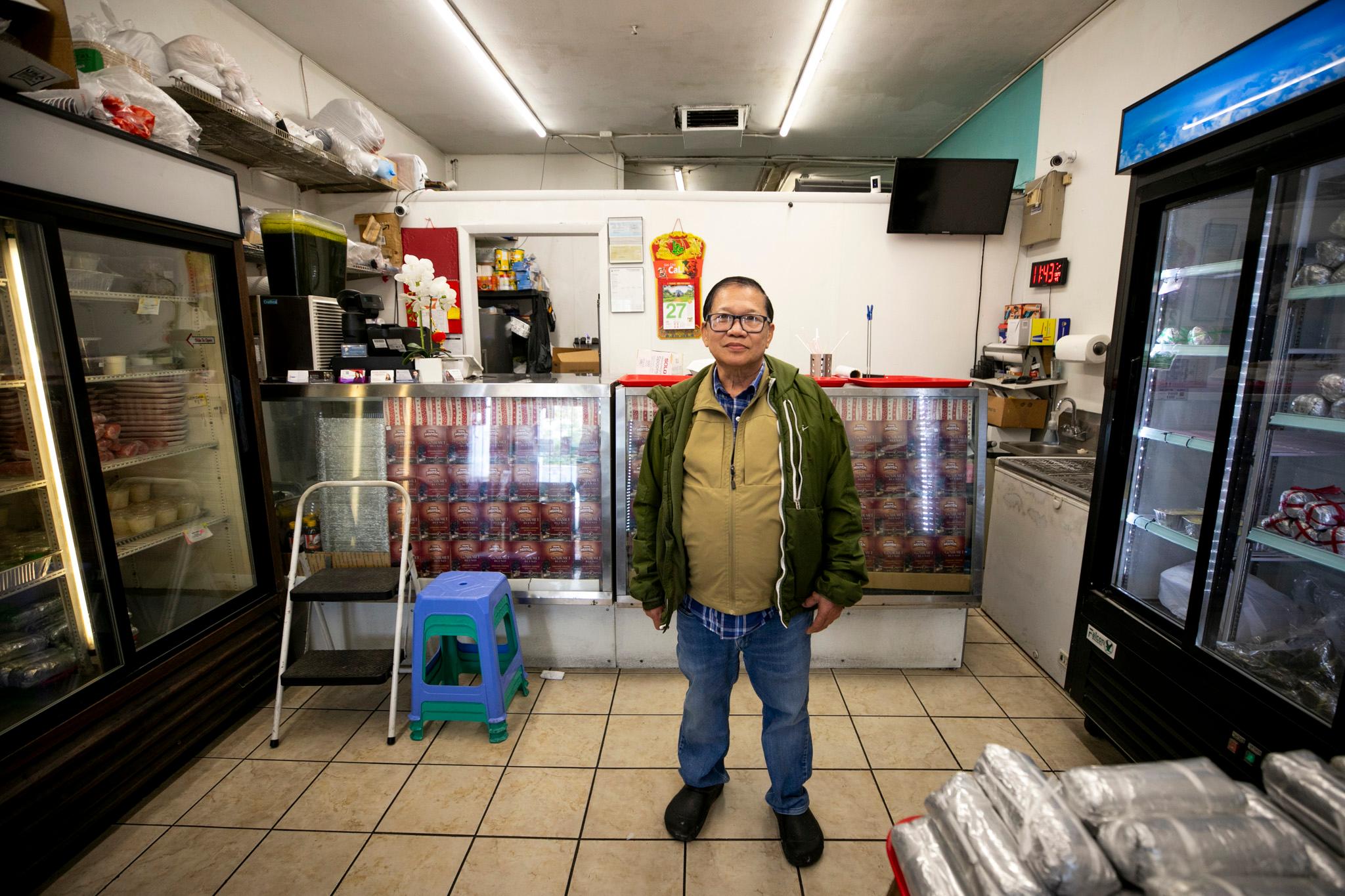
But tenants told Denverite that business has been booming. There’s a healthy mix of businesses, like longstanding Vietnamese bakery Giò Chả Cali, an optician and a vape shop. The block is part of the Little Saigon District, a one-mile stretch of Federal where Vietnamese immigrants have opened businesses for decades.
“Everybody knows about my business who are Vietnamese, and they know where to find me, they know my product,” said Đức Bùi. Bùi and others spoke to Denverite in Vietnamese through Khánh Vũ, a community advocate who translated.
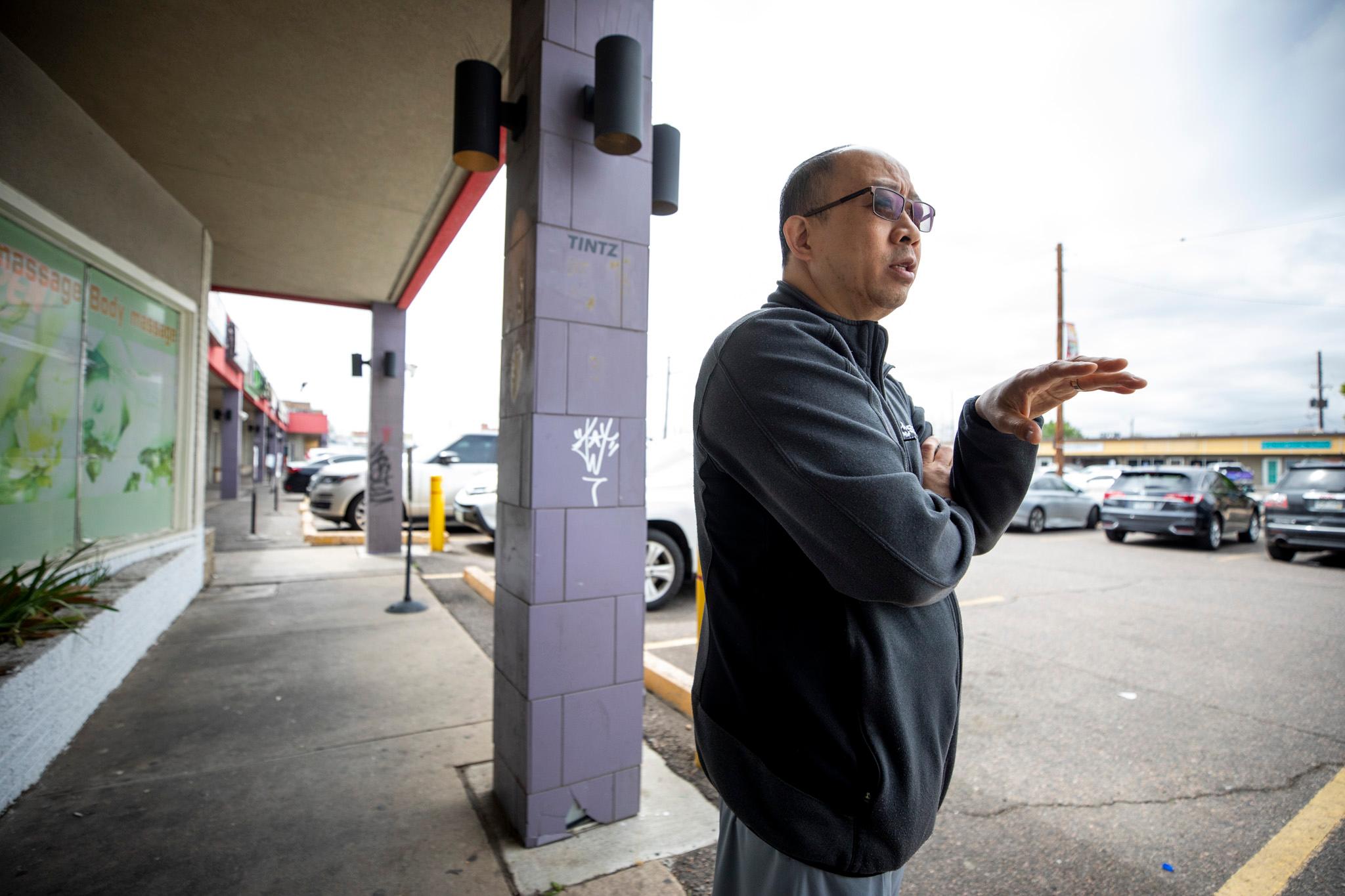
Unlike other parts of the city, where a coffee shop might hesitate to open near another cafe, there are three phở restaurants on the Asia Center’s block alone. Tam Nguyen, who owns Golden Phở & Grill, said they’re all able to coexist without pushing each other out of business due to the strength of the local Vietnamese community.
“This is very unique,” Nguyen said.
A redevelopment would be in line with the city’s plans for the area.
Denver’s Southwest Area Plan, the planning document that will guide rezoning and development in the Asia Center’s neighborhood, was officially adopted last month. While the plan doesn’t set any development in motion, it provides a 20-year blueprint for growth informed by years of community input.
Part of the area plan outlines the importance of preserving the immigrant backbone of Federal Boulevard.
“Businesses are facing real threats from rising costs, gentrification, displacement, and the potential for construction impacts from [a planned bus rapid transit project]. Business owners mention rising rents, property taxes, labor, and food costs as major challenges to maintaining profitability,” it says.
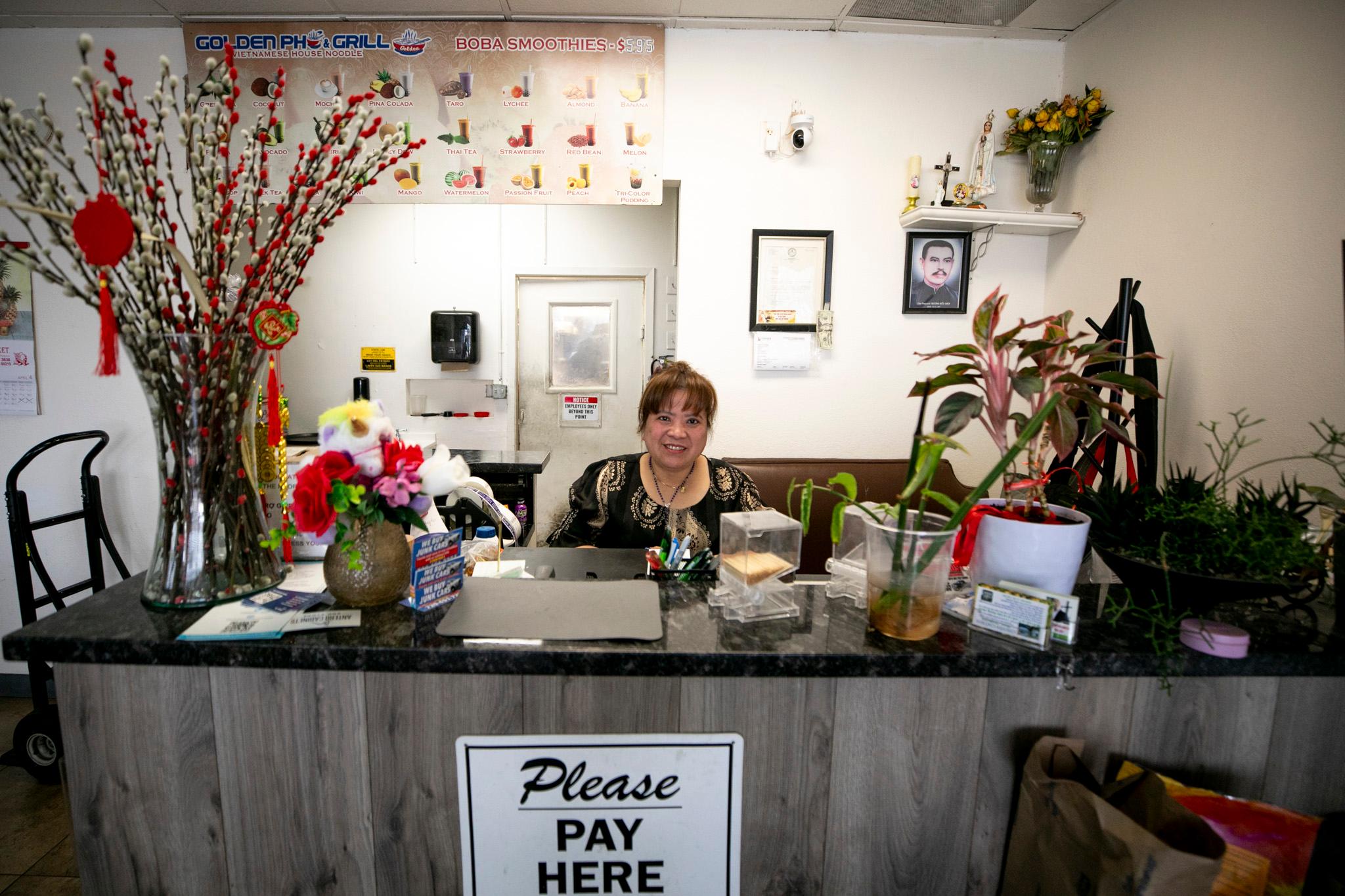
Tam Nguyen stands behind the counter in her Golden Phở and Grill restaurant in the Asia Center on Federal Boulevard. April 27, 2026. Kevin J. Beaty/Denverite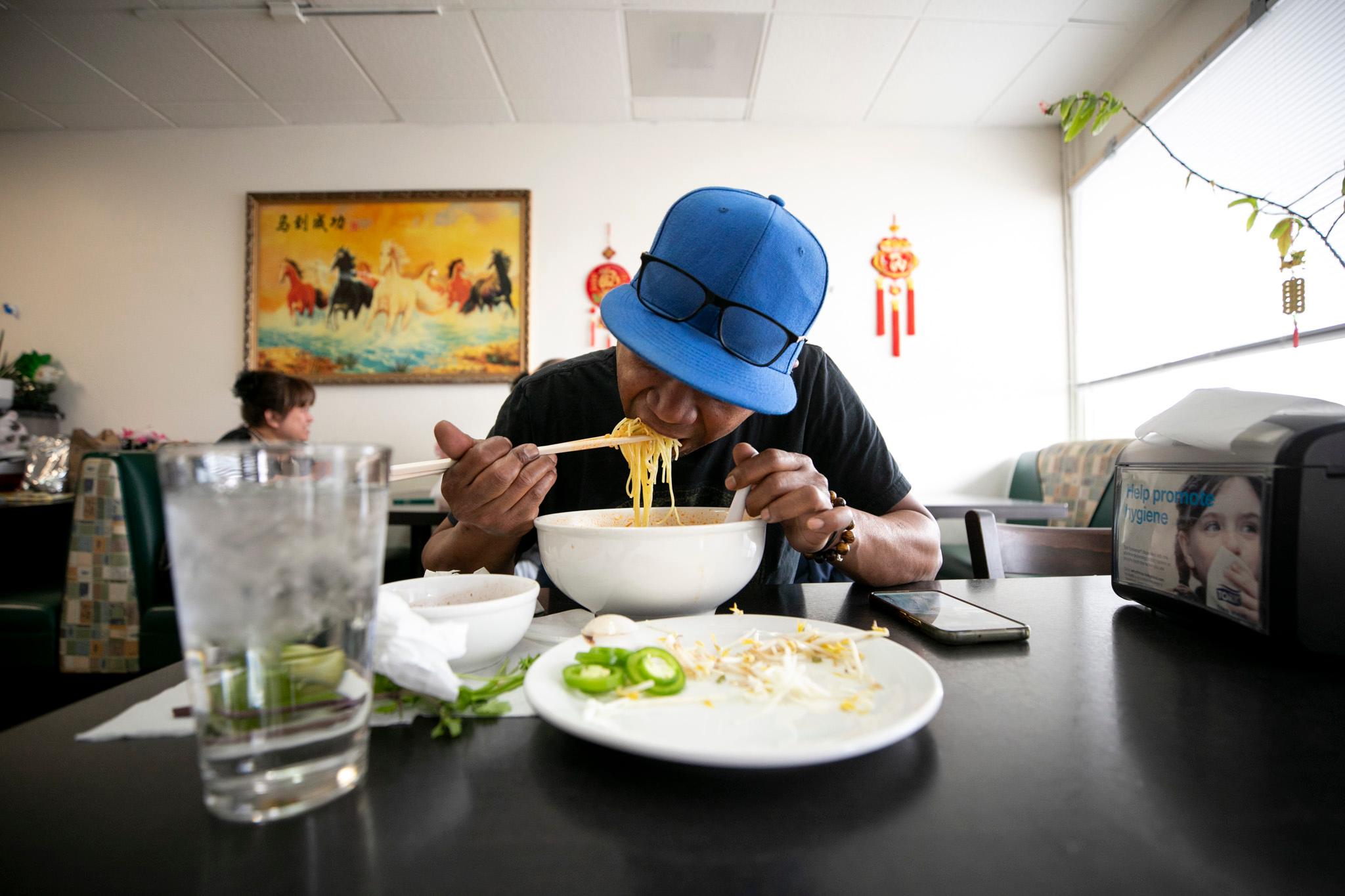
Phuong Le slurps lunchtime noodles at Golden Phở and Grill in Federal Boulevard's Asia Center. April 27, 2026. Kevin J. Beaty/Denverite
But the report also argues that Federal should not be preserved in amber. The corridor is one of the most dangerous streets in Denver and features many empty parking lots or narrow sidewalks, making for a poor pedestrian experience.
One of its recommendations is zoning for denser and affordable housing developments along major corridors like Federal.
The area plan says that new developments that prioritize “transit riders, pedestrians, and cyclists” would help the corridor prepare for Federal’s pending bus rapid transit project. The state plans to build out BRT along Federal from Westminster to Englewood, but it isn’t clear what the design will look like.
The Asia Center’s redevelopment is far from concrete. A spokesperson for the city’s Community Planning and Development office, which handles rezoning and development reviews, noted that “applicants submit a proposal to the city to identify issues with the design and overall feasibility of the project that will need to be addressed during the site development review process.”
“Concept plans can and do change before the formal site development plan is submitted to the city,” said Alexandra Foster, CPD’s communications director.
The Asia Center is already zoned for three-story development, with allowances for taller development if affordable housing is built on-site. That could allow the developer to build the project without Denver City Council approval.
Momentum builds after community backlash.
Business owners said they were taken by surprise by the redevelopment plans. The real estate news site Naked Denver first reported the news.
Local real estate agent Katrina Nguyen grew up in the area and has fond memories of going to the Asia Center as a kid. Her family owned various businesses in the area, including one in the Asia Center.
After she learned of the redevelopment proposal, she started a community petition to “Save the Asia Center”. The petition had garnered over 9,300 signatures as of Monday afternoon.
“It is one of the few communities that's been untouched for so long because it's very historical to us and it provides us access to the most authentic restaurants, the grocery stores where we can find recipes for the food that we make for our families and stuff like that,” Nguyen said.
Nguyen said that she’d like to see the developers instead work with current tenants to improve the property. At the very least, she said, tenants should have been looped into these conversations from the start.
The developers could not be reached for comment. In a letter sent to tenants, the landlords emphasized that there are “no finalized plans and no timeline for construction” and that plans were filed to explore options to “ensure when collaboration expands, including with tenants, it is meaningful and productive.”