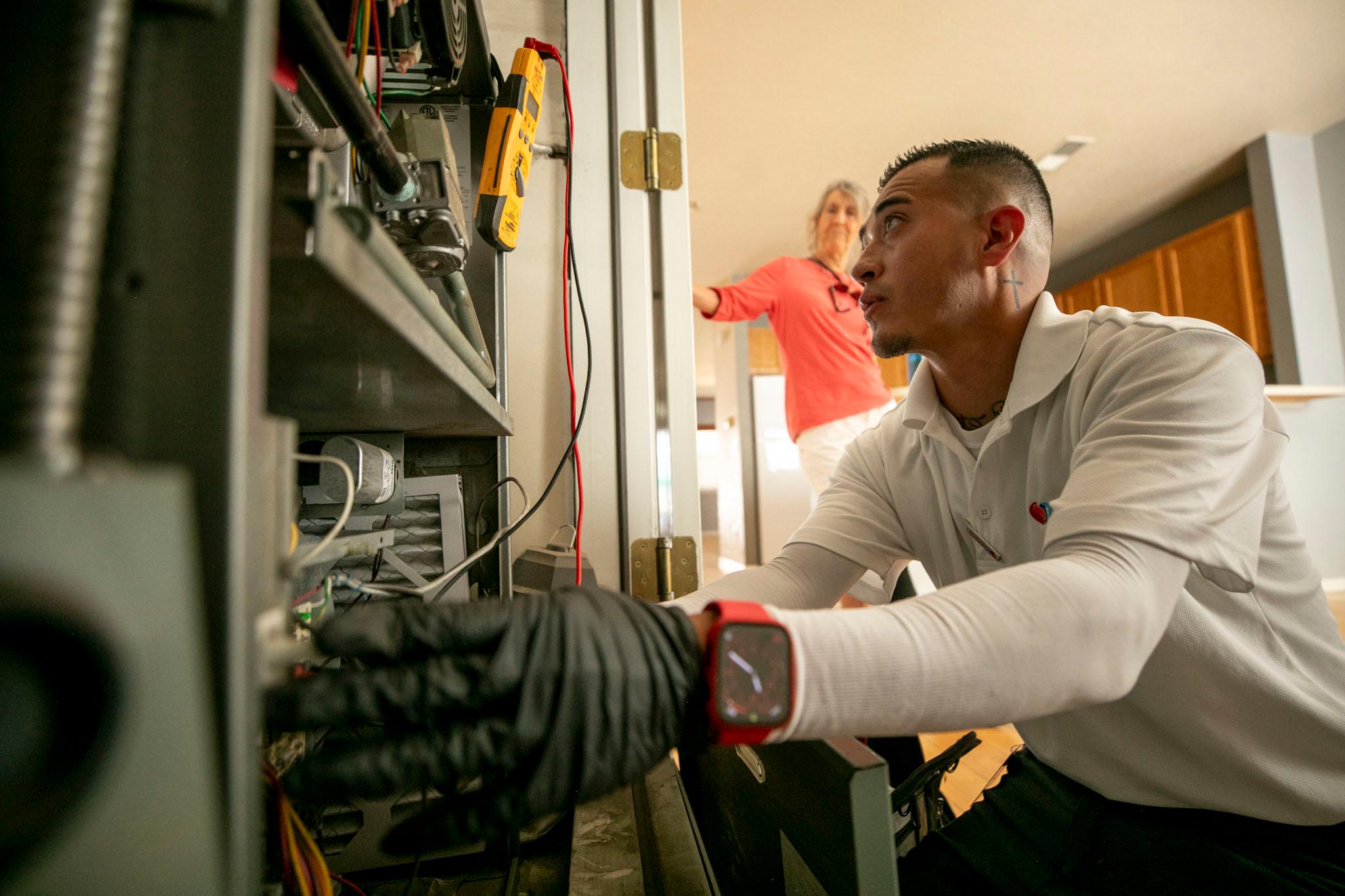

Homeless guests at Aurora’s new incentive-based shelter say they are being paid $6.25 an hour, below minimum wage, in a training program where they pick up garbage, mop shelter floors and make beds.
“It shouldn’t be a jail,” said former resident Titania Anastasia, who wants to see the shelter investigated for its pay practices.
The CEO of the nonprofit running the shelter is defending the arrangement — saying the payment is not a wage but rather a perk of participating in voluntary education. No one is forced to do janitorial work, though it is one way to earn better accommodations at the shelter.
“We use a whole-person approach to helping guests gain the necessary life and professional skills to be successful,” Jim Goebelbecker, CEO of Advance Pathways, wrote Denverite in an email. “There is a program incentive payment of $25 per four hours for those who voluntarily engage in this Tier 2 program.”
The shelter works on a tiered model, granting better accommodations, food and opportunities for those who work with a case manager and make progress on goals – like job training. Most of its services, including food and shelter for Tier 2 participants, are free of charge for guests.
But employment attorney Adam Harrison said employers still must pay the minimum wage to people engaged in physical or mental effort for the company. The state’s minimum wage is $15.16 an hour. The only exceptions are prisoners, as well as volunteers and students who benefit from the work more than the company does.
“If residents are engaging in physical or mental labor for the benefit of the company, are receiving less than the applicable minimum wage, and are not subject to any of Colorado’s narrow exemptions from the minimum wage, I would be very concerned that the campus is not considering the rights of one of our most vulnerable populations,” Harrison wrote in an email, noting his firm, HKM Employment Attorneys, has not investigated Advance Pathways or the navigation campus.

What sort of job training are people receiving?
One shelter program teaches people skills to be janitors and to safely mix chemicals, describing it as a voluntary way to get ready for the job market.
“We begin with teaching the value of keeping the surroundings clean which involves guests picking up garbage around the facility, mopping some floors, and cleaning cots under the guidance/coaching of full-time staff who are responsible for the overall condition of the facility,” Goebelbecker wrote.
In other words, Advance Pathways gets some janitorial services at a price below minimum wage, though guests also receive benefits like a place to stay, food and counseling for free. Advance Pathways is responsible for 75% of the cost of operating the shelter, with Aurora kicking in the rest.
Goebelbecker says participants in the program are not performing the janitorial functions “in their entirety” and that paid staff are ultimately responsible for the work.
Activities like mopping floors, picking up garbage around the facility and cleaning cots are “part of the skill development,” Goebelbecker wrote.
“No significant money is saved as our 6 full-time janitorial staff are responsible for the cleanliness of the building, not the Associates,” wrote Goebelbecker, who was paid $190,000 in 2024, according to tax documents.
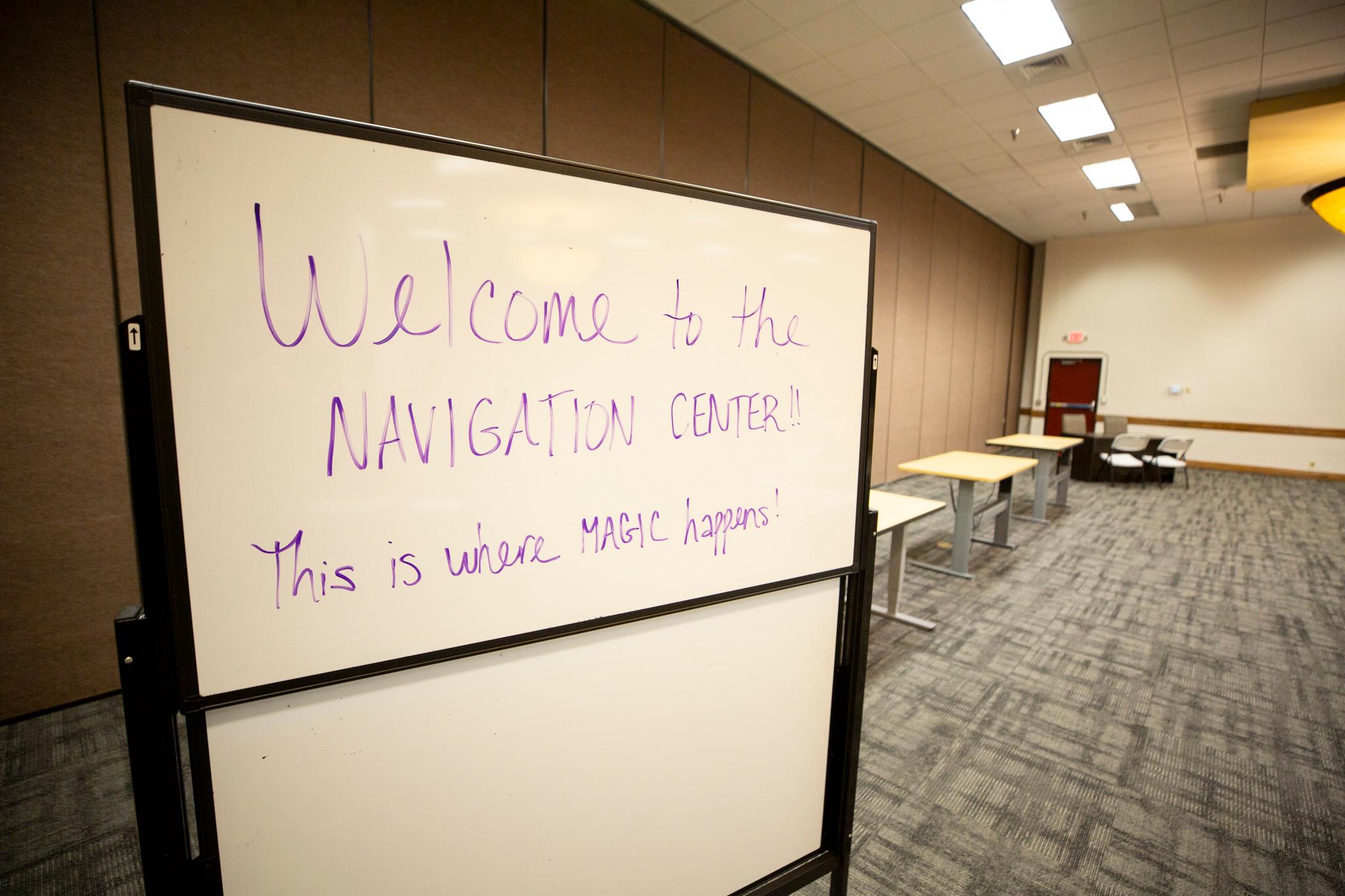
Goebelbecker’s nonprofit is under a state investigation for an unequal pay complaint.
The Colorado Department of Labor and Employment on Monday confirmed an unequal-pay investigation into Advance Pathways.
Investigations occur whenever someone files a formal complaint and do not imply wrongdoing. The state did not indicate a timeline for the investigation but will share the results once it’s complete.
Goebelbecker told Denverite he was unaware of the state investigation — though he is aware of at least one person’s criticisms of the program.
“There is a guest who has raised concerns regarding a stipend associated with a specific workforce development program,” Goebelbecker said.

The mayor’s take
Mayor Mike Coffman, who has been staying at the shelter every Friday night for four months and plans to do so until it becomes “world class,” elaborated on the issue with Denverite last week.
“Well, there's a stipend, $25 a day for working four hours as a part of the job training exercise,” Coffman said. I understand that somebody is challenging that. And so that may be in some form of litigation. So when lawyers are involved, that's when I can't be involved.”
The mayor sits on the board of the nonprofit running the shelter.
Pay problems
A person experiencing homelessness and making just that $25 stipend could not afford to exit homelessness in a city where the average rent is $1,696. Most participants work a maximum of five four-hour development blocks.
But the ongoing stipend, “paid every 2-weeks to mimic a future work environment,” isn’t intended as a replacement for full-time work. It’s not even a wage, Goebelbecker said. Instead, it’s a token of recognition for shelter guests’ efforts to establish stability.
Anastasia told Denverite $25 can’t pay for much — but it is enough to buy some meth, which she suspects some navigation center guests may be doing with the money.
Wouldn’t it be better, she wondered, if people made a livable wage and could gain some stability?
Anastasia raised her concerns with the mayor.
“You're not going to go far in life,” she said he told her.
“Oh yeah, just deflect from my criticism,” she responded.
Coffman did not recall the interaction, but he did acknowledge complaints about the pay.
“There have been complaints to me,” Coffman told Denverite. “They say, ‘Well, why are we paid a stipend when this is the minimum wage?’ It’s part of the job training.”