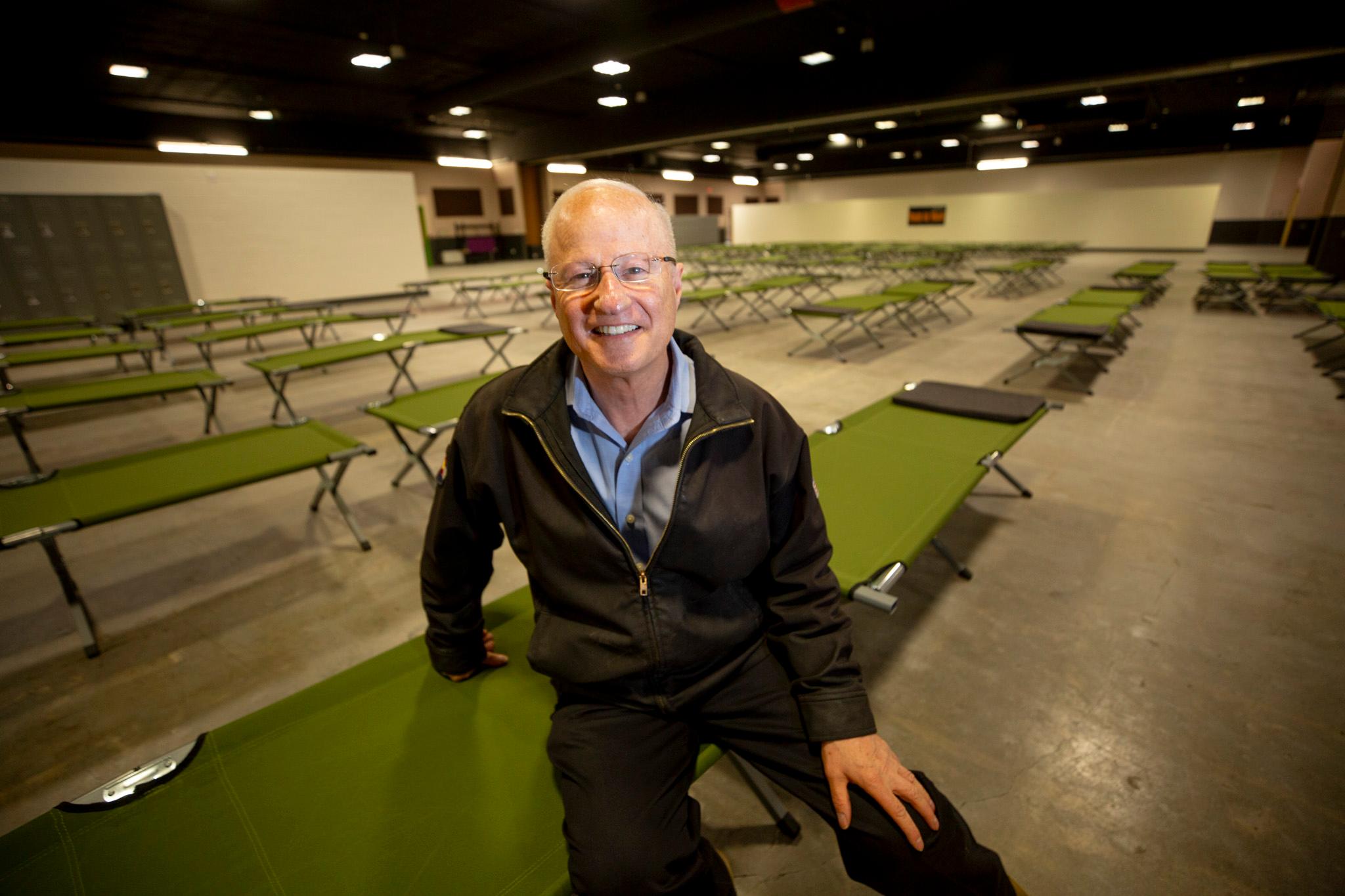
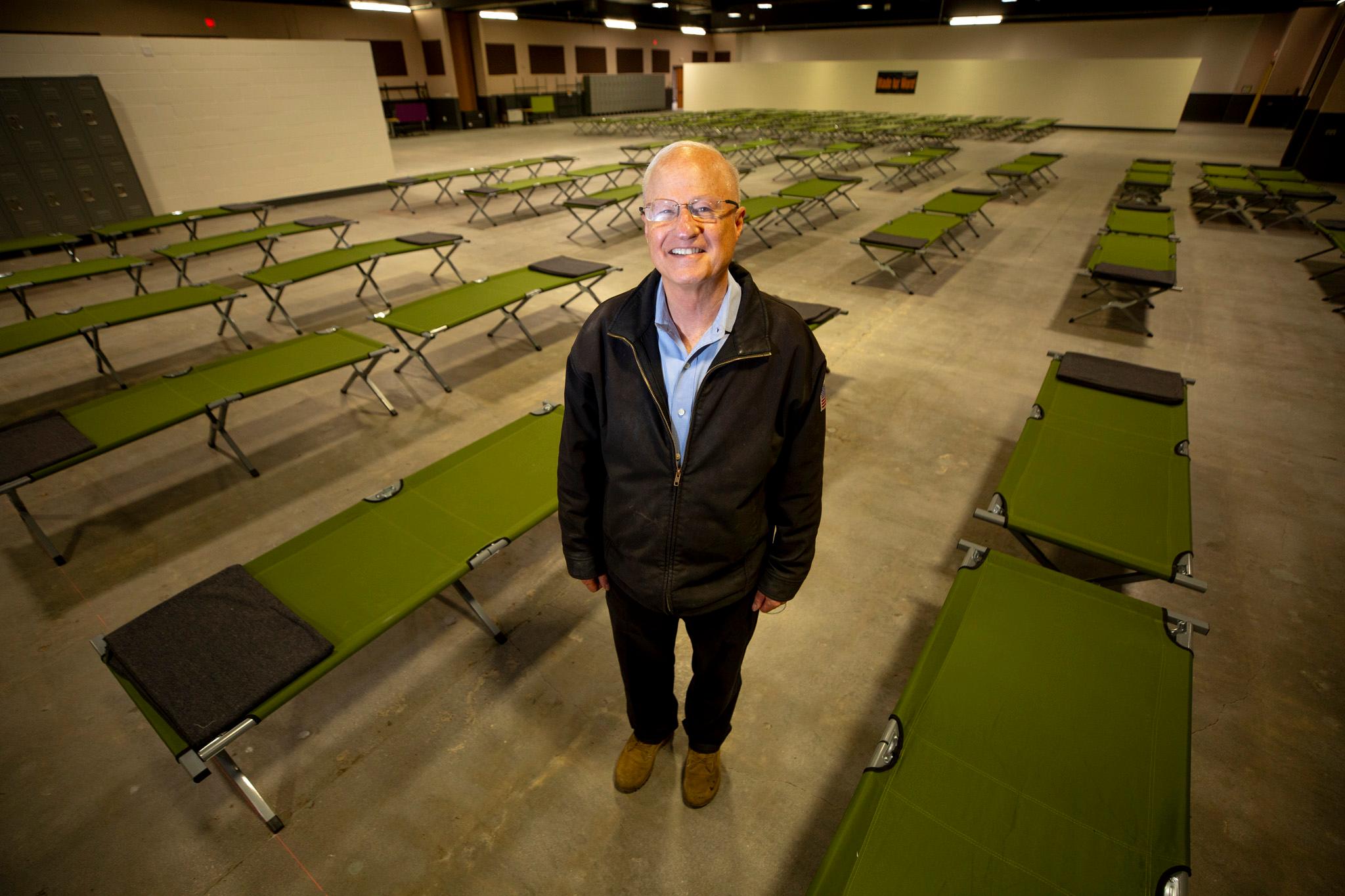
Aurora Mayor Mike Coffman is trying again to understand the experience of homelessness — this time by spending every Friday night for five months and counting sleeping on a cot at a city-funded, nonprofit-run hotel shelter.
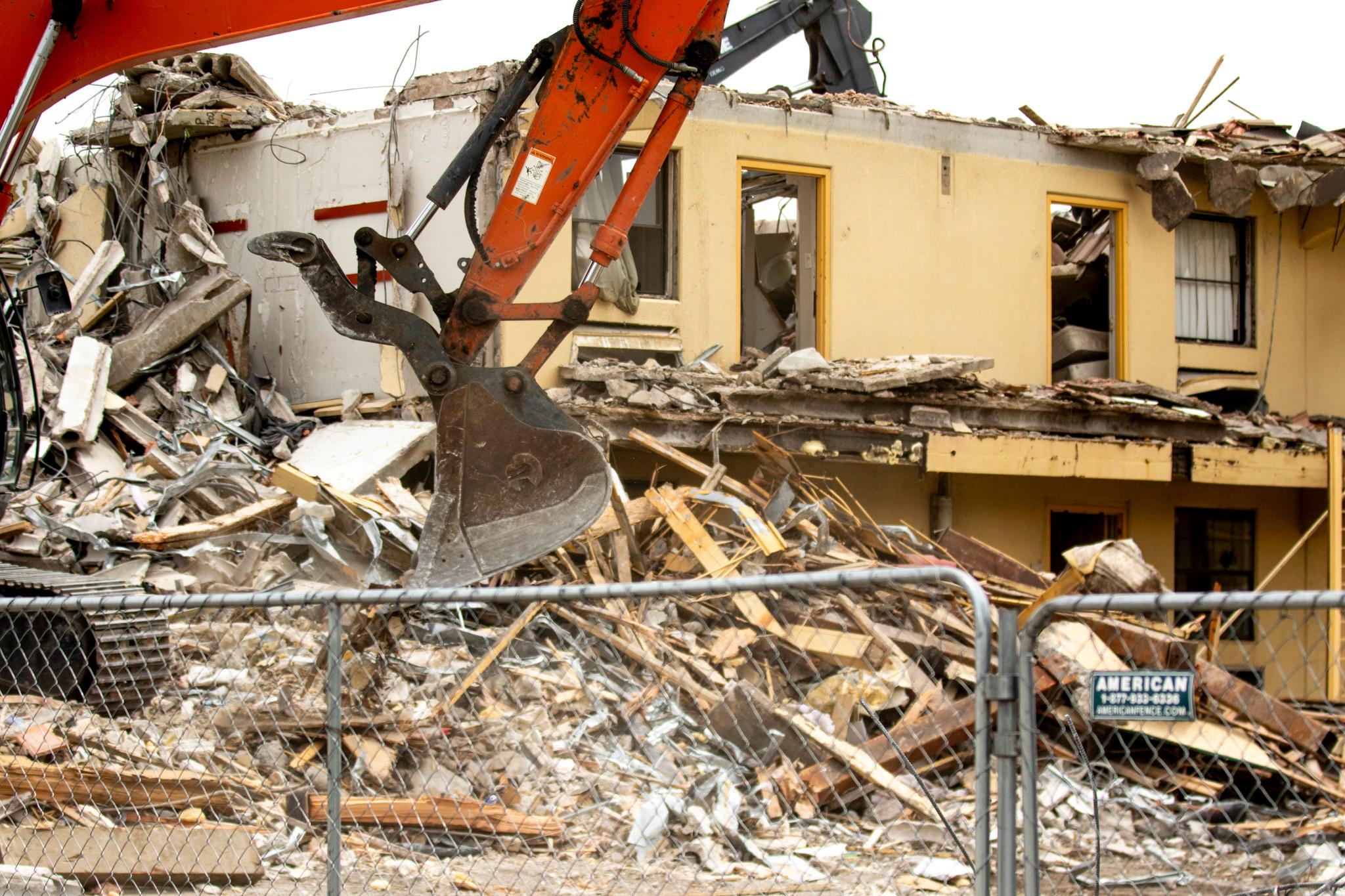
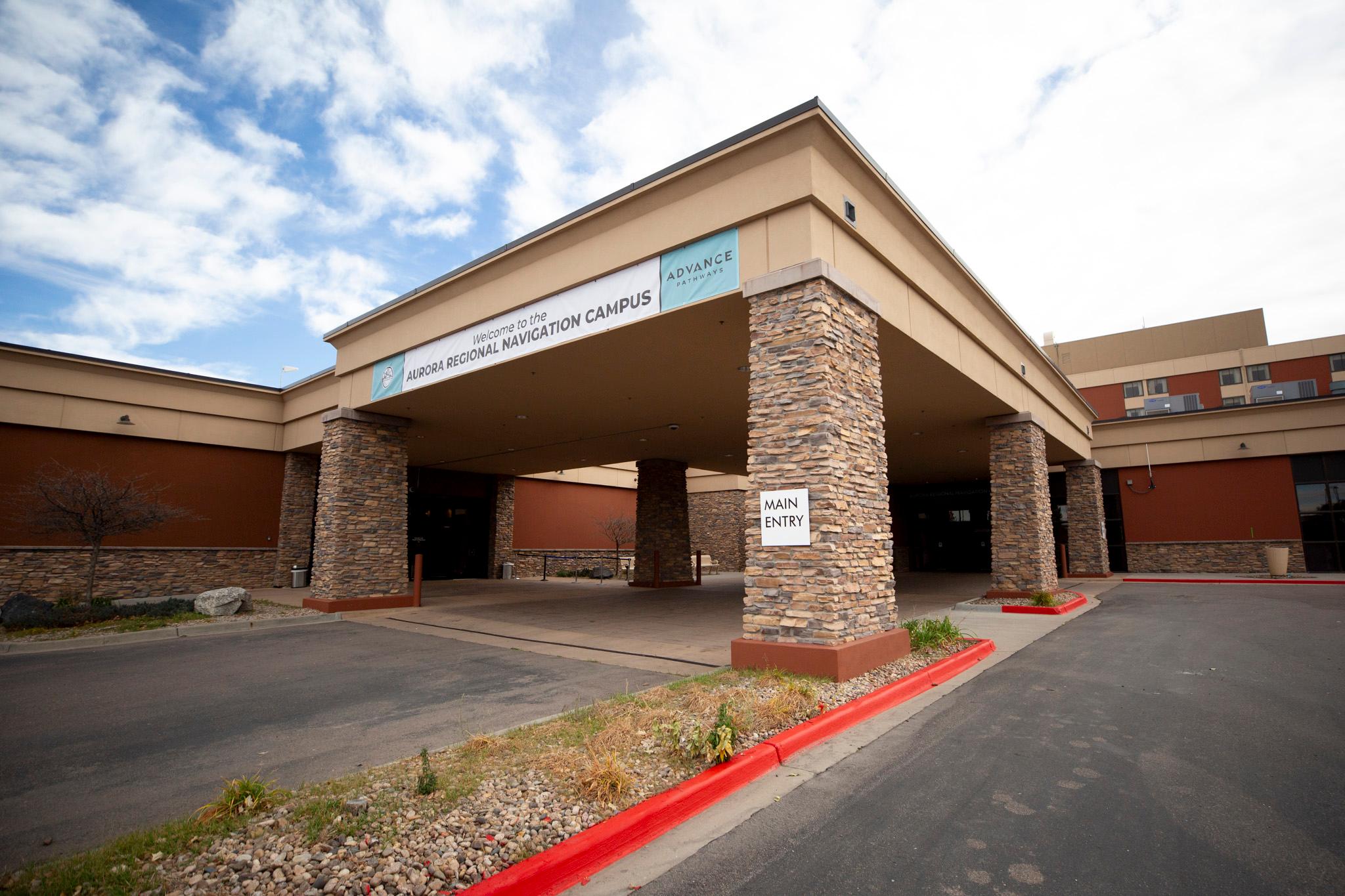
Coffman was instrumental in the creation of the 600-bed Aurora Regional Navigation Center at a former Crowne Plaza hotel. It’s funded by the state and local governments and run by Advance Pathways, a nonprofit for which Coffman is a board member.
A few months after opening, the navigation center came under fire over bad plumbing, noxious odors, sickness and Advance Pathways’ struggle to keep up with maintenance tasks, the Aurora Sentinel reported in February.
So, the mayor decided to see what was — and wasn’t — working with the project he’d launched.
“Never order somebody to do something you yourself would not do,” he told Denverite in an interview, citing his experience in the military.
And apparently it’s having an impact: Coffman said that he now sees economic factors as a major cause of homelessness.
“There is an economic dimension to homelessness,” he said. “People that live paycheck to paycheck, if something happens, they can become homeless, they can become unhoused. And I don't think I recognized that before, but I recognize it now.”
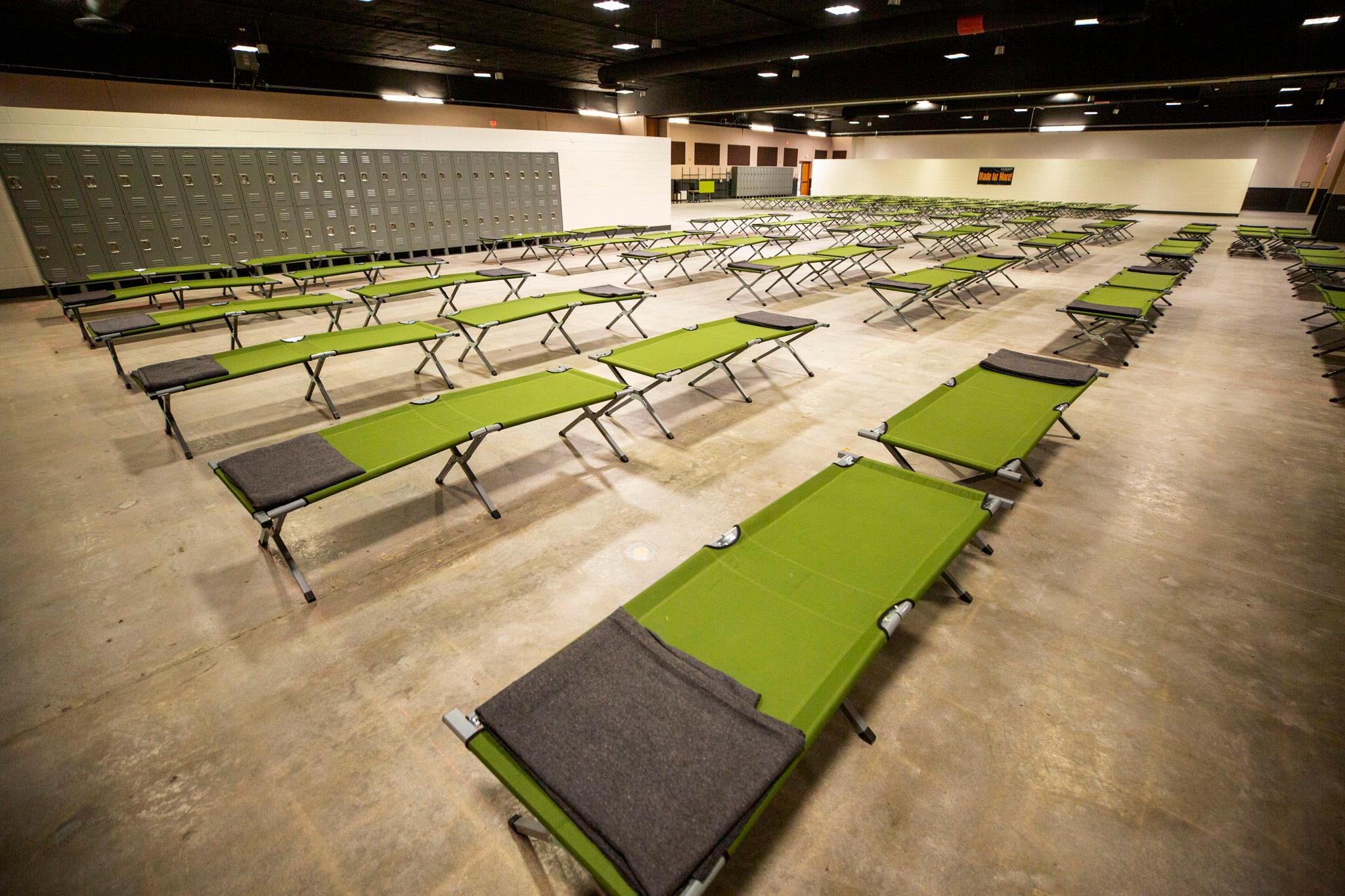
The mayor started sleeping at the facility on Feb. 28, keeping an eye on a project that he hopes will become a national model for addressing homelessness.
“The experience has enabled me to better understand their unique and complex challenges and it has helped me to see them with compassion, as individuals, and not through a lens of condescension or contempt,” Coffman wrote in a recent Facebook post revealing his weekly visits.
Bad sleep
Coffman has spent his nights in the roughest part of the shelter — initially wearing construction-grade ear protection to block out the snoring and other shelter noises.
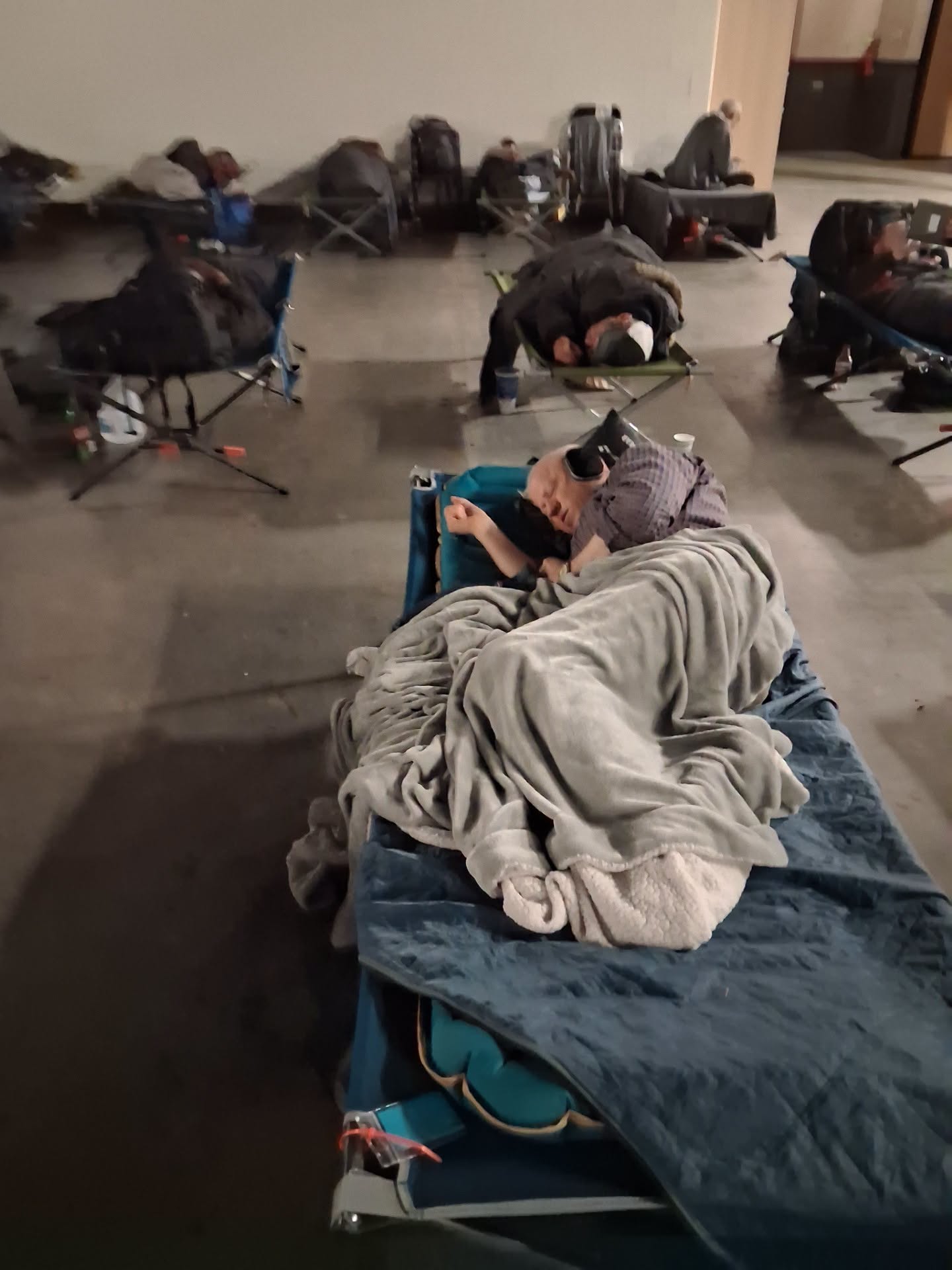
“They were too uncomfortable to wear so I no longer wear them anyway,” he wrote on Facebook.
He’s still trying to find the right approach to sleeping through the night.
“We are one of the few shelters that allow dogs, and the dogs are with them,” he said in the interview, referring to shelter guests. “And so if one dog starts barking, they all start barking. And then the lights are completely on until 10 o'clock. And then I'm used to going to bed a little earlier than that.”
He spends time during each visit meeting with shelter guests, then sleeping in the common room and serving breakfast in the morning. He’s often exhausted by the end.
“I will continue to stay with those experiencing homelessness, every Friday night, until the program is everything that I believe that it can be and it is a model, not just for Colorado, but for the country,” he wrote.
Coffman previously dressed as 'Homeless Mike'
Back in 2021, the mayor dressed as a homeless veteran and spent a week living on the streets with people experiencing homelessness. (He is a U.S. Army veteran and a Marine.)
His goal: to understand the growth of homelessness, which he blamed at the time on drugs and addiction.
"These encampments are not a product of the economy or COVID,” he told CBS Colorado. “They're not a product of rental rates or housing. They are part of a drug culture.”
The CBS story dubbed him “Homeless Mike.”
His time on the streets informed his approach when he decided to build the Aurora Regional Navigation Center. The shelter runs counter to the “housing first” model that has grown popular in Denver and elsewhere.
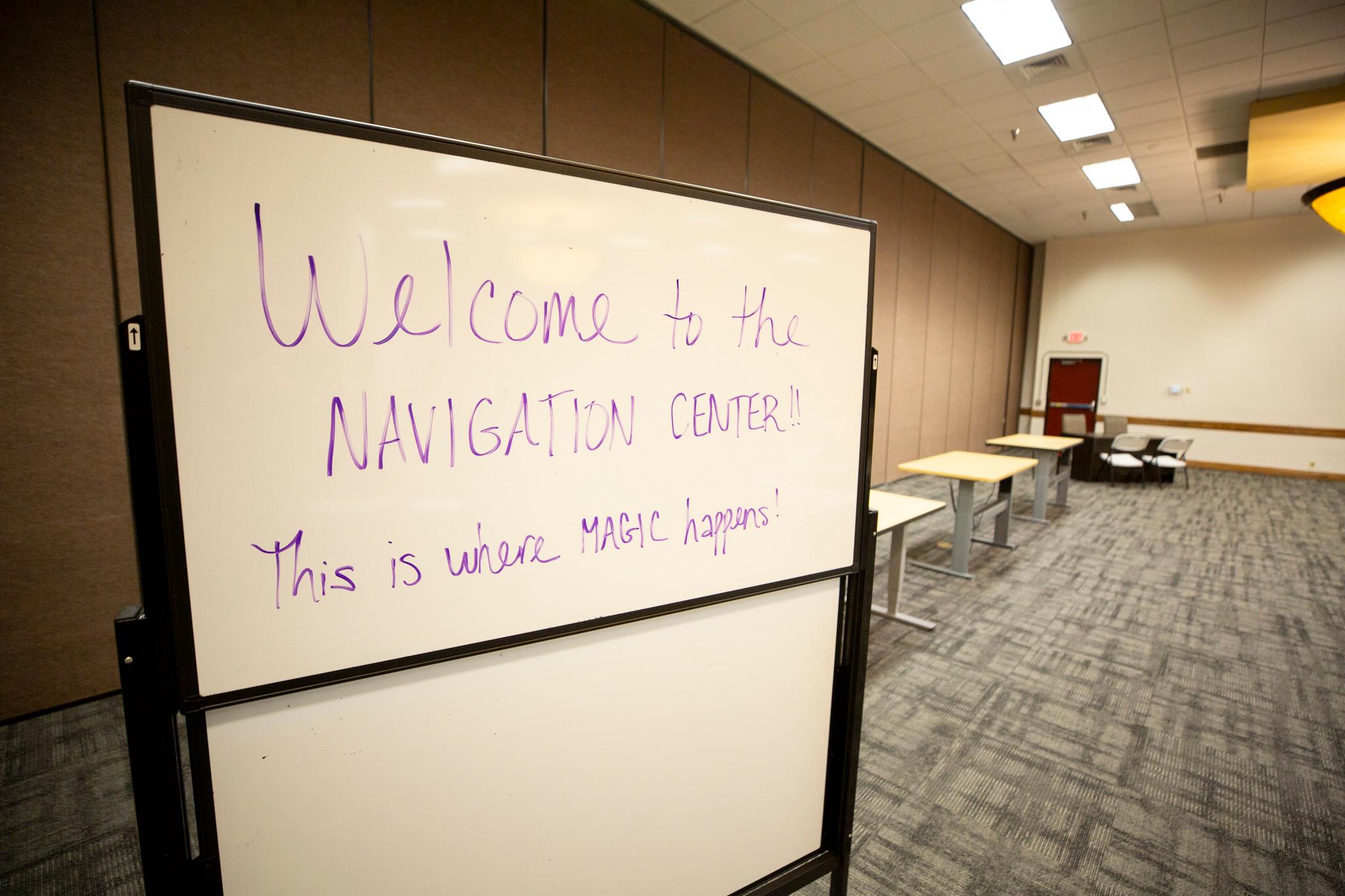
In Aurora’s “incentive-based” shelter, people can earn a private bed by going through job training or receiving substance use or mental-health treatment and a private room by working a full-time job.
Now that he has stayed in his own shelter and spoken with countless shelter guests, Coffman has shifted his thinking on homelessness and no longer believes it’s solely an addiction or mental health issue.
Each individual, as he sees it, has specific needs to be addressed — and some of those are economic. Others relate to domestic violence, job loss or eviction.
How the program is supposed to work
Guests enter the shelter through a metal detector and are not permitted to bring in drugs, alcohol or paraphernalia.
Tier I, the most basic shelter, includes cots. Guests cannot stay there 24/7, and the food is not as good as what other residents further along in the program receive.
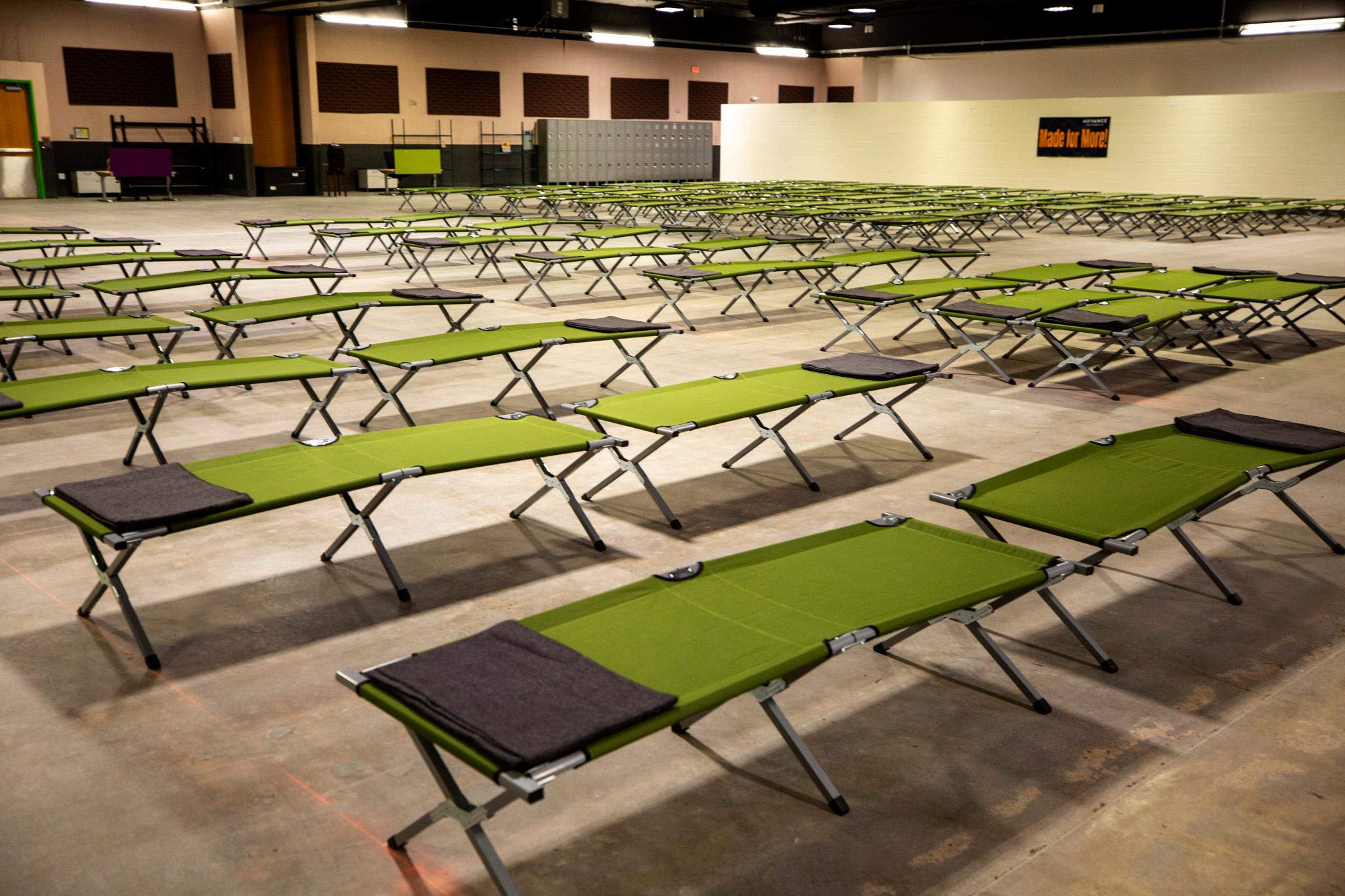
“It is austere by design,” Coffman wrote on social media.
He has spent all of his nights in Tier I.
In Tier II, shelter guests are allowed a bed, a shelf and secure storage in a large shared room — as long as they have committed to addiction recovery, mental health treatment and job training.
The job training program includes instruction on how to be a janitor and use cleaning chemicals properly.
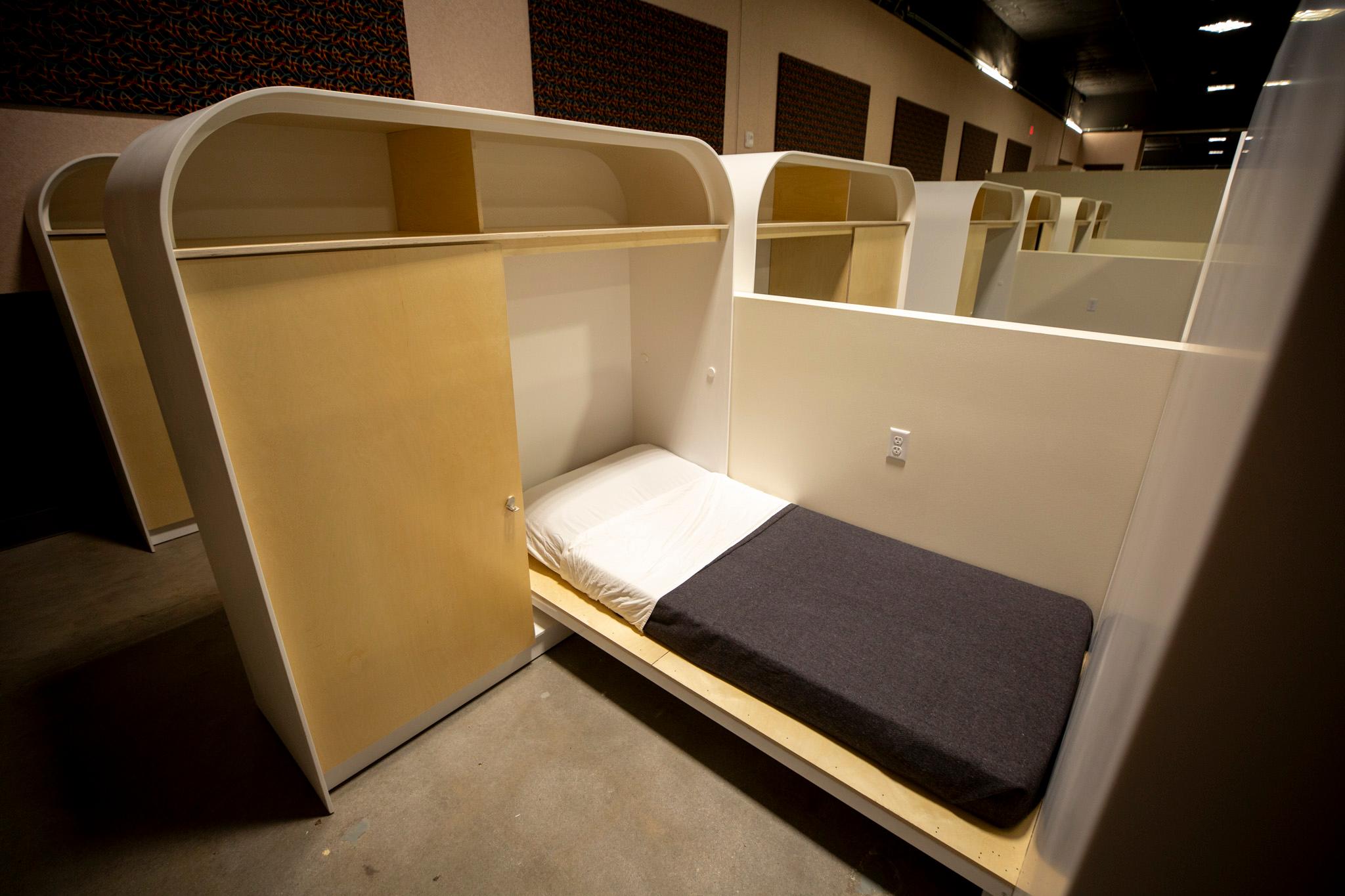
“We use a whole-person approach to helping guests gain the necessary life and professional skills to be successful,” Advance Pathways CEO Jim Goebelbecker wrote in an email. “There is a program incentive payment of $25 per four hours for those who voluntarily engage in this Tier 2 program.”
That amounts to $6.25 an hour, far below the state minimum wage of $15.16 and even below the federal minimum wage of $7.25.
That has raised questions from shelter guests about whether paying sub-minimum wage rates is legal. Coffman declined to speak to criticisms of the stipend, citing potential legal action.

Tier III, which consists of 255 hotel rooms, will only be available to people with full-time jobs, but the transitional housing spaces are not currently available.
The hotel rooms designated for Tier III had a mold contamination problem and were shut down for repairs, Coffman said.
Not all shelter guests are pleased with Coffman’s presence — or the shelter’s approach.
Titania Anastasia, who was staying in the shelter, confronted Coffman about her frustrations with the work program, the conditions at the shelter and the low pay in the job training program.
“Dude told me that I’m not going far in life after I called him out,” she said in an interview with Denverite.
The conversation went off the rails, she said, and she was kicked out of the shelter.
“They treat us like prisoners,” she said.
Coffman did not recall the conversation, but he acknowledged he’s heard complaints from other guests about the amount they are paid.
“Our goal is to help people stabilize their lives in an environment that is safe for everyone,” Goebelbecker wrote. “We understand that sometimes those program rules may not suit everyone's preferences, but we apply them equally to ensure consistency and clarity for all of our guests.”
Lessons learned
Sleeping at the shelter, Coffman has developed a more nuanced understanding of homelessness and the city’s approach, he said.
"When you think about just their ability to survive, just their ability to deal with these challenges, it’s much more than we think,” he said, speaking to the resilience of a man who was living on the street, not far from where he worked, and returning to his spot outside each night.
The more stable a person is the faster they go through the program and get housing, he said.
Others, who have untreated addiction and mental health issues, can disappear in the system or get stuck in Tier I.
As he sees it, each individual has a set of issues and needs that must be resolved if they’re to exit homelessness.
"Each individual has a unique story to them, and the notion that you can categorize people in broad groups, it is not effective for me in terms of trying to solve the problem,” he said.