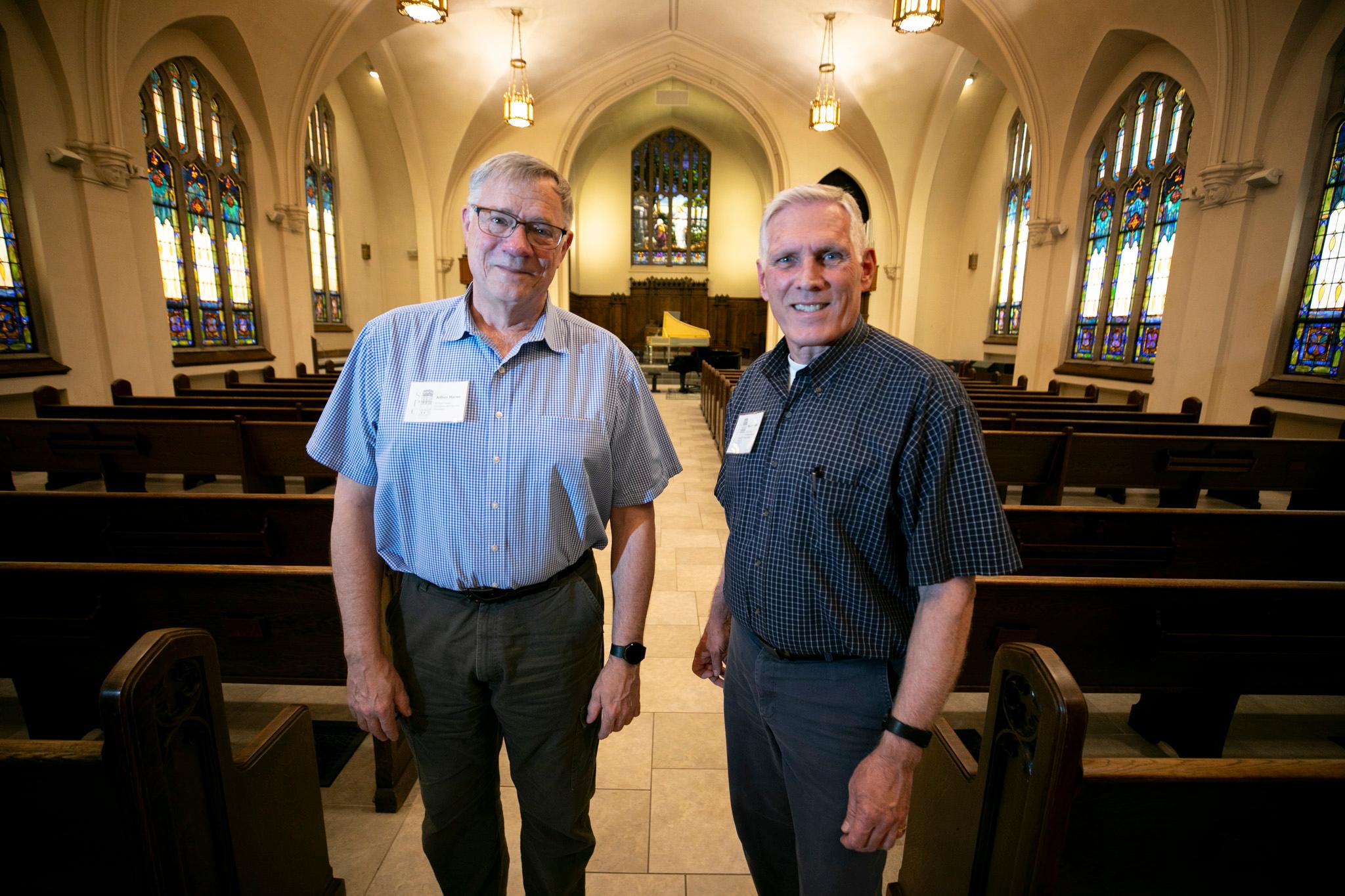
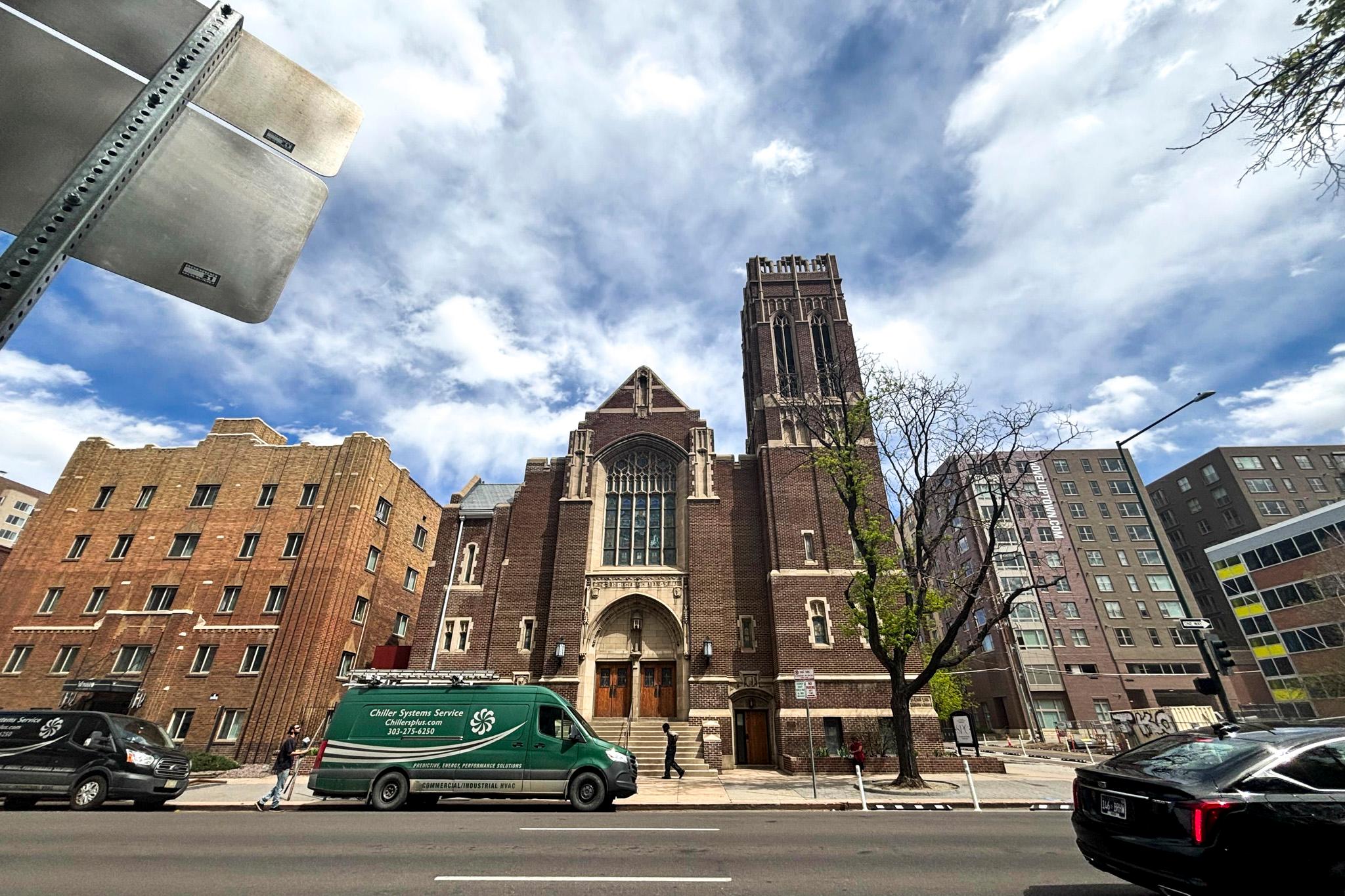
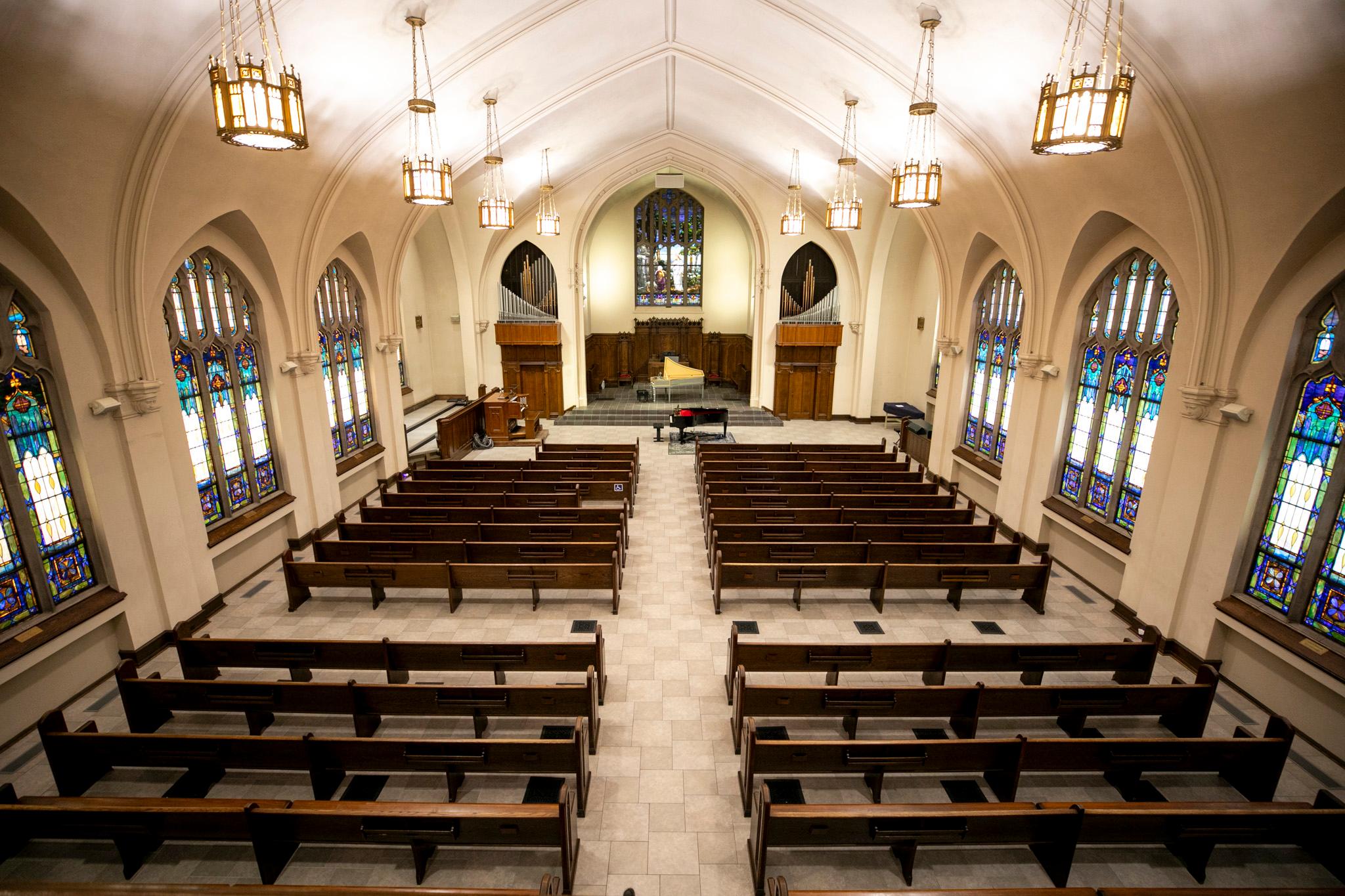
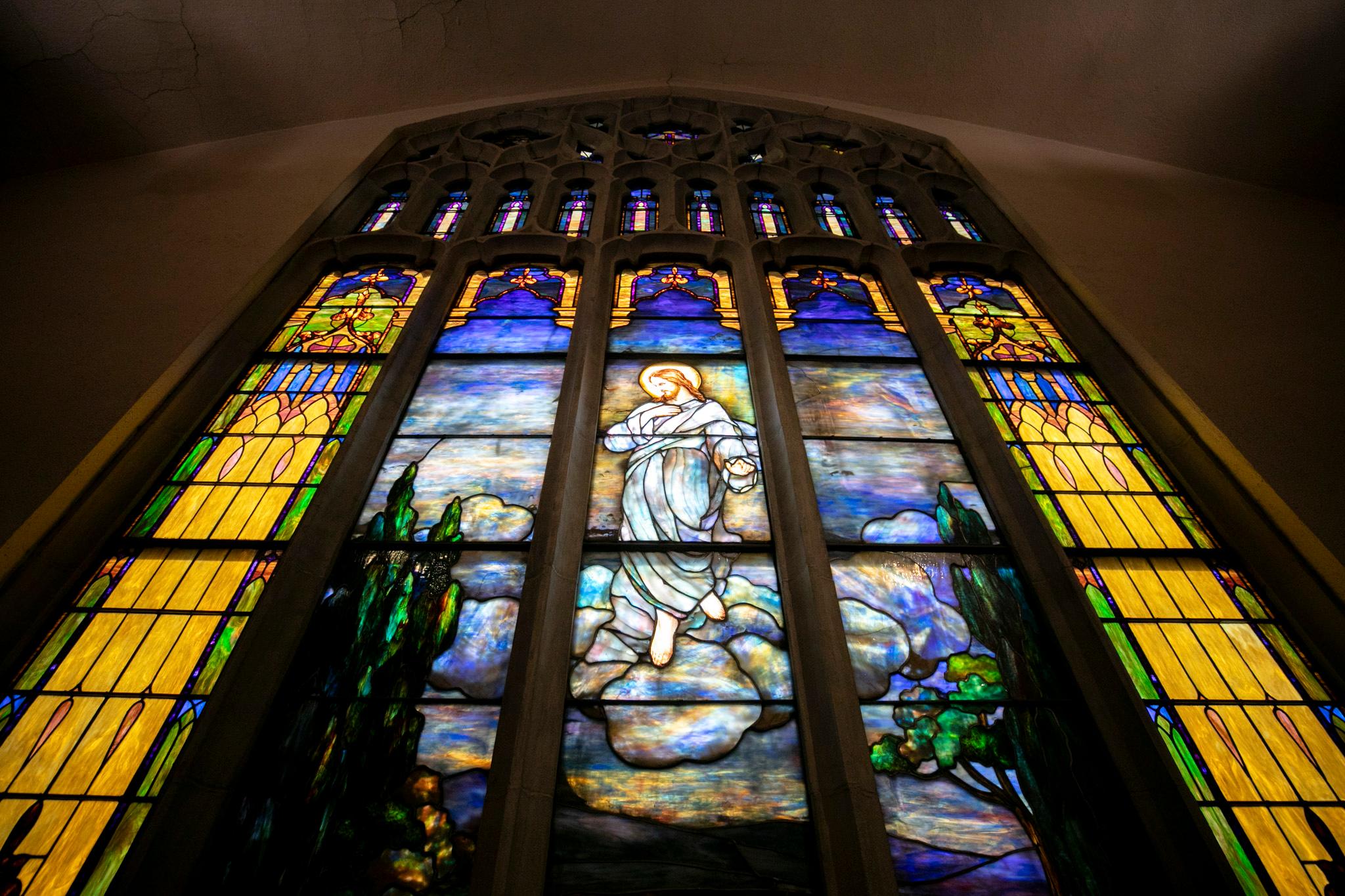
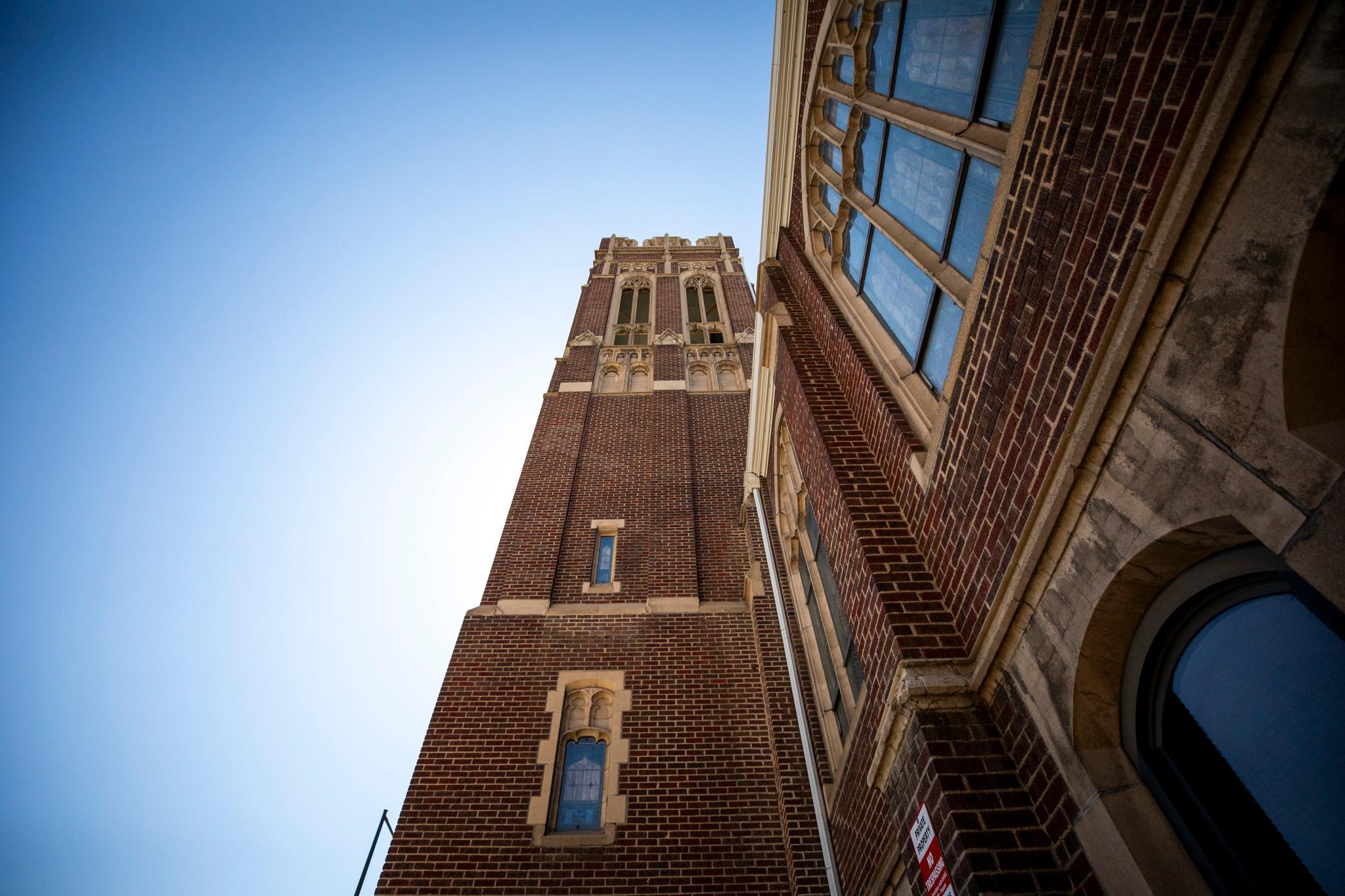
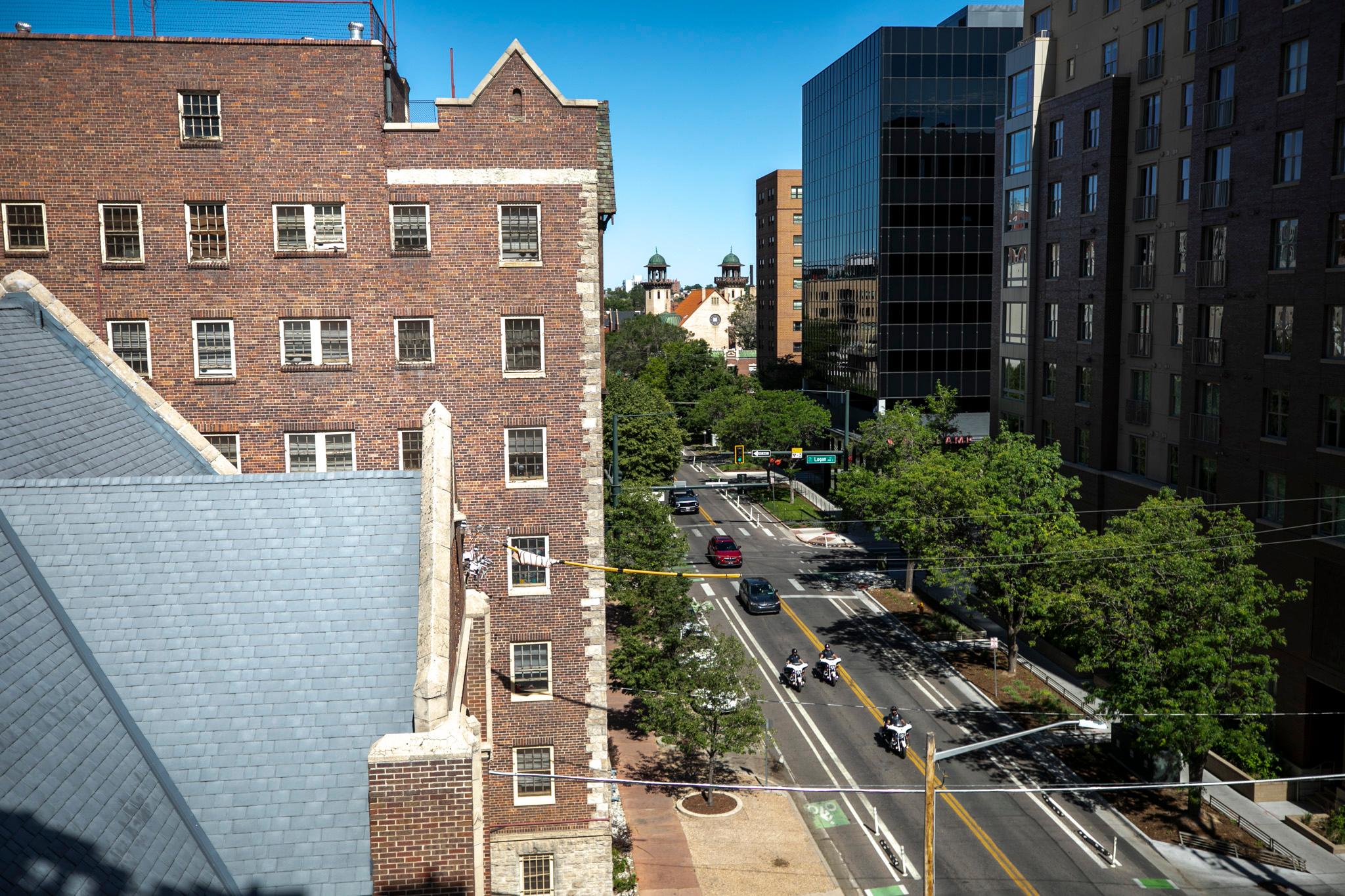
St. Paul Lutheran Church, one of the iconic Gothic Revival churches of downtown Denver, is taking on a new life as it turns 100 years old on Saturday.
The historic building’s congregation disbanded several months ago, and the church is becoming a music and arts center. Its pews will be removed and replaced with individual seats. Musicians will perform where sermons once echoed.
But before the transformation is finished, they’ll have to do something about the urns.
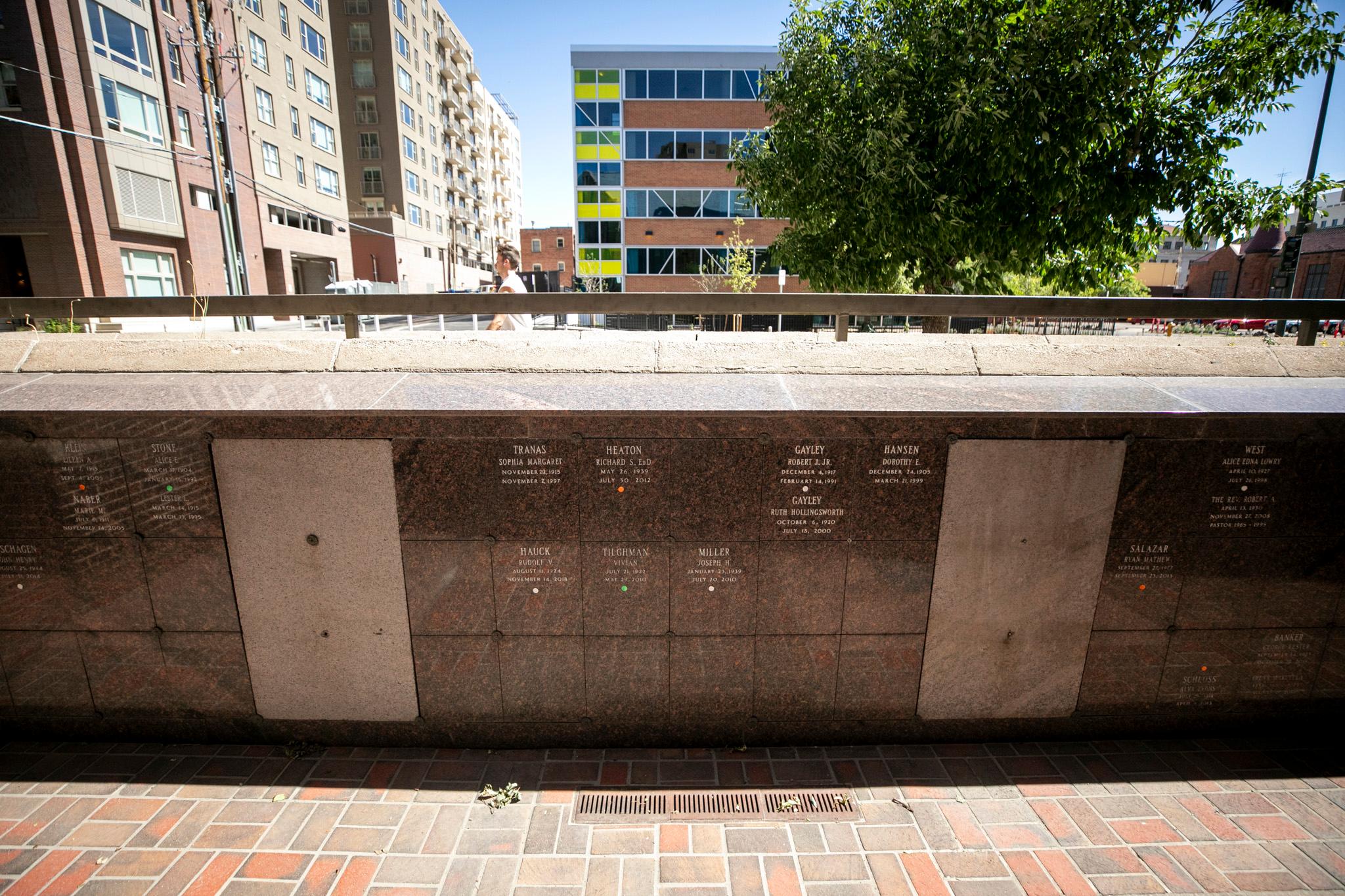
The church is the not-so-final resting site of about 20 former congregation members. Their cremated remains are stored in a columbarium — a wall dotted with niches on the side of the church. And the church’s by-laws say that with the congregation dispersing, the ashes must be respectfully removed.
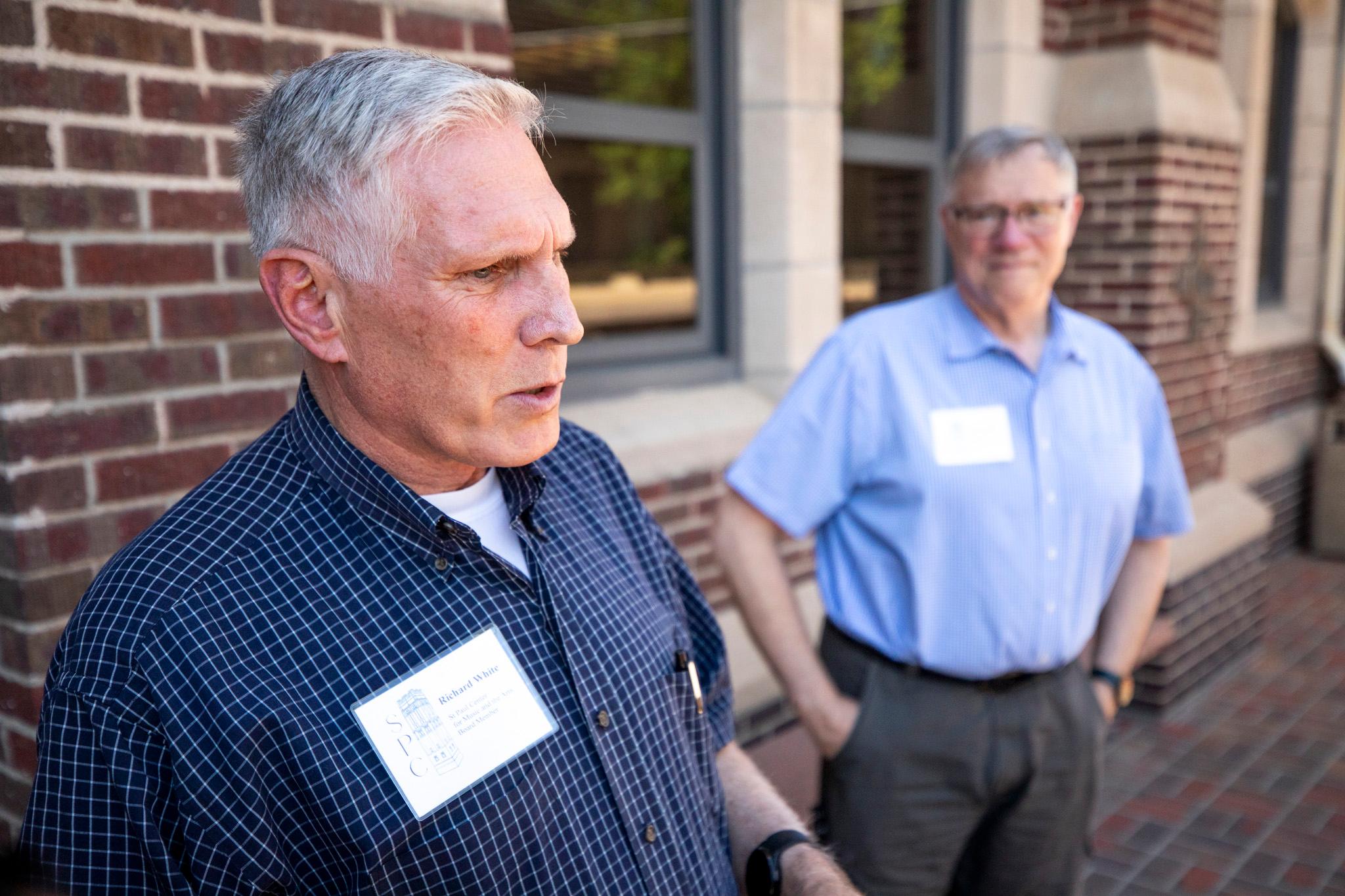
Richard White and a few other members have taken on the monumental task of tracking down family members and finding new domiciles for the deceased.
They were “not expecting that we would be where we're at today,” he said frankly.
The trio are legally required to make a “significant effort” to find at least one family member who can accept the return of each cremains or authorize a transfer to another site.
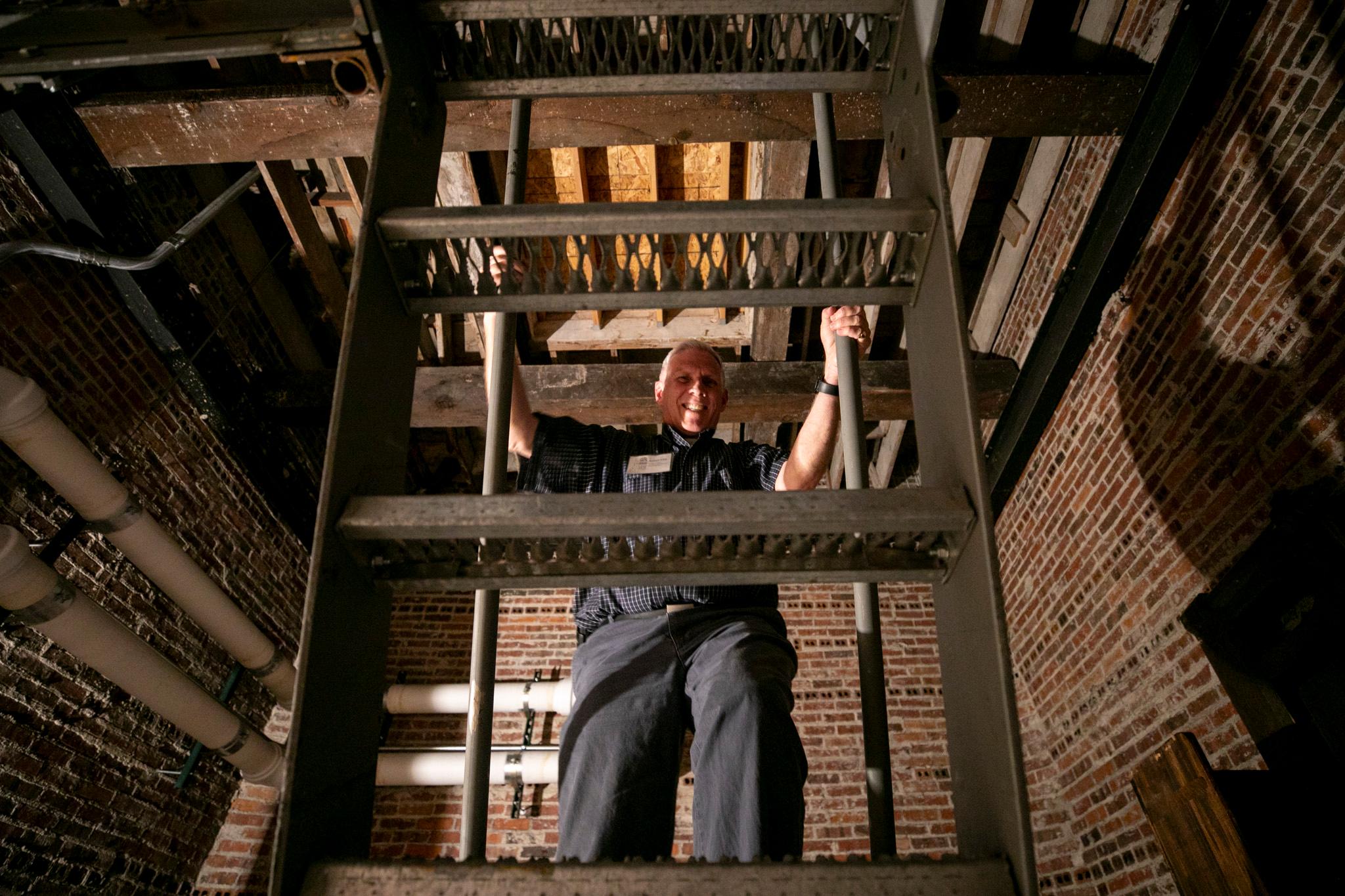
“It was never planned that we would have this close,” White said. “We have to now move forward with it and figure out the proper way of handling it.”
The church closed due to declining membership and the rising costs to keep the place running. Even after COVID-19 restrictions were lifted, membership steadily declined, with the church continuing to offer free recordings of the services to those who didn’t want to attend in person.
Deeply bureaucratic, deeply meaningful
Dealing with the cremains is both a deeply bureaucratic task — a mind-boggling mountain of research — and a meaningful commemoration of the place and people they loved.
They’ve found family members for multiple remains, with some of the urns already set to move to Holy Cross Lutheran Church in Wheat Ridge.
“We still have 12 more people to research and get answers for. We're not coming up with answers yet, but we have not stopped searching,” White said.
The columbarium is a three-row-high wall alongside busy 16th Avenue, part of a patio beside the church building. Added to the church in the 1980s, it includes 117 spaces — or niches — for the cremains of congregation members.
“I really am finding out all kinds of information about these people. We knew a lot of these people, so it's important that we really honor their position of … and that we follow the family wishes (of where) to go next,” White said.
He has created a color-coded organizational system, marking the niches with stickers as the team works.
“The orange means that they're going to a church called Holy Cross Lutheran Church in Wheat Ridge. If they're white, that means that they are empty. If they are green, they are scheduled to be removed,” White explained.
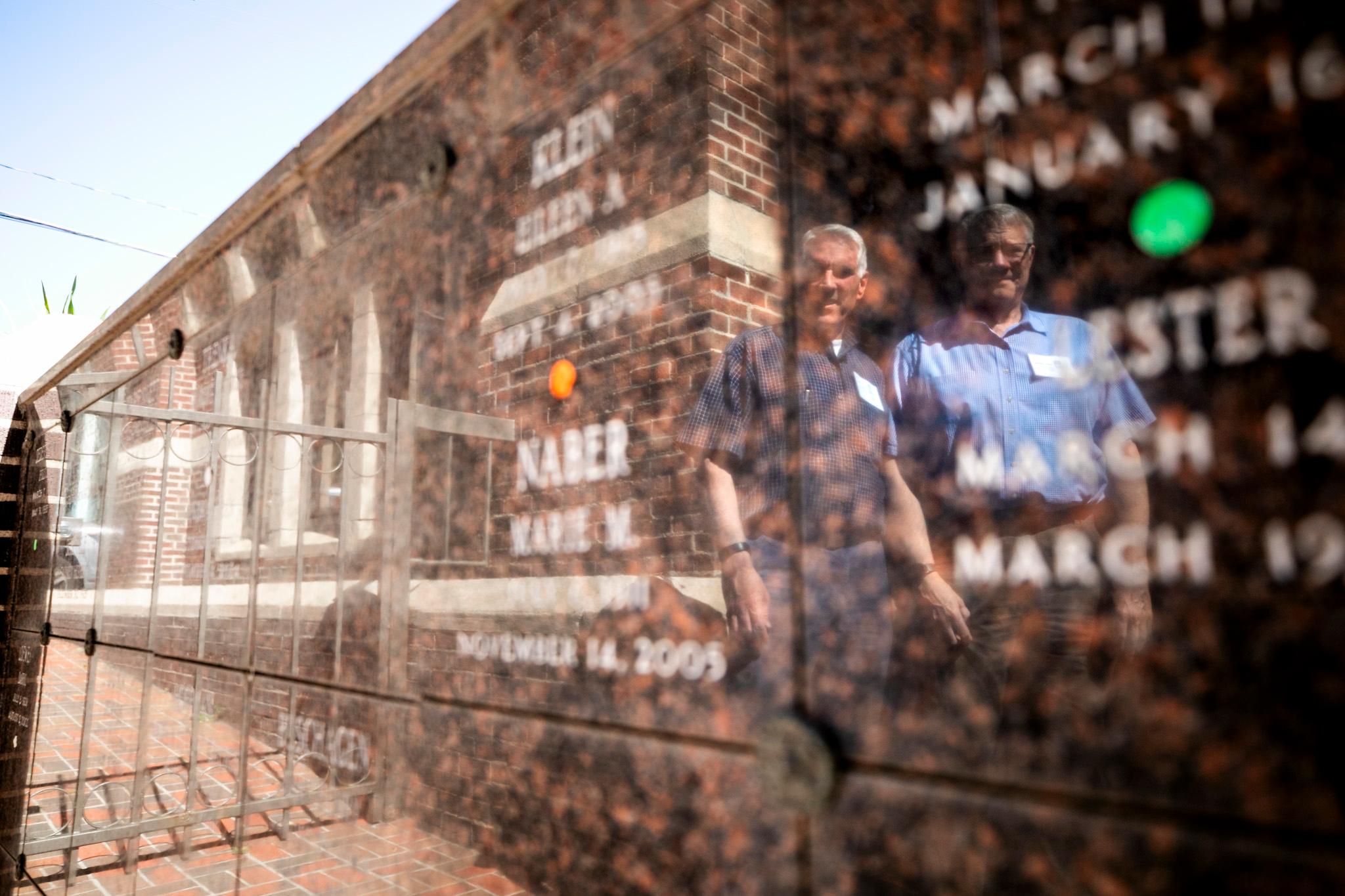
The columbarium is divided into panels of six niches. After an urn is removed, White will unscrew the panel front, where the name and birth and death dates are engraved, and turn it around.
When they’re done, the columbarium will be a nondescript wall — and eventually it will be removed altogether, exposing the original brick.
The original deadline to move the cremains was May 11, according to a legal notice posted in The Denver Post in March.
The church was “undertaking diligent efforts to contact relatives and responsible parties of individuals whose cremated remains are interred in the Columbarium, as well as individuals who have reserved niches for future use,” the notice reads.
However, the posting went largely unnoticed. One of the only responses was from a Denverite reporter begging to know more.
The arts center — which is run by former congregation members — ultimately extended the timeline as the team raced to find the families of the dead. Their new goal is to close the columbarium by the end of August.
It hasn’t been easy.
The four men — White, David Carlson, Jeff Harms and Ron Hoffman — had little idea what they were doing when they started out early this year. They soon hit a dead end.
“I was just looking over the birthdates of many of the people in the congregation at the columbarium – we're talking about people who were born in 1905, for example, or 1913,” said Carlson, a former congregation member and current arts center board member.
“And it's like Ron (Hoffman) finally hit a brick wall because people were not responding or the last known address was a house that had been sold decades ago, and so on,” he said.
It was rewarding work, but it was heavy. They were laying their congregation to rest.
After the men hit “the 11th hour” of searching through records, they brought in Carlson’s 90-year-old sister, a longtime genealogist. She’s been searching through reams of church records and more to find those lost living relatives.
Long story short: It’s working.
Vivian's story
Carlson learned the story of a woman named Vivian Tilghman who joined St. Paul's in the ‘60s and died in 2010.
“Even though my wife and I joined in 1973, we did not really have time to sit down to get to know Vivian really well,” Carlson said.
Vivian never married or had children, and she chose the columbarium as her final resting place.
“It turns out that she and her twin sister were born in southwest Minnesota under a different name than the name that all of us at St. Paul knew. Her twin sister had died the next year,” Carlson said. “And so Vivian was adopted by another family at a very young age, but she also had a second sister.”
They found that Vivian's older sister, Ruth, is buried in southwest Minnesota. Through the genealogical research, Carlson connected with one of Vivian's grand-nephews.
“He and his sister in Minneapolis are seriously considering an offer that I made that I would bring Vivian's remains out to Minnesota on our way to our annual family gathering in western central Minnesota,” Carlson said. “So on the way it's likely that I will be bringing Vivian's ashes to be then placed next to her older sister's ashes in this small southwest town in Minnesota. That makes it worthwhile.”
'This was at one time a holy place'
Families that don’t want to take the cremains can sign off on the transfer to the church in Wheat Ridge. They’ll also move cremains when they can’t find a relative. The church’s foundation is covering the moving costs and the placement of each urn.
Hoffman said the standard price is $1,500 per urn, but that Holy Cross offered to charge $500 instead, “which is way below what the market rate is,” he said.
The men’s journey has also uncovered stories of the church itself — something White and the others say has been invaluable.
“There's little stories all over the place; these are things that are important to us because they are part of the legacy of this building. Pastor Robert West is the one that long ago put this columbarium together. He was the one that made this happen,” White said. “And even though it's not going to remain here, we do wish to represent that this was at one time a holy place for the remains of the people. When we remove the columbarium, we will still have a marking saying this was a place for the church.”
Honoring the church’s legacy
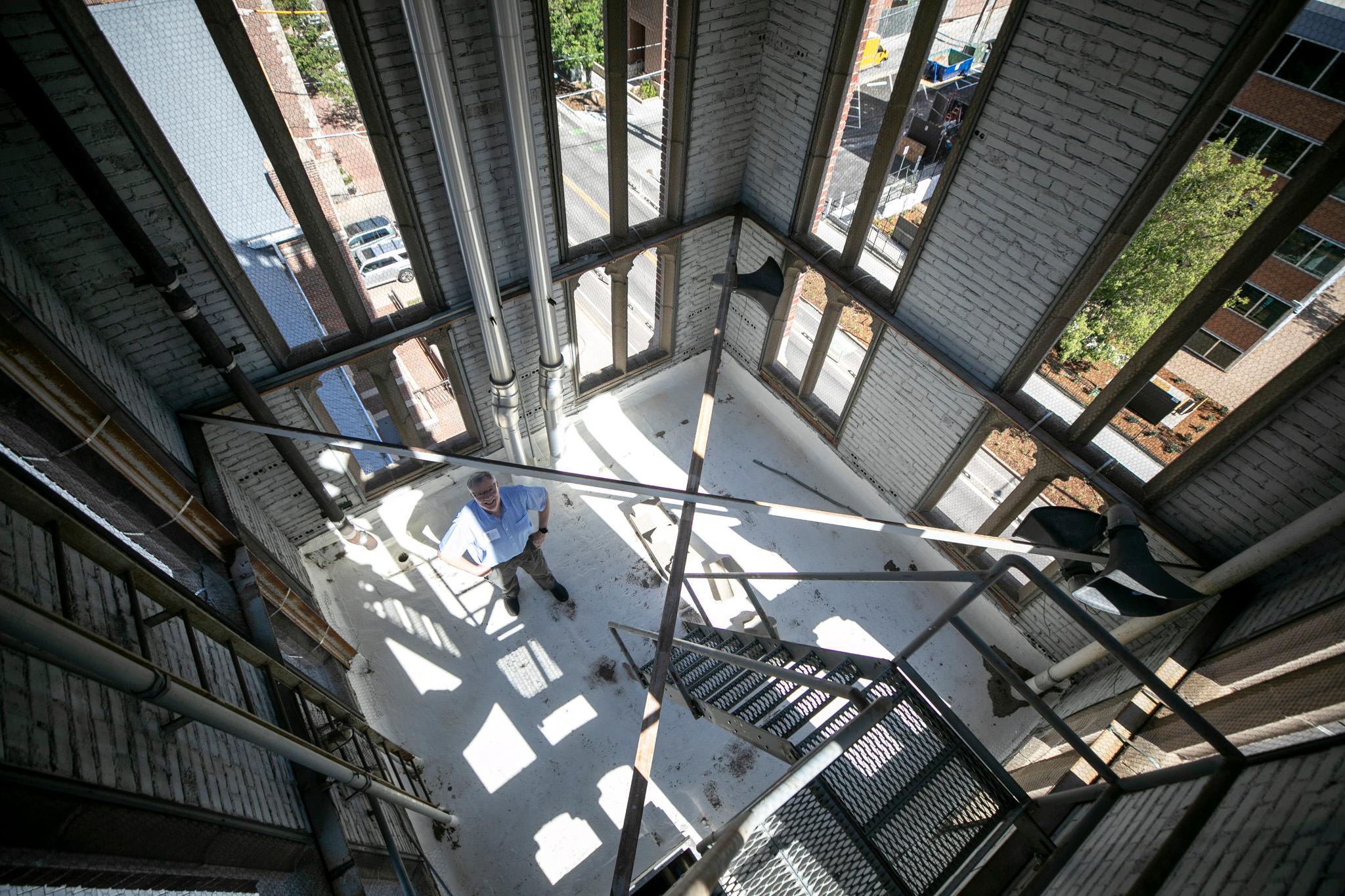
Jeff Harms, now the president of the St. Paul Center for Music and Arts, said he wants it to be a space for the community. From concerts to events to music practice space, it will still be somewhere to gather — just like it was as a church.
The acoustics, he said, were simply too good to waste. The sound of the space “was motivational to keep it going. We have 20 concerts scheduled on the books, which is really exciting, to see what we're doing here,” Harms said.
The center had its first concert in June — a harpsichordist filled the former church with music from the 17th century.
A different church will use the space Sunday mornings, paying a monthly fee.
“(J)ust keep the doors open,” Harms said.
The church was originally built for $200,000 and was dedicated on June 20, 1926. It was run over the decades by an elected church council that made decisions alongside the pastor. A foundation handled the money.
The building was listed for sale last fall for $1.9 million, attracting a few bites from potential buyers. Its assessed value is $3.3 million.
“Back in October, we were hearing at that point that the church was still trying to sell the building and not getting very viable options for participants. They were thinking of either making it into a nightclub or the possibility of tearing it down as a vacant lot,” White said.
“So we proposed at that point that the building become a music and art center. And they unanimously said, ‘Yes, this would be a great option for our legacy,’ and this is what we're talking about, the legacy of the building.”
The church ultimately transferred the building to the nonprofit for a nominal amount in January.
Harms said his goal is to make the arts center a financially sustainable space for the community – not to make a profit.
“We're not erasing that it's a church. It is part of our church, and we want to keep that legacy going,” White said. “We feel that we are entrusted … being congregation members, to be very much indebted to our congregation of the past, to continue with our future with keeping this building alive and here in Denver.”