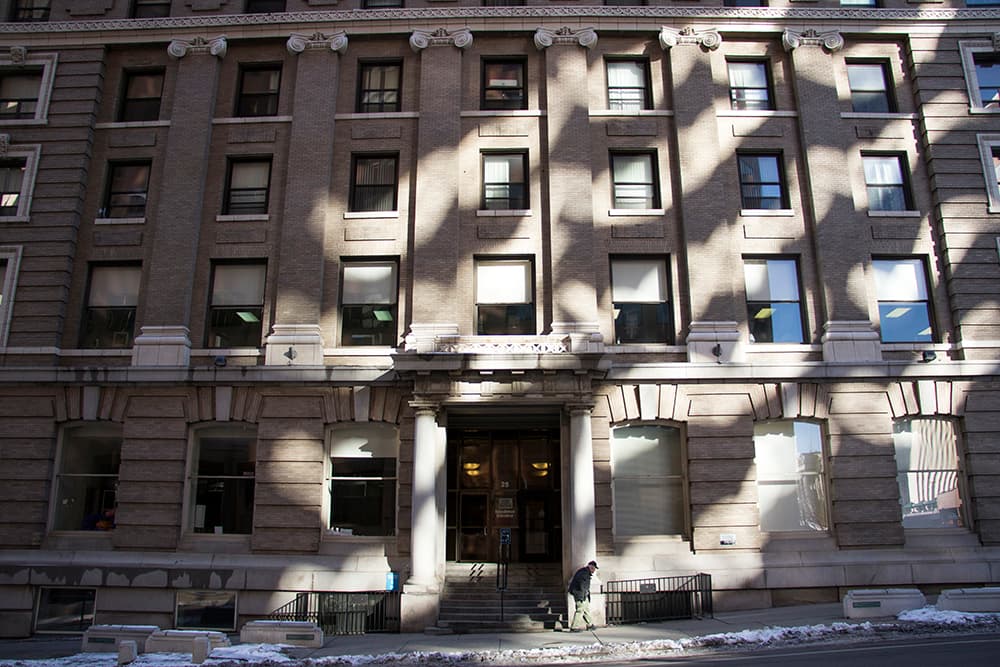
Downtown Denver’s YMCA took a pandemic blow and never quite recovered, like many similar facilities across the nation.
Now, the YMCA of Metropolitan Denver plans to sell the last 40,000 square feet of its downtown facility to the Colorado Coalition for the Homeless, giving up ownership of the association’s last portion of the historic building at 16th Avenue and Lincoln Street that it has run since 1906.
The housing nonprofit plans to renovate the 216 studios and single-room occupancy units it already owns at the site and build an unknown number of additional units, turning the entire Y building into an affordable housing complex.
Why sell?
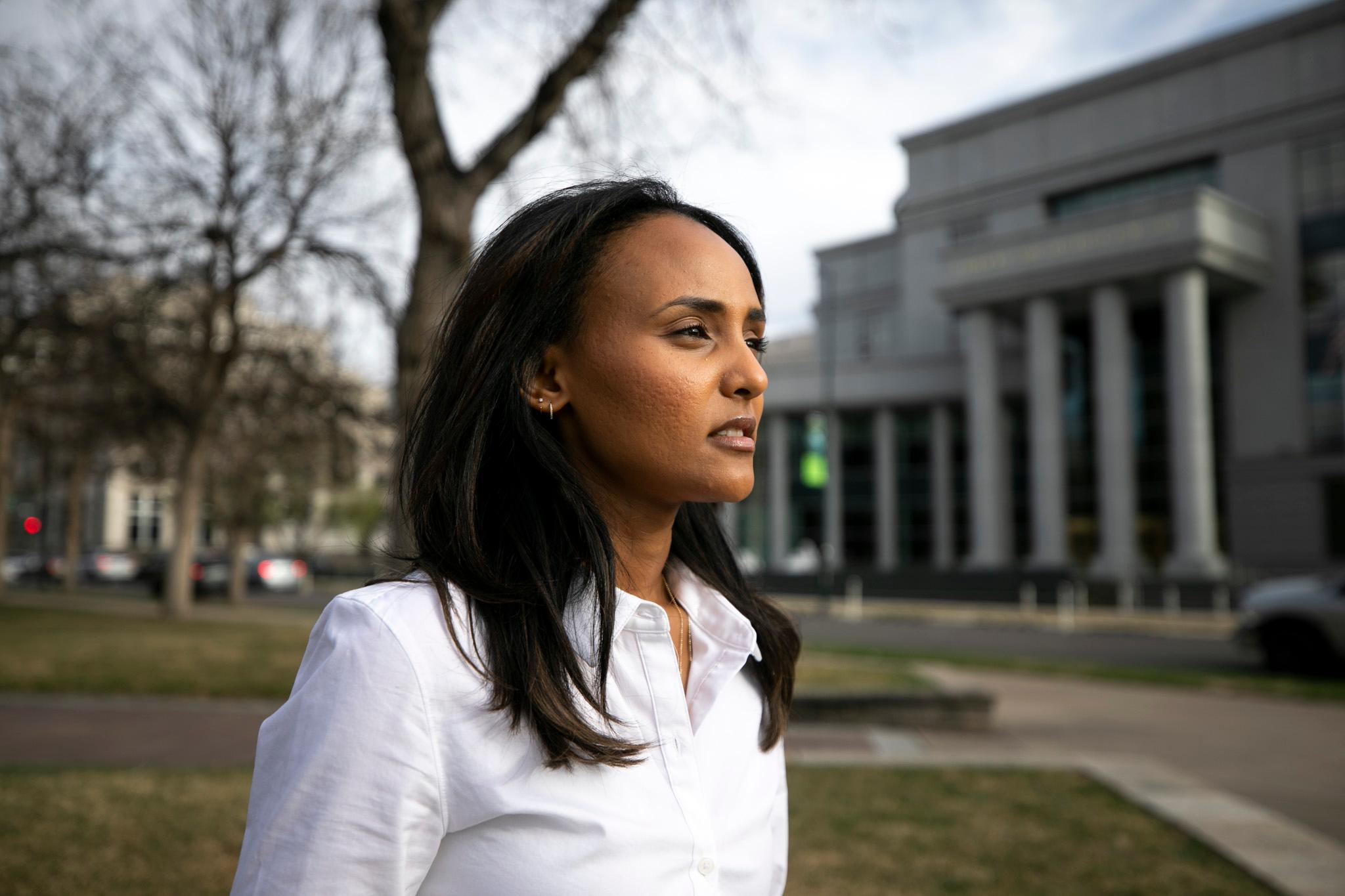
“There is an affordable housing crisis,” Breezy Bolden, the new CEO of the YMCA of Metro Denver, told Denverite in a phone interview. “It’s quite expensive to live here.”
The YMCA attempts to meet community needs, whatever those might be. In this case, Bolden thought it would benefit Denver more to convert the underused facility than to keep trying to drum up membership in a city center that has struggled in recent years.

A little history
The downtown Denver YMCA, built in 1906, has seen its share of despair: stabbings and suicides, fires and robberies, racial segregation that civil rights activists eventually successfully challenged.
But there was joy too: modern dance classes, chess-master duels, judo, scuba and swim lessons. Working people called the YMCA their home. So did people hard on their luck who needed a cheap place to stay – something Denver now sorely lacks.
In 2000, the Colorado Coalition for the Homeless offered to buy the residences at the Y and convert them into affordable housing for people leaving homelessness. The deal went through, and the Y continued operating the other 45,000 square feet of the facility.
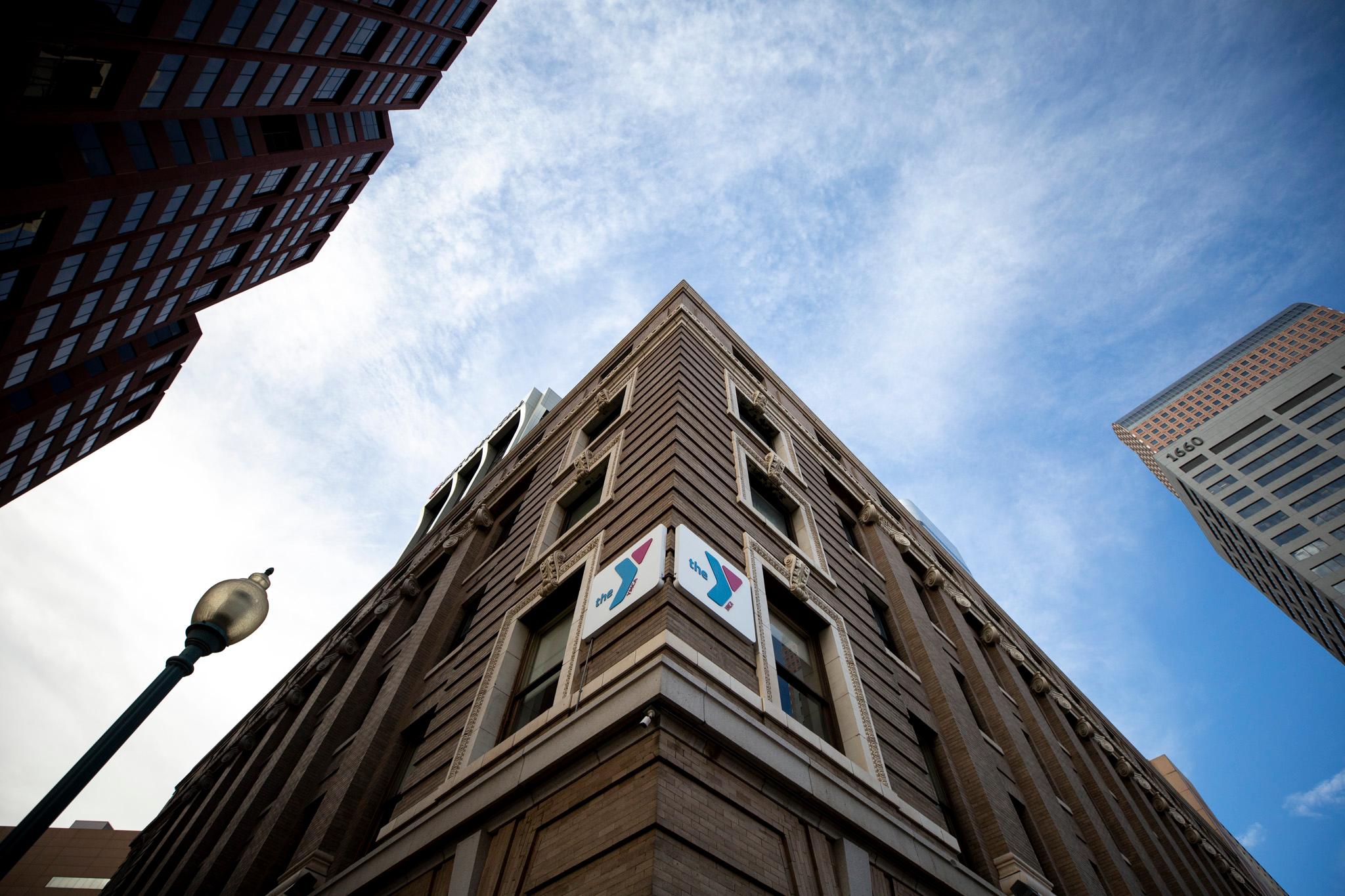
For the past two decades, the nonprofit has run housing next to the YMCA’s downtown facilities, through the city center’s ups and downs.
The pandemic upended everything. People quit coming downtown to work out. And even after COVID restrictions were lifted, many never returned.
When Bolden first took over the YMCA Metro Denver in July, she had conversations with community groups. Among those was the Colorado Coalition for the Homeless. The Coalition asked Bolden if she would consider selling the rest of the building for housing. Bolden jumped at the chance.
The building is set to close Dec. 30, 2025, the 150th anniversary of the YMCA’s operations in Denver. Bolden declined to say, for now, how much the Coalition is paying. That information will likely become public in real-estate records.
“It'll be a bittersweet day, saying goodbye to the downtown Y,” Bolden said. “But we'll celebrate 150 years of impact, not only downtown in central Denver, but across the metro area.”
Mayor Mike Johnston, who has made housing affordability and downtown Denver’s future a major part of his legacy, has had surprisingly little to do with the transfer of ownership.
“Though I’m sad to see the ‘Y’ leave the downtown location, I appreciate that the YMCA and Colorado Coalition for the Homeless are honoring the building’s legacy while taking on one of our greatest challenges in affordable housing,” Johnston wrote in a statement.
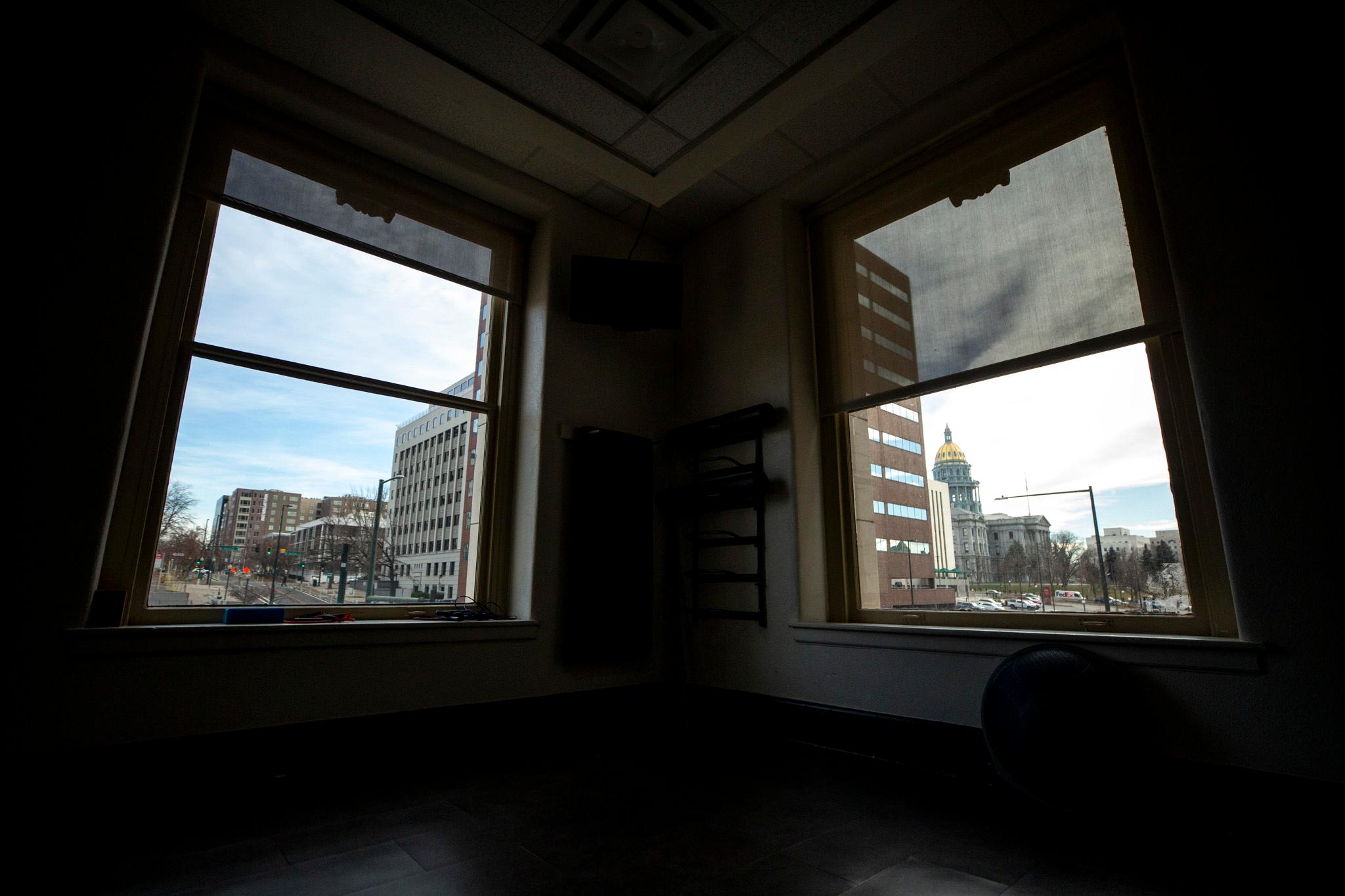
What’s to come?
Downtown YMCA staff will be redeployed to other metro facilities. Members who use the historic gym will be given other downtown fitness opportunities and have access to the other YMCA fitness centers throughout the metro.
Since the early 2000s, the Coalition has owned and managed 216 affordable units — a mix of studio apartments and single-resident units with shared kitchens and bathrooms.
If the sale is finalized, the entire building would be dedicated to income-restricted housing and some office space for caseworkers and downtown staff for the Coalition.
The Coalition will add bathrooms and kitchens to all the units and will be building new units in current office spaces on the soon-to-be acquired side of the building — part of the downtown office-to-housing conversion trend.
The historic basketball court and the fitness center will likely remain in place for residents to use.
“We’ll have more space,” Coalition spokesperson Cathy Alderman said. “It means that we’ll be able to offer more services and we’ll have more amenities for people.”