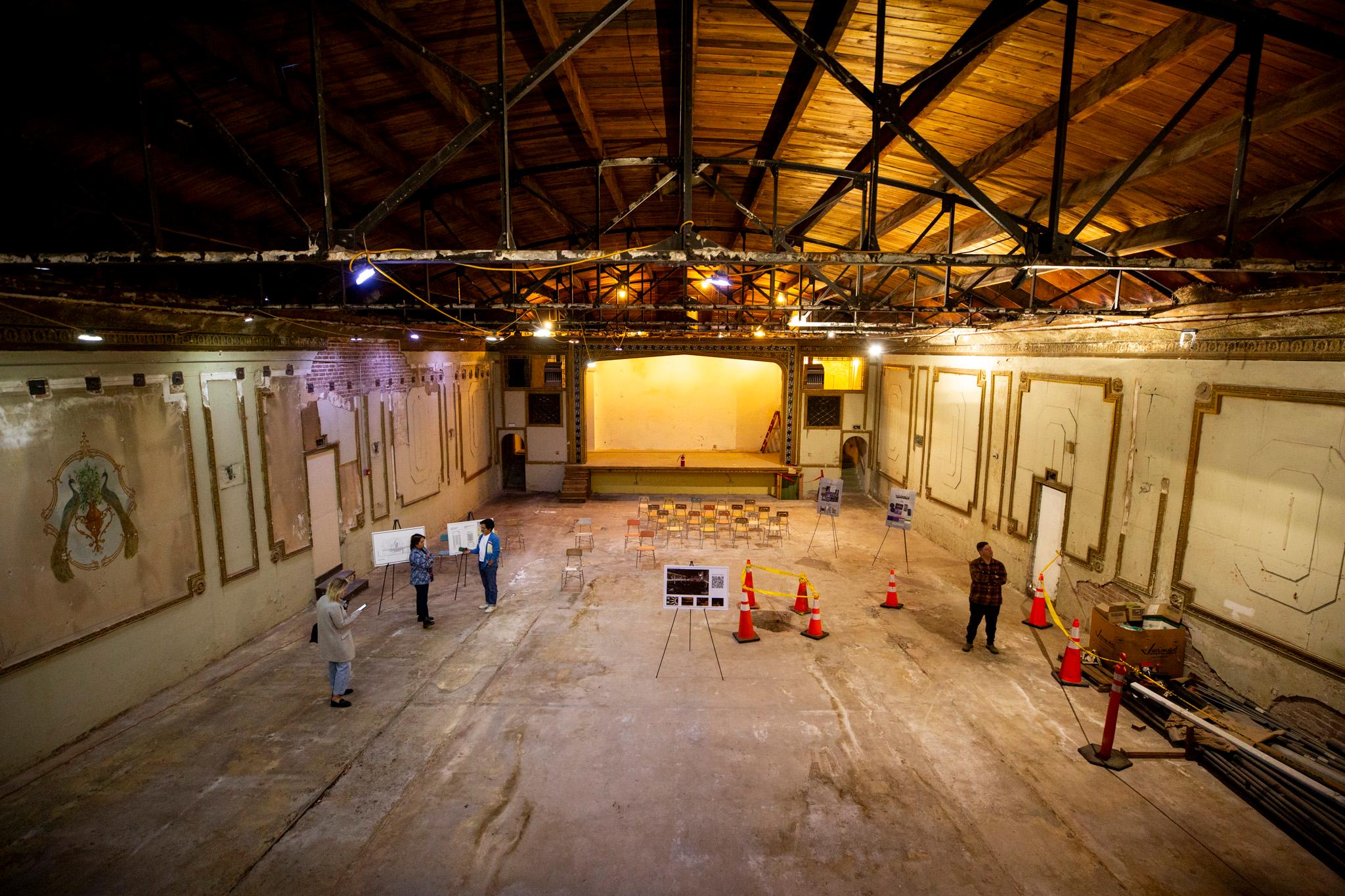
The historic Yates Theater could soon flicker back to life.
Denver’s Board of Adjustment gave a critical approval on Monday for a plan to reopen the theater as a new independent cinema in the Berkeley neighborhood.
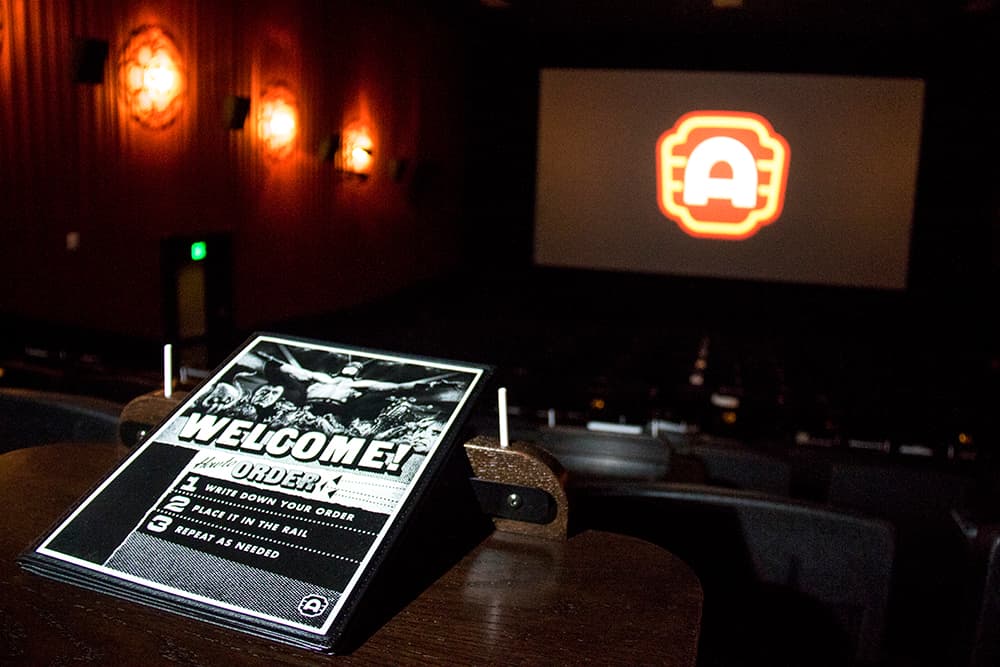
The Yates Theater was built in 1926 and has sat empty for decades. Husband-and-wife team Macy Lao and Kyle Hagan recently signed a 10-year lease for the building, hoping to reopen it as a 300-seat theater to screen classic and second-run movies, with a bar and lounge in the front.
Past efforts to reopen the theater have proved difficult. But following a show of support from neighbors during a Denver Board of Adjustment meeting on Tuesday, the Yates Theater is inching toward reopening.
The theater is at West 44th Avenue and Yates Street. The couple will keep the name "Yates" but may also brand the new venue as the "Waystation."
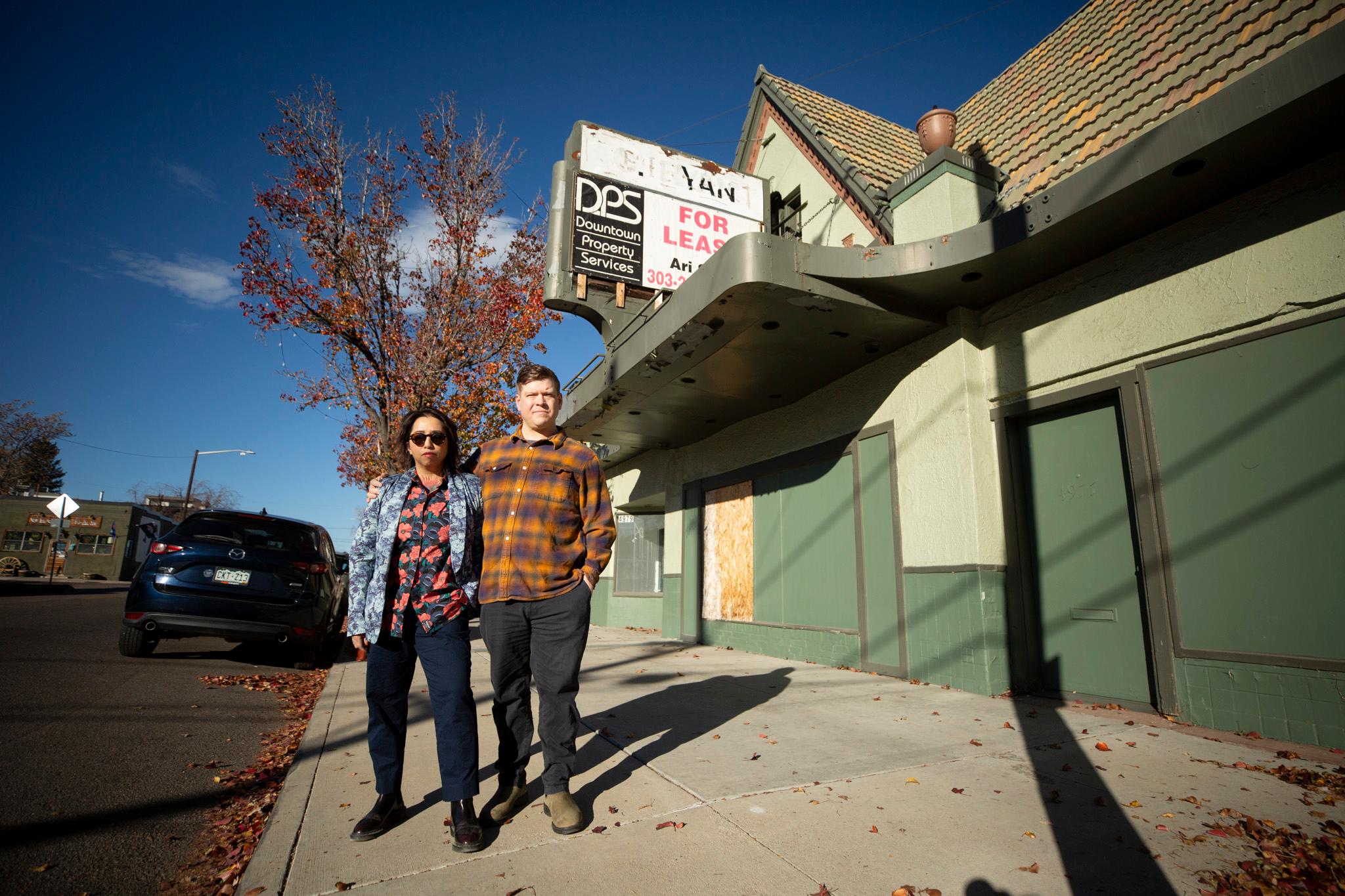
The new owners of the Yates were able to gain community support.
The last serious attempt to reopen the historic venue began in 2018 but eventually sank due to COVID-related financial issues. But developers also faced an uphill battle with neighbors who pushed back on the venue’s request for a liquor license.
This time, opposition to the theater’s reopening was far more muted. A majority of neighbors who attended the Board of Adjustment meeting spoke up in support of the project.
“In the last 10 years it's been empty,” said Rita Killam, who lives a block away. “And to see it and see the creative and innovative idea they have for this has been very exciting for us.”
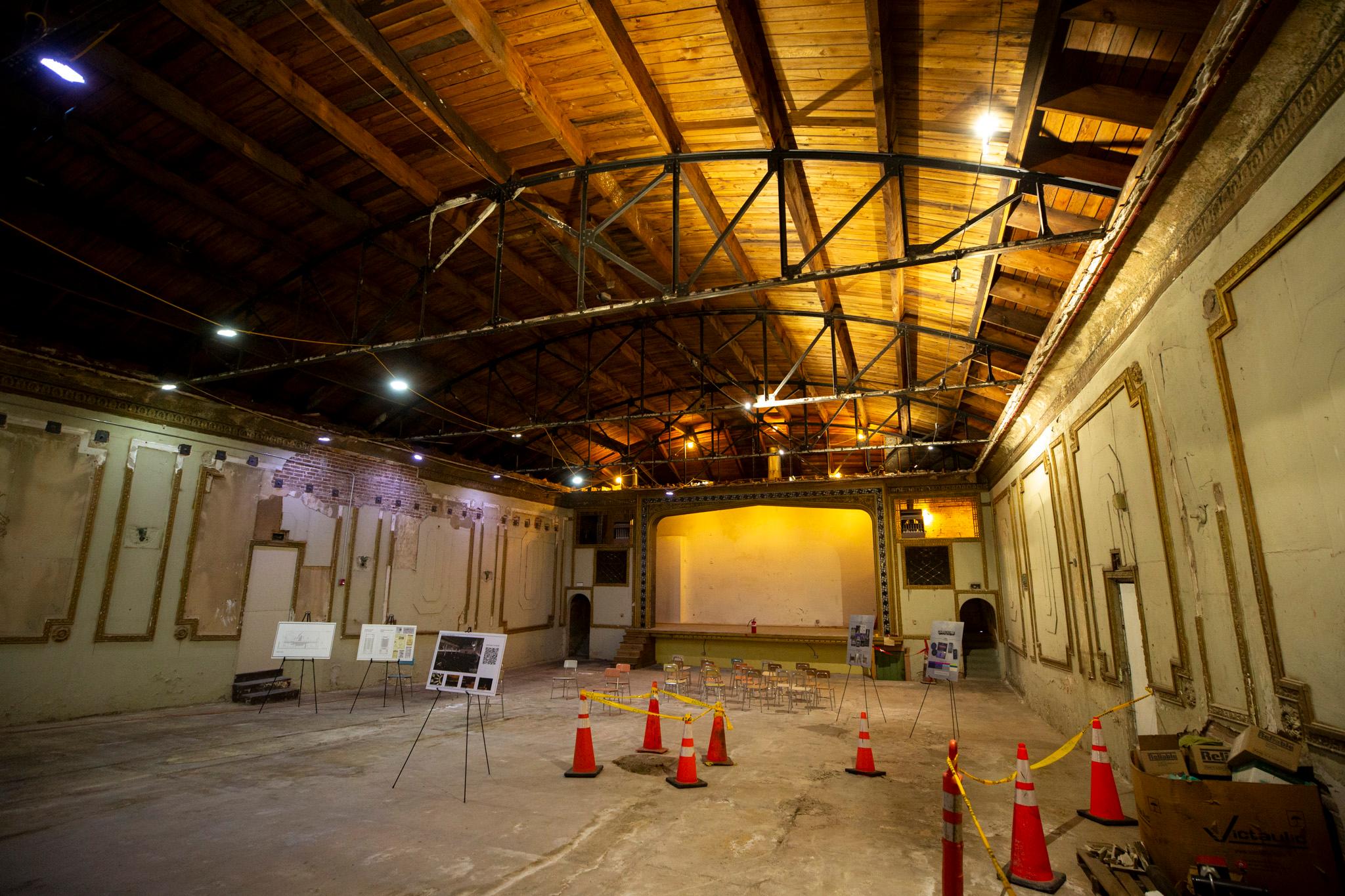
Historic Denver and Berkeley Regis United Neighbors, the local registered neighborhood association, also supported the variance request.
Before Tuesday’s meeting, Lao and Hagan signed a good neighbor agreement with Berkeley Regis United Neighbors. The agreement includes promises about operating hours, parking plans to minimize impact to residential neighbors and more.
Two people spoke in opposition to the variance. Both were concerned about the number of people and cars it would bring to the neighborhood.
“Human nature will be to park as close to the venue as possible, which means more traffic, noise and trash on the closest streets, which is all residential,” Amy Siegel said.
The zoning variance was one of the theater’s final bureaucratic hurdles.
Previously, the city’s zoning rules allowed the property to operate as a venue for more than 700 people — but didn’t allow for its use as a 300-seat theater. The request was to approve a variance to allow for the theater’s original use.
While the city’s Community Planning and Development department said the variance should be approved only if the venue maintains 40 spaces of parking and closes at 11 p.m., board members disagreed, citing the city’s abolishment of parking minimums and hours at other movie theaters.
Ultimately, the five-member Board of Adjustment approved the request unanimously.
Lao and Hagan were unavailable for comment following the board meeting. In an email, Hagan said the variance approval was the last step before they can finalize the design and begin construction.
In addition to films, the Yates Theater could also potentially host occasional live performances. In the good neighbor agreement, the owners committed to not host standing-room concerts and other larger events. They will seek a liquor license.
The Yates last served as a piano shop but closed before the turn of the century.