
This story is a part of an occasional series looking at aspects of Colorado’s faltering economy.
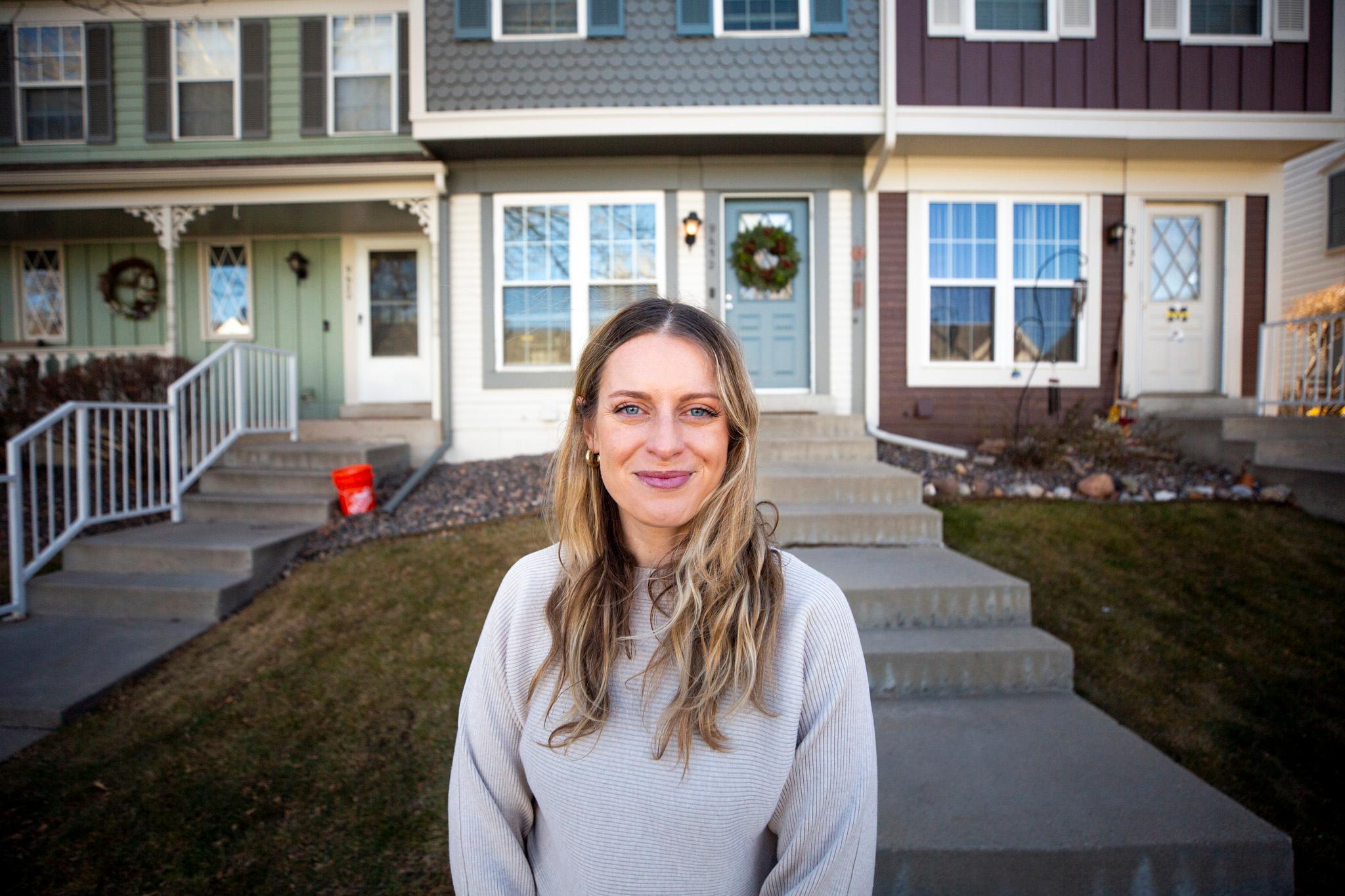
Maggie Krause bought her place at Lake Chalet Condominiums — not too far from a Costco, a golf course and a federal prison — about eight years ago.
The small condo was affordable by Denver standards, costing her about $167,000, but it wasn’t easy to land. She had to pay $7,000 over the asking price and made the decision on an alarmingly short timeline.
“It felt like an OK deal, but I had to decide that I wanted to buy it within a day, and then put an offer on it,” said Krause, an open space ranger with Jefferson County.
But when Krause went to sell the place this year, seeking more room for her boyfriend and cats, she found a very different housing market. Instead of selling in days, it took about four months
“It just felt really anxiety-inducing,” Krause said.

And instead of netting the roughly $250,000 she had once hoped for, it sold for $189,000, a gain of about 13 percent over eight years.
Her experience wasn’t uncommon this year. After a wild pandemic ride, the market for condos and townhomes is headed downhill, forcing homeowners like Krause to make tough decisions about some of their most valuable assets.
Here’s why it’s happening and what it means for buyers and sellers alike.
Back to 2020 prices
Denver’s overall housing market is at a kind of high plateau after years of price gains. The typical home, including both single-family and attached, is worth $585,000 and has very slightly gained in value over the last year.
It’s a different story when you zoom into condos and townhomes. The typical attached home has lost about 7 percent of its value, or $30,000, in the last year.
“The condo and townhouse market has lagged behind significantly by a lot of metrics this year and in the past couple of years, actually,” said Cooper Thayer, a real-estate broker and a spokesperson for the Colorado Association of Realtors.
Denver County’s condo prices have now receded to about 2020 levels, erasing the extreme spike in prices that came after the pandemic, according to CAR data.
What’s different about attached housing?
Thayer and other experts say that attached housing is losing value, in large part, because buyers are worried about the extra costs that come with condos and townhomes.
Homeowners’ associations collect dues from condo and townhome owners, spending that money on expenses like repairs, upkeep and insurance. Those costs have risen dramatically, with natural disasters driving up insurance costs in particular.
“We've seen association master policies with premium renewals increasing 20, 30, 50 percent, even sometimes doubling year over year,” Thayer said.
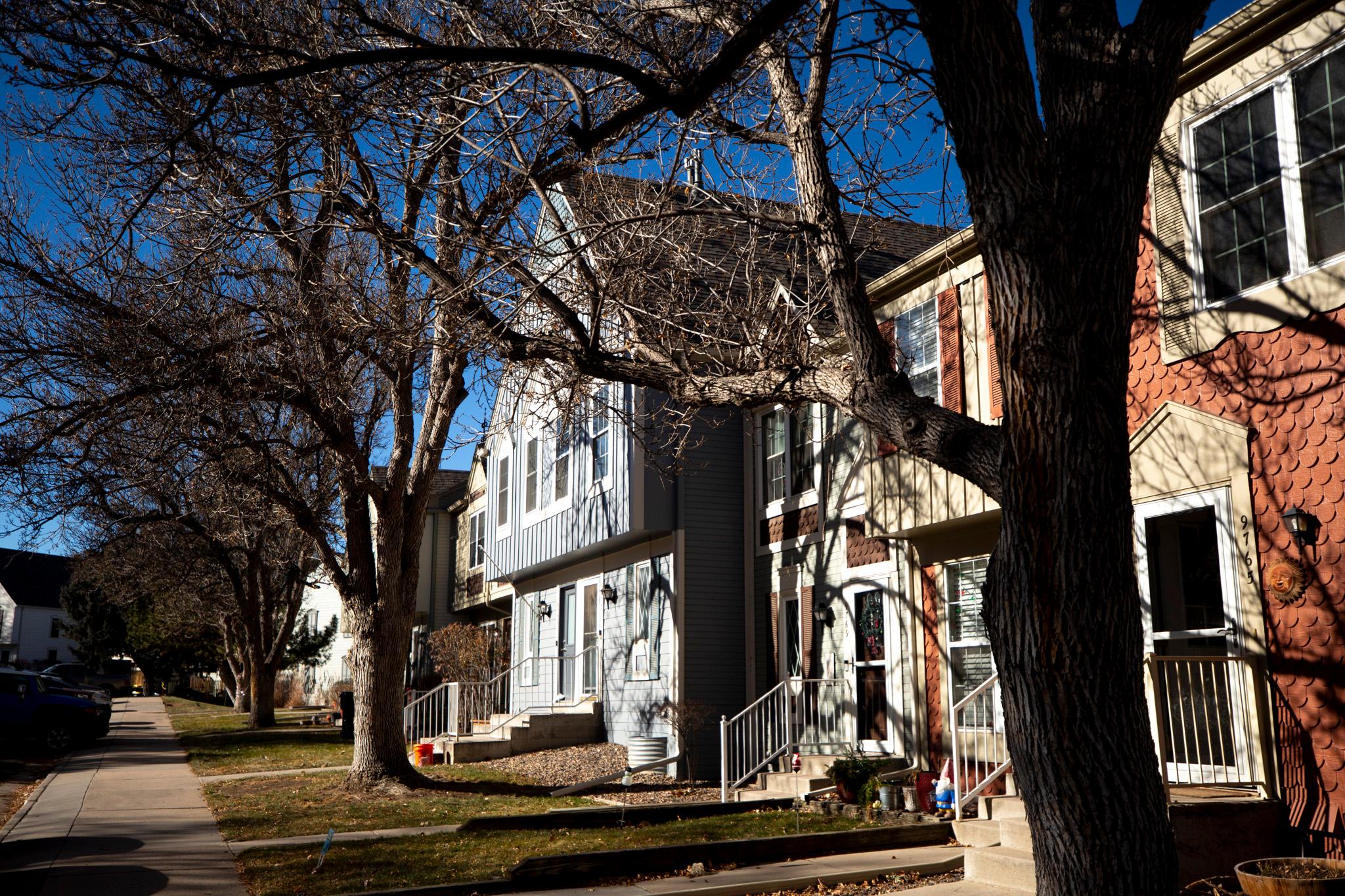
Even at a more affordable building like Lake Chalet, fellow owner Todd Hager is paying close to $500 per month in HOA fees.
He thinks those rising costs will be a drag on the condo market for years to come.
“I’m hopefully being optimistic, but with the interest always going up and the HOA fees always going up, it’s going to be harder and harder to sell these units for what they used to be worth,” said Hager, who used to live in the condo and now keeps it as a rental.
Of course, single-family homeowners also pay for insurance and upkeep — but an HOA fee packages all those costs in one upfront number that can scare buyers off. Many would rather spend the money elsewhere. For every $100 owed in monthly fees, Thayer estimates, the buyer could instead afford a mortgage that is $15,000 larger.
Or they may simply go rent a unit instead, because rental prices have dropped significantly.
What does it mean for sellers?
It’s clear that the home-value escalator isn’t going so fast anymore. But the impact depends on when you bought your condo or townhomes.
“Sellers who have held onto their units for a long time, more than five years, are probably in a good place,” said real-estate broker Michelle Schwinghammer. Those longtime owners — like Krause and Hager — bought before prices truly skyrocketed in the 2020s. Even with a dip in prices, their homes have still gained value.
But it could be a different story for more recent purchasers.
“Where we're seeing issues are people who bought in 2022 in the last three years, and they're going to (try to) sell. And that's just not enough time to build equity, particularly in attached homes. Real estate is a long-term hold, right?” Schwinghammer said.
Some sellers may even be underwater — owing more on the mortgage than they can make on the sale. Others will simply not see the kind of gains they were counting on.
For Hager, it makes for a difficult decision. The condo complex recently handed down an $11,000 assessment to cover repairs of exterior stairs, he said. It doesn’t feel great to sink money into a depreciating asset.
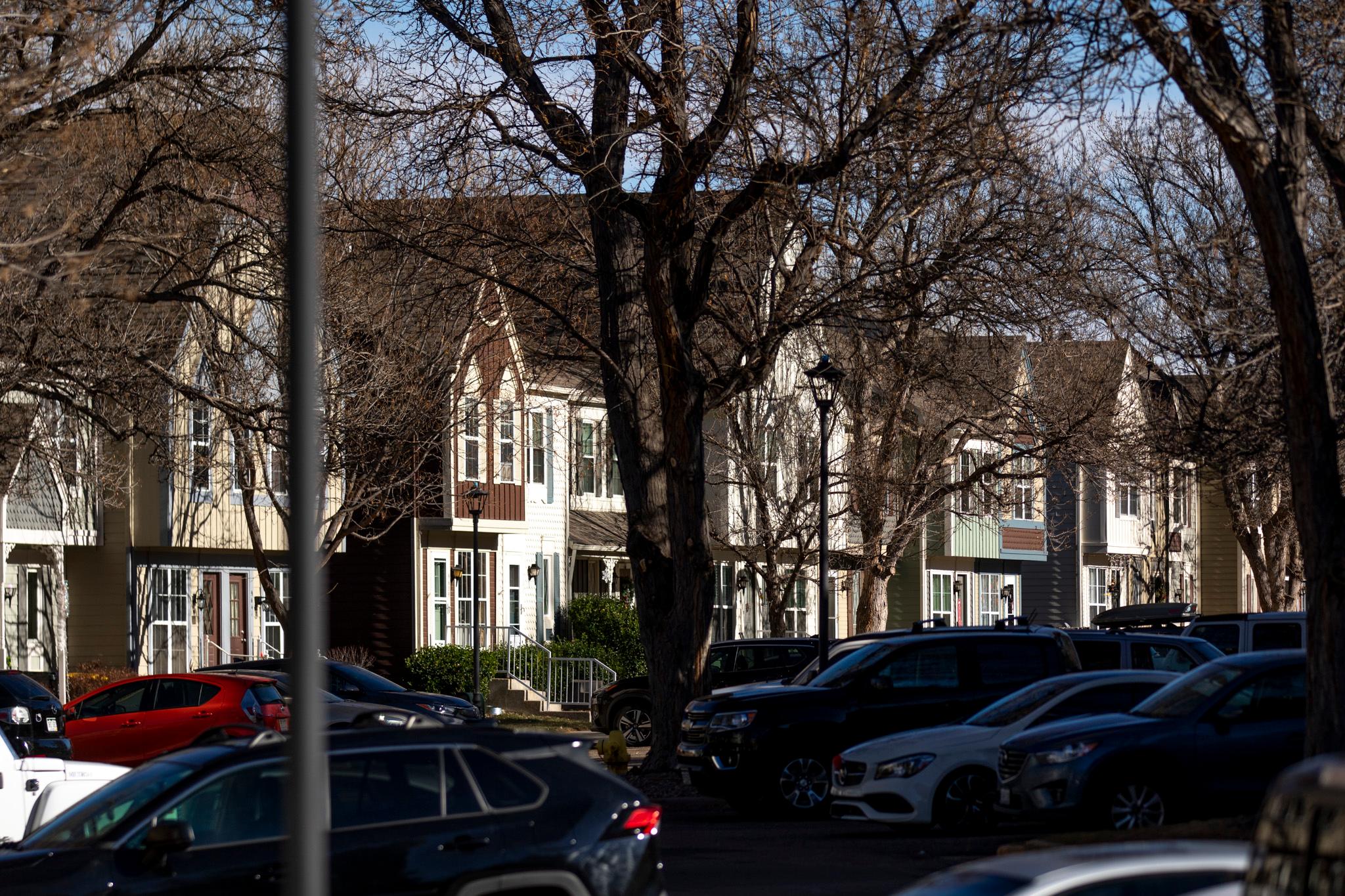
“We're going to hold onto it and see if the market bounces back a little bit, and we might reconsider next year or just see,” said Hager, who lives in Littleton. “And it's kind of a gamble as well.
Still, Schwinghammer had one piece of advice for owners: “Don't panic. Absolutely don't panic,” she said. “Be patient, plan that it's going to take a little while to sell. If you need to leave and sell your house, make sure that you give yourself at least three months and price appropriately.”
Thayer and Schwinghammer are both optimistic that the market is going through an adjustment — and not over a cliff. But the next chapter will depend on big factors like interest rates, insurance costs and the economy in general, Schwinghammer noted.
What about buyers?
Buyers have a new luxury on the housing market: time. This year, buyers could find more homes for sale than at any time since at least 2012.
And in the attached market in particular, they’re getting deals. While Maggie Krause didn’t get as much as she hoped when she sold her condo, she also bought a new townhome at a deep discount.
The new place is larger, and it neighbors the Bear Creek Greenbelt instead of a Costco. She bought it for $315,000, with the seller knocking the price down by about $30,000. She loves it already.
“If you have the money to make a down payment on a property, now's the time,” she said. “People love Colorado, people love the Denver area, so this might not happen again for a while.”
Others aren’t quite ready to jump into attached housing. Nicole Miller and her husband are moving from the Chicago area to Denver to be near his family. At first, they looked at condos and townhomes.
“Attached housing seemed like a great fit, since there is a huge supply and it does really feel like a buyer's market in terms of it,” said Miller, who works in finance. Attached housing, they figured, could put them in a walkable area with restaurants and parks. She didn’t mind the HOA fees, either.
But she instead found herself drawn to new construction in Ken Caryl and Aurora, where builders are offering financing options that, at least temporarily, can result in much lower interest costs.
“We would prefer to live in a preexisting neighborhood, obviously, because … you're not moving into a construction zone, the houses are further apart, the lots are just so much better in existing homes,” she said. “But we do have to keep in mind how far our budget can go.”
She and her husband hope to decide by the end of the year.

Colorado’s economy is flashing warning signs. Job growth has slowed to a trickle. Layoffs are inching up. The housing market is in a slump. Both the state and its biggest population center are struggling to plug massive budget holes. On top of all that, the longest government shutdown in history was weighing on the economy.
The big question, though, is whether all the bleak data points to something more serious: recession. And the answer is complicated.
Colorado Public Radio takes a look at what those warning signs might mean through the new series Silent Recession. Read more stories in the series here.