
As the legends say, Sloan’s Lake sprung up overnight after farmer Thomas Sloan tapped into an aquifer.
Since then, the lake and its shores have lived many lives. It has been home to an amusement park, a shooting club, steamboats, and stories of organized crime. Now, it’s one of Denver’s most bustling public parks.
“The history is amazing and crazy and storied, and there's just so many ridiculous stories about this place,” said Kurt Weaver, the executive director of the Sloan’s Lake Park Foundation.
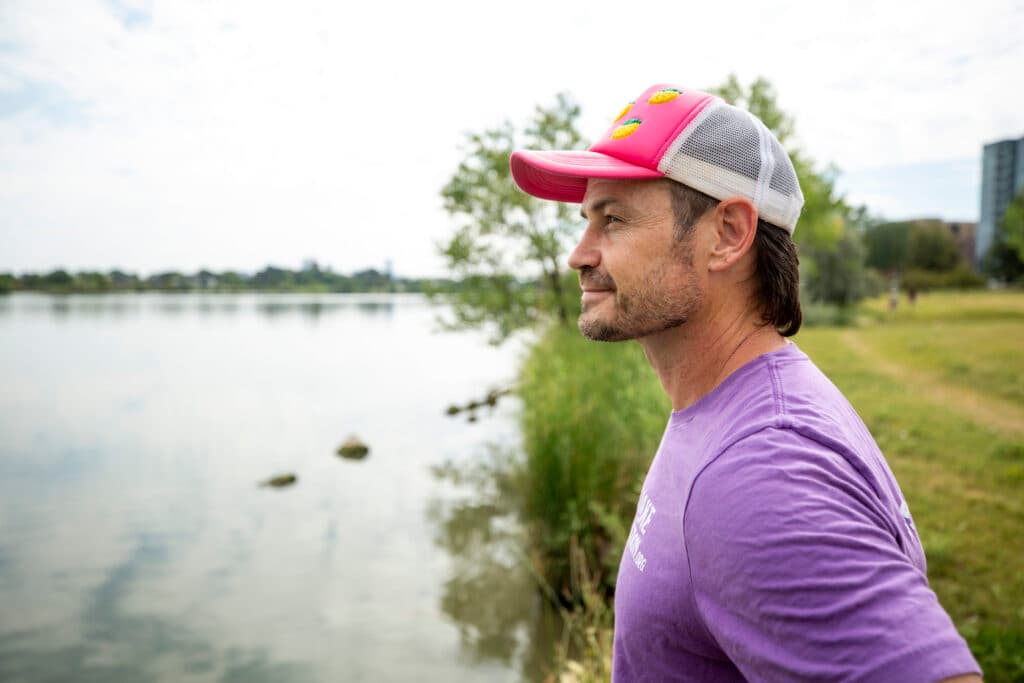
That history now has reached a critical phase. The lake may be shallower and unhealthier than ever before, with advocates like Weaver ringing the alarm bell over the impact of climate change and development on Denver’s largest body of water.
“Water [is] being cooked in this hot heat and evaporating,” Weaver said. “That's not good.”
But change may be coming: The lake is set for $5 million of upgrades, part of an even bigger campaign to save Sloan’s.
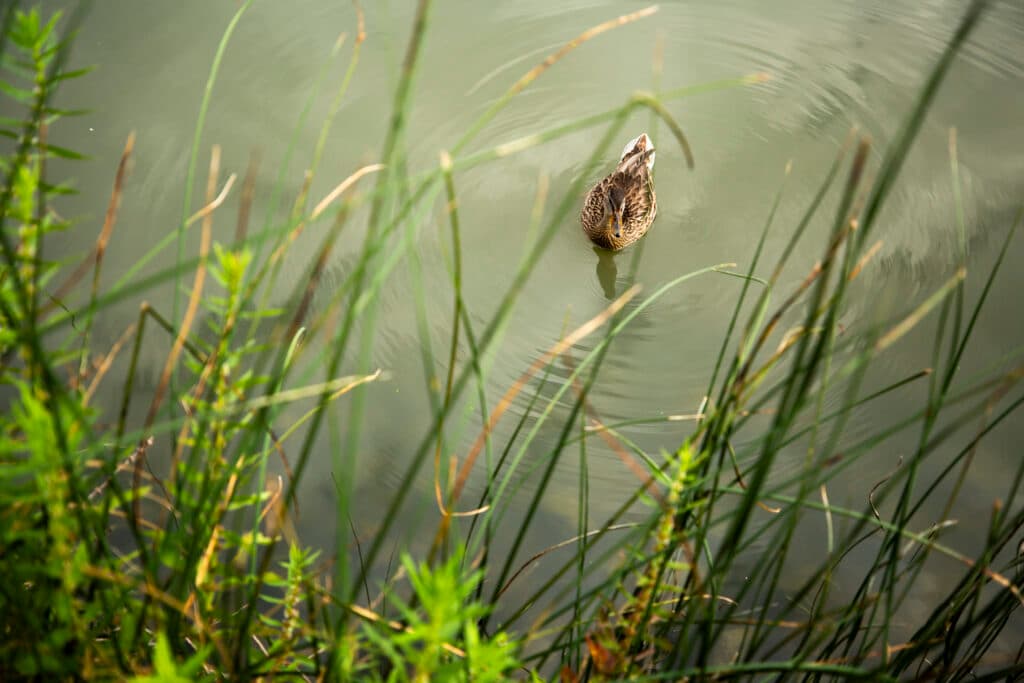
Sloan’s Lakes is hot and shallow.
The lake’s core problem is a major sediment buildup at the bottom of the lake, reducing the depth of its waters.
“All Mountain West lakes are filling in over time with sediment, but Sloan's Lake has a unique challenge in that it's the center of 150 years of a lot of development, and all that development has basically run off into the storm drains and into the ditches that have run right into Sloan’s Lake,” Weaver said.
Basically, rainwater and snowmelt in the area sweep sediment and other runoff into the lake, slowly filling it in.
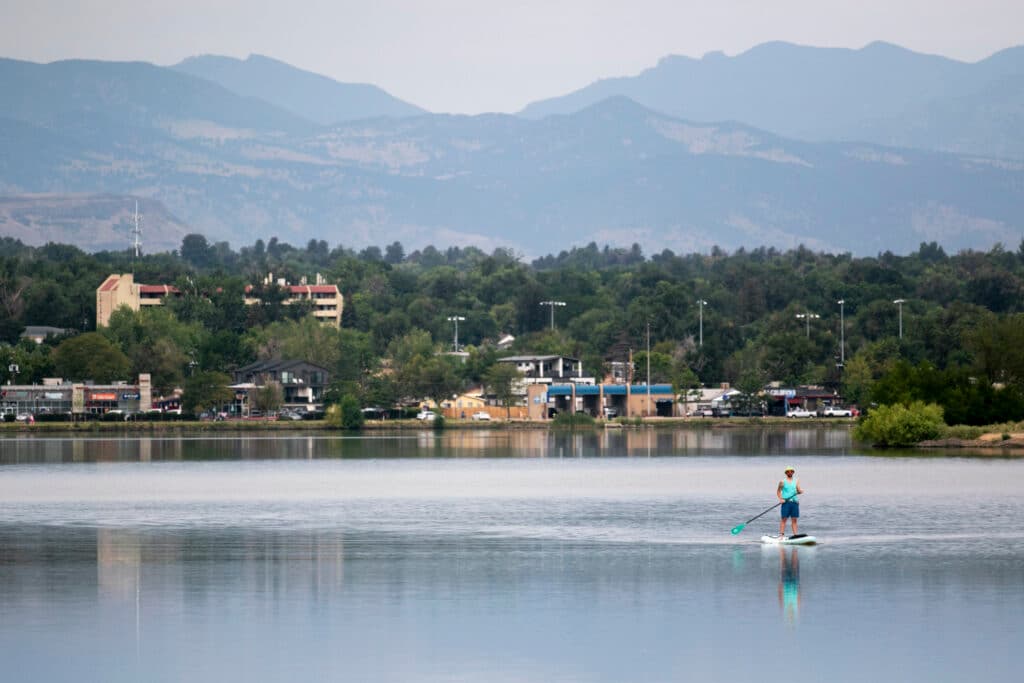
Once, the lake reached depths of more than 10 feet, according to the Sloan’s Lake Park Foundation. Now, the average depth is 3.5 feet, with a maximum depth of 8 feet, according to city reports in recent years. It’s shallow enough in parts that kayakers sometimes get caught in the sediment.
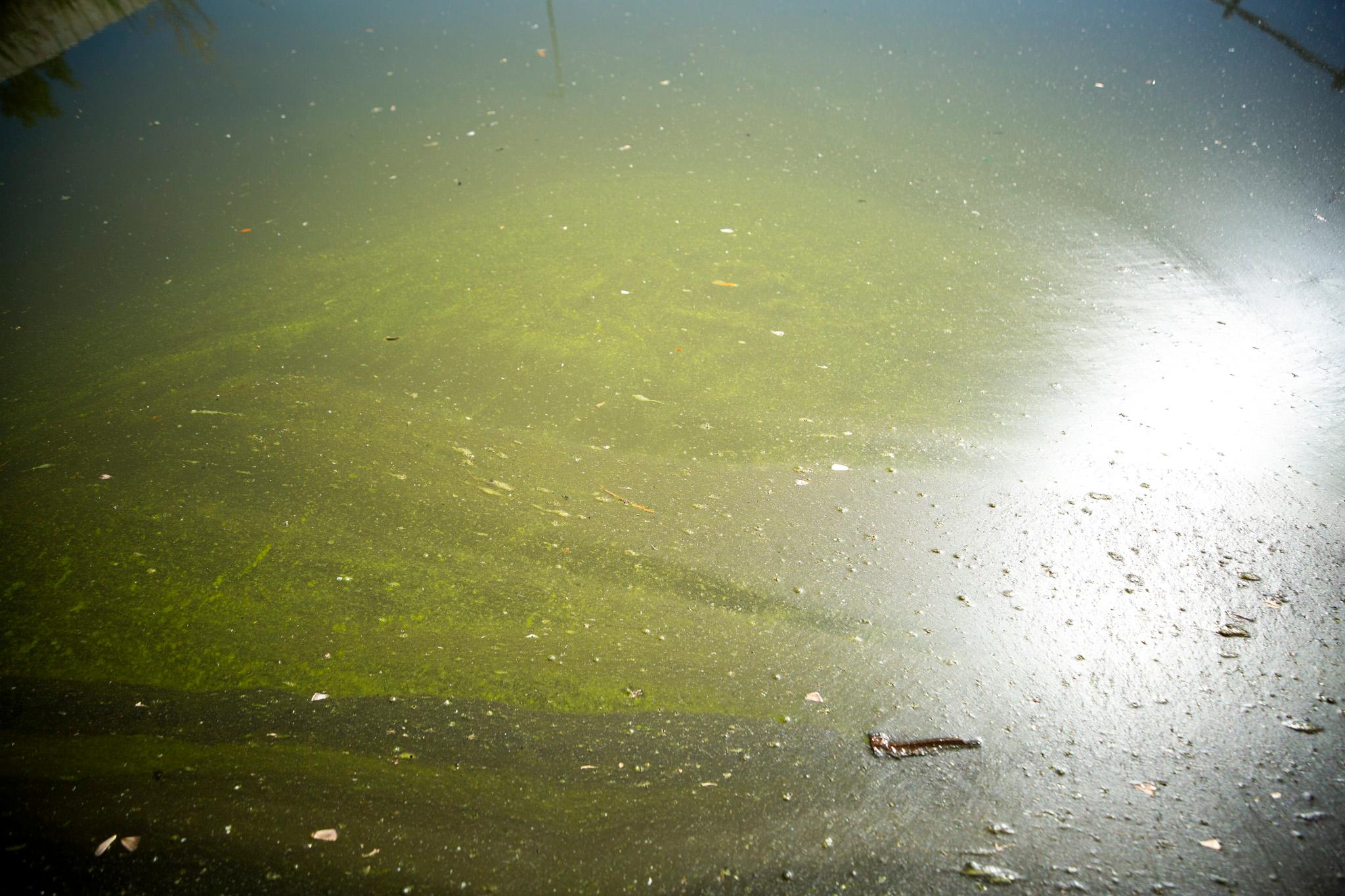
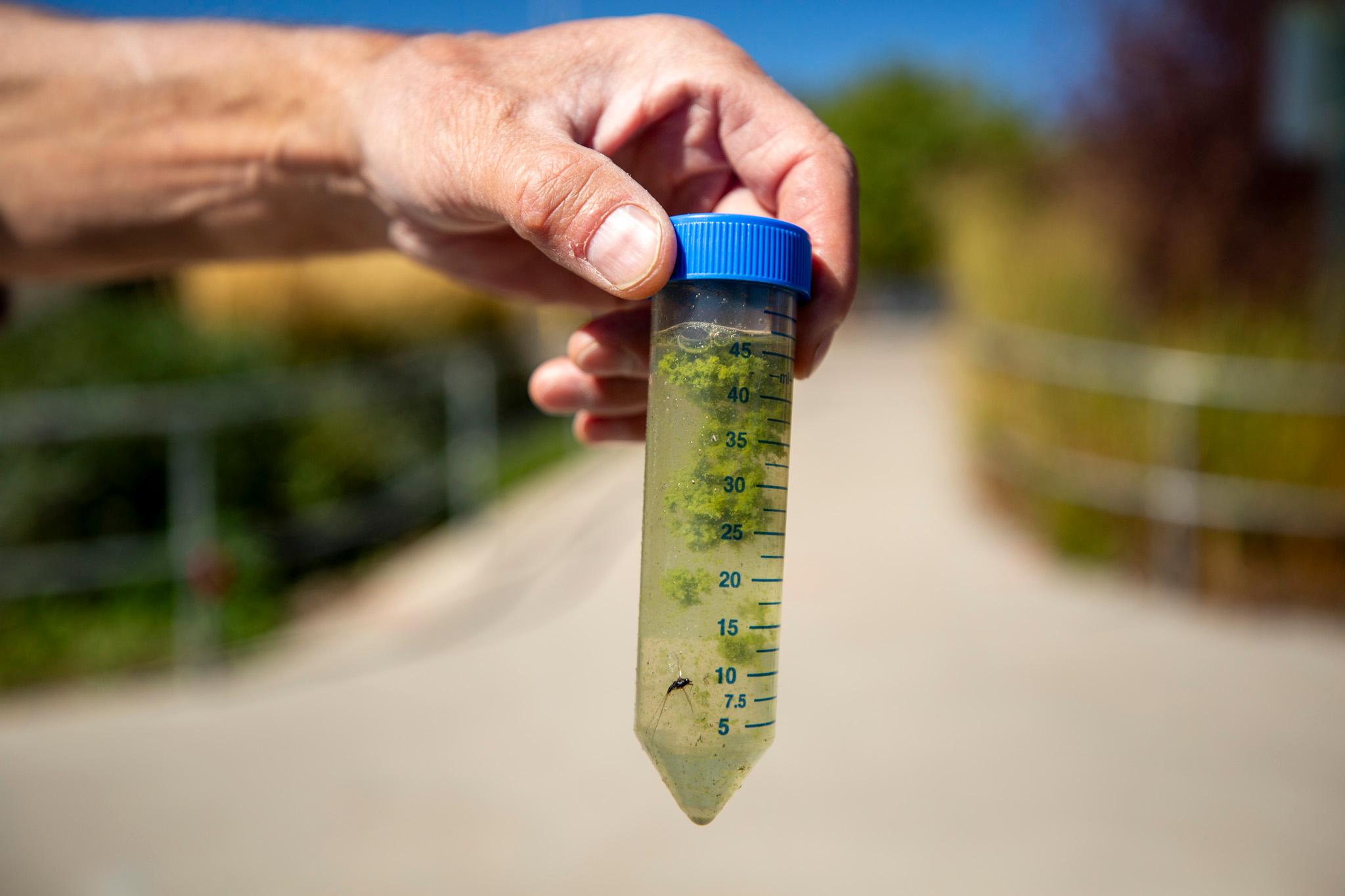
Even worse, the buildup of sediment and Denver’s increasing heat creates an environment ripe for toxic algae blooms. The sediment settles at the bottom of the lake, creating a layer of thick sludge that slowly fills up the lake.
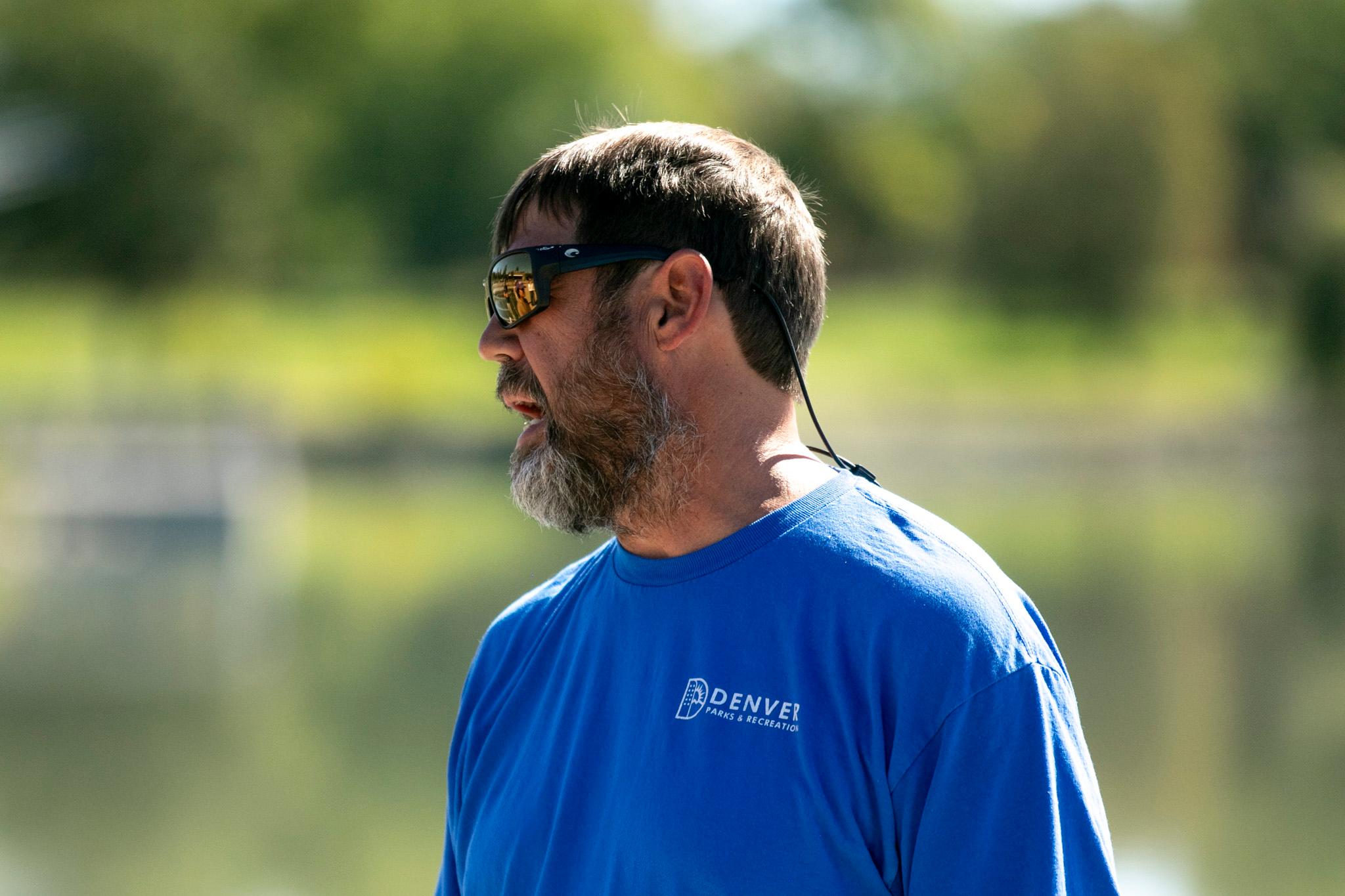
“Over time, that builds up the sediment layer that has really high nutrient levels in them,” said Brandon Mix, a lake manager for Denver Parks and Recreation. “Those nutrients are what's needed for algae to grow. And with those high nutrient levels, the algae blooms become more and more prevalent.”
In addition to making the water unsuitable for recreational activities and drinking, the algae blooms cause the stinkiest event of the year — the near-annual summer fish kill, where dozens or even hundreds of fish die from a lack of oxygen, floating up to the surface and rotting.
If nothing is done, experts warn the situation will only grow worse.
“If we were to do nothing,... the sediment would fill this lake in, to a point where there would just be little channels of water and big sandbars and the algae blooms would continue to get worse,” Mix said.
The city is planning a multi-million dollar response
Parks and recreation staff have already completed minor improvements to Sloan’s Lake that incrementally address the sedimentation problem, like reshaping the shoreline to filter sediment.
But city officials have bigger changes in mind. Last month, voters approved the Vibrant Denver bond package, including $5 million for “Aquatic & Environmental Improvements” at Sloan’s Lake.
The project could include:
- Stabilizing banks
- Reversing erosion
- Landscape transformation
- The creation of wetland habitat
- Green stormwater infrastructure
- And the installation of forebays, or artificial pools that can filter out sediment and debris
“This project will improve aquatic environmental health at the park,” a description for the project said.
But officials say even more drastic action is needed. They want to turn back time and dredge the sediment buildup, which would restore depth and reduce the nutrients that toxic algae feed on.
“Considering the amount of sediment that we have in this lake and how long it's been in here and what's in the sediment, it makes it extremely difficult to dispose of and to manage,” Mix said.
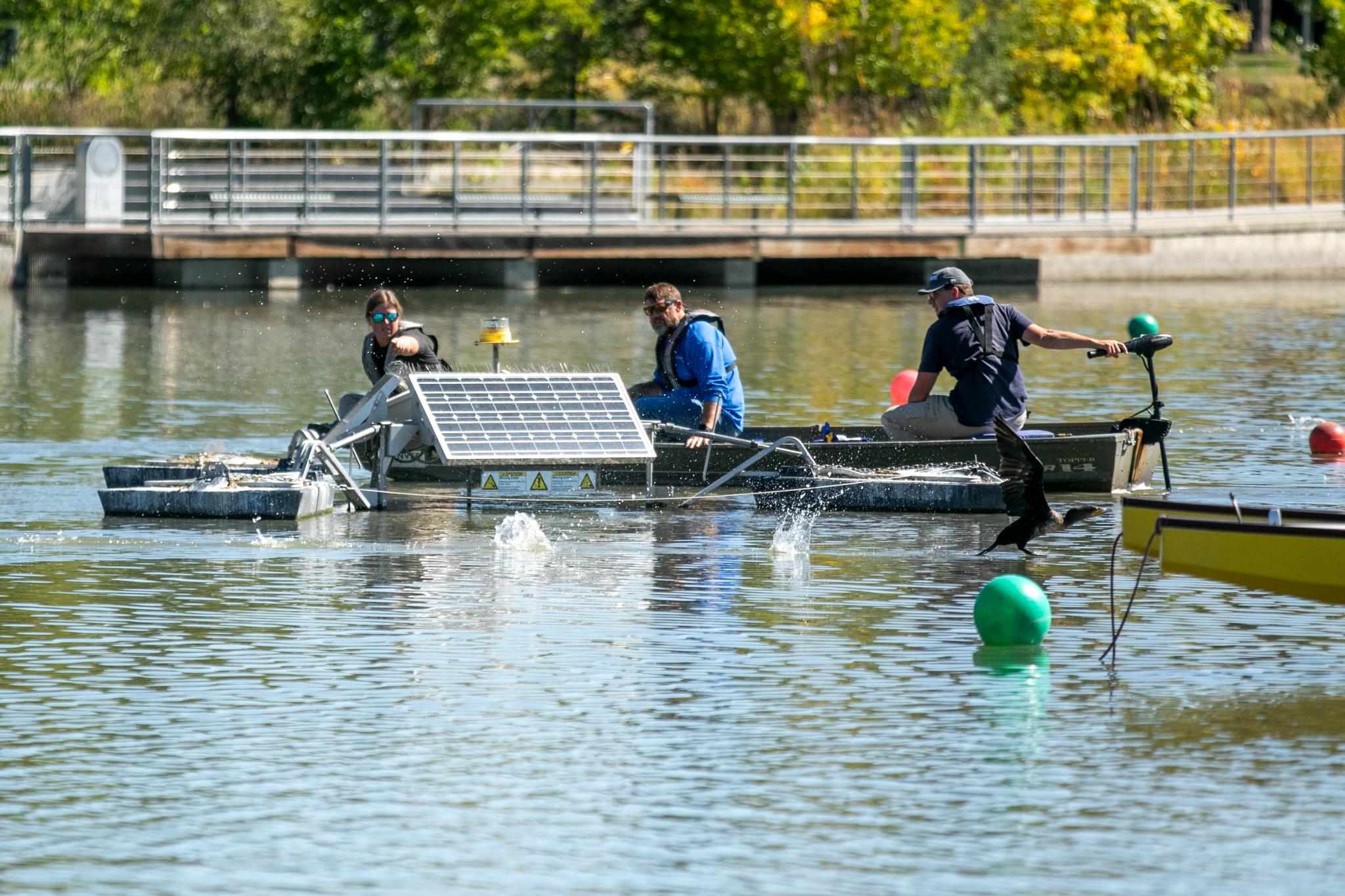
Weaver thanked voters for passing the bond, but said $5 million is a drop in the bucket for what’s needed.
“It's the initial catalyst we needed to get the project going,” he said.
Dredging could cost millions more. Early in the bond process, advocates requested up to $40 million.
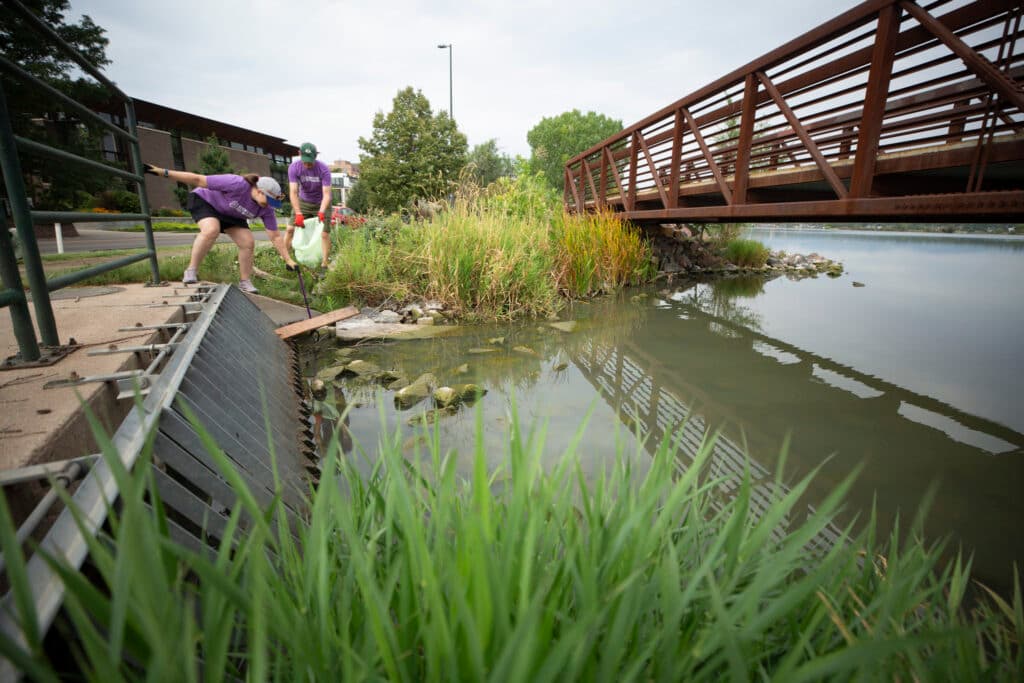
Sloan’s Lake’s restoration won’t just impact Denverites.
The lake is on the western edge of Denver’s borders. Depending on where you cross the street, you’d be in either Edgewater or Lakewood. Just a few miles to the northwest, there’s also Wheat Ridge.
Nearby residents rely on the lake’s shores for green space, and many businesses in Denver and neighboring Edgewater rely on foot traffic from the park around the lake.
Not only is Sloan’s Lake Park one of the most trafficked green spaces in Denver, but it holds popular annual events like the Colorado Dragon Boat Festival and Jamming on the Jetty.
The lake’s health has threatened some events. The Dragon Boat Festival, where teams race boats across the lake, said the park’s recent water troubles have them planning a future away from Sloan’s Lake.
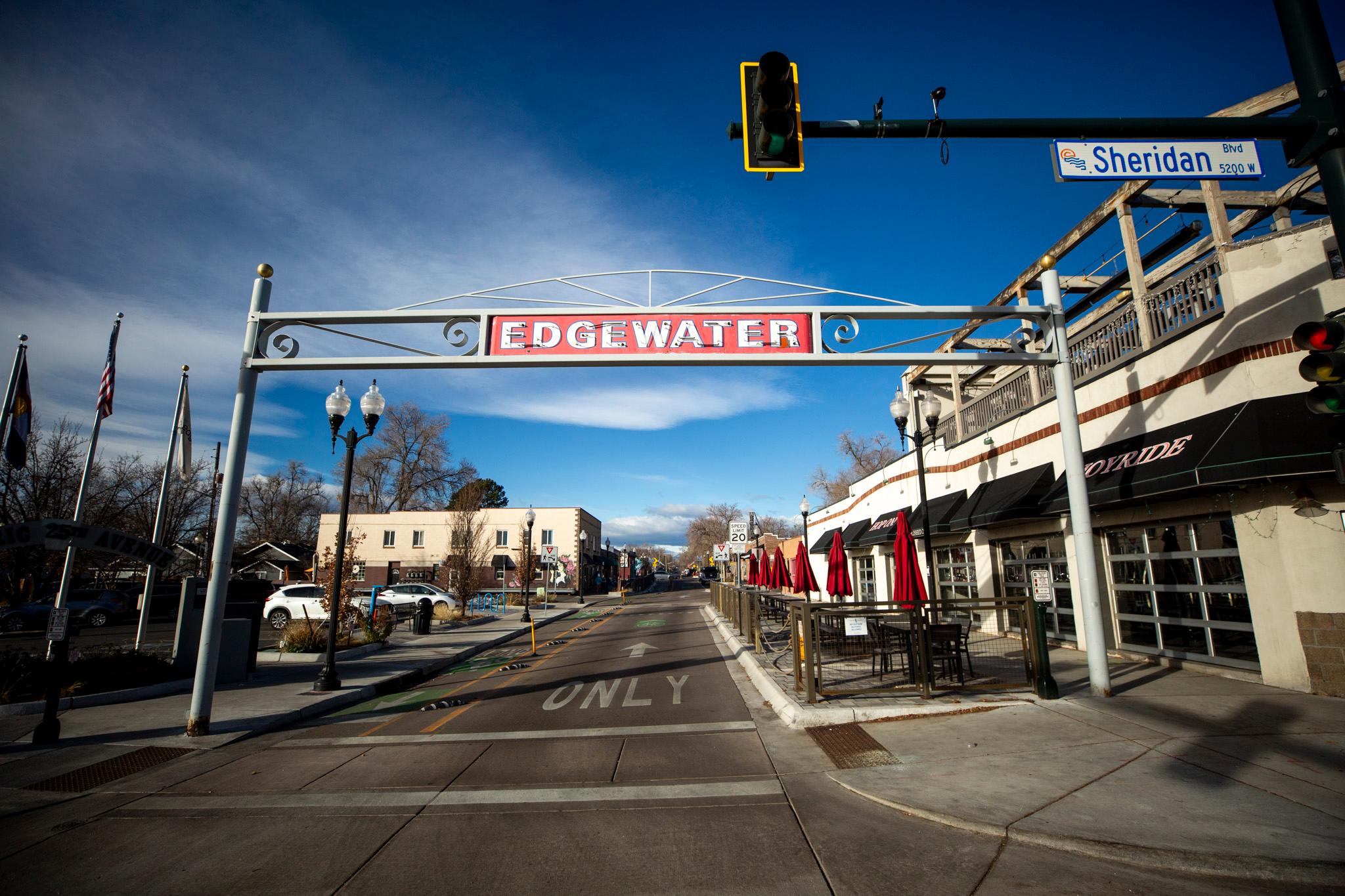
Niya Gingerich owns Edgewater Inn Pizza and Lot 46 Music Bar on West 25th Avenue. She said Edgewater has made it easier for lake visitors to travel across the street to their businesses. Most of the commercial property in Edgewater stands on the western edge of the park.
“The lake is a huge draw. It would be devastating to see that go away, especially because the city has invested so much in doing this streetscape right in front of us right here on 25th,” she said.
And since Denver is the official steward of Sloan’s Lake, neighboring municipalities can do little more than watch the city make decisions around the park.
“I think the hope is that Denver sees it as a priority,” Edgewater Mayor Steve Conklin said.