More than seven years after voters approved spending plans for a major rebuild of West 72nd Avenue, the city of Arvada is stepping back from a key part of the plan.
The city will no longer build an underpass for 72nd Avenue where it crosses a railway just west of Kipling Street. The underpass would have replaced the current at-grade crossing, which city planners called a traffic bottleneck and a safety risk.
It was part of a larger plan to widen the road, but costs for the underpass have doubled to nearly $140 million since voters initially approved the project in 2018.
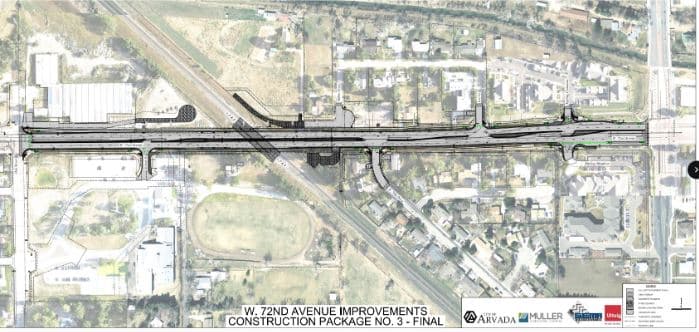
The change sends the city back to the drawing board for its plans to widen the two-lane stretch of the avenue. It could now take five to 10 more years to complete the project.
In 2018, the city estimated the underpass would cost $64.5 million. But construction was postponed for years, with the city blaming delayed approvals from Union Pacific Railroad. (Union Pacific said in a statement that the railroad had “extensively” collaborated with the city.)
In that time, inflation helped to drive the estimated cost to nearly $100 million, and now to $137 million.
While the city could afford the earlier price increase, the newest estimate would have forced the city to make cuts, spend reserves or take on debt.
“I have concluded that the costs outweigh the benefit,” city manager Don Wick said at an Arvada City Council meeting Monday. “There are examples across the country where projects have been canceled, delayed indefinitely, or the scope reduced, inflationary costs and changing conditions impact major infrastructure projects, just like we're experiencing here.”
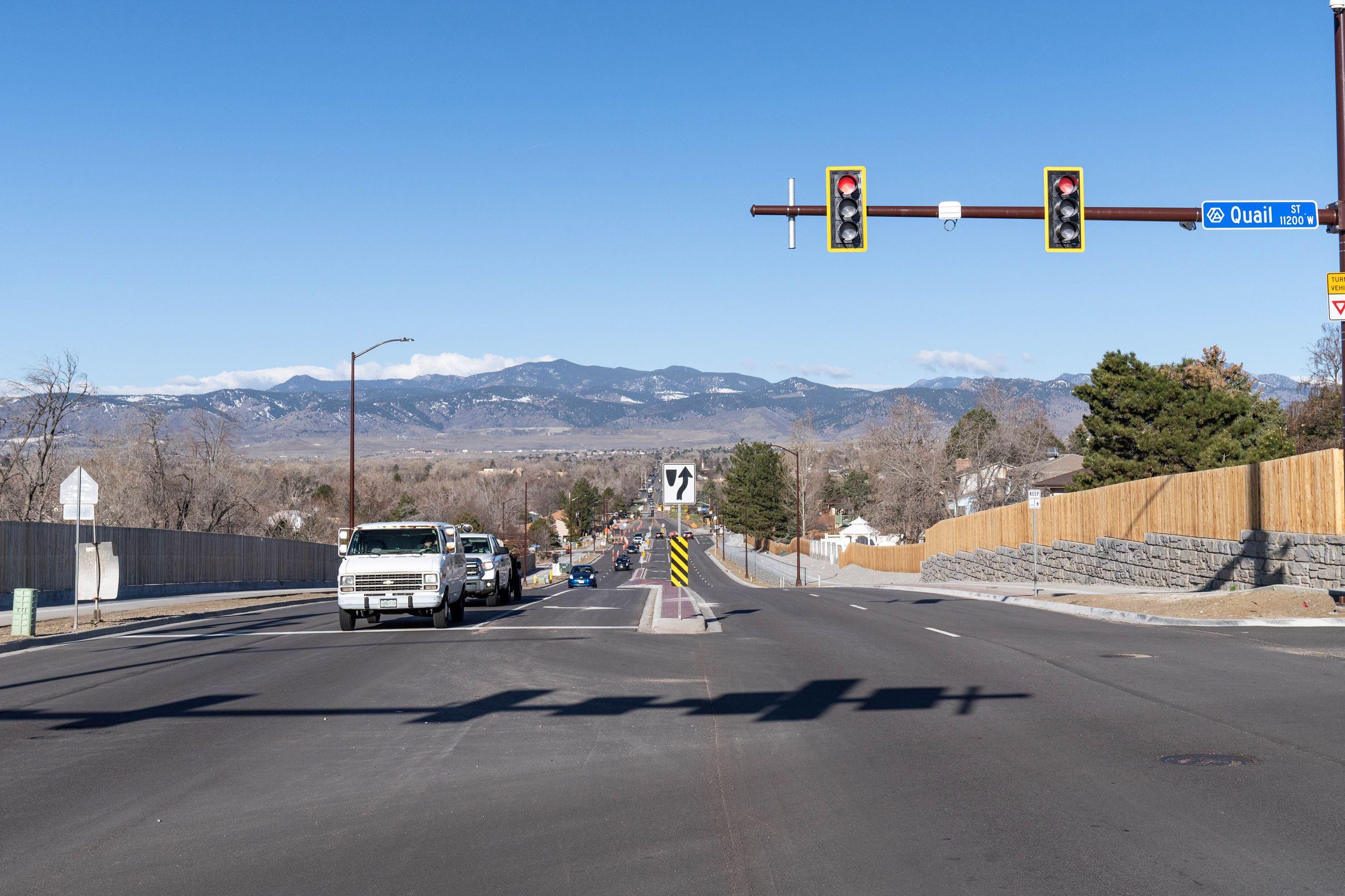
The city recently completed a road widening and other changes to the avenue east of the railroad crossing at a cost of $41 million. That section of the road is now four lanes, but it narrows to two lanes as it approaches the rail crossing.
“(The) avenue narrows abruptly from four lanes to two west of Kipling, and that creates the bottleneck that we're trying to address,” infrastructure director Jacqueline Rhoades told the council.
She pointed out that Ballot Issue 3F, which asked voters to approve bonds for the project, never promised an underpass would be installed, only referring to general improvements.
In its statement, Union Pacific wrote: “Union Pacific has been collaborating with the city of Arvada and their contractors extensively to design an underpass that meets railway industry standards for grade separation projects and were surprised to learn that the city had decided not to move forward with the project.”
Arvada is still pursuing a widening of 72nd Avenue between Kipling and Oaks streets, but it will have to find a new approach to the rail crossing.
The alternatives include keeping an at-grade crossing, with vehicles crossing the railroad tracks. But transportation planners have been trying to eliminate those kinds of crossings around the country. At-grade crossings are more dangerous, since a mistake by a driver can put them in the path of a train, and they also come with more delays as drivers wait for crossing arms.
“While the underpass is no longer feasible at this cost, we are actively exploring alternative improvements, including an at-grade crossing. We will keep the community informed as we continue evaluating improvements that are both effective and financially responsible,” Rhoades said in the press release.
The city will replace sidewalks and repave the affected section of the avenue, where some early work had already happened. It will also start work this year to “evaluate the feasibility and associated costs of an at-grade crossing and widening,” the release stated.
The bond package, which also funded about $24 million of work on Ralston Road, did not bring any tax increase. The earlier phase of the project on 72nd Avenue included utility work, road widening, signal upgrades, drainage, and bike and pedestrian features.
“The longer it takes for us to figure out what that plan looks like, those costs will go up again,” Councilmember Bob Fifer warned at the meeting. “Do the right thing. But that time frame needs to come in for something not four years from now, not six years from now. You know, something shorter.”
The avenue is a key east-west corridor for the suburban city. Arvada will host an open house meeting about the project on Monday, Feb. 2, from 5-7 p.m. at the Apex Community Recreation Center, 6842 Wadsworth Blvd. (That’s different from the Apex Center, folks.)
The city has taken out about $87 million in bonds for the projects, of which it has about $31 million left to spend.