By Kali Fajardo-Anstine
This month, Lois Harvey sold West Side Books, the community institution she founded nearly 30 years ago, to Matt Aragon-Shafi.
The store remains in the same North Denver location with one major difference. The used books, making up the vast majority of the store’s inventory and footprint, are gone. This downsizing is a direct result of a rent hike that was impossible for the indie bookstore to afford. I worked at West Side Books from 16, off and on, until my mid-twenties. That experience proved vital to my life as an author.
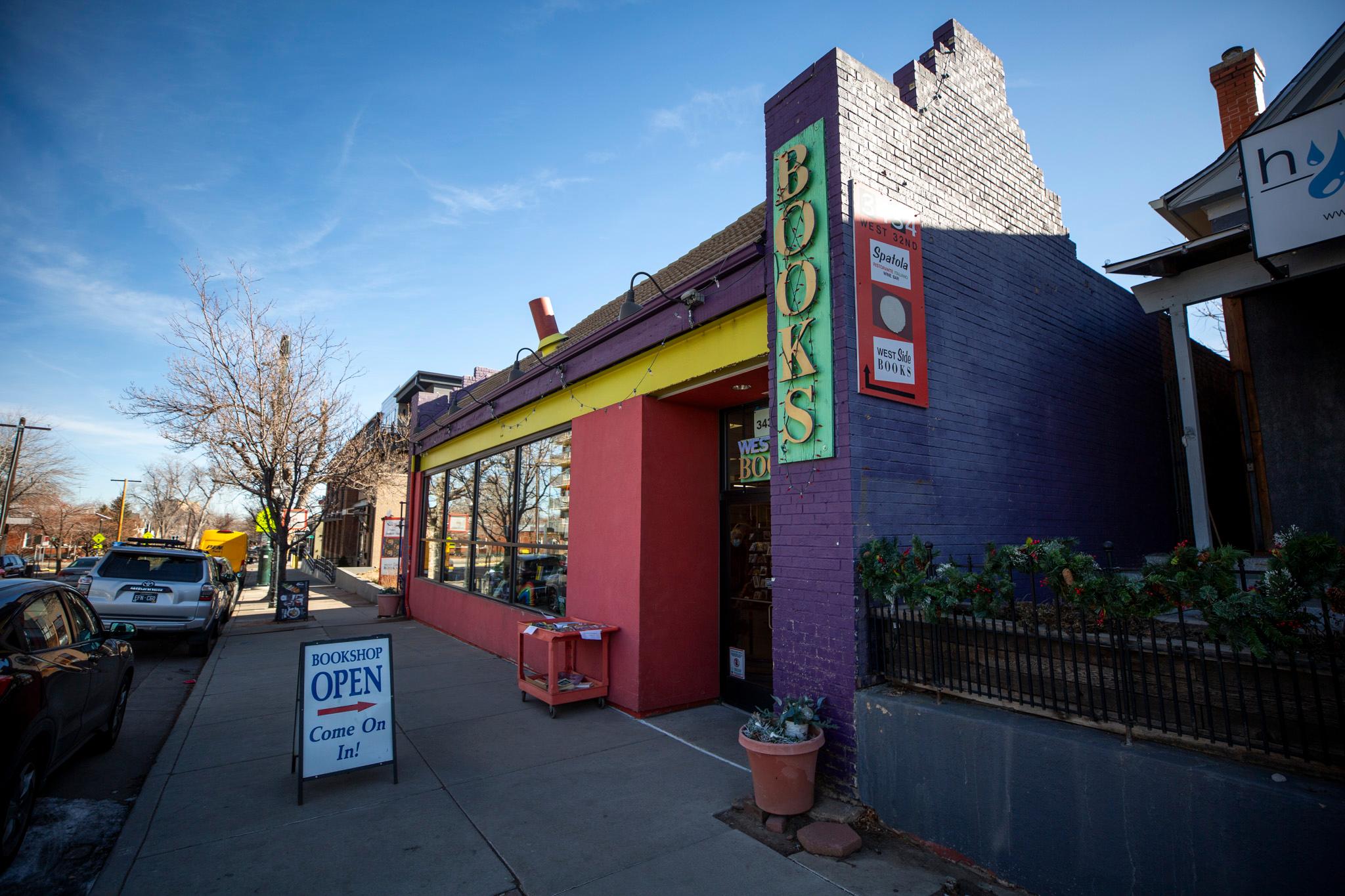
I first remember visiting West Side Books after my 15th birthday. My mother had given me a gift certificate to the shop. It had a purple exterior with a garage door for an entrance. The collection of used books was enormous, with the elevated check-out counter and an old school cash register at the center. The smell of used books floated weightless through the air. I know now that this earthen scent is created by the breakdown of lignin and cellulose. But at the time, it felt like sampling an exquisite perfume.
I bought many books that day, including Kafka’s "The Trial" and Saul Alinsky’s "Rules for Radicals," the latter a hand-sell from the store’s owner, Lois. She was a smallish woman with bobbed white hair and glowing blue eyes. She spoke softly, a little hard to hear her, and so I had to listen carefully in that industrial room of books.
“When you finish reading it, let me know what you think,” she said. I wasn’t used to adults asking what I thought of anything, let alone literature.
When it came time to check out, another woman at the counter informed me that I had gone over the gift certificate amount.
“I’ll put some books back,” I said.
She did math on her fingertips, nails painted blue. “Just take them,” she said, sliding the books across the counter. “Any 15-year-old who comes in here buying Kafka deserves it.”
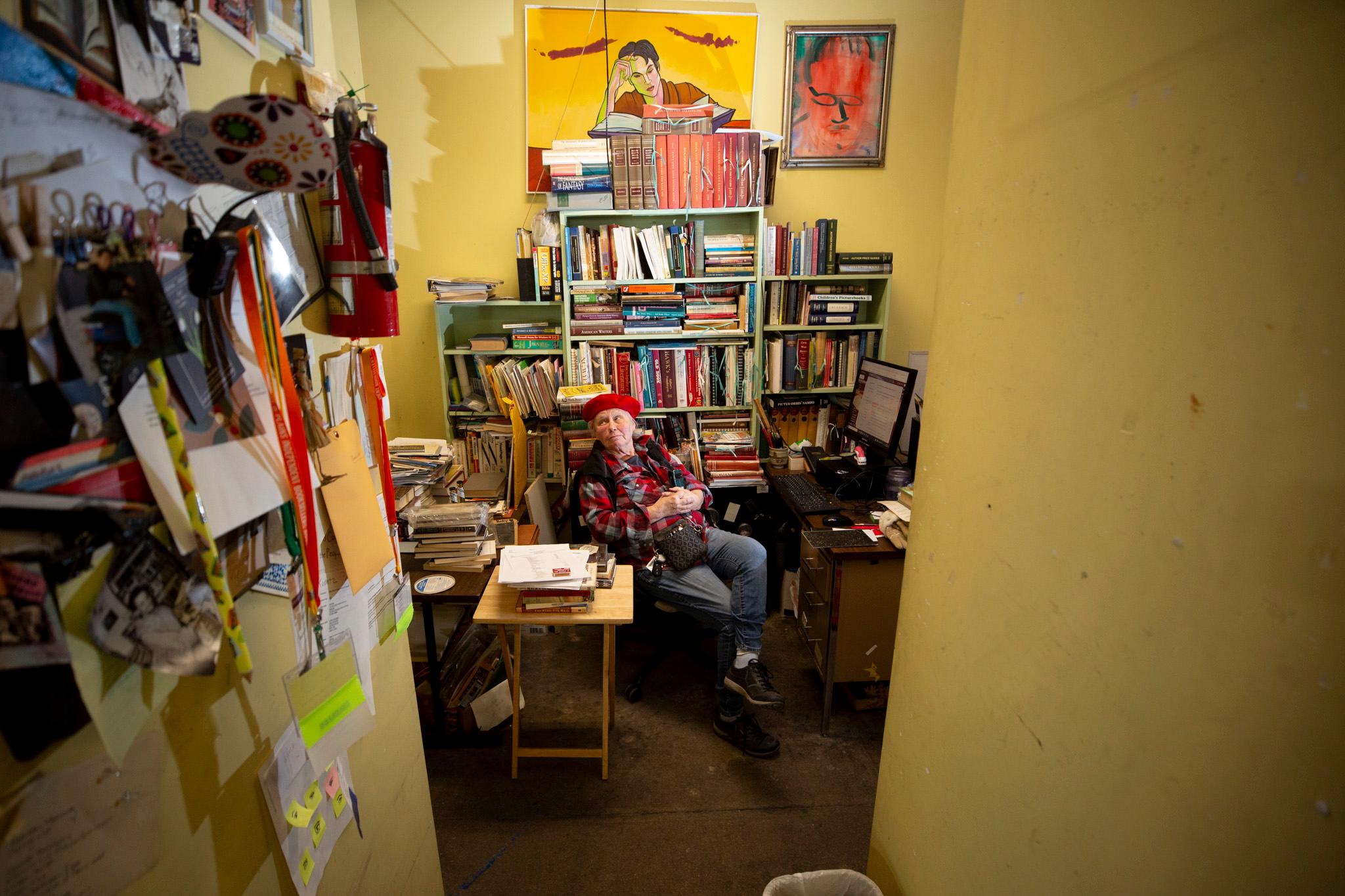
After I began working at West Side Books in 2003, I learned this woman was a poet named Carol Jacobson. She smelled like herbs and had strong, suntanned arms. She was an avid outdoorswoman. She once told me not to scream when I saw a millipede squirming out from the rare books’ case. “Someone might think you’re in real danger,” she explained.
In 2009, Carol died rafting the Green River. She was 54 years old. Lois told me the tragic news one morning after I arrived for my shift. I looked up at the counter, the place where I had first seen Carol. I recalled how she had made me feel the first time I visited the shop: smart and celebrated, a person worthy of good books.
***
I worked at West Side Books for over a decade. Even when I went away to graduate school, or got fired from a job in Florida, whenever I came home to Denver, Lois had a position for me at the shop.
When I first started, we didn’t sell new books. The store was strictly used and antiquarian. The books were from different time periods, some worth tens of thousands of dollars, and some worth two bucks. Our regulars were construction workers, ex-cons, teachers, students, famous writers, and those still toiling away in obscurity.
The novelist Peter Heller often came in with his partner to trade used books for store credit. I thought they both seemed incredibly chic. Another writer, Melanie Tem, hosted a writers’ workshop on Wednesday nights. It was my job to move bookshelves out of the way. Melanie had a guide dog, a Golden Retriever named Dominic. Dominic always alerted Melanie to the fact that I had missed a chair or two or the circle wasn’t quite round.
Once, a man asked for "Middlesex" by Jeffrey Eugenides and scoffed at me when I said I hadn’t heard of it. “It just won the Pulitzer Prize,” he remarked. “You should know that. You work at a bookstore.” I learned that some readers really value literary prizes and snobbery. I saw that most bestsellers were written by white authors, and so I created a writers of color section up front to help customers find diverse reads.
All this occurred during the Great Recession. While businesses closed all around us, West Side Books remained open like some horror movie Final Girl. At the time, Lois’ brother Jimmy owned the building, and if the fear of making rent was ever-present, I didn’t get wind of it.
But those were difficult days in the book business. Door-to-door salesmen entered the store with their wares tucked under one arm. A man in a cheap suit tried to sell Lois his board game about mass layoffs. In her gentle, soft voice, she said, “I can’t. You’re looking at a woman who had a $20 day yesterday.”
A pervasive fear of e-books flitted around the shelves. Would Kindle overtake traditional books? They were cheaper to produce with no printing costs. The very word Kindle reminded me of the novel "Fahrenheit 451" where Firemen turn books to ash.
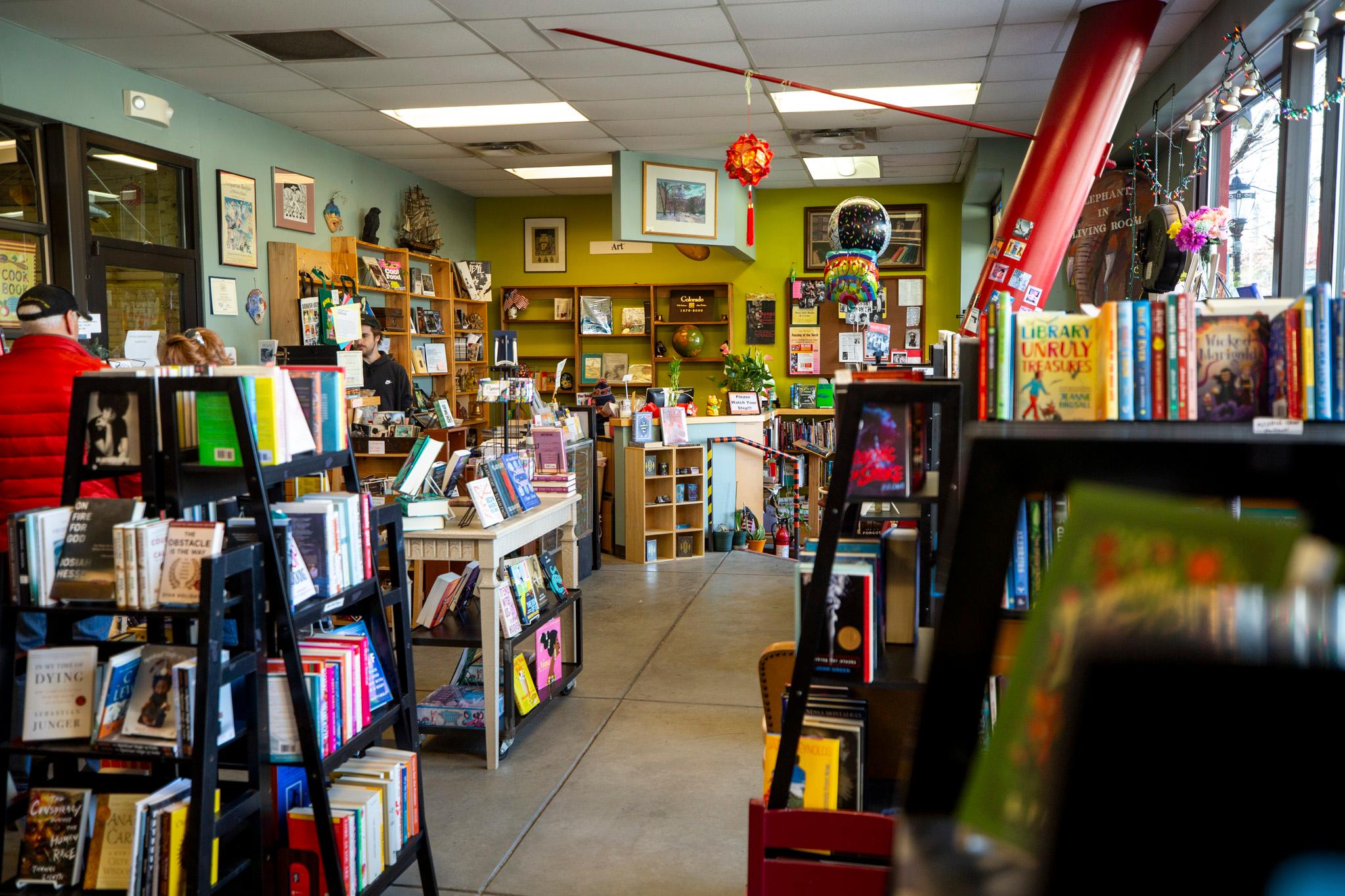
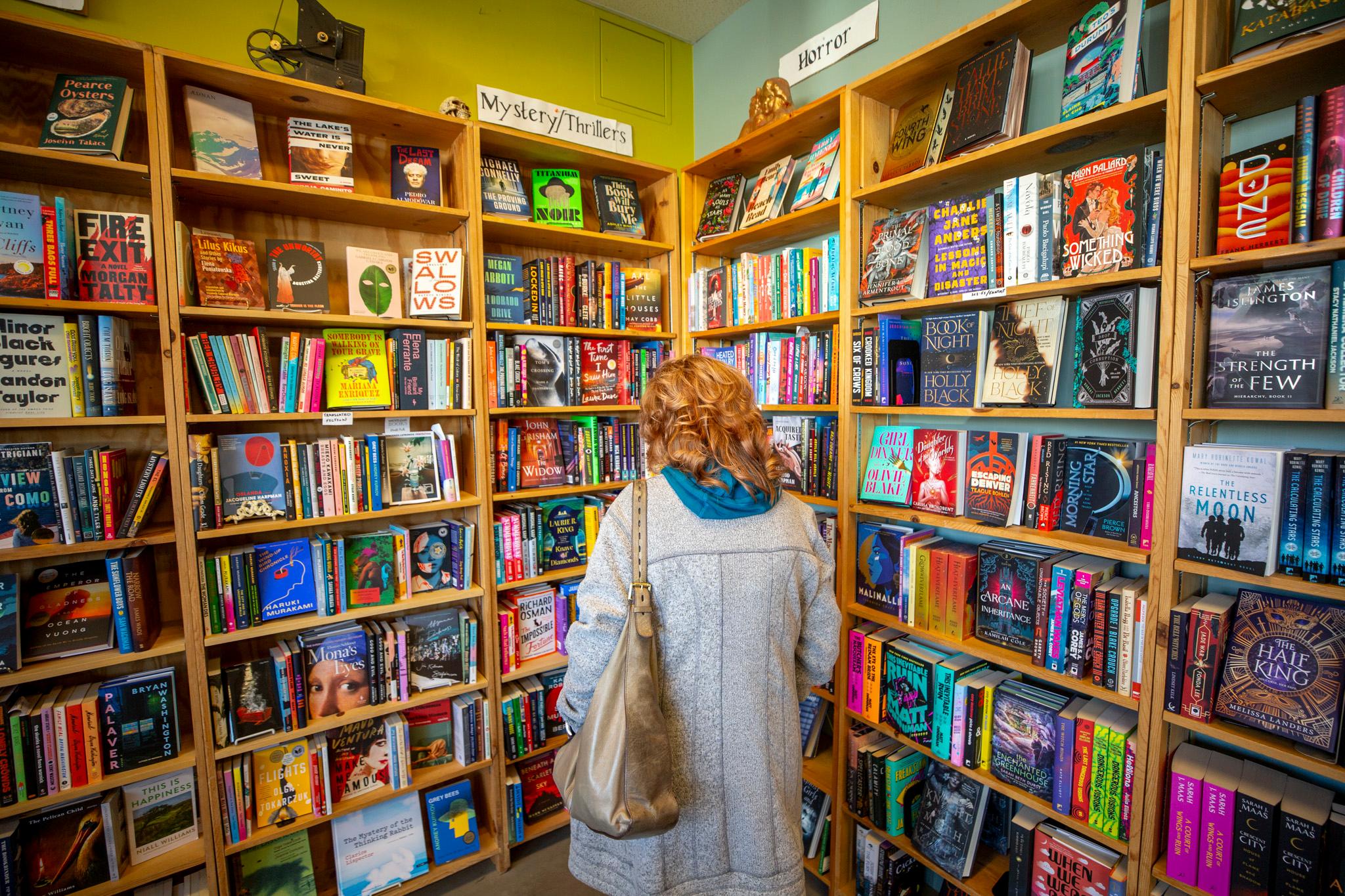
But West Side Books adapted. The store began carrying new books, albeit a small, curated section in the new front room. I learned about marketing schedules, book publicity, and the highly coveted Oprah’s Book Club. And though some readers bought new, many with limited funds or simply an affinity for old things still bought used.
Each year before school started, the store experienced a mad dash for used copies of "1984" and "The Grapes of Wrath." Parents and students alike appreciated the lower price point. But there was also something nurturing about a beat-up copy of a classic. I imagined readers seated before a table, sharing notes and conversation, passing one another books as if sharing bread. And if a customer ever walked through the front door, proclaiming, “I have no idea what to read,” Lois asked questions, she listened, and without a doubt emerged with the perfect book.
***
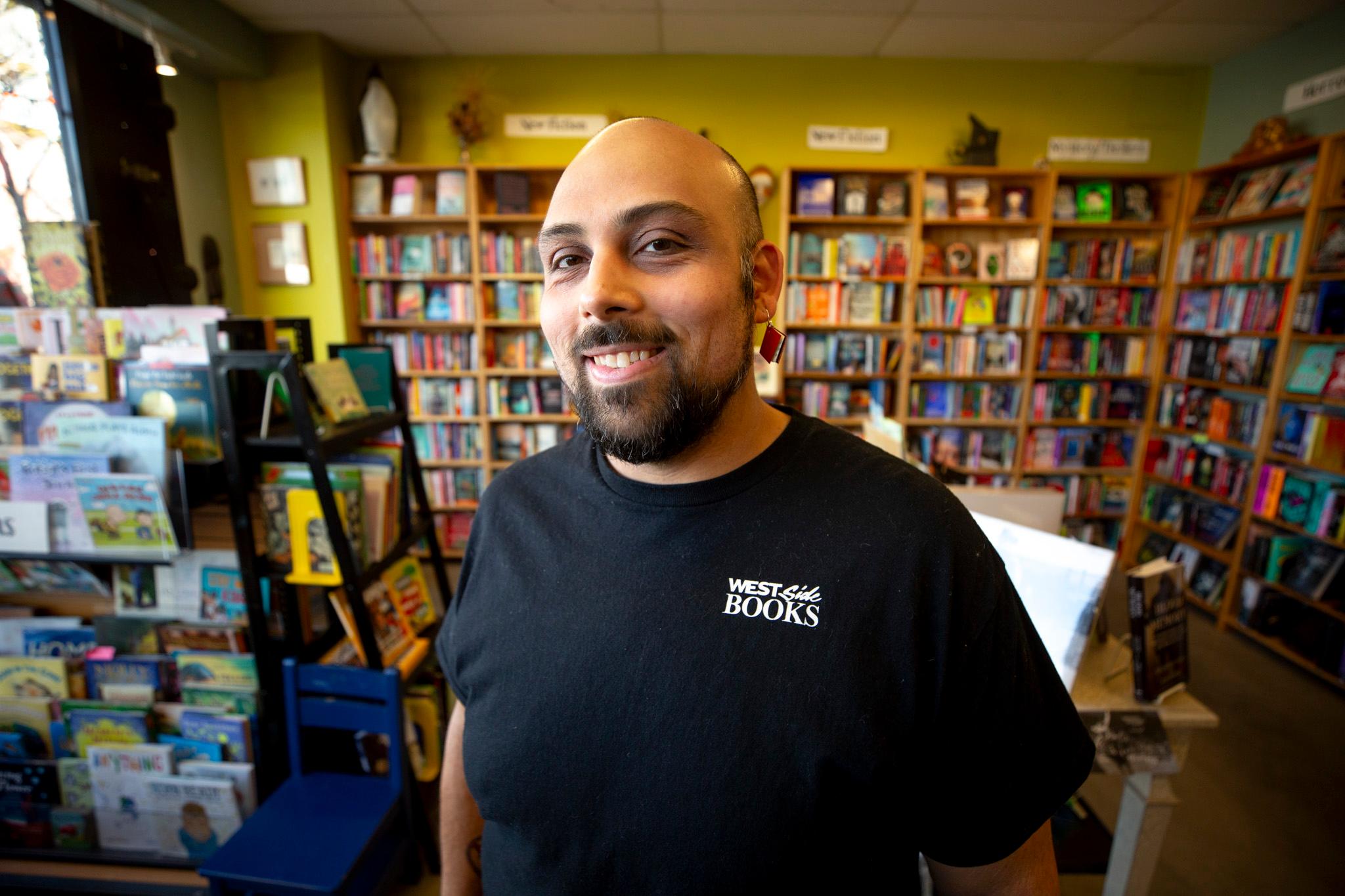
Lois is retiring after a long and storied career in books. She is passing the torch to my friend Matt, a staunch supporter of books by queer authors and writers of color. He is a lover of all things Denver and is loyal and passionate about supporting local authors. Simply put, he is a purveyor of good taste. Matt has the opportunity to reimagine West Side Books and I can’t think of a better heir.
When I visited him on Jan. 1, the day he took over as owner, Matt wore an indie bookstore T-shirt and a tiny pair of dangling book earrings.
“I love those,” I said.
“Thanks,” he told me. “They’re for sale.”
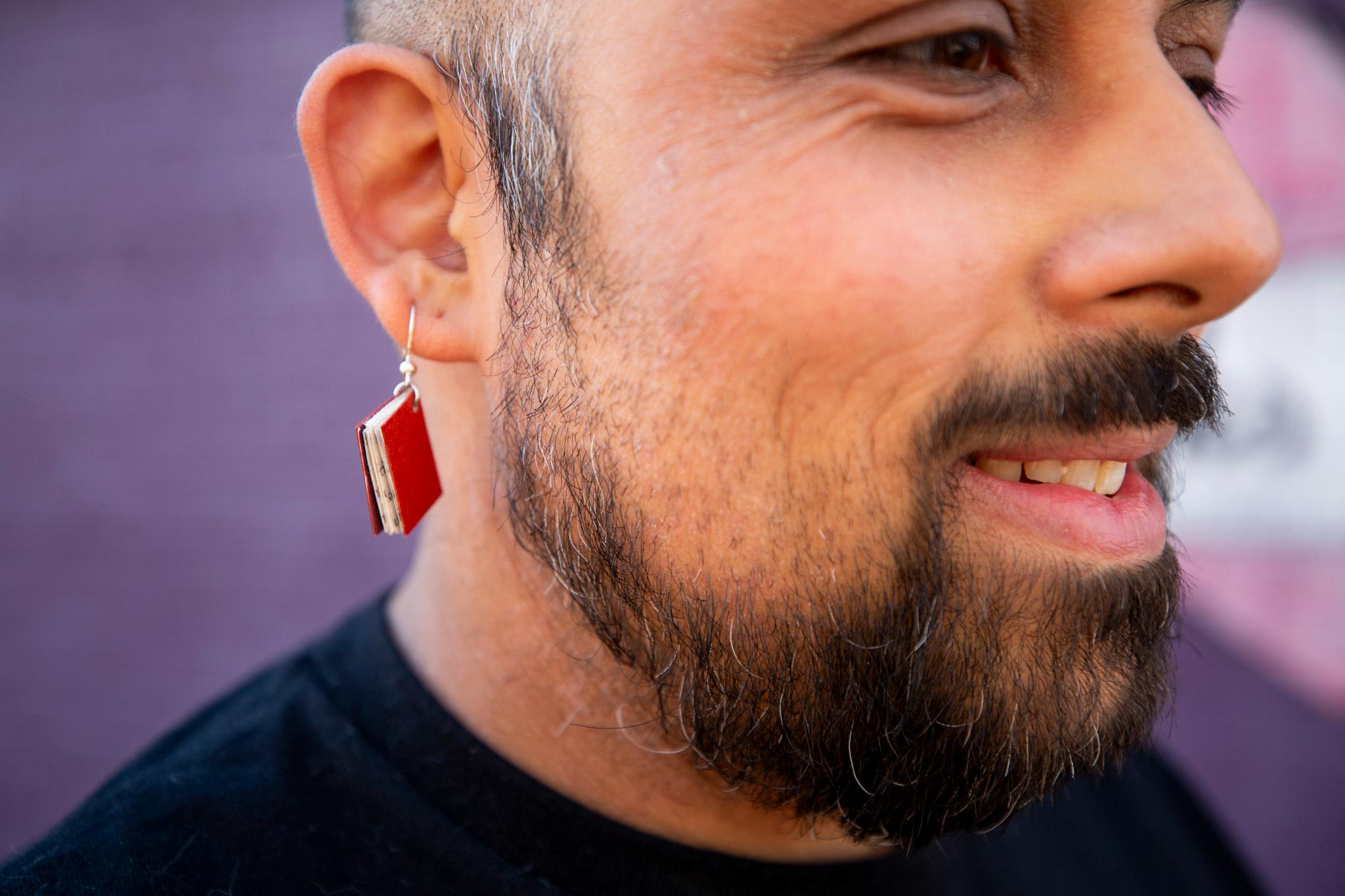
Matt doesn’t come from connections or wealth or any of the leg-ups that make it far easier to run a successful business, especially in a city as gentrified as Denver. Matt comes from the neighborhood. He went to North High School, and he is someone who believes books can and do sell. He is also someone who shows up for his community and friends.
Last year, I called him out of the blue. “Do you want to see the new Bob Dylan movie with me?”
“Yeah,” he said. “Want to go right now?”
Not many people I know will drop everything on their day off to sit with a friend, but that’s what Matt did. I didn’t tell him I was having a bad day, but maybe he could tell by the sound of my voice. He sat with me and humored my love of all things Dylan. We shared a meal, and he picked up the tab.
“You know what book I love right now? 'Death of the Author' by Nnedi Okorafor.”
A few weeks later, he gifted me a copy.
When Lois first hired Matt as a bookseller eight years ago, she told me, “I like the way he makes me feel.”
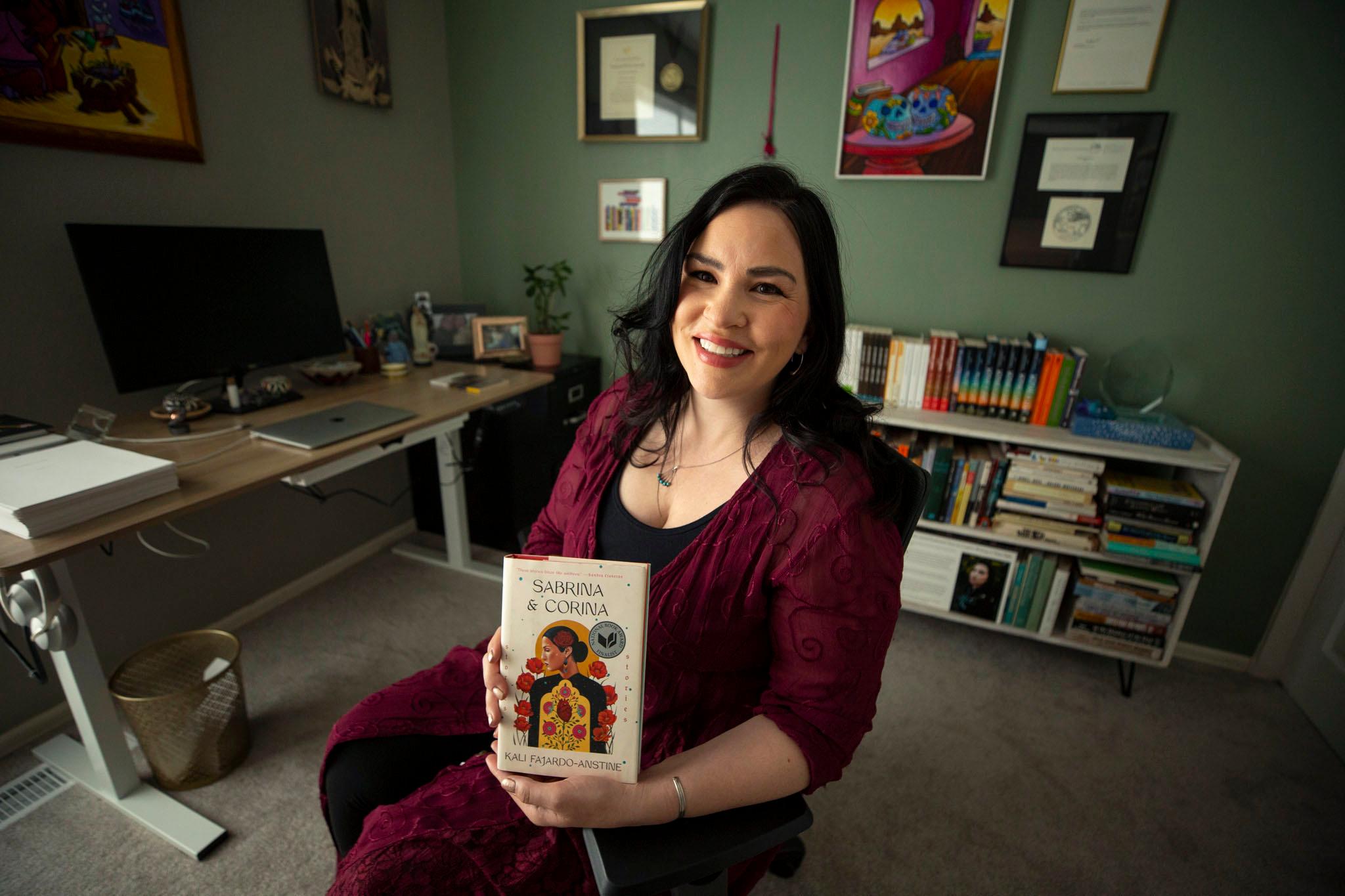
Like Lois, I also like the way Matt makes me feel. I’ll never forget walking down 32nd Avenue the day of "Sabrina & Corina"’s release. Dozens of copies of my story collection were in the West Side Books’ windows. I felt like a bestseller, a literary star. Something tells me it was Matt in those windows, placing my book face-out for the entire block to see.
***
There’s a type of game many Denverites will know. You’re driving with a friend from out of town. You point out the window and say, “That used to be Tom’s Diner,” or “That used to be Paris on the Platte.”
That used to be Muddy’s,
That was the Cricket on the Hill
That was Racine’s
The game is endless.
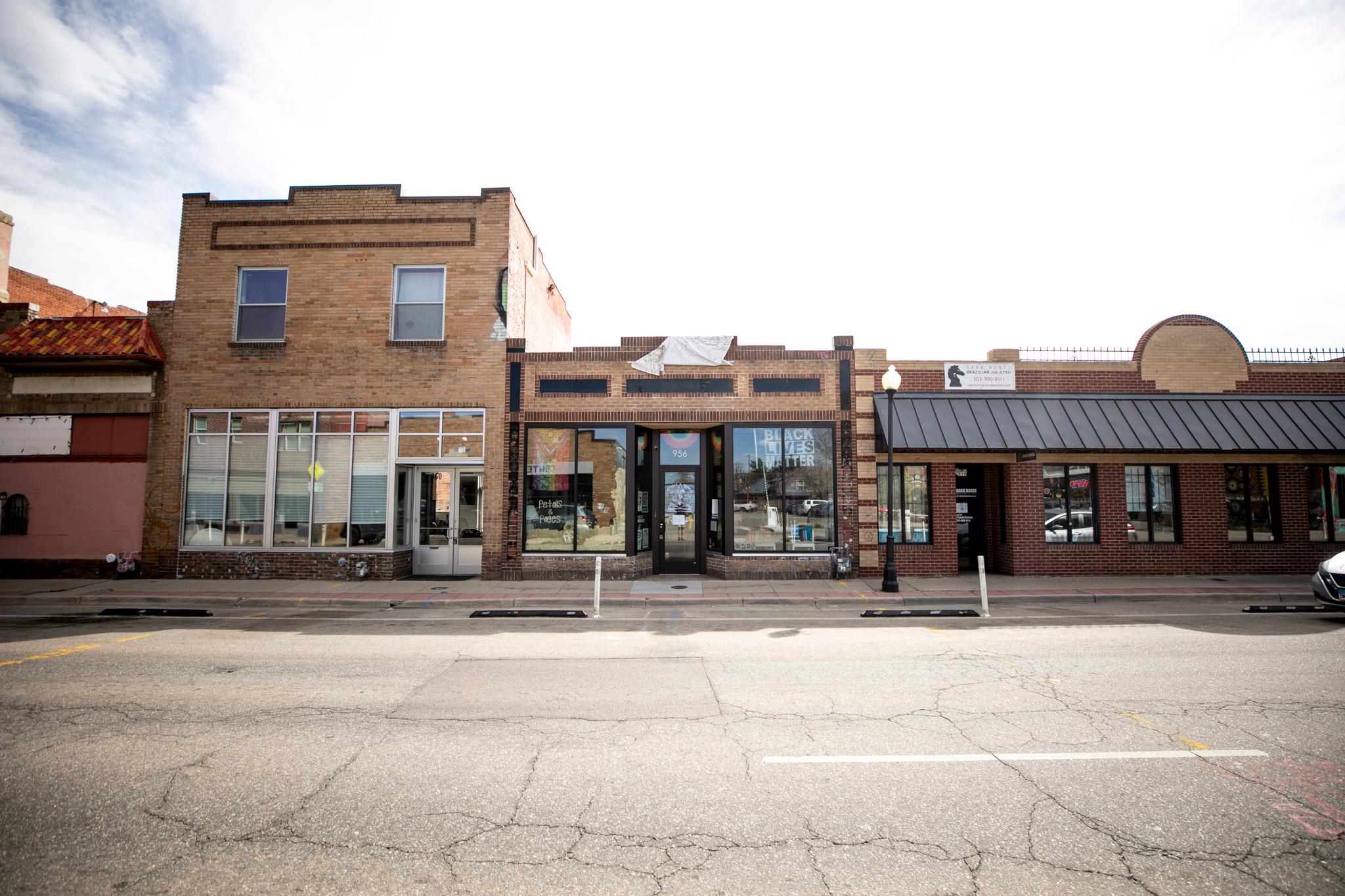
For now, West Side Books is still West Side Books, but different. The used books are mostly gone. The massive room which housed them will be rented by new tenants. All those memories of meeting and connection are untethered from the space which once housed them. But under Matt new memories and connections will form.
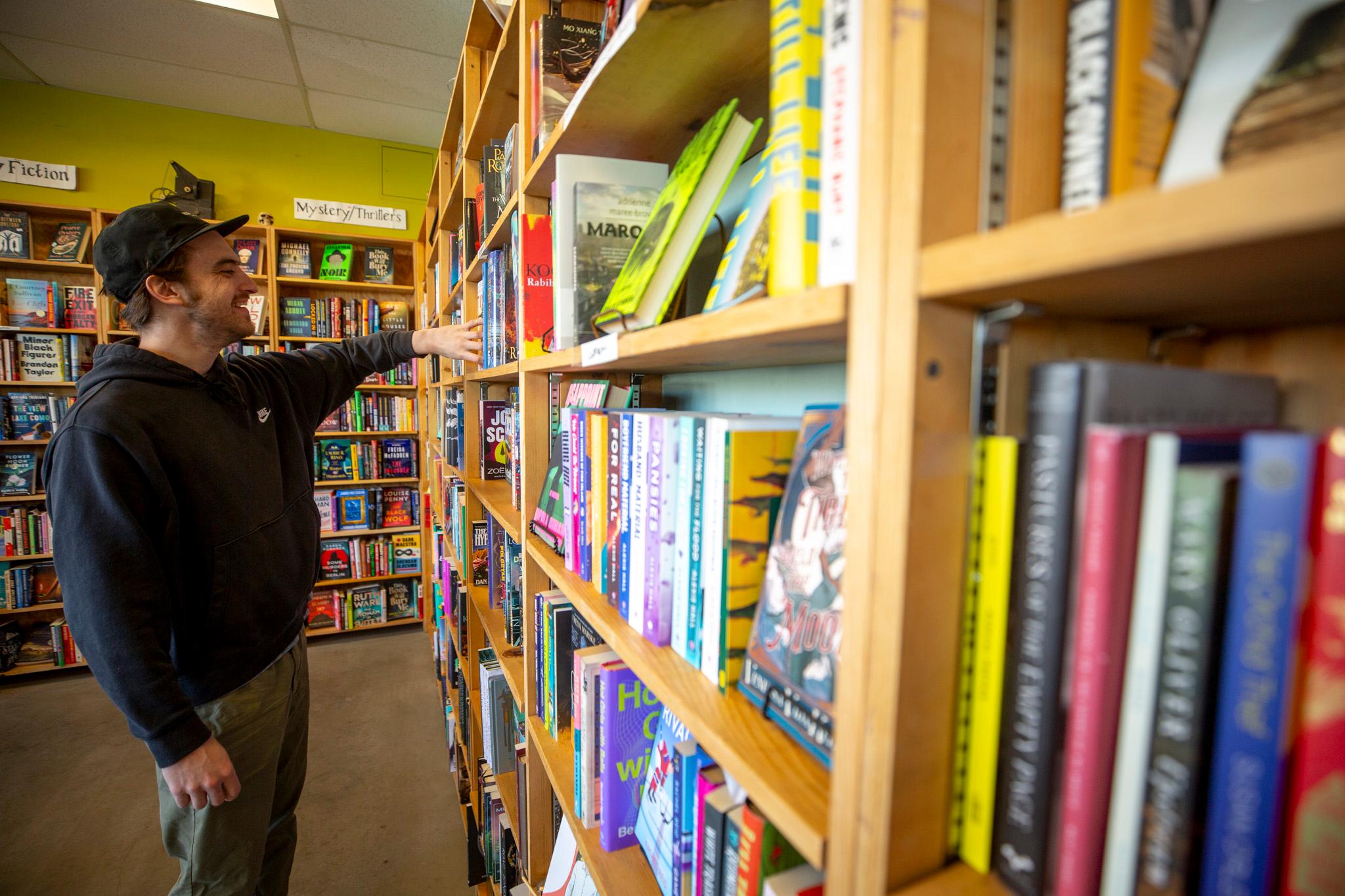
In a world dominated by algorithms, where our senses are bombarded by advertisements for products we mostly don’t need, the indie bookstore remains bespoke, tailored to the neighborhood and the community. Anymore, it feels futile to say we must support these businesses. We know this. We buy local. We show up and shop, but time and time again, we lose that which we love. This is true of all things.
Decades ago, I was a young girl who lived in North Denver. I tagged along with my parents to buy groceries at a small market on 32nd and Julian. I once bought a pair of wax lips at a liquor store on the corner of 32nd and Lowell. I played Jenga with my mother and siblings in the dim lights of Common Grounds coffee shop. Though I don’t remember it, I must have walked past a mechanic’s garage with a brick exterior, an industrial building that would later become a vast book shop, a place we now call West Side Books.
Everything we love will disappear, but if we are lucky, it transforms before vanishing.
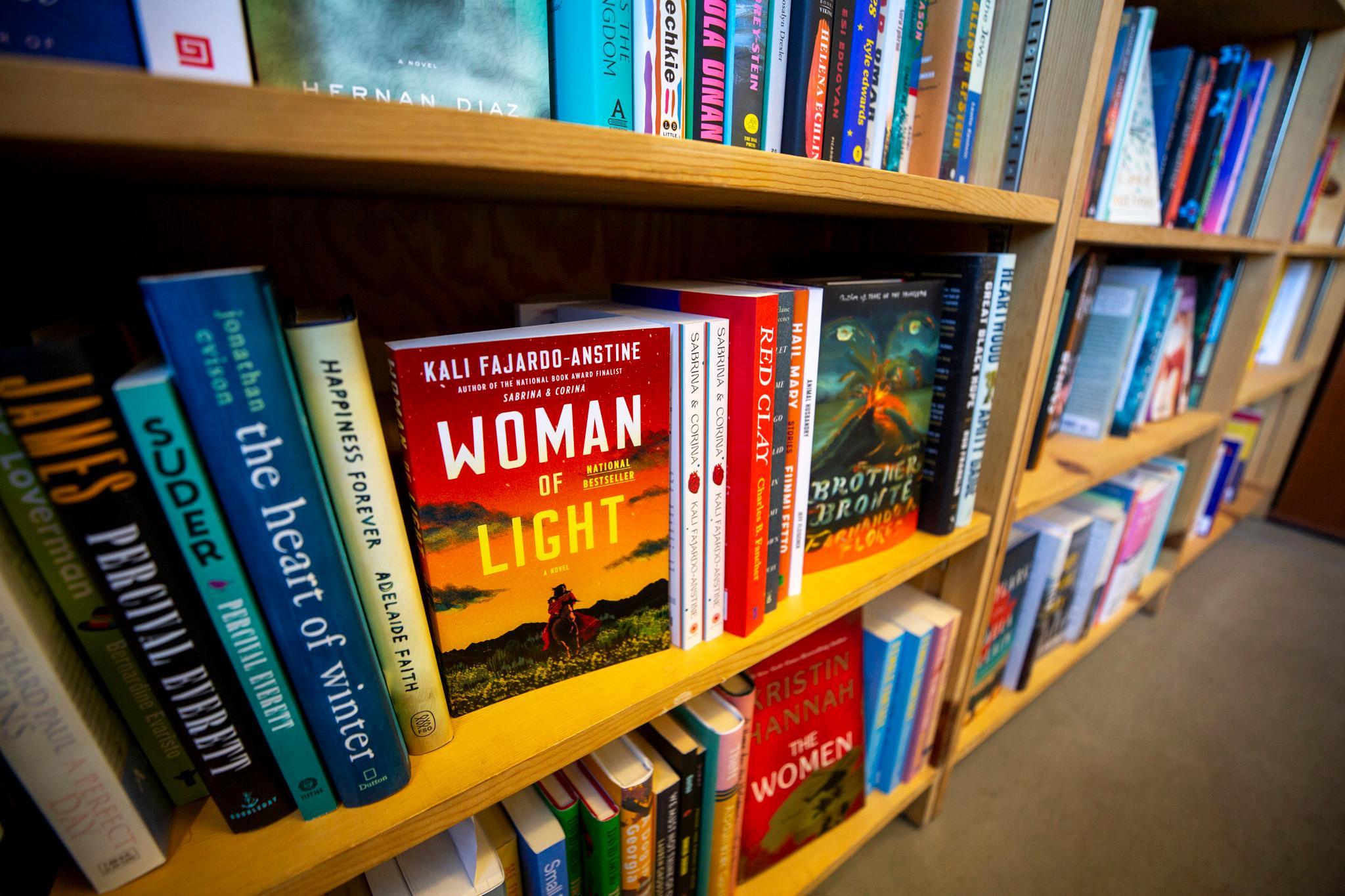
Kali Fajardo-Anstine is the bestselling author of the novel Woman of Light and the short story collection Sabrina & Corina, a finalist for the National Book Award and winner of an American Book Award. She is a 2023 Guggenheim Fellow and the 2021 recipient of the Addison M. Metcalf Award from the American Academy of Arts and Letters. Fajardo-Anstine was the 2022–2024 Endowed Chair in Creative Writing at Texas State University. Of course, she’s from Denver.