
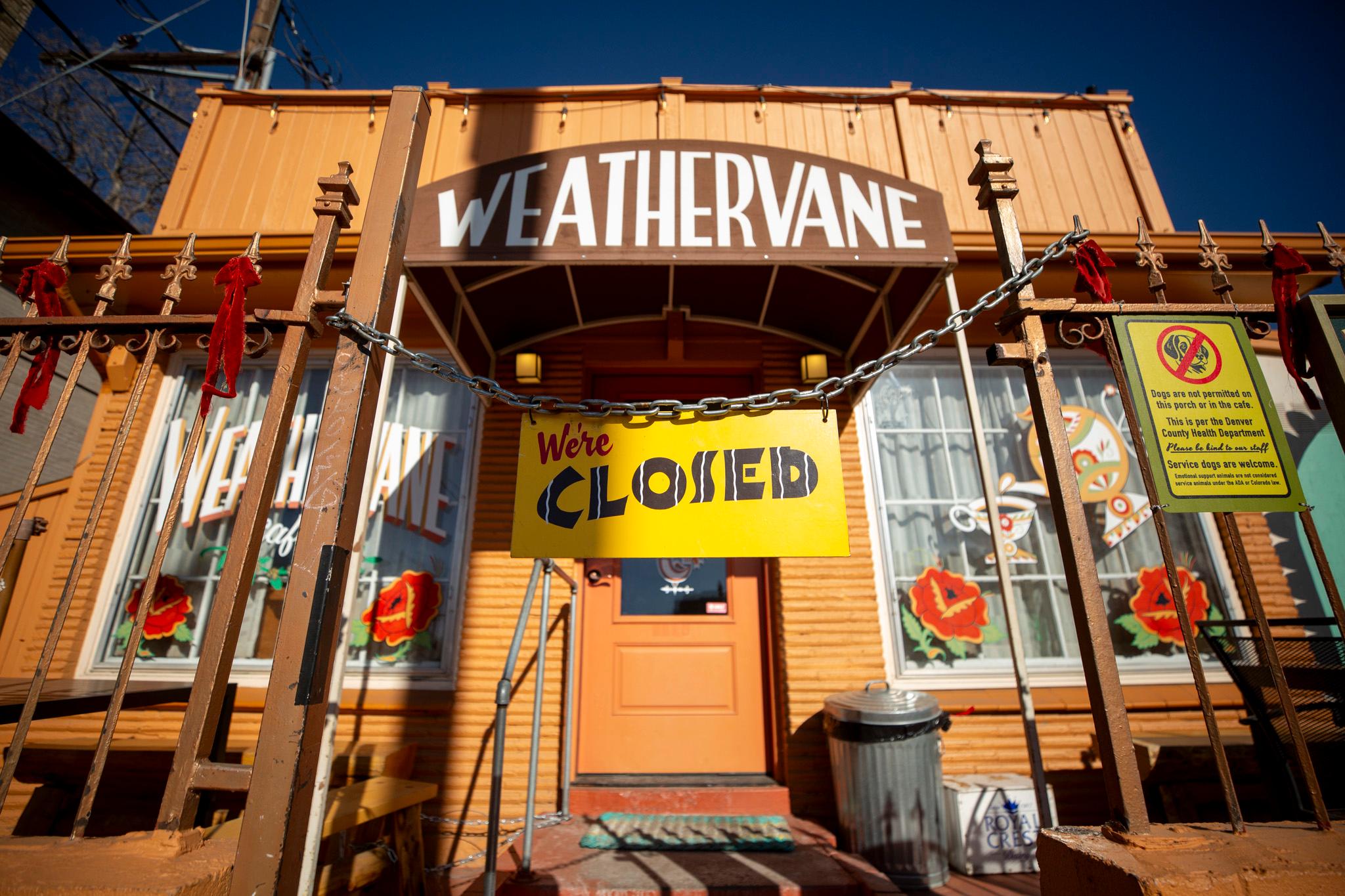
Lindsay Dalton wasn’t sure whether to open The Weathervane Cafe, a well-loved local coffee shop, on Friday. Her staff wasn’t coming — they were planning to call out as part of the “National Shutdown” protest in solidarity with Minnesota residents.
“At first, my husband and I were like, ‘Well, we can go in and work for people who want to protest.’ And then I was like, ‘Oh, I don't really want to be a scab at our own business,’” said Dalton, who co-owns the City Park West business with her husband, Alex.
Ultimately, the Daltons joined numerous other restaurants and shops in closing for the day. It was the kind of decision that workers and employers across the city faced amid growing public anger against the Trump administration’s immigration crackdown in Minnesota.
Dalton said at first she wasn’t sure if the strike was actually going to happen in Denver. She thought it was a meme.
“I didn't want to participate at first, but I realized that we are the organizers, we are the coordinators. We need to jump on. We need to show up in solidarity,” Dalton said. “And yes, it's a sacrifice, but we will recover from this. We need to be here voicing that we will not tolerate ICE in our communities.”
In addition to closing Friday, Weathervane will also donate a portion of the weekend's proceeds to the Rocky Mountain Immigrant Advocacy Network.
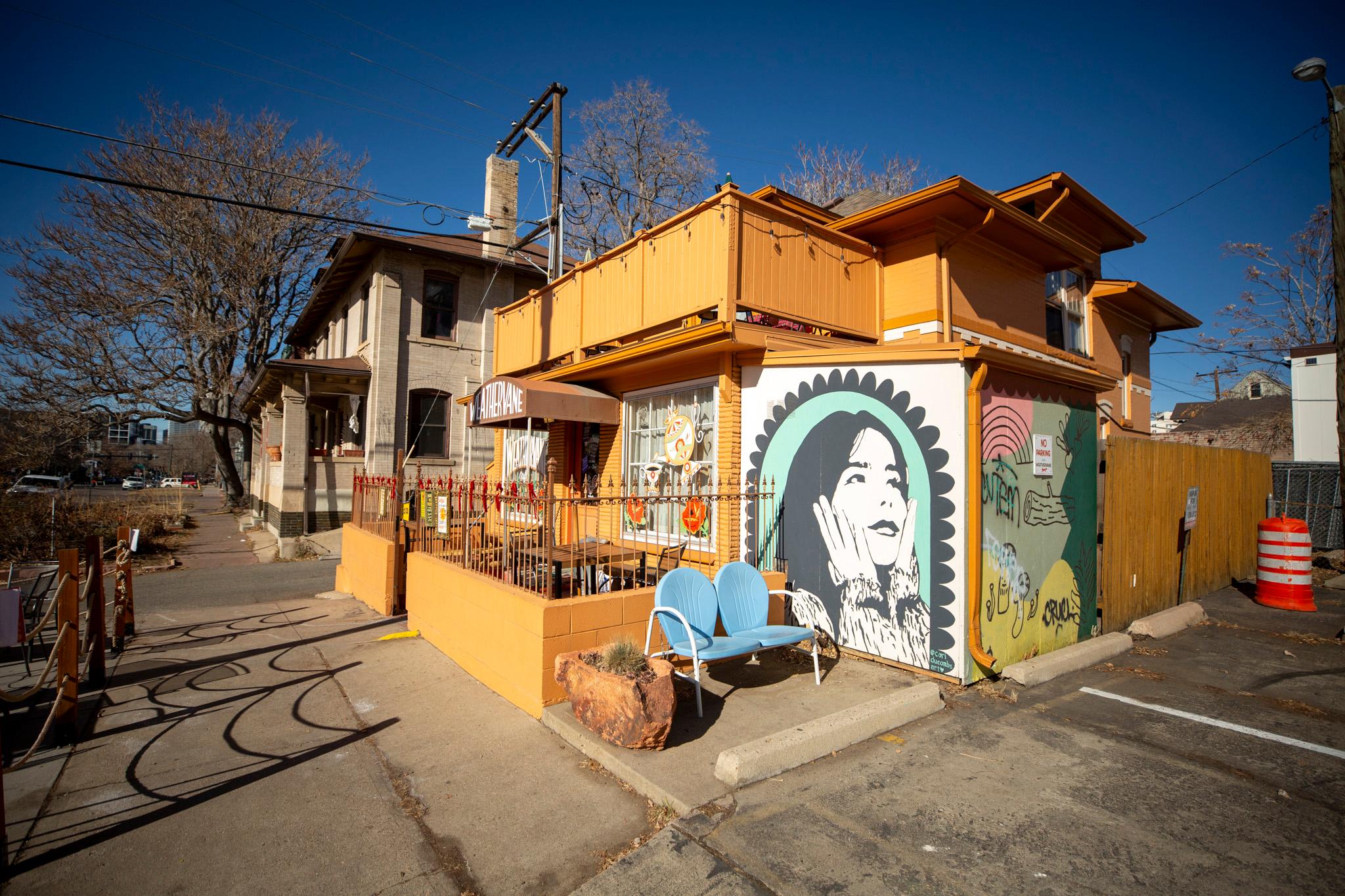
“I think it's been a part of the process — to say that it's OK to change your mind — because at first we made an announcement saying we're open, and now we're like, actually, we're going to close,” Dalton said. “It's OK to change your mind about participating, and it's OK to change your mind about what side you're on too. It's never too late to show up for people.”
The rallying cry of the national protest was: “No work, No school, No shopping. Stop funding ICE.” In Denver, thousands of students and adults converged on the Colorado State Capitol. Aurora Public Schools closed all its campuses due to teachers calling out, and Denver Public Schools opened some schools on a delay.
Some doors stayed open to fundraise
Many other businesses stayed open. Some business owners said they simply couldn’t close, but decided to donate money instead.
“We couldn't really close today. My partners and I fully support the general strike, but we couldn't impose that on our workers,” said Spencer Madison, co-owner of Sputnik. “If they chose the strike, we supported them, but we couldn't just close the business down and then not pay them. People have to make rent, so we're open.”
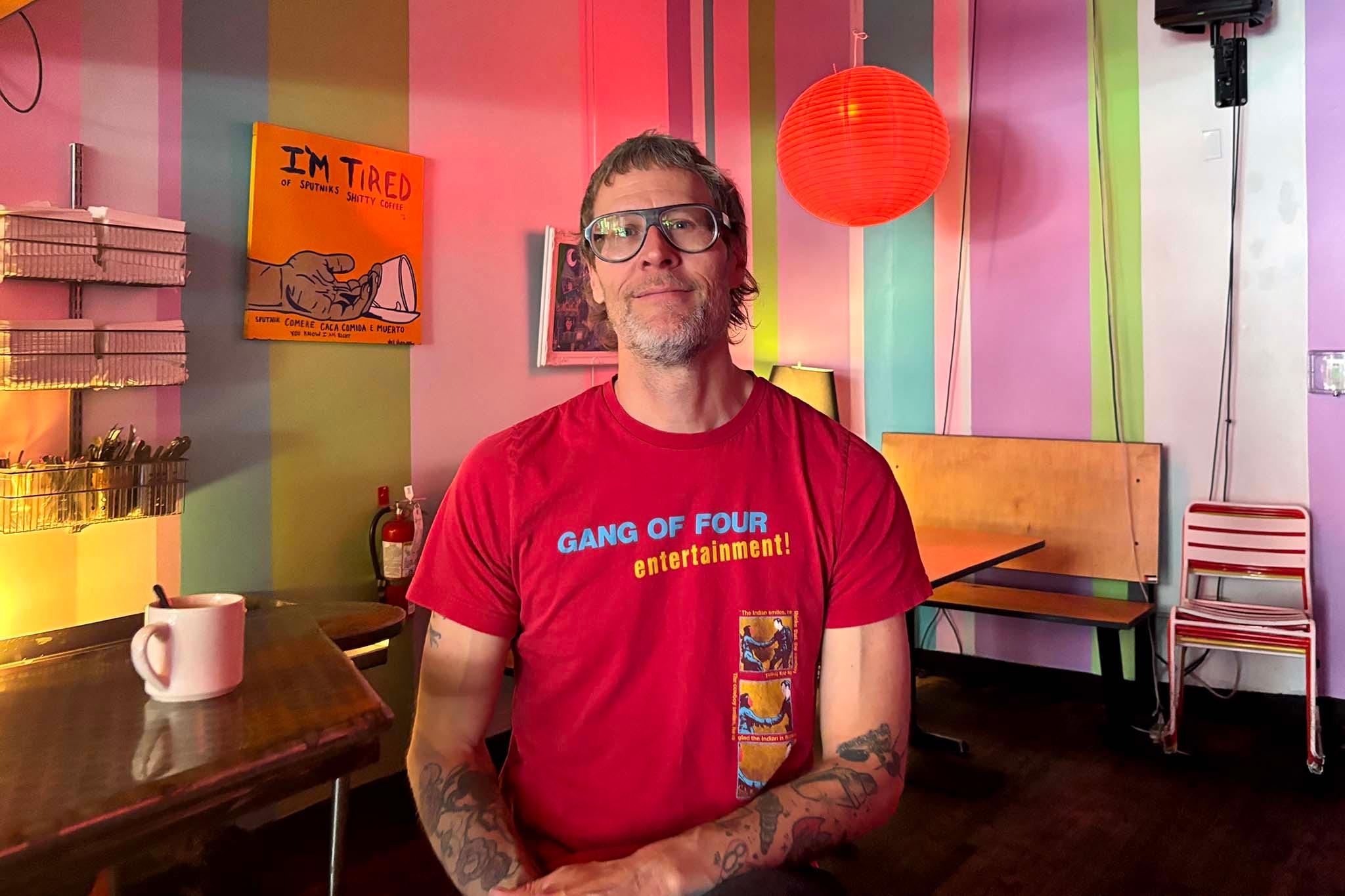
Sputnik is a coffee shop and bar off South Broadway in Denver. They are donating 5 percent of the day's proceeds to Casa de Paz, or House of Peace, a safe haven for people released from the immigration detention center in Aurora.
“I think it's really important that we support our community and the only way we can do that really is to, I mean, in this case, give some money back,” Madison said.
Protest organizers called for U.S. Immigration and Customs Enforcement to be abolished or withdrawn from cities.
Sydney Ivey, the owner of the bookstore Spicy Librarian, said that while her business couldn’t afford to close for the day, it was important to offer support to the community by being outspoken.
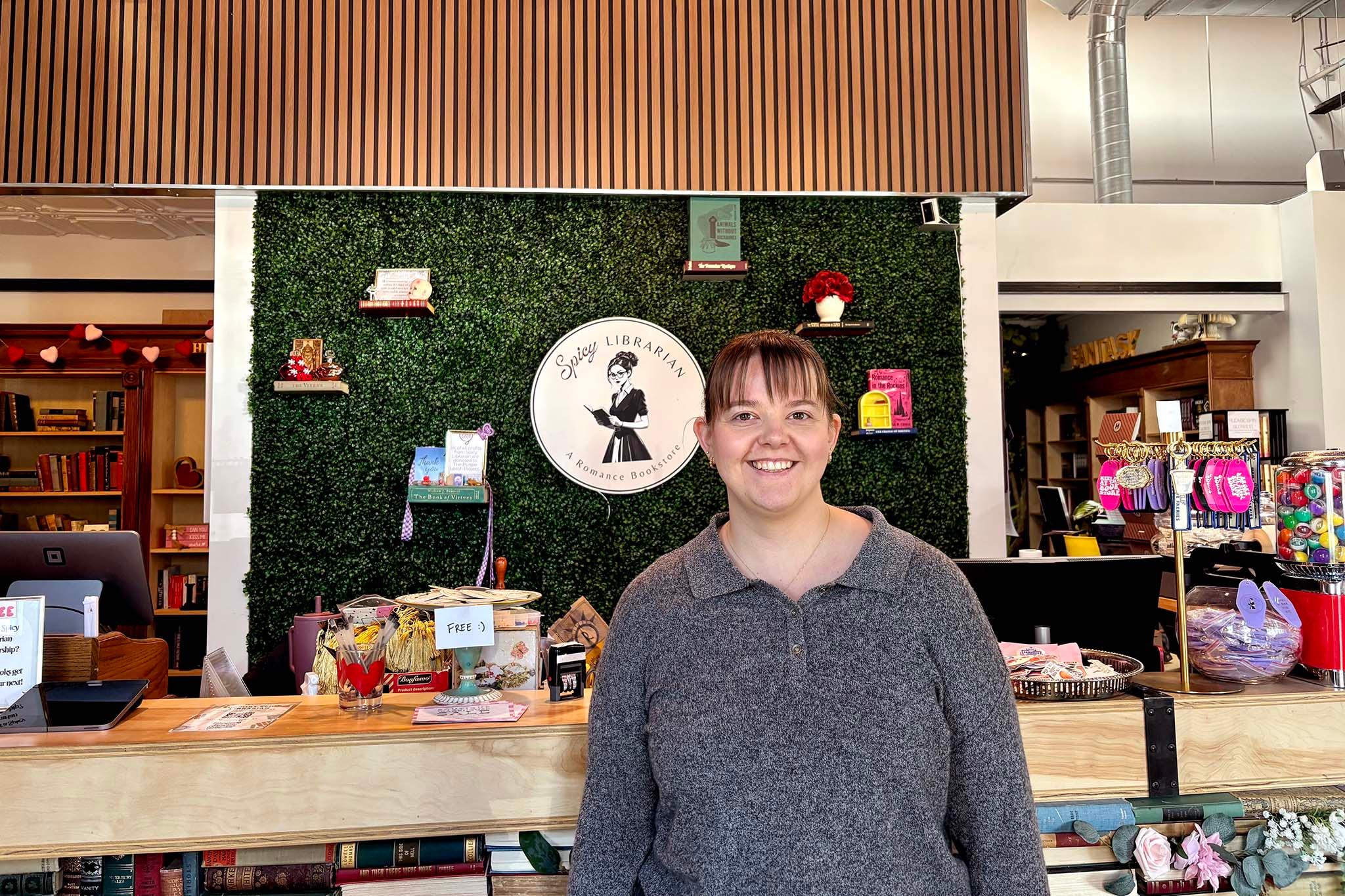
“We thought it was important to make sure that we were showing our viewpoint and making sure that our stance on what is happening in our country right now is very clear,” Ivey said. “We wanted to make sure that we were participating in some way, even if we couldn't strike and go protest.”
The Spicy Librarian has been outspoken on social media, pointing people to resources, and decided to donate 5 percent of Friday's proceeds to the Colorado Rapid Response Network.
Not every restaurant can afford to close for a day
The president and CEO of the Colorado Restaurant Association, Sonia Riggs, said restaurant owners are facing a difficult time, especially because many employ immigrants.
“The hospitality industry in Colorado is diverse, and under a lot of stress given recent reports of heightened [immigration] enforcement activity. Our members are worried about their teams and their businesses, and we fully support them as they navigate operations in this uncertain time, in whatever way works best for their staff and their community,” Riggs wrote in a statement.
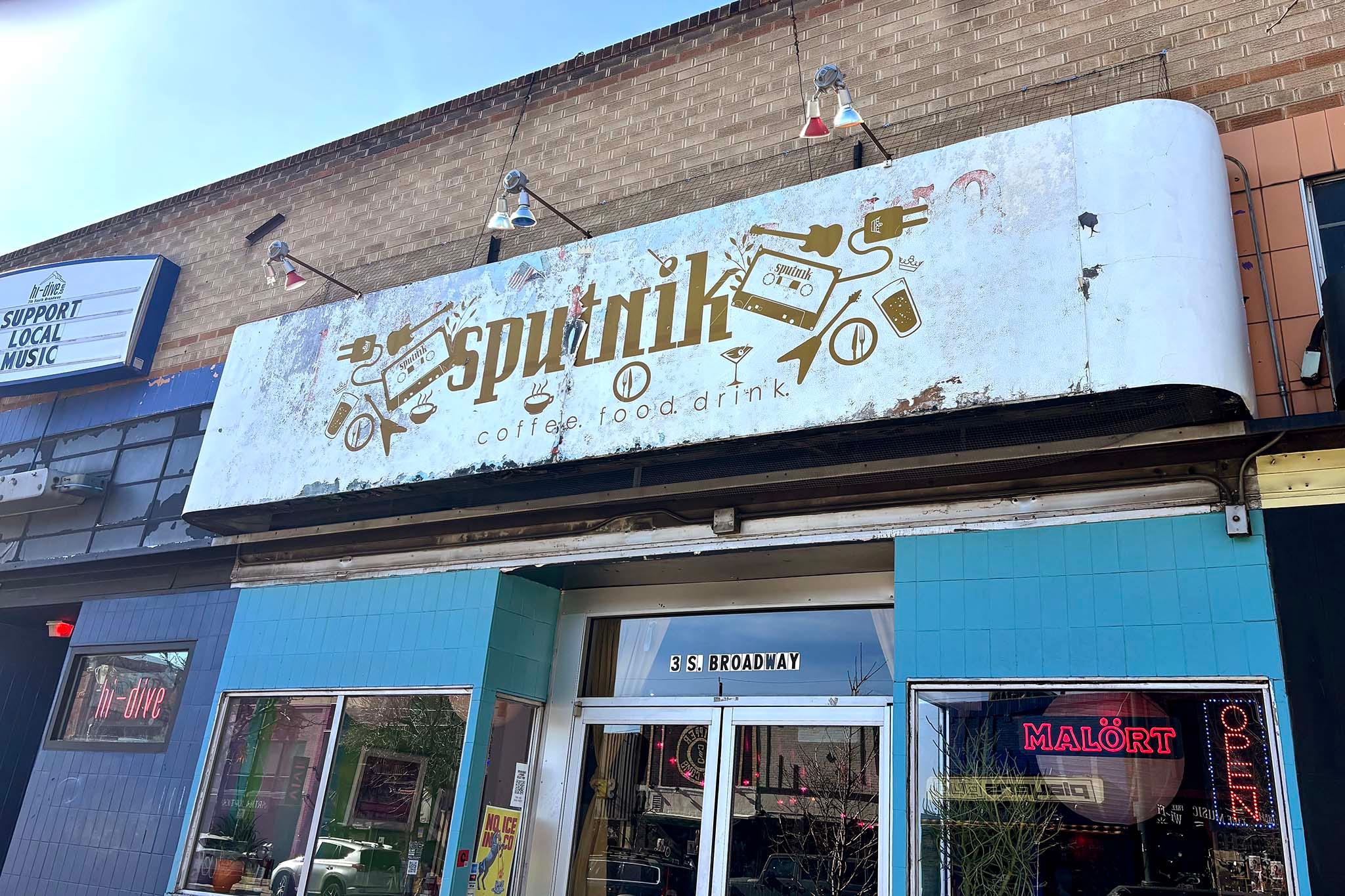
Madison, of Sputnik, said that local businesses play a key role in protesting and organizing, including by offering spaces for people to find community.
“A lot of folks need that. They need to be able to come and talk and even organize in public spaces because these kinds of events like strikes and protests don't happen in the dark. They happen in public spaces usually,” Madison said. “I mean, sure, they definitely happen in people's living rooms as well, but a lot of people will gather at a coffee house or a bookstore or a bar and talk about what they can do to help better their community.”