Colorado is mourning the loss of a radio legend.
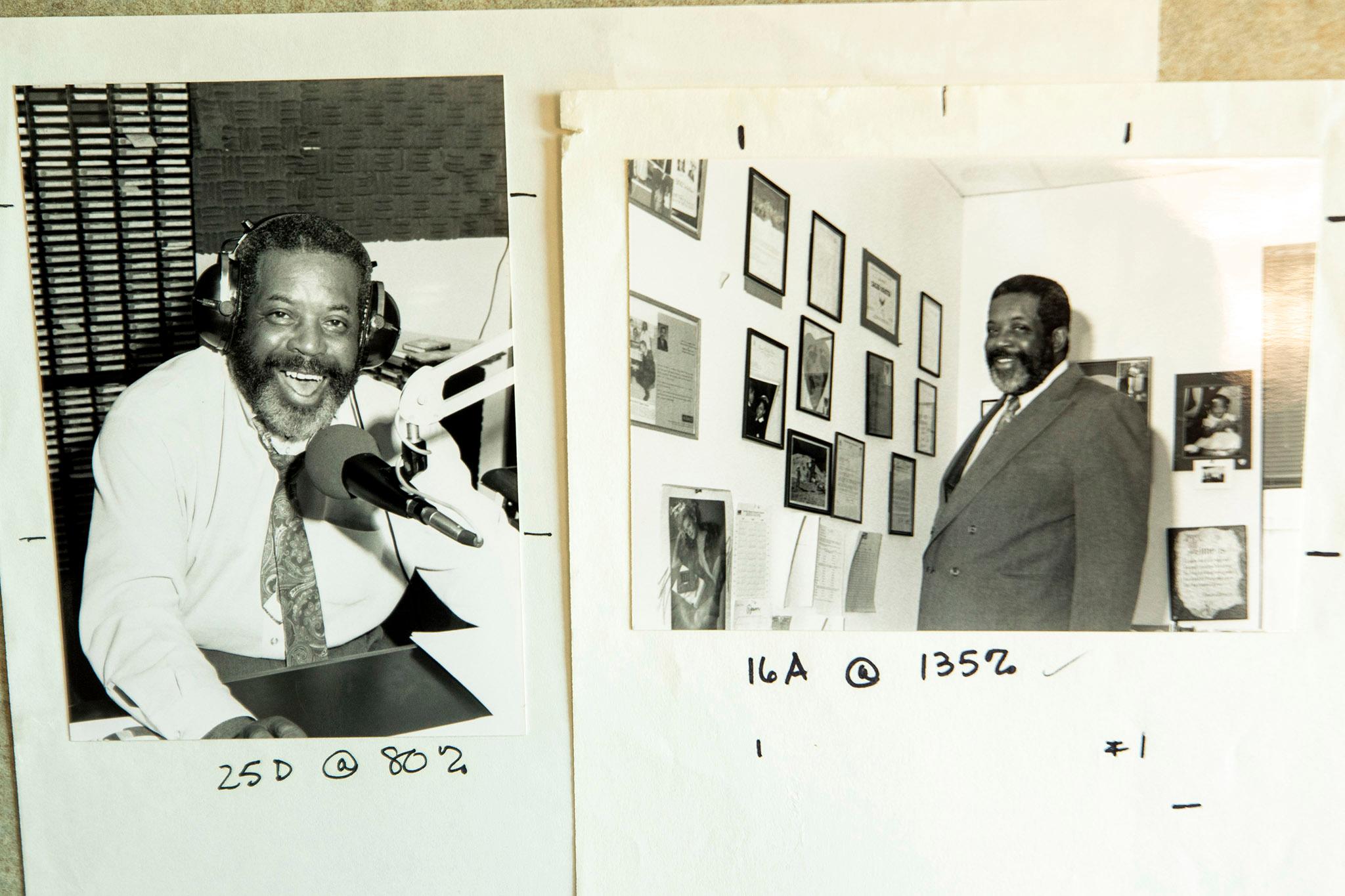
James “Dr. Daddio” Walker, longtime owner and iconic voice of Denver’s historic Black-owned station, KDKO AM 1510, died Jan. 26 at age 86. Those who knew him best say he used radio to uplift culture, amplify community voices and mentor generations of broadcasters and civic leaders who continue to shape Colorado.
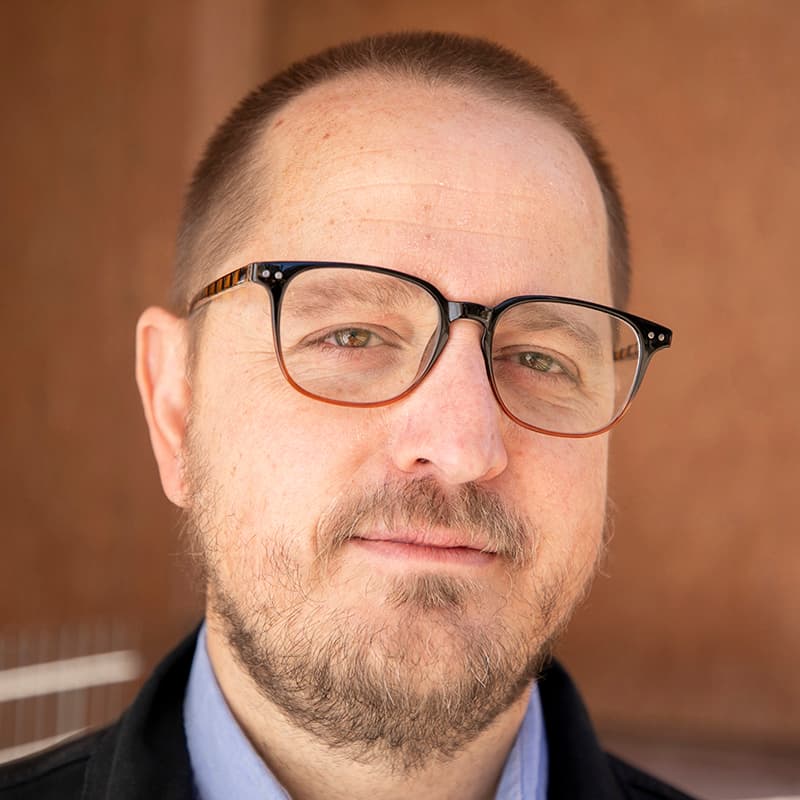
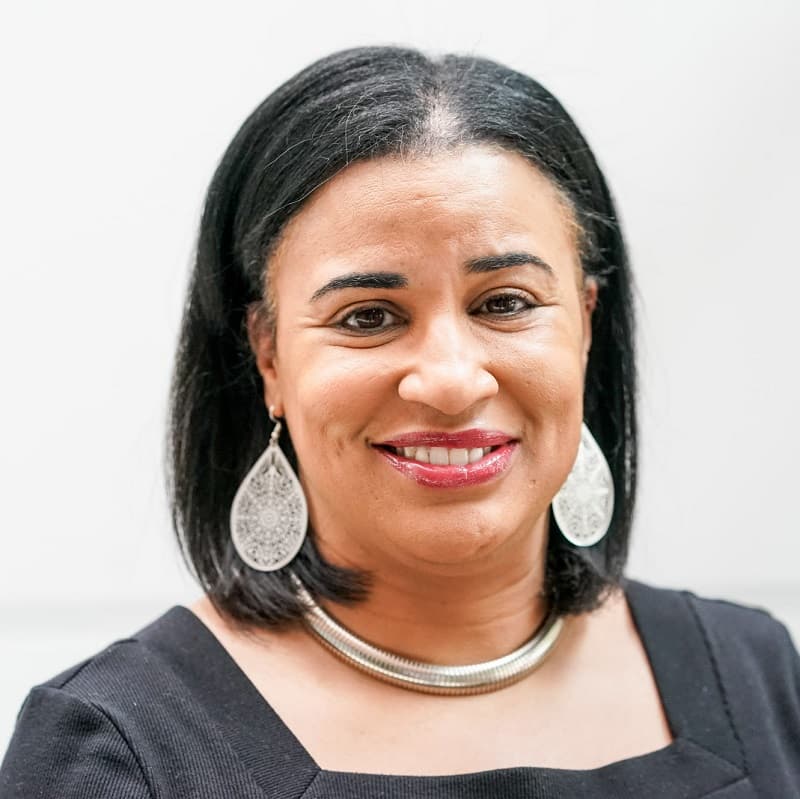
Speaking during Black History Month, Denver community leader Jeff Fard, known by many as “Brother Jeff,” reflected on Walker’s legacy and influence during a recent interview with Colorado Matters host Chandra Thomas Whitfield.
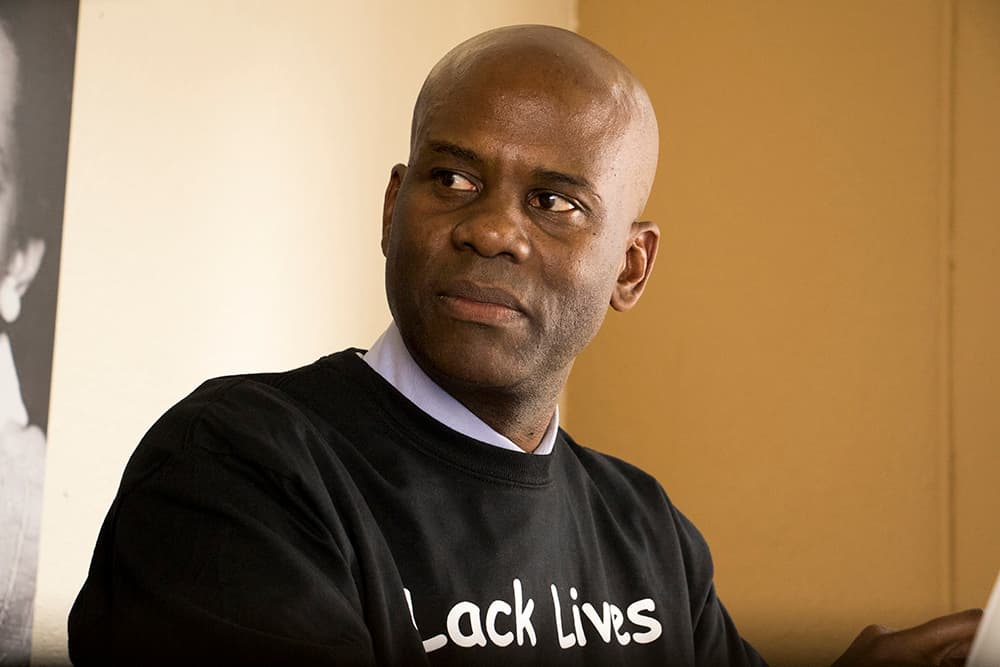
“James ‘Dr. Daddio’ Walker was a visionary, an entrepreneur, a philanthropist, a humanitarian; someone who believed strongly in the vision of Reverend Dr. Martin Luther King Jr. and also Daddy Bruce Randolph here in Colorado,” said Fard, the podcaster, activist and force behind Brother Jeff’s Cultural Center in Five Points
“And most notably Dr. Daddio was known for the slogan, ‘unity in the community’ and definitely (embodied that through his ownership) of the Black radio station. He’s a legend and I don’t know many whose lives have not been touched by him.”
The soul of the Rockies
KDKO became known as “the soul of the Rockies,” bringing R&B music to Colorado airwaves at a time when such music was rarely heard locally.
“What Daddio was transmitting here in Colorado, that’s what he was bringing. He was bringing soul, but he was delivering it through music,” Fard said. “However, he was transmitting the culture. He was transmitting the longings. He was transmitting the excellence. He was transmitting who we are as a people and sharing it through the airwaves through music, information, outreach, et cetera. So more than a station owner, basically a community builder.”
Fard noted that KDKO was born when Walker transformed the format of an existing country and western music station in Denver into the soul music mainstay it became in its heyday.
“There was a thirst across races, across backgrounds; there was something about this music that resonated with everyone, but particularly the Black community,” said Fard, who considers Walker a father figure. “Someone saying, ‘Let me get an opportunity to bring something that doesn’t exist in this market’ and it would prove to be incredibly profitable. So much so, that the country and western format went away and soul music became the format of the station.”
Walker’s playlist featured artists such as James Brown, B.B. King, Gladys Knight, Donny Hathaway and Aretha Franklin, helping introduce generations of listeners to soul music.
Fard said Walker’s impact extended well beyond just playing music, as his station provided a platform for many community leaders such as former mayor Wellington Webb, Denver City Councilman Hiawatha Davis and dance legend Cleo Parker Robinson.
“He emanated pride in our community, in a society that was constantly attempting to push us down and say that we were less than; that we didn’t have contributions and there was nothing worthy about blackness,” Fard said. “Dr. Daddio was us, our voice, our ability to speak truth, to power, to stand up, tall to say, and we’re owners and the music that is being played is largely our music.”
Walker eventually purchased KDKO and moved it from Englewood to Five Points, anchoring the station in the heart of Denver’s Black community.
“When you’re talking about having a Black-owned station in a Black community as an anchor and highlighting the businesses, the events, the social civic organizations, the religious institutions, someone has to have a vehicle to transmit the culture,” Fard said. “And Daddio is the one that made that possible — not only through Black ownership, but also (through) Black participation.”
Fard described the broadcaster as a mentor and a shining example of success who inspired legions, especially Black Coloradans.
“My benefit was, I was raised inside of Dr. Daddio’s house,” he said. “My ability to communicate, my ability to be impacted by what was expected of me in our community came from those elders who overcame, or were dealing with, incredible social pressures.”
A home for Black voices
Fard emphasized that Walker’s influence helped launch numerous broadcasting careers across Colorado, through internships and the hands-on training he provided at KDKO, including Becky Davis Taylor, who emcees the Winter Park Jazz Festival, and KUVO Jazz station hosts Deborah Walker, Tree King and Carlos Lando.
“He didn’t just own a radio station. He also had an internship program, which meant you could come into KDKO and learn the business in real time,” Fard said. “I could go on and on about individuals who will tell you that their broadcasting career began at KDKO, because it was more than just a radio station – it was also a learning environment and an opportunity for those who may not have had an opportunity anywhere else.”
Walker was inducted into the Blacks in Colorado Hall of Fame in 2008. His life story is also highlighted in a biography available for purchase online: Radio in My Soul, the Journey of James “Dr. Daddio” Walker.
Fard said Walker’s signature tagline, “unity in the community,” reflected his broader philosophy.
“When you’re a part of a community that has been targeted and divided, ‘unity in the community’ means whatever forces that are pulling us apart, our success is our collective vision and coming together,” he said. “In other words, ‘I am, because we are;’ it’s not an individual thing.”
Even critics, Fard said, could not ignore Walker’s impact.
“Daddio is the type of person that you loved him or you didn’t, but even if you didn’t, you benefited,” he said. “And you respected what Dr. Daddio represented and was all about.”
Walker’s death happening just as communities nationwide began to observe Black History Month – a period dedicated to reflecting on Black achievement and legacy – feels purposeful, said Fard.
“I'm a part of that legacy of Dr. Daddio; I'm a seed of this northeast Denver community and I stand on the shoulders of greatness,” he said. “I wouldn't change my life, my whereabouts and those who I've interacted with for nothing in this world.”