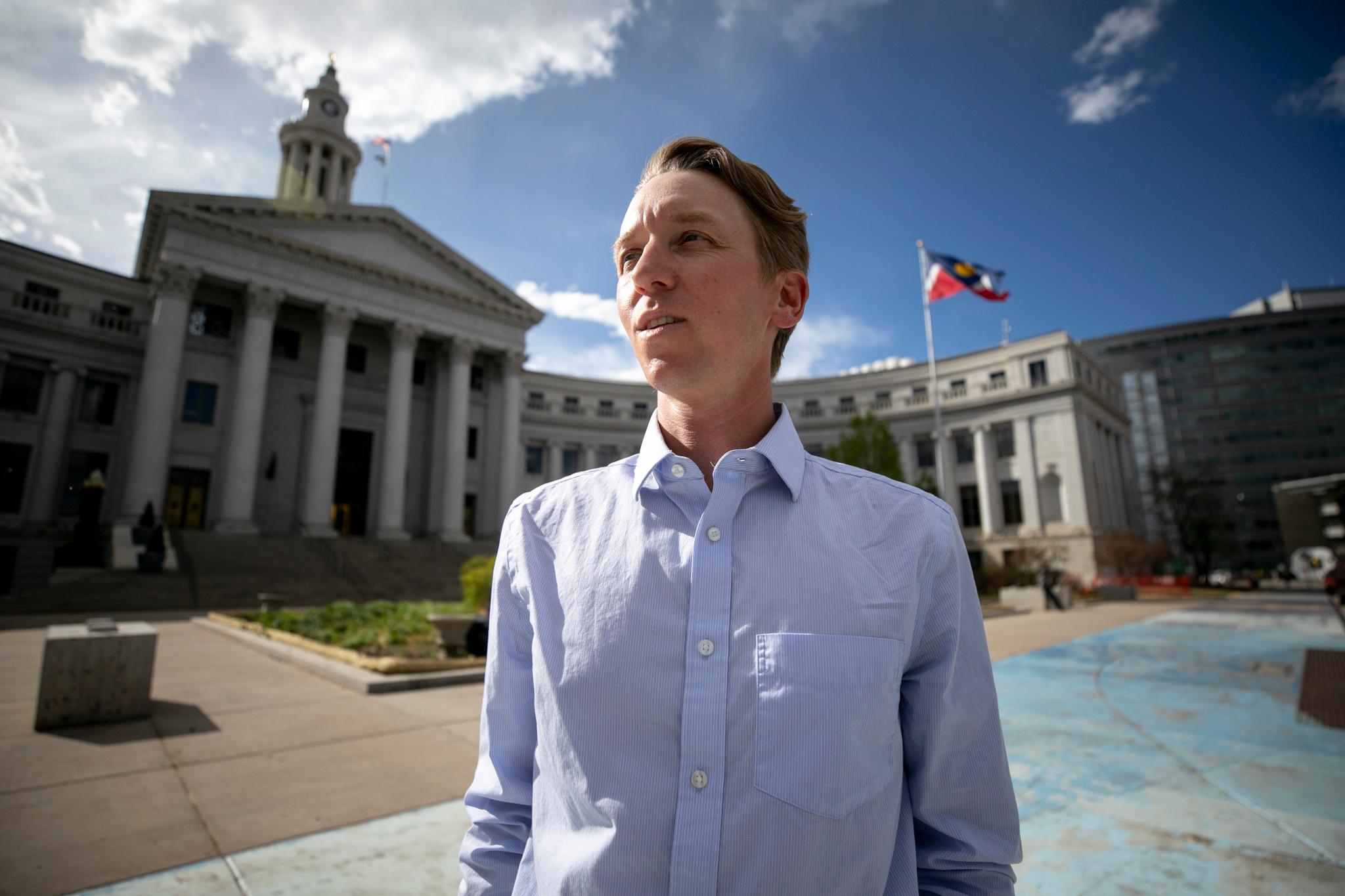
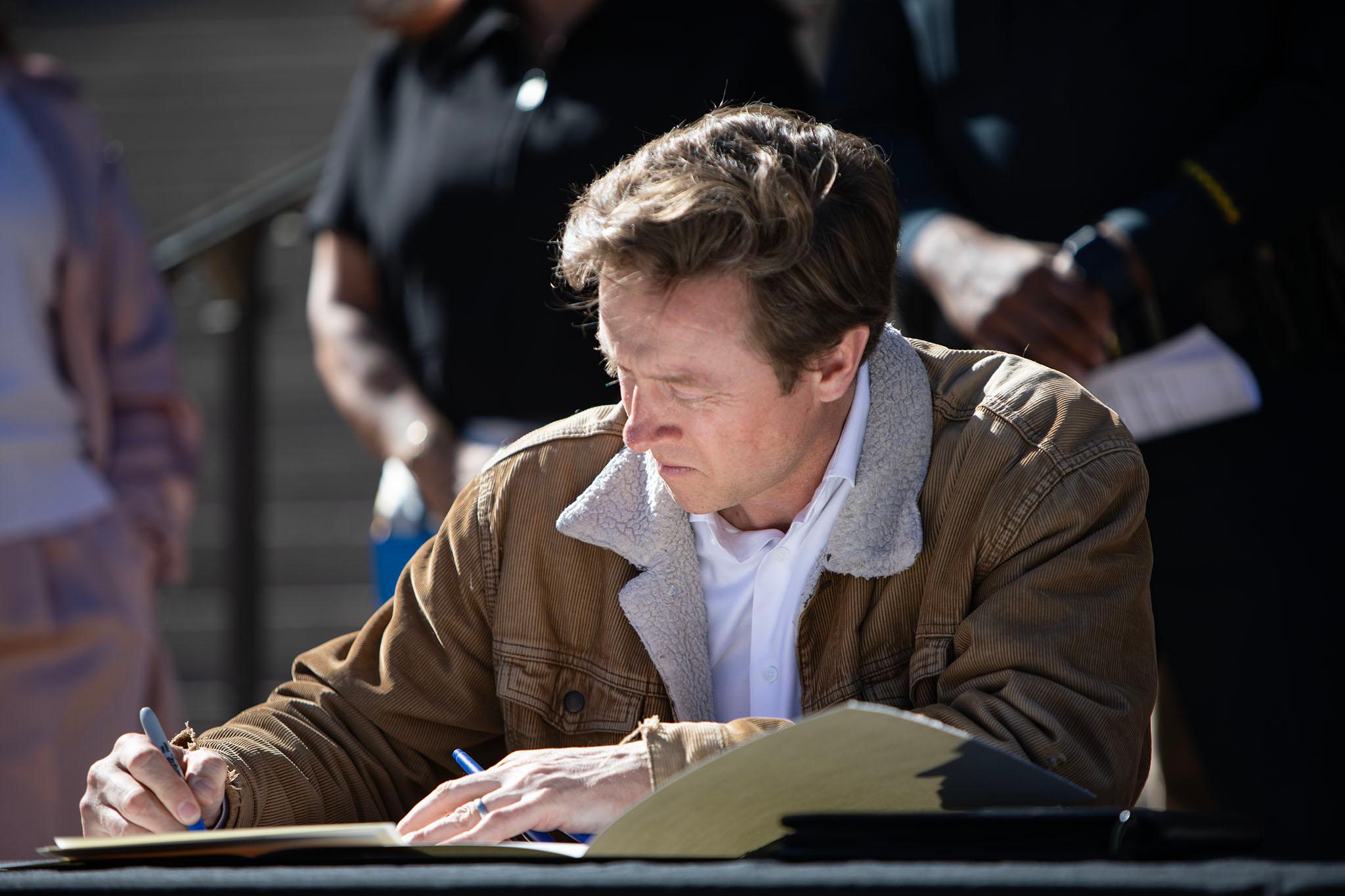
Denver Mayor Mike Johnston signed an executive order Thursday that attempts to limit the ability of Immigration and Customs Enforcement officers to operate in the city.
The order blocks ICE agents from staging on city property to enforce immigration law if they don’t have a judicial warrant, a court order or other legal mandate. And it empowers Denver Police officers and sheriff’s deputies to arrest ICE agents in some instances.
“When civil immigration enforcement operations disrupt our neighborhoods, they don’t just target individuals — they spread fear, tear families apart, and erode the trust that holds our community together,” the executive order states. “These actions put our residents and law enforcement personnel at risk and undermine the values we stand for as a community. Our responsibility is clear: We will work to protect the people who call Denver home and guard against federal overreach.”
ICE did not immediately respond to request for comment.
The order was inspired by community members who asked the mayor and city council how they planned to protect residents against a potential immigration surge from President Donald Trump’s administration.
“We've seen Americans like Renee Good and Alex Pretti killed for peacefully raising their voices,” Johnston said at a Thursday press conference. “And Denverites ask me every day, ‘What will we do if that chaos comes to Denver?’ To answer that question for Denverites today, I will sign Executive Order 152.”
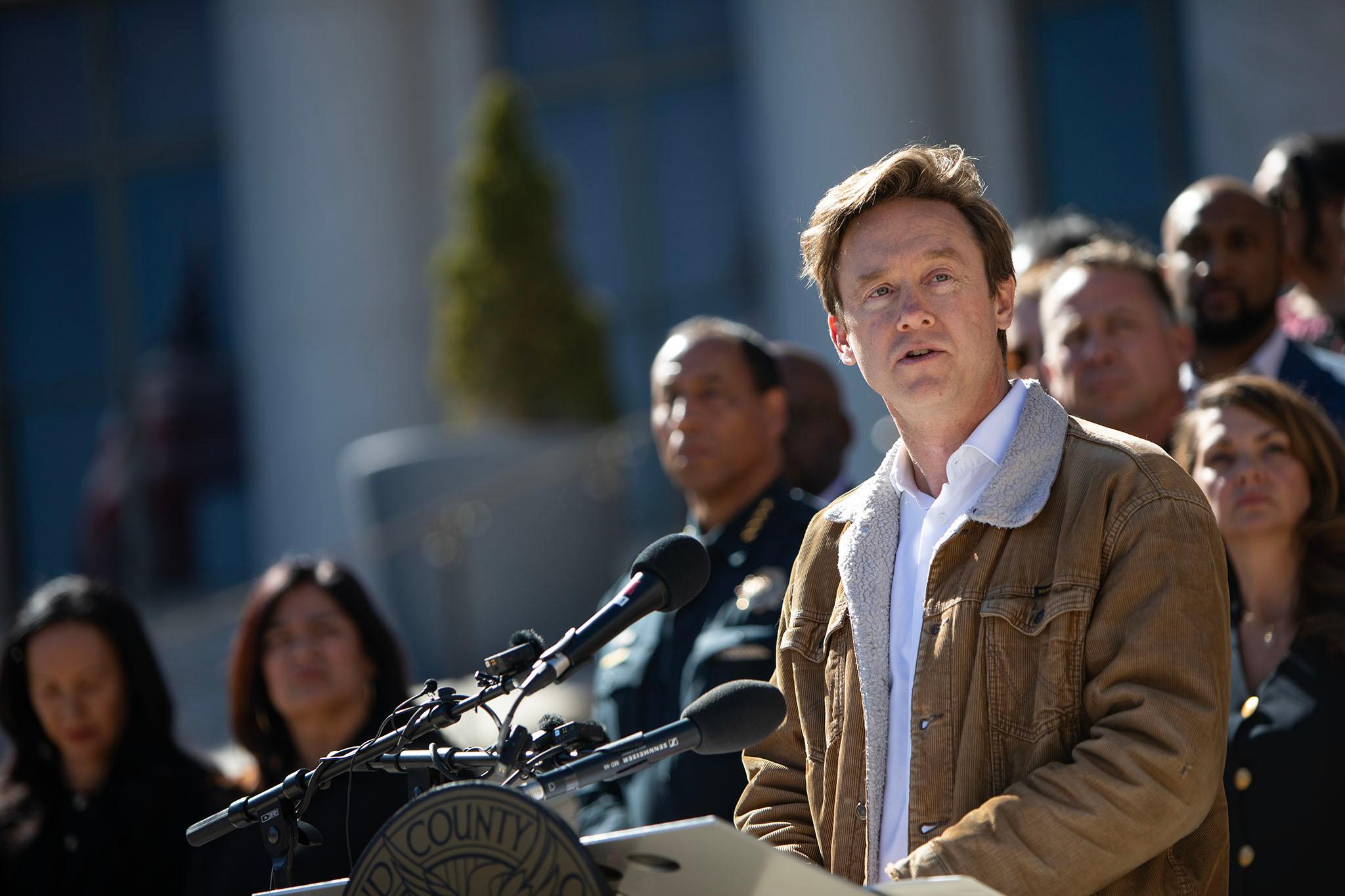
The order was informed by Johnston’s conversations with mayors around the country — including Minneapolis Mayor Jacob Frey — who have been trying to protect their communities from ICE surges.
Denver City Council members, who have been working on banning law enforcement from wearing facial coverings in response to ICE actions, backed the order.
“No one should live in fear, not the fear of being separated from their families, not the fear of being targeted because of who they are, and not the fear of systems that are inaccessible,” City Council President Amanda Sandoval said. “Public safety must mean safety for every one of us in every neighborhood.”
And, Sandoval said, that includes safety from law enforcement itself.
What does the order do?
The order explicitly states that Denver Police and Sheriff departments must intervene if immigration enforcement agents engage in actions that could kill or seriously injure someone. That could include arresting, citing or detaining federal agents.
The focus, though, Police Chief Ron Thomas said, would be de-escalation rather than physical or deadly conflict.
Per the order, law enforcement now explicitly has the right to provide life-saving aid if people are harmed by ICE agents. If agents interfere, Denver Police would be permitted to cite or arrest them.
“We are not looking to create hostility or to create conflict or to escalate,” Johnston told Denverite. “But when it comes to protecting people's rights, [Denver police] swear an oath to do that and they're going to keep doing that.”
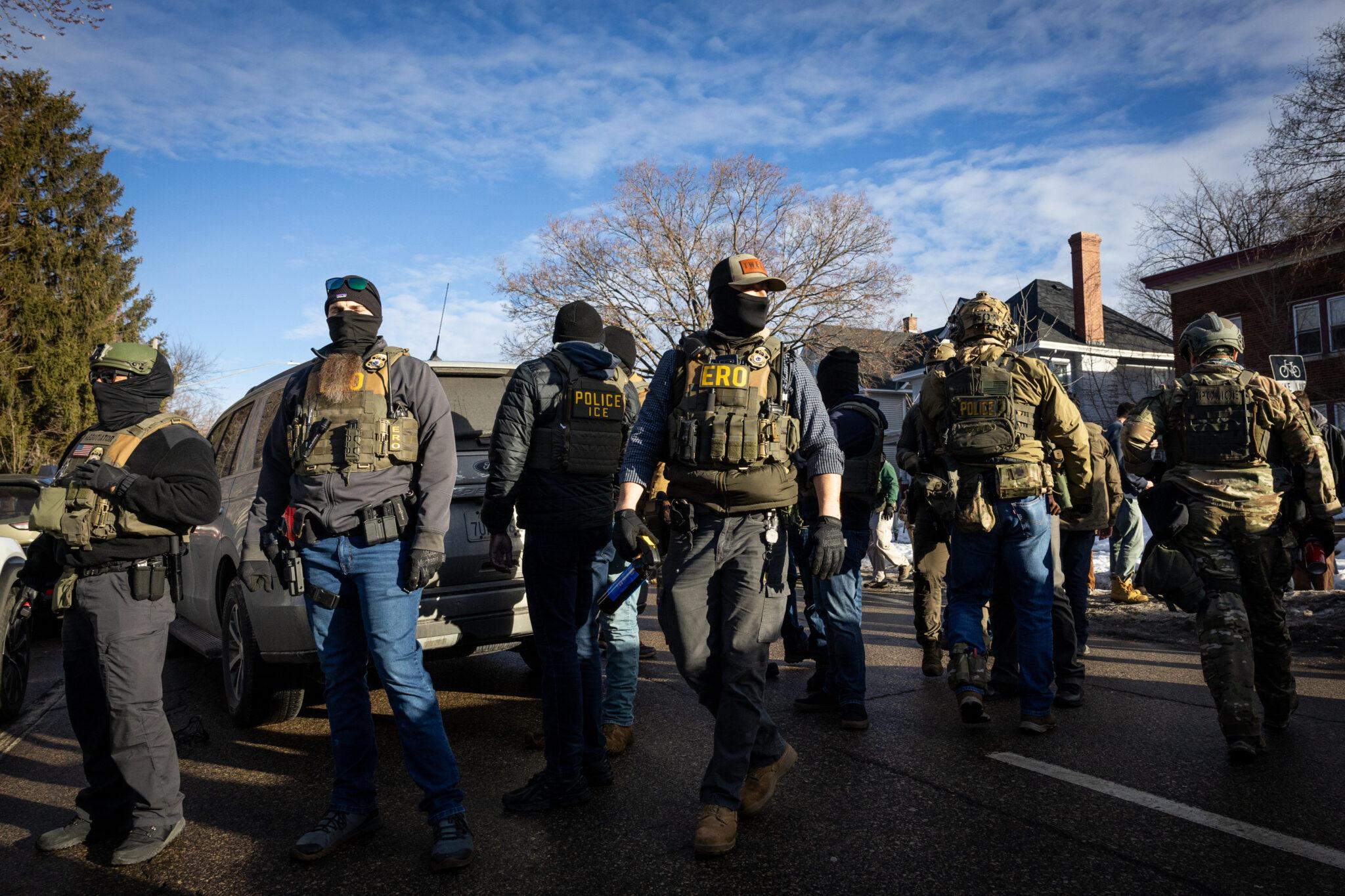
The department will document ICE activity with body-worn cameras. Police will independently investigate any reported legal violations and will refer potential felonies to the Denver District Attorney or the Colorado Attorney General for prosecution – whether a simultaneous federal investigation occurs.
City agencies will continue to refuse to share databases or enter into technology use agreements with the Department of Homeland Security or immigration enforcement unless the law explicitly requires them to do so.
Finally, the order continues to bar ICE from schools, churches, stadiums, libraries and hospitals, and the agency is also barred from racially profiling residents.
Protecting residents or ‘poking the bear’?
The order immediately made national news, in part because the mayor granted The New York Times an exclusive early interview to break the story.
One reporter asked the mayor whether he was “poking the bear,” and another wondered whether Johnston feared signing the order could provoke President Donald Trump’s administration to invade Denver.
The executive order could pit armed Denver officers against armed federal officers, raising the possibility of a standoff or even a conflict.
When Denverite asked Thomas about the possibility of the executive order leading to a civil war, he said: “I think that that is a reasonable concern, but again, we are experts in de-escalation. That is our value. That is what we will lead with.”
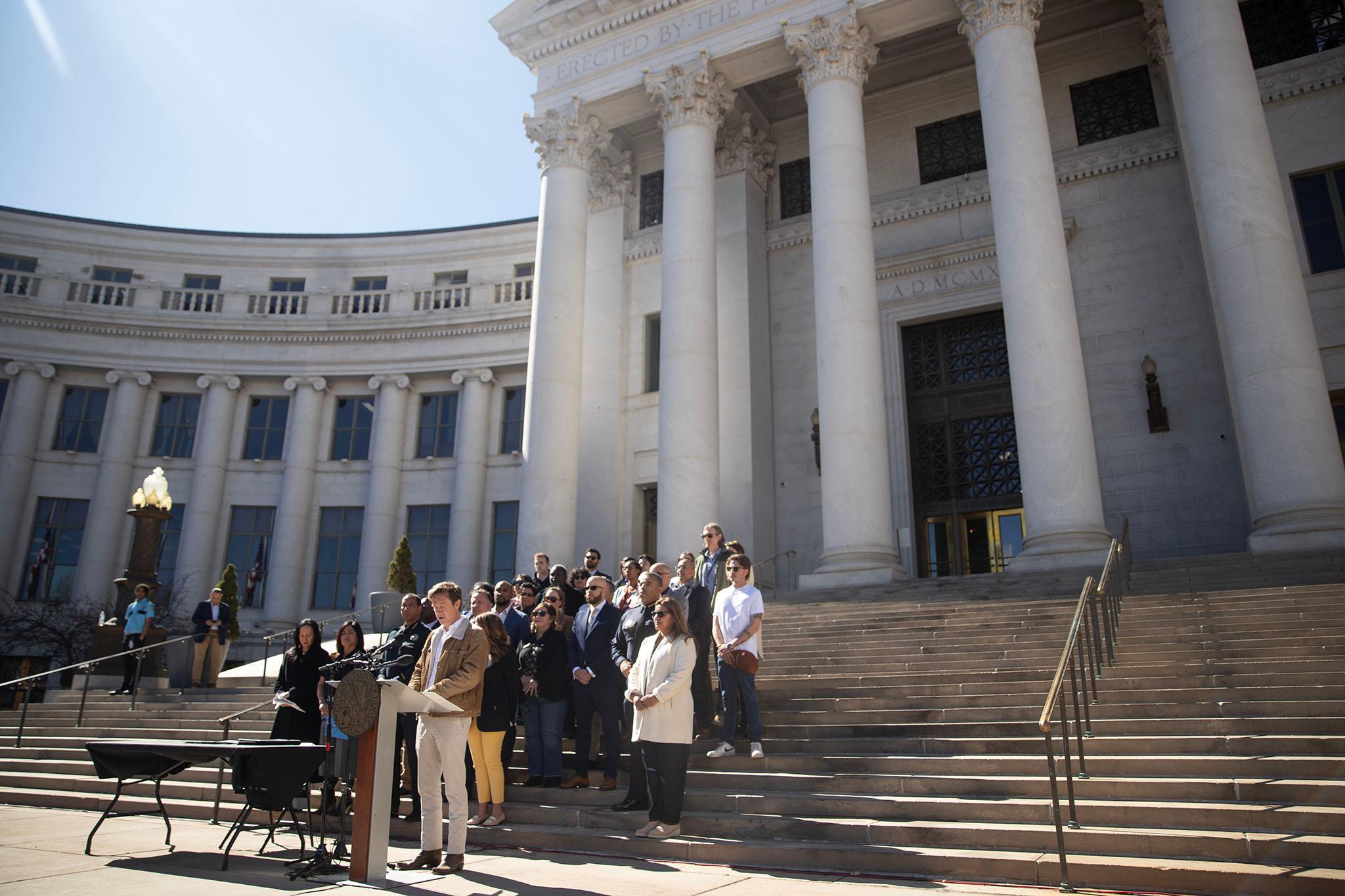
He’s also aware ICE has used deadly force against armed residents and understands that could occur with his own officers.
“At the end of the day, I think we're all human, and I think that we're going to hope that humanity prevails,” Thomas said.
Thomas told reporters he has run multiple “tabletop” scenarios about possible interactions between his officers and ICE, and he’s confident his team will not engage in a fight.
“We've developed systems that really work for public safety and law enforcement here, and we are going to extend those to the people that do operations here,” Johnston said.