Facing Colorado’s worst snowpack on record, a state of extreme drought in the mountains, and temperatures well above normal, the Denver metro’s water utility has ordered restrictions on water usage that could extend throughout 2026.
“Streamflows from snowmelt are forecasted to be significantly below average and insufficient to fill Denver Water’s reservoirs. Additionally, the current water year, which began in October, is the warmest on record by a substantial margin, and long‑term weather forecasts do not indicate relief,” Denver Water warned in a briefing.
Denver Water last declared mandatory drought restrictions in 2013 and previously in 2002.
This year, Denver and several of its suburbs are in severe drought. Parts of the mountains are in extreme or even exceptional drought. These combined conditions mean cities must make adjustments.
Who does this apply to?
Denver Water serves 1.5 million people in cities including Denver, Littleton, Lakewood, Arvada, Edgewater, Glendale, Wheat Ridge, Greenwood Village, Sheridan and numerous other water districts.
The restrictions began immediately with the Denver Water board’s approval on Wednesday, March 25.
Stage 1 droughts bring mandatory restrictions. Surrounding cities like Thornton and Aurora are taking similar steps.
Irrigation:
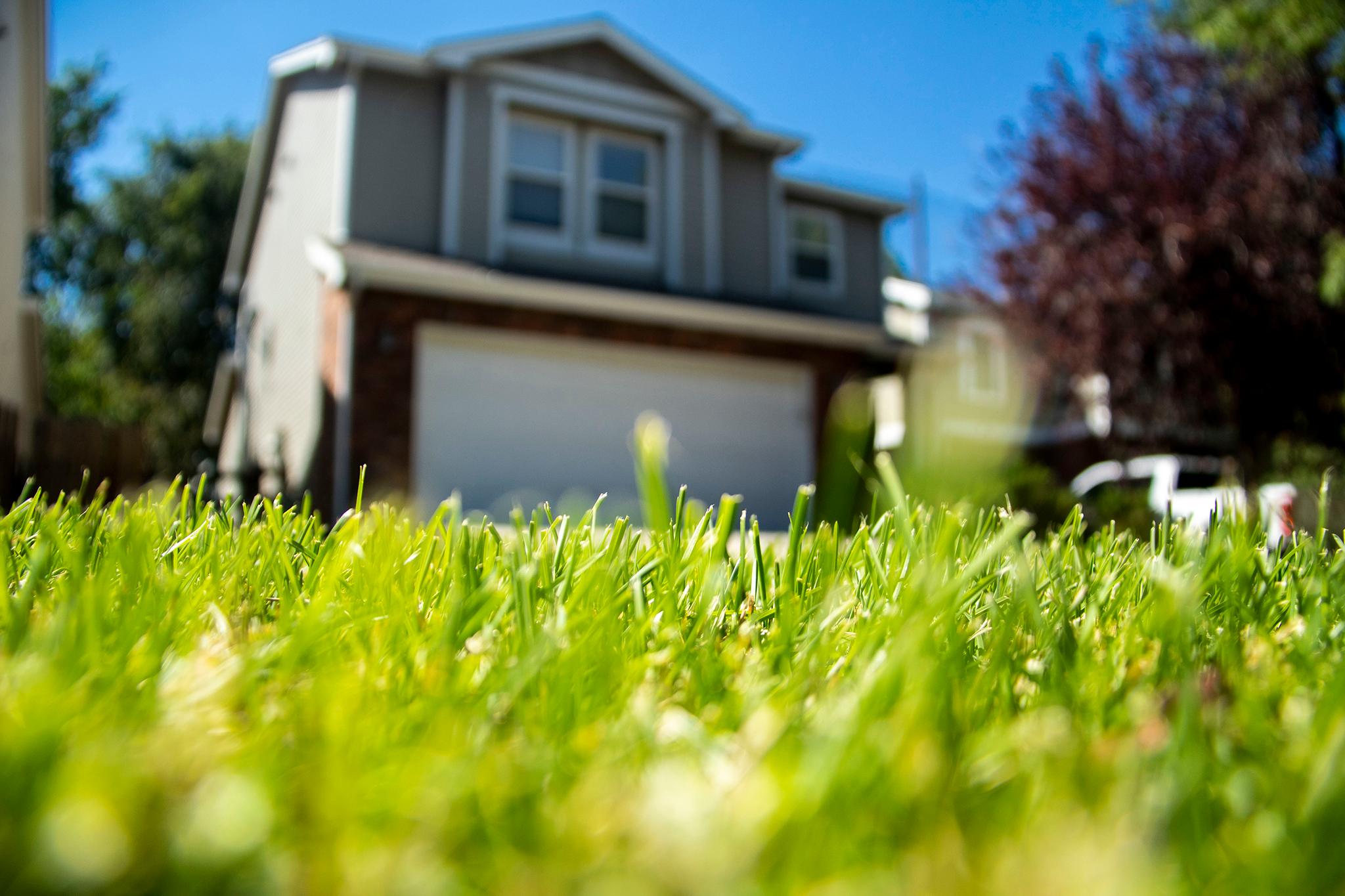
- Customers may only water grass twice weekly, and they must obey a schedule that will be provided by Denver Water.
- Residential addresses ending in even numbers can water on Sundays and Thursdays, while addresses ending in odd numbers can water on Wednesdays and Saturdays.
- All other customers — including multifamily housing, commercial properties, government buildings and homeowners associations — may only water on Tuesdays and Fridays.
- Watering is forbidden between 10 a.m. and 6 p.m., when it is most wasteful.
- Drip irrigation and hand watering are allowed for trees, shrubs, perennials, annuals and vegetables, but not between 10 a.m. and 6 p.m.
Vehicle washing:
- Commercial car washes can operate as normal.
- Customers can wash their own vehicles with buckets or hoses with automatic shut-off nozzles.
- Vehicles in commercial fleets can only be washed weekly, unless it’s for public health or safety purposes.
Restaurants and hotels:
- Eateries can only serve water if it’s requested by customers.
- Lodging establishments can only change the sheets every four days, unless it’s for health or safety or the guest requests it. (Or if a new guest arrives, of course.)
Power washing:
- Individuals can only use power washers on their assigned watering days, except for health or safety reasons.
- Businesses are not subject to those restrictions.
Who will do the enforcement?
Typically, a Stage 1 declaration means water utilities will start investigating and penalizing water wasters more aggressively. That can include sending patrols out to neighborhoods to look for wasteful irrigation. We’re not sure yet how exactly Denver Water will punish rulebreakers, but it typically involves fines.
Stage 1 drought is the first of three levels of mandatory restrictions. Stage 1 restrictions aim to reduce water usage by about 20%.
Editor’s note: This article was updated to correct the frequency with which irrigation will be allowed.