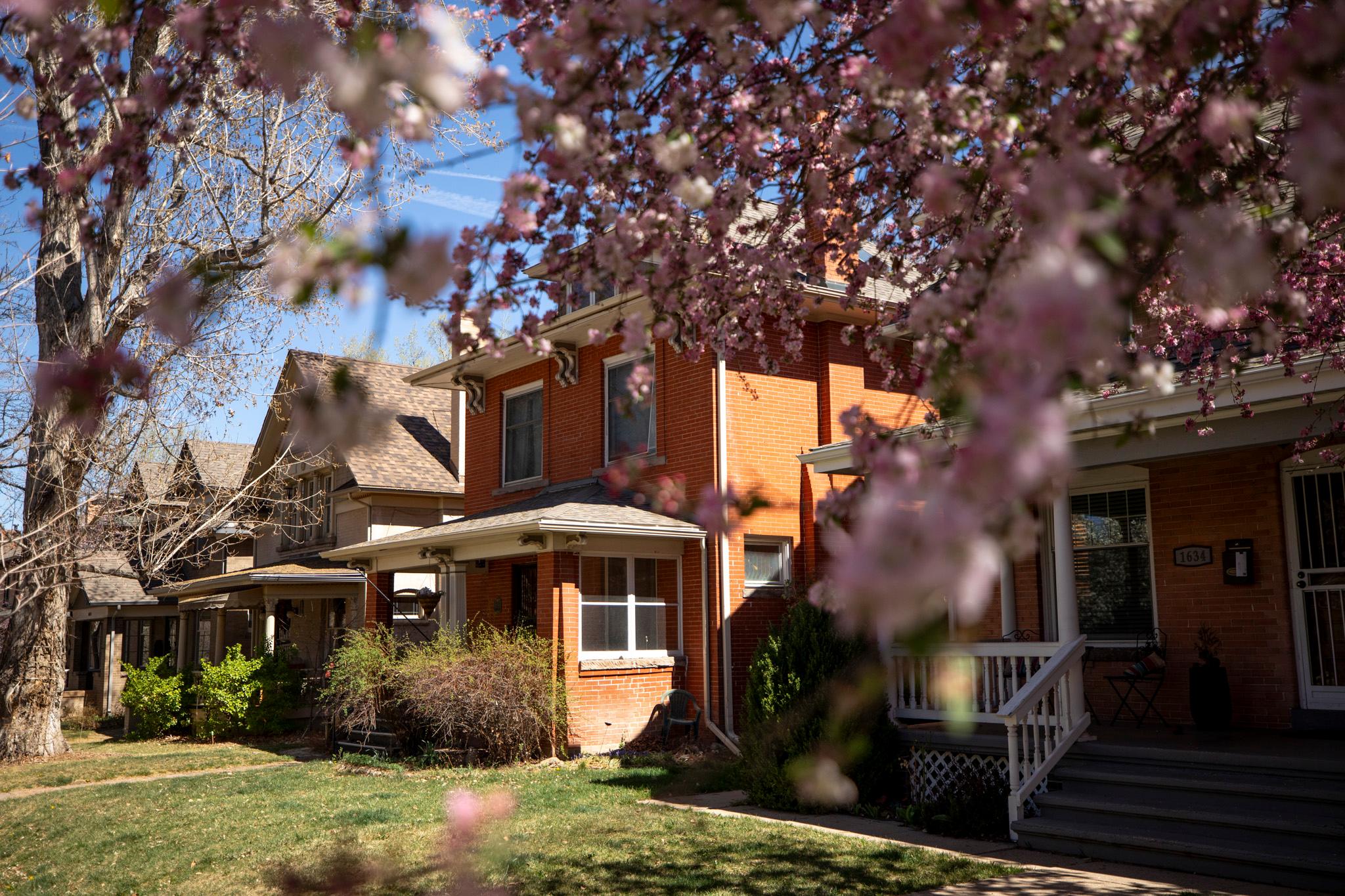
Neighbors in part of the City Park neighborhood want to create new rules for construction, saying they want to preserve the area’s unique architectural character while still allowing “gentle” density for new development.
The proposal for a “conservation overlay district” would require new developers to follow design standards before construction is approved in South City Park, an area defined by old brick homes largely built from the late 1800s to World War II.
“It is such a special place, and there's a lot that makes it a special place,” said Ellen Roth, president of the South City Park Neighborhood Association. “I think this is an important piece of making sure that it still feels like South City Park.”
Design requirements also can add to construction costs for new housing, and the question of whether they help or hurt has been a hot topic in Denver for years.
What’s a conservation overlay?
Conservation overlay districts are part of Denver’s zoning code. They supplement an existing zoning district with additional rules.
They’re relatively rare in Denver. Sam Crowley, the director of research at Historic Denver, said there are only seven conservation overlay districts in the city. She described them as a middle ground between a full historic district and a regular neighborhood.
“It focuses on retaining some defining characteristics of the existing fabric when building new construction,” Crowley said, “whereas a historic district is going to preserve existing significant structures that are connected geographically or by a historic or architectural theme.”
Think of it this way: A conservation overlay won’t protect historic buildings from demolition, nor will it stop new buildings from going up. But it generally will require new development to conform to the existing style and context of a neighborhood.
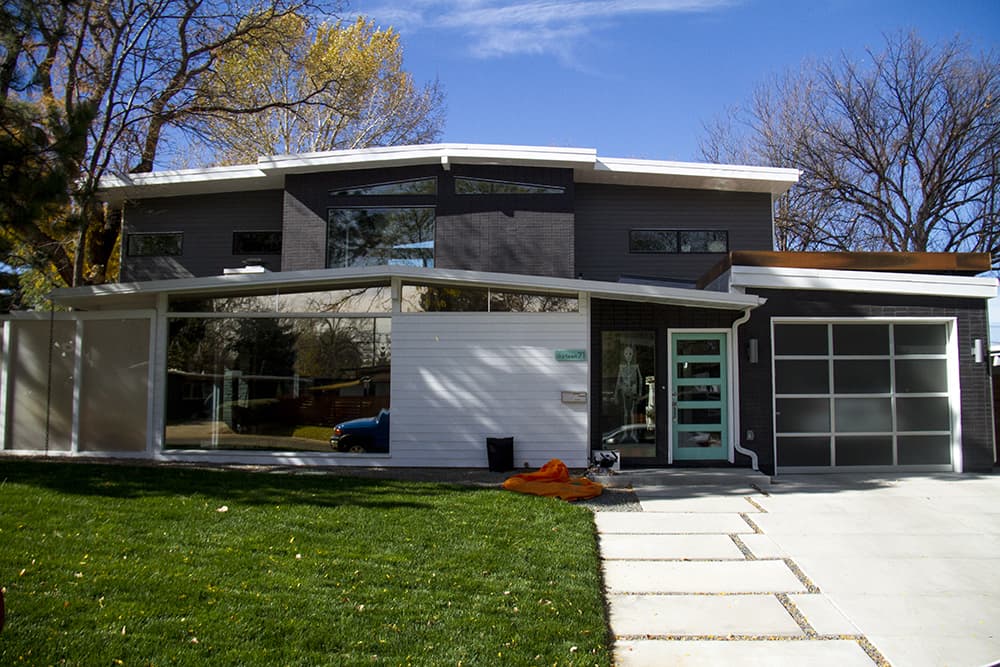
One notable example is Krisana Park’s conservation overlay, which requires new construction in the district to conform to the neighborhood's Eichler-inspired mid-century modern homes.
What would South City Park’s conservation overlay proposal do?
City Park is one of Denver’s most desirable neighborhoods. Boosted by its proximity to its namesake public park and commercial attractions on Colfax Avenue, the average home is worth nearly $700,000, and some go for much more.
A report released earlier this month outlined some of the rules the neighborhood may pursue.
“The goal is to create just more cohesion,” Roth said. “It's kind of funny, you see houses that are historic, houses that are painted crazy colors and all kinds of stuff where there's a lot of personal style added, but it doesn't detract from the flow of the streets.”
The report followed years of surveys, meetings, neighborhood walks and more.
Because many of the homes in the neighborhood were built in the late 19th century and early 20th century, brick is everywhere. The overlay could require new developments to build, at minimum, a full brick street-facing facade on the first floor.
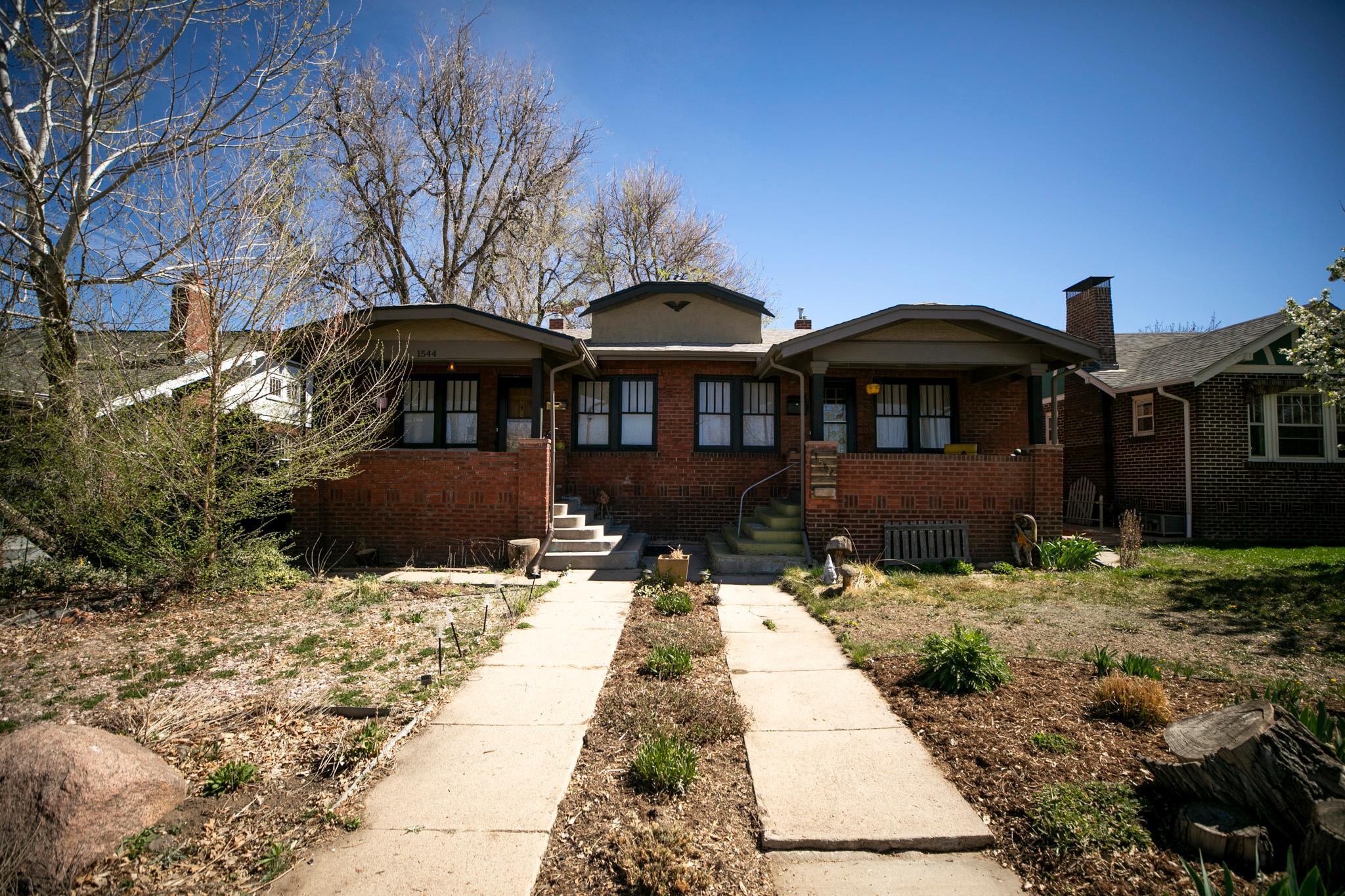
The report also highlighted the neighborhood’s pitched roofs, porches, setbacks, and a healthy abundance of trees. The proposed rules could require pitched roofs for new housing and ban roof decks.
Supporters say some recommendations, like requiring front porches, are meant to build community.
“I met so many people just walking around with my pack of little old dogs because people just hang out in front of their houses,” Roth said.
The conservation overlay would not apply to accessory dwelling units or secondary structures like garages.
There would be no umbrella ban on particular architecture styles. While South City Park is most associated with the Denver Square (known in other cities as the Foursquare), all architectural styles would be allowed, as long as they meet the potential new standards.
The report centered on equity and density.
Design requirements can be divisive. Do they make development more attractive — or more expensive?
Before the team at architecture and urban planning firm Radian agreed to help SCPNA author the overlay report, Dee Dee Duvuyst and her team talked about whether it matched Radian's goal to “advance social equity in the built environment.”
Ultimately, they were convinced by SCPNA’s devotion to equity and “gentle density”.
“It's a really interesting model neighborhood for Denver of how conservation tools and equity [can] coexist at the same time, knowing that sometimes they can contradict each other,” said Duvuyst, the executive director of Radian.
Some recommendations, like requiring bricks only on the first floor of a facade, were made with construction costs in mind.
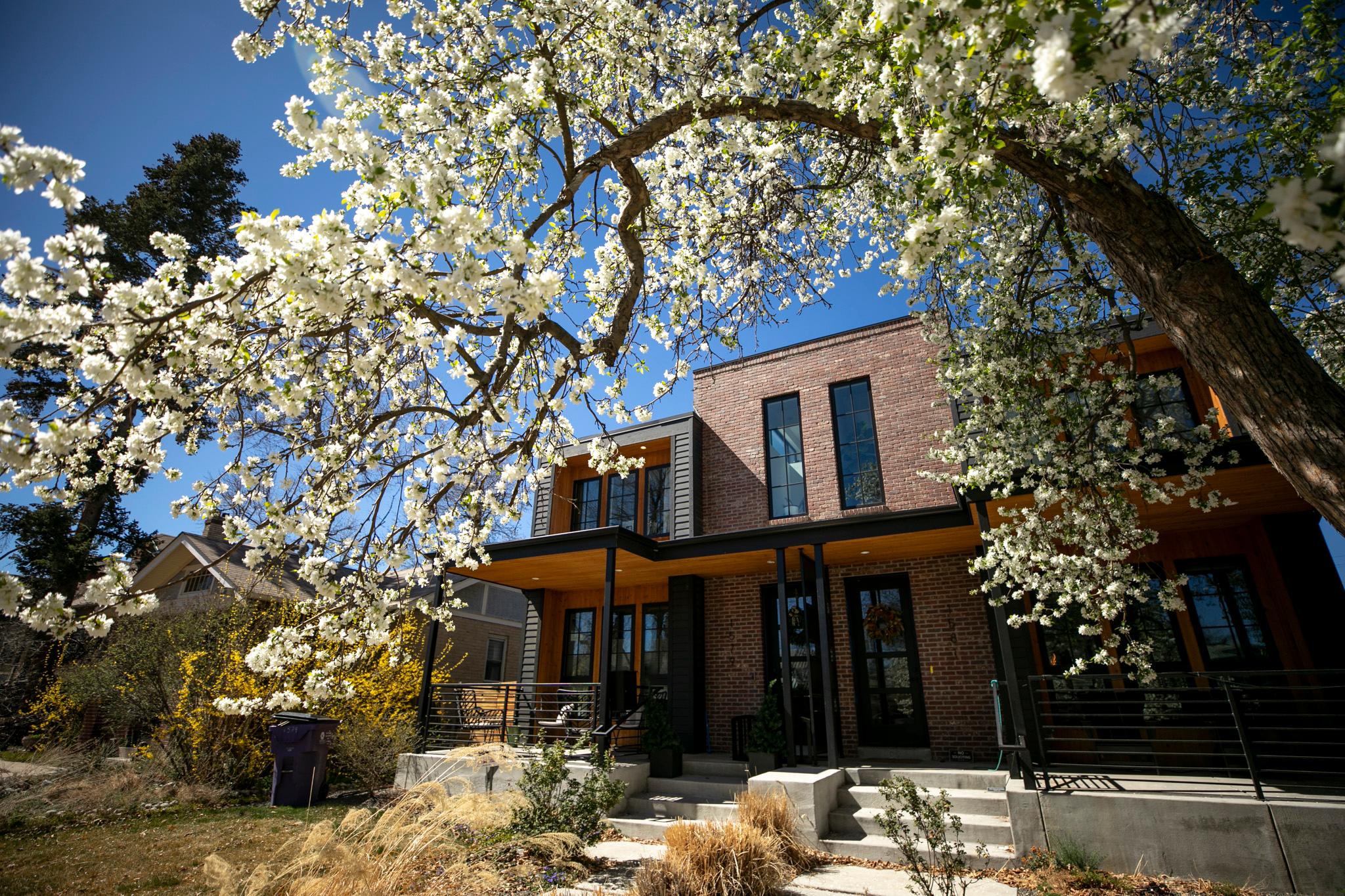
“Ideally we'd like to have people build their entire home with brick, but because constructing just the home with entirely brick could have cost implications, we're just asking for people to have a minimum of brick on the front facing of the building,” said Ann Dang, an architecture project manager at Radian.
Crowley said that conservation overlays, much like other urban planning tools, can often be used to deter new development and keep people out of neighborhoods. But she said that’s not the case in South City Park.
“I think preservation sometimes gets a bad rap for being anti-development. I don't think that's it at all,” Crowley said. “I think we just want to preserve things that are worthy of preserving so that we retain our community identities while still allowing … gentle density and affordable housing.”
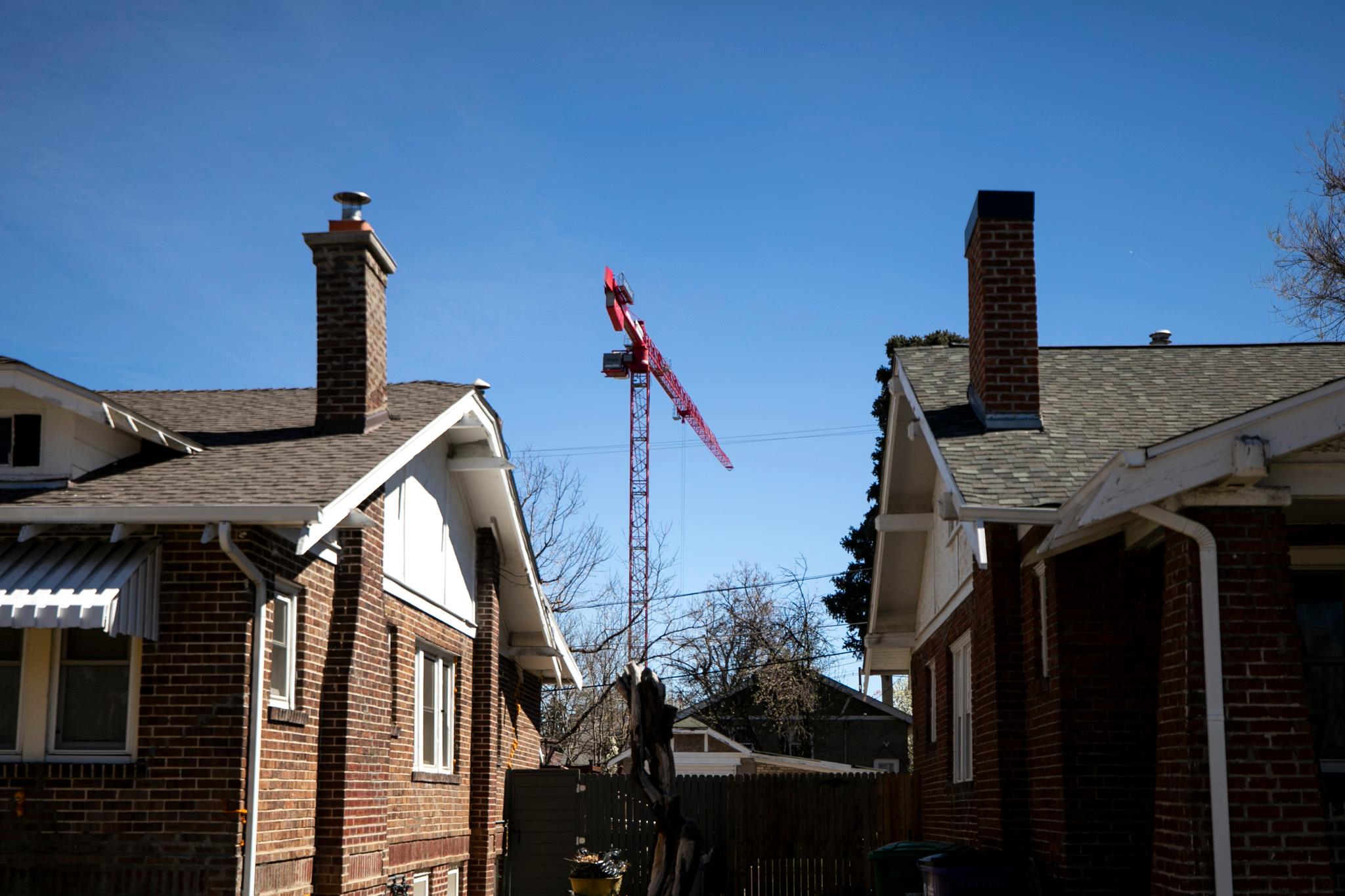
Housing development advocates have had mixed opinions on design requirements. Attractive design can make development more popular. If the neighbors are happy, they're more likely to support new housing construction. On the other hand, excessive rules can stop construction in its tracks.
YIMBY Denver member David Pardo said the porch and brick requirements were “neutral to good” but worried about the roofing standards.
"The general YIMBY line on conservation overlays is that they don't help a lot, often because there are aspects of them that add to cost or limit the ability to build certain types of buildings,” Pardo said. “That being said, there are parts of them that can be good, like the front porch requirement.”
Pardo also had worries about “unintended consequences” of conservation overlays, like developers finding unintended shortcuts. That’s how Denver ended up with “slot homes” in the 2010s.
What’s next?
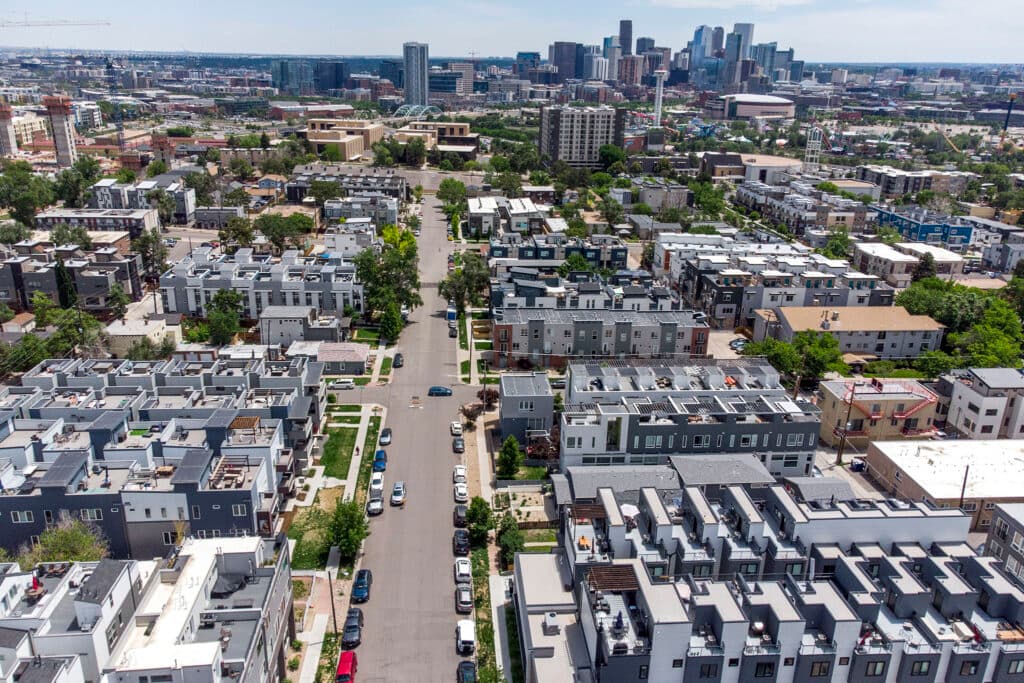
SCPNA, Historic Denver and Radian are working with the city planning department to see how their ideas interact with the Unlocking Housing Choices project, which aims to “amend the Denver Zoning Code to allow small-scale multi-unit housing, tandem homes and other so-called ‘missing middle’ housing types in Denver’s residential neighborhoods.”
That bigger effort could impact a potential conservation overlay.
Roth said the neighborhood organization will gather feedback about the report, but will likely hold off on asking Community Planning and Development to formally propose a conservation overlay district to Denver City Council until Unlocking Housing Choices is finished.