RiNo has become one of Denver’s biggest draws — with millions of visitors each year and a national reputation as an arts destination. But behind that success, a major restructuring has changed how the district is run, and raised new questions about how its future will be shaped.
As of January, the RiNo Art District has split from the business and infrastructure groups it once operated alongside. Now, three separate entities share responsibility for the area that stretches across the Five Points, Globeville, Elyria-Swansea and Cole neighborhoods.
Each has its own boss, board, budget and mission. Together, the three groups still shape the district with a shared vision. But none of them directly controls the forces driving its continued evolution.
“Neither the BID nor the GID nor the Art District have a say or control over what a private developer does with their land,” said Rachel Marion, who provides executive leadership for the GID.
A new structure and shifting responsibilities
The RiNo Art District now operates as a standalone nonprofit focused on artist support, programming and advocacy. The Business Improvement District, or BID, handles services like cleanliness and safety, while the General Improvement District, or GID, focuses on building and maintaining infrastructure.
Leaders say the separation allows each group to focus on its core mission.
“I think the separation of the three entities is going to allow us to really raise the bar,” Marion said.
But the shift also clarifies something else: where power does — and doesn’t — lie.
“I don’t know that an art district ever has a lot of say over what buildings come in,” said Daisy Fodness-McGowan, executive director of the RiNo Art District. “That is a city-level function. But, that's really where I think we can have advocacy. And that's always been the role of the RiNo Art District, is to advocate not just for the artists, but also for creative small businesses.”
BID and GID leaders agree.
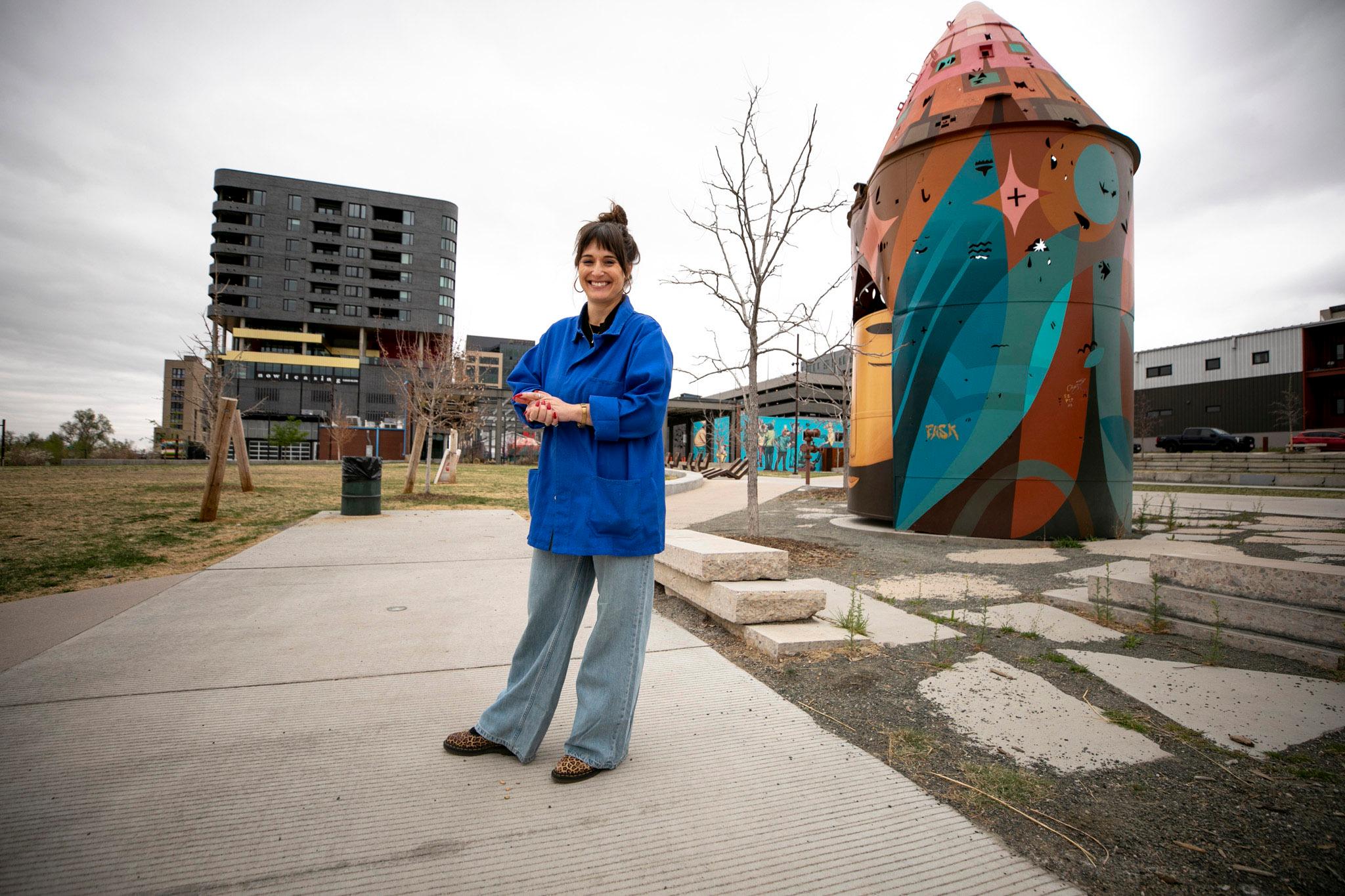
“While we don’t have enforcement or authority over private development… we try to work with developers and offer suggestions,” said Terry Madeksza, executive director of the RiNo Business Improvement District.
In practice, that means development decisions are largely shaped by private developers and city policy — not the organizations most closely tied to RiNo’s identity as an arts district.
“We can’t stop development,” said Kiah Butcher, programs and exhibitions manager with the RiNo Art District. “But we can help inform the right people… and make sure there are spaces and platforms for artists to have a say in how we grow.”
Growth in RiNo brings investment – and controls where dollars go
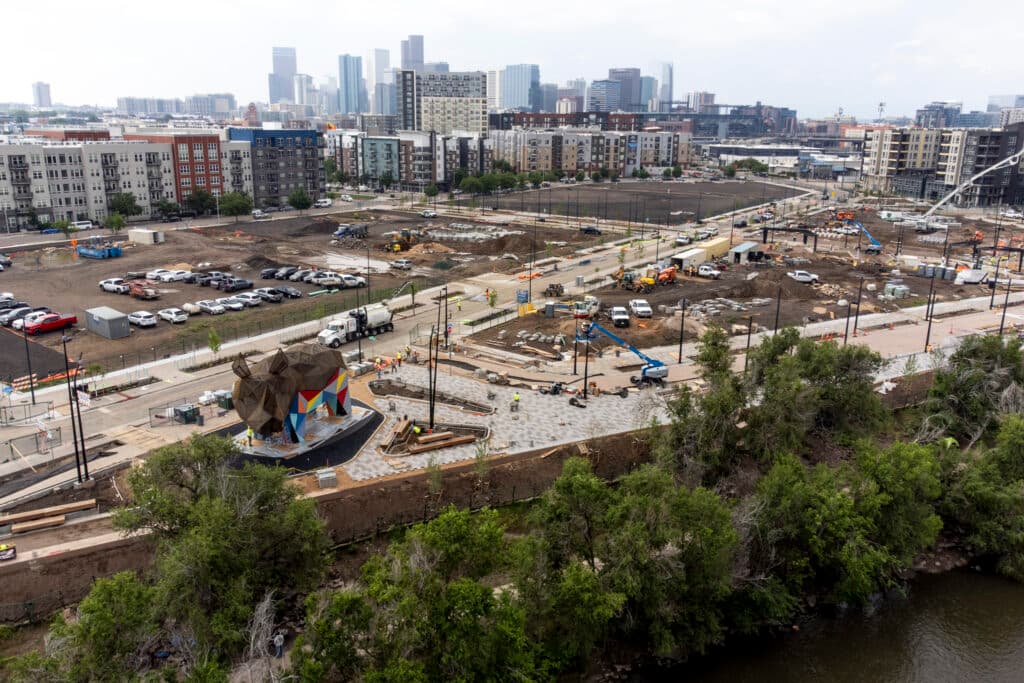
RiNo’s popularity has brought significant investment in recent years, from new buildings and businesses to upgraded streets, sidewalks and public spaces.
Much of that spending is reflected in the district’s annual report.
Significantly higher dollar amounts are going to infrastructure, maintenance and safety, with a total budget of more than $1 million in 2025. Comparatively, the RiNo Arts District budget has received roughly $300,000 to $400,000 in direct artist funding.
The GID is legally required to spend its funding on specific projects tied directly to its mission. “General improvement districts can only fund and maintain infrastructure,” Marion said.
Meanwhile, the BID prioritizes services like bio hazard clean-up, tree maintenance and overgrowth removal, vandalism and alley cleaning — all of which are aimed at supporting businesses and making the district more accessible to visitors.
“People choose to spend their time and money when they feel comfortable and safe,” Madeksza said
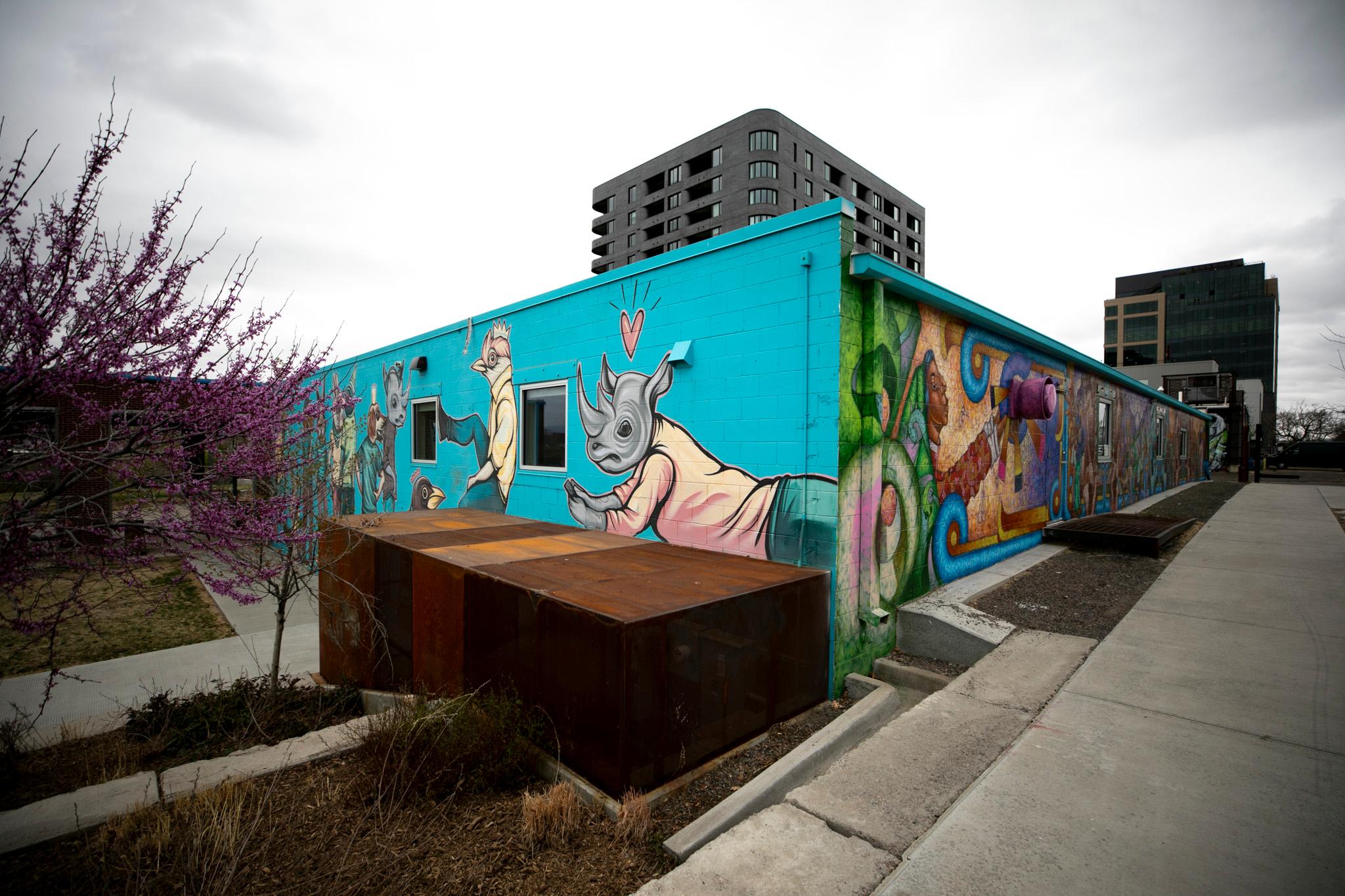
Millions of visitors, and questions about the future
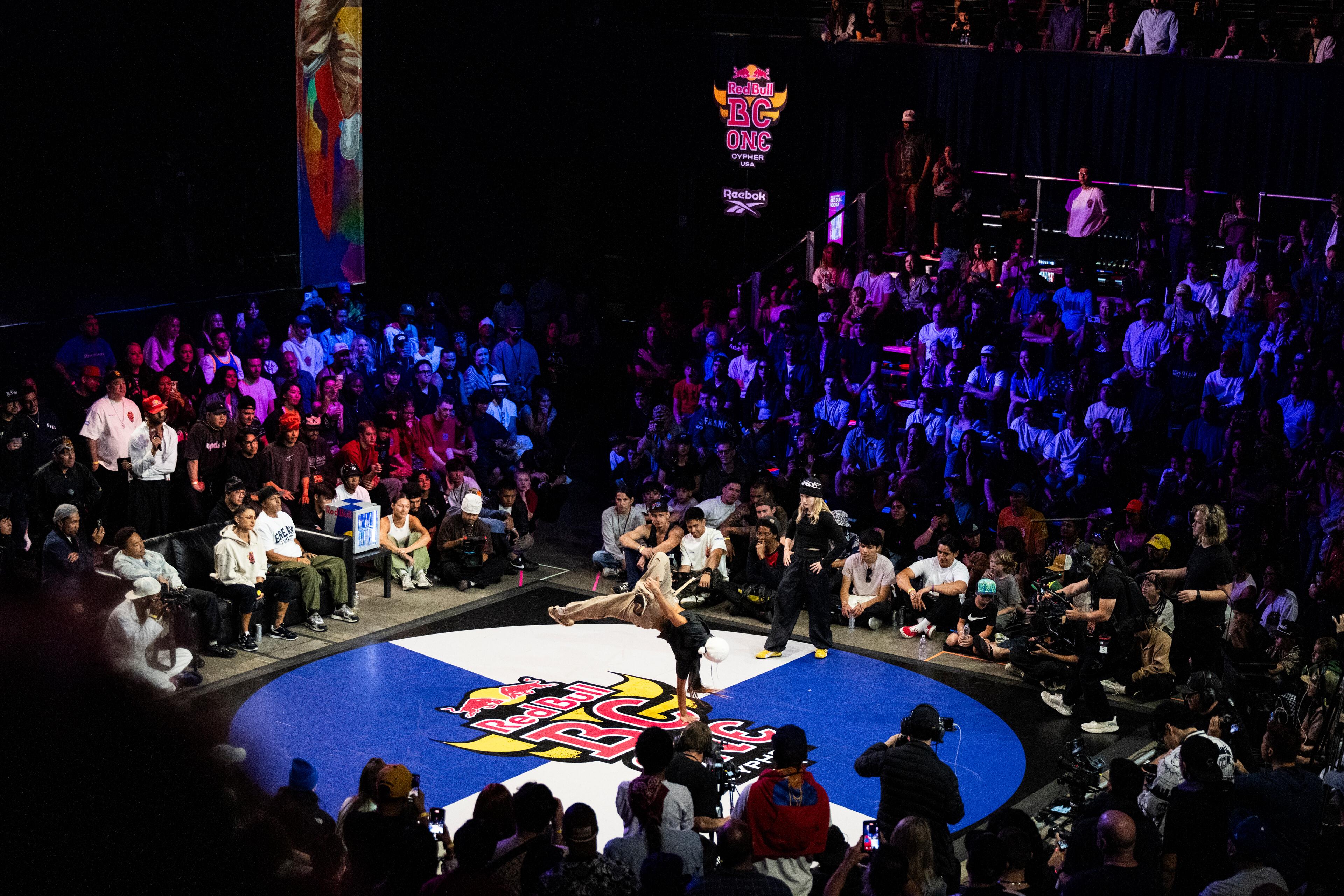
Those investments, leaders say, are essential to handling the crowds that now define RiNo. More than 12.4 million people visited the district last year, patronizing places like Denver Central Market.
“Every single day of the week, there are people here and they have big smiles on their faces especially when they are picking up a coffee from Crema or grabbing a bagel at Call Your Mother,” said Fodness-McGowan.
Visitors also attended multiple RiNo specific events, something she said the district will see more of this year.
“Underground Music Showcase recently announced it’s coming to the RiNo Art District, we're creating a signature mural festival that's gonna be every year in October called Art RiNo, we're also working on some quirky ideas for very arts forward festivals to happen throughout the year like a Solstice celebration,” she said.
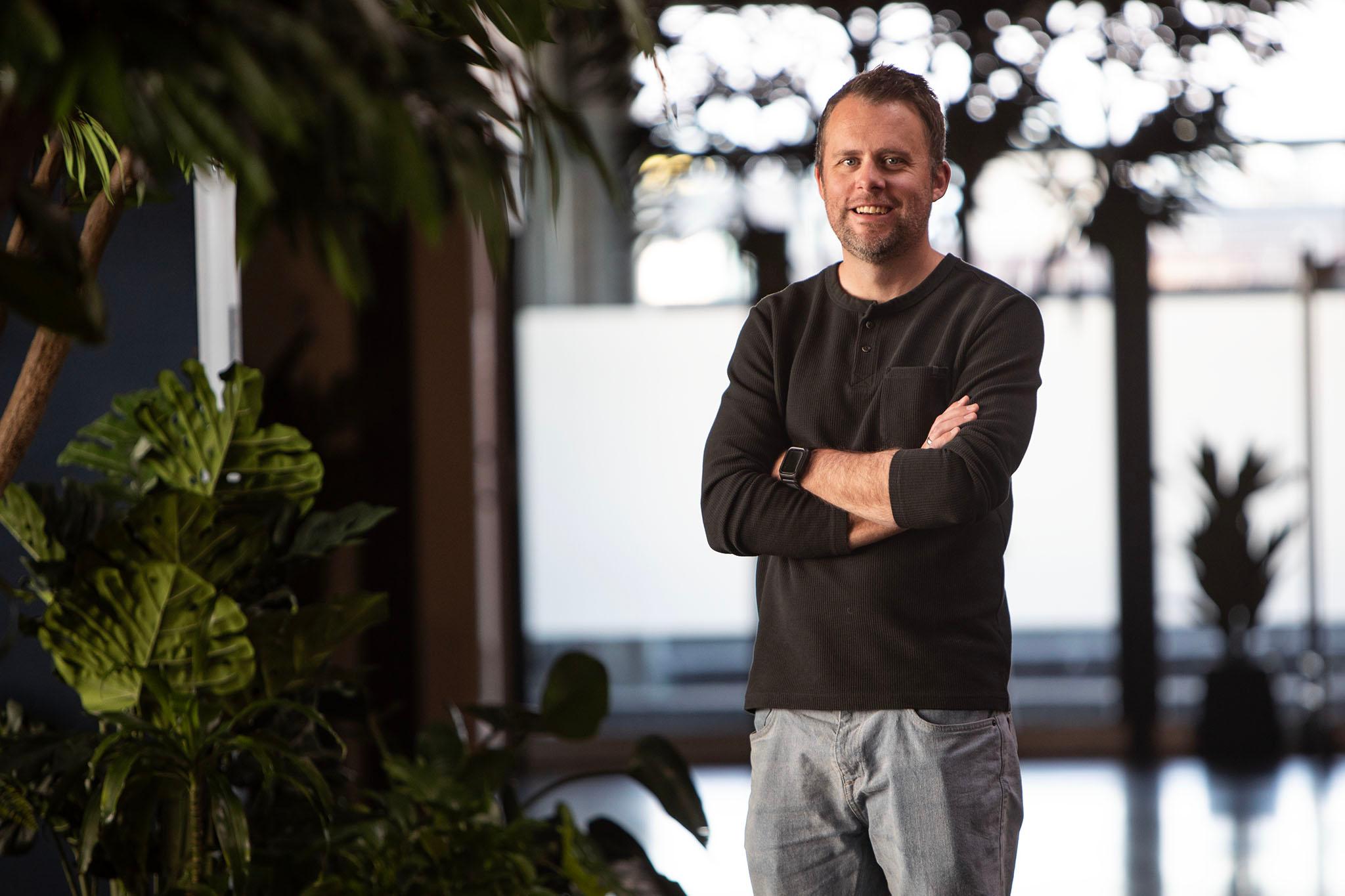
Foot traffic from events and regular visitation in 2025 generated about $10.6 million in sales tax revenue, a sign of the district’s rise as one of Denver’s most popular destinations.
“In 2015, it was just an old warehouse industrial area. There were no sidewalks, crowds of people in the streets, very unsafe. So a ton of the work that you've seen — is the investment in the infrastructure to help folks keep coming to the district. And I think that's good for artists, it's good for businesses and it's great for the city to have that kind of foot traffic,” Fodness-McGowan said.
But how those funds are distributed also highlights a mismatch: The systems driving and maintaining RiNo’s growth — city policy, private investment and BID and GID investments in infrastructure and cleanup — are not designed to directly support the artists who helped create it.
Where artists are finding space
“There is such a difficulty with affordability and just general resources for artists,” Butcher said. “Studio space is limited, there’s a huge demand for it and it can be expensive.”
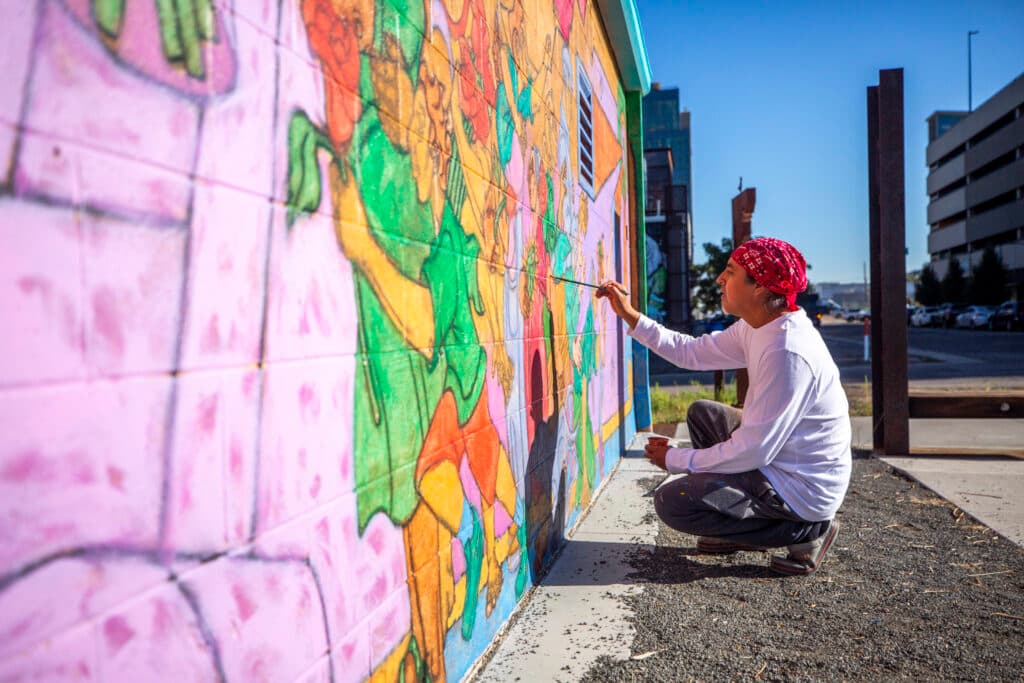
The RiNo Art District, now operating as a nonprofit, however, continues to fund artist stipends, programming and subsidized studio space. Today, that includes about two dozen subsidized studios and grant-funded programs that give artists access to space where they can create, showcase and sell their work.
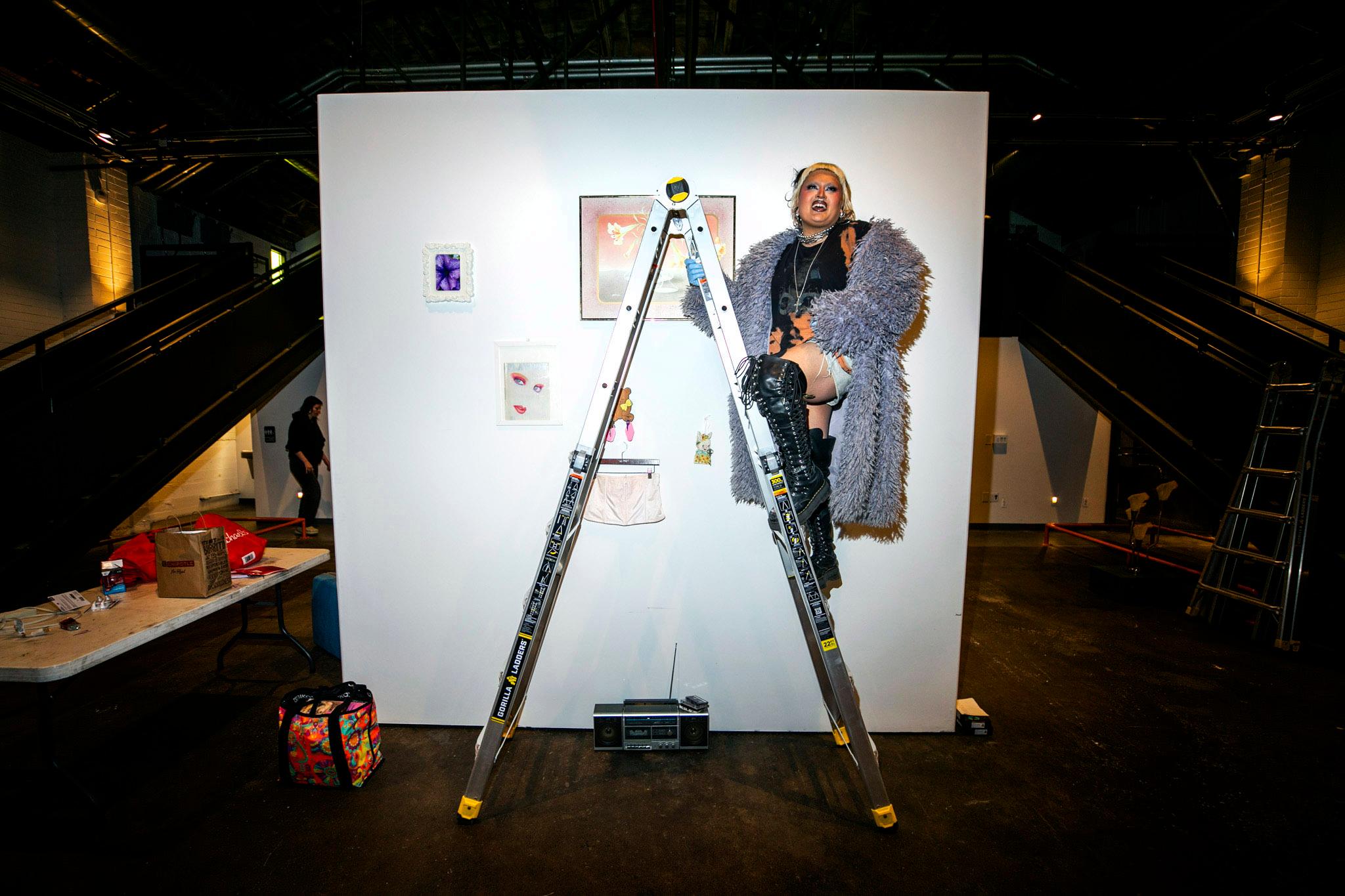
An example is the Truss House off Broadway, which serves as a rentable studio space for artists like Amayas Gonzalez of Montbello.
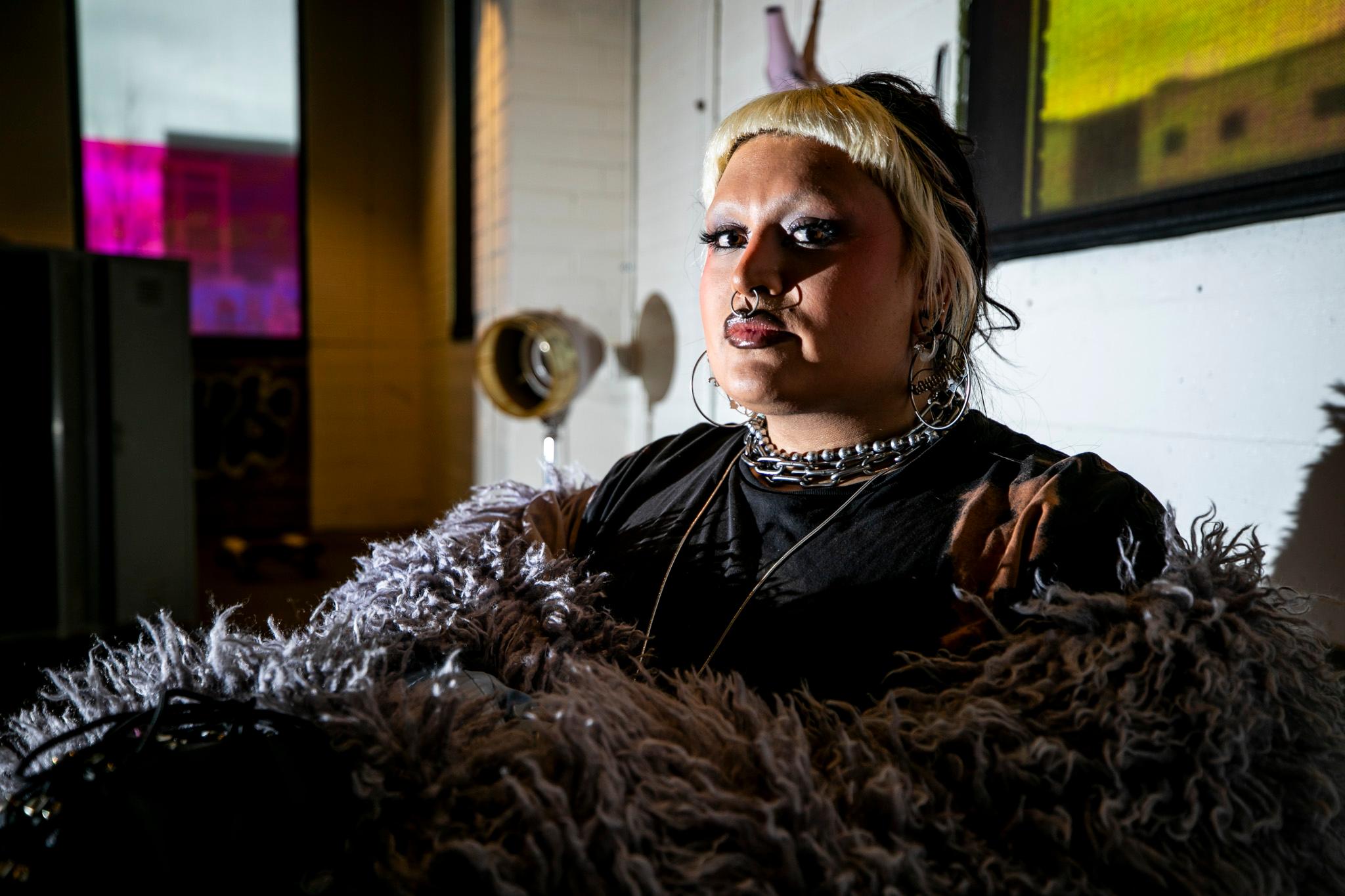
Butcher’s team was able to rent the space to them at a subsidized rate for a multifaceted performance art event called “1986.” The work explored femininity, transness and the enduring impact of the HIV/AIDS crisis.
“Getting venue support is really, really difficult with the political climate and price increases,” Gonzalez said. “People are just trying to survive. So I'm very, very grateful that I've been able to do this with a smaller budget.”
But, the scale of such support is limited and leaders acknowledge they can’t control the biggest factor affecting artists: cost.
“Artists are going to go where there’s affordable space no matter what,” Fodness-McGowan said.
For many artists, that means working wherever they can — often in small or shared spaces that can’t accommodate their vision.
“It is hard to find a performance space that can really accommodate big, huge dreams,” Butcher said.
All three organizations point to advocacy, partnerships and smaller-scale programs as their main tools to combat affordability issues, something BID and GID leaders describe as “soft power.”
“I think there’s a real opportunity in advocating for policies that enable artists to continue to live and work not just in RiNo, but across our city and our state,” Marion said.
In some cases, that means working with developers to temporarily activate vacant spaces or encourage artist residencies in new buildings.
But no single entity is responsible for ensuring artists can afford to stay.
A familiar cycle and a lingering question
The “lifecycle” of an arts district’s growth follows a familiar pattern seen in cities across the country — artists transform overlooked spaces into cultural hubs, only to face rising costs as those areas become more popular.
While RiNo’s leaders say they are doing what they can locally, Fodness-McGowan points to the city as the key player in shaping long-term affordability.
She said recent investment in downtown Denver shows what’s possible — but added that other parts of the city could benefit from similar attention. “My hope is they'll take the model of what they're doing there and be able to bring it to other parts of the city that maybe feel a little forgotten right now,” she said.
Still, despite the structural changes and a lack of control over exactly how the district develops, leaders across all three organizations emphasize a shared commitment to keeping RiNo creative.
“I think it's still remarkable that there's this commitment to the arts. Not all BIDs and GIDs work closely with their related art districts,” said Fodness-McGowan. “It's not a given.”
Each describes the relationship as collaborative, but they also acknowledge that growth will continue and that change is inevitable.
“The nature of cities is that cities evolve and change,” Marion said. “And I think that’s OK.”
That evolution, in fact, is part of what has made RiNo successful.
But it also raises a question that remains unresolved: As the district continues to grow — drawing more visitors, more investment and more development — can it remain a place where art is not just displayed, but made?
Gonzalez says yes, but that artists will need to fight for it.
“I think so many people look at a barrier and they just stay on the other side. I'm like, ‘No, honey, how do I get over that? How do I move the barrier?’ I've learned to pivot and I've learned to climb up it even with two inch nails and high heels. But you have to ask,” they said.