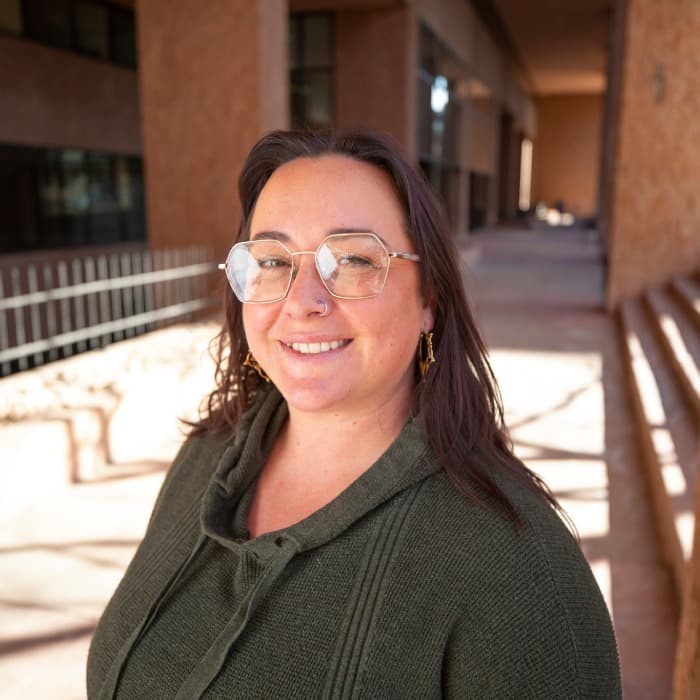
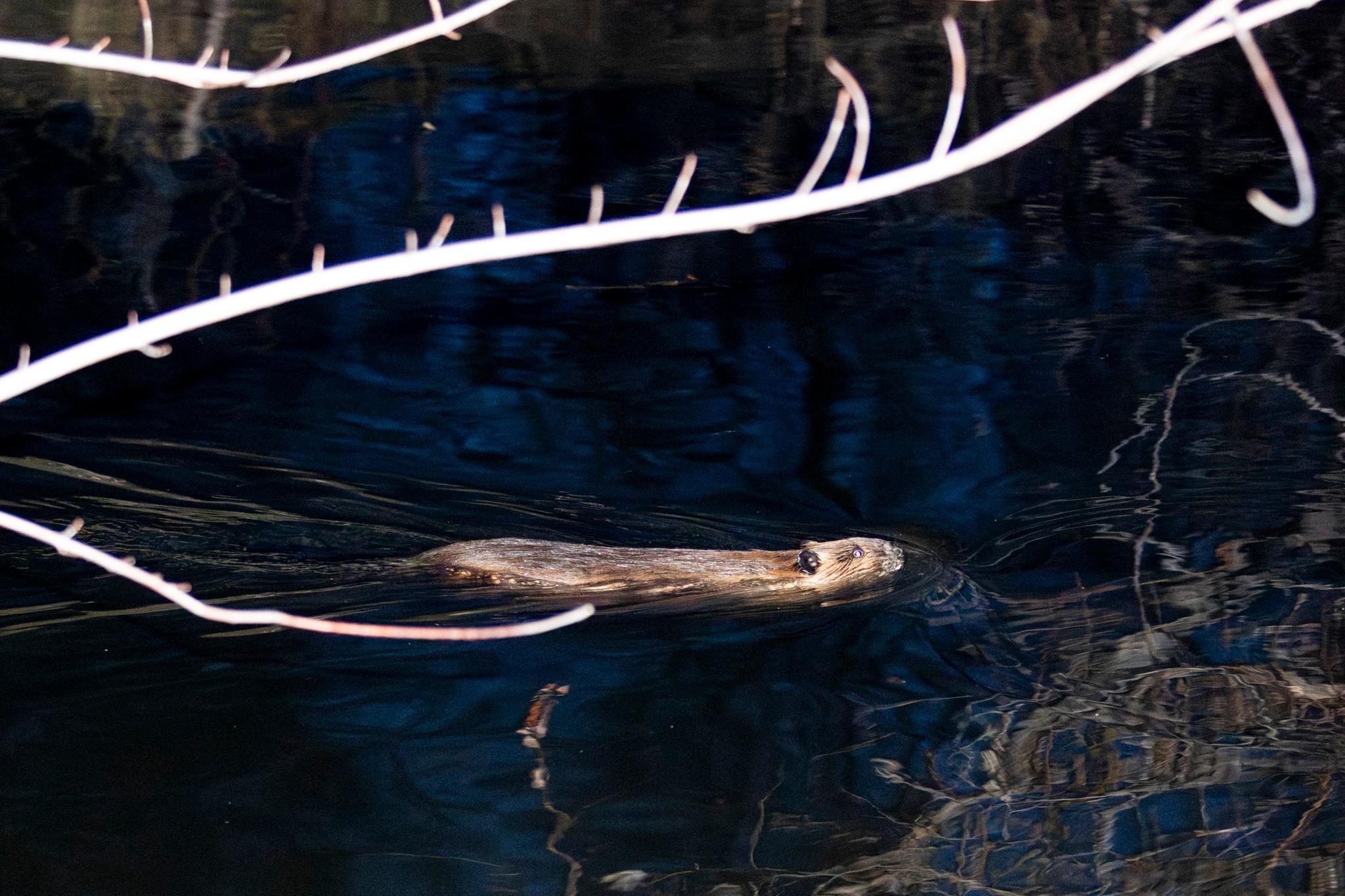
In Brandy Moe’s 16 years living in Ruby Hill, she hasn’t seen the neighborhood beaver — but she has seen plenty of signs of their existence.
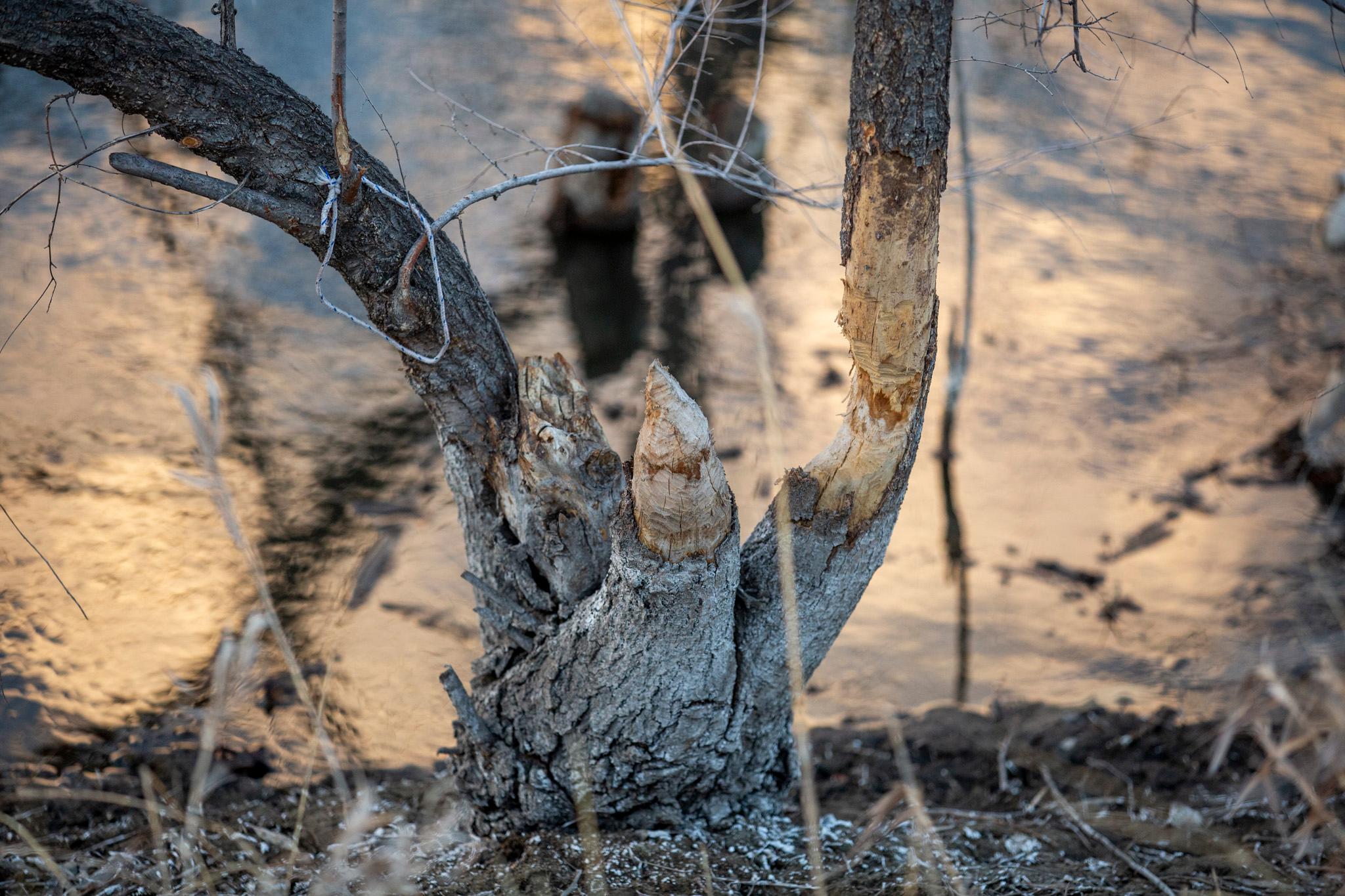
In and around Sanderson Gulch, there’s obvious proof that the elusive beaver prowls the shallow waters. Felled trees, gnaw marks, and, of course, the signature dam.
Along the stretch of the Sanderson Gulch near Florida Avenue and Raritan Street, Moe said beavers have brought down an unsettling number of trees along the trail.
“We want them to stay around, but the destruction of the trees was ramping up really quick,” Moe said.
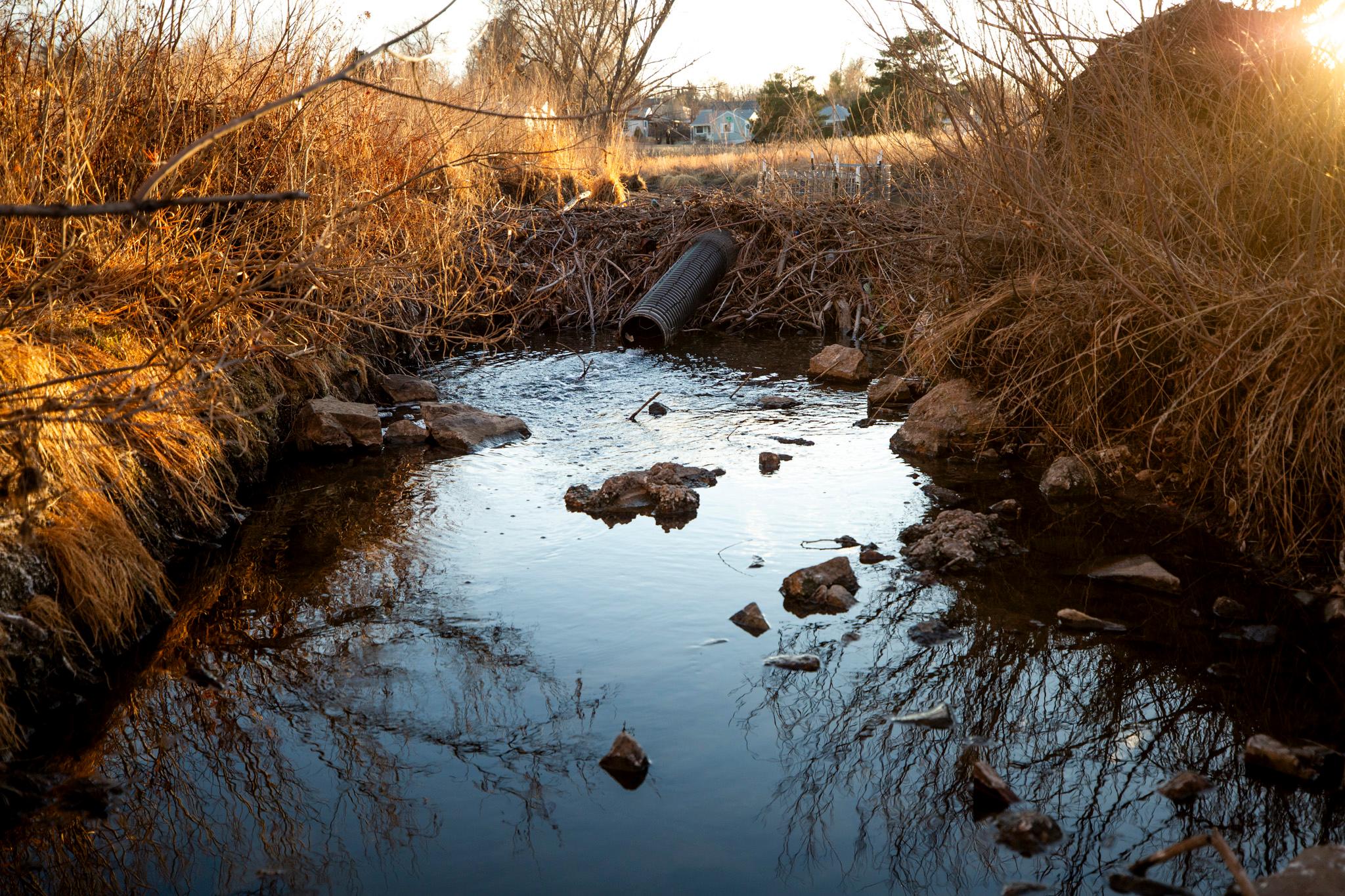
While the beaver is a mostly invisible presence in Denver waterways, their impact is obvious to anyone who lives near their habitats.
As it turns out, finding ways to coexist with the webbed-footed, buck-toothed dam-building rodent is a growing problem in Denver and greater Colorado — and could get harder to manage as the beaver population explodes without natural predators to get it in check.
Look closely and you’ll see signs of beaver all over Denver.
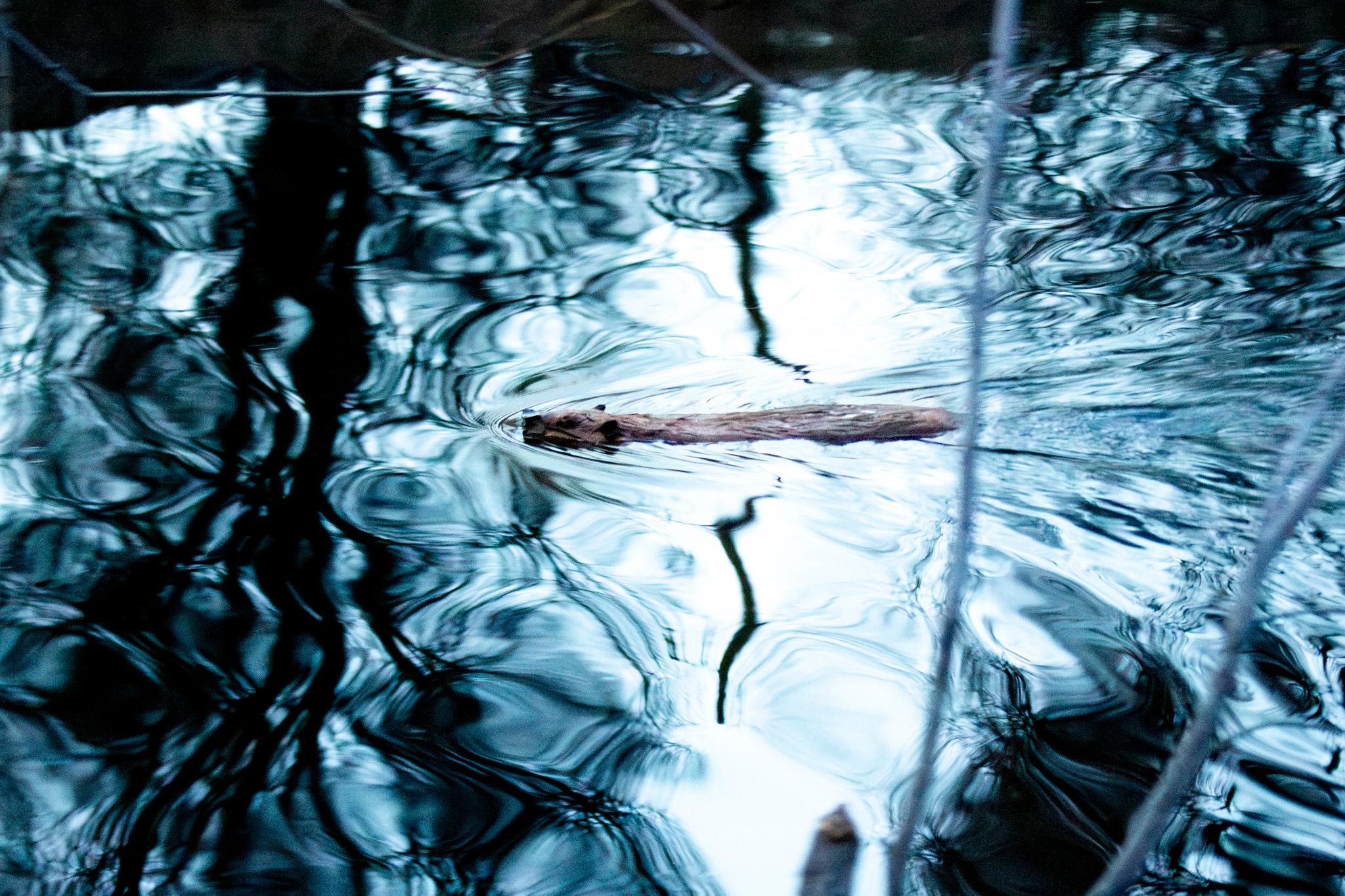
Beavers are mostly crepuscular — meaning they’re more active at dusk and dawn. But that doesn’t mean you won’t be able to spot them.
If you want to see one, pick one of Denver’s many bodies of water.
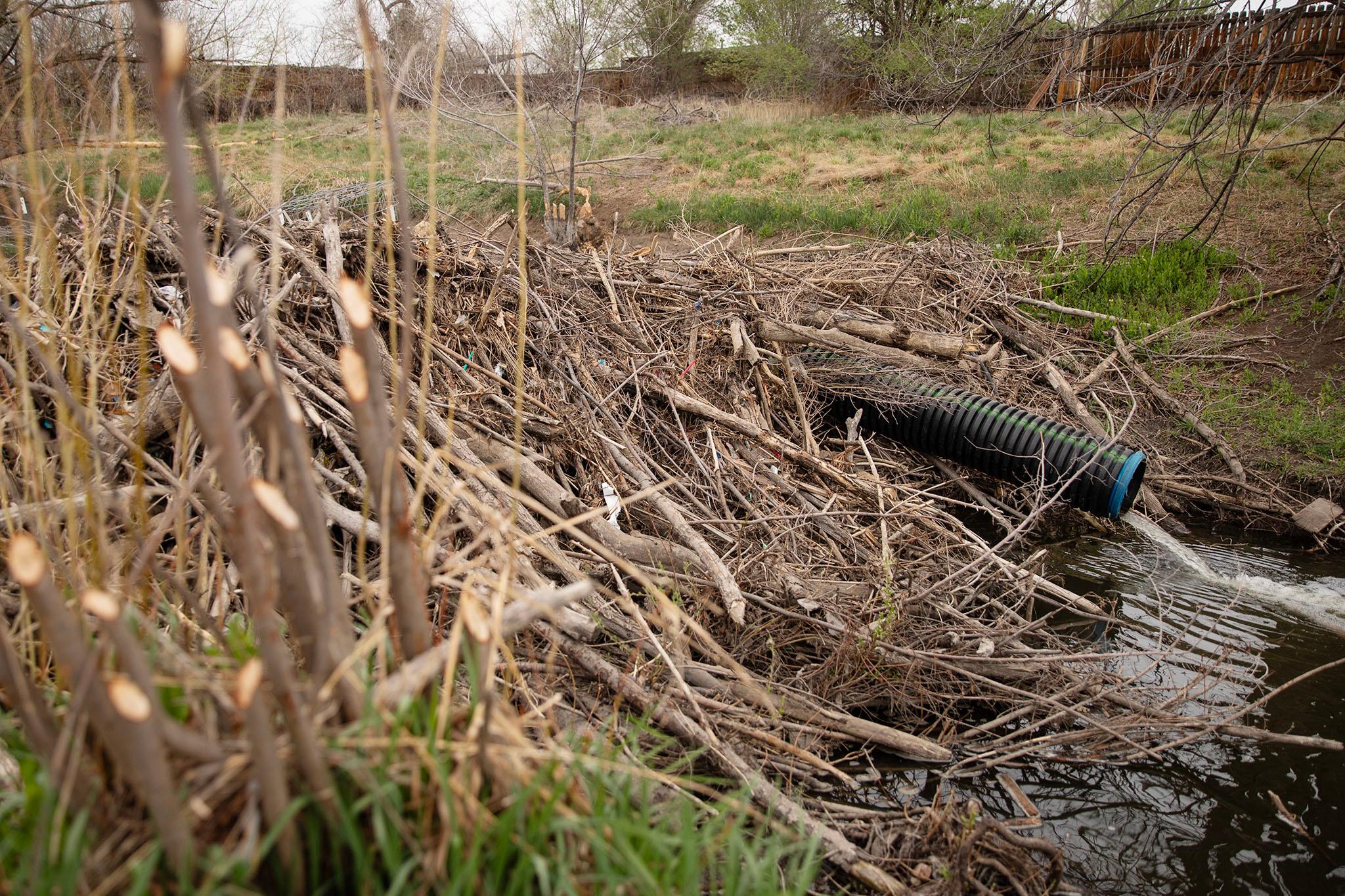
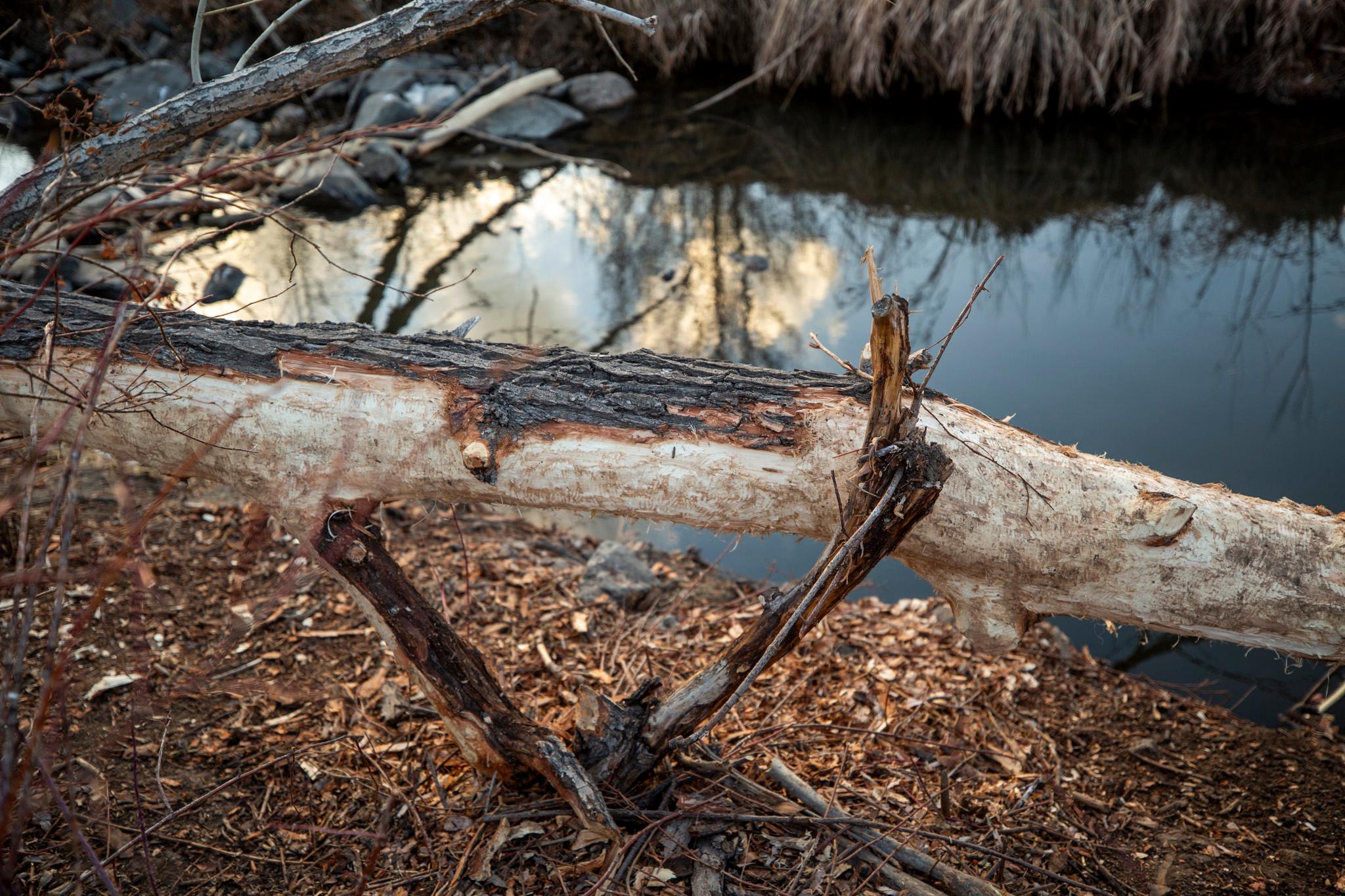
“You'll see them in Cherry Creek, South Platte River, Sanderson Gulch, Goldsmith Gulch, Bear Creek,” said Vicki Vargas-Madrid, a wildlife program manager at Denver Parks and Recreation. “Wherever we have water, most likely you're going to see beaver.”
(Ed. note: Beaver and beavers are both interchangeable when it comes to the plural of beaver.)
Once there, just walk along the river or creek until you see signs of beaver. If it looks like something has been gnawing at the base of nearby trees, you’re on the right track.
Dams are easy to spot, but don’t expect some grand architectural feat. Unlike Mr. and Mrs. Beaver’s dam in “The Lion, The Witch and the Wardrobe,” Denver beavers make their dams out of whatever tree is at their disposal — meaning it can often look like a pile of mud with twigs on top.
“Beaver are surviving on willows and they're surviving on elm and other types of trees that we wouldn't think would be their primary choice,” Vargas-Madrid said.
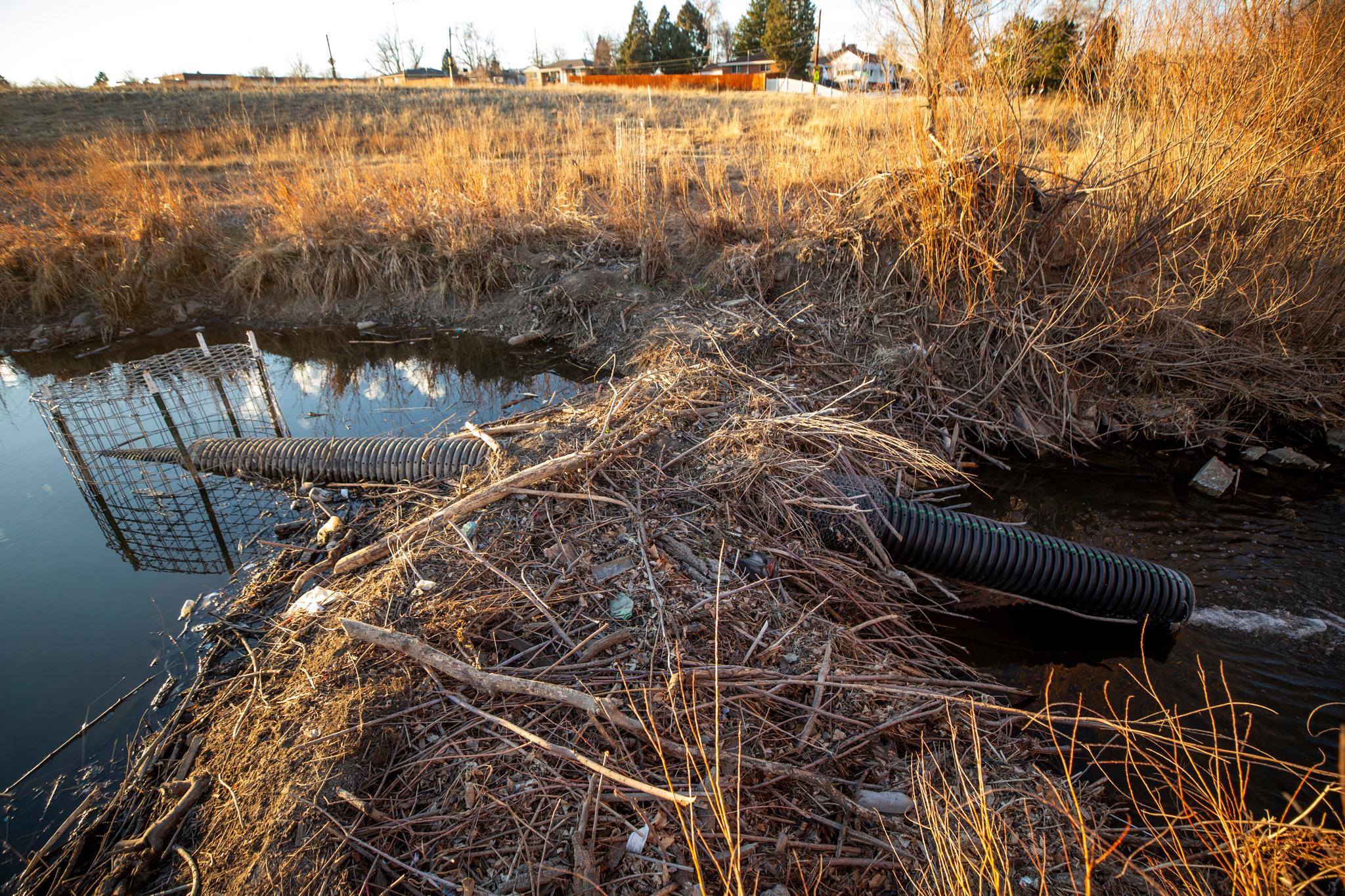
There are also beaver lodges, which are also built on the water but don’t block waterways. Look for large mounds of mud, with sticks or branches protruding outward.
Vargas-Madrid said the parks department doesn’t have any accurate estimates on how many beavers live in Denver, but she does know that the population is “doing good.”
“There are no natural predators in the urban environment, and that is probably one of the reasons why their populations are doing so well,” she said. “There's nothing here to keep their population down, except people.”
Denver wants to coexist with beavers
Vargas-Madrid described beavers as nature’s “ecosystem engineers.” Colorado Parks and Wildlife’s website says that beavers are second only to humans in terms of a species’ influence over its surroundings.
“They provide a lot of value to creating an ecological balance to our landscape. So I try to help people understand that,” she said.
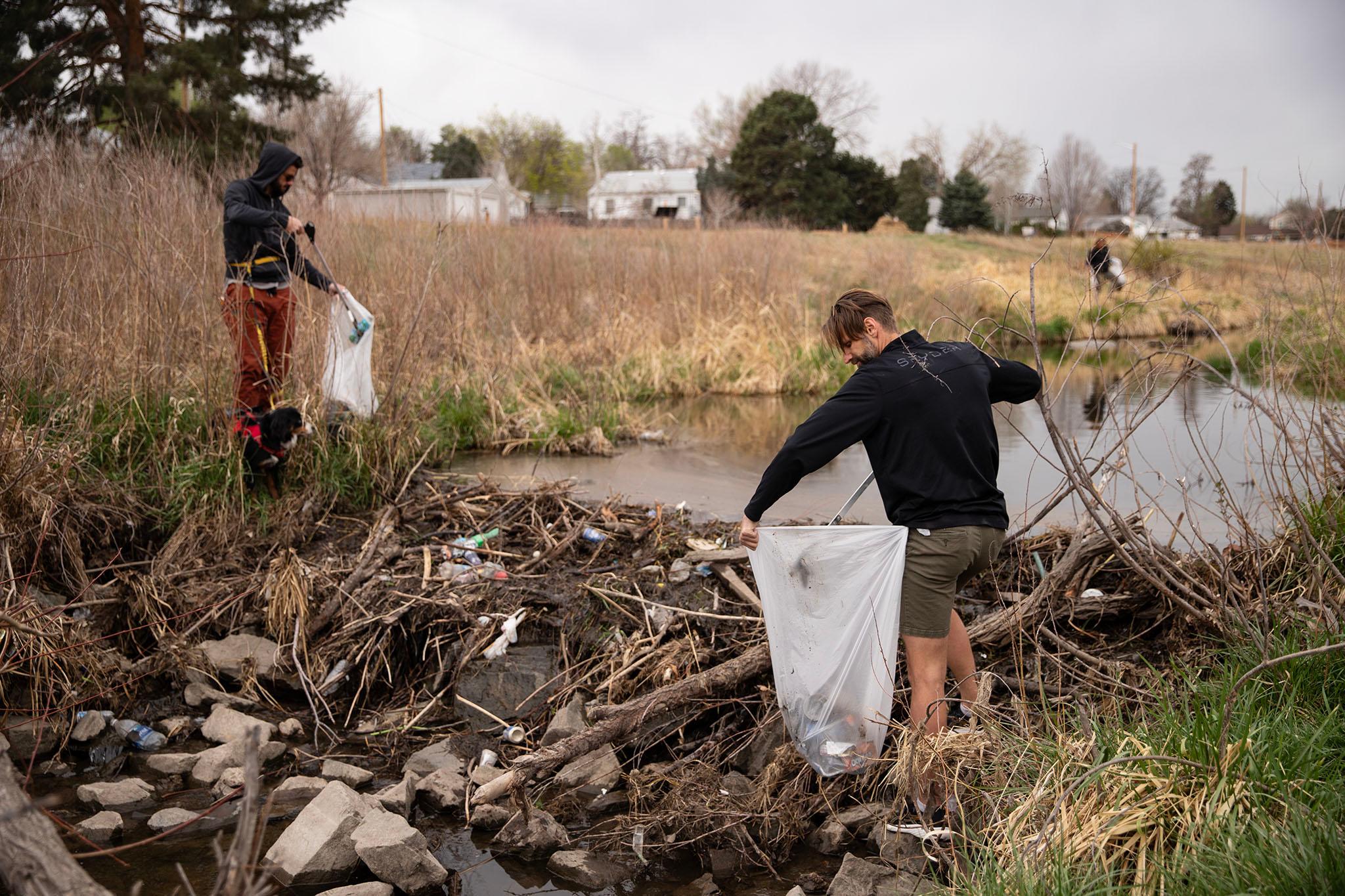
But beavers are often a double-edged sword. While beavers create rich ecosystems and improve water quality, they do that by felling trees for shelter and food. That creates a tenuous relationship with humans who want to maintain the tree canopy.
While Vargas-Madrid said stories of beavers felling an entire tree canopy are mostly myths, there are still situations like the one at Sanderson Gulch, where the city has been trying to protect the few mature trees left around the beaver’s dam. There, young trees are wrapped in a crude metal cage, and some tree bases have been covered in a sand-based paint to deter beavers from chewing.
“It doesn't always work,” said Emily Zeller, the volunteer and stewardship program manager at Denver Parks and Recreation, who frequently hears from residents concerned about beaver activity.
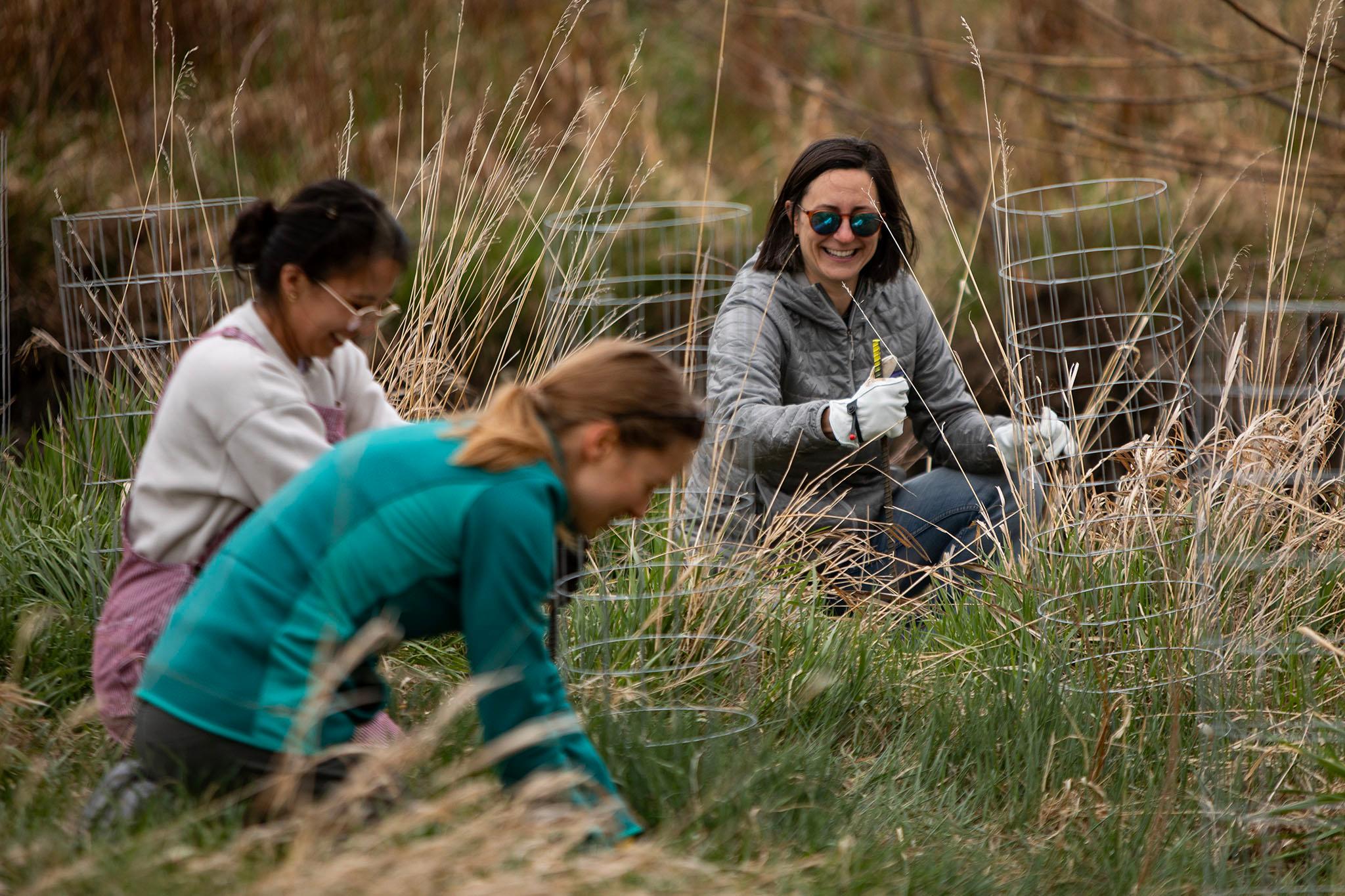
Recently, the city is trying a different approach. Last week, neighbors and parks workers came to Sanderson Gulch to plant dozens of new tree saplings. The new trees both fortify the shoreline and provide vital tree canopy in Denver’s urban heat island.
But that solution is still a gamble and could take decades to pay off.
“It's really challenging because they want to eat everything that we put in,” Zeller said.
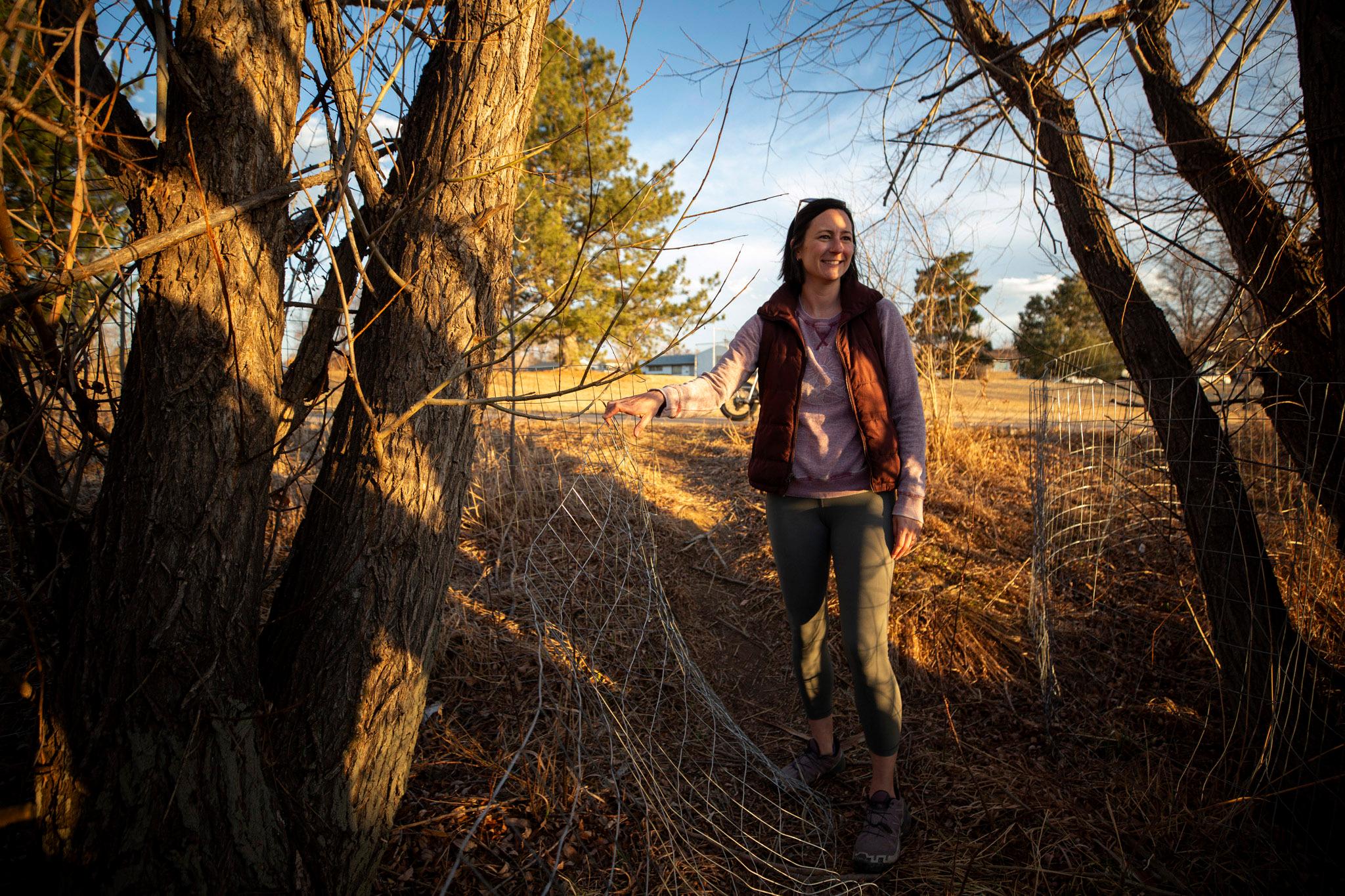
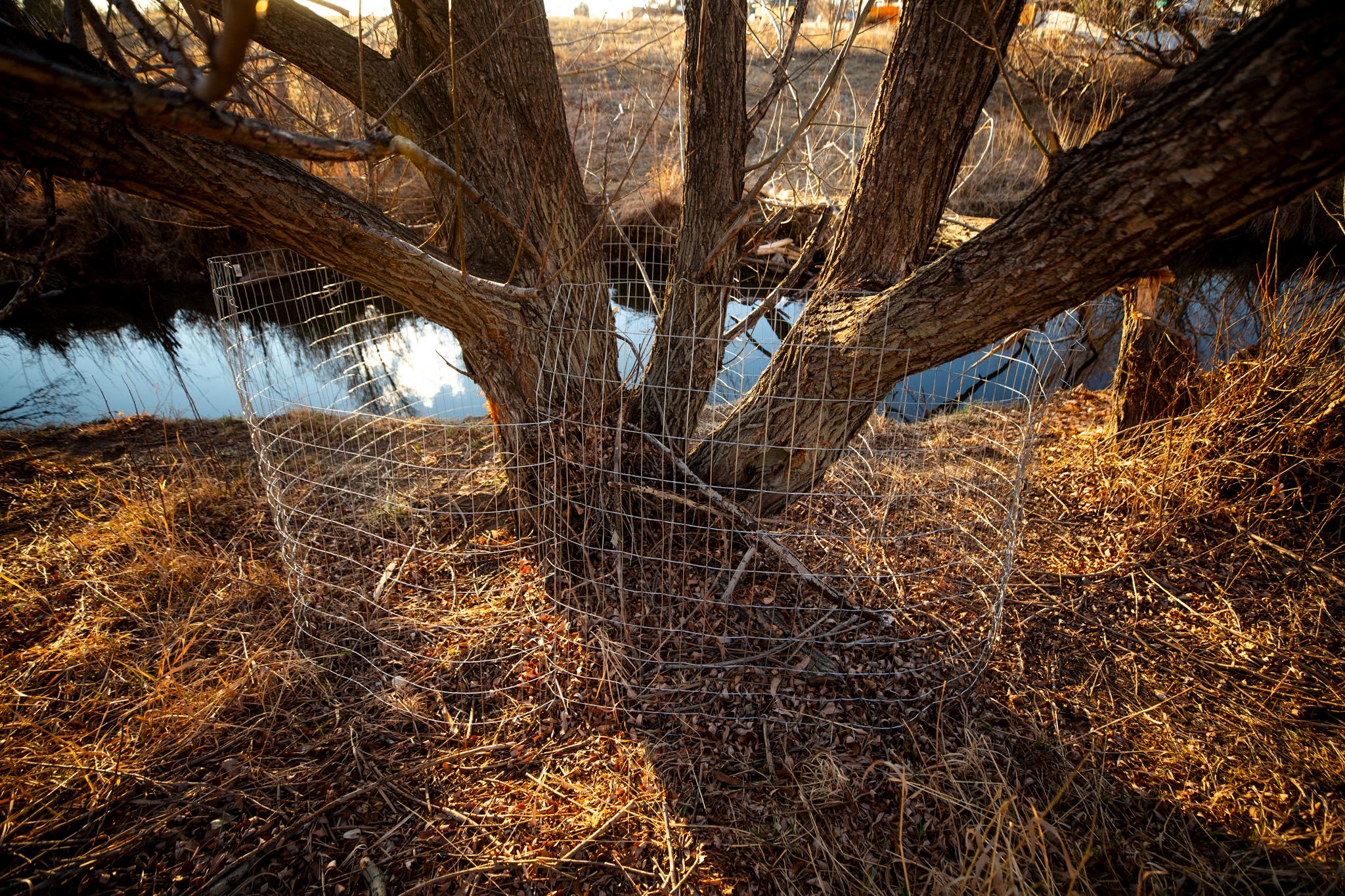
And even if the current solutions don’t work out, the most extreme solution — beaver relocation — isn’t really something Denver officials like to consider.
“It can be bad for the beaver, and it could be bad for the receiving party who is taking another beaver, but our primary goal is to help people coexist with wildlife,” Vargas-Madrid said.
The state has new guidelines on beaver management.
Vargas-Madrid said beavers are a “hot topic” in the state of Colorado. While state wildlife officials are expanding efforts to protect them, lawmakers haven’t yet decided whether they will step in with even greater protections for the keystone species.
Colorado Parks and Wildlife has published a new conservation and management plan for beavers, establishing a statewide framework for dealing with the large rodent.
The new plan responded to a call from conservationists and state officials for a “more proactive and coordinated approach to beaver conservation and management.” It also aims to increase beaver populations across the state and maintain their habitats.
“The reduction of beaver and beaver wetlands on the landscape has resulted in losses of ecological function in Colorado’s watersheds, with negative ramifications for our people and ecosystems,” the report said.
While the management plan calls for the standardization of a relocation strategy, it places high thresholds before that can happen. It would require approval from numerous CPW staff and developing a relocation permit.
Meanwhile, state lawmakers are also debating how to protect beavers. One bill introduced this session would ban the killing of beavers on Colorado public lands, a concept that hunting and trapping advocates have opposed.