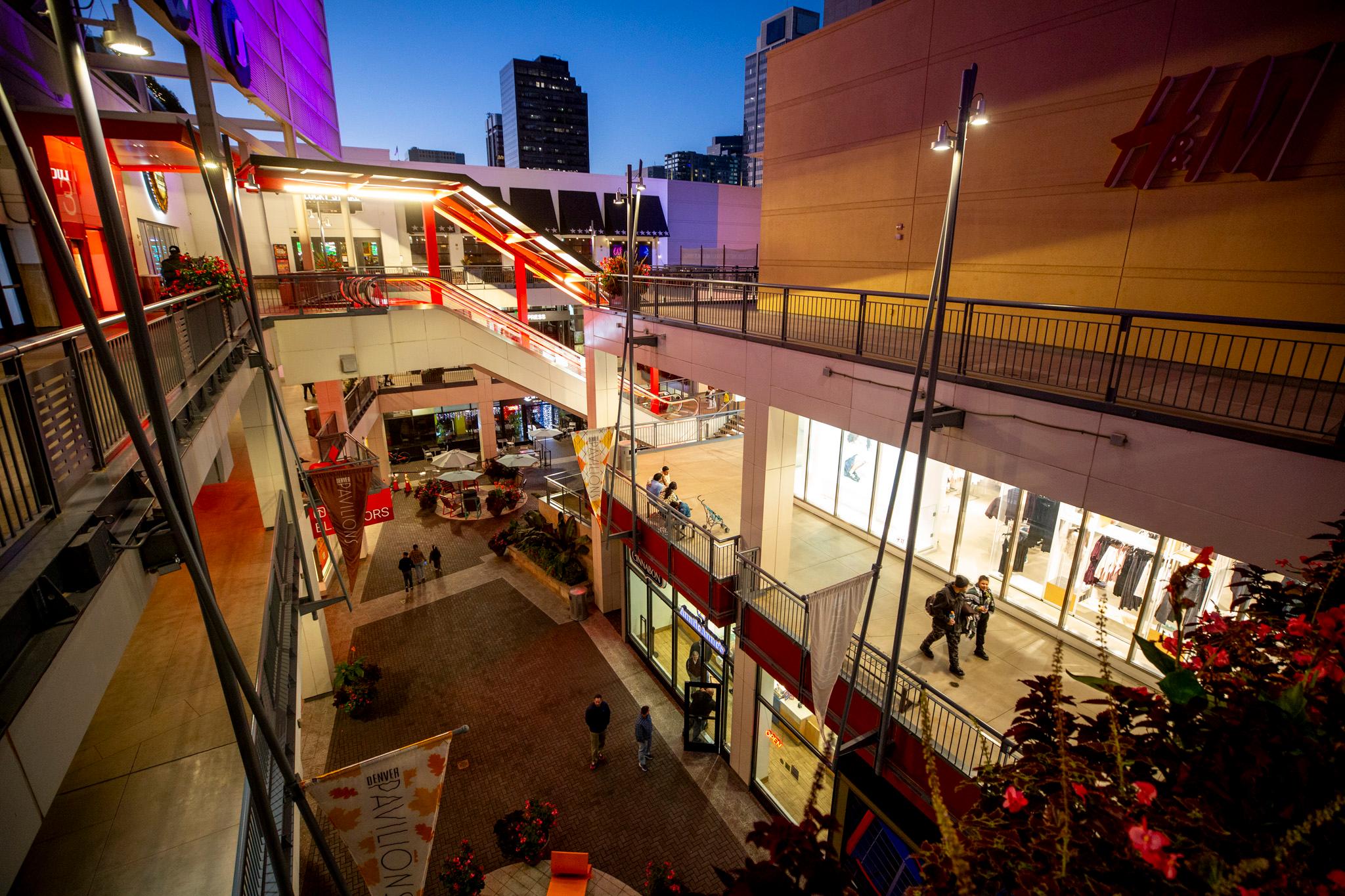
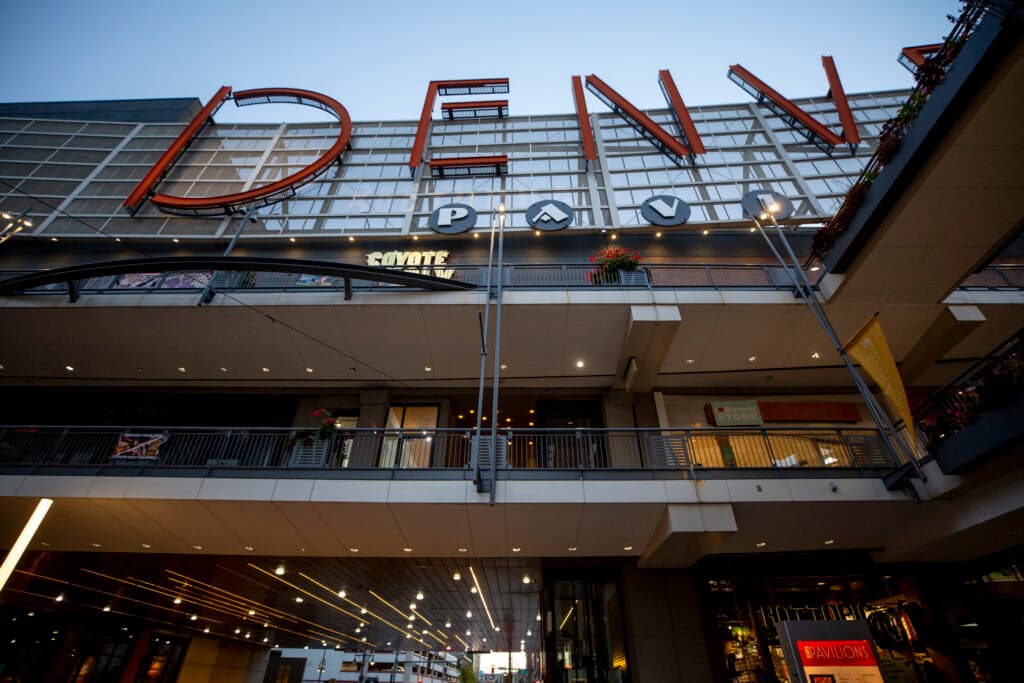
The parking lots by the Denver Pavilions could become a public plaza that anchors renewed retail and over 1,000 units of housing.
That’s the vision proposed for the struggling mall by a panel of experts on Friday, anyway.
The study on the future of the Denver Pavilions was funded by the Denver Downtown Development Authority, a voter-approved quasi-governmental entity that spends tax dollars on downtown projects.
DDDA’s largest investment to date has been the purchase of the Pavilions for $45 million in December. The initial price was quoted at $37 million, but an extra $8 million was paid for operations and maintenance. DDDA also purchased the adjacent parking lots for $23 million.
Once the crown jewel of a bustling 16th Street Mall, the mall has struggled to rebound from COVID and the years-long construction project on the street.
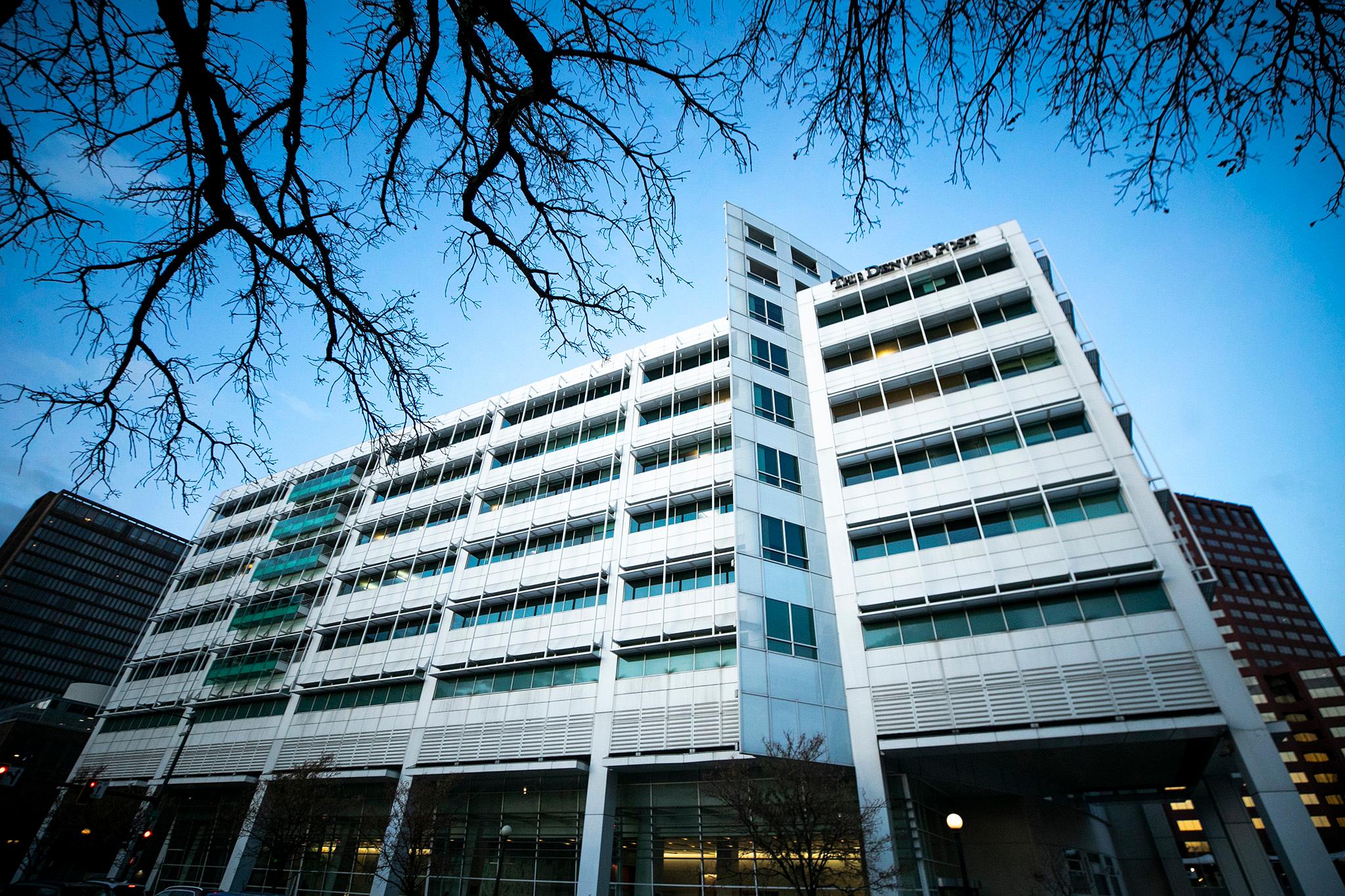
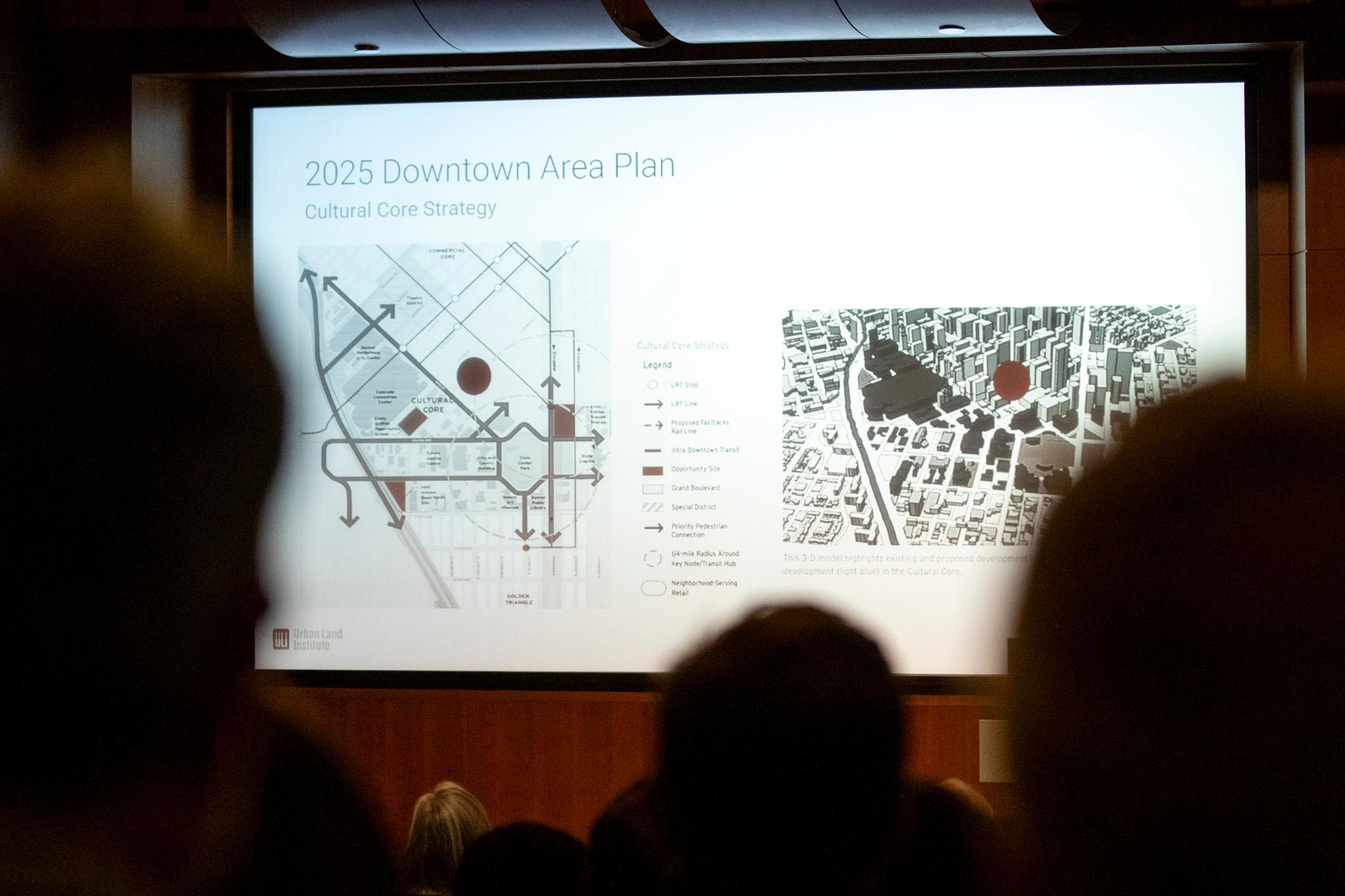
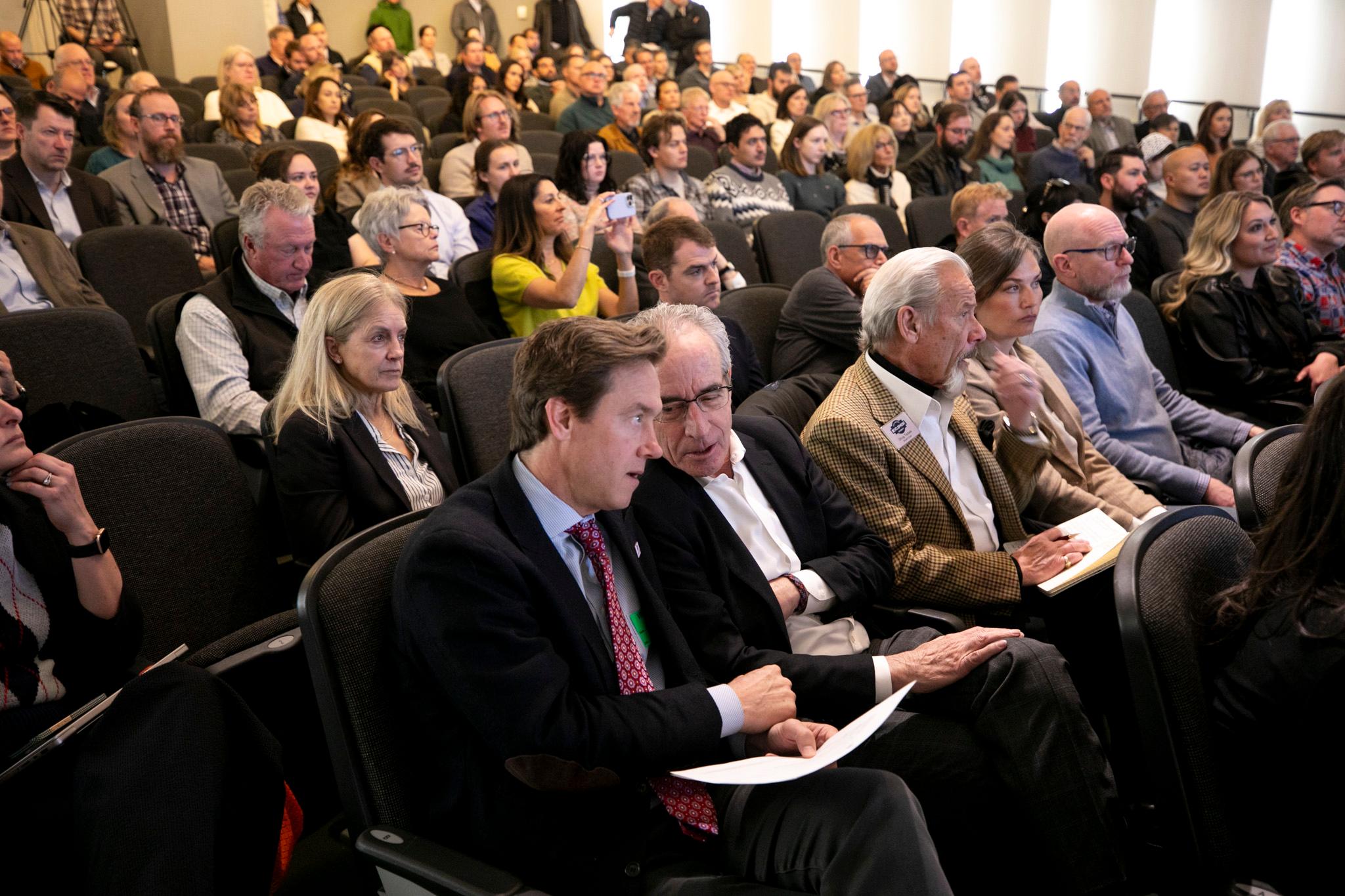
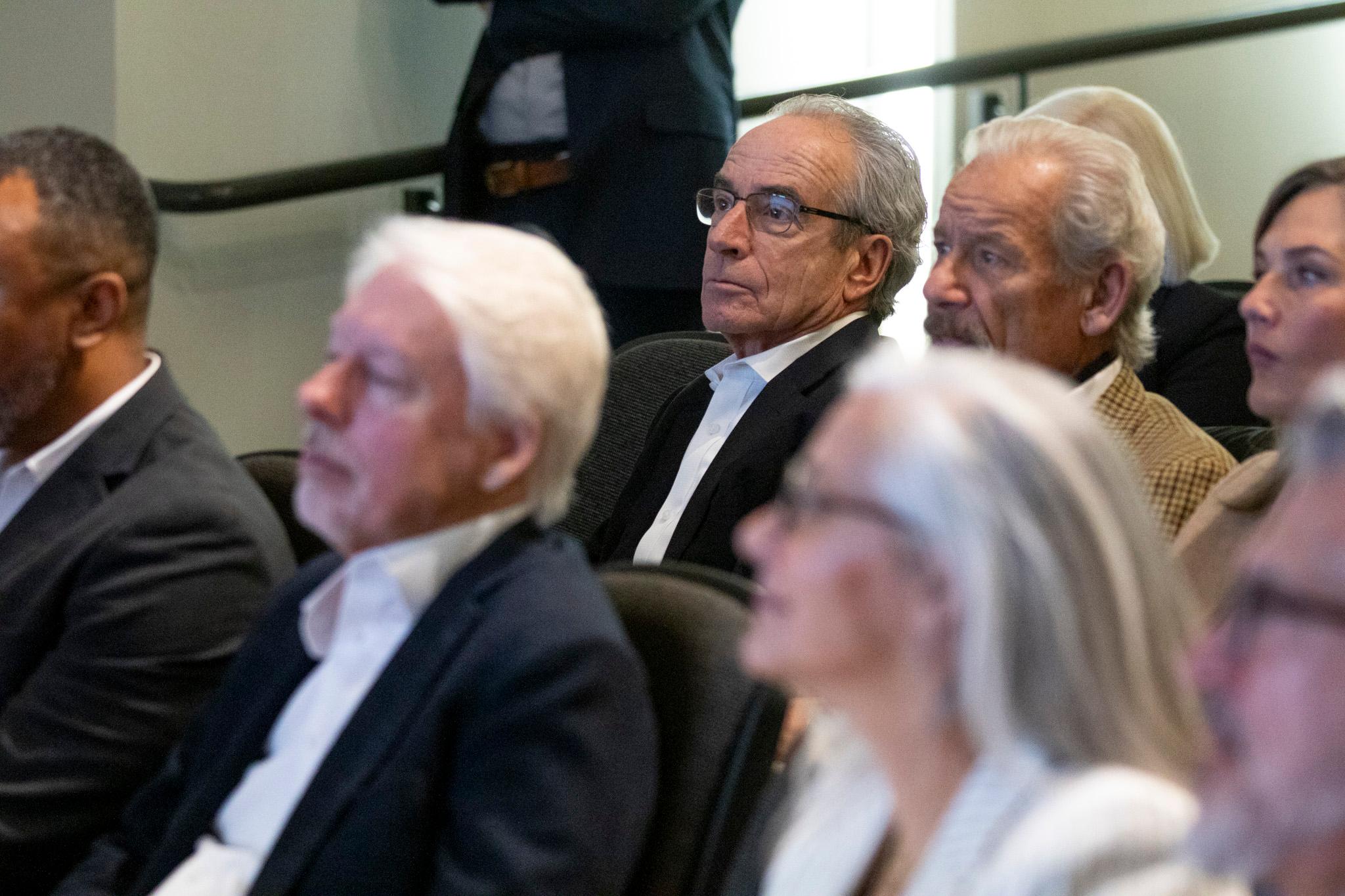
The 10-person panel met over the course of a week and presented its initial findings on Friday at the Denver Post building auditorium.
The takeaway: Let the Pavilions be reborn.
The Urban Land Institute, a national real estate and land use consulting firm, is carrying out the early planning for the project.
While the Pavilions once was a prime piece of retail space in Denver, attention has since shifted to places like Cherry Creek, the River North Arts District, and South Broadway.
Popular stores like Uniqlo, Banana Republic, Victoria’s Secret and more have left the multi-story urban mall. Today, only a handful of storefronts — a hodgepodge including souvenir shops, a bowling rink, and a theater — remains.
Members of the panel had one major takeaway.
“Close this chapter and start the next,” said Kristen Morris, the president of Atlanta-based developer Morris & Fellows.
The panel recommended that the future of the Pavilions focuses on residences and open space. In the proposal, the parking lots behind the mall on 15th Street would be turned into a public plaza, with the cinema building being retained for retail, restaurants and performance space.
Additionally, the panel recommended building two residential towers with approximately 1,200 units total. With office vacancy remaining relatively high across the city, experts said that downtown residents — not commuting employees — are more likely to be the catalyst for downtown’s reemergence.
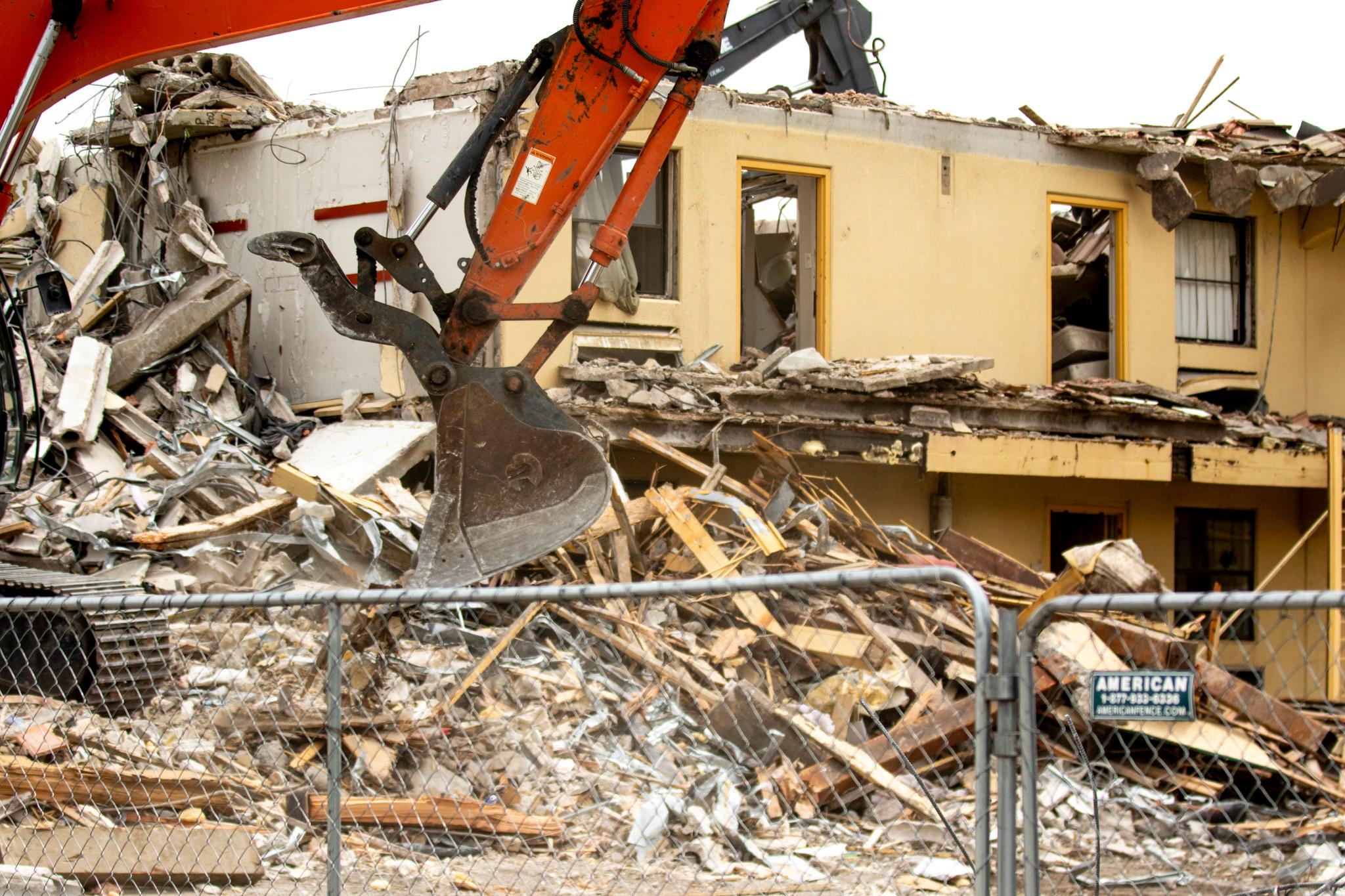
The panel recommended demolishing other parts of the mall.
In total, the panel estimated building the plaza, the two residential towers and other improvements could cost between $500 million to $615 million.
Experts pointed at other plaza-centered redevelopments across the country as examples of what Denver should pursue. Those examples included Cincinnati’s Fountain Square and midtown Manhattan’s Bryant Park.
The panel also weighed options like a flagship convention hotel, but ultimately concluded that it was too expensive and not the best use of DDDA funds at the time.
What’s next for the Pavilions?
The Urban Land Institute’s full report is expected to be published and delivered to the city in the next two months.
While they’re not binding recommendations, Denver Department of Finance spokesperson Laura Swartz said the report will be “invaluable to the city and DDDA.”
Mayor Mike Johnston spoke briefly at Friday’s presentation and praised what he saw.
“This is a really powerful sentence starter for us to think about what the opportunities are here and how we can carry forward,” he said.
Swartz said that once the report is delivered, DDDA will use it to evaluate next steps for the redevelopment of the Pavilions.
One thing that hasn’t been decided is which entity will steward the Pavilions’ future. The panel recommended a public-private partnership, with the Downtown Denver Partnership taking the reins for its redevelopment, operations and programming.
If the city opts for that route, Denver City Council would largely be hands-off after approving a master plan agreement.