Spring cleaning brought an unpleasant surprise: Somebody had eaten several pounds of grass seed in my garage.
Somebody had made a lot of little poops.
Pestilence requires action, so I set to work with my mini shop-vac. After I was all done, naturally, I looked up the proper way to clean rodent messes.
Oops.
I had just risked exposure to hantavirus — the family of viruses that is connected to three recent deaths on a cruise ship and the earlier death of Betsy Arakawa, wife of Gene Hackman, who died of a separate illness.
As I learned, Colorado is the second most common state for hantavirus cases, and it’s spread here by deer mice. Hantavirus cases are extraordinarily rare — just 121 cases in this state over 30 years — but it is also extraordinarily dangerous, killing in 35% of cases nationwide, per the Centers for Disease Control.
Uncannily, the median victim is a 38-year-old guy. That’s me. It has been a few weeks and I seem to be fine, but I want to share what I learned.
What did I do wrong?
Well, if that waste pile was infected, my shop-vac gave a turbo-powered assist to a virus that likes to spread through the air. In an enclosed space. With no mask. (Again, oops.)
Here’s how to properly clean rodent waste, according to the CDC and other sources:
- Put on a high-grade mask or respirator and disposable gloves.
- Ventilate the space.
- Wet down the droppings and waste with a household disinfectant spray — it should say “disinfectant” on the label. Or make a solution with 1.5 cups of bleach per gallon of water.
- Let the disinfectant soak in and make the droppings and urine “very wet.”
- Use paper towels to wipe up the waste and put it in a garbage bag. Get rid of it soon.
- Mop or sponge the area with disinfectant.
- Wash your hands while still wearing the gloves with soap and water or a disinfectant, then remove the gloves and wash your hands with soap and warm water.
The big idea, besides protective gear, is to disinfect and dampen the waste. You want to kill the virus and keep it from going airborne.
Don’t use a vacuum, and don't sweep it up.
If you’re not comfortable cleaning it up, call a professional. And be sure to deal with that rodent infestation, which is a whole different problem. (Briefly: Set traps; wait until you’re free of activity and poops for at least three days; and then plug up their entry holes. Consider stuffing the holes with steel wool and then spraying them with an expanding anti-pest foam like Great Stuff Pestblock.)
How common is hantavirus in Colorado?
It’s more common than 48 other states, but it’s still very rare. As mentioned above, the state saw 121 cases in total from 1993 to 2023.
Weld County, northeast of Denver, has seen the most cases, while Denver and its neighbors are in the lower tiers.
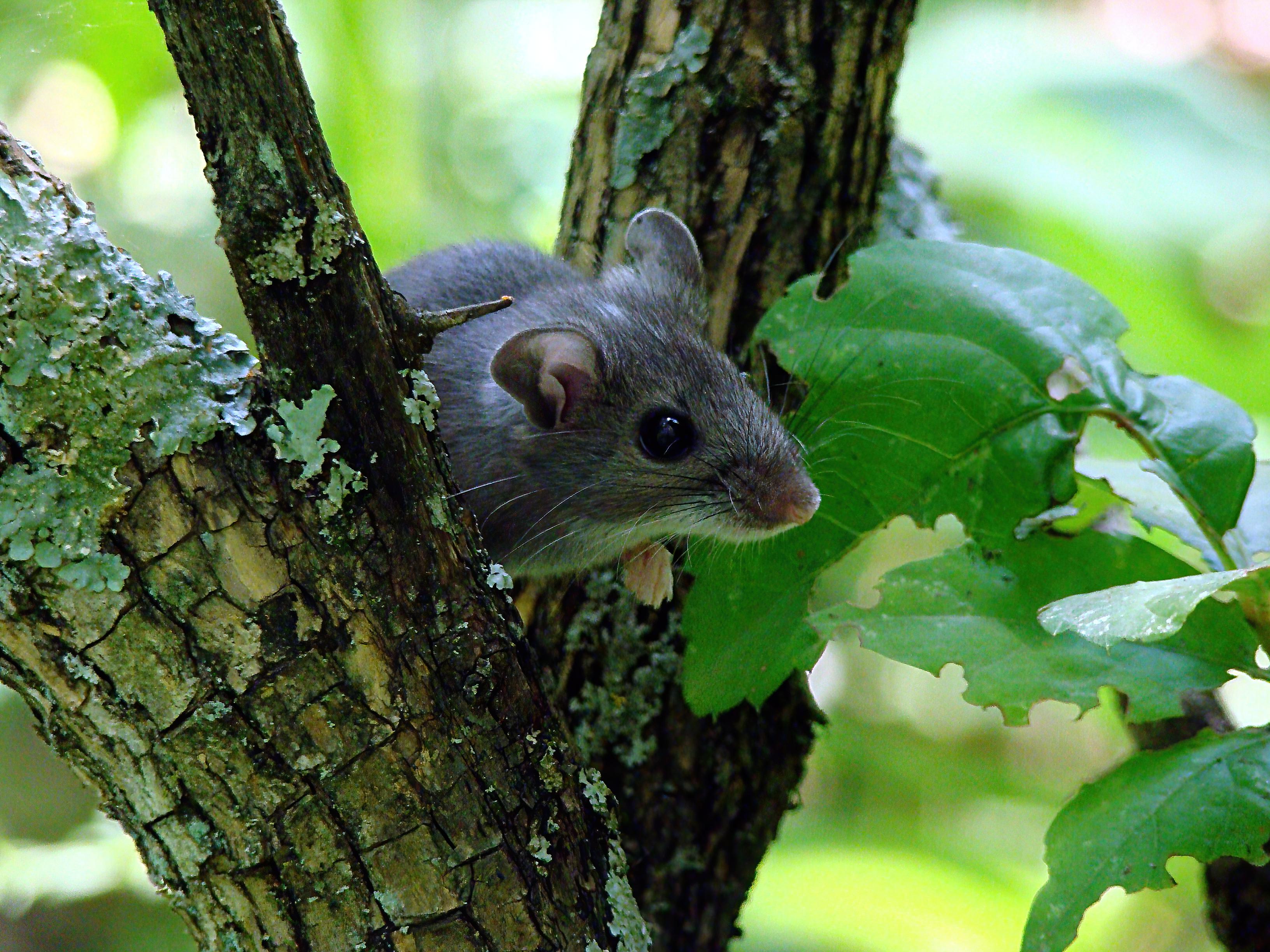
Deer mice, the most common carrier of the virus here, can be found throughout the state.
Deer mice are about 3 to 4 inches long in the body, not including the tail. They have white feet and they’re brown on top, often with white bellies. Their tails are sometimes as long as their heads and body. They have larger eyes and ears than house mice. (That’s all according to the Internet Center for Wildlife Damage Management.)
Colorado health officials are most concerned with the hantavirus known as the Sin Nombre virus (or without name.)
What are the symptoms of hantavirus?
Hantavirus Pulmonary Syndrome (HPS) usually begins to show up one to eight weeks after infection.
Early symptoms can include fatigue, fever and muscle aches, especially in the thighs, hips, back or shoulders.
It often comes with headaches, dizziness, chills and abdominal pains.
Several days later, symptoms like coughing, shortness of breath, tightness in the chest and fluid in the lungs can begin. HPS is caused by the Sin Nombre hantavirus that is of greatest concern in Colorado.
What is the treatment for hantavirus?
There is “no specific treatment for hantavirus infection,” according to the CDC. Patients who believe they’re infected should seek immediate medical care, including rest, hydration and treatment for symptoms.