By Cassis Tingley for Denverite
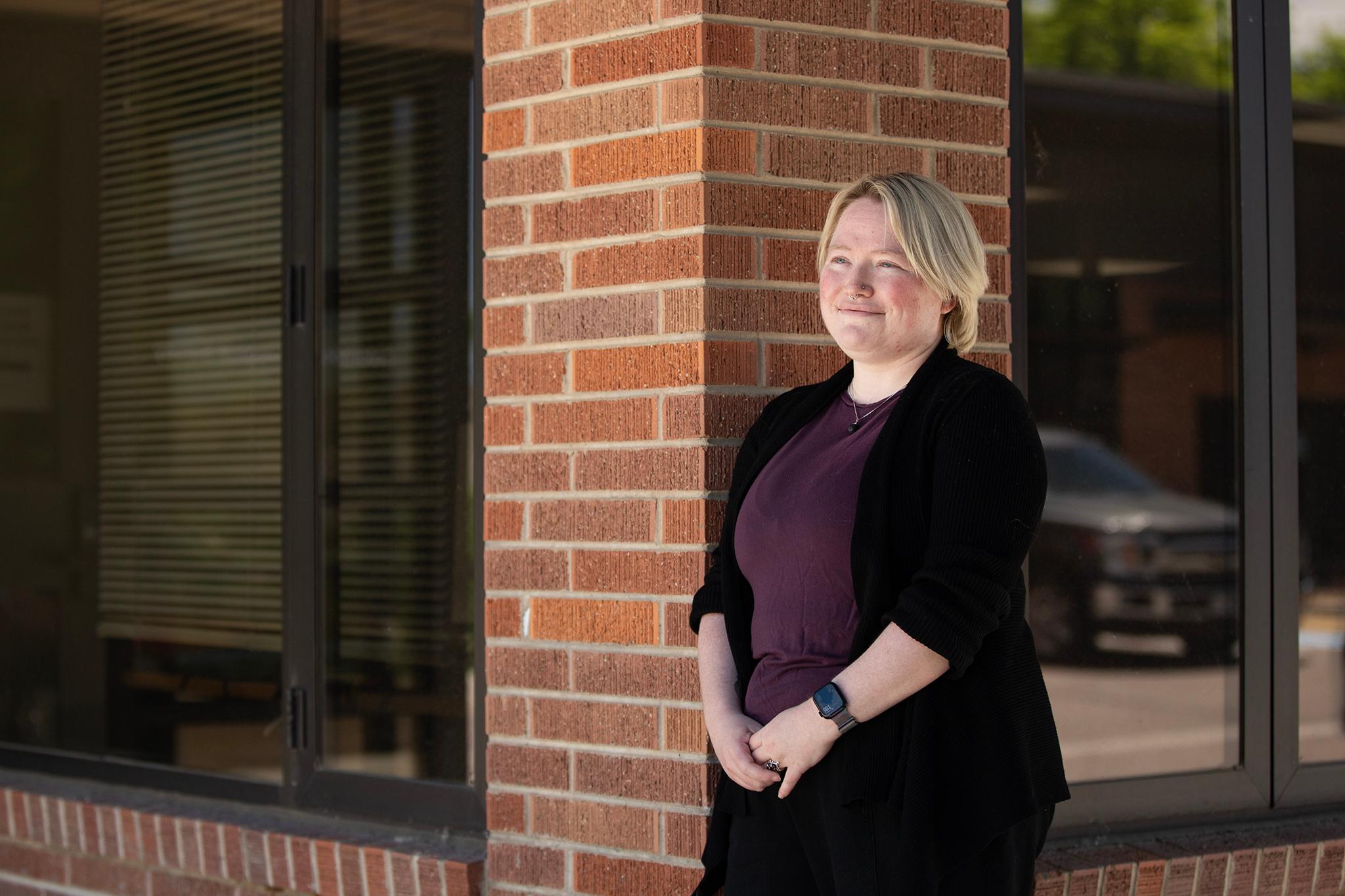
It was Kaitlin Mazotti’s second day as a gun owner.
Her firearm of choice? A Canik TTI Combat pistol.
“Easier to have, I feel like,” Mazotti said of the handgun. “I can kind of ignore the fact that I have a little pistol.”
Mazotti was breaking in her new weapon at an event hosted by the Denver chapter of the Pink Pistols, an activist organization that advocates for LGBTQ gun ownership and self-defense. She is one of a slew of members who have joined in recent months, part of a broader wave of interest in gun ownership among residents of left-leaning cities.
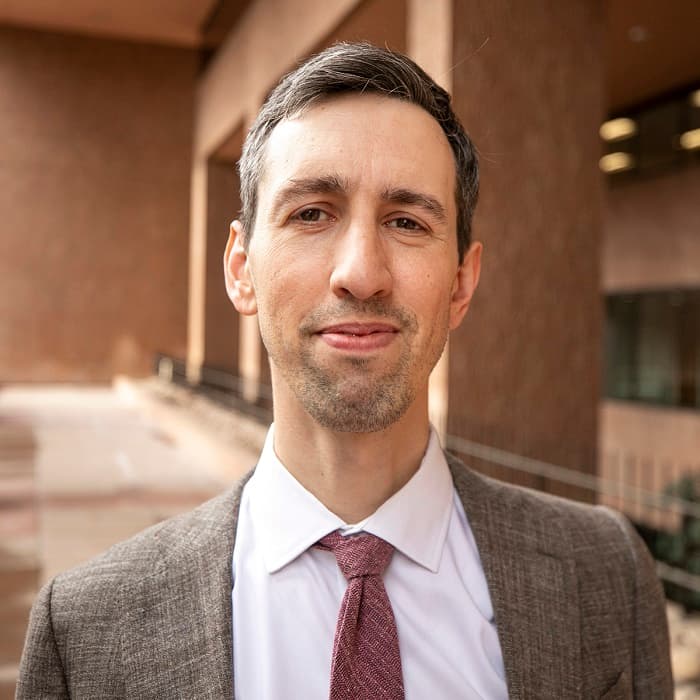
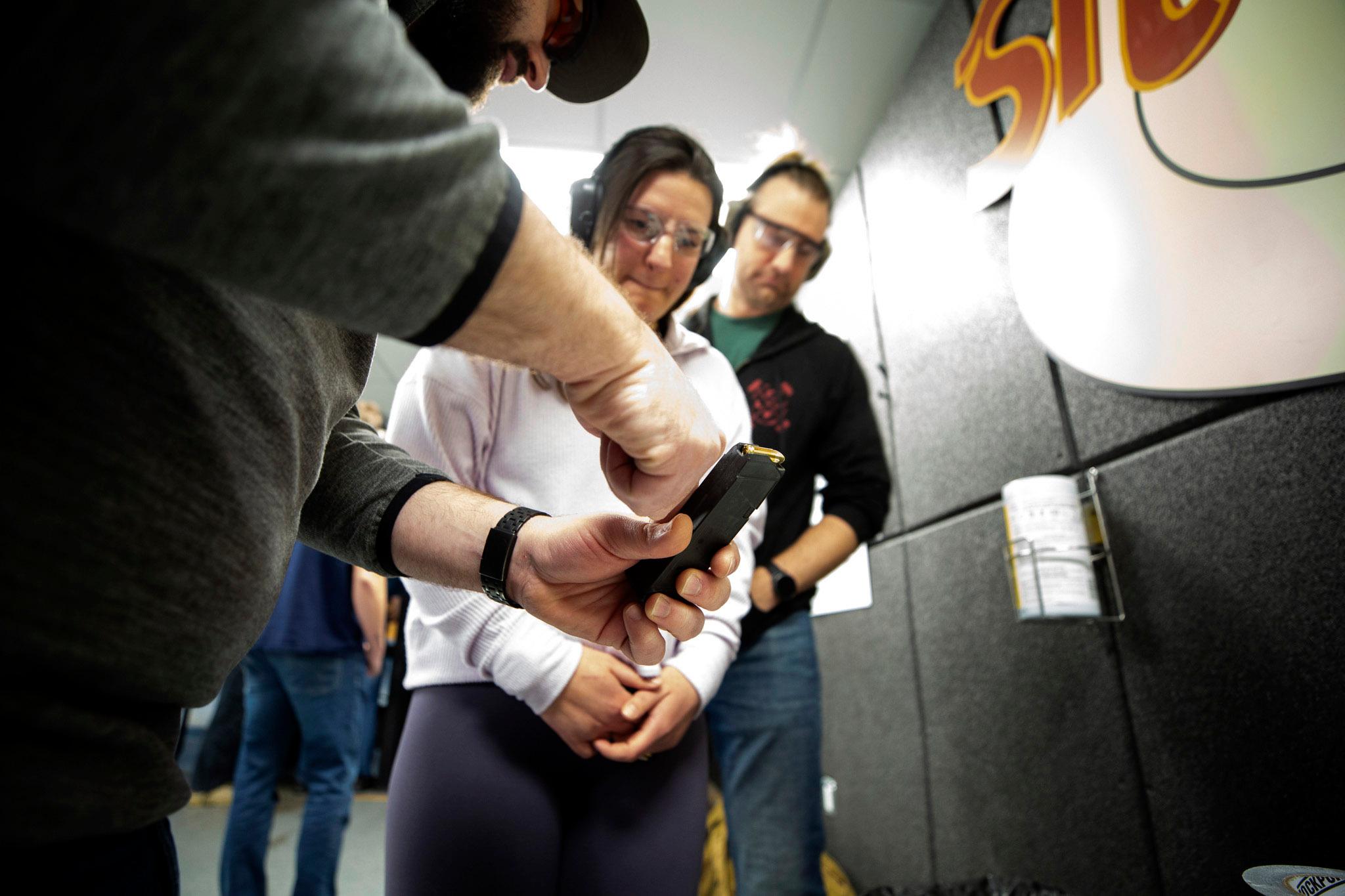
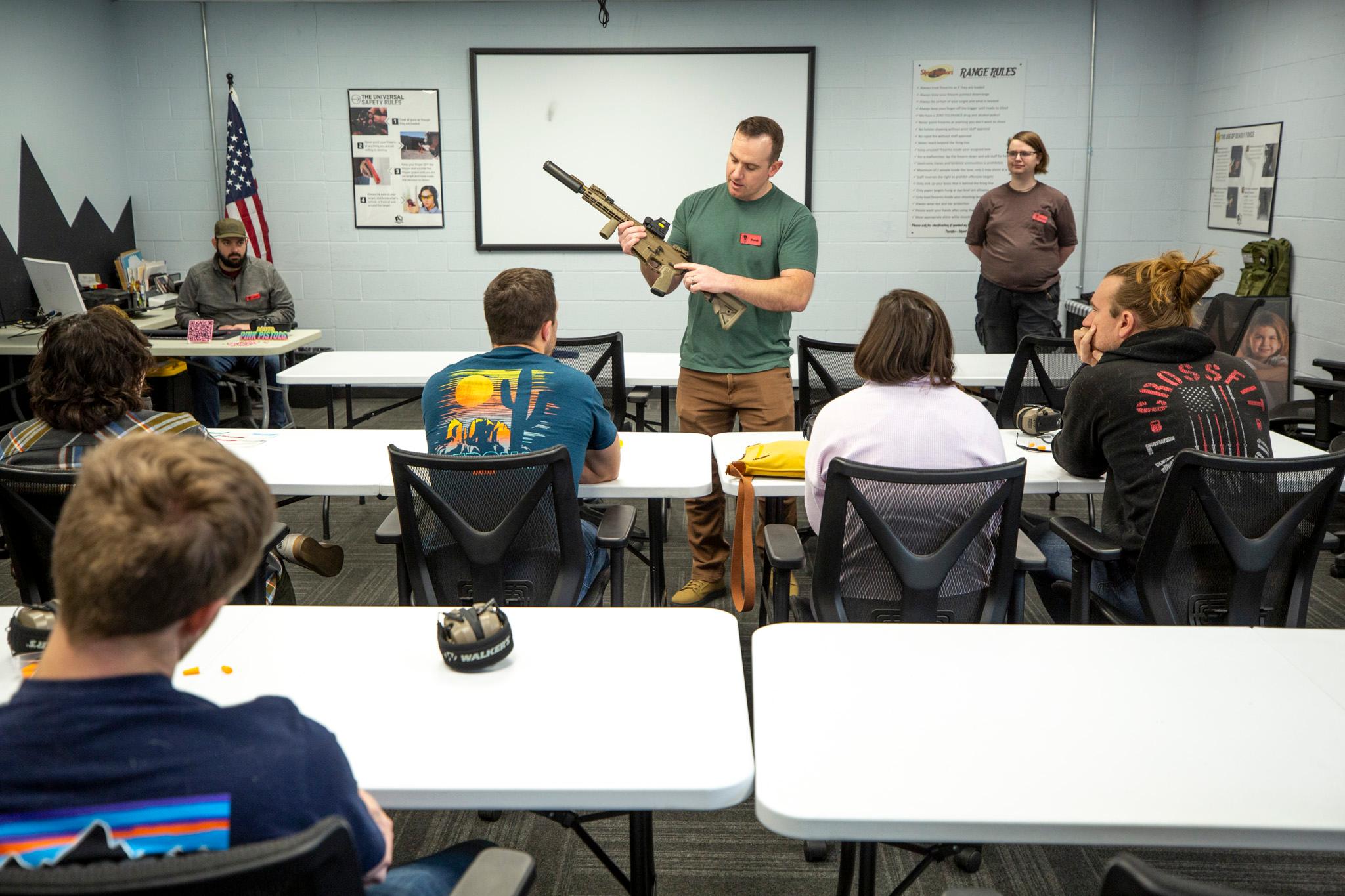
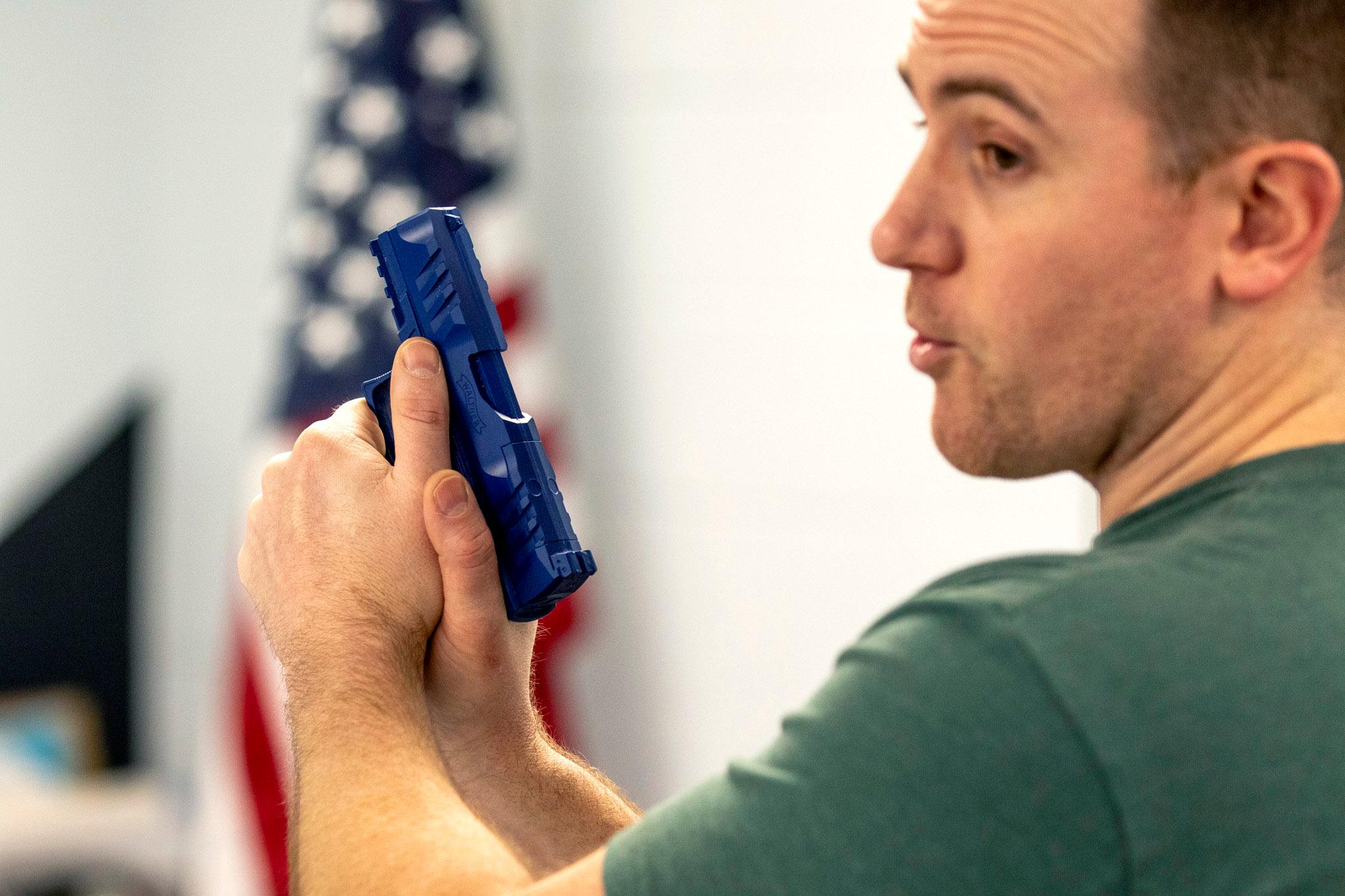
The session, which hosted both queer shooters and allies, kicked off in the classroom, where local Pink Pistols organizer Derek Rogers explained the basics — “Please, don’t point them at us”— and walked the class through the different parts of a firearm, first on a replica and then using the real deal.
Mazotti, who is queer, is fearful of mass shootings. She’s worried about government violence. And she’s lost faith that the U.S. will ever pass gun control laws.
So, she decided that learning to use a gun herself was the next best thing.
“Considering everyone has guns,” she said. “I don’t think pepper spray would scare people away.”
That’s common across the membership of Pink Pistols, whose local reach has doubled in the past few years.
“There are a lot of people that legitimately feel like they, ideologically, would have never been a gun owner and were very much anti-gun,” Rogers said. “(They) have come to events and said, ‘I want to do this, but I'm nervous for what it means,’ and they're also nervous about how they might be identified.”
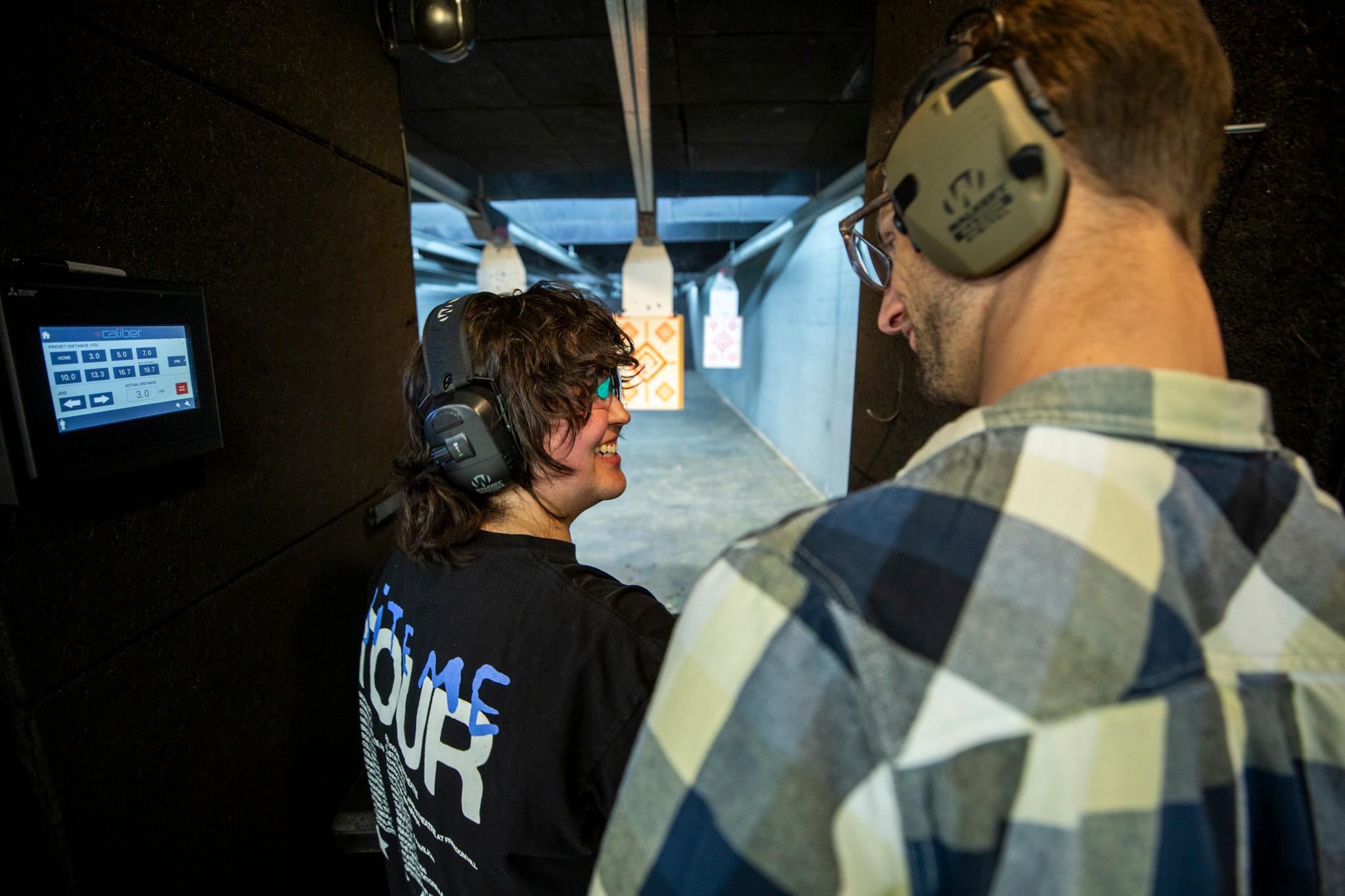
At the Sunday morning shooting session, Rogers assured participants they could step out if they felt overwhelmed — but no one seemed to mind the gunfire cracking in the background. Even Mazotti, who used to feel “shaky” around guns, was at ease. The coaching at Pink Pistols, she said, has helped a lot.
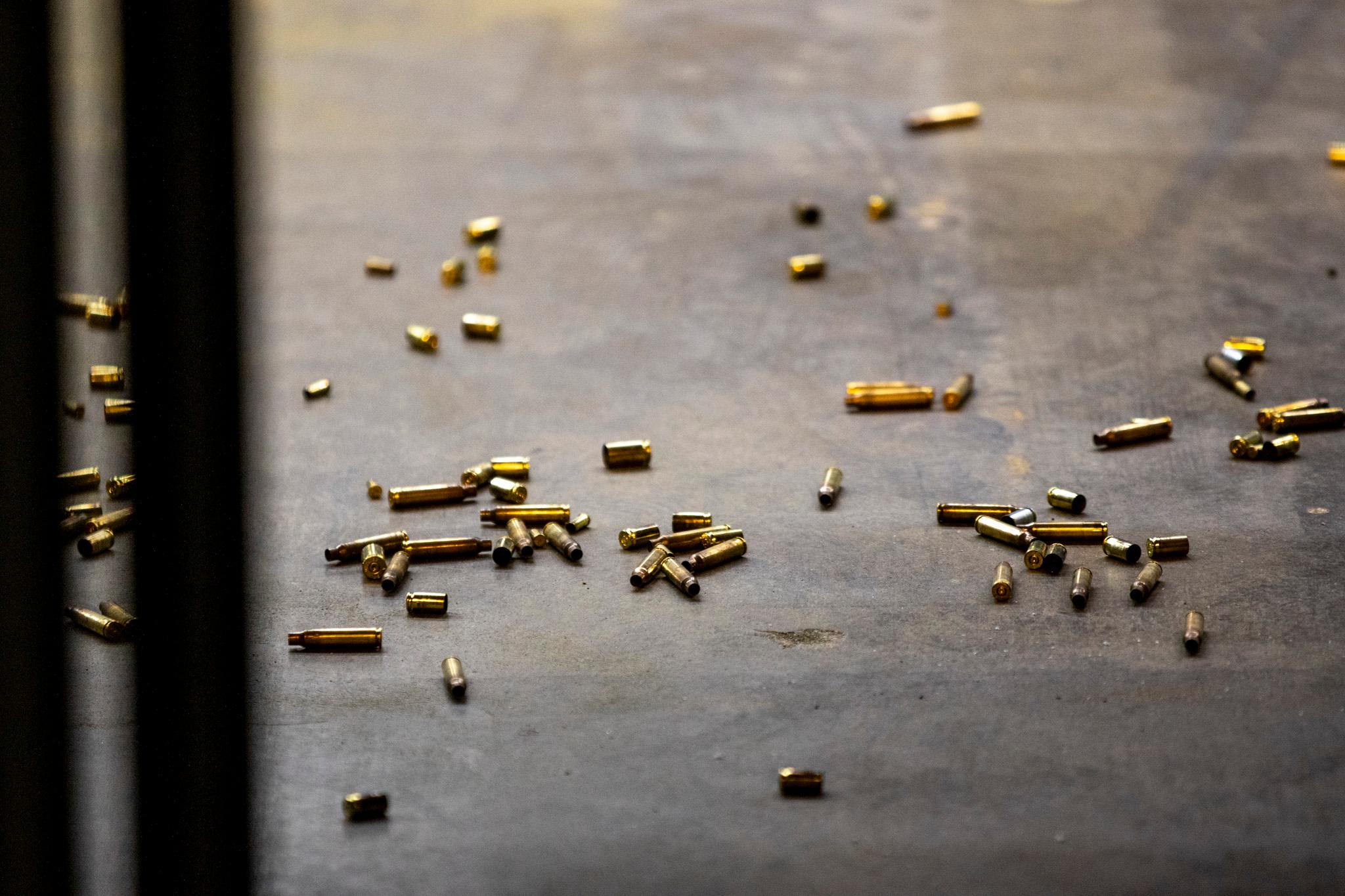
A small queue began forming behind the two lanes reserved for the group, and participants took turns loading the assorted handguns and rifles and blasting tiny holes in the targets down-range.
“Hunting paper and steel,” coach Michelle Eggleston called it later on.
'I get more members as the news gets worse'
Founded in 2000 to advocate for queer gun ownership and self-defense, Pink Pistols is a single-issue activist organization with 49 active local chapters across the U.S., including groups in Fort Collins, Colorado Springs and Denver.
The Denver branch offers new shooter days, range days for more experienced shooters, and social events. Though the Pink Pistols is volunteer-run, participants must pitch $5 towards targets and ammo for the group and cover their own range and rental fees.
About 25 new people have come out to new shooter events each month this year. That’s up from about 10 new faces a month last year, and just a couple newcomers per month in 2024. Rogers, the chapter’s lead organizer, has mixed feelings about the surge in popularity.
“That's exciting, but on the other hand, what does that mean?” Rogers said, sounding less than enthusiastic.
Many progressive-leaning Americans have been considering gun ownership in a new light over the past few years, with mounting interest among groups including women, people of color and liberals during the pandemic and after the 2024 election of President Donald Trump.
That’s a hard pivot against age-old calls from Democrats for stricter gun control, which are grounded in research linking firearm ownership and access to greater violence.
Some are reacting to the Trump administration’s immigration crackdown, including the brutal detention of immigrants and the killing of immigrants and U.S. citizens like Alex Pretti, a protester who was legally carrying a gun when he was shot to death by federal agents in Minneapolis on Jan. 24. Others are worried that political rhetoric against queer people and other groups could fuel political violence.
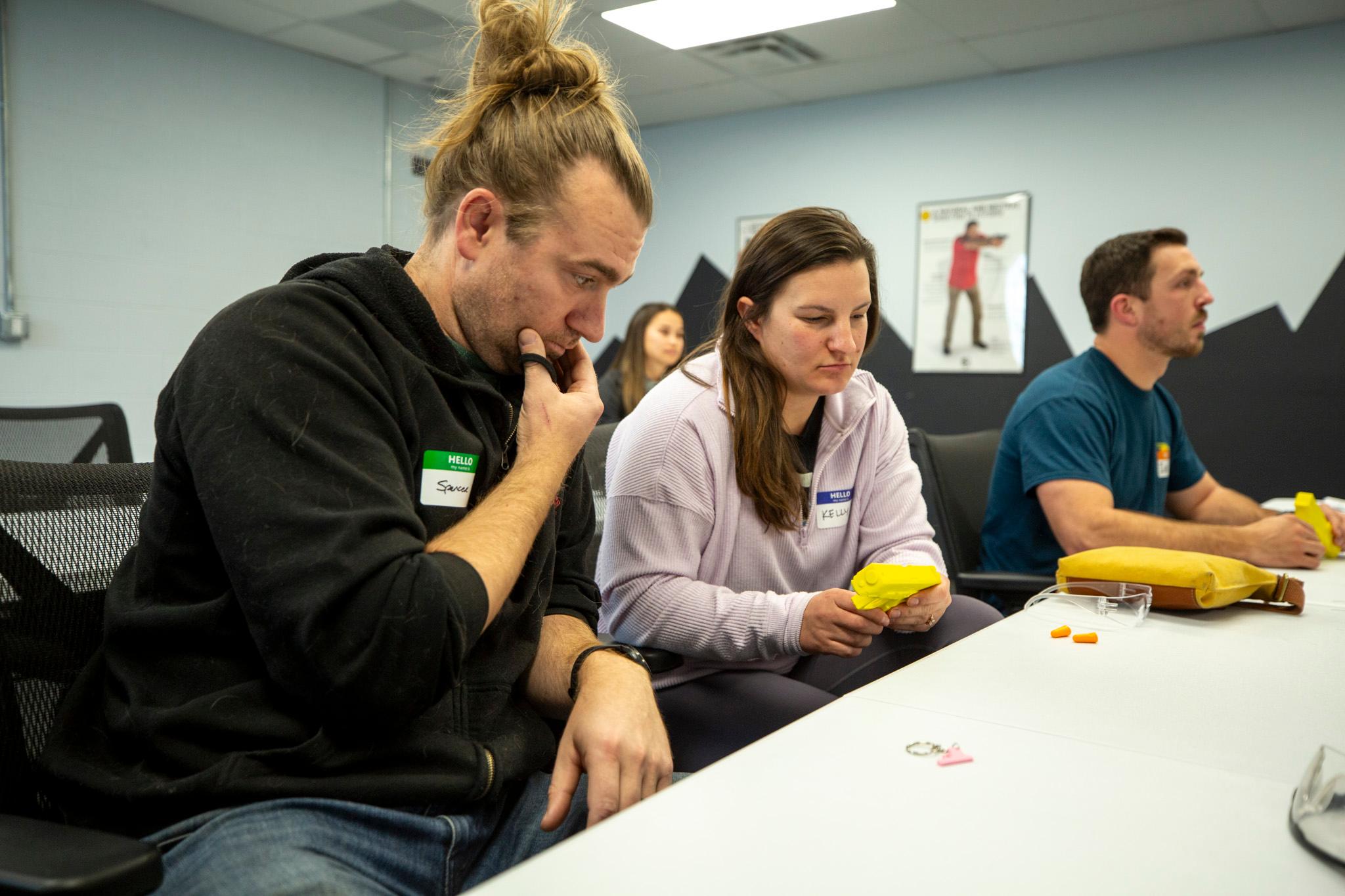
“I get more members as the news gets worse. There are quite a few people that are coming to, I'm hesitant to say it's a realization, but (are) now in the mindset of, ‘If something were to happen, at a bare minimum, I would need to take care of it myself,’” Rogers said.
Gun ranges from Los Angeles to Minneapolis have reported rising interest among left-leaning Americans since Pretti’s killing, and gun sales in Minnesota increased by 4% in February compared to the year before, according to national background check data.
'Lots of people are starting to recognize that we have to keep ourselves safe'
In Colorado, the jump in local interest hasn’t shown up in the statistics.
Statewide, the state actually saw a reduction in background checks for gun purchases in 2025 — but it’s difficult to determine the trend in areas like Denver. State officials said they could not provide data on a county-by-county basis, and several public health researchers told Denverite they had struggled to find such information.
Still, local firearms instructor Carynn Rudolf has felt the effects. Rudolph, who is Black and queer, founded Goliath Tactical Firearms Training after a decade of working in social services. She hopes to provide gun education to people “traditionally left out of the safety space,” namely Black Americans, the queer and trans community, and other marginalized groups.
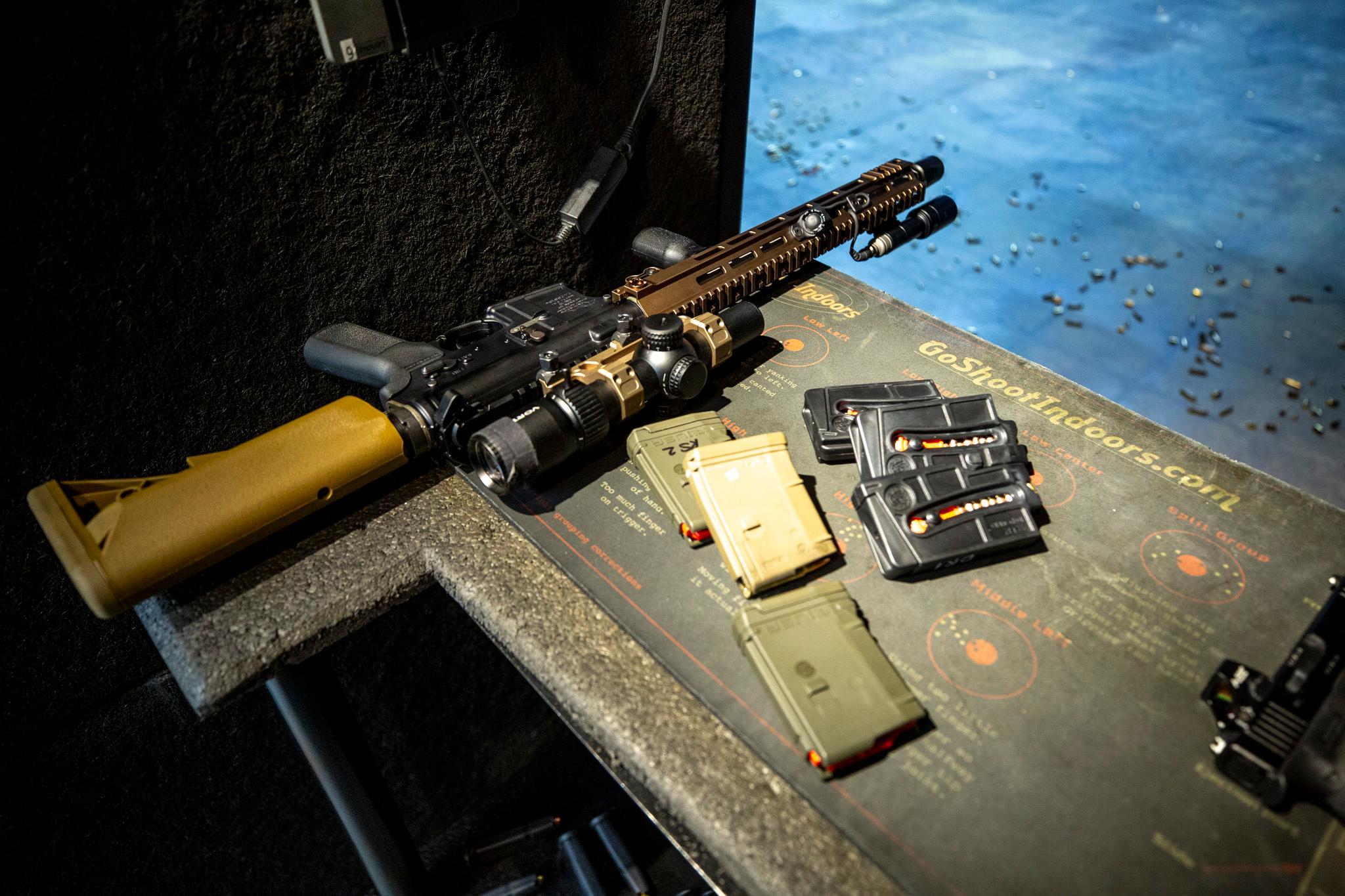
While Goliath’s enrollment hasn’t changed much, Rudolph says more of her students are reacting to political violence.
“Folks are maybe feeling less heard or supported by their government. That's one of the reasons why people are coming to take classes like this one, you know?” Rudolph said. “What I'm seeing now, though, is people from across political backgrounds who are wanting more practical safety skills — not like ideology, but practical preparation. I think that lots of people are starting to recognize that we have to keep ourselves safe.”
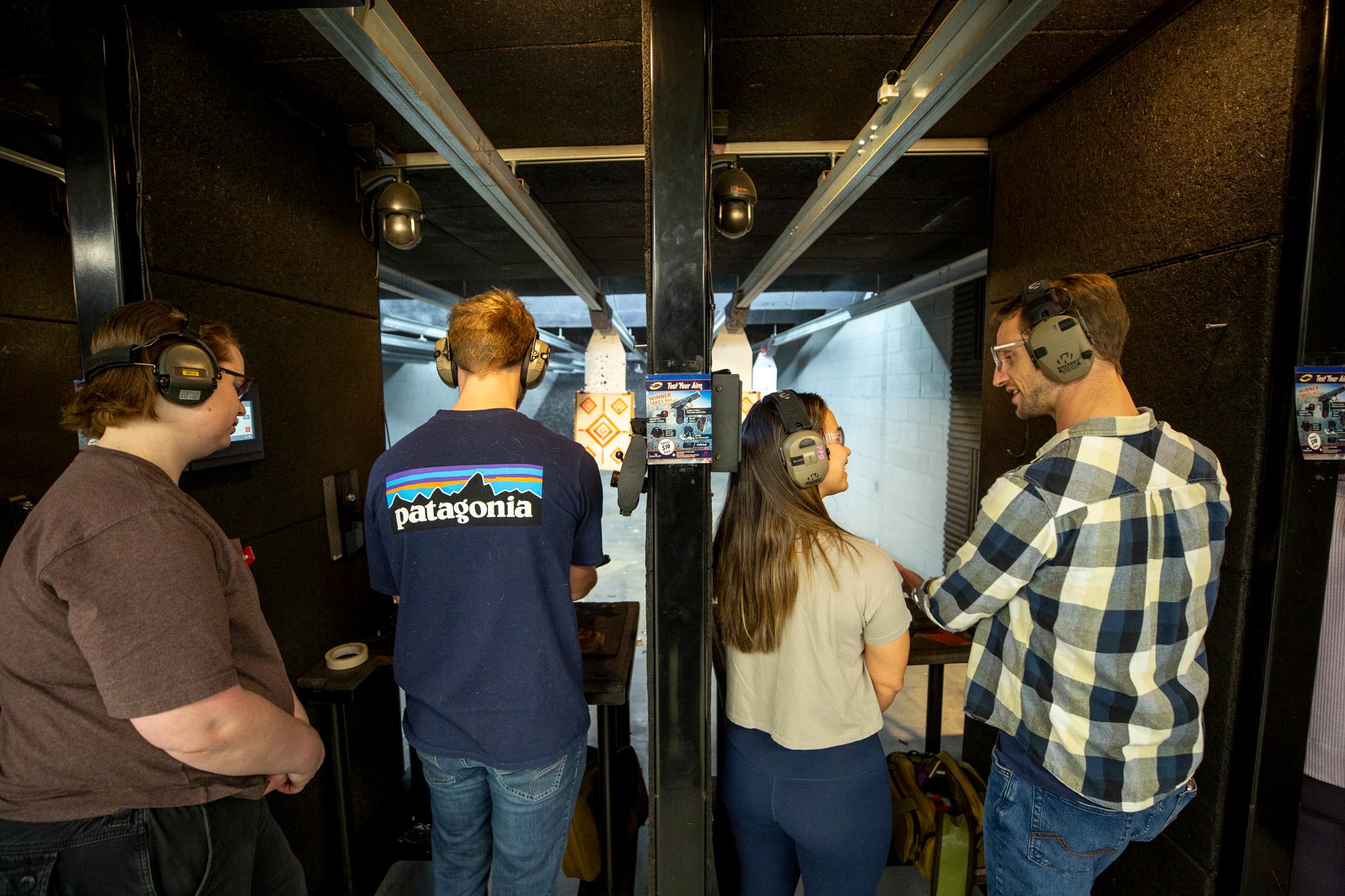
Eggleston, the Pink Pistols instructor, said she bought her first gun in 2024. She was motivated by the hate-fueled shooting at Club Q in Colorado Springs, which killed five and injured 25, and by rising anti-trans rhetoric which made her feel increasingly unsafe. Today, she’s coaching beginner shooters and owns six guns.
“I feel like it's a service to the queer community,” she said. “If there are a bunch of queer people who think that learning how to shoot a gun, maybe owning a gun or taking advantage of the Second Amendment is important to them, it feels important to meet that demand.”
New gun owners don't always feel welcome by the old guard
U.S. gun owners tend to be white, conservative and male, polling shows. Rogers, who is white, a veteran and identifies as straight, noted that the “toxic” culture he found in other shooting spaces pushed him to seek out Pink Pistols — and he said his experiences with Pink Pistols have reinforced that decision.
“We get a lot of ranges who I contact and say, ‘Hey, we would love to host an event here at your facility,’ and (they say), ‘Absolutely not. No. No interest in aligning with you,'” Rogers said.
The most extreme reaction he’s gotten was from Centennial Gun Club, he said, where staffers “flat out told us we were by no means welcome there and that we ‘Should probably get the [expletive] off the property.’”
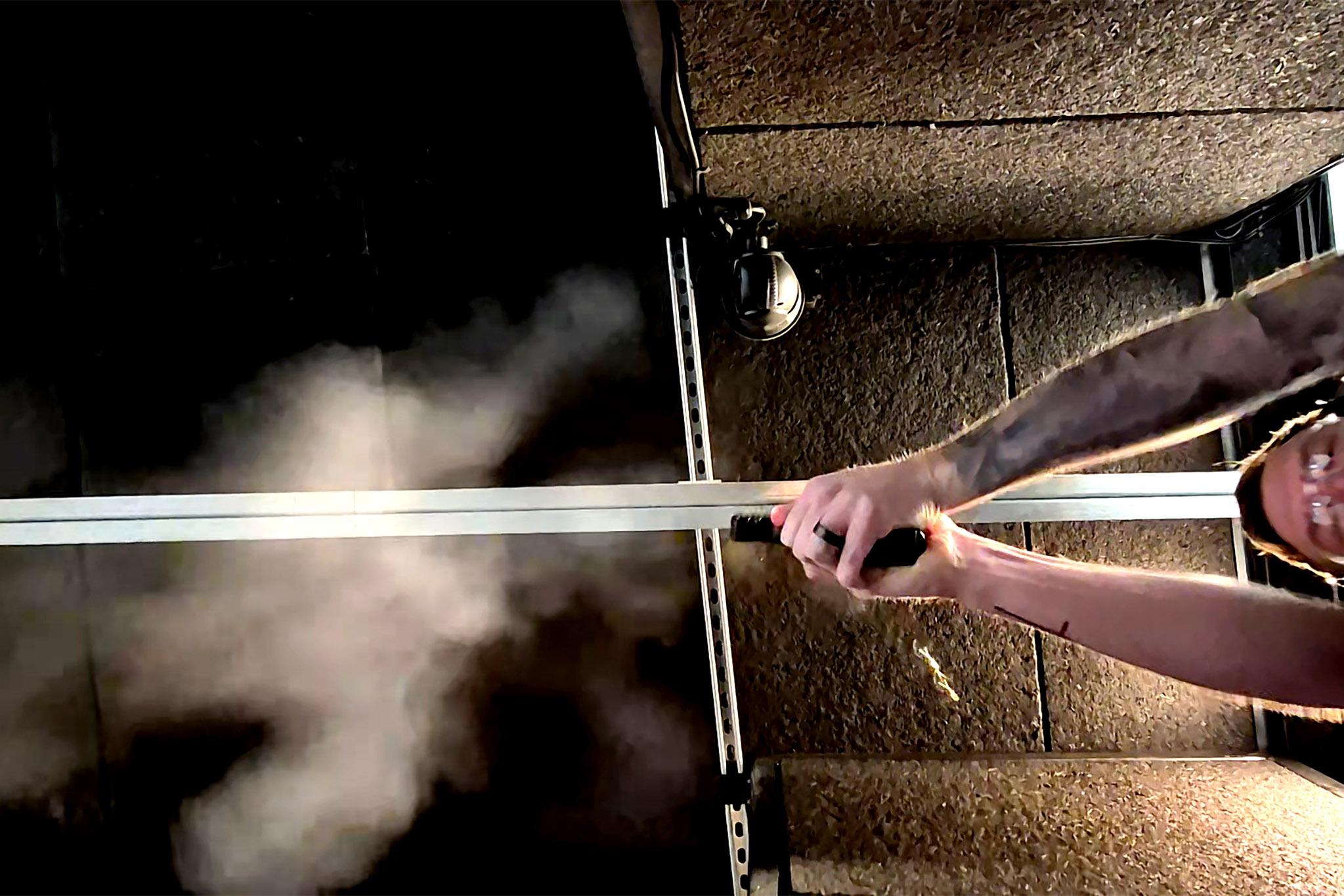
Centennial Gun Club did not respond to requests for comment prior to this article’s deadline.
But Rudolph said enthusiasm for gun ownership outside those circles is nothing new.
“Firearm ownership in the U.S. has always been a lot more diverse than people think,” Rudolph said, referencing groups like the Deacons of Defense and Justice. “Marginalized communities always historically organized for their own safety, especially when institutions have failed them.”
Still, guns carry significant dangers. People with access to firearms at home face three times higher risks for suicide and twice the risk for homicide victimization, and people who carry handguns tend to perceive greater threats in and have more volatile reactions to the world around them.
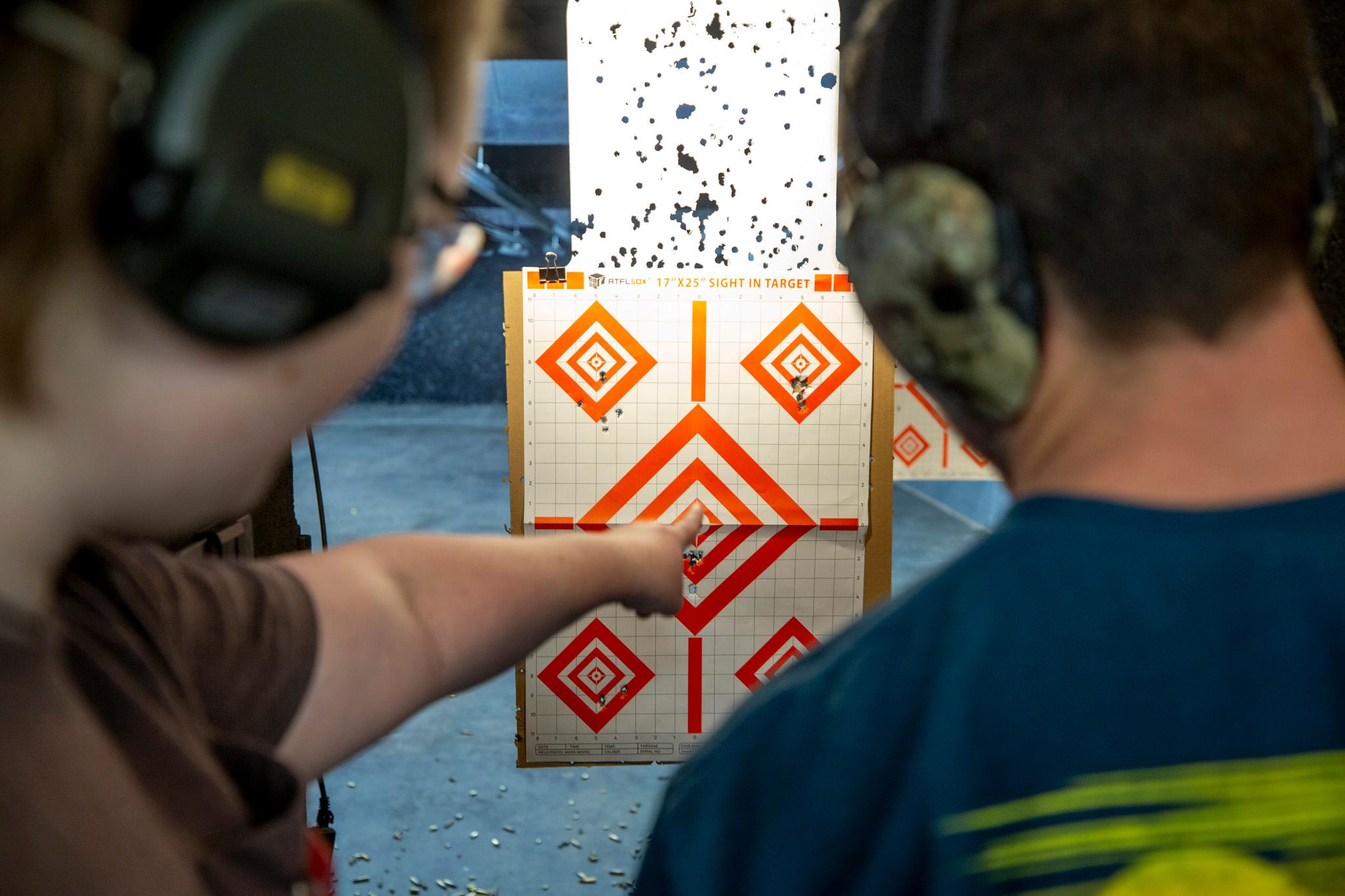
“I view guns as a poor solution to a very small slice of problems, but for that small slice of problems, they are unfortunately one of the better solutions,” Eggleston said.
But does having a gun make her feel safer?
“Not significantly,” she said.
Rudolph, who has had her concealed carry permit for more than 10 years, thinks lack of education is part of the problem. She teaches de-escalation techniques and wants to see better behavioral health services and education to address what she called “the epidemic” of the “gun violence crisis.”
The weight of a weapon
Eggleston was still coming to terms with the weight of carrying.
“It's part of the uncomfortable thing about talking about what it actually means to prepare to hurt people,” she said. “I don't like that.”
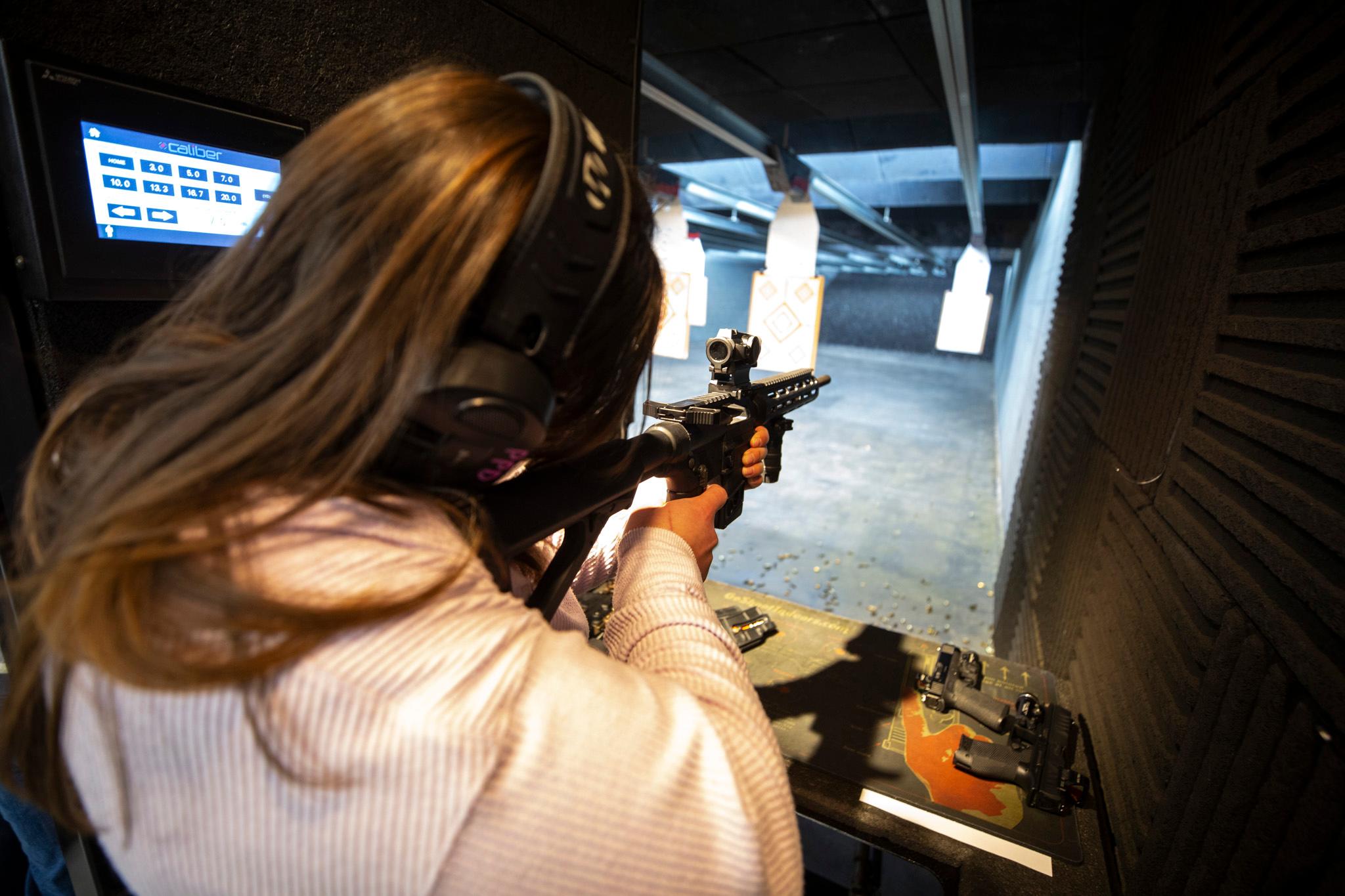
For now, she leaves her guns in her safe when she’s not at the range. But she’d consider getting a concealed carry permit, she said, if things “get worse” for trans people like herself. Her biggest worry? That she’ll be attacked while using the women’s bathroom.
“If I can get myself out of that situation, that's preferable to hurting anyone else,” she said. “But that might not be possible. Bathrooms tend to only have one door.”
Editor's note: This article was updated to correct the spelling of Derek Rogers' last name and a misidentification in a caption.