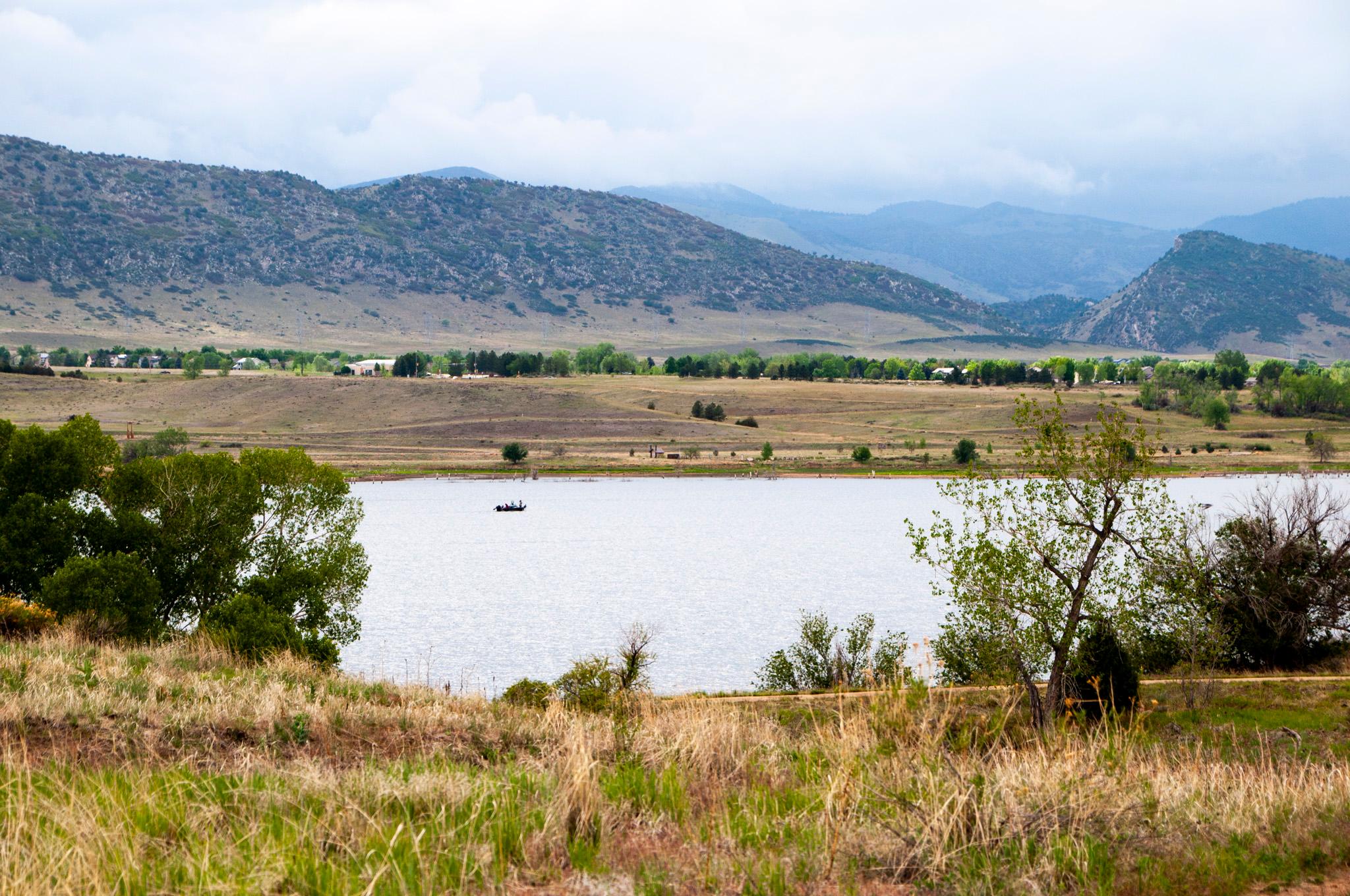
Boating, paddleboarding, swimming, and other aquatic activities will all be possible this year at Chatfield State Park.
“We would have to see a completely unheard of drop before it actually caused a major disruption,” park manager Kris Wahlers told Denverite.
This year’s historically low snowpack and warm weather have spurred water restrictions in Denver and across the state. While other reservoirs are facing concerns — even drainage and water relocation in the case of high-altitude Antero Reservoir — Chatfield’s doing alright.
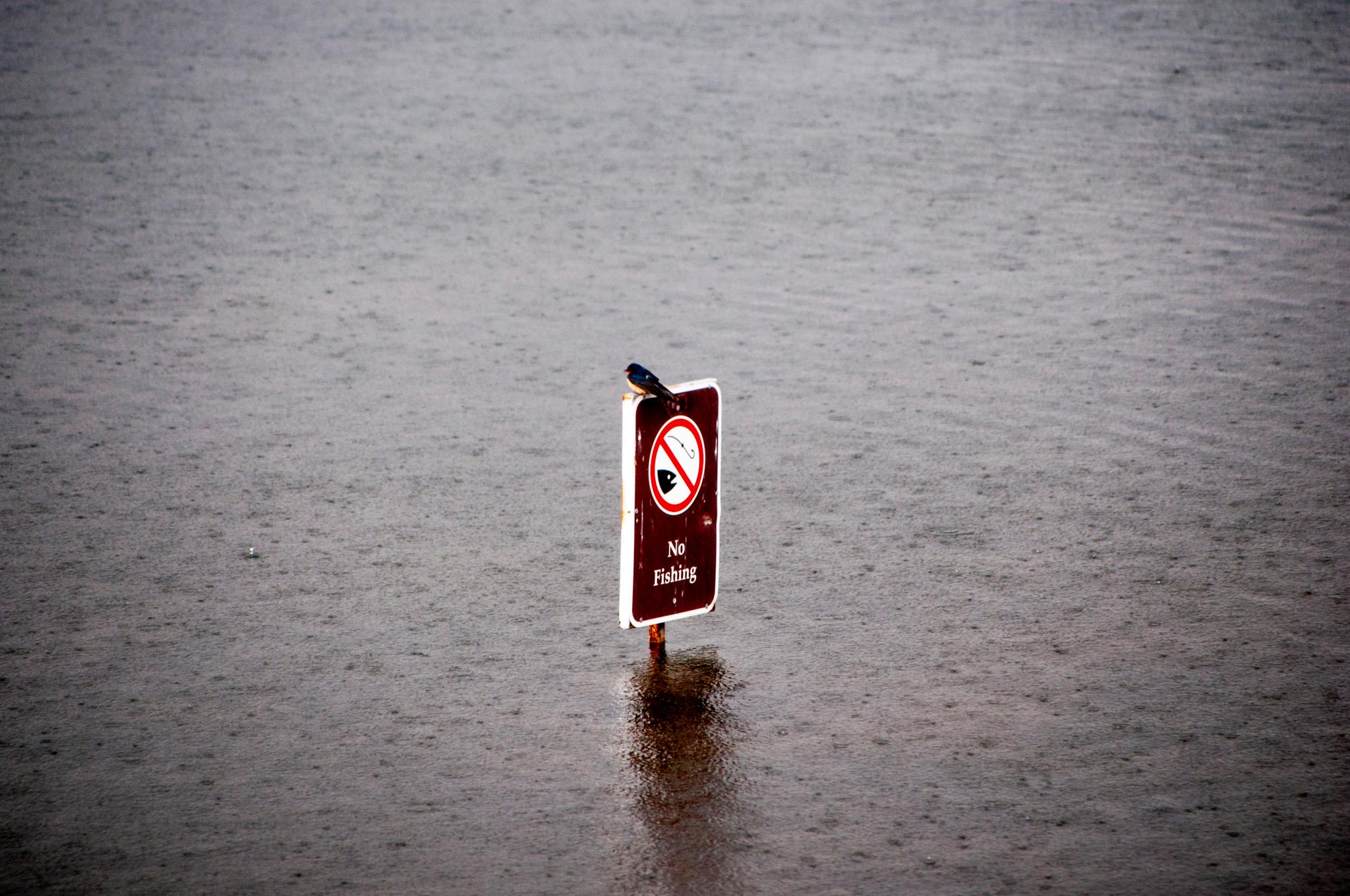
“We could go down another 10 feet or so before it really starts causing major operational impacts,” Wahlers said.
As of now, the swim beach at Chatfield is slated to open on Memorial Day, as usual.
The rain helped, but just a bit.
Meanwhile, the recent rainy weather has slightly eased drought and fire concerns, but only in the short-term.
“Pardon the pun, but it's kind of a drop in the bucket,” Wahlers said. “It certainly helped saturate the ground. It's helped relieve some of the wildfire risk because it's helped hydrate the trees and the vegetation and the ground. It certainly hasn't hurt the water levels, but it is hard to judge something on that large of a scale from a small-scale precipitation event.”

The rain did somewhat help Denver Water’s inventory, according to the agency’s manager of water supply, Nathan Elder.
“Our reservoirs haven't lost storage, they haven't really gained significantly, but we will be closely watching how our reservoir levels progress throughout the summer,” Elder told Denverite.
Multiple agencies store water in Chatfield, Denver Water being one of the largest.
The future of Chatfield’s water levels will depend partly on how much Denver Water and other agencies move water around the system.
“They've all started pulling that water out to stock their reservoirs a little bit further downstream,” park manager Wahlers said. “They've got a number of reservoirs upstream of us, a couple of treatment reservoirs downstream of us, and it really depends on the need from that.”
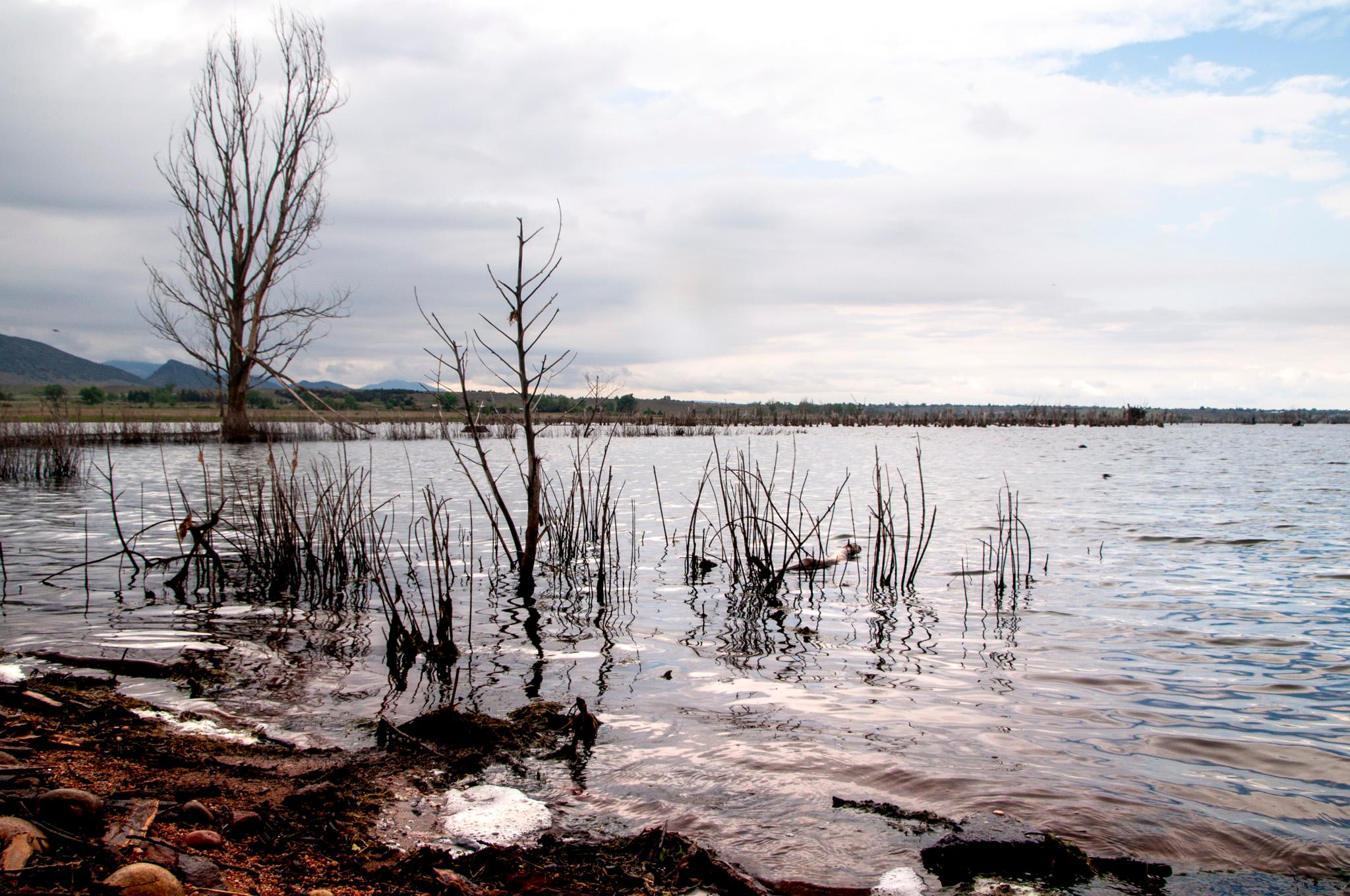
Chatfield’s main role in the water system used to be for flood control, but a project to convert the area into more water storage was completed in 2020. Denver Water is benefiting.
“Historically, Chatfield played very little role in drought mitigation,” Elder said. “Today it continues to evolve into a different type of reservoir and an important piece of Denver Water's drought mitigation.”
A lake with less water
Though Wahlers isn’t concerned about the water level disrupting operations this year, it is still lower than previous years and continuing to “slowly go down.”
Low water levels in reservoirs are not only concerning for the regional water supply.
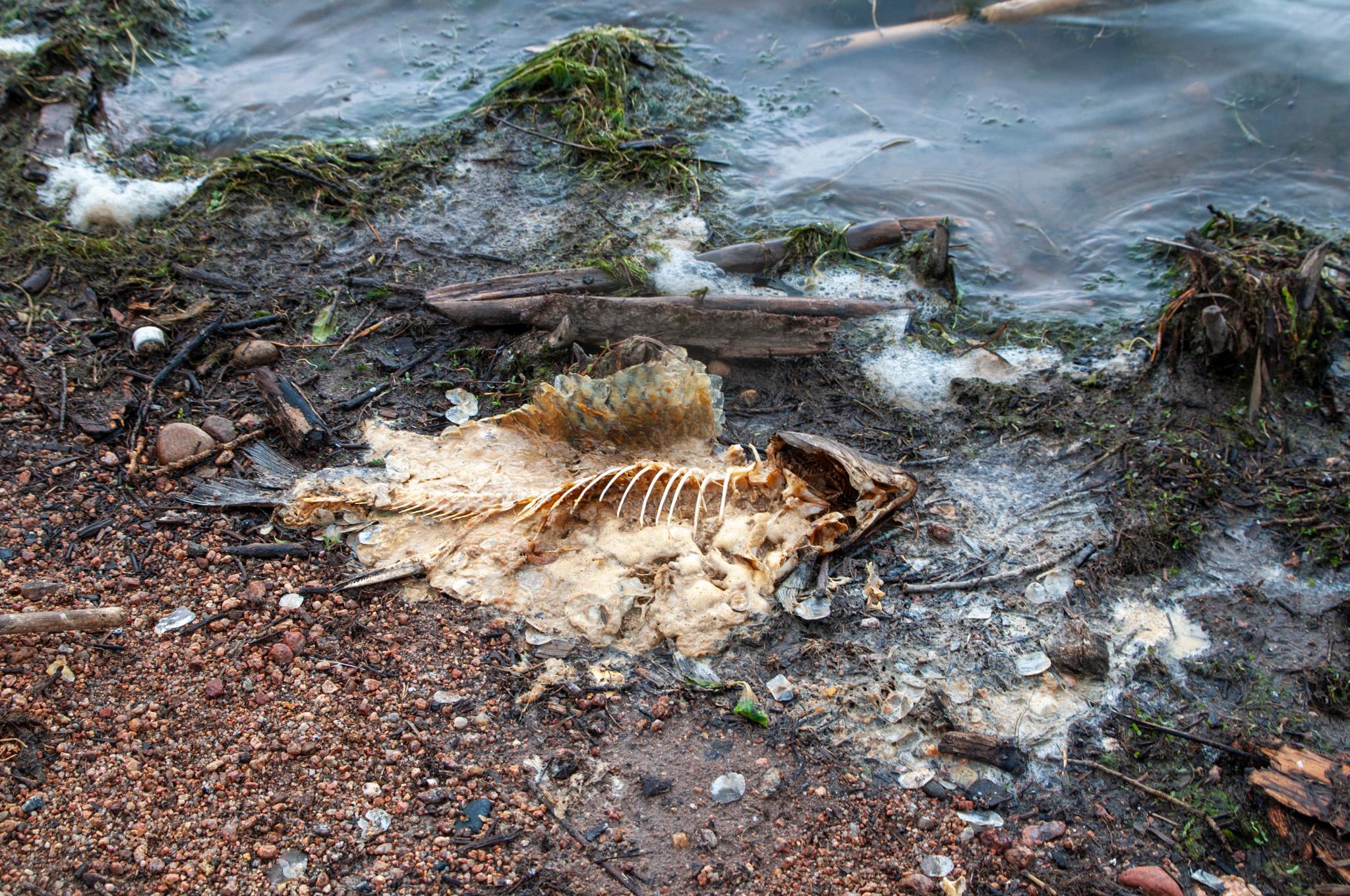
They also create an environment for toxic algae blooms and less oxygen-rich water, which harms fish.
“There's been a couple reservoirs that have already had algae blooms in May, which is very, very early,” he said. “We're watching very closely for other algae that comes up and we're treating it or we're testing it to see if it becomes toxic or not.”