Don’t be deceived by the recent rain in Denver.
The precipitation might have greened up trees and grasses, but reservoirs serving the metro area remain below average due to a winter of record-low snowpack. There’s also little snow left to help replenish supplies, meaning water storage supplies likely won't increase until next winter, according to water forecasts.
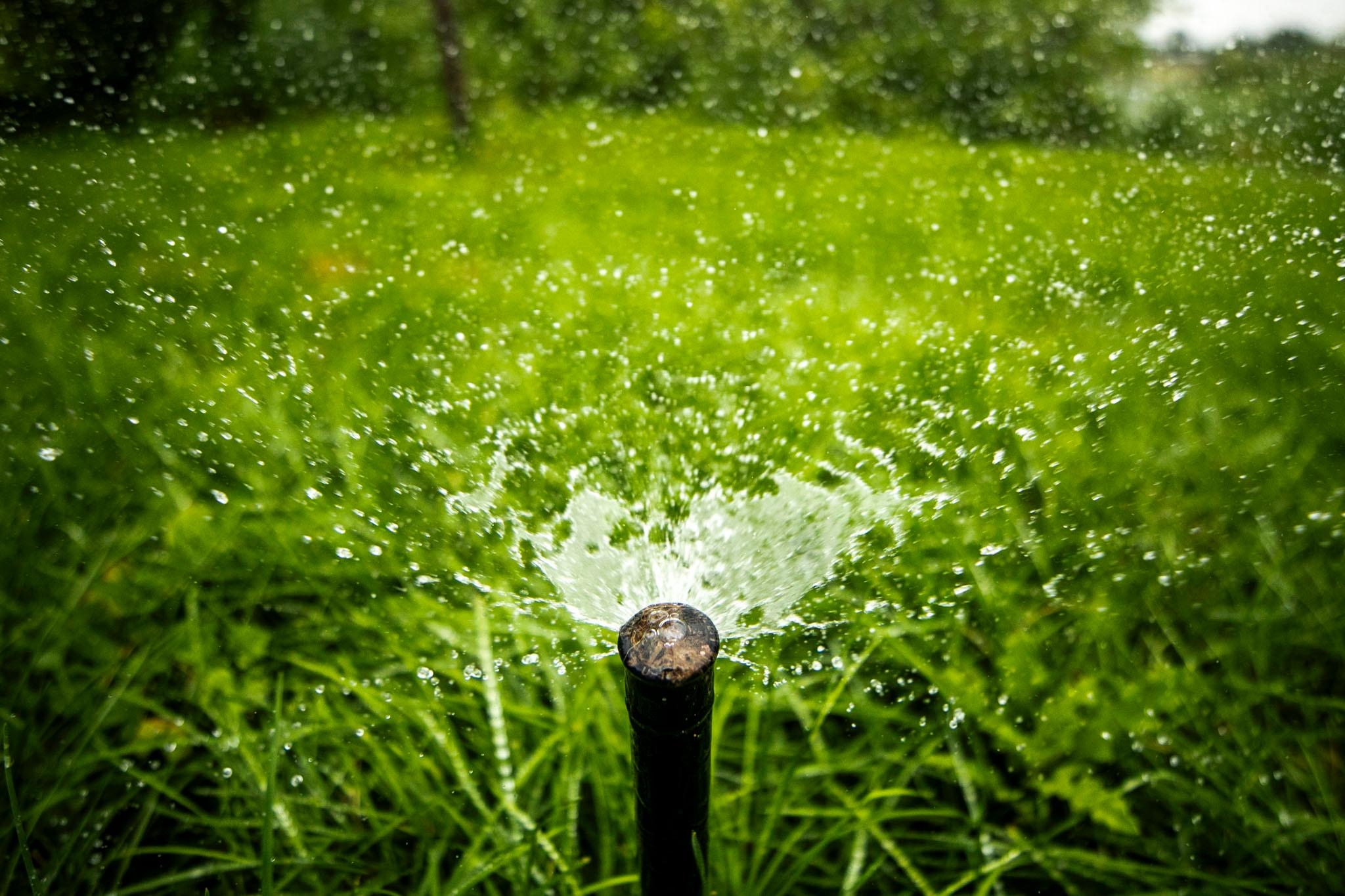
That’s why Denver Water has no plans to ease its mandatory drought restrictions. Launched in March, the rules aim to cut water usage by 20% by limiting lawn watering at private residences to two days per week. Running a sprinkler is also banned between 10 a.m. and 6 p.m. and during rainstorms or high-wind events.
And if your neighbor can’t comply with those rules, there’s a new web form to call them out.
“It's all about saving water, keeping it in the reservoirs for the possibility that this drought continues this year and next year, maybe even beyond,” said Greg Fisher, the manager of demand planning for Denver Water.
Research suggests snitching is an effective water conservation strategy.
A study from the University of Wisconsin-Madison examined more than 485,000 complaints filed in California between 2014 and 2017, a period of significant drought across the state. It found that communities with more water waste reports achieved greater cuts.
In numerical terms, each additional complaint per 1,000 people was associated with a roughly .5% reduction in a city’s overall water usage. In other words, in a city the size of Denver, roughly 730 complaints might be enough to reduce water usage by 0.5%.
This year marks the first time Denver Water has deployed the strategy. During the last major drought in 2013, the utility relied on staff to roam neighborhoods for anyone drenching their lawns or, worse, their driveways and street gutters.
The new form has made it far easier to track down potential violators, Fisher said. Those submissions include the exact time, date and location, along with optional photos and additional written observations.
Since launching the tool in early May, he said the utility has already received more than 800 reports from water tattlers. The total is remarkable for a form buried deep in the Denver Water website. To track it down, users have to scroll to the bottom of the utility’s conservation page, then click a link under the “report water waste” drop-down menu.
Fisher said he realizes the public is still adjusting to the rules, so initial violations only trigger an informative mailer. Repeat offenders, however, could face a series of escalating punishments, starting with a $250 fine and ending with a full water shutoff.
“By and large, it only takes one time for our customers to be reminded,” Fisher said.
The restrictions don’t apply to properties like schools, parks and golf courses. That’s why those areas are shaded in red on the map embedded in the reporting form. While these places get more flexibility due to their high irrigation needs, Denver Water contracts still require a 20% reduction in overall water usage, Fisher said.
“We really want to make sure that the landscapes stay alive, the trees stay healthy, because it is a community amenity,” Fisher said.