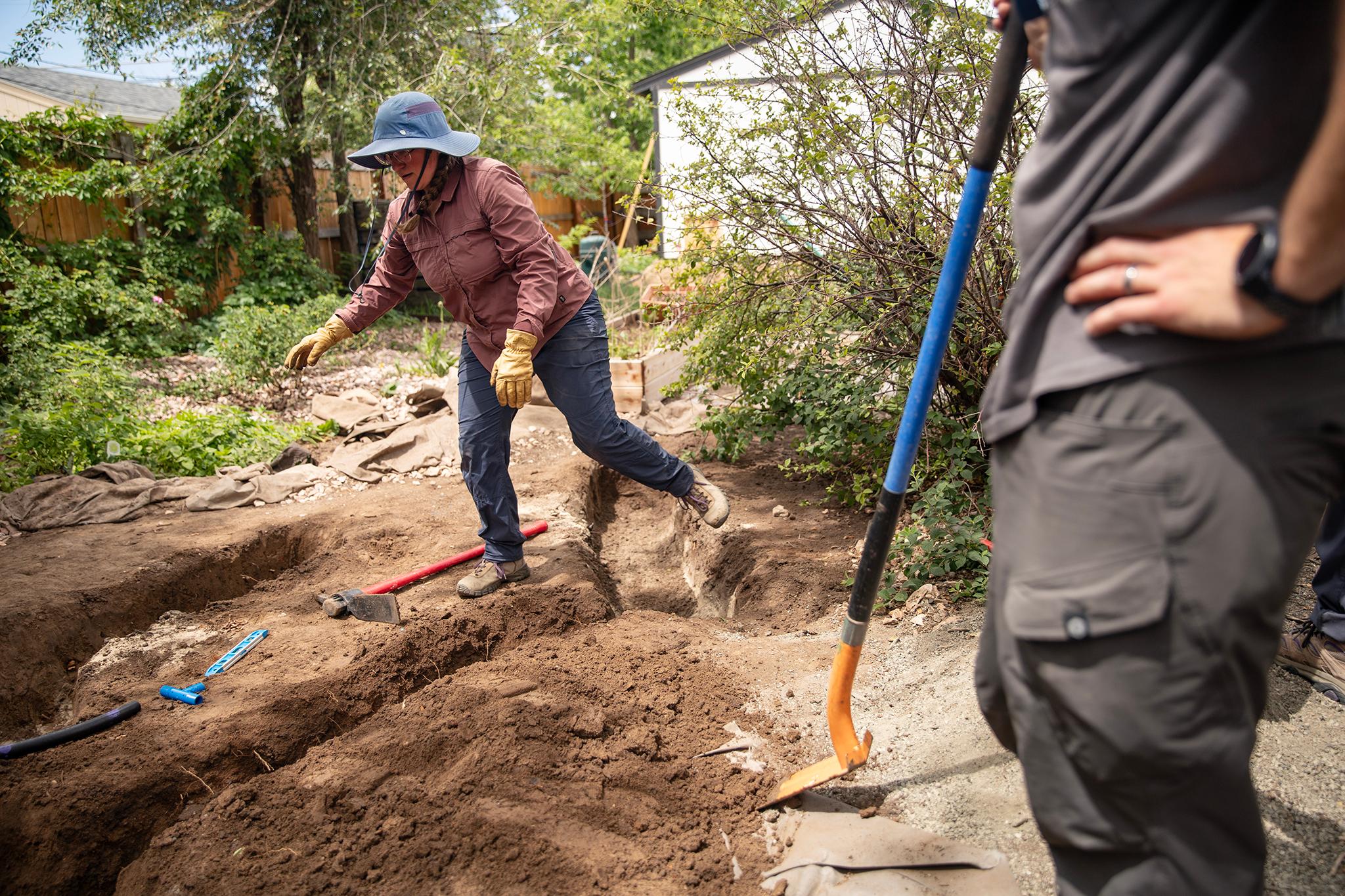
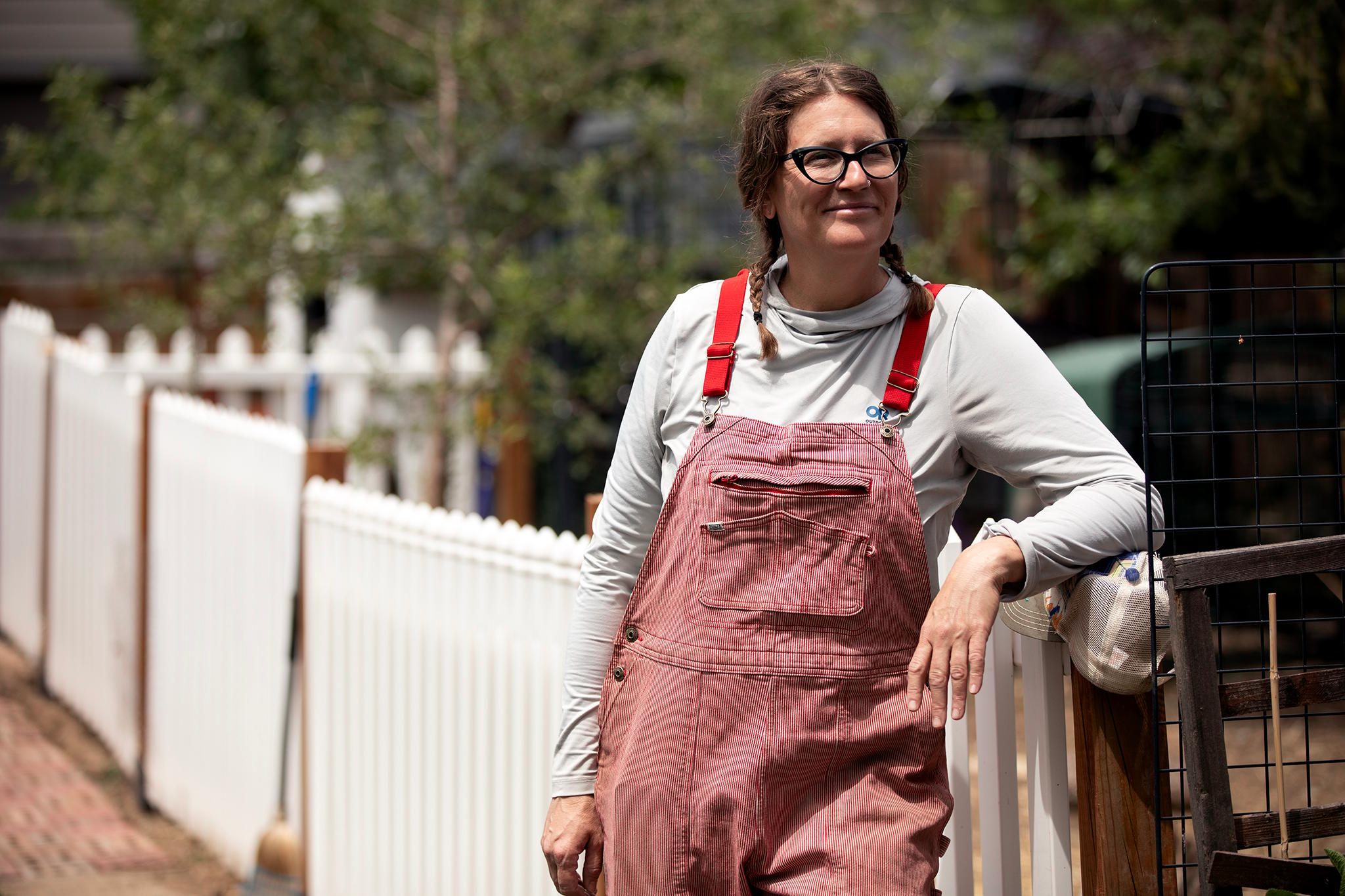
Tucked behind a quaint bungalow just off East Colfax, Erin Rolf’s yard buzzed with activity — literally. Between rows of garden beds, beehives and a small flock of four chickens — Airplane, Dino, Loudwings and Jessie (which Rolf admits were all named by a 5-year-old) — a handful of people stood in freshly dug knee-high trenches while others arranged a tangled web of irrigation pipes across the dirt.
Just hours earlier, most of them had been strangers.
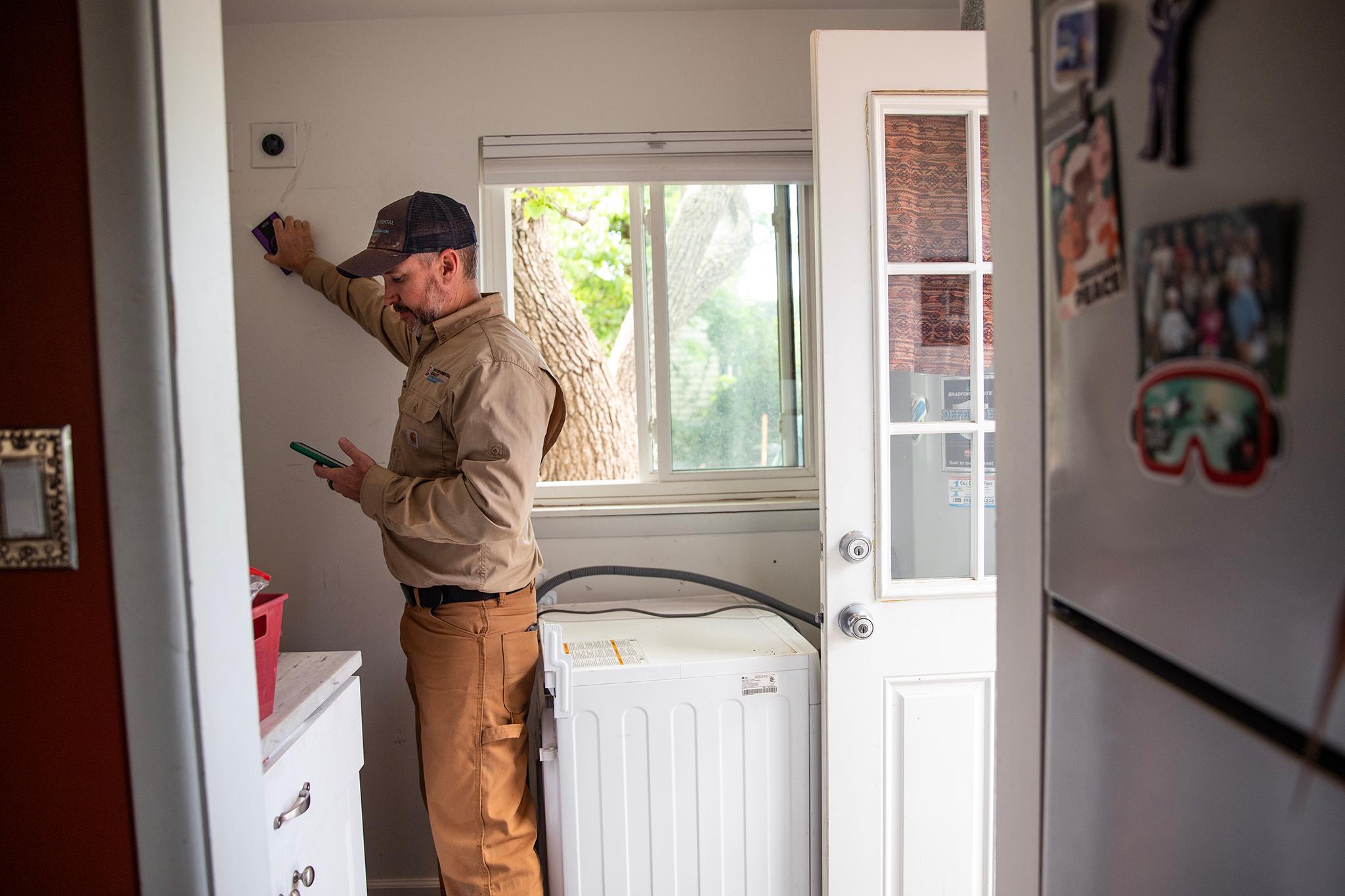
Now, they were gathered in Rolf’s backyard to help install a graywater system designed to redirect water from her washing machine to her backyard, helping irrigate her garden beds with water that would otherwise go down the drain. Graywater is water that comes from sources like washing machines, bathroom sinks, and showers. It's different from water that comes from toilets or kitchen sinks, commonly known as blackwater, which contains higher levels of waste, grease and bacteria.
Currently, in Denver and most other cities around the state, graywater goes to the sewer and then ultimately a water treatment plant — alongside blackwater.
But Rolf’s home was one of the first sites in Denver’s newest efforts to conserve graywater after an unprecedentedly warm winter and the lowest snowpack ever recorded in Colorado. So through the city’s new “Laundry-to-Landscape” program, homeowners like Rolf can quite literally take water conservation into their own hands.
“I do care about water and I do care about the environment,” Rolf, who has lived in her home for the last five years, told Denverite. “And so I've just been taking classes to try to be the best steward of this property that I'm living on.”
A few weeks earlier, Rolf, like the rest of the people in her backyard, took a class at Red Rocks Community College to learn how to safely reuse graywater from her washing machine to irrigate her outdoor space through a relatively simple, low-cost plumbing system. The class typically runs up to four hours, and while there is a small fee, the majority of the course is subsidized by both the Denver Department of Public Health and the Environment and the Colorado Water Conservation Board. The program is open to anyone living in the city and county of Denver.
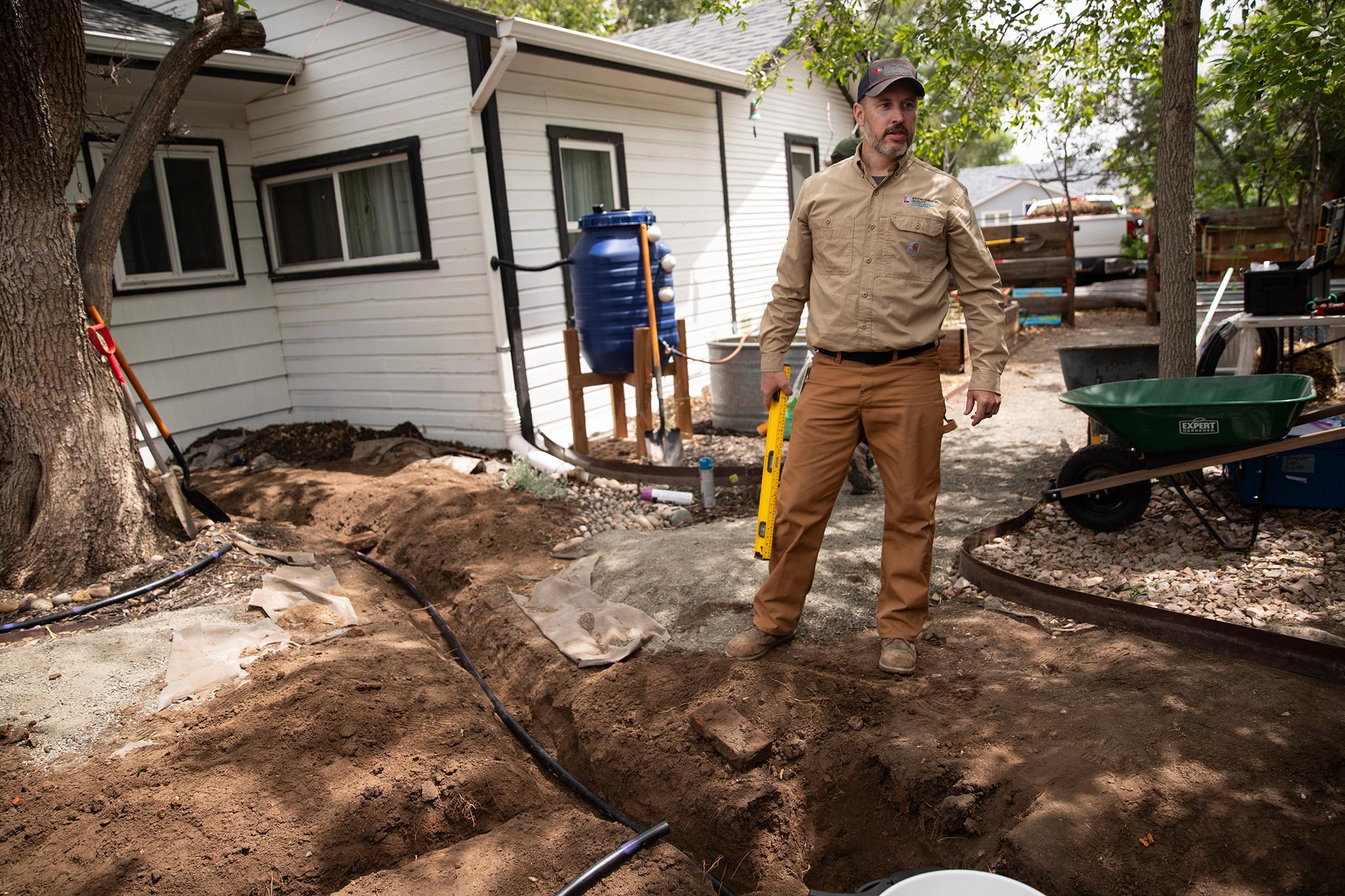
Drew Elmore, who works for the city’s health and environment department and is also largely responsible for launching the program, says students will learn everything from building and plumbing an irrigation system in their own backyard to the state's graywater rules.
But Elmore says one of his biggest goals for the program is to help people understand their relationship with water as a resource.
“It's not just something that comes out of the tap when we turn it on and goes away when it goes down the drain,” Elmore said. “There's effort and energy on both sides of your personal use. So understanding our place in the system is a neat part of the program; water is vital.”
According to Elmore, most participants are not motivated by financial savings — especially because Denver’s relatively low water costs mean graywater systems do little to reduce utility bills. Instead, he said, many participants are driven by environmental and ethical concerns.
“We’re empowering folks to do the work,” Elmore said. “I’ve found in the years that I’ve been doing this program, people want to do things differently. They know what the solutions are and so we’re helping people do it in a safe and responsible way.”
That sense of purpose was evident for Ally Richardson, who drove from Colorado Springs to help install the irrigation system in Rolf’s yard.
“I see a lot more movement in Denver and [I’m] hoping that this could be a really great model for Colorado Springs to adopt and transition into more of a beneficial use for our water,” Richardson said. “So we came up and we're learning and hopefully we can share this information with our jurisdiction.”
Graywater reuse is currently banned in Colorado Springs.
For years, Colorado law required cities and counties to opt in before residents could legally install graywater systems. But in 2024, lawmakers flipped that approach, passing legislation that automatically allows graywater reuse statewide unless local governments specifically choose to opt out — which Colorado Springs did.
Elmore says another key goal of Denver’s program is to make graywater systems more accessible and affordable, while also helping residents better understand their relationship with water and where it goes once it leaves their homes. Still, he notes there are important considerations when installing a graywater irrigation system in a backyard.
That’s where organizations like Groundwork Denver come in.
“We focus on centering youth and community to do environmental projects,” said Jessica Swindon, the nonprofit’s Green Infrastructure Director.
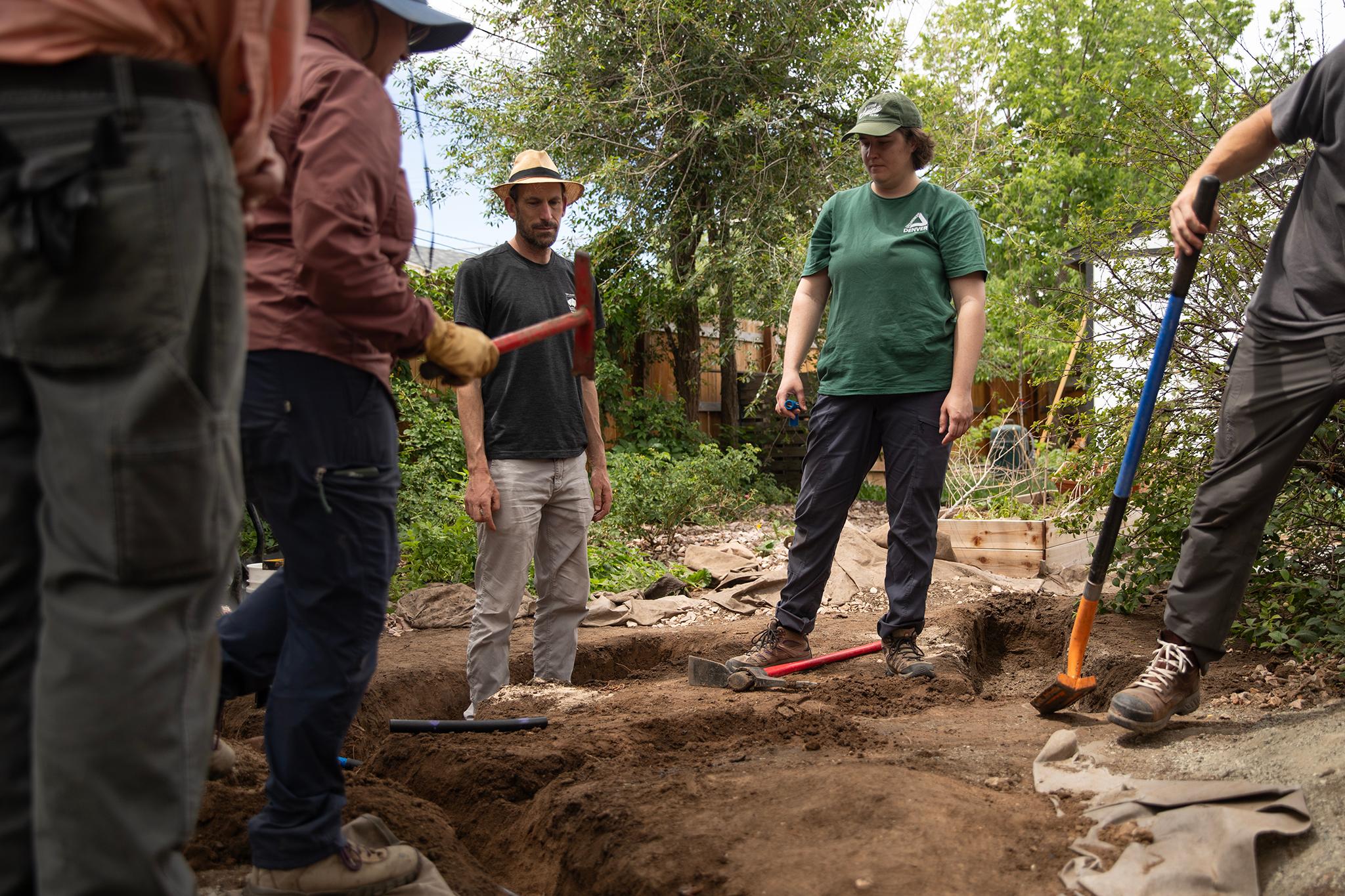
Groundwork Denver partnered with the city and other organizations to help teach residents how to safely install and maintain graywater systems. That includes everything from understanding local regulations to choosing detergents and household products that are safe to use around plants and soil. She says homeowners who are interested in graywater reuse should consider switching to biodegradable laundry detergents without heavy salts or harsh chemicals, since whatever goes into the washing machine will eventually end up in their garden outside.
Swindon believes that Denver has become an early model for other Colorado communities looking to expand graywater reuse programs and argued that concerns about public health risks are often overstated, pointing to long-running systems in states like Arizona and New Mexico that have operated without widespread issues.
“The fact that we have limited water supply is never going to change,” Swindon said. “With more people, more wildfires and more demands for water, we really need to be conserving it and reusing it at every step possible.”