By Eric Gorski for Denverite
The sky was still dark when Chris Bell unlocked the back door of his taproom and flipped on the lights. It was 6 a.m. on a cold weekday morning in late October. Alone, Bell got to work at Call to Arms Brewing.
Brewing beer, Bell explains, requires all your senses. It’s one reason you typically won’t see headphones on brewers at work. And over the last decade, Bell has become familiar enough with the equipment that he can tell from the slightest sound if something is wrong.
Standing in an industrial area behind glassed doors marked “employees only,” Bell checked and double-checked his brew sheet, adjusted the temperature on the hot water tank, then started pouring malt into a stainless steel grain mill as the machine whirred.

The recipe was for a hazy IPA called Janet Reno’s Dance Party, the kind of silly name typical to the Call to Arms beer list. Bell favors more traditional beer styles and had avoided brewing hazy IPAs for years. He eventually relented — one of many pivots he made to stay relevant and open for ten years on Tennyson Street.
That October morning, it was his beer of choice for the final day of brewing at Call to Arms.
“It was emotional. It was nostalgic,” Bell later said of that morning in the brewhouse. “But then it was like, ‘Let's just go to work and try to make it feel normal.’”
On Dec. 23, the well-loved brewery will serve its last beer, including some of the kegs that Bell was brewing on that last day. It is joining a not-insignificant number of Denver breweries and taprooms that have closed in 2025, for many reasons, national and local in scope.
While some have given customers little or no notice, Call to Arms threw a three-month going-away party. In a series of interviews, Bell and others close to him reflected on how a place that seemed to have done everything right, with a great location in a craft beer hotbed, couldn’t make it.
The story of Call to Arms
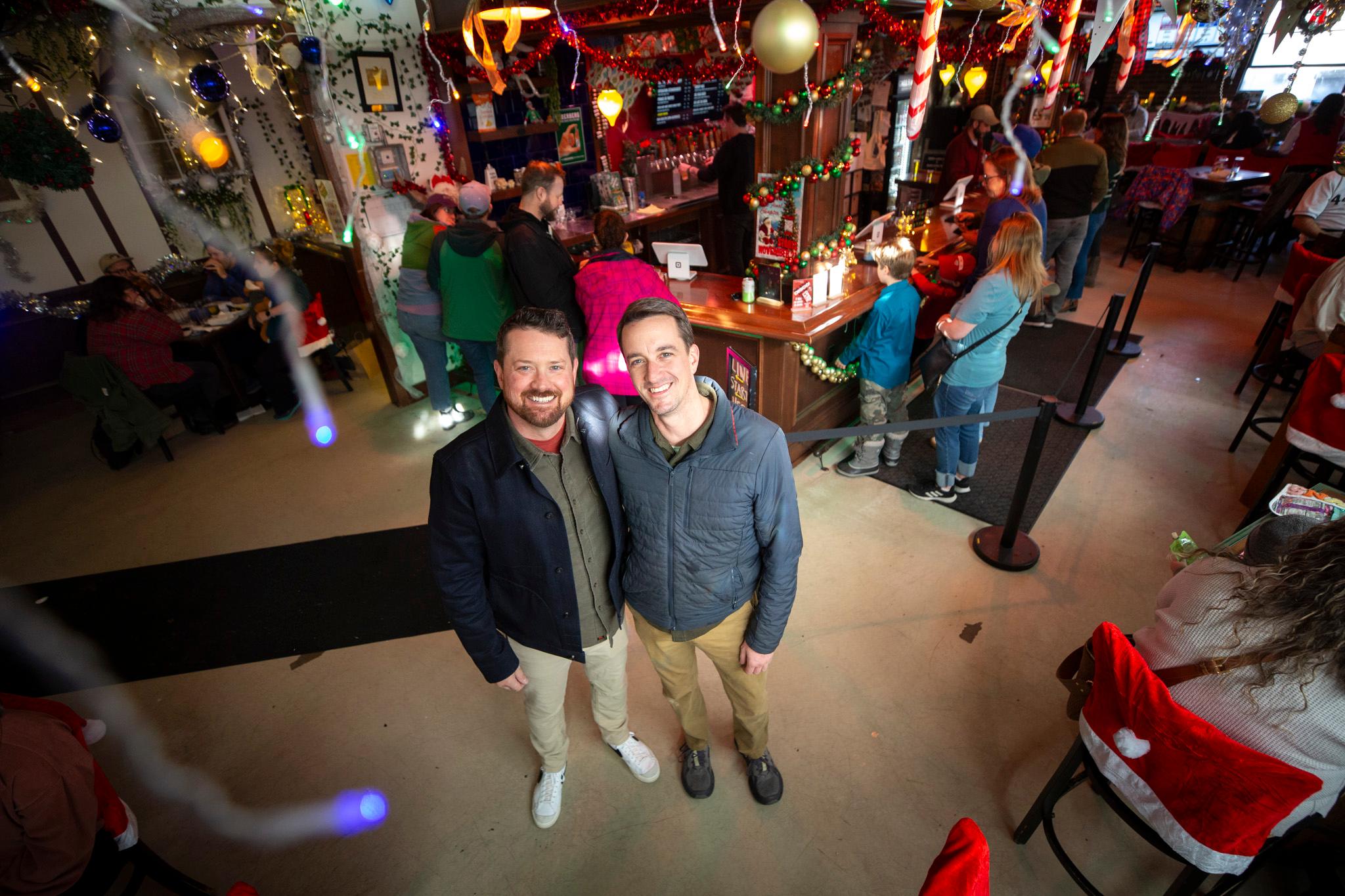
Over the years, the taproom became more than what Bell and his partners could have imagined — a destination for celebrating major life events, holiday blowouts, and Instagram moments.
It started simpler, in discussions over burritos at Illegal Pete’s and many beers.
Bell, Jesse Brookstein and Jon Cross were coworkers at Boulder’s Avery Brewing at the time. With a collective 25 years’ experience in different facets of brewing — and an itch to make their own mark — they drew up a business plan aimed at creating something different.
“Coming from a large production-scale packaging brewery, we wanted the opposite of that,” Cross said. “We never had incredibly lofty goals. We wanted to be the small neighborhood pub, more or less. Like an old English pub that was on the corner that everyone went to every night.”
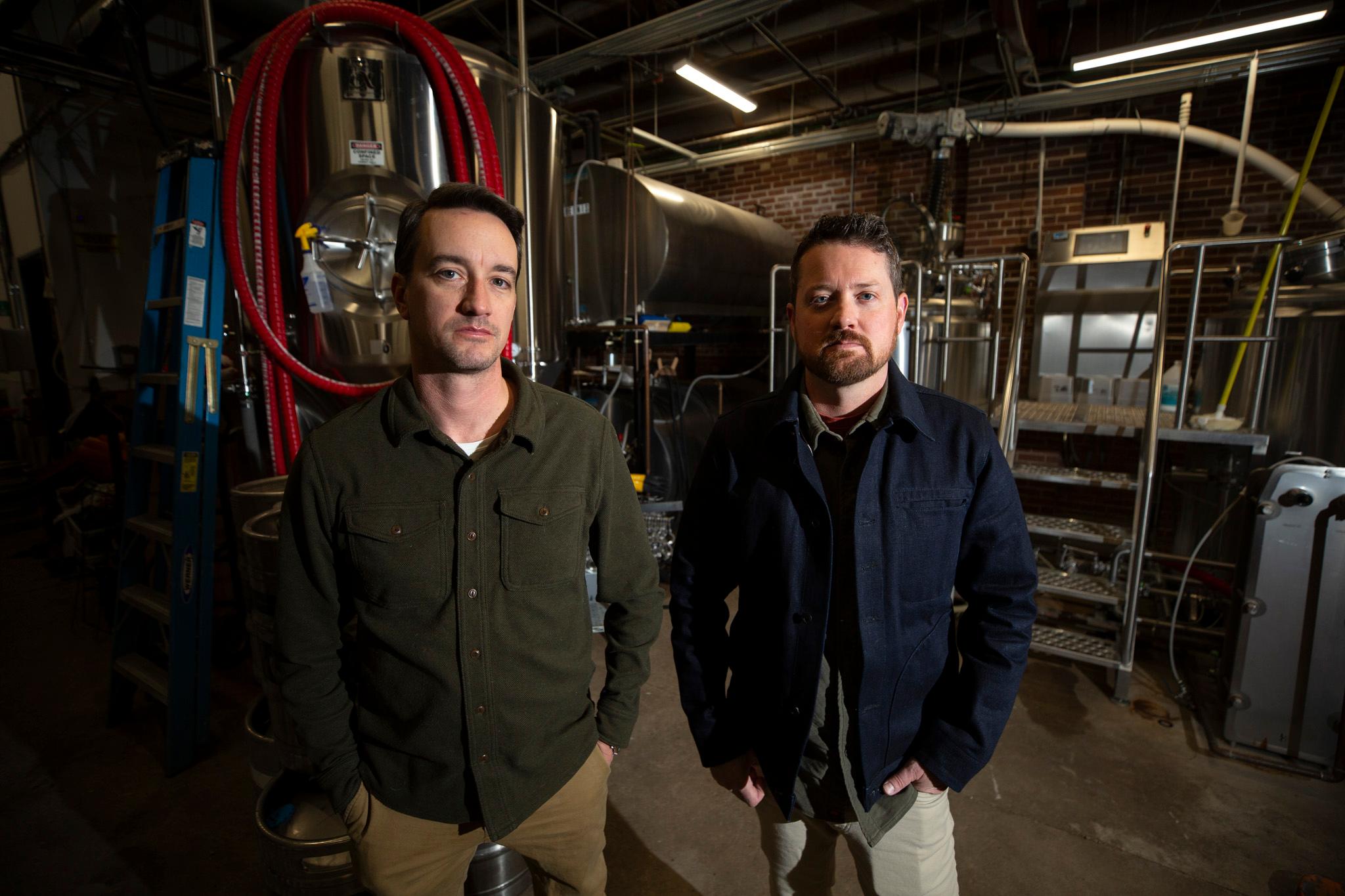
With funding from friends and family and a private loan, CTA opened in July 2015 with the ethos of “quality, community and camaraderie.” There was a tap list of beers brewed in traditional styles and an inviting wooden bar that stood in contrast to typical taproom industrial chic. The brewery logo depicted the founders’ family crests.
At the time, anything seemed possible on Denver’s vibrant, growing craft beer scene. More than 40 breweries were in business. So much was happening so fast, Call to Arms’ owners checked to make sure their scheduled opening day didn’t conflict with another.
That stretch of Tennyson Street, now a canyon of condos and luxury apartments, looked much different then. The block between 45th and 46th avenues featured modest single-family homes and a single-story warehouse stuffed with blinds and upholstery.
Niya Gingerich, who turned a dive called the Music Bar into a community hangout called Local 46 in 2012, was thrilled to welcome kindred spirit small business owners to the block. She remembers Bell pulling up to her bar with a forklift to help move a giant pallet of rock or a walk-in cooler.
“Chris is just this classic smart-ass brewery guy in the best way possible,” Gingerich said. “He is so funny, but he also has a heart of gold. He was such a hard worker. He was always there.”
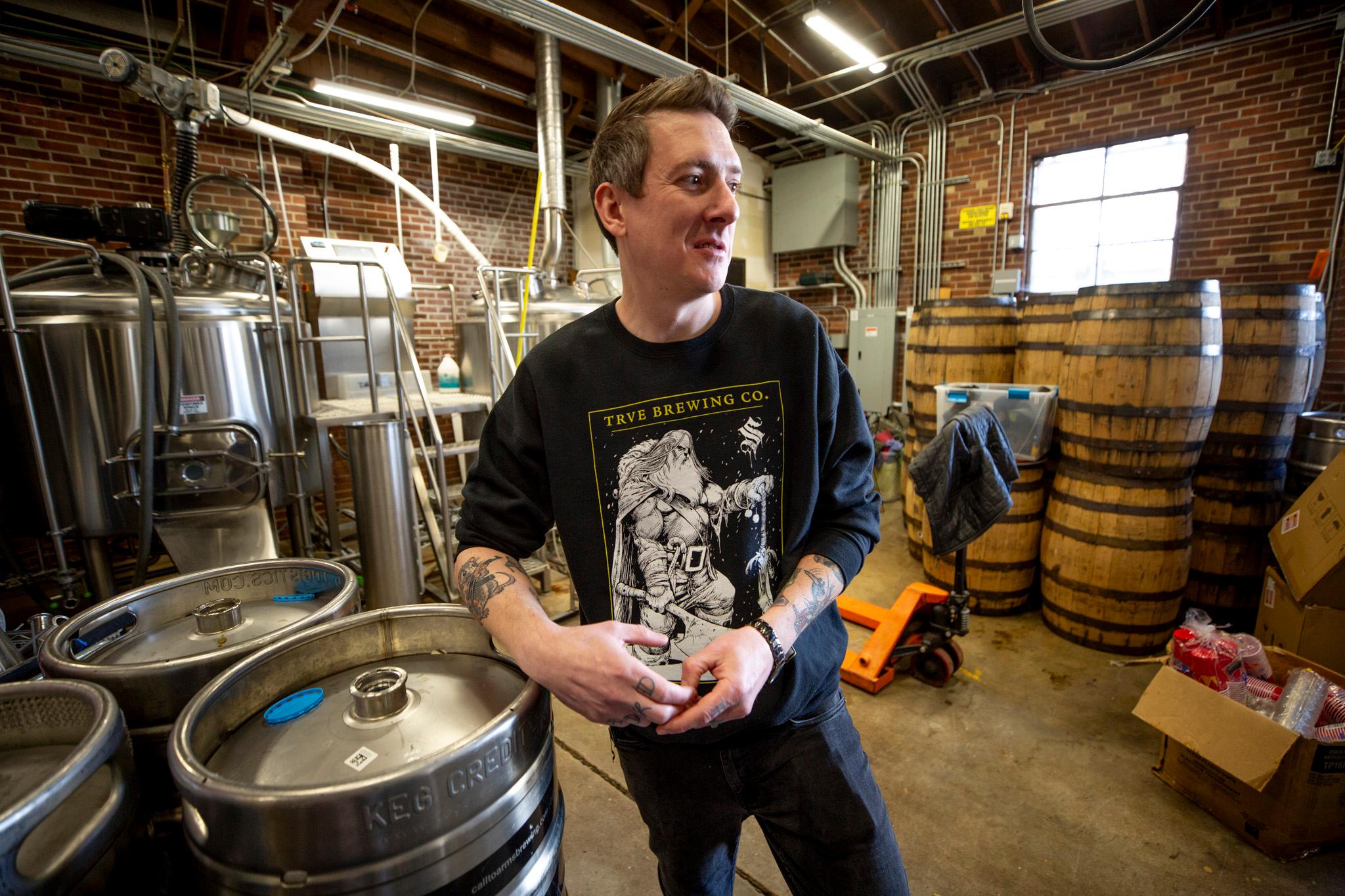
Nick Szabo, who moved in the same brewery circles as the CTA owners, was one of the first bartender hires. “I really liked the energy of the place,” he said. “My principles aligned with theirs. Building a community space, building a community.”
Szabo now works at a brewery in North Carolina and flew in from Charlotte to tend bar at CTA one last time on a recent weekend — one of several “celebrity bartender shifts” in the last weeks.
Early challenges — and a big pivot
Call to Arms’ first month of business “was crazy, crazy. Just nonstop,” Bell said. That inevitably slowed, winter came, and 2016 proved more difficult. The business needed to pivot.
It started with one event. A big party in spring 2017. Call to Arms called it a Rumpus, after the joyful, chaotic event in the book “Where the Wild Things Are.” The day started with lessons from Denver Urban Gardens and ended with a blues-rock band.
The Rumpus was a huge success, and CTA began staging quarterly events like a Mardi Gras party, complete with a parade and crawfish boil, and a Field Day for adults with a relay race and musical kegs.
Not for the last time, Bell realized that the brewery had to be about more than beer.
“We thought we could just operate, and that wasn't really doing it,” he said.
The events provided the brewery’s profits, Bell said. And even if they weren’t in the original business plan, parties and parades fostered the community and camaraderie the brewery always aspired to and made CTA a destination for more than great beer.
As business improved, other changes came. Brookstein left at the end of 2017 and gave up his ownership stake. Two years later, Cross stepped away from brewing and operations but retained his ownership. The logo with the family crests pictured on the sign hanging at the entrance was replaced with new branding.
Pandemic lows, Christmas highs
Call to Arms continued to grow, posted record profits in 2019 and was on track to be out of debt by June 2020, Bell said. Bell even signed a letter of intent on a property in Wheat Ridge for a second location, a longtime aspiration.
“Everything was ahead of us,” he said. “There was all this great stuff going.”
Then Call to Arms, like virtually everything else, closed its doors in March 2020 with no idea of when it could reopen. The brewery was forced to take on “a mountain of debt,” as Bell put it, to get through COVID.
It also made a costly pivot it had never intended: canning and distributing.
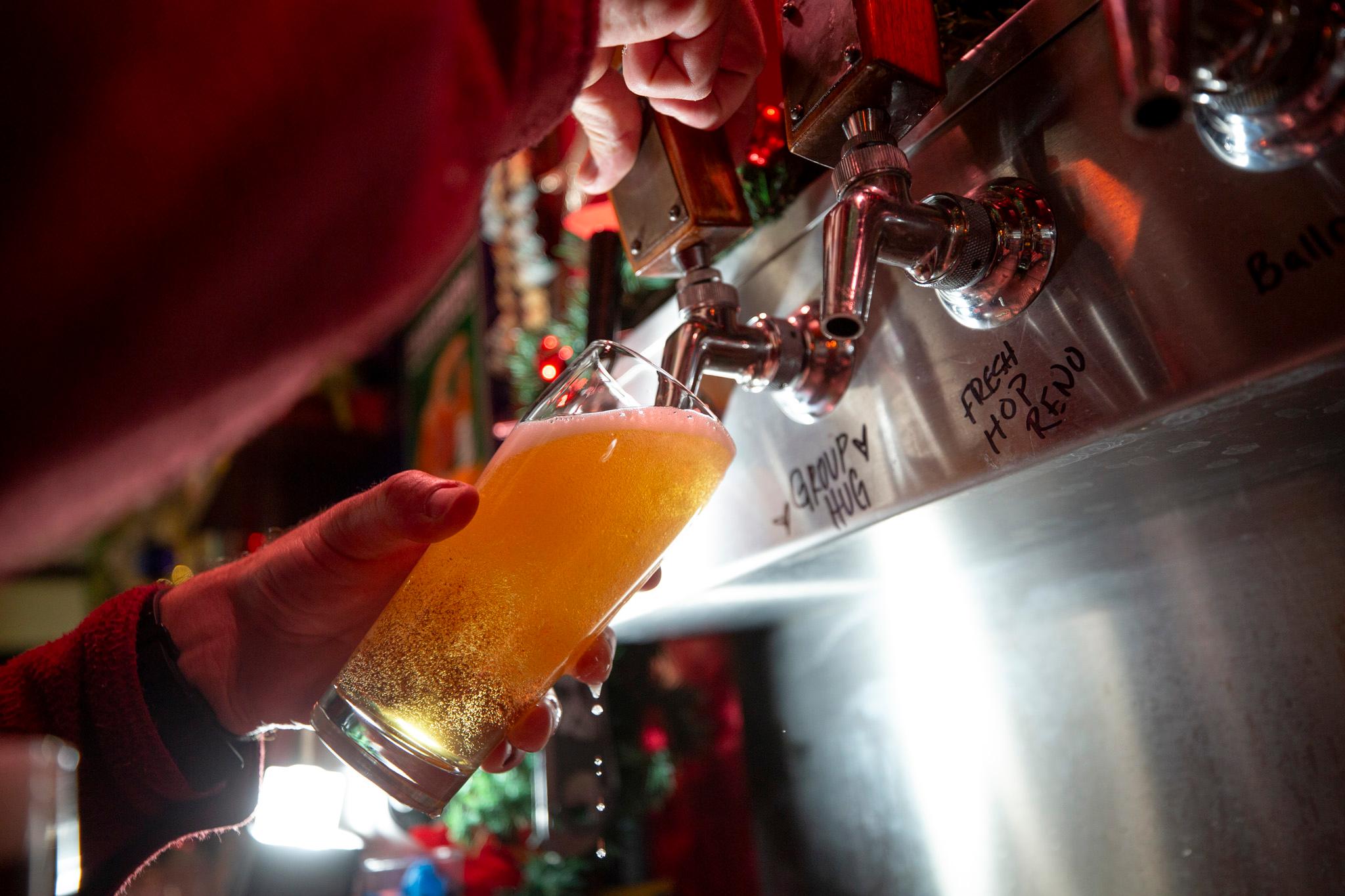
Selling draft beer in their own taprooms is how small independent brewers make their living. It’s simply more profitable. But CTA felt the circumstances — more people drinking at home yet still looking to support their favorite local businesses — left little choice.
Other well-documented trends have contributed to craft beer’s recent decline: younger adults choosing other alcoholic beverages, or drinking less or not at all; the sobriety movement writ large; rising costs on everything from rent and regulations to labor and ingredients; customers being more careful with their spending and going out less; an oversaturation of breweries.
The list goes on. All those factors and more dealt blows to Call to Arms.
By the end of 2022, still fighting to recover from the pandemic, CTA was competing with a handful of other breweries on or near Tennyson. All were offering specials of some sort.
Growing up in New York, Bell had rich memories of holiday visits to Rolf’s German Restaurant, infamous for its over-the-top Christmas decor.
“The place was just outrageous,” Bell said. “I always had talked to the guys saying, ‘Hey, we should do something.’ But it always seemed like such a big risk and so expensive.”

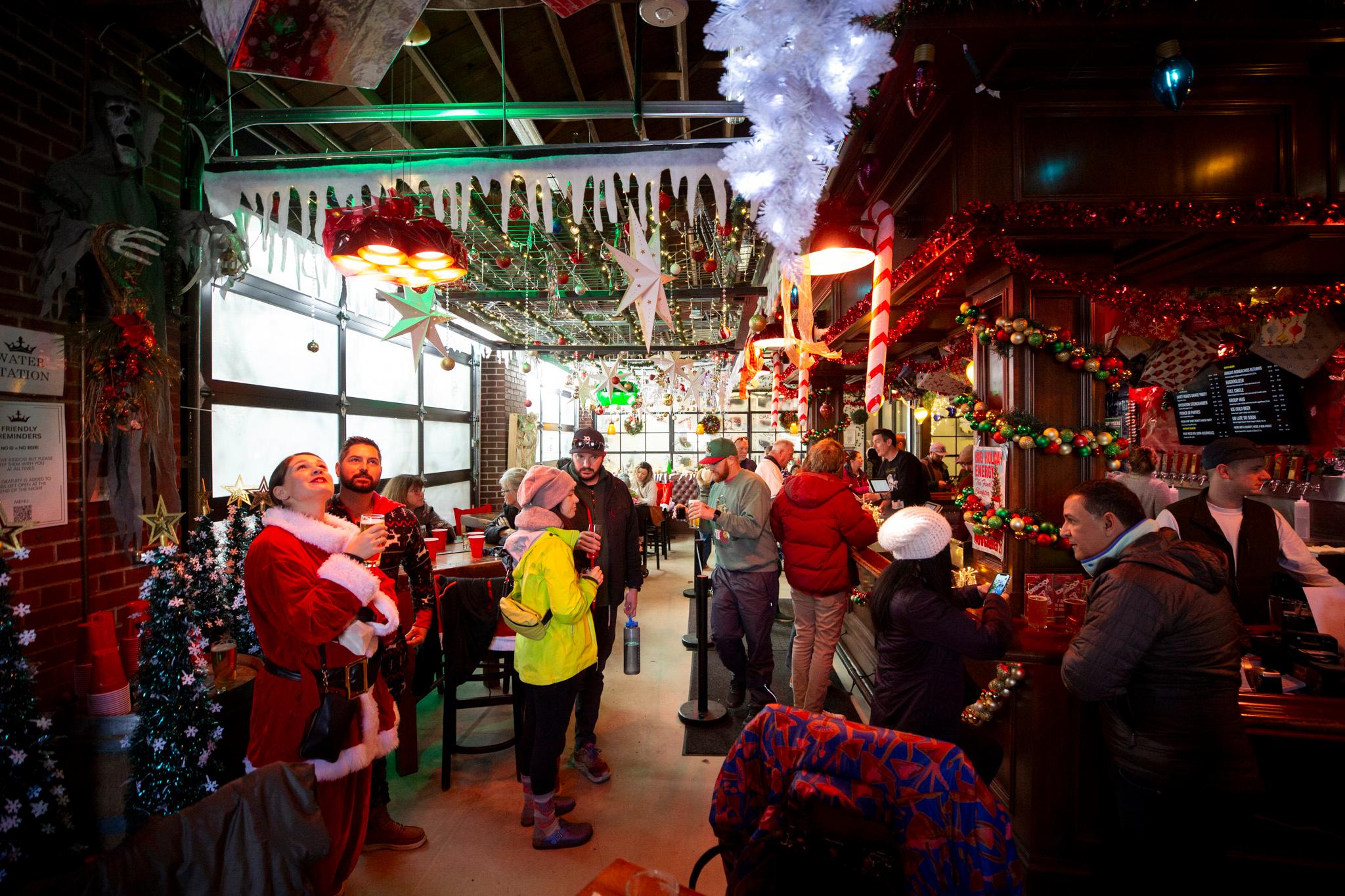
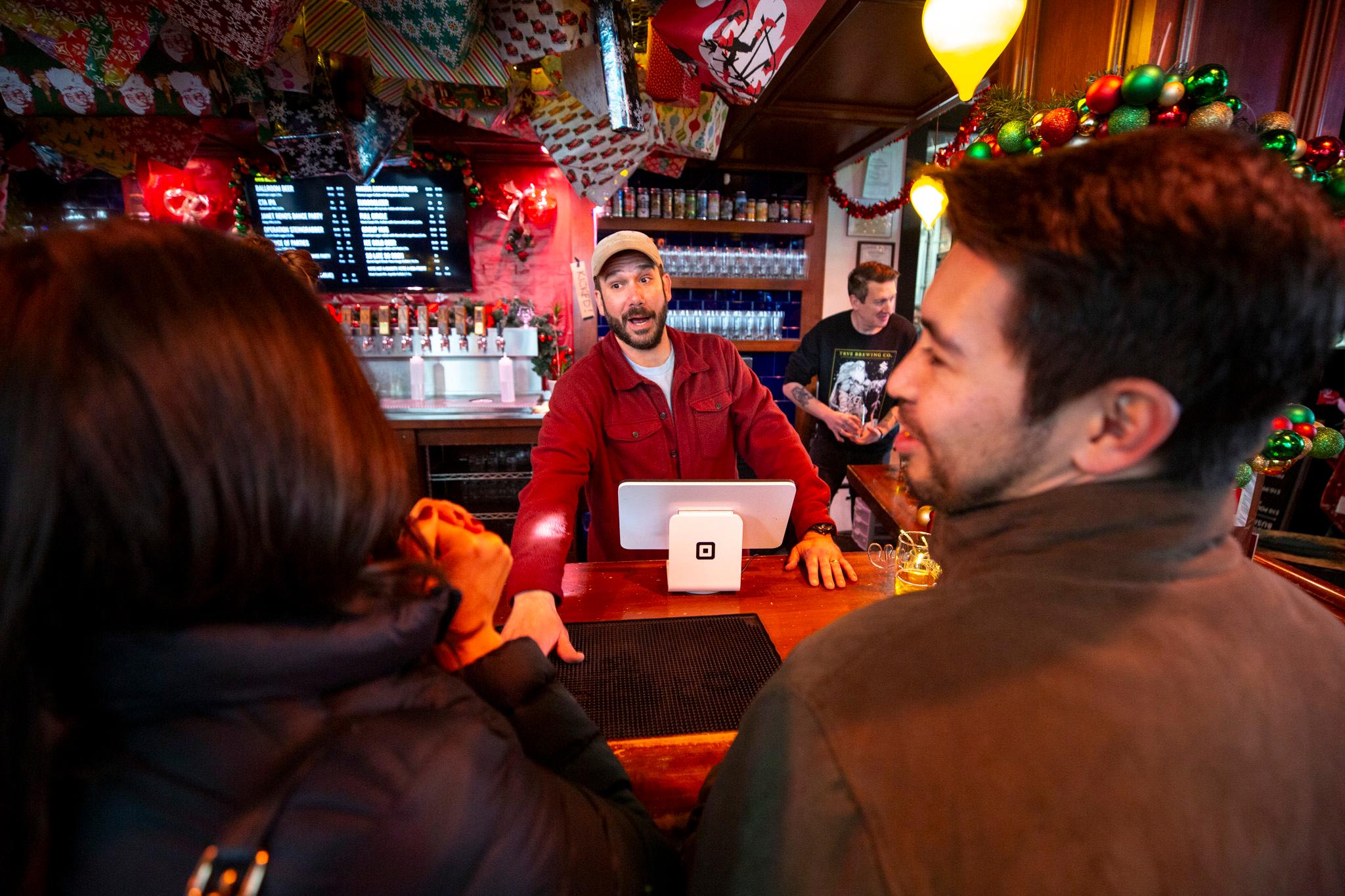
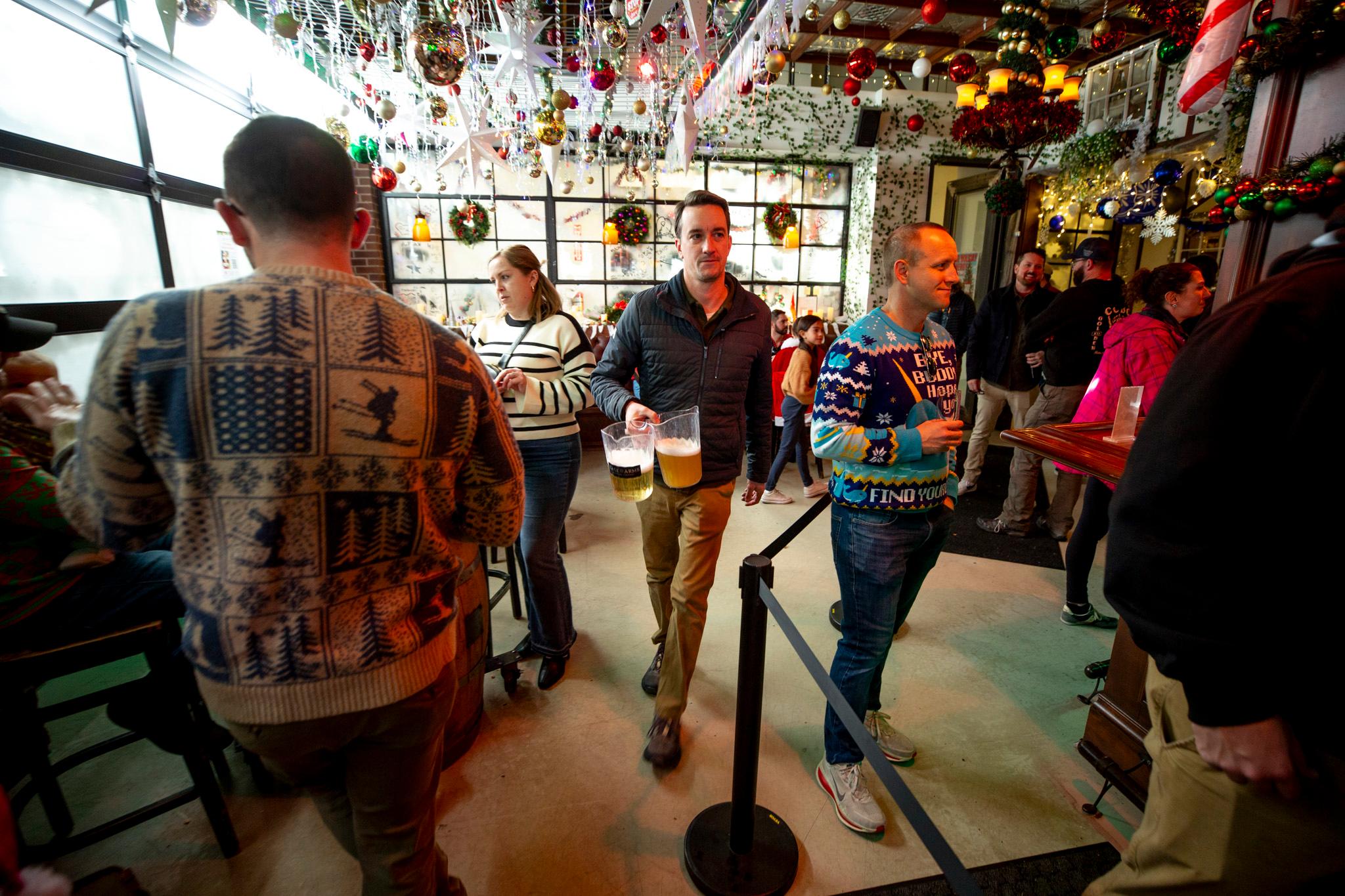
Bell decided to go for it. He ordered faux candles, wreaths, garland, artificial pre-lit Christmas trees to hang from the rafters, and more. The decorations cost $25,000 and took a half-dozen people four days to put up. The investment paid off many times over.
“What happened was beyond what I could have ever expected,” Bell said.
The slowest month of the year became the busiest. People who ordinarily would not frequent a brewery showed up in search of an Instagrammable moment. Sales in December 2022 nearly doubled that of CTA’s busiest month ever, Bell said. The second year of what CTA christened “Big Holiday Energy,” they were up another 20 percent, he said. 2024 was even better.
Behind the scenes, it wasn’t going so well.
Success in December wasn’t the full story. Distribution wasn’t paying off. The cost of doing business in Denver and the travails of the craft beer industry were taking a toll.
While business “was pretty (expletive) good,” relations with the building owner were not, Bell said. To put a complicated situation in simple terms, exercising an option to continue leasing the space was not an option for the brewery.
The thing that Bell loved most — those moments when a customer, unaware that he or she was talking to the owner, gushed over the beer — had become less frequent. He was spending too much time calculating mill levies and talking to lawyers.
“The reality of running a business is different than what you're dreaming,” he said.
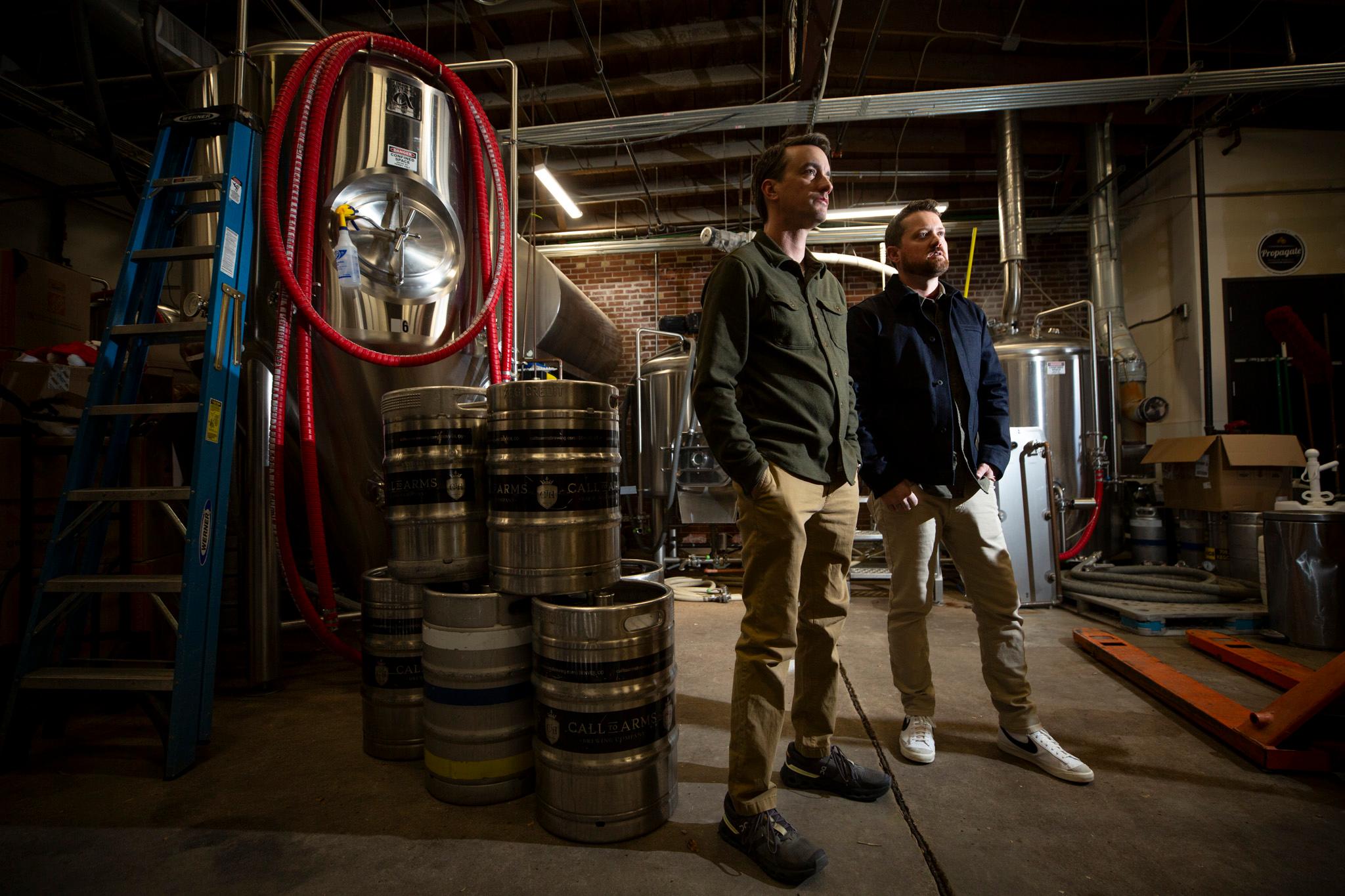
Months before the closure was announced, Bell and co-founder Cross talked. Cross, who had departed six years earlier, told Bell that he had done everything he could. The beer was good. The events were fun. You went down swinging, Cross told his friend. Nothing was left on the table. It was just the state of things.
Bell was 41. He had been brewing professionally for 17 years. He and his wife, Beth, had a 4-year-old son and were expecting another. Two dozen investors were losing money.
“A lot of people said, ‘You know, this must be a difficult decision,’” Bell said. “I was like, it really isn't. It was a difficult announcement, but not a difficult decision. We couldn’t make it despite almost doubling revenue from 2019. The decision was made for us.”
The announcement came in a Sept. 12 video posted on social media, where Bell, whether he likes it or not, has gained a following for being clever and hilarious.
The shot opens with Bell, looking seriously bummed sitting in front of drawn black curtains.
“All right, this is pretty tough to talk about,” he says. “So I’m not gonna. We hired Yupi the Clown to do it for me.”
The curtains open to reveal a clown on a unicycle juggling day-glo bowling pins in an empty taproom. Yupi is the bearer of the bad news: “CTA is closing its doors December 23.”
Saying goodbye
Not long after posting the video, Bell visited his friends at Bierstadt Lagerhaus, which opened a year after Call to Arms in a renovated warehouse in RiNo. There were tears and hugs.
Of the recent local brewery closures, this one hit different, Bierstadt owners Bill Eye and Ashleigh Carter said on a recent afternoon over beers in an empty upstairs dining area.
“These guys came from Avery, which was like a staple, right?” Carter said. “They break out on their own, which is really cool. They have this tasting room that is like no other. You have a guy in Chris Bell who's extremely smart and maybe the best promoter in the business.”
“You just have to say to Chris, ‘It wasn’t you, man,’” Eye said. “‘You’re one of the smartest people in the industry. You make great beer. You picked a good neighborhood. I don't know what else to tell you. You had a 10-year run. You did as well as people can do, and still, you ended up against it.’ That's hard. It’s really hard to know that maybe it's just not possible.”
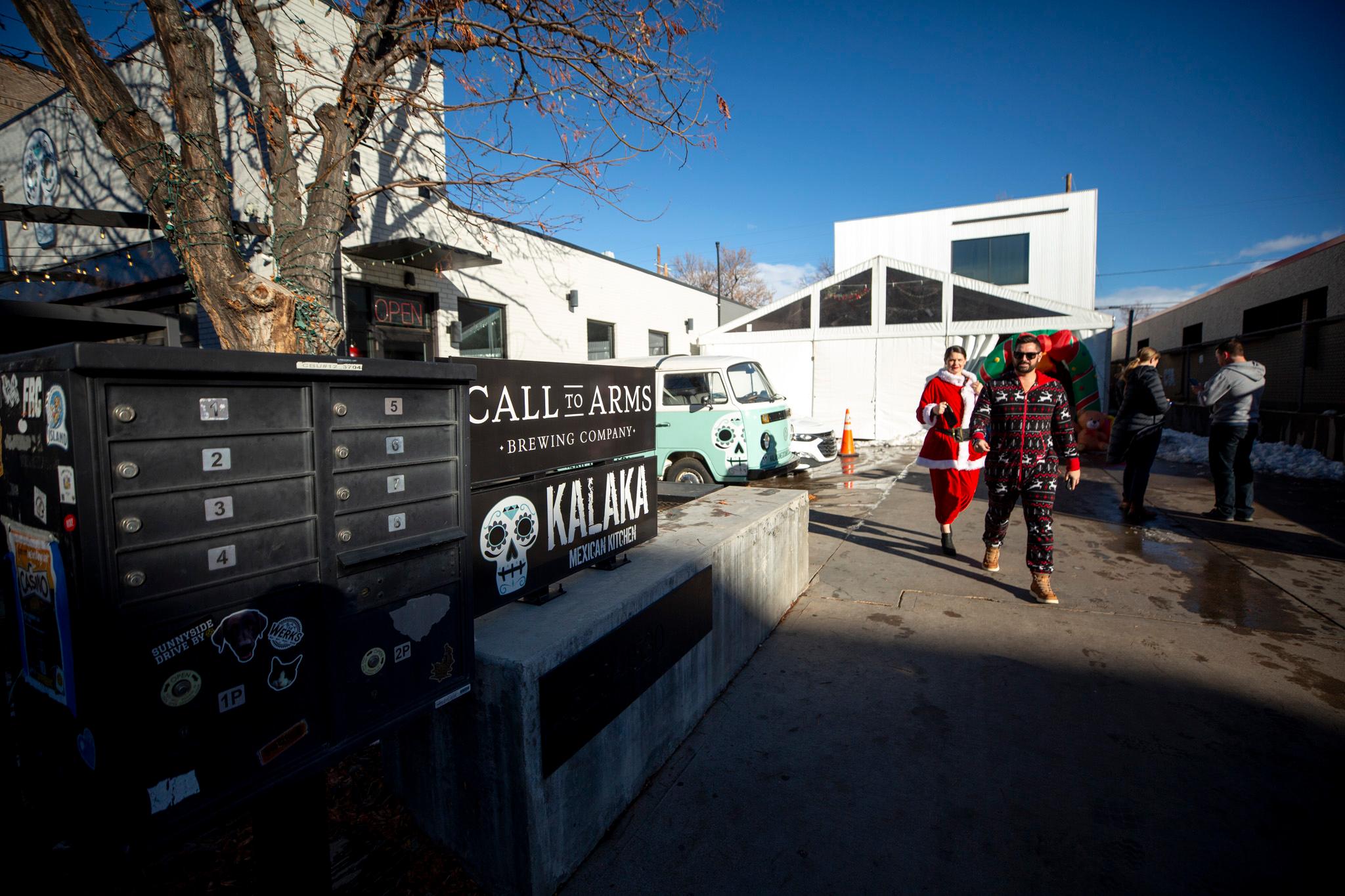
Announcing the closure more than three months in advance created moments that made Bell realize CTA was more than he knew. Customers shared stories of meeting their spouses in the taproom and celebrating their children’s christenings there.
One man grabbed Bell by the shoulders at CTA’s Oktoberfest party like a long-lost friend.
“What’s next for you?” he said.
The look on Bell’s face made it clear he didn’t recognize the guy.
“I don't think you know me,” the man said. “But I am just so happy for what you've accomplished. I just want to know what's next for you.”
Bell began to cry.
What’s next is that Bell and his family are moving to Maryland. He’s buying an in-home care business he thinks has potential. He isn’t passionate about that line of work. But he hasn’t done it yet and maybe, he said, it’s OK to separate your passions from your work
A few days after CTA’s last call on Dec. 23, the brewery will open its doors again for an auction to help pay off debt. It started as a joke, one more tongue-in-cheek event at the end of a three-month going-away party.
But people keep asking Bell about it, curious about what might be up for bid. On the list so far: a shuffleboard table Bell’s dad bought when the place opened and cease-and-desist letters CTA has received for copyright infringement over beer names.
Then there is the brew sheet for that last batch of Janet Reno’s Dance Party, with the malt types, hop bill, pH readings, sensory notes and everything else. That, Bell will keep.
Eric Gorski is a Denver-based journalist who has written about craft beer for Denverite, The Denver Post, Conde Nast Traveler, Beer Advocate and Draft Magazine.