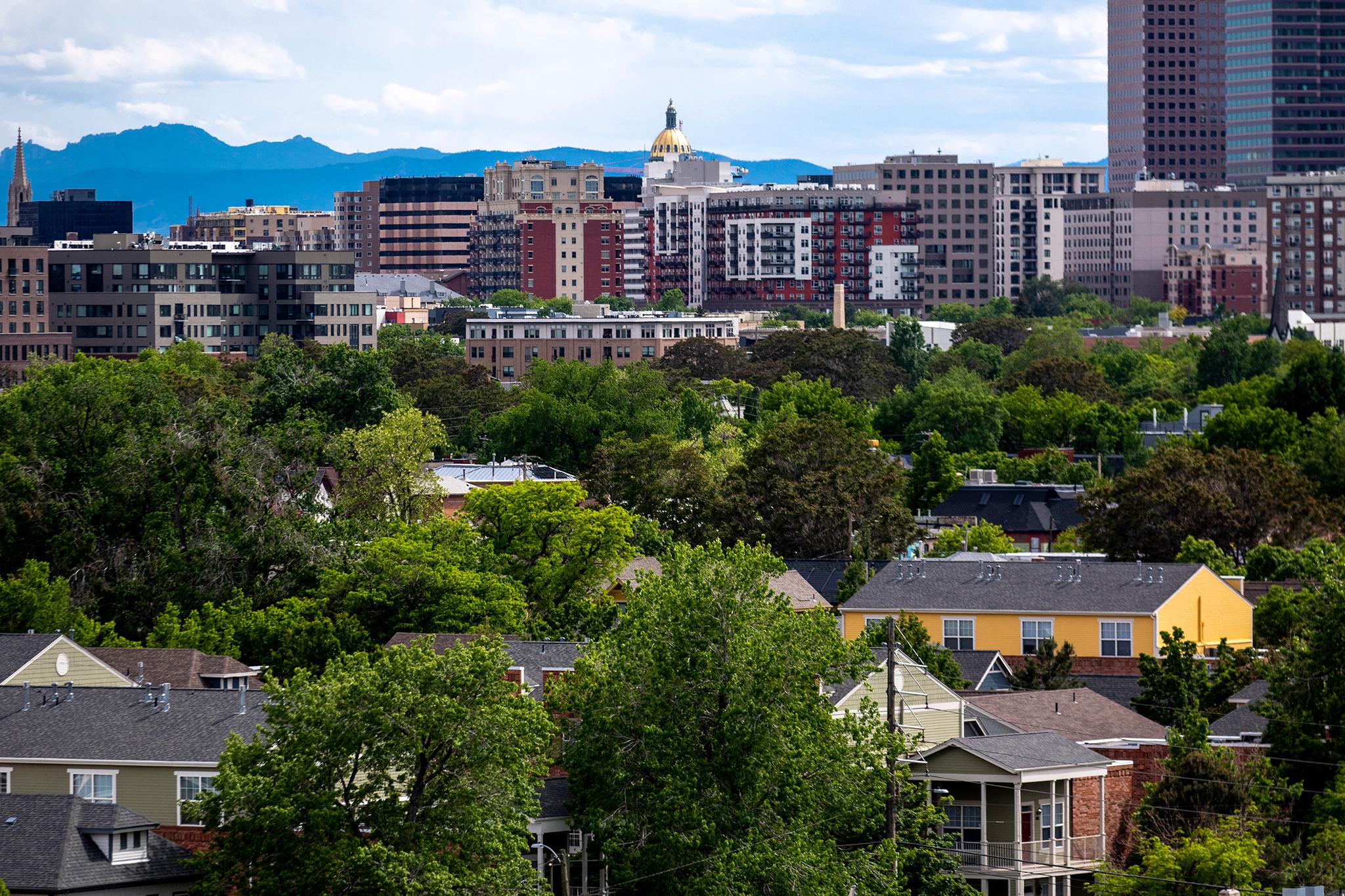
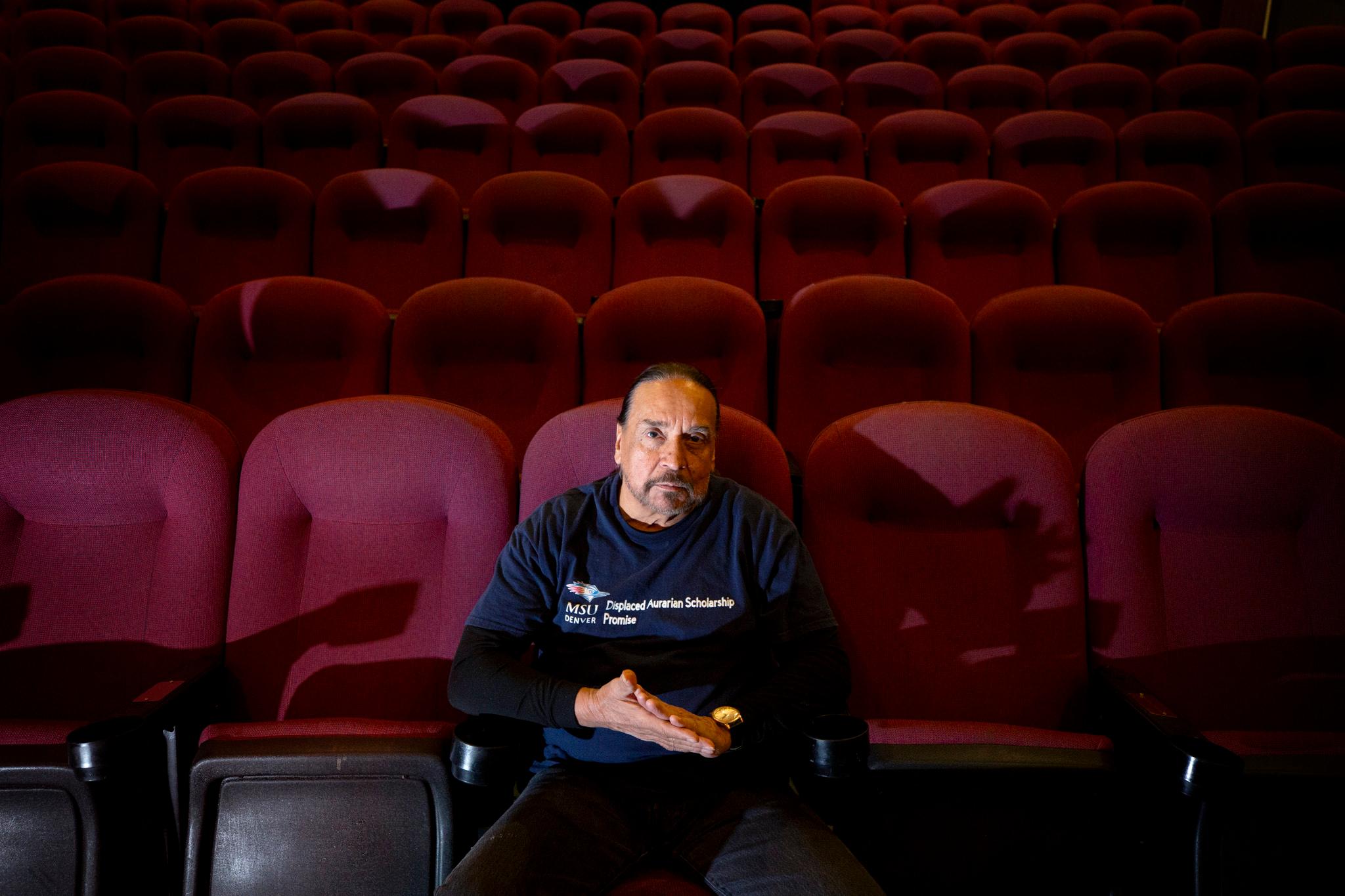
When Anthony "Tony" J. Garcia was growing up in Denver, he lived in the city's oldest neighborhood.
Today, that neighborhood no longer exists.
The community called it the "Westside." Now, the city's map reads "Auraria."
In the early to mid-1900s, the area was home to immigrants, farmers, and WWI veterans. Many of them were Latino.
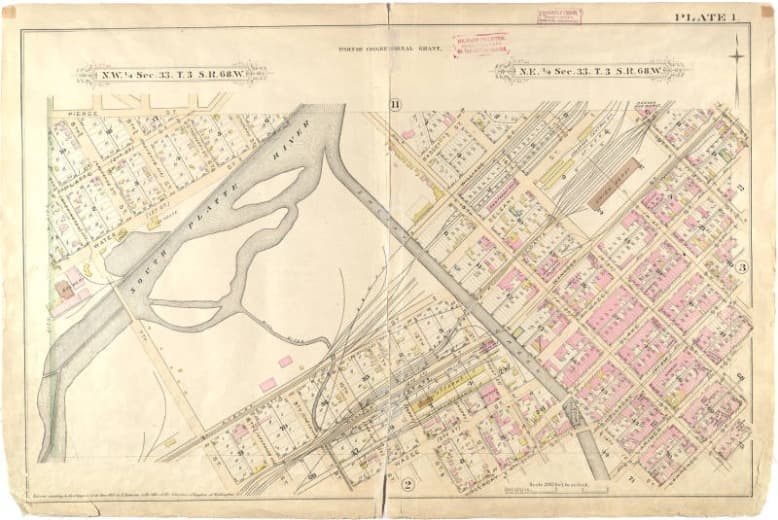
In those days, the streets were lined with mature trees and historic homes, some of which dated back to the 1870s. Children were often seen roller-skating or skipping rope with friends. Families lived on the same block. And on cold nights, pots of beans fogged kitchen windows.
This is where Su Teatro's holiday show "Westside Oratorio" is set.
"Westside Oratorio" was written by Garcia, who's now Su Teatro's executive artistic director, with music by Daniel Valdez, known for his Hollywood hits "Zoot Suit" (1981) and "La Bamba" (1987).
The musical, which concludes its run at Su Teatro this weekend, honors the community that was dissolved to make way for the Auraria Campus.
'There was the story that was being put forward that the houses were in bad shape and they needed to be torn down.'
The city first began talking about the Auraria project after the flood of 1965.
Officials were saying the homes needed to be condemned. Garcia, who grew up in Westside, said that was absolutely not true.

When murmurs of relocation started, he was 12 years old. He said, even then, he understood what was happening. His community lived on valuable real estate.
The residents of the Westside organized and fought the urban revitalization project. But they lost. They were each handed $15,000 for relocation assistance and told to leave. Hundreds of families and businesses were disbanded. And the Auraria Campus was underway.
Former Westside families and their descendants have since been offered reparations in the form of a Displaced Aurarian Scholarship through Metropolitan State University of Denver, the University of Colorado Denver and the Community College of Denver.
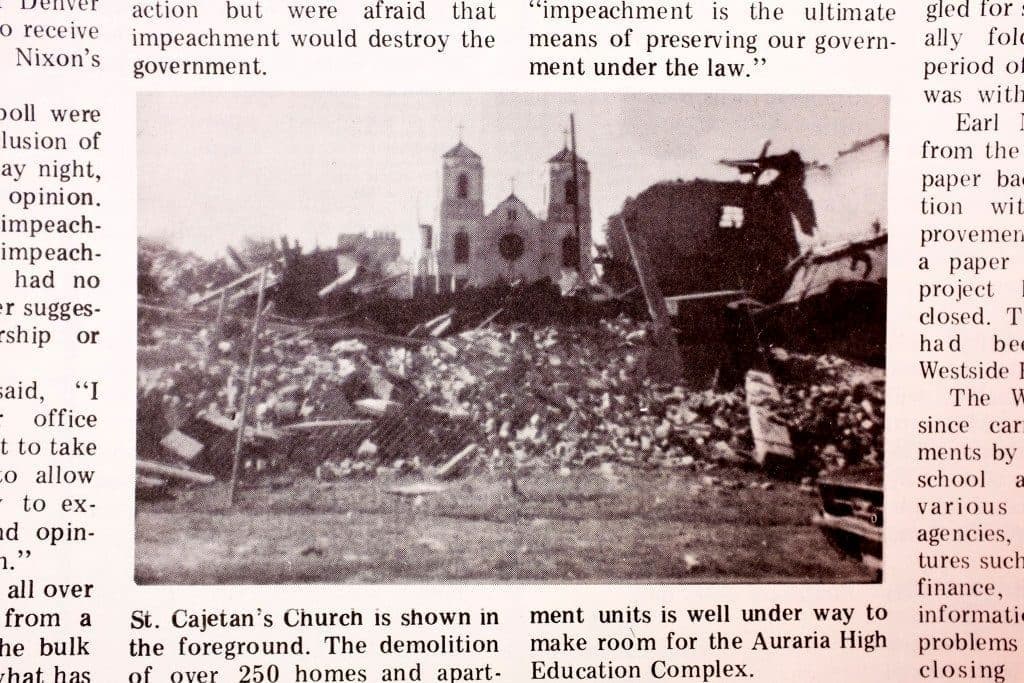
But healing also includes remembering. Though a few historic buildings were preserved, much of the neighborhood's history has been erased.
That's where "Westside Oratorio" takes the stage.
The Greek tradition of the oratorio is "history through music."
"Westside Oratorio" is a musical production featuring five singers, seven musicians and a series of projected sets comprised largely of historical photographs.
The story spans 300 years of Denver history, from when Native Americans lived on the land through the 1970s.
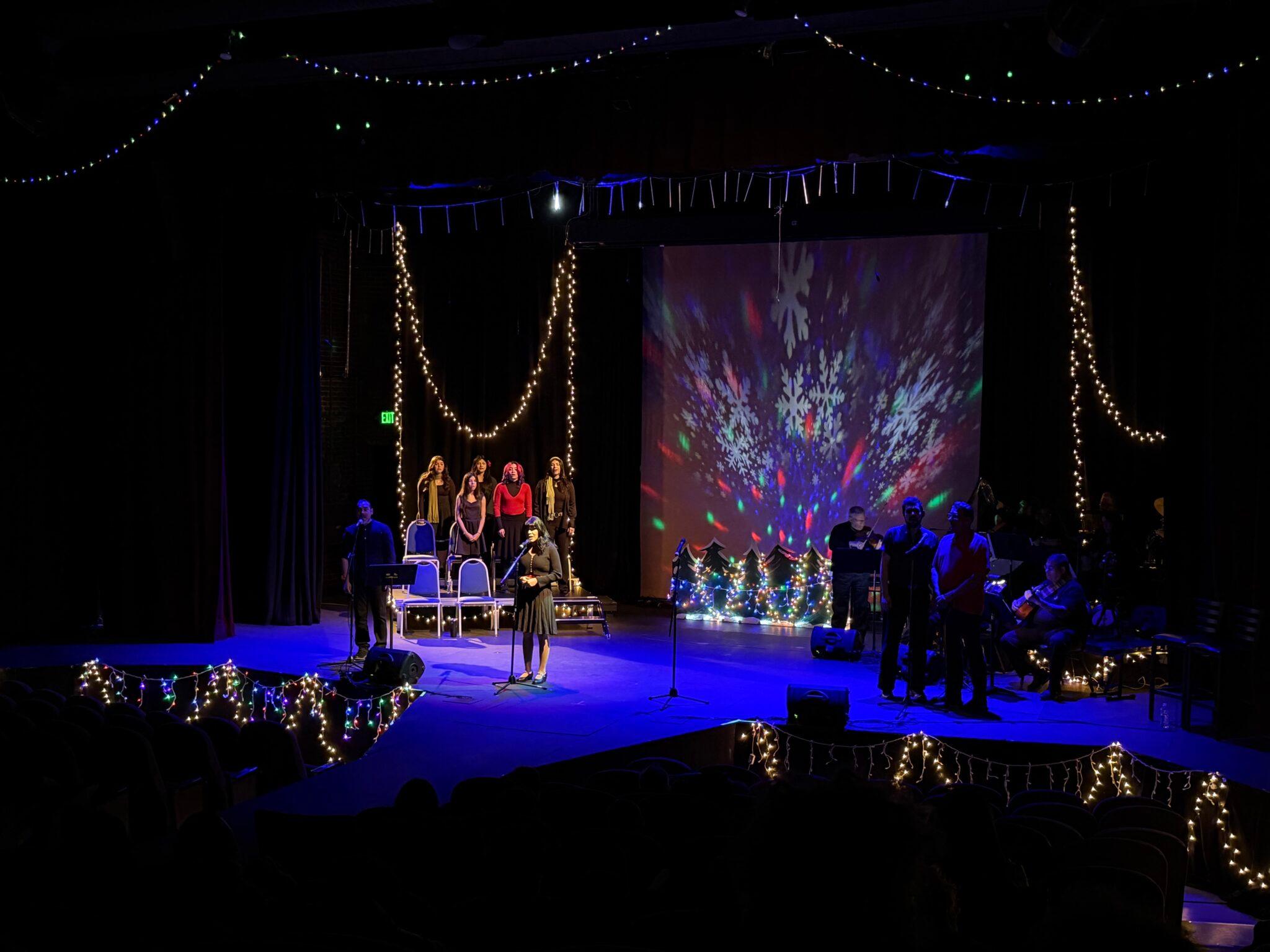
The structure of the show is based on the Native American principle of Seven Generations. The principle states that we are the beneficiaries of decisions made by the previous seven generations, and our actions today must account for the seven generations to come.
Garcia and Valdez hope "Westside Oratorio" becomes a part of their lasting impact.
"This is the play that started in the ‘70s, and now we're in our 70s," Garcia said.
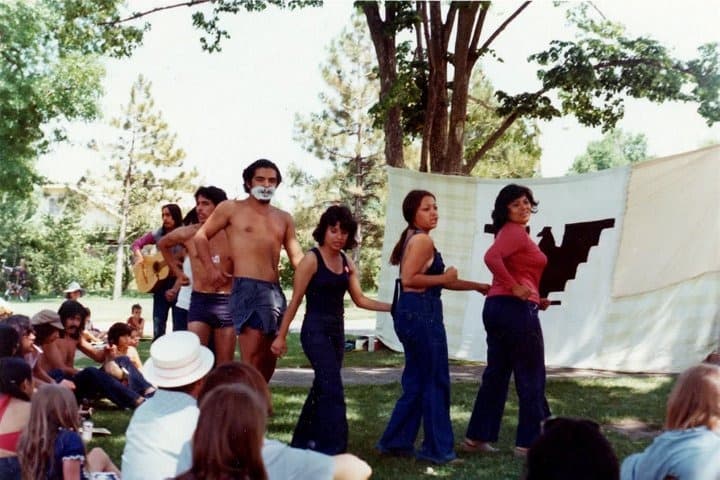
They've staged the production four times in the last 21 years, and soon hope to document it so they can pass it on to future generations.
It's timeless, but also timely.
"It's a story about belonging — who belongs and who has a right to be here — which is one of the most profound and painful conversations taking place in this country right now," Garcia said. "It's very, very important that we put a historical marker on the fact that Latinos were in Colorado a very long time."
Seven generations from now, Garcia and Valdez want people to remember how their community contributed to the city's history and culture.
"The greatest gift that we can offer to the next generation is memory," Garcia said.
“Westside Oratorio” concludes its run at Su Teatro on Sunday, Dec. 21. Tickets cost $20, or $17 for students and seniors.
Related stories
- In the ’60s, Denver decided to replace this community with the Auraria campus. Here’s what it lost.
- ‘Confluent People,’ a mural honoring generations of Denver history, is being restored
- Denver Walls covered a beloved Chicano mural in RiNo. Now, it’s being restored
- ‘Echoes of Curtis Park’ brings Five Points history to the stage — via a cosmic radio DJ