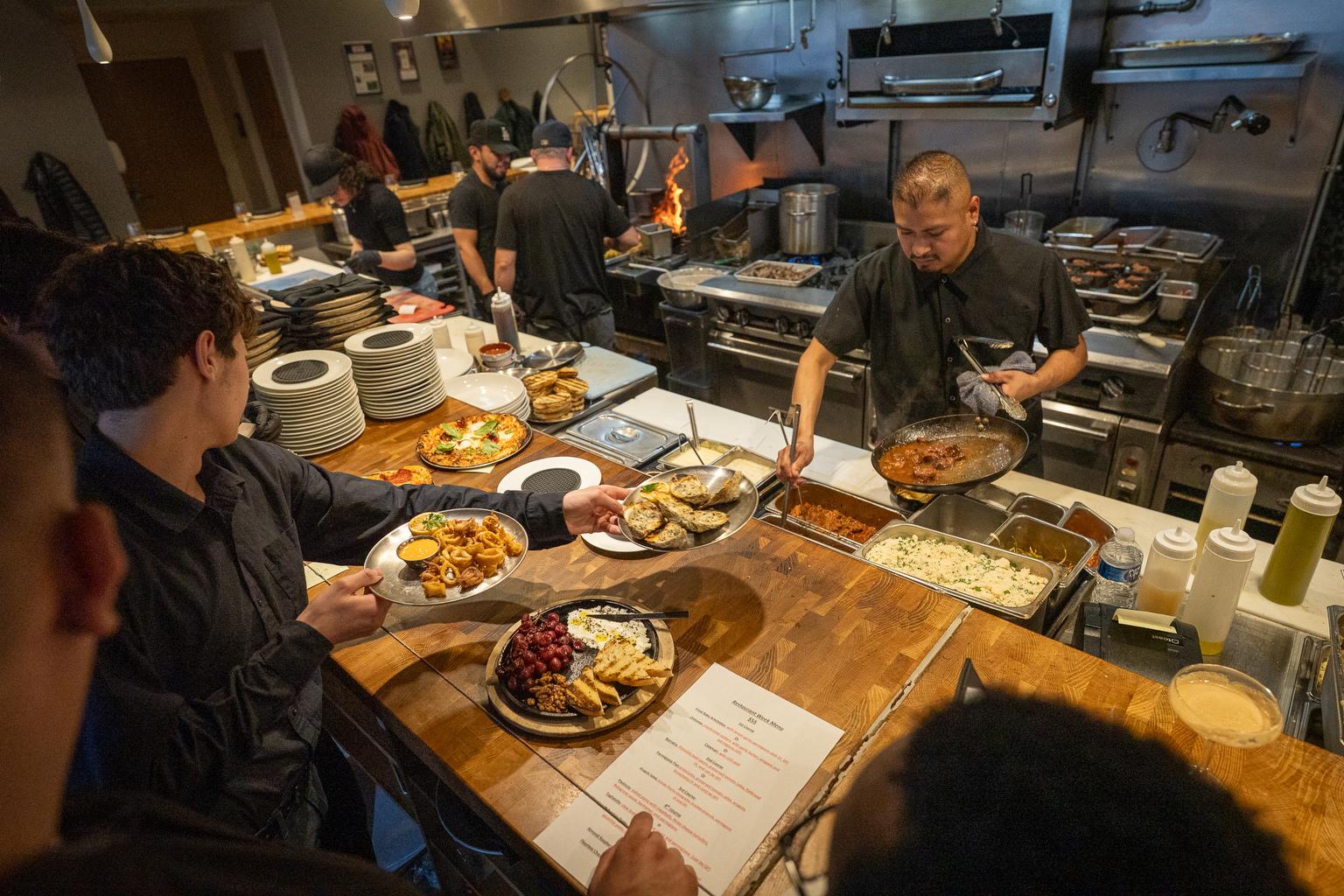
A report written by members of the Denver restaurant industry in partnership with Visit Denver and the city’s economic development department says restaurants face a“critical inflection point” — putting pressure on the city to make changes to its minimum wage policies.
The report argues that restaurants are “facing a crisis primarily driven by spiking labor costs.” One of its primary recommendations is to lower the tipped minimum wage — a potential change made possible by a highly controversial 2024 state law.
So far, city lawmakers in Denver and surrounding cities have resisted pressure to change their laws for restaurant wages. Only Edgewater has taken advantage of the new law.
But the restaurant industry’s report is yet another push for Denver City Council to consider the idea — which is exactly what one member is planning to do.
The report used survey results, interviews with restaurant owners and data analysis.
The report was written by local restaurateurs who found their industry in crisis
The report represents a partnership of Denver Economic Development & Opportunity, Visit Denver, and the dining rewards and payment app inKind.
It was authored by two local restaurateurs — Adam Schlegel and Dana Faulk Query. Schlegel is a co-founder of Snooze and Chook Chicken. Query co-owns Big Red F Restaurant Group, which includes The Post, Jax Fish House & Oyster Bar and more.
“The evidence assembled through the Denver Restaurant Liaison Project shows a city that values its hospitality culture yet has unintentionally created an operating environment in which costs rise faster than revenue, risk accumulates faster than returns, and resilience is increasingly limited to the most capitalized,” the report says.

It painted a picture of an industry in crisis. The report largely focused on rising labor costs.
In Denver, the minimum wage is $19.29 per hour this year. The tipped minimum wage — which is paid to tipped waiters, bartenders and others — is $16.27.
The tipped minimum wage, also known as a tip credit or tip offset, is what a tipped employee must be paid for every hour worked. It is lower than the regular minimum wage, with the assumption that tips will make up the difference. If tips are low, the business owner must kick in more money to ensure employees make the regular minimum wage.
The report recommends a dramatic reduction in the tipped minimum wage, bringing it from $16. 27 to $12.14, which is the least allowed by state law. Gov. Jared Polis and moderate Democrats have called on cities to cut tipped minimum wages.
The report also weighed the possibility of implementing or incentivizing a “citywide standardized service fee,” which could authorize or require a universal service charge on bills. Many restaurant owners have embraced service fees, saying the extra charge benefits workers.
The idea has been controversial. Culinary Creative Group, which has championed the fee in the Denver metro area, faced criticism from workers who said service fees mislead customers and led to lower wages. Service charges are also unpopular with customers who see them as a way to sneakily inflate prices. Service charge revenue is often controlled by the business owner, while tips go directly to employees.
When Mayor Mike Johnston floated a similar idea, he faced fierce pushback.
Other recommendations included speeding up permitting across various city departments, creating a dedicated restaurant liaison role for the city and cleaning up commercial corridors.
Changing the tipped minimum wage would be a tough fight.
So far, Denver City Council hasn’t had any official debate about the tipped minimum wage. That will change soon.
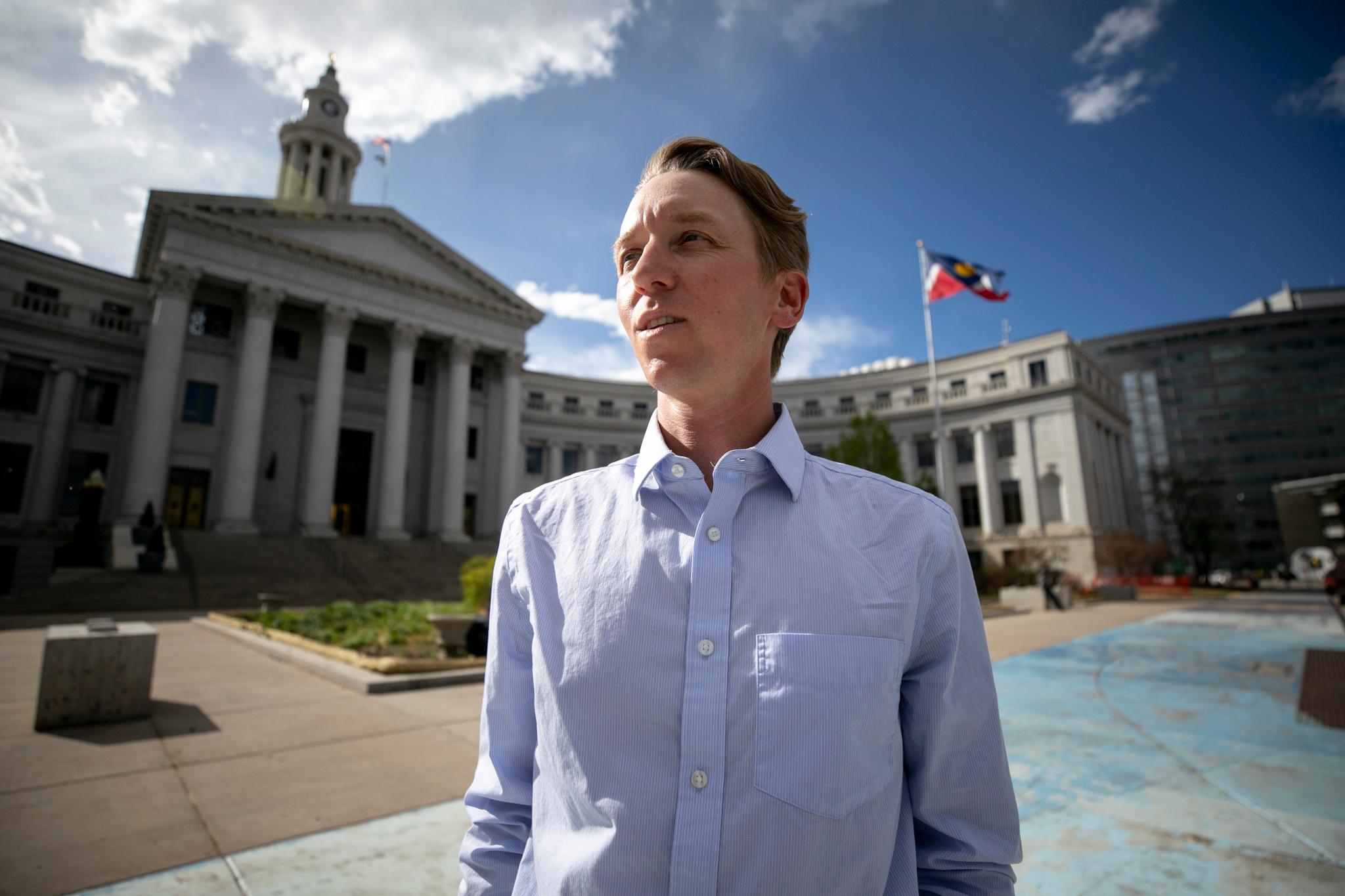
Councilmember Darrell Watson’s office confirmed that the District 9 representative is exploring changes to restaurant wage laws and plans to present ideas to City Council in the near future.
Any debate on tipped minimum wage would likely reopen a fierce debate over HB25-1208, the law that allowed cities to drop their tipped minimums.
Restaurant workers, labor advocates and progressive Democrats argued the change would reduce wages for already-struggling workers.
A handful of restaurant owners, like Weathervane Cafe’s Lindsay Dalton, spoke out against HB-1208. Dalton said she was frustrated to hear that the tipped minimum wage debate is being revived.
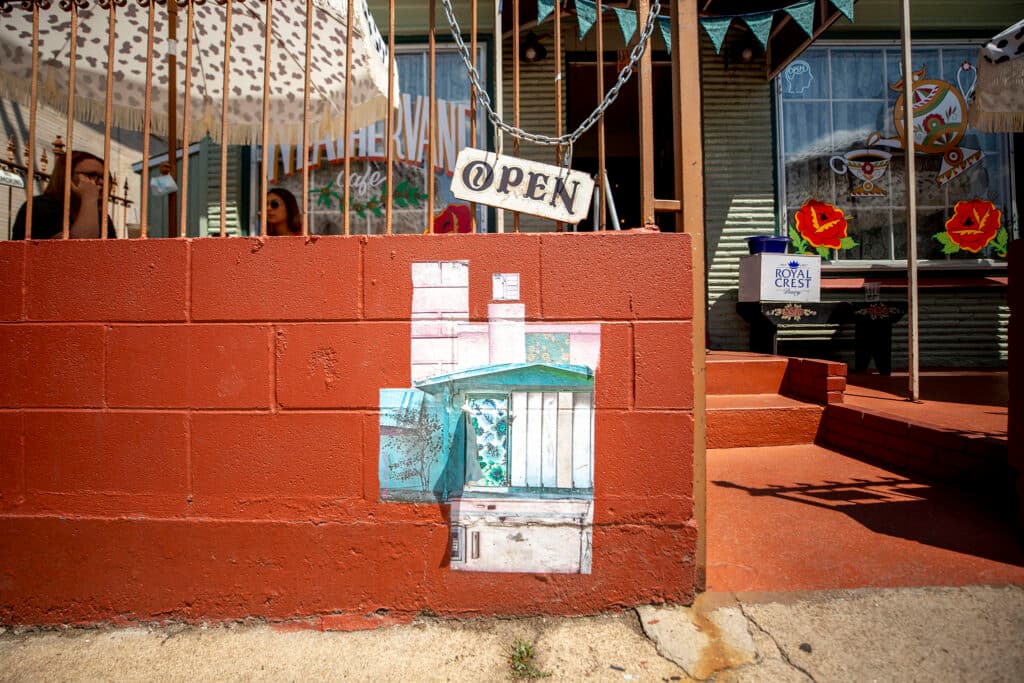
“[Commercial property taxes], that's an issue. And then also corporate suppliers, Sysco and US Foods, and not to mention Donald Trump's tariffs, that they are affecting food and plastic and paper goods and these are real issues to me — not paying the lowest paid workers in the economy,” Dalton told Denverite. “That's not the issue.”
Dalton floated other ideas, like tax relief for restaurants. She added that she didn’t feel that Weathervane Cafe is in crisis, thanks to strong community support.
A legislative analysis found that the state would lose millions of dollars in income taxes if all eligible cities reduced their tipped minimum wages. Workers would also lose several thousand dollars per year in wages. But the restaurant industry argues that the tipped minimum wage has risen disproportionately fast, thanks to the details of state law.
Meanwhile, the state’s two major restaurant lobbyists — the Colorado Restaurant Association and EatDenver — have thrown their support behind a tipped minimum wage reform.