The Regional Transportation District faces big problems, and big expectations, in 2026.
The state’s largest transit agency is running a $200-million-plus deficit and has struggled to regain its ridership and fully restore services after the pandemic crash. At the same time, state leaders are demanding improvements — and counting on RTD to chip in millions of dollars toward the plan for a Front Range rail system.
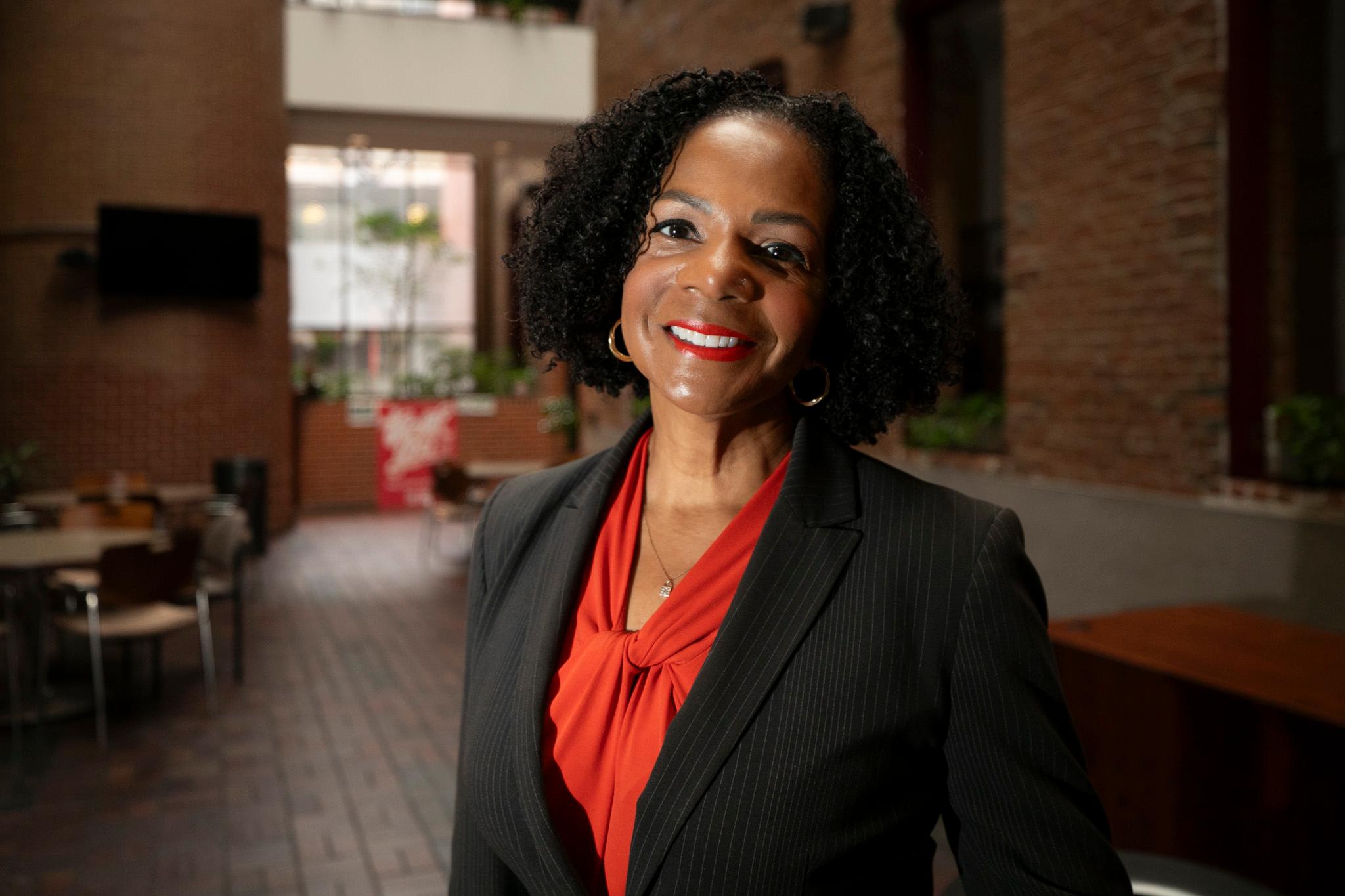
CPR News’ Haylee May interviewed RTD CEO Debra Johnson. Here’s what we heard.
Closing the budget gap with parking charges?
RTD needs to find new sources of revenue in the coming years, Johnson said.
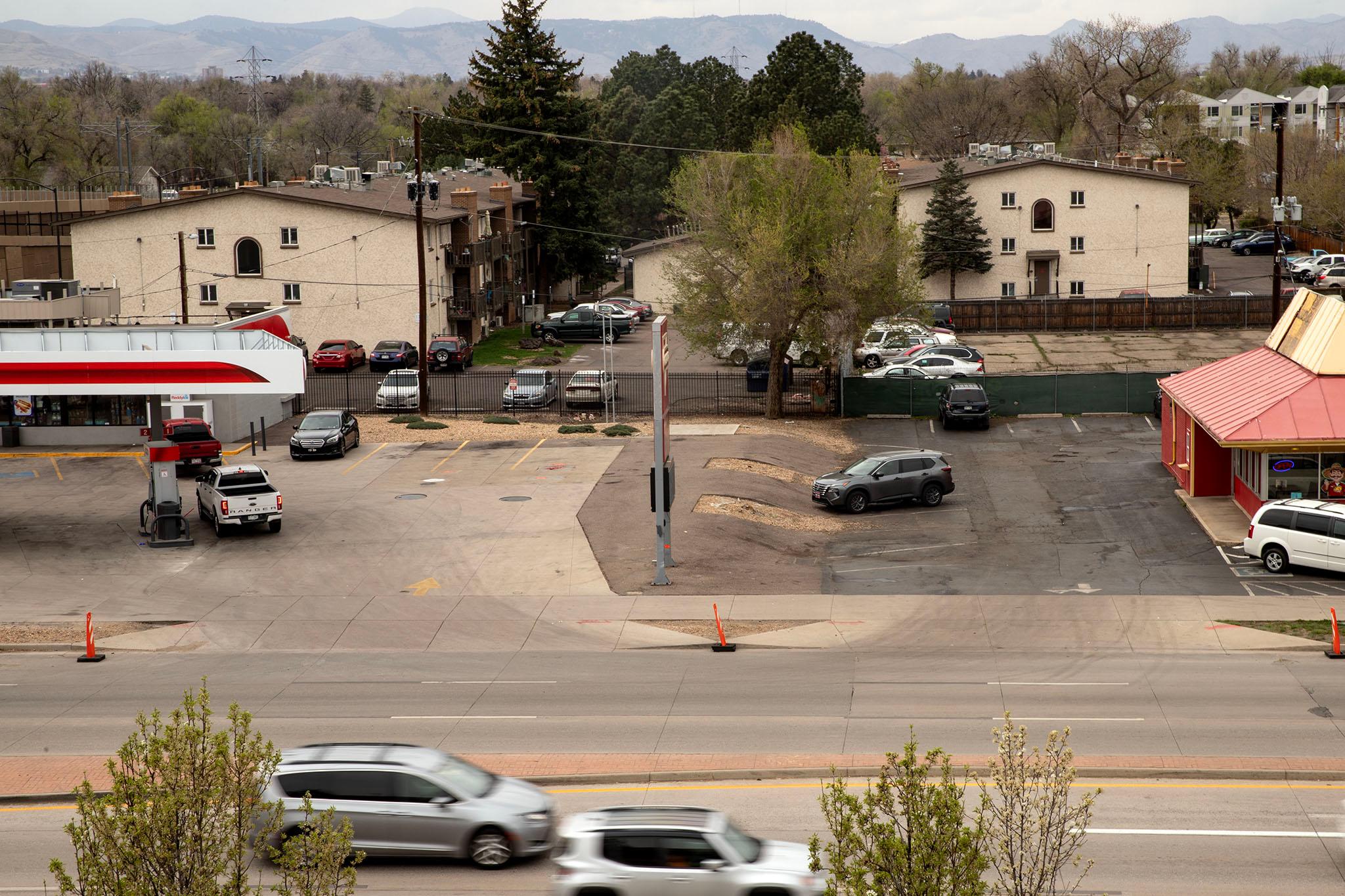
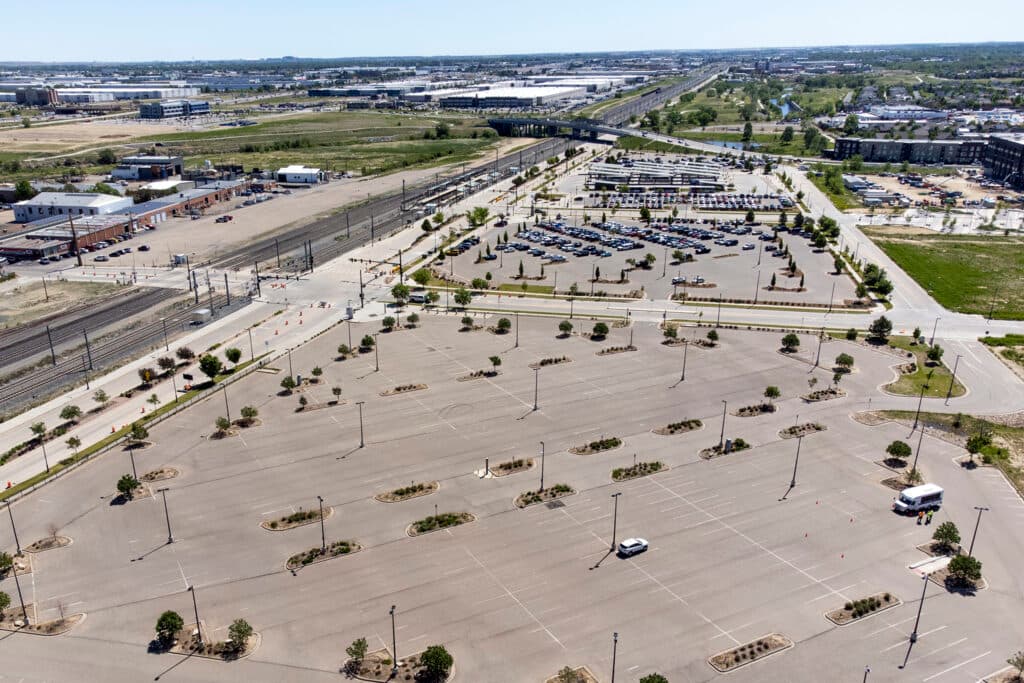
One option, she suggested, is charging for parking at RTD’s park-and-ride lots, which are currently free for most users.
“It could be other aspects relative to really honing in on key services … charging for parking and things along those lines, because it really gets down to mobility choices,” she said.
More broadly, she wants cities around the metro to help build ridership. She didn’t name a particular way to do that, but Gov. Jared Polis has been pushing cities to allow more housing development near transit lines.
“How about ensuring that there's transit-first policies within cities whereby we could really have a laser-like focus on transit,” she said. “Some of those strategies could yield greater utilization of the system in turn, bringing forward more revenue as well.”
Johnson noted that 70 percent of RTD’s budget comes from sales and use taxes, which can fluctuate significantly with the economy — as well as federal grants and the fares riders pay.
With commuters disappearing, Johnson wants to focus on big events.
RTD’s ridership fell sharply during the pandemic and its aftermath and still hasn’t recovered. Ridership for buses and trains declined from 2024 to 2025, a period that included significant “slow zone” disruptions for emergency repairs.
Johnson said the agency has to adapt.
“It's really honing in on where people are trying to go. Before 2020, people were primarily commuting. Growing up in the transit business, I've been in for more than 30 years, we used to say we're only good as our last rush hour,” she said. “Now there's not a designated rush hour period anymore, right?”
The agency has been focusing on serving large-scale events. RTD has faced complaints for years about spotty or insufficient service for people leaving sports events.
Johnson wants to see RTD “capitalizing on the social activities that people are trying to access,” she said, naming the city’s sports venues and places like the National Western Complex and Denver Center for the Performing Arts. That could include more frequent service during large events, something already in place for concerts and popular sporting events at Empower Field.
Safety issues:
RTD has deployed more transit police officers, hoping to address safety concerns that have kept some riders off the trains and buses. This month, a woman was stabbed several times — apparently at random — at the Union Station bus terminal, which also serves other transit systems.
Asked how RTD was trying to make its service feel safer in 2026, Johnson said RTD would finish installing live surveillance cameras throughout its rail fleet by the second quarter of the year.
“What this means is that we have the ability to not only have RTD [police officers] but jurisdictional police be able to respond to incidents quickly,” she said, also mentioning the agency’s Transit Watch app, which allows riders to report suspicious or unwanted activity.
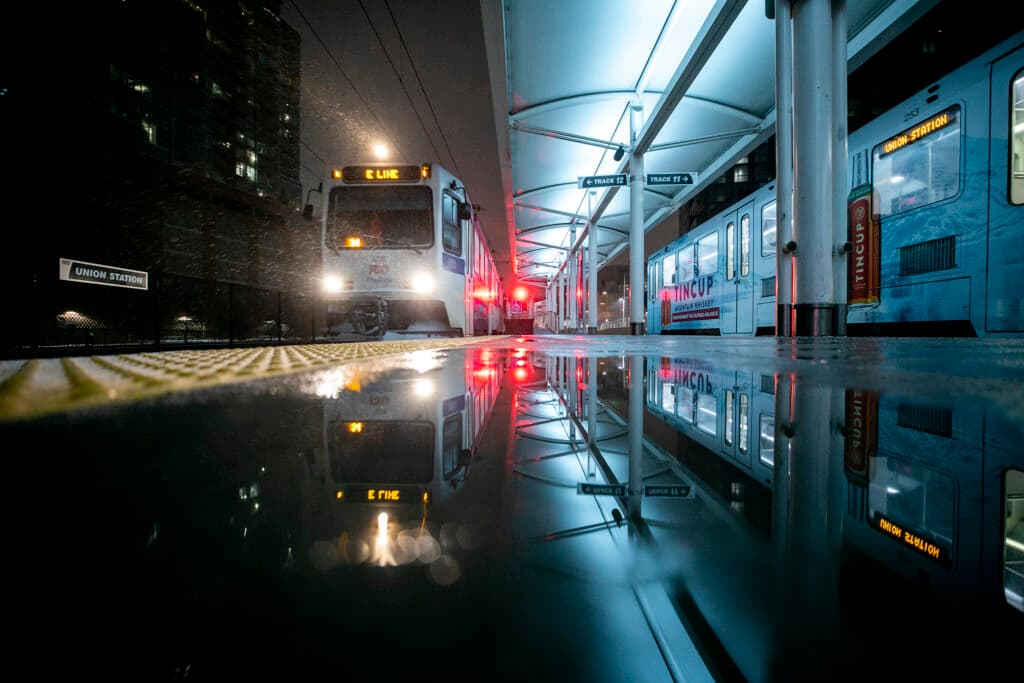
Johnson also mentioned the agency’s decision to keep its elevators’ doors open when they’re not in use — which is meant to discourage people from using drugs, for example, in an elevator car.
“We also have leveraged our elevator program where we have programmed our elevators to remain in the resting open position. So if you're looking to do bad activity in those elevators, you may think the elevator's not working, but our customers know what to do when they get into that elevator,” she said.
Those changes are working, she said, referring to significant decreases in reports of drug use on the system.
When will service be restored?
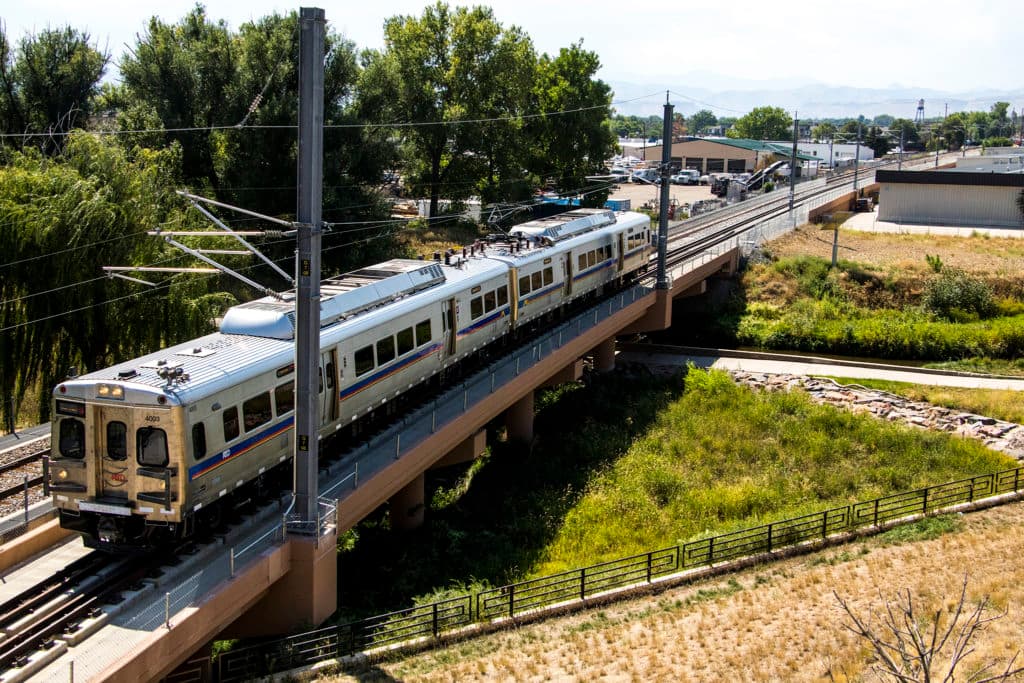
As ridership dropped, RTD cut service on many lines. For example, the G and N lines are among the newest, fastest lines in the system, but trains come only every 30 minutes. The B line to Westminster is running only hourly. Some bus lines have been cut altogether, but RTD has also increased the frequency of other services.
Johnson made no promise that pre-pandemic headways would return. The agency is instead trying to be strategic, she said. It’s focusing in part on the lines that serve major employers or dense populations, where the cost per rider is lower.
“If there's a major employer, wouldn't it make more sense that I have more service going to that major employer site — i.e. like a Denver International Airport, or with the propensity of having individuals go to an activity center such as an Auraria Campus?” she asked.
The original system built hundreds of miles of tracks to the suburbs, arguably prioritizing long-distance commuters instead of building a dense and high-frequency network. But especially after the pandemic, those long (and sometimes slow) lines have struggled to attract riders.
The agency will soon begin its next "comprehensive operation analysis,” which may take 18 months, to inform future decisions.
Is Front Range rail 'worth the squeeze?'
Voters could be asked this November to approve an $885 million project to launch passenger rail from Fort Collins to Trinidad. But officials with the Front Range Passenger Rail District say that can only happen if RTD contributes some funding, too — but it’s unclear how much.
Negotiations are ongoing between RTD, FRPR and the Burlington Northern Santa Fe Railway, which owns tracks the route would follow.
“We don't know the cost at this juncture until we can complete negotiations,” Johnson said, “and that will enable us to put forward a financial plan that then all of the governing bodies … can take to their respective bodies and discern, is the juice worth the squeeze?”
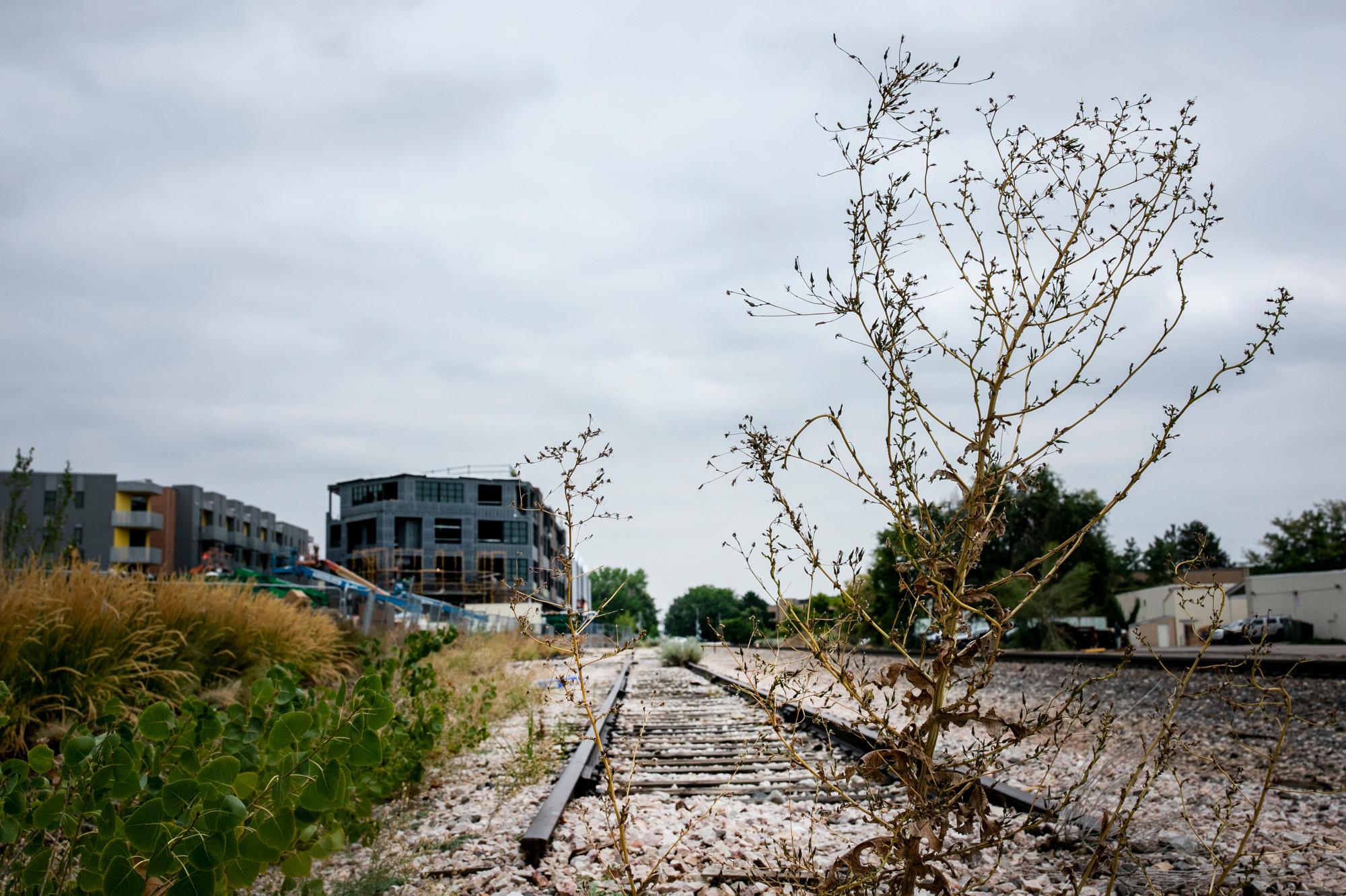
If it happens, Front Range rail would also connect Denver to Boulder. That “would satisfy the commitment made relative to service along the Northwest corridor,” Johnson said, referring to the long deferred promise to build a train to Boulder.
The train was supposed to be part of the original FasTracks program that voters approved in 2004 but was delayed amid rising costs.
Editor's note: This article was updated to correct the year FasTracks was approved. D'oh!