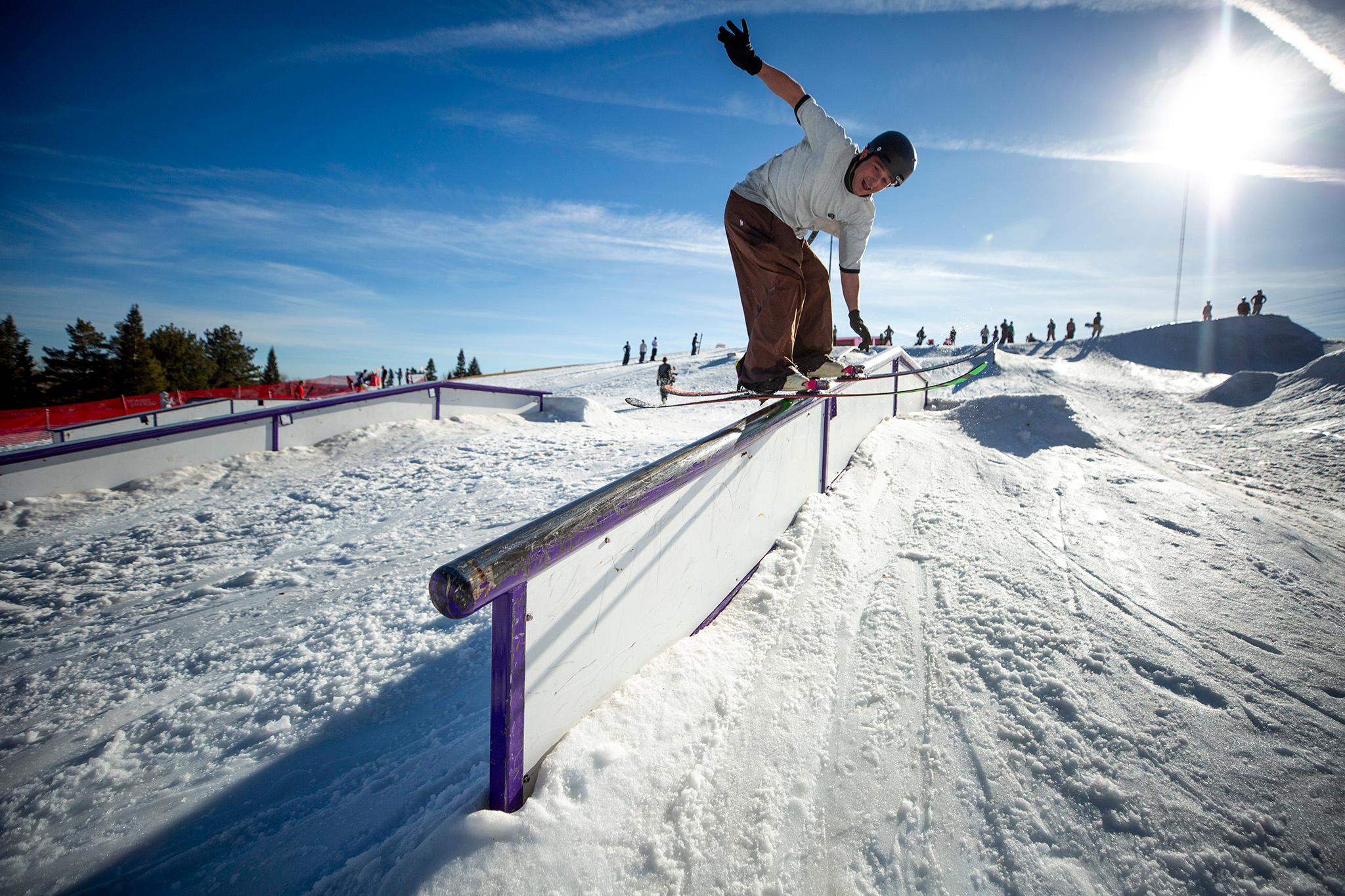
When it’s 63 degrees on a February afternoon, skiers and snowboarders don’t mind falling quite so much.
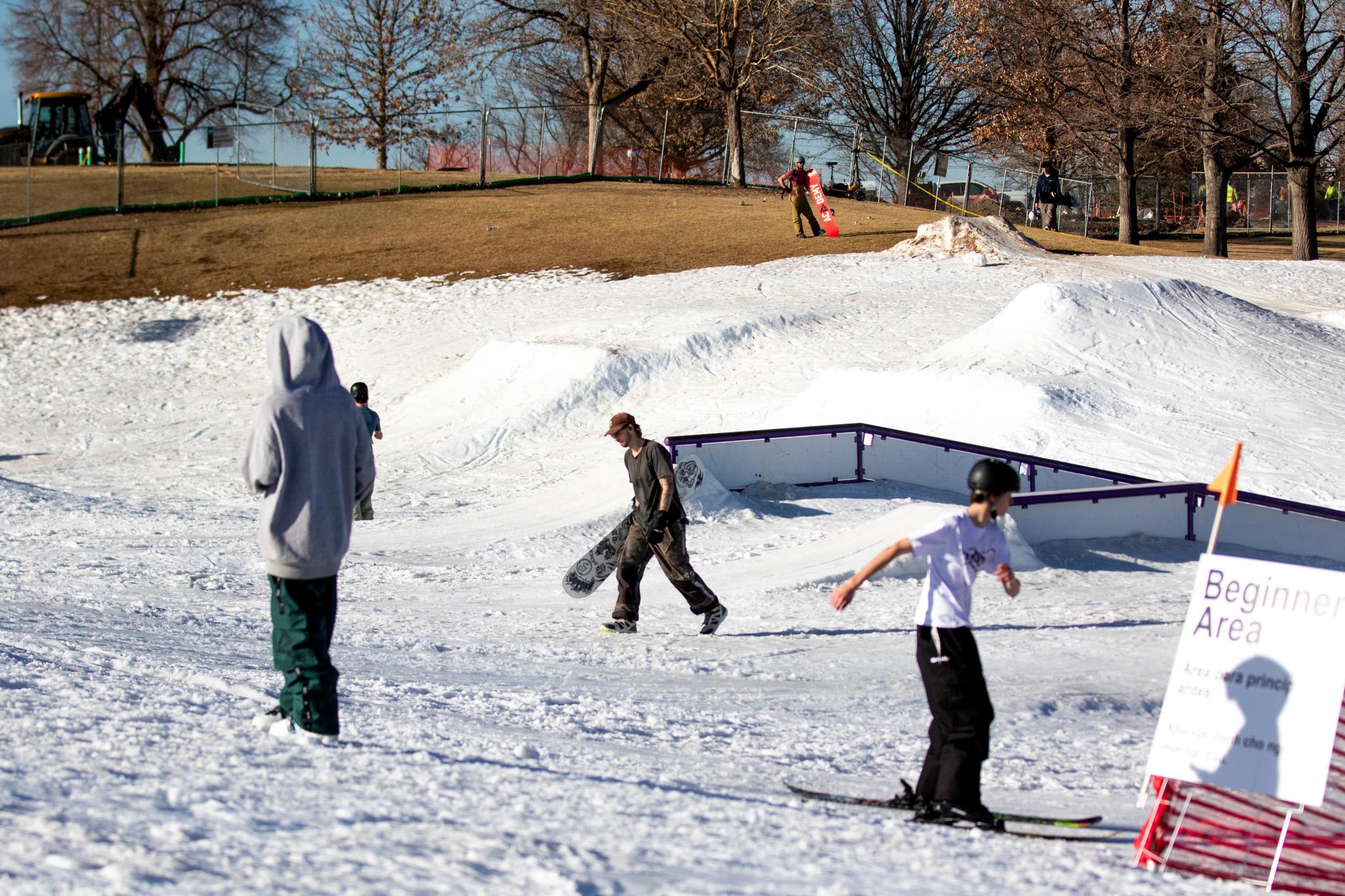
“When you hit a rail and kind of mess up and fall, it's nice. Cooling down in the snow, getting all wet and everything,” said Zephyr Avlia, who was leaving the Ruby Hill Rail Yard around 3 p.m. Thursday.
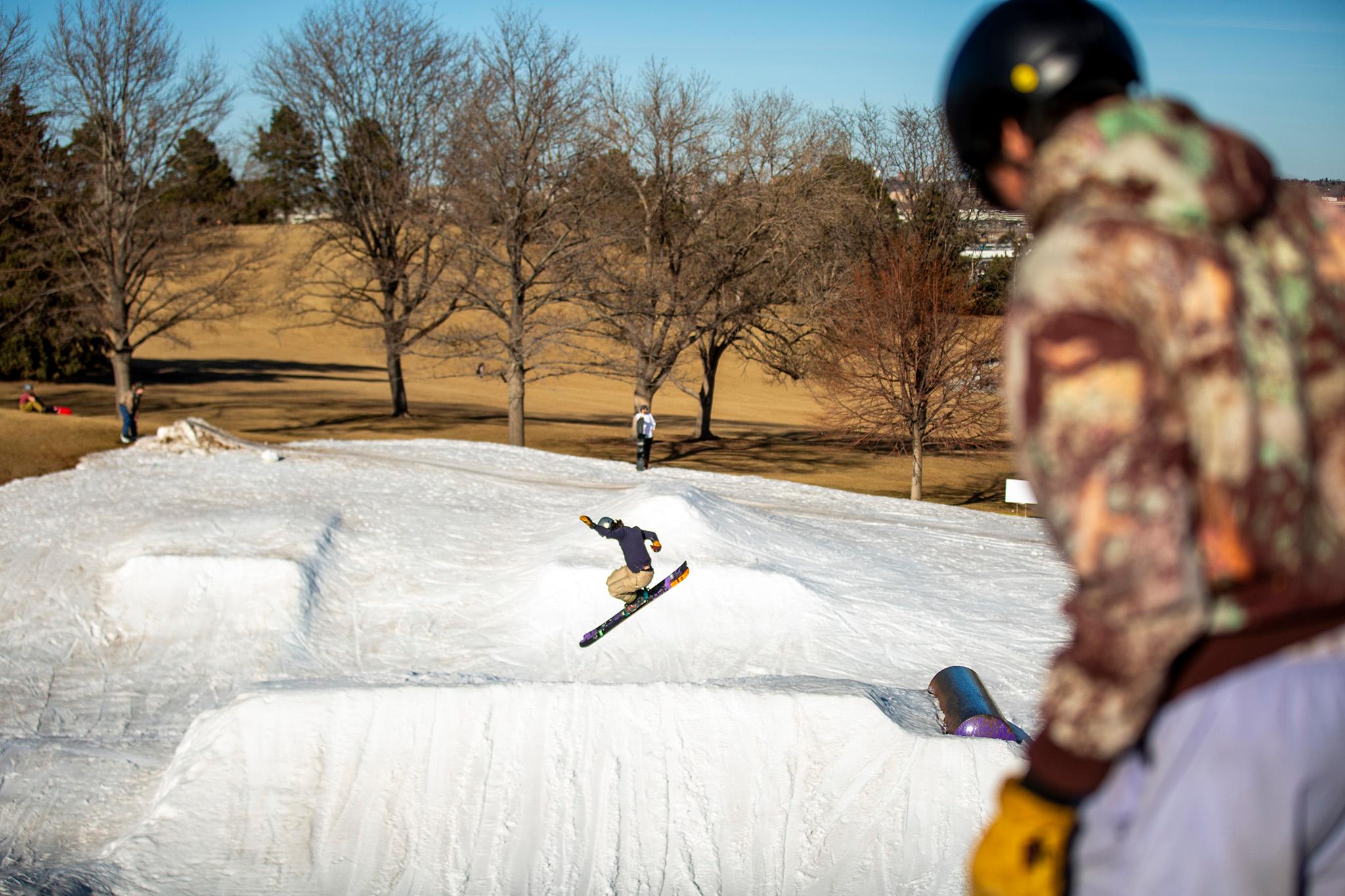
He and his buddy Wolf Doetsch were at Denver’s urban terrain park for skiers and snowboarders. It has rails and jumps for winter sport athletes — and thanks to artificial snowmaking, it might just be the only patch of snow currently left in the city.
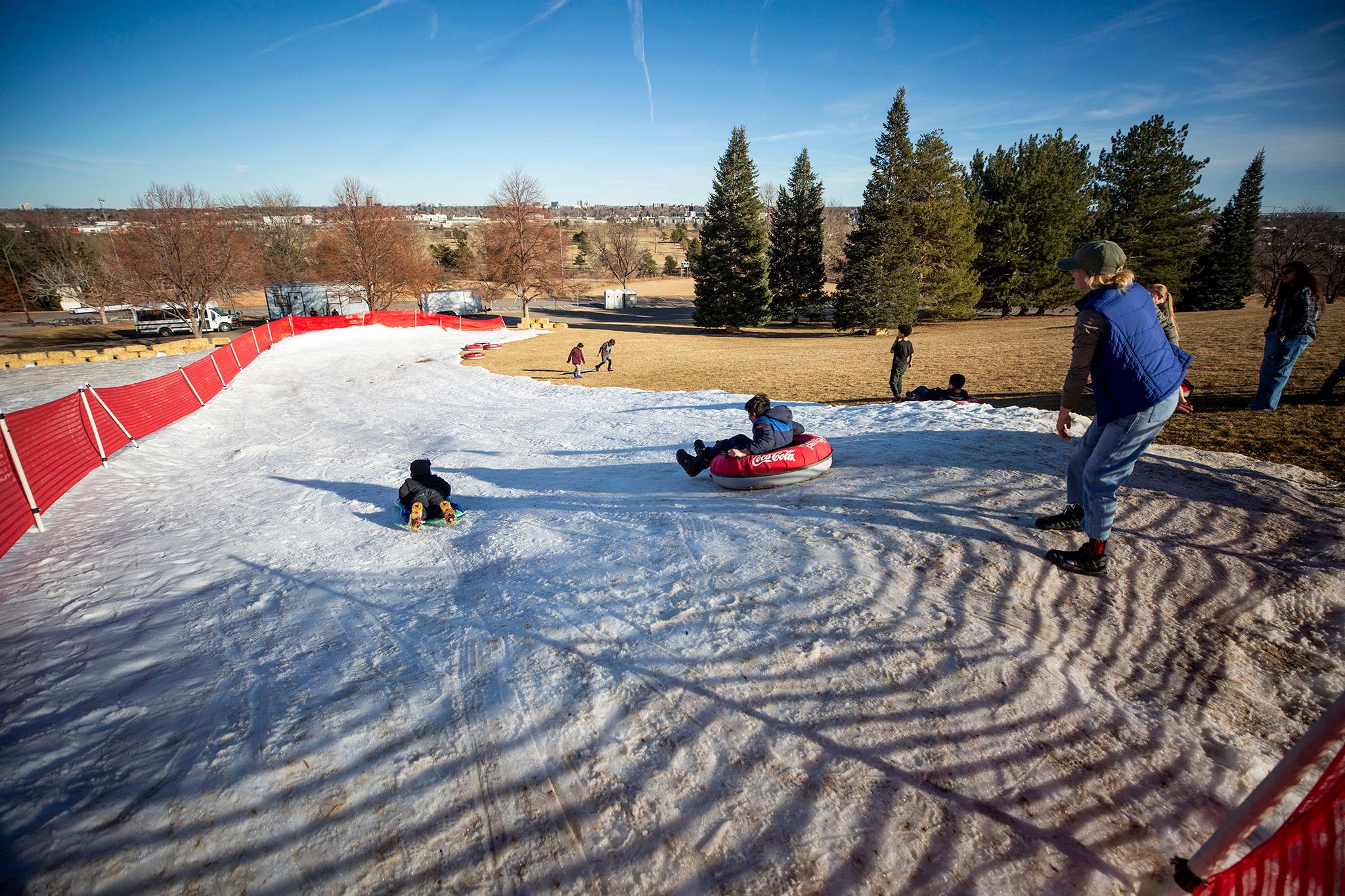
“That sun has just been beating down, making it kind of slushy,” Doetsch said. “I'm surprised there's just not like a pond at the end.”
Greg Gianforcaro, a skier, was in a short-sleeve shirt and snow pants. Others were shirtless.
“It's hot as hell,” he added.
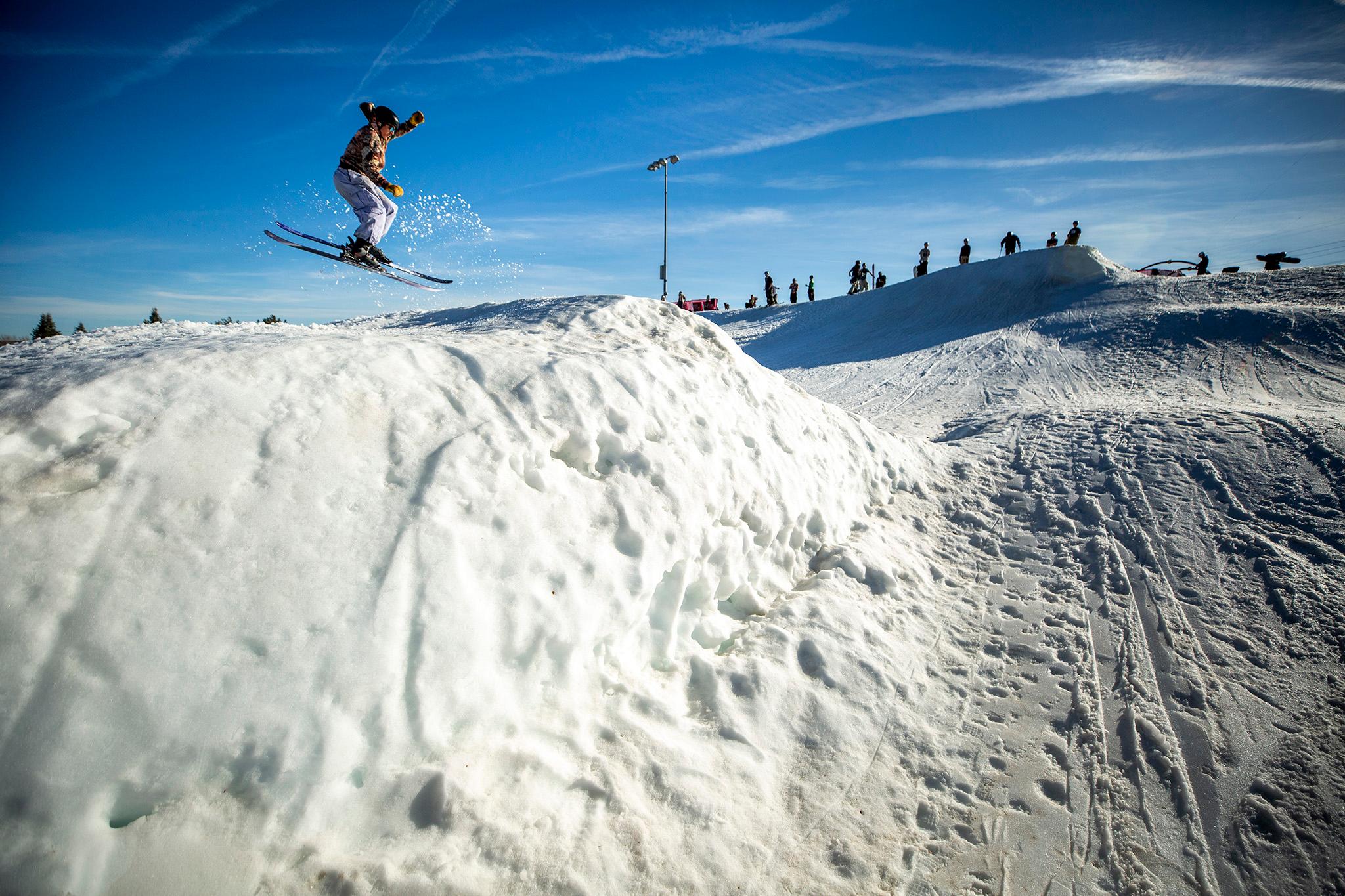
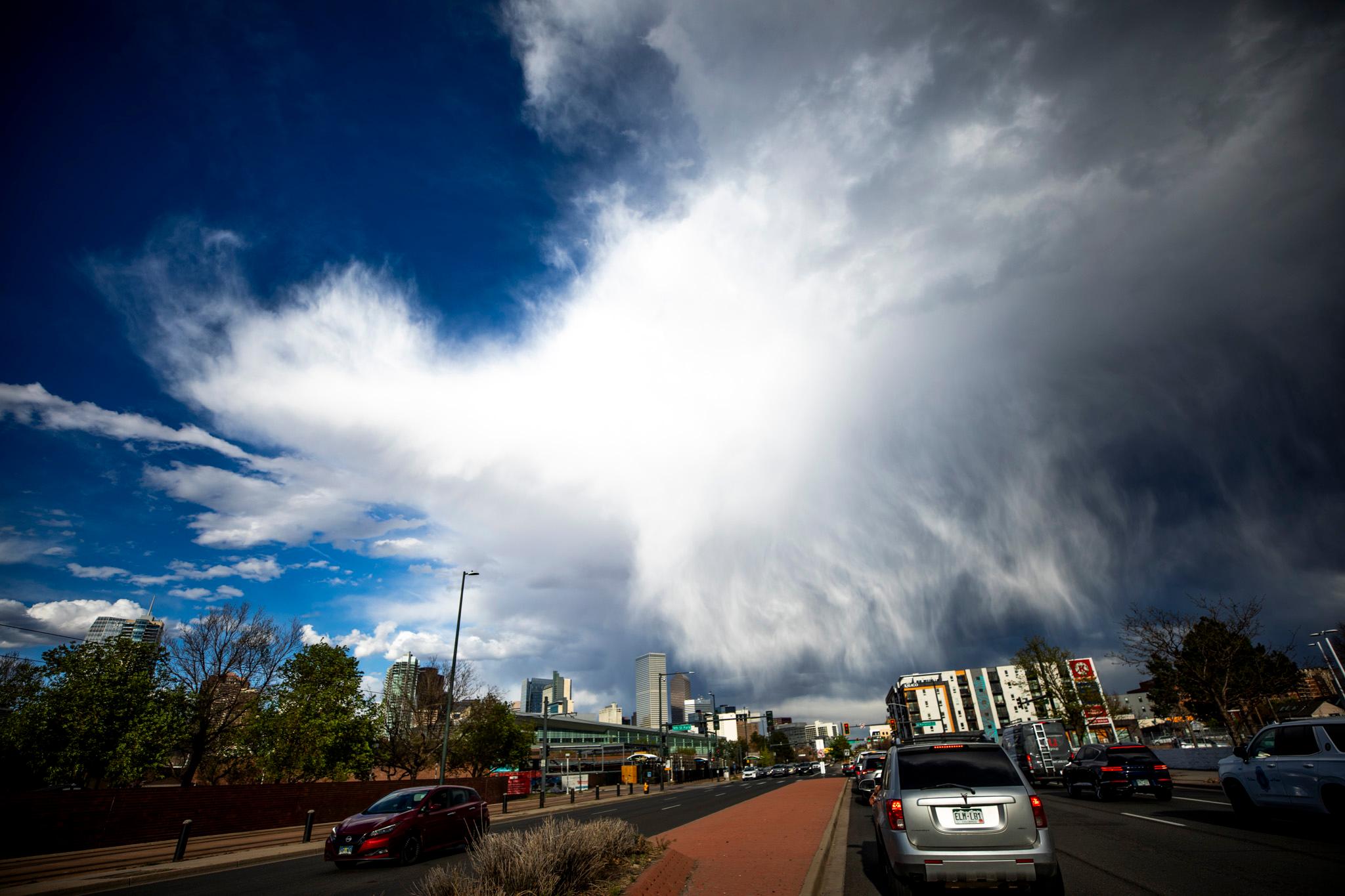
The end of this week was expected to bring a stretch of five days above 60 degrees — peaking close to 20 degrees above the average for this time of year. Warm, dry weather has pushed the city into “severe drought,” raising threats of fire and water shortages. Meanwhile, the high country has its worst snowpack in decades, and some mountain counties have fallen into the most extreme category of drought.
In Denver, it’s added up to a kind of bizarro spring — a combination of warm weather festivities with the uneasy feeling that this isn’t quite right.
It’s showing up in all kinds of unexpected places. Runners are shirtless. Flowers are poking out. People are even riding the city’s electric scooters at higher-than-average rates for winter, according to the micromobility company Lime.
“We expect to see a big increase from January 2025 to January 2026 … and we've got our operations team working full speed to ensure our vehicles are ready for the demand this weather is helping create,” a Lime spokesperson said in an email.
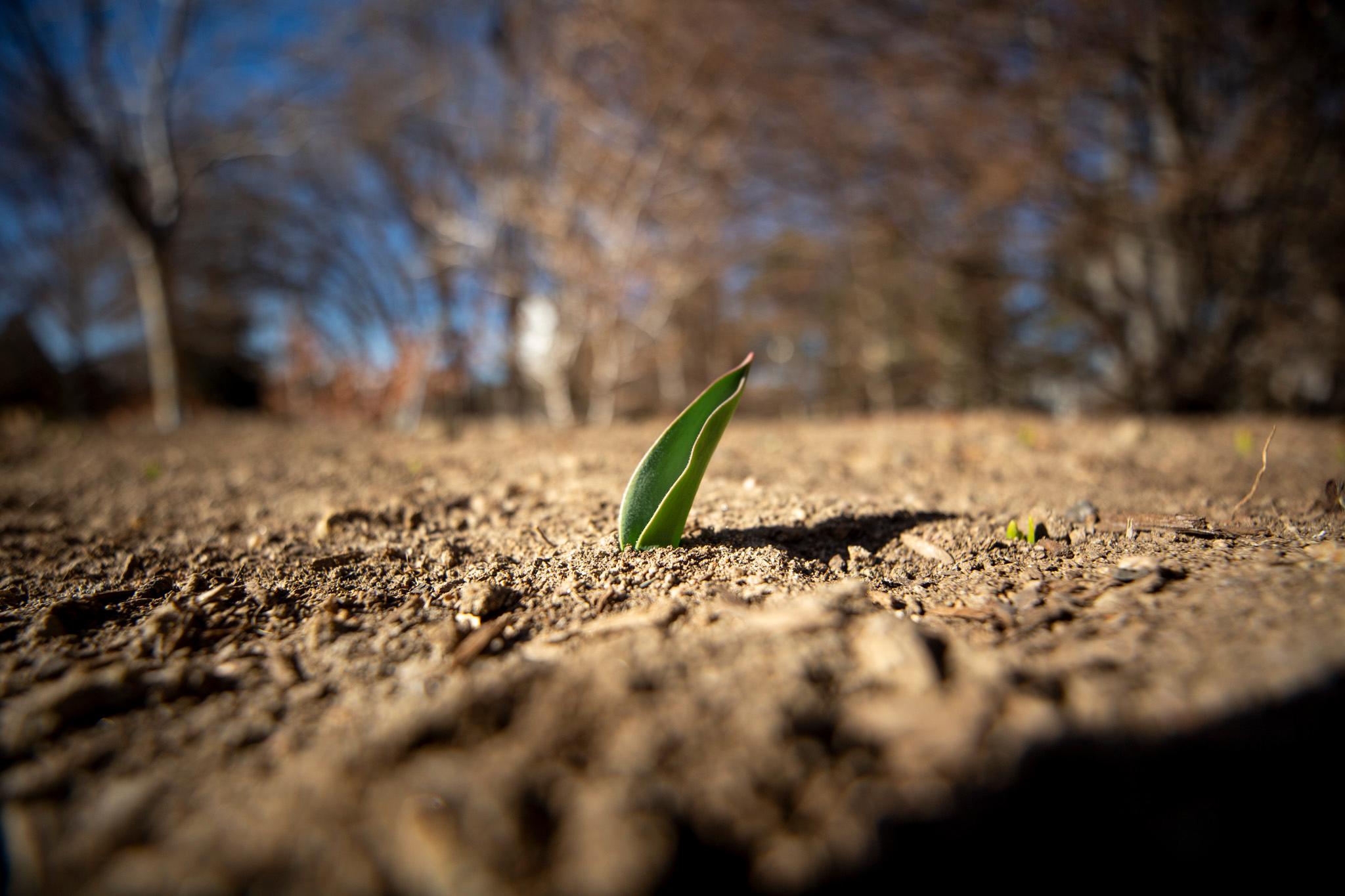
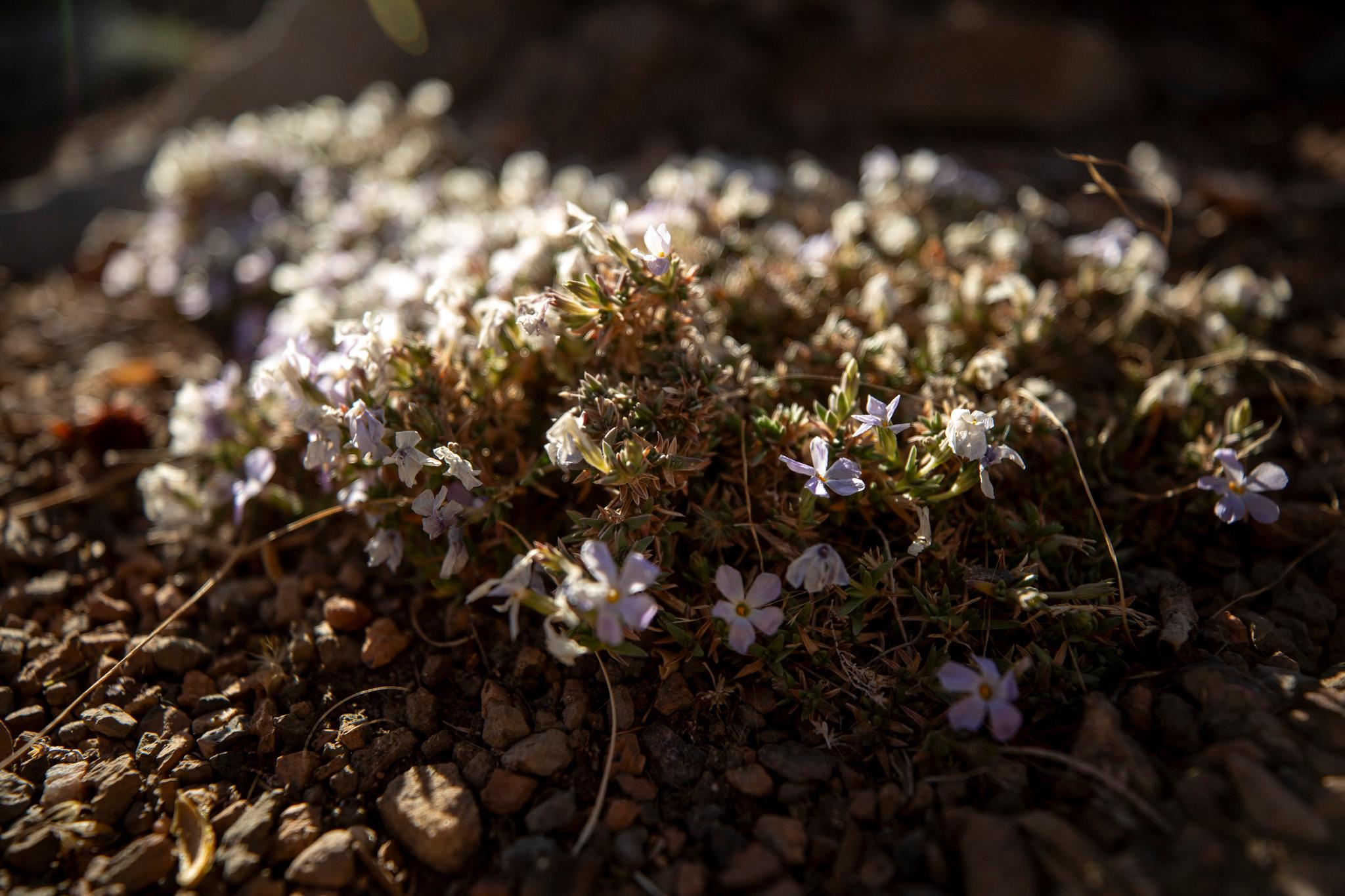
Even the flowers are feeling the change.
On frigid winter days, the Denver Botanic Gardens would be lucky to see 20 people walk through its doors.
But on Thursday, a handful of people were sitting among the plants, enjoying the spring-like sun. At the garden’s cafe, families were ordering cold drinks and taking them to the patio. In the bordering Cheesman Park, runners were (hopefully) applying sunscreen before embarking on shirtless runs.
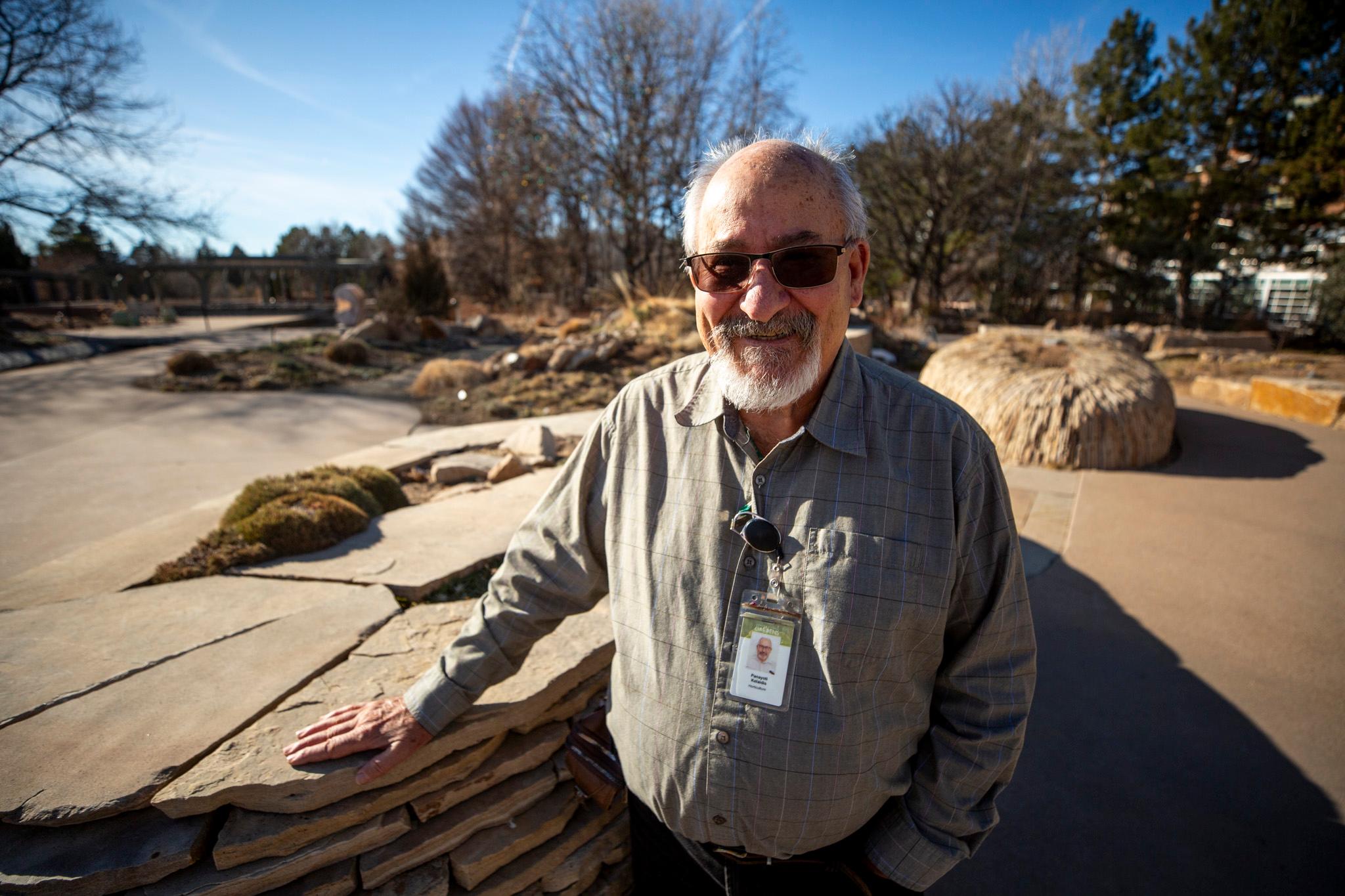
Panayoti Kelaidis, the director of horticulture outreach for the Gardens and a 45-year employee, said it is one of the warmest winters he’s experienced on Colorado’s Front Range.
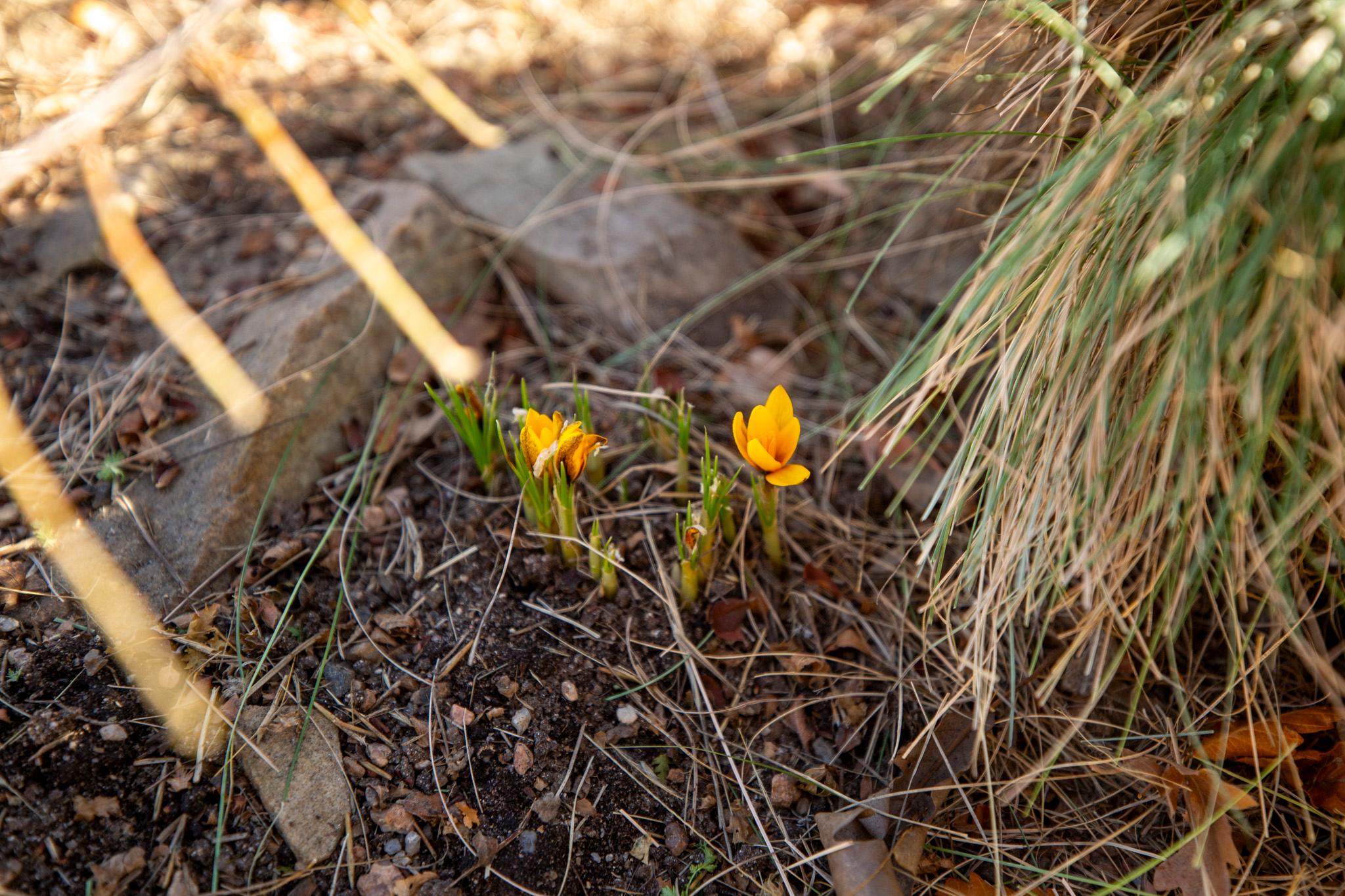
“We've actually had flowers pretty much all winter,” Kelaidis said, walking through the Botanic Gardens campus. “I actually saw a few that I didn't even expect to see in this garden, but there's certain areas that have bulbs that have come out quite thickly. I'd say false spring is underway.”
It won’t be just the Botanic Gardens seeing early blooms.
Members of online gardening groups across the metro area have been posting images of their early buds, with many wondering if this is common.
Kelaidis said plants are often resilient and hardy, but colder temperatures could damage flowers or even kill early-budding plants.
“2013 we had an early year,” he said. “Everything came out, then temperatures plummeted. That was a hard freeze and it actually killed many, many plants, but not our natives.”
Kelaidis said the warm winter is a good reminder to plant as many native plants as possible, since they’ll naturally require less water and will be more resilient to Colorado’s wild temperature swings.
A growing threat, and the role of climate change
While people are enjoying the weather, it’s raising concerns about water supply and drought conditions in the metro area and the rest of the state.
Denver was averaging highs of 58 degrees in the week leading up to Friday afternoon. Typically, Denver sees highs in the mid-40s during early February, according to the National Weather Service.
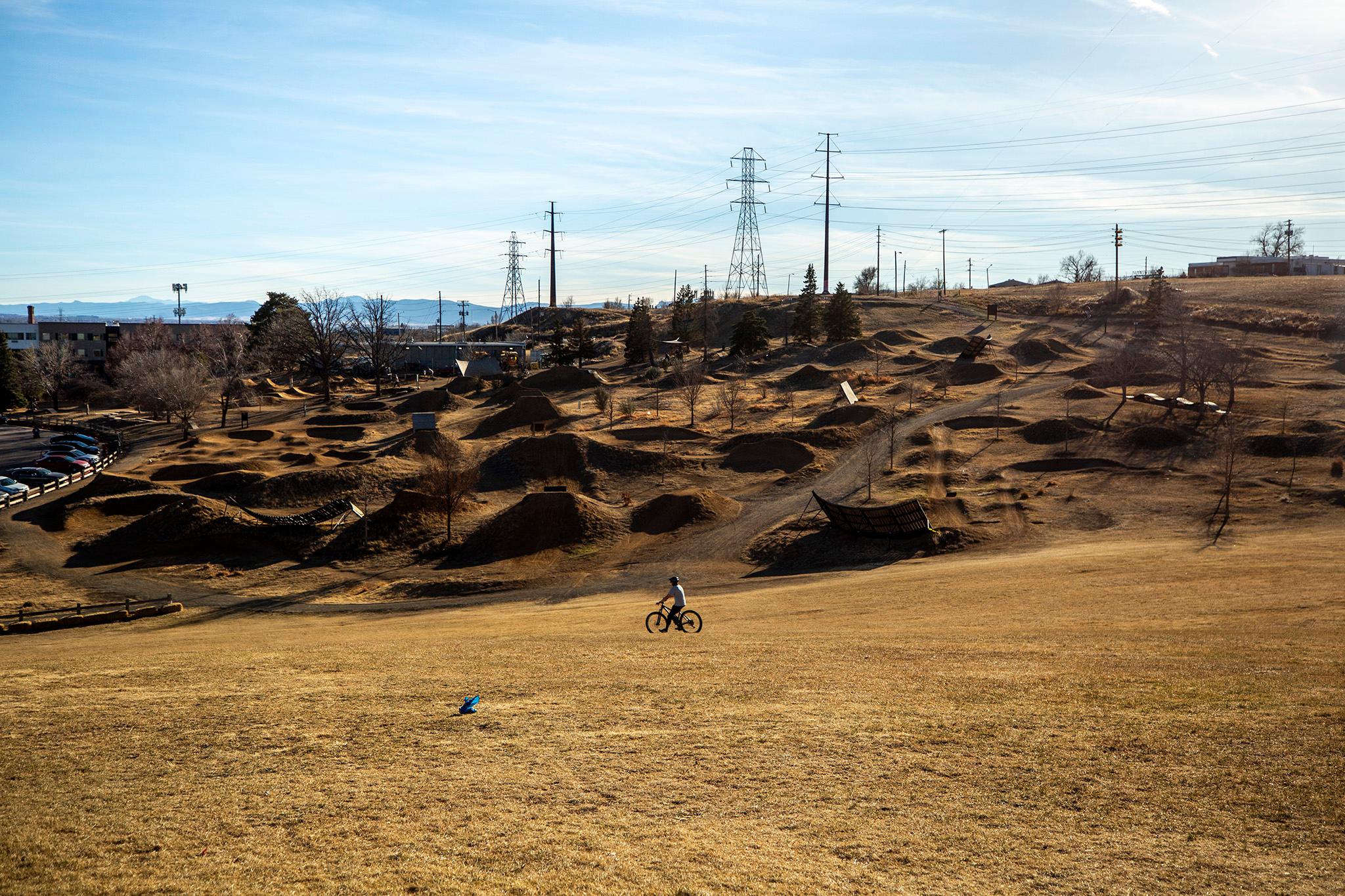
Denver’s water reservoirs are 4 percentage points below average for this time of year, sitting at 82 percent, according to Denver Water.
The snowpack in the Colorado River Basin is at 58 percent of normal, while the South Platte River basin is at 45 percent, according to Denver Water.
It continues a troubling warming trend in recent months and years.
Last year was one of the warmest years in Colorado’s history — with eight of the 10 warmest years coming since 2012, as our colleague Tegan Wendland reported.
Temperatures can fluctuate a lot in Colorado, and it’s hard to directly link any weather event to climate change, Wendland reported.
But, as she continued, an increasing number of studies are proving the connection between the ongoing drought in the West and climate change.
Human-caused climate change has interrupted the flow of something called the Pacific Decadal Oscillation, a natural climate pattern that is now contributing to the ongoing drought in the West.
“This is actually impacting Colorado River precipitation, which in turn is impacting flows on top of the heat impacts,” said Brad Udall, water and climate research scientist at the Colorado Water Center at Colorado State University, in an interview for our earlier coverage.