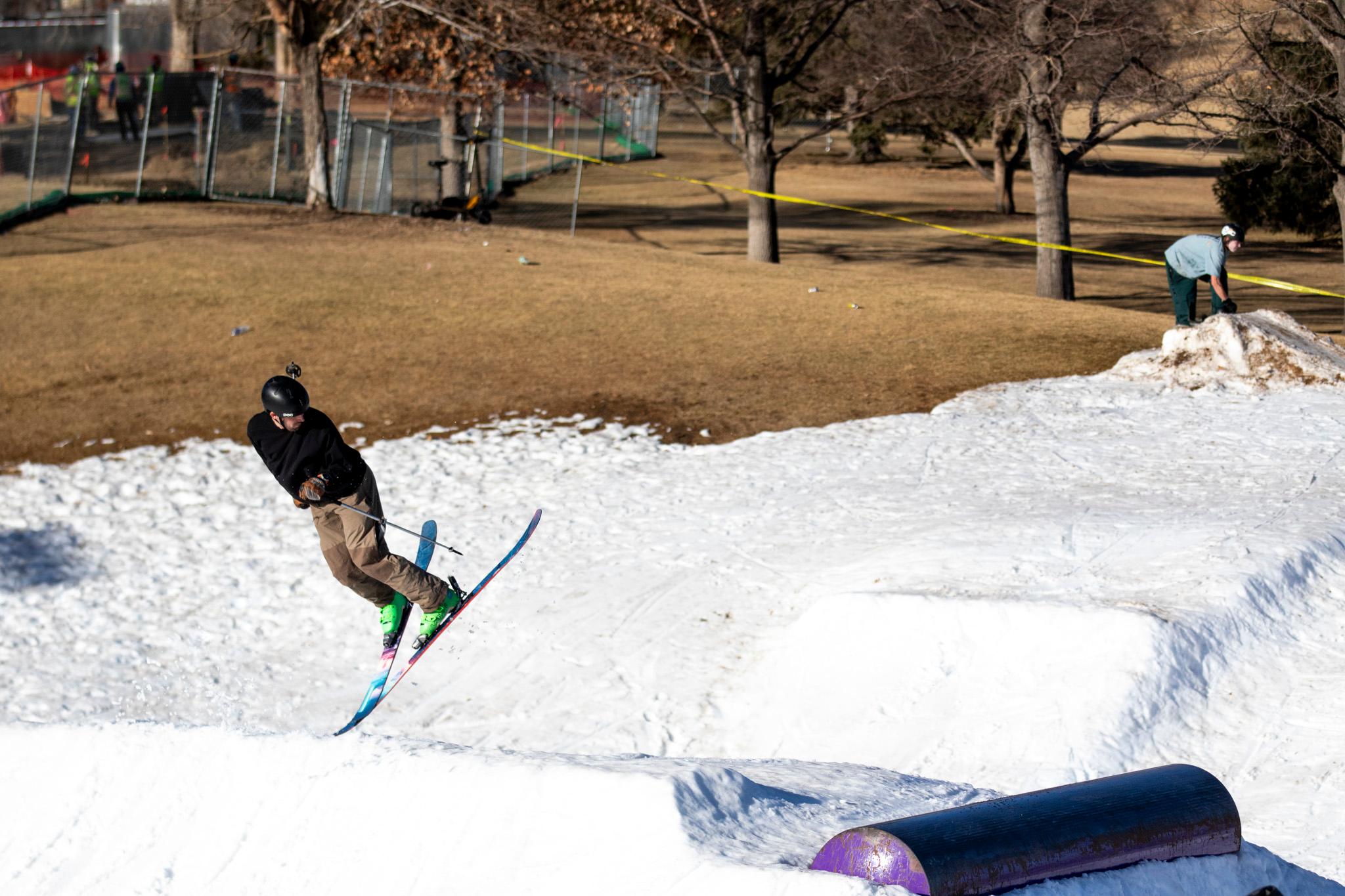
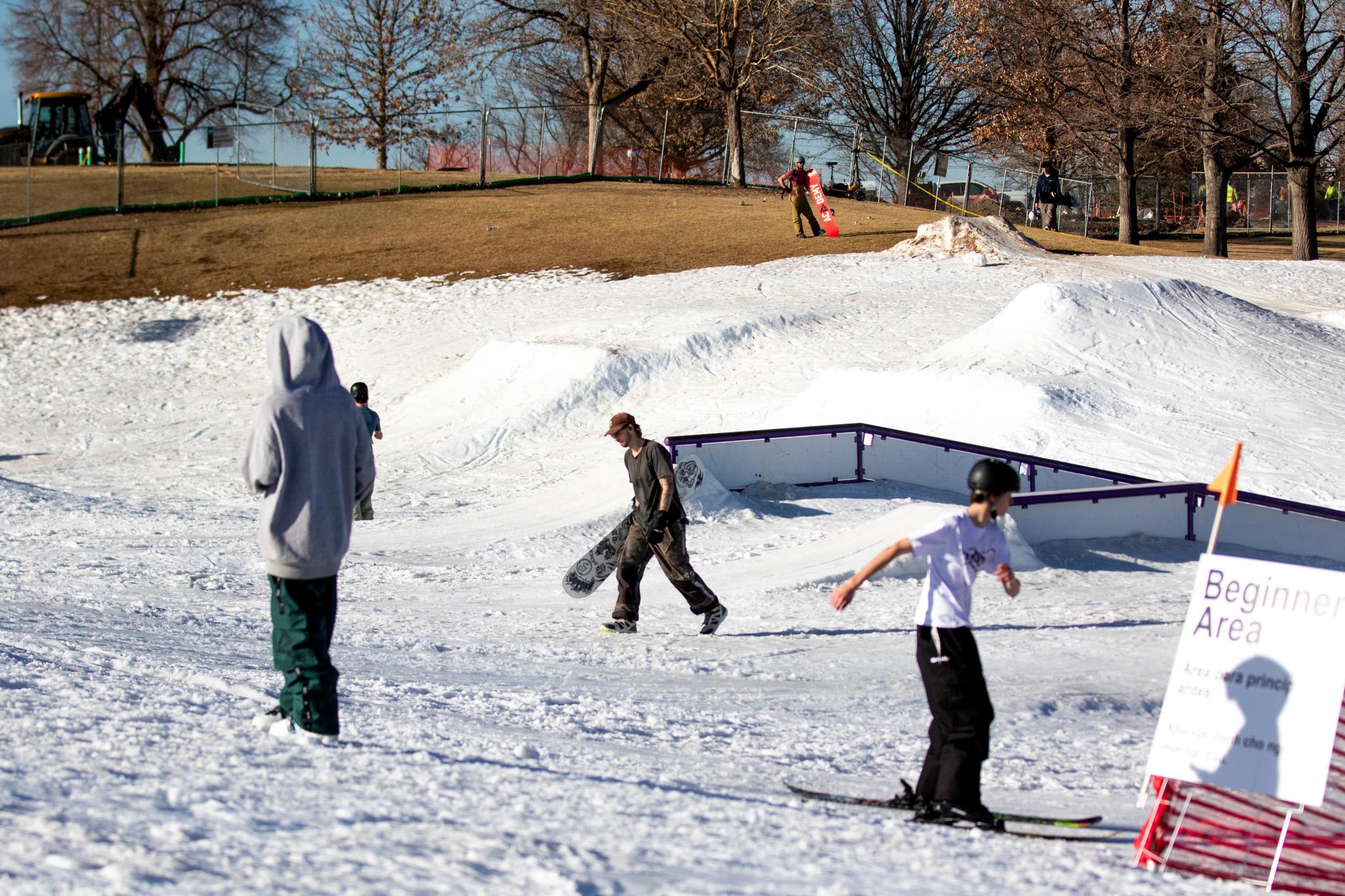
Denver’s Ruby Hill Rail Yard officially closed for the season on March 3 after just four weeks in operation.
The urban ski and snowboard park had a late start to the season and an unusually short season, thanks to one of the city’s warmest and driest winters on record.
Stephanie Figueroa, a spokesperson for Denver Parks and Recreation, said the warm weather had made the manmade snow too slushy and that the closure was necessary to protect the park’s soil.
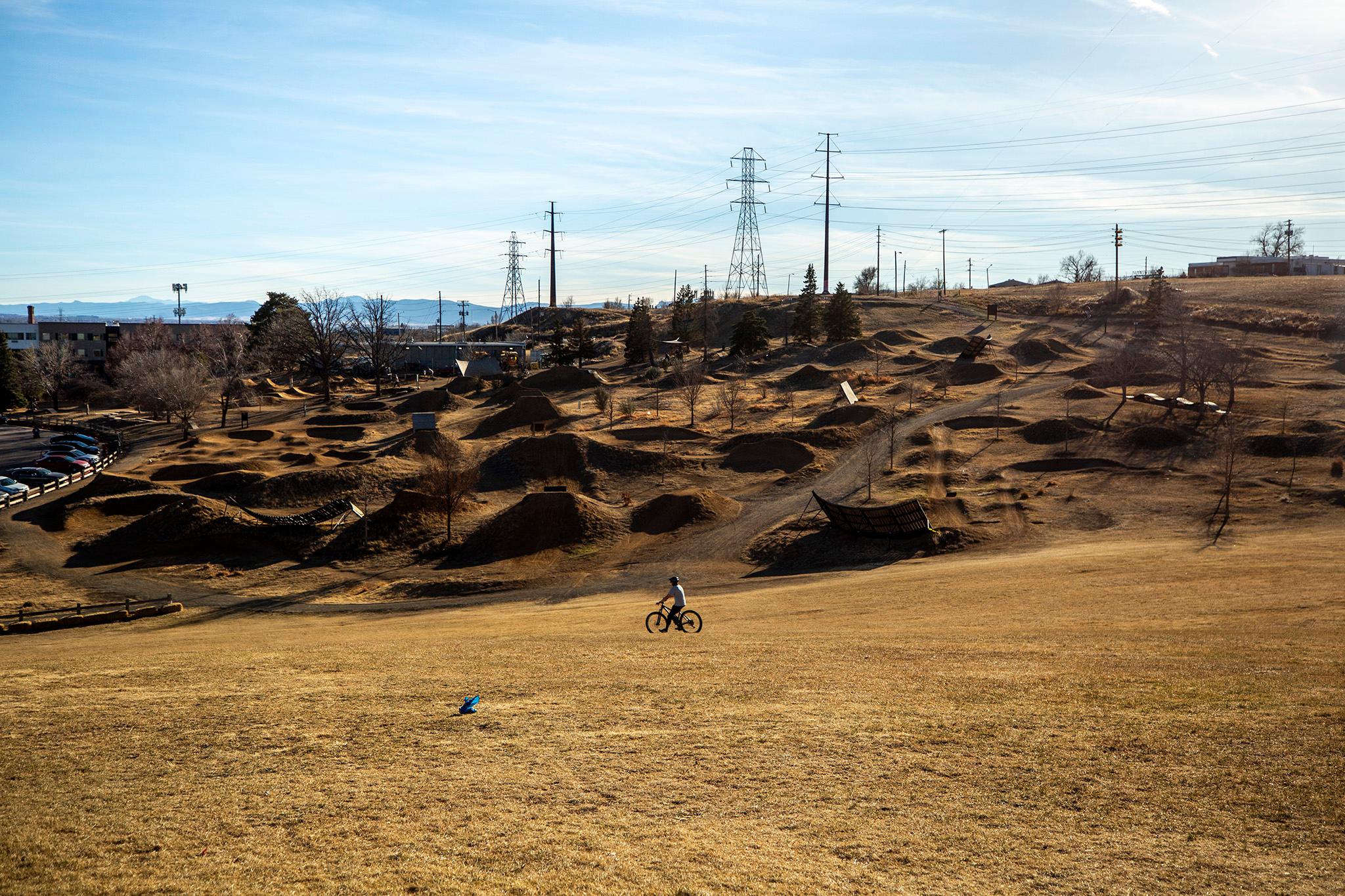
“Unfortunately, it's a shorter season than we have had in the past, but some of the factors were beyond our control, like the weather,” Figueroa said.
She added that the normal season ranges from early January to late March, but this year, the park was lucky to have opened at all.
In 2025, the railyard closed on March 20. In 2024, the closing day was March 16.
It's been very dry and warm
The short season comes as Denver experienced its least snowy, second-driest and third-warmest February on record, according to the National Weather Service.
Denver had about 13.4 inches of snowfall between September and February. The average for the metro area is 34.8 inches, according to NWS.
The mountains were hit with snow starting Monday night. On Tuesday, Denver started the day with light rain
Denver only has a 30% chance of snow on Tuesday, but chances were higher in parts of the high country, especially northwestern Colorado, according to NWS.

NWS Boulder meteorologist Bernie Meyer said Monday night's storm into Tuesday offered "temporary relief from very warm temperatures," but the warm weather is expected to return Wednesday and Thursday. Though there is a chance for snow on Friday.
Meyers also told Denverite that since October 2025, NWS has issued 22 red flag warnings throughout the state.
Meyers said the snow from Monday won’t have a major impact on the state's numbers.
“The snow that fell last night and today in the mountains (was) generally pretty light. Here and there, maybe we'll pick up another up to three inches,” he said. “Really doesn't do much for the seasonal snow pack.”
The NWS started its temperature and precipitation records in 1872 and its snow records in 1882.
Meyers said that March, April and May tend to be some of the wetter months for the state, which should bring more moisture to Denver and the mountains.
“That being said, since we are starting off pretty dry, we're already in pretty good high fire danger,” he said. “If we still remain dry, that's just going to continue to be really bad.”