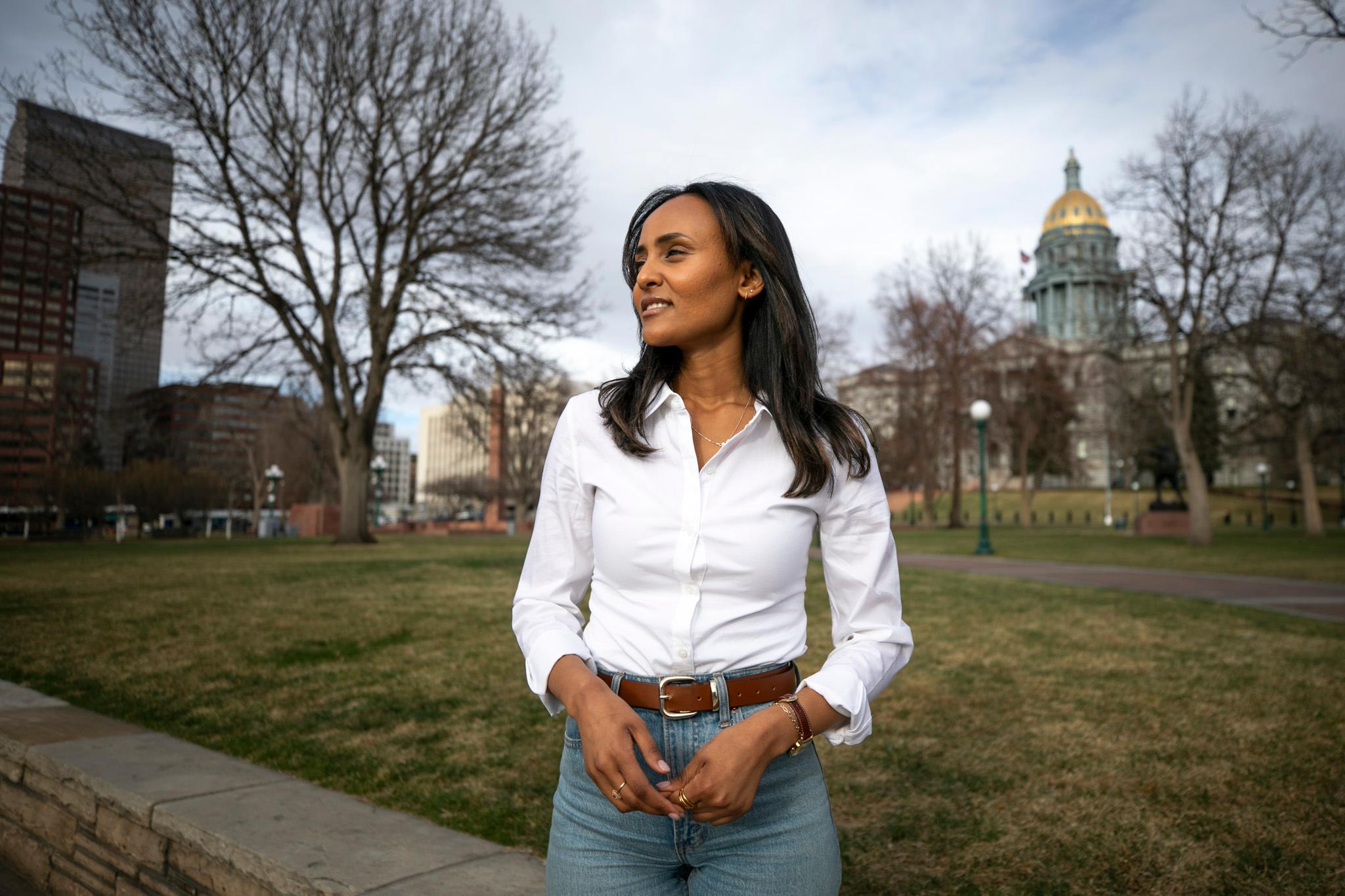
U.S. Rep. Diana DeGette was significantly outperformed by a 28-year-old Democratic Socialist in an early stage of the primary election for Denver’s congressional seat.
Melat Kiros, age 28, took 646 of the nearly 1,000 votes in a preference poll at the Democratic Party’s local assembly on Saturday. That’s more than twice the support DeGette got.
It was the first time DeGette had lost such an early-stage vote in her three-decade congressional career, according to the Kiros campaign. While there’s a long road ahead, the results raise significant implications for this June’s primary.
First, it practically guarantees that Kiros will be listed first on primary election ballots — an early sign of momentum as she challenges DeGette, a 30-year incumbent.
Kiros’s early win also raises the outside possibility that DeGette could be left off the primary election ballot altogether, which would hand the election to Kiros or fellow challenger Wanda James.
DeGette would only miss out on the primary ballot if a sizable number of delegates flipped their votes away from her, or if they failed to show at the next stage of the nomination process. The 1st Congressional District assembly will be held virtually on March 27.
Kiros says the results show she is building a successful grassroots movement on the left.
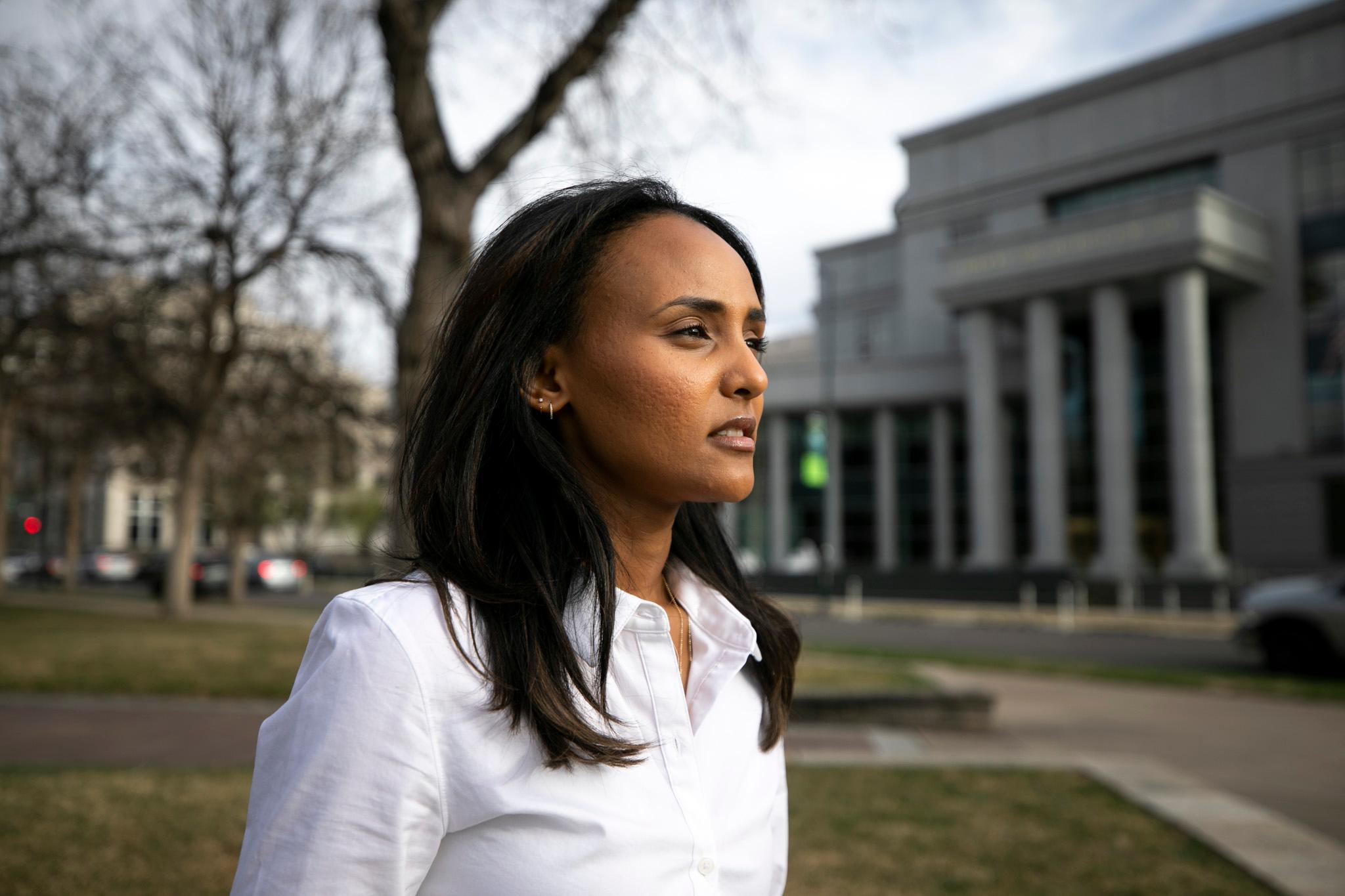
Her campaign mirrors that of Zohran Mamdani, now the mayor of New York City, a fellow DSA member who rose to prominence with grabby social-media videos and a pro-labor message. Kiros is a former lawyer who was born in Ethiopia before moving to Denver at a young age. She studied political science and economics before getting her law degree from the University of Notre Dame.
“This victory belongs to every person in Denver who has been showing up to community meetings, talking to their neighbors, and demanding better from their representation,” Kiros said in a written statement. “Denver has changed. Rents have doubled. Healthcare costs are crushing families. And for 30 years, our congresswoman has cashed checks from corporate PACs while the people she represents fall further behind. Today, Denver Democrats said: enough.”
In contrast, DeGette portrays herself as a veteran leader who has fought for her district.
"Throughout her career, she has proudly stood on the front lines of major fights for justice, equity, and opportunity – championing health care access, reproductive freedom, environmental justice, workers’ rights, immigrant rights, and economic fairness for all," her campaign website states.
What does the poll really mean?
A strong performance at the assembly is no guarantee of success in the primary election. In 2020, Andrew Romanoff took about 55% of the votes in a March preference poll, but lost the primary to now-senator John Hickenlooper by 17 percentage points.
The DeGette-Kiros preference poll was held at the Denver County assembly, where local Democrats selected delegates to send to a district-wide assembly next week.
Delegates were asked to choose between Kiros and DeGette, with the results shaping which candidate’s supporters advanced to serve as delegates at the next stage. Generally, the preference poll predicts how the candidates will perform at the final stage next week.
If the results hold, DeGette will have enough support to make the primary ballot. She captured roughly 35% of the preference poll. Ultimately, she needs the support of 30% of the delegates at the district assembly to make the ballot.

But with a narrow margin for error, DeGette’s campaign could be derailed. Her delegates could fail to attend the assembly, or could even flip to support Kiros — knocking her off the primary ballot.
That sets up a heated sprint as both sides try to shore up support. The Kiros campaign has said their candidate will call every delegate in an effort to secure her own votes and perhaps convince DeGette delegates to instead support Kiros.
Going into the final stage, 81 delegates are associated with DeGette and 156 with Kiros, which reflects the results of the preference poll. But if 10 or more delegates were to flip from DeGette to Kiros — putting her below the 30 percent threshold needed to make the primary ballot — the congresswoman would be disqualified.
Concerns about irregularities and tech issues
The DeGette campaign has accepted the poll results but expressed concerns about how the assembly was run, including tech issues that plagued the process. This was the first year the assembly used an app rather than paper ballots. Organizers relied on Airtable, a business workflow app that isn’t designed to run elections.
“We’re tracking all of the irregularities and major tech issues that happened at the Denver assembly,” Jennie Peek-Dunstone, a spokesperson for the DeGette campaign, told CPR News. “But at the same time, Diana received more than the required threshold, and we’re confident she’s going to be on the primary ballot in June.”
The Kiros campaign said the candidate is focused on “earning support neighbor by neighbor, door by door.”
“Anything can happen,” said Deep Singh Badhesha, a volunteer for the campaign. “It’s not funny business, it’s just by being organized.”
The third potential candidate, Wanda James, is seeking to make the ballot through a separate route. She must turn in at least 1,500 valid voter signatures by the end of Wednesday.
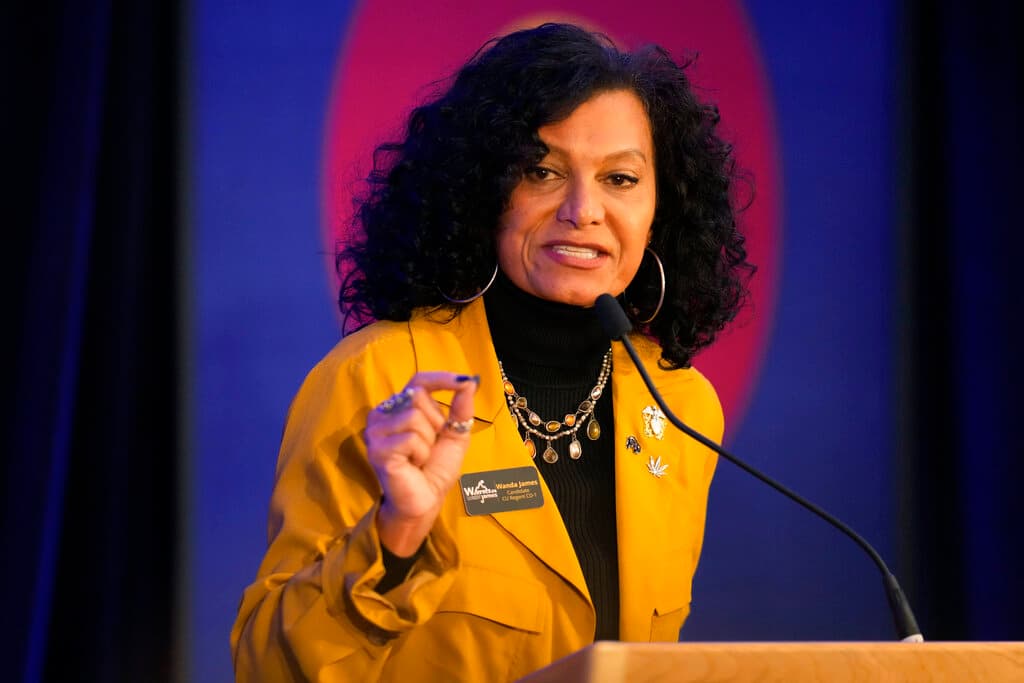
DeGette’s campaign didn’t immediately respond to a question about whether it could also try to gather last-minute petitions.
Colorado’s primary election is June 30. The primary election determines who will represent each political party in the general election this November.
If DeGette were to be excluded from the Democratic primary ballot, she could still run in the general election as an independent.