
Denver’s annual César Chávez March has been canceled, and the future of the city’s holiday and park named for Chávez is in question, after a New York Times investigation reported abuse allegations against the labor and civil rights leader.
The Times’ story found that César Chávez, the Mexican-American co-founder of the United Farm Workers, groomed and sexually abused girls who worked in the Latino civil rights and labor movement in the 1970s.
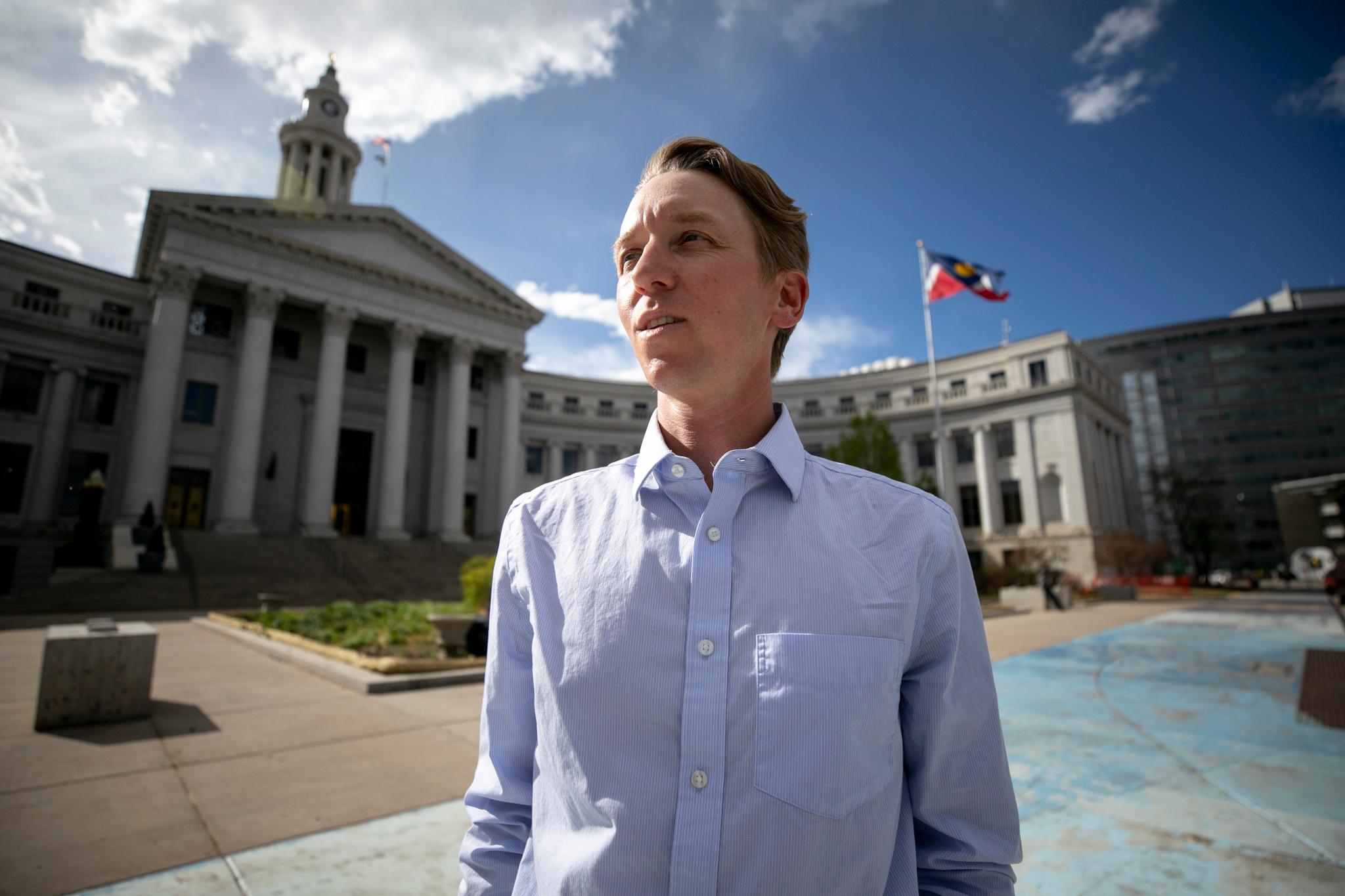
Denver City Council President Amanda Sandoval, a prominent leader in Denver’s Latino community, said the news was “devastating” and that she is still working to process everything.
She spoke with organizers of Denver’s César Chávez March on Wednesday morning and confirmed it would be canceled. The march was scheduled for April 11.
Sandoval also said the city will start having conversations about the future of César Chávez Park and the city holiday. She and Mayor Mike Johnston met on Wednesday to discuss next steps.
“It was a pretty emotional conversation for both of us,” Sandoval said.
Devastating news for Latino communities in Denver and nationwide
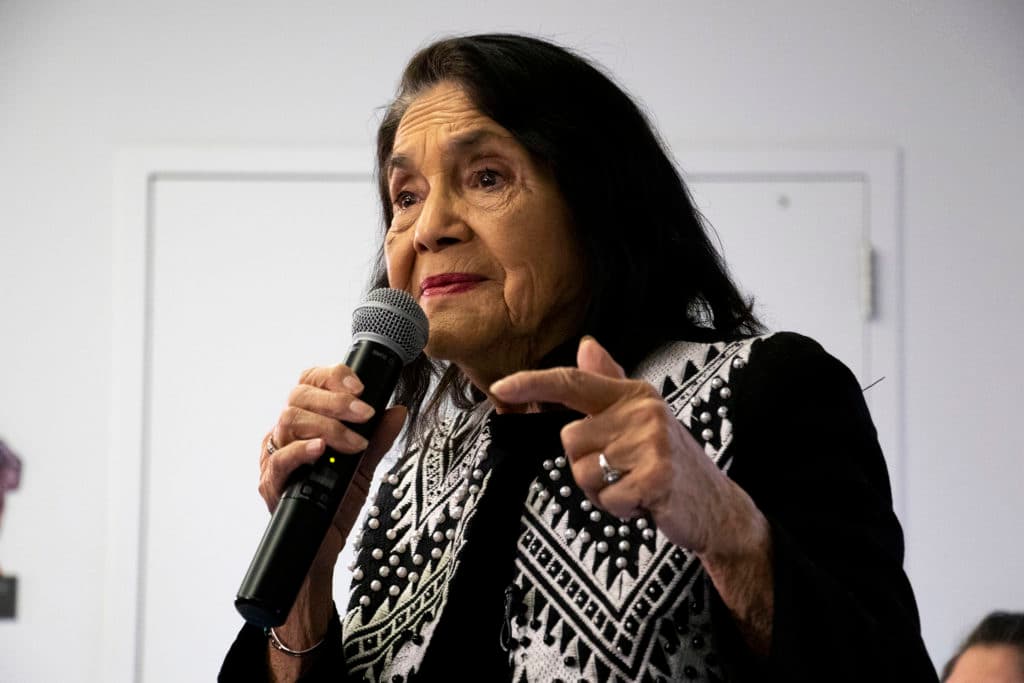
The Times interviewed more than 60 people in its investigation, including Dolores Huerta, Chávez’s closest female ally and a legendary activist in her own right. Huerta said that she kept her sexual assault at the hands of Chávez a secret in part out of fear of harming the labor movement.
The news has left Latino groups and communities nationwide devastated. Chávez’s Chicano movement reached near and far, inspiring a generation of Latinos to advocate for labor rights.
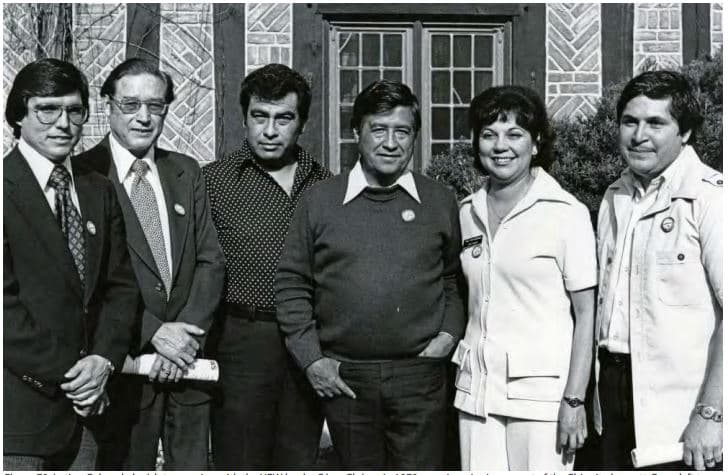
Denver was no different. Chávez visited Denver numerous times, meeting with local leaders like former Denver Mayor Federico Peña and Rodolfo "Corky" Gonzales.
In 2001, Denver declared the last Monday in March as César Chávez Day, an observed city holiday. In 2004, the César Chávez Peace and Justice Committee fought to rename a park on Tennyson Street in Berkeley after Chávez. Today, that park features a bust of Chávez that was installed in 2015.
And for the last 25 years, the Peace and Justice Committee has marched from Regis University to the park to celebrate its namesake.
Latino leaders nationwide, including those who worked closely with Chávez, have come out in the wake of the news to denounce Chávez, but also to emphasize that the Chicano movement was made up of countless individuals.
Prior to the publication of The New York Times investigation, the United Farm Workers union had also learned of credible accusations against Chávez and had started to distance itself from celebrations of its founder. Instead, the union has urged people to participate in immigration justice events or acts of service.