The city of Denver plans to rename a park and city holiday that had honored César Chávez, the deceased labor rights leader who was disgraced by allegations of sexual abuse this week.
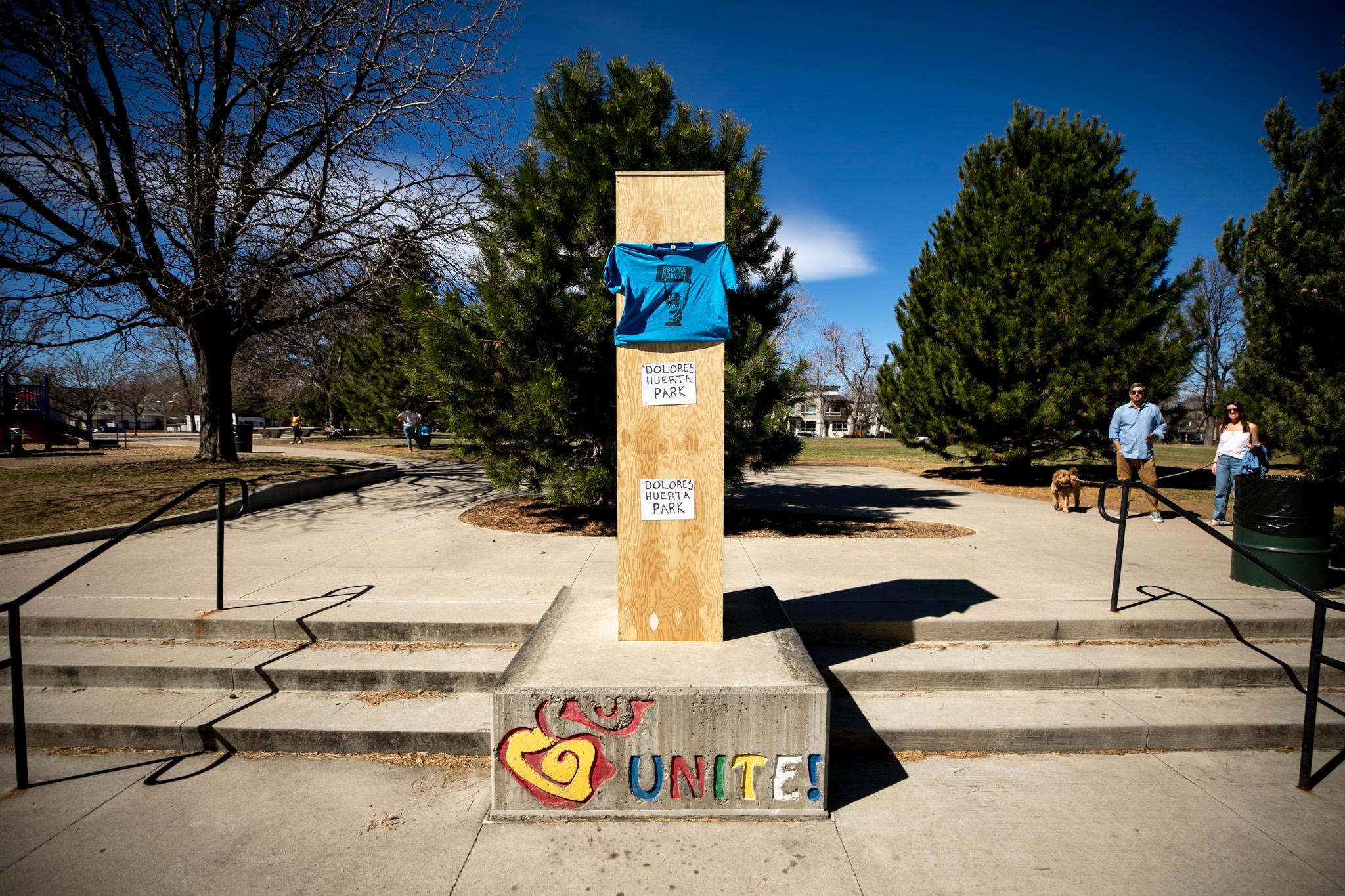
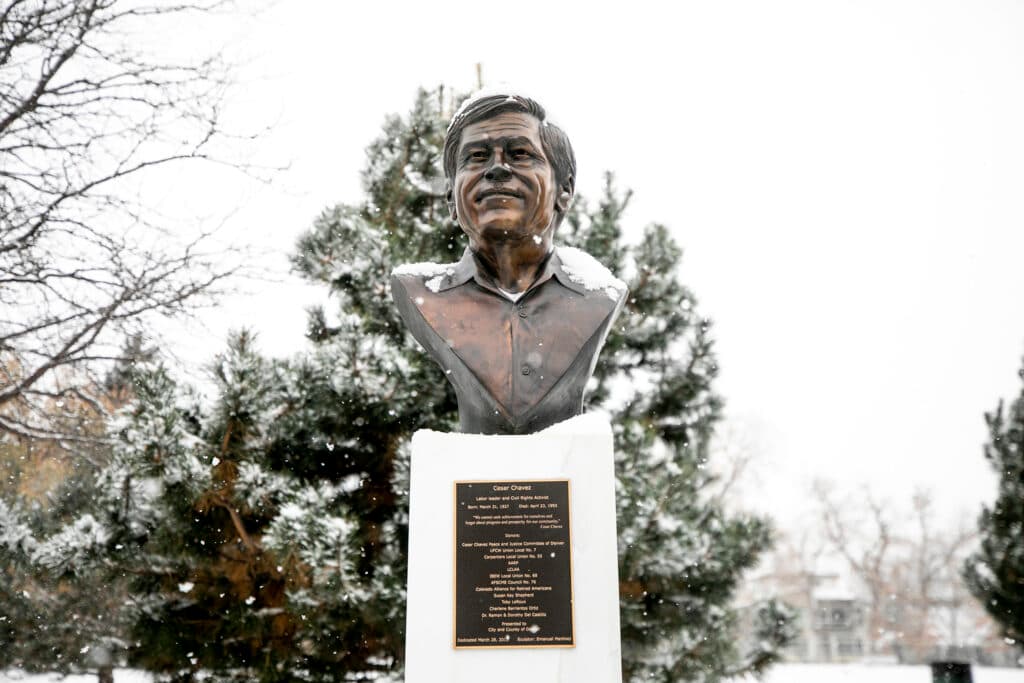
“Our first commitment is to honor the courage of the women and girls who spoke out about the injustice that they suffered while being called to this work,” Mayor Mike Johnston said. “To honor their courage and their commitment, we will remove César Chávez's name from the holiday. We will remove it from the park. We will remove the bust and the plaque in his honor.”
The city will instead celebrate “Si Se Puede,” or “Yes We Can,” to honor the broader Chicano labor movement, specifically honoring women and girls in the movement.
“Yes, we can demand more,” Johnston said. “ Si se puede, yes we can organize workers. Si se puede, yes we can insist that everyone is seen. Si se puede. We can insist that no one is illegal in this country. Si se puede. And that is why on March 31st of this year, we will together celebrate in Denver, the holiday of Si se puede.”
He continued: “Yes, we can raise our voices to tell the truth even when it's hard.”
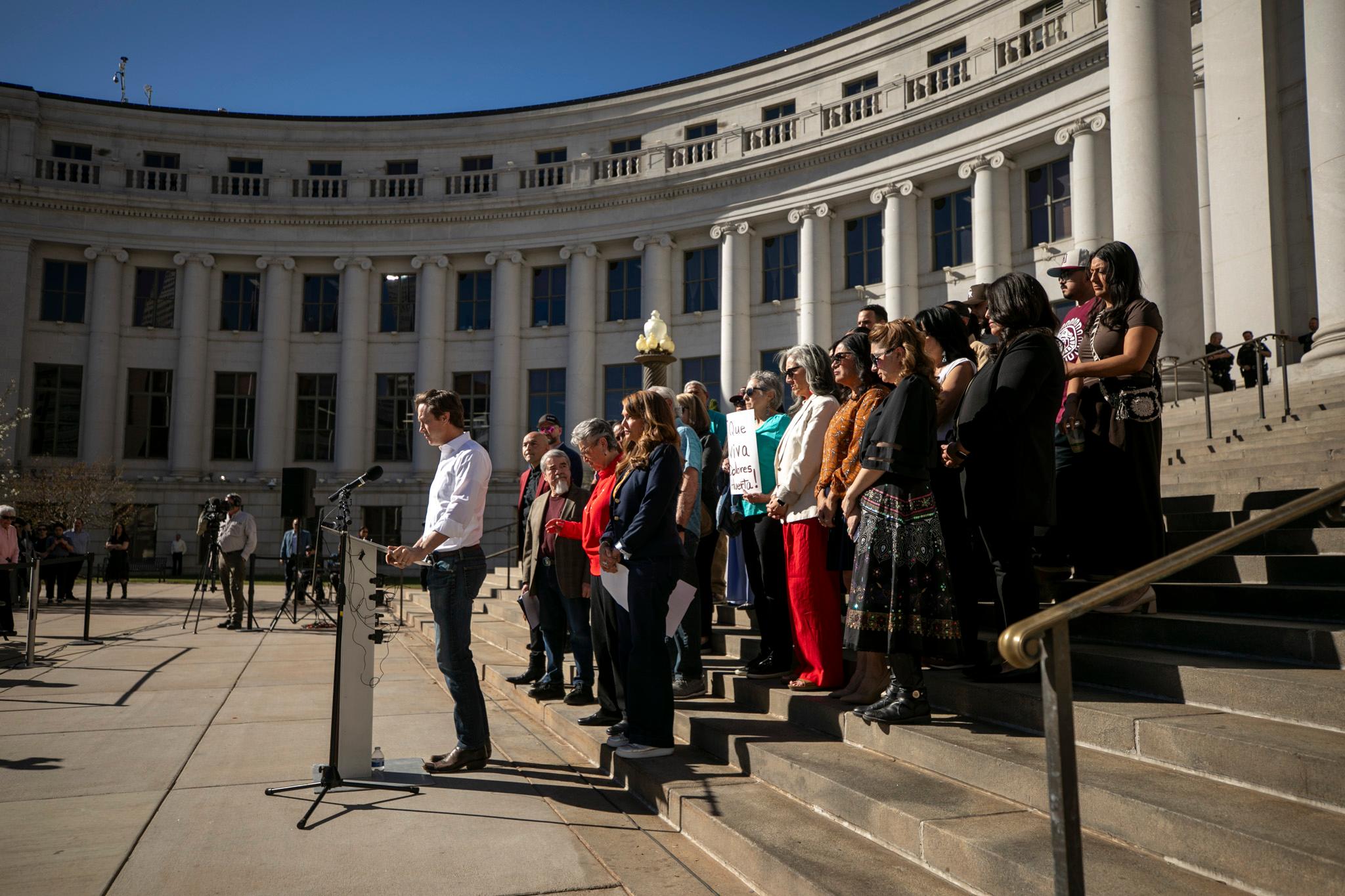
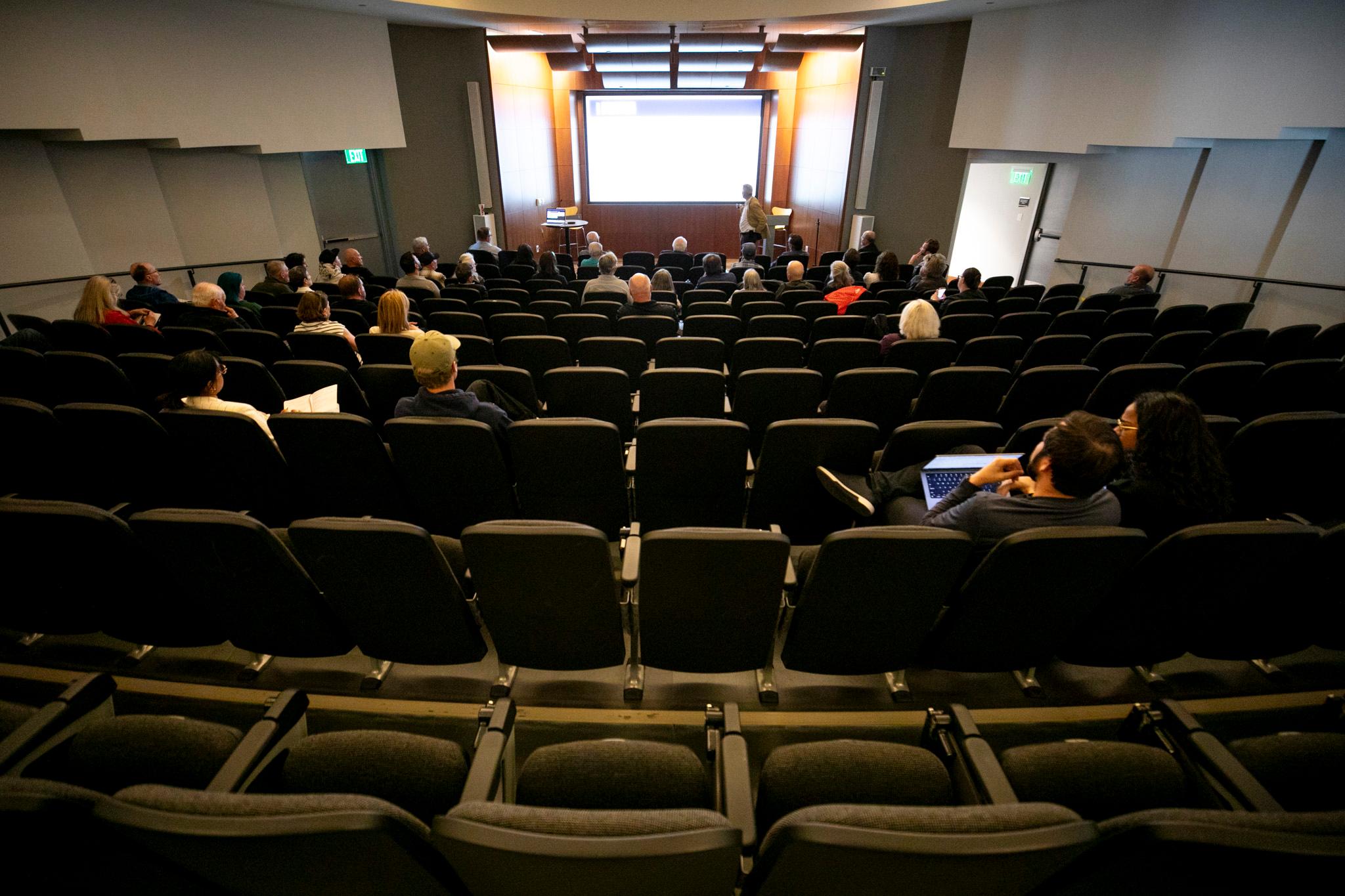
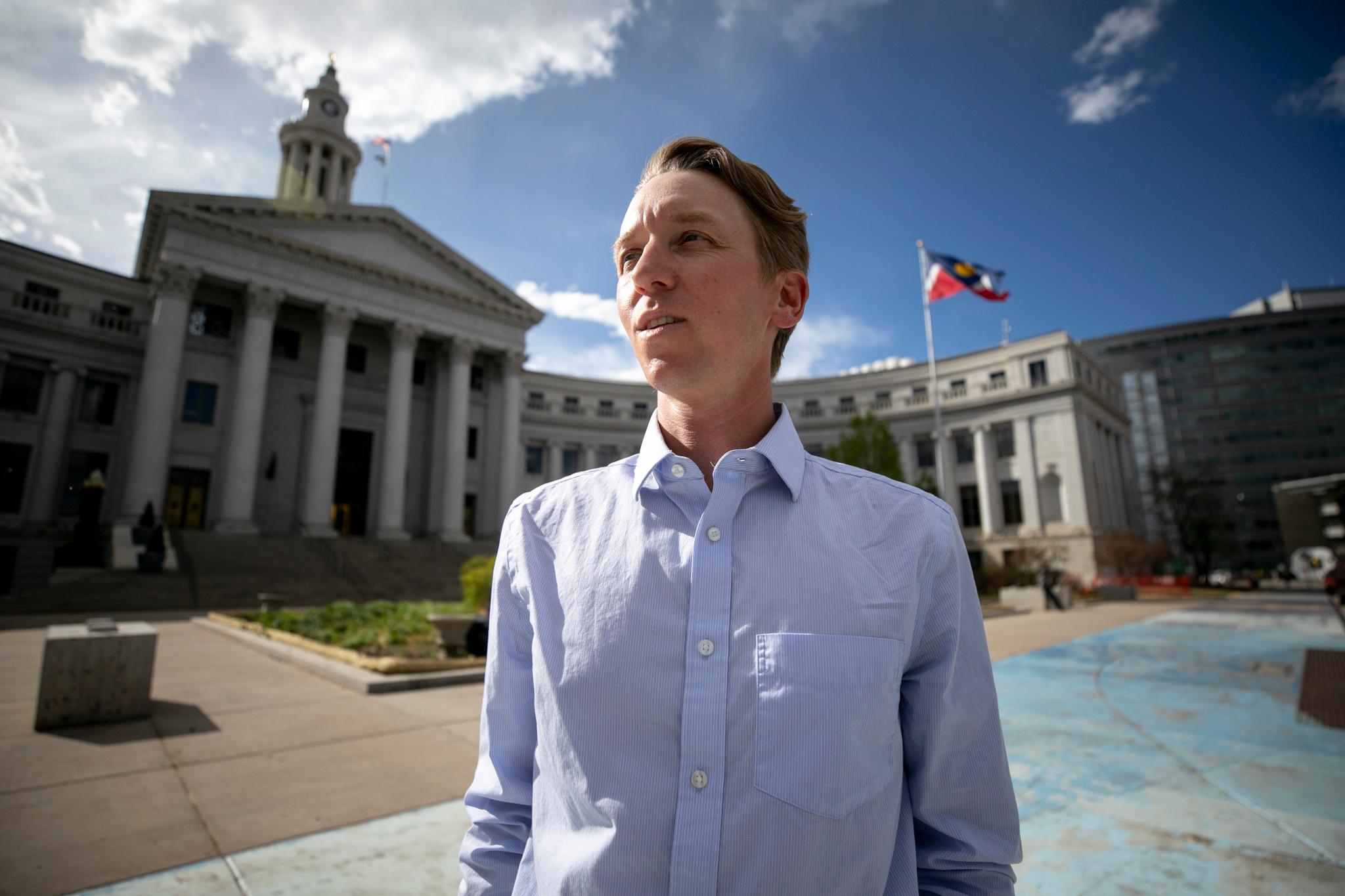
Mayor Mike Johnston opens a press conference at the City and County Building to announce the removal of César Chávez's name from city events and property. March 19, 2026. Kevin J. Beaty/Denverite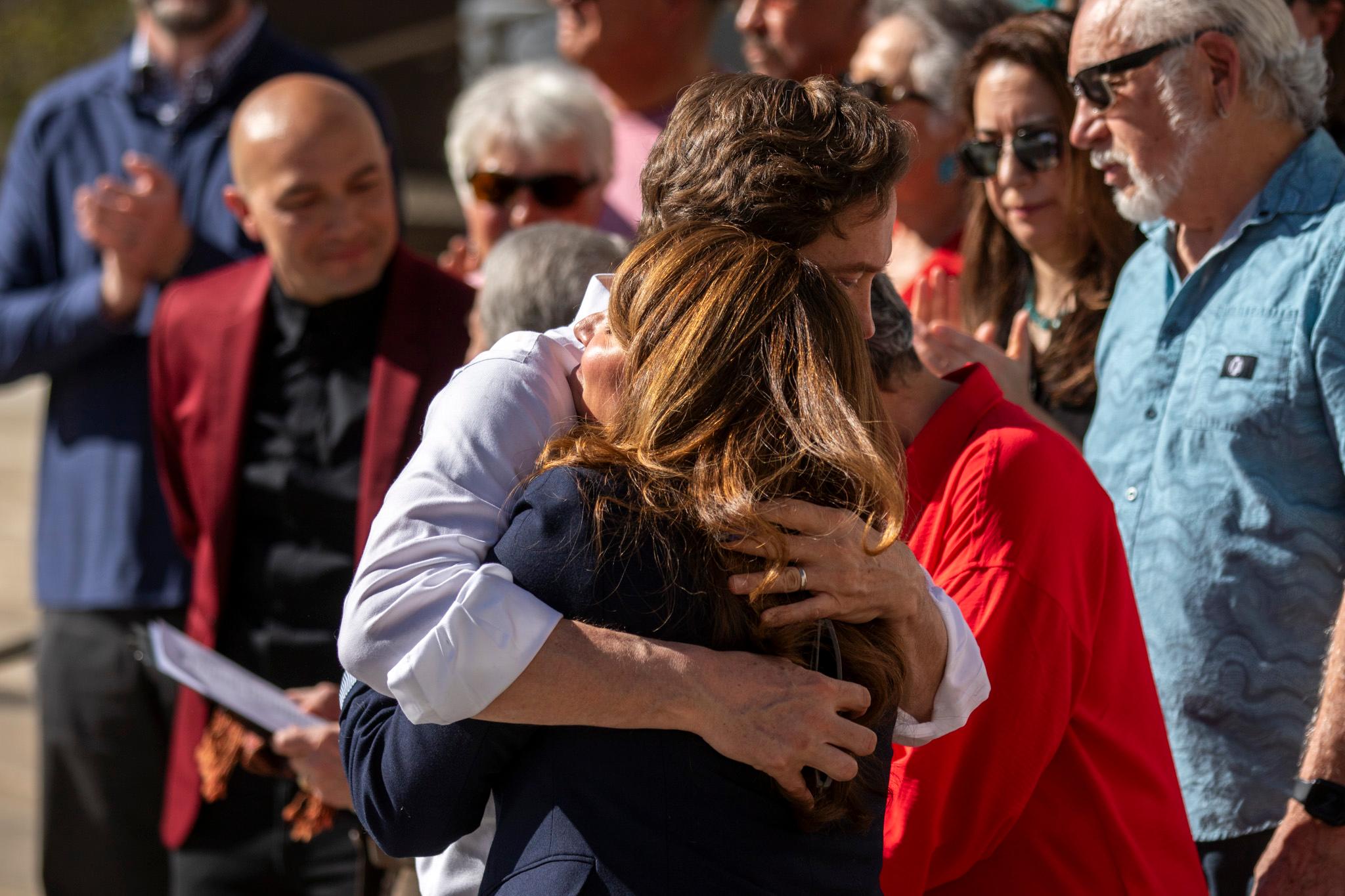
Mayor Mike Johnston embraces City Council President Amanda Sandoval during the press conference. March 19, 2026. Kevin J. Beaty/Denverite
Cities around the U.S. are erasing honors and commemorations for Chávez, who was one of the most prominent labor leaders in American history, after The New York Times reported allegations that he groomed and sexually abused girls who worked in the Latino civil rights and labor movement in the 1970s.
César Chávez Day was set to be honored on March 31. The city of Denver has already canceled its annual César Chávez March that was scheduled for April.
Johnston said that the city would host a “community process” led by leaders of the Chicano movement about how to rename the park and holiday in the long term.
Denver City Council President Amanda Sandoval, a prominent leader in Denver’s Latino community, said earlier that the news was “devastating.” She and Johnston wept when they met to talk about the revelations, and met with community leaders on Wednesday night at Su Teatro Cultural & Performing Arts Center.
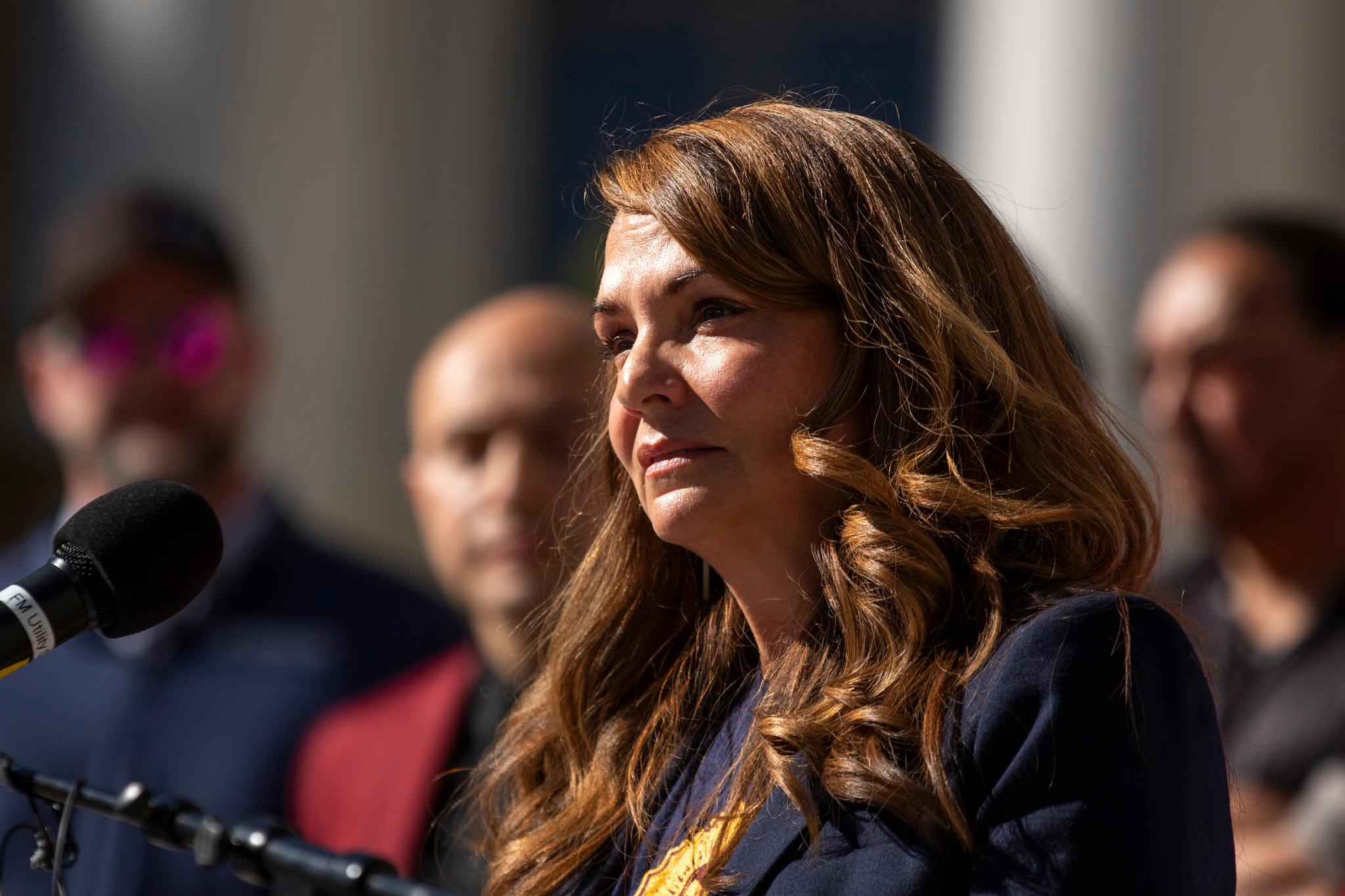
“Yesterday’s news was shocking, it was heartbreaking and for many of us it's shaken something deep,” Sandoval said Thursday.
“We believe you,” she said of survivors’ allegations. “This touches our history, our identity.”
The Times interviewed more than 60 people in its investigation, including Dolores Huerta, Chávez’s closest female ally and legendary activist in her own right. Huerta said that she kept her sexual assault at the hands of Chávez a secret partially out of fear of harming the labor movement.
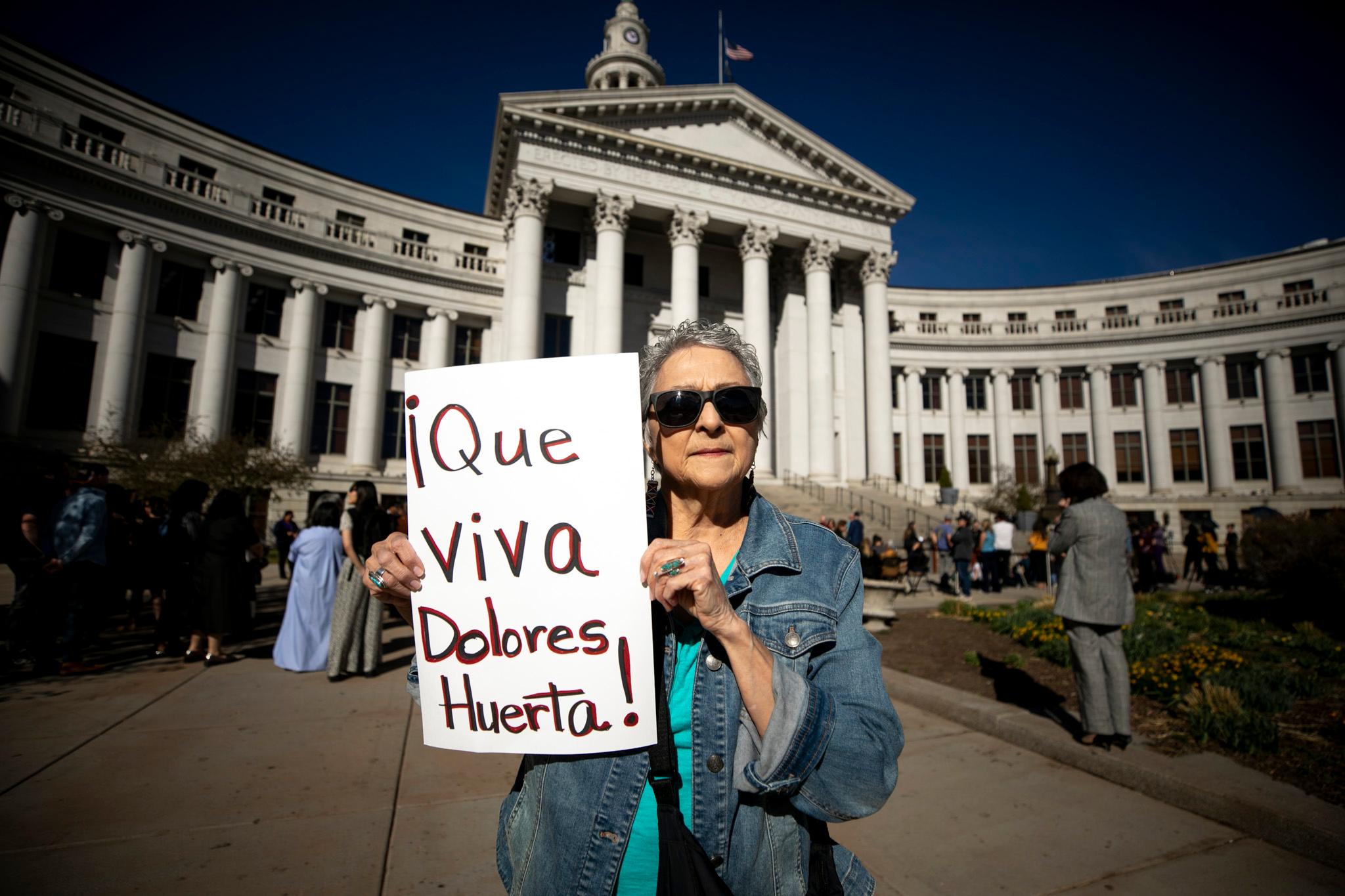
At Johnston’s press conference, one longtime Chicana activist, Darlene LeDoux, held a sign that read, “Que viva Dolores Huerta,” or “Long live Dolores Huerta.” Some in the Chicano movement are pushing now to honor her instead of Chávez.
Chávez visited Denver numerous times, meeting with local leaders like former Denver Mayor Federico Peña and Rodolfo "Corky" Gonzales.
In 2001, Denver declared the last Monday in March as César Chávez Day, an observed city holiday. In 2004, the César Chávez Peace and Justice Committee fought to rename a park on Tennyson Street in Berkeley after Chávez. Today, that park features a bust of Chávez that was installed in 2015.
And for the last 25 years, the Peace and Justice Committee has organized a march from Regis University to the park to celebrate its namesake.
Latino leaders nationwide, including those who worked closely with Chávez, have come out in the wake of the news to denounce Chávez, but also to emphasize that the Chicano movement was made up of countless individuals.
Prior to the publication of the New York Times investigation, the United Farm Workers union had also learned of credible accusations against Chávez and had started to distance itself from celebrations of its founder. Instead, the union has urged people to participate in immigration justice events or acts of service.
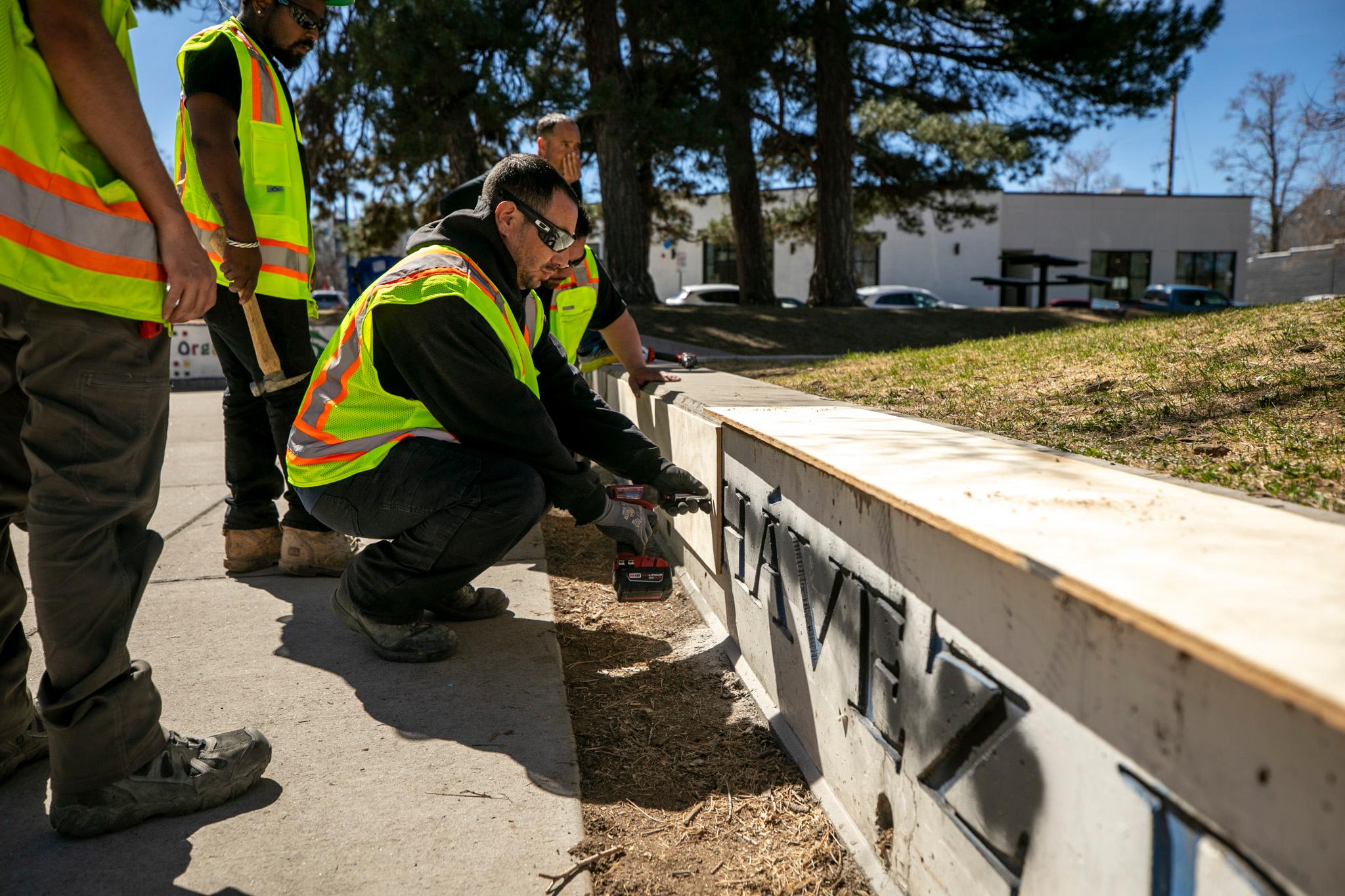
A Denver Parks and Rec crew works to cover César Chávez's name from the park bearing his name along Tennyson Street. March 19, 2026. Kevin J. Beaty/Denverite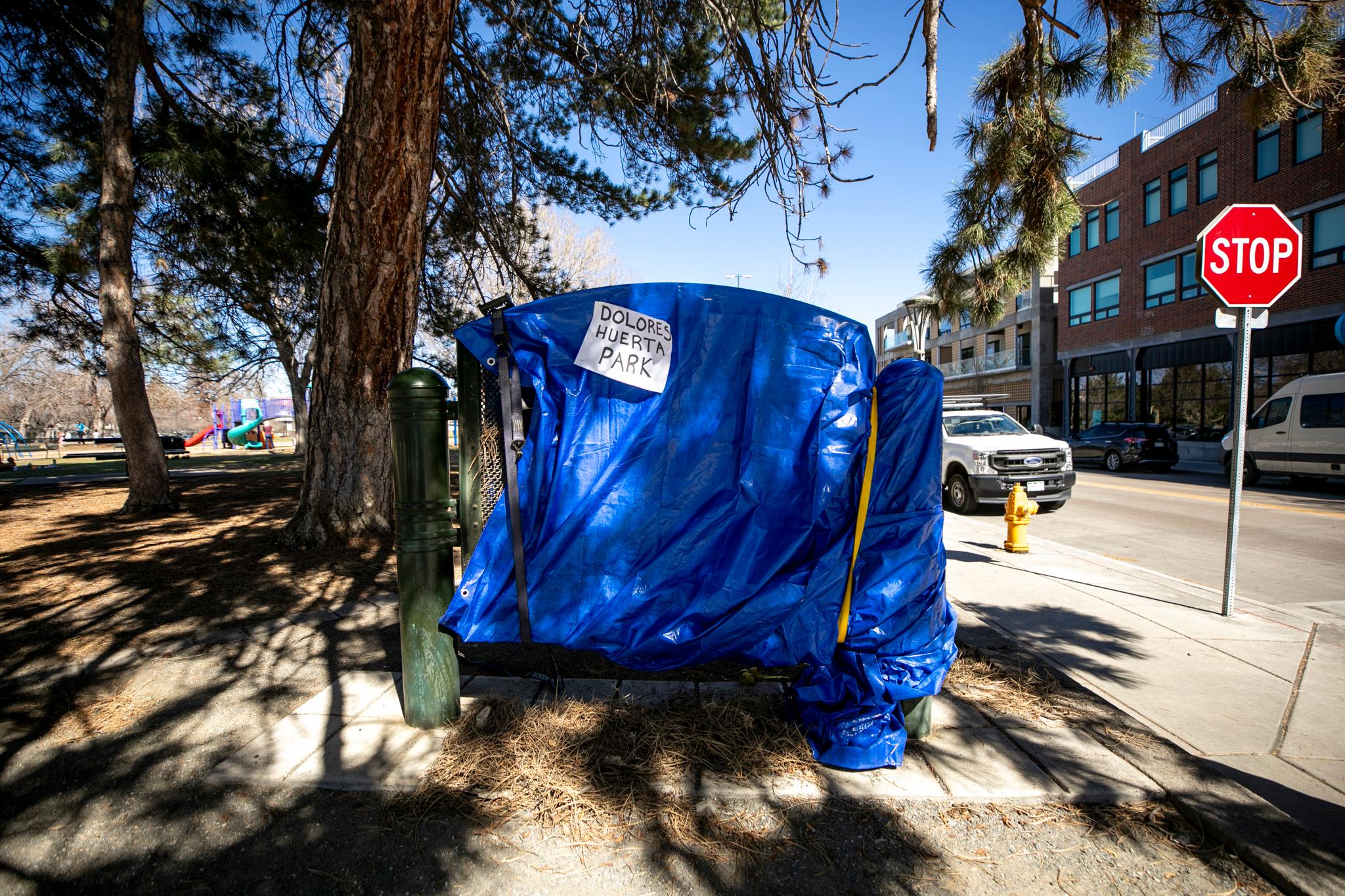
The sign for César Chávez Park, along Tennyson Street, has been covered. March 19, 2026. Kevin J. Beaty/Denverite
Paolo Zialcita contributed to this report.