By Justin Goodrum
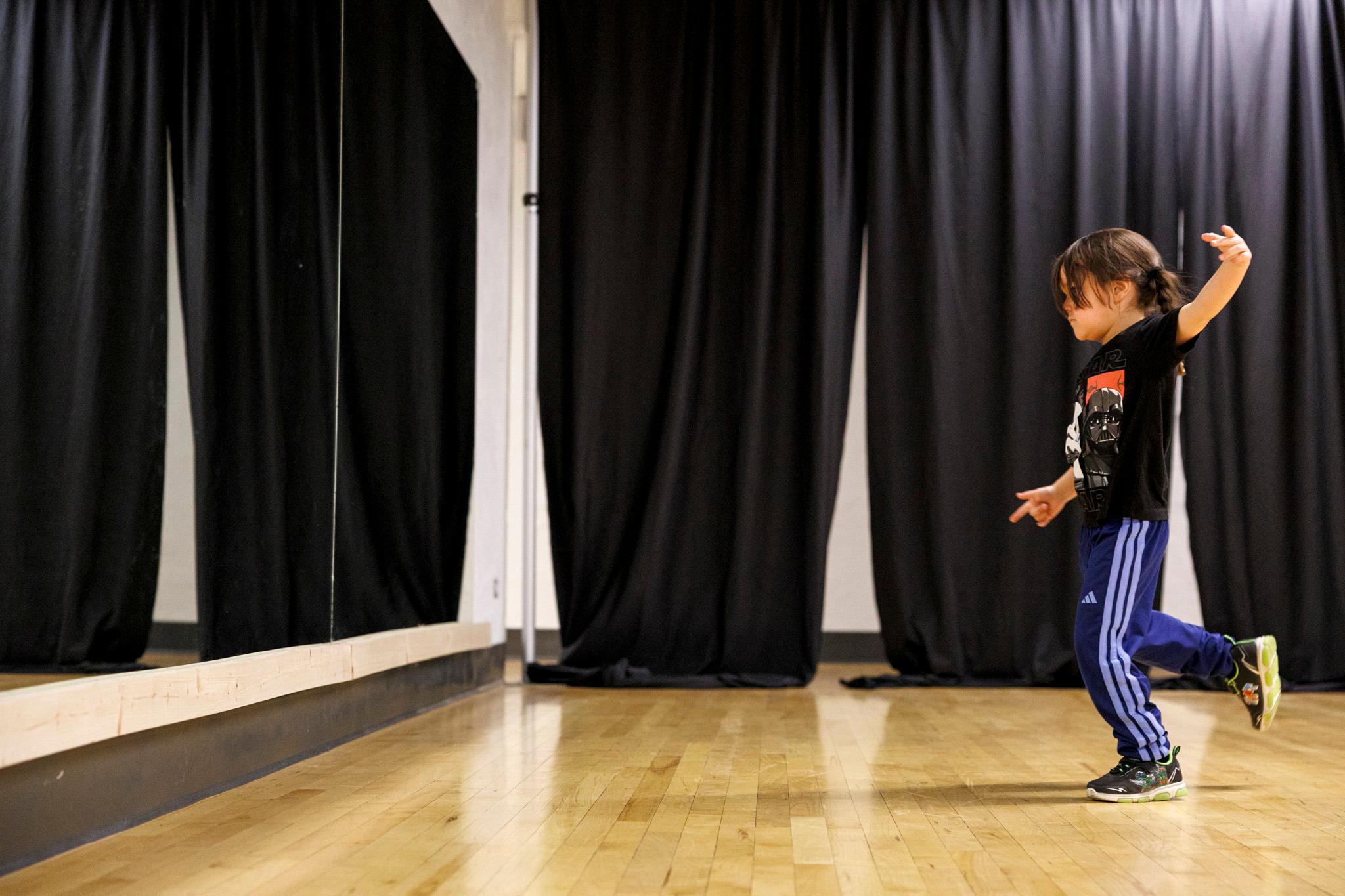
Feet stomp and shoes squeak while the beat pulses at the School of Breaking in Aurora. On a Monday night, students of all ages are perfecting the craft of breaking to infectious, high-energy funk at a studio space at the 1400 Dallas Arts studio.
Founded in 2012, the School of Breaking has become a cornerstone of breaking and hip-hop in Colorado.
“This is a way to transcend gang culture and to turn into something positive,” said Chase Evered, also known as B-Boy Chase ‘Em Down. He is the owner, program director, and an instructor at the school.
“Breaking is a way for the youth to express themselves and to dance freely and to let out anger and rage and all sorts of energy that could be used,” he explained.
While many studios now teach breaking, only a few — such as School of Breaking and Bboy Factory — are exclusively dedicated to the art form, which is sometimes known as breakdancing.
Teaching the moves and the culture
Evered began dancing while in college in 2003 and soon started teaching others.
He noticed that older-school crews once dominated the landscape. But gradually, he says, the culture has become more welcoming to younger dancers, women and families.
The School of Breaking aims to support that change. It began as a nonprofit hosting community jams and other events. Eventually, it became a for-profit company. Chase says the move secured the school’s future — and his plans to teach the community about hip-hop culture.
“We shifted into a for-profit LLC so we could really just focus on sustainability, valuing the education that we provide, and then valuing the educators that teach the youth,” said Evered.
The school’s breaking curriculum includes moves like toprocks, go-downs, footwork, power moves, and freezes. The school also has a hip-hop program that focuses on grooves, fundamentals, techniques, isolations, funk, street, and social dances.
More than just teaching the moves, Evered aims to nurture and safeguard the rich legacy of hip-hop, drawing inspiration from its deep-seated connections to Black and Latino heritage.
From student to teacher
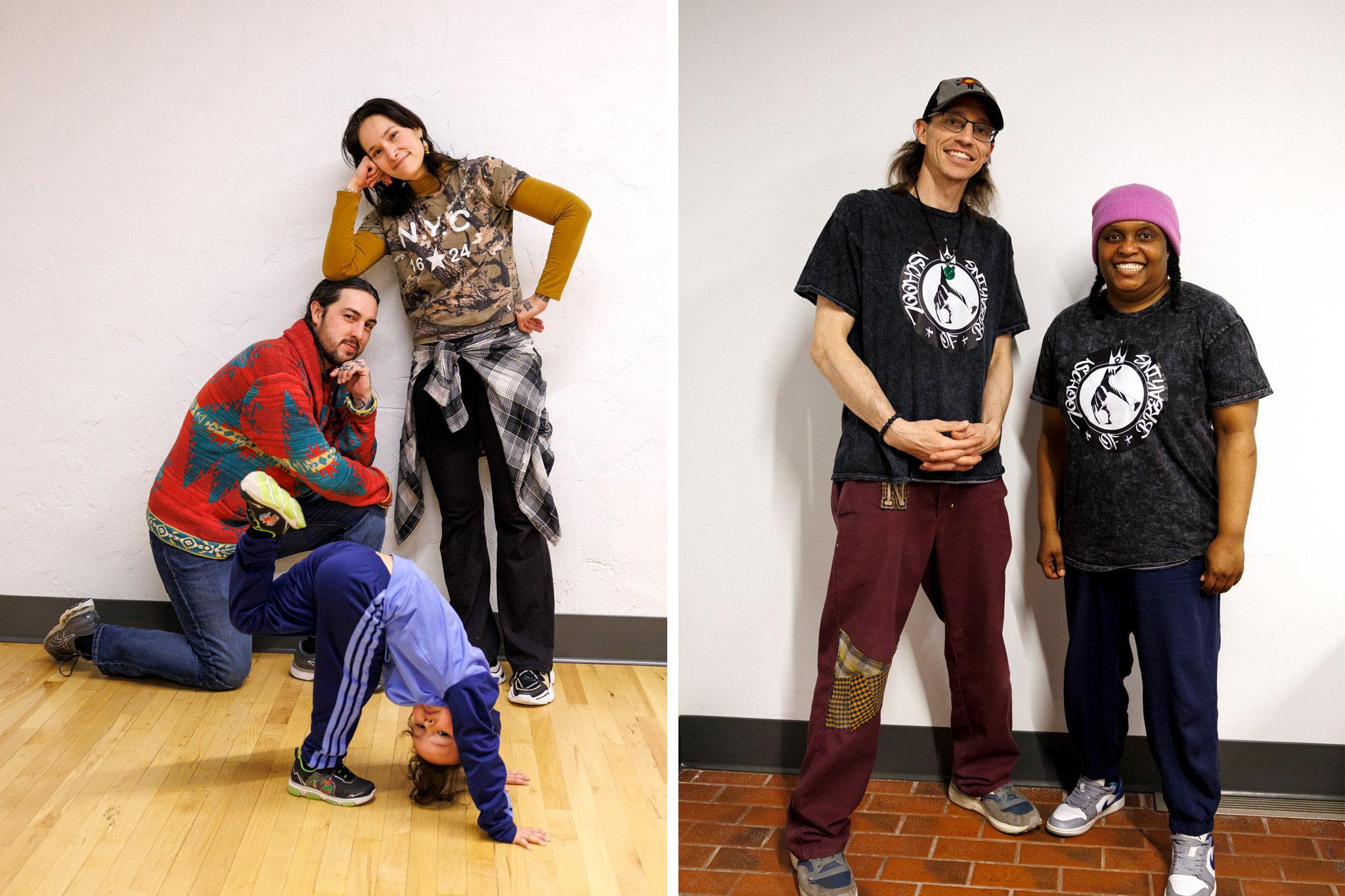
Six instructors lead classes at the studio, including co-owner Le’Toya Garland, also known as B-Girl Tweezy. Garland’s path into breaking began in 2014 when she enrolled her son in classes. Before long, she decided to step onto the floor herself.
“After about a year of him taking classes and me just sitting in the lobby, decided to take classes myself and officially learn how to break,” Garland said.
When Garland first began learning the fundamentals, the techniques didn’t come easily. Still, she embraced the challenge, pushing through the early struggles as she worked to build her skills.
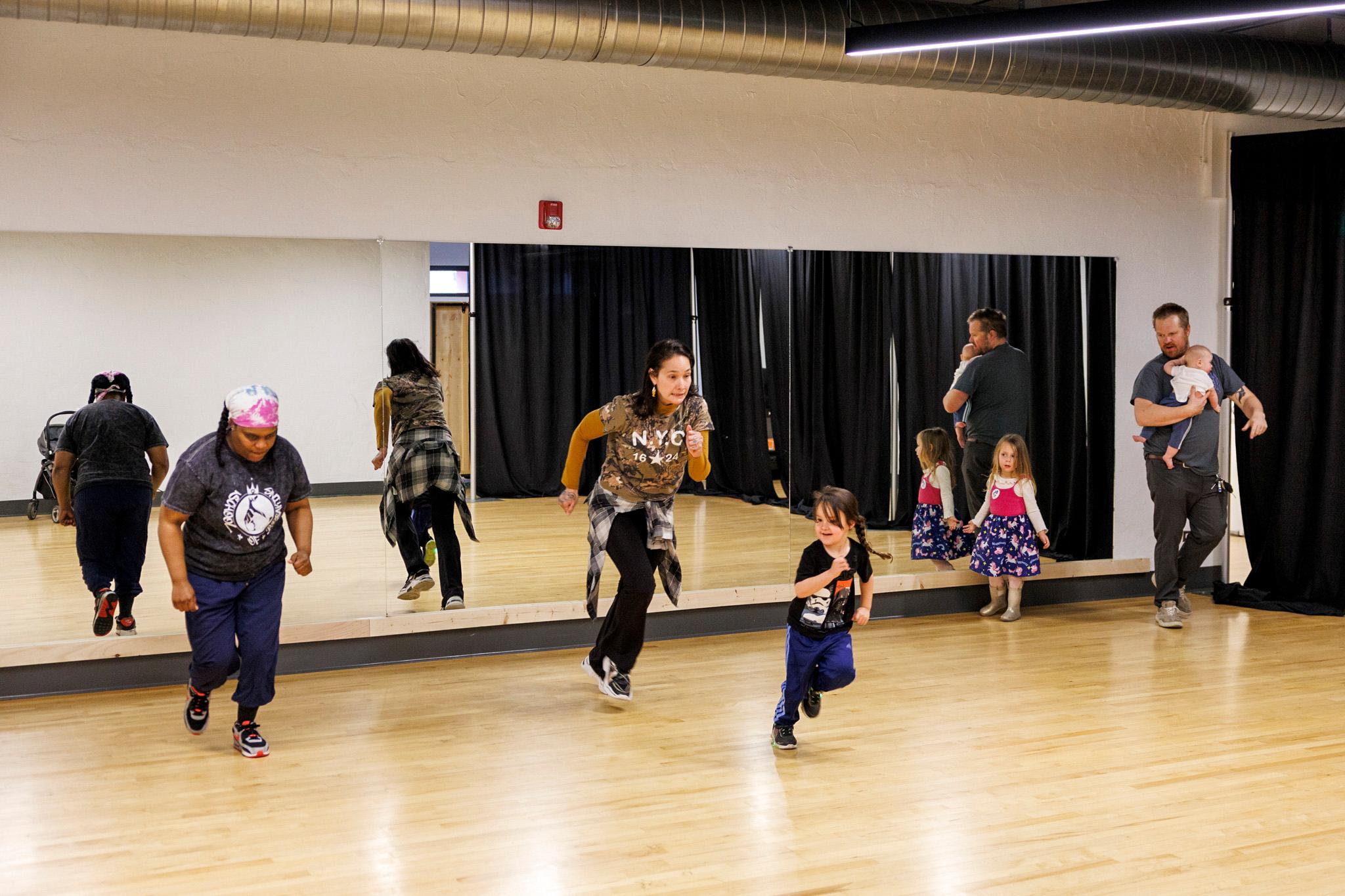
“I really, really enjoyed it, but it was a big learning curve,” she said. “Breaking's not easy, especially when you try it as an adult.”
Her commitment to the School of Breaking eventually led her to become a co-owner in 2018 and later step into a role as an instructor teaching kids to adults. Garland says teaching others the art of breaking has also sharpened her own skills.
“The teaching actually has helped me to become a better dancer,” said Garland, who teaches the school’s youngest dancers.
“They're super free and uninhibited, which is very inspiring.”
Breaking’s growing pains
Breaking has surged in popularity around the world, with new schools opening and major competitions such as Battle of the Year and Red Bull BC One drawing global attention.
The sport’s growing popularity culminated with its introduction at the Paris Olympics in 2024.
But instead of marking a celebration of the sport, much of the attention went to the performance of Australian breaker Rachael Gunn, also known as Raygun, whose dance went viral for its silly, awkward moves. Despite Gunn failing to score any points, she became the face of breaking during the Olympics.
Evered feels it was a missed opportunity to shine a light on hip-hop culture.
“We didn't use this massive platform as an opportunity to educate the world about Black culture, hip-hop history, and the importance of bringing peace, love, unity, and joy into the world, and connecting all people, and actually eradicate the stereotypes, eradicate the racism, and to be able to talk about something real,” said Evered. “And so instead, what did we do? We made fun of you know, Raygun and made fun of her moves and jokes rather than celebrating Black and Latino culture.”
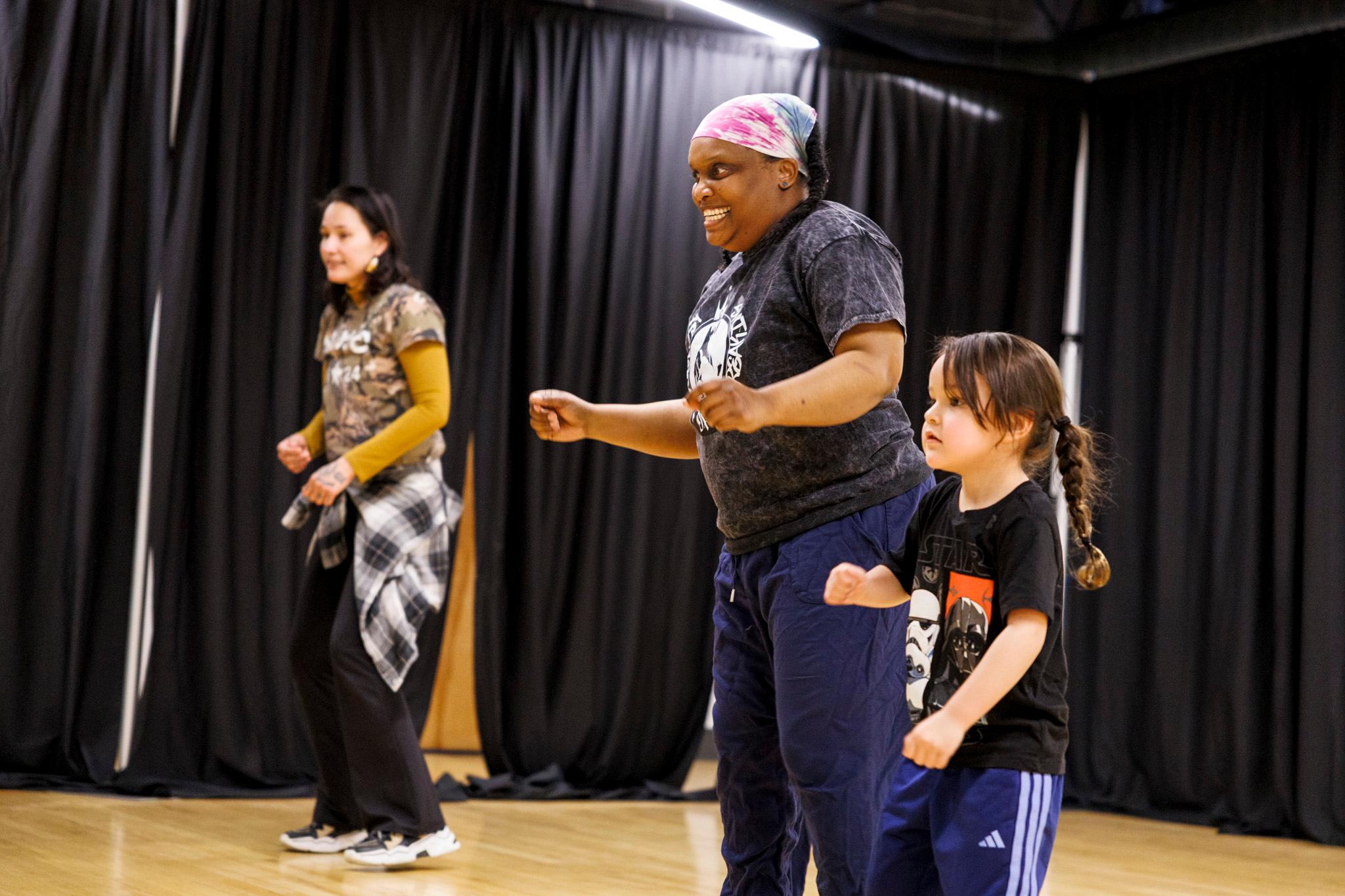
Evered and Garland say it’s just as important to teach the culture behind showstopping dance moves. They stress that anyone leading breaking classes should also share the roots of hip-hop and where the movement began.
“Because I think one thing is hip-hop is a Black culture, Black and Latino culture,” says Evered. “If you're just coming in with a hip-hop dance class, or if you're just coming in with breaking, but you're not actually talking about the origins of hip-hop culture, and its history and connection to Black people and Latino people in America, yeah, then you're doing a disservice to the people that are learning from you because you're misleading them.”
Breaking for the next generation
Today, the School of Breaking has 42 membership students and an additional 50-plus drop-in students each month.
Desmond Bruguier started his daughter Bebe at School of Breaking at age 3 so she could learn to express herself.
“Breakdancing just seems something that she was kind of drawn to,” said Bruguier. “She enjoyed the types of movements that come from, like breaking, as opposed to other types of dance classes. It just aligned with her personality even at a young age.”
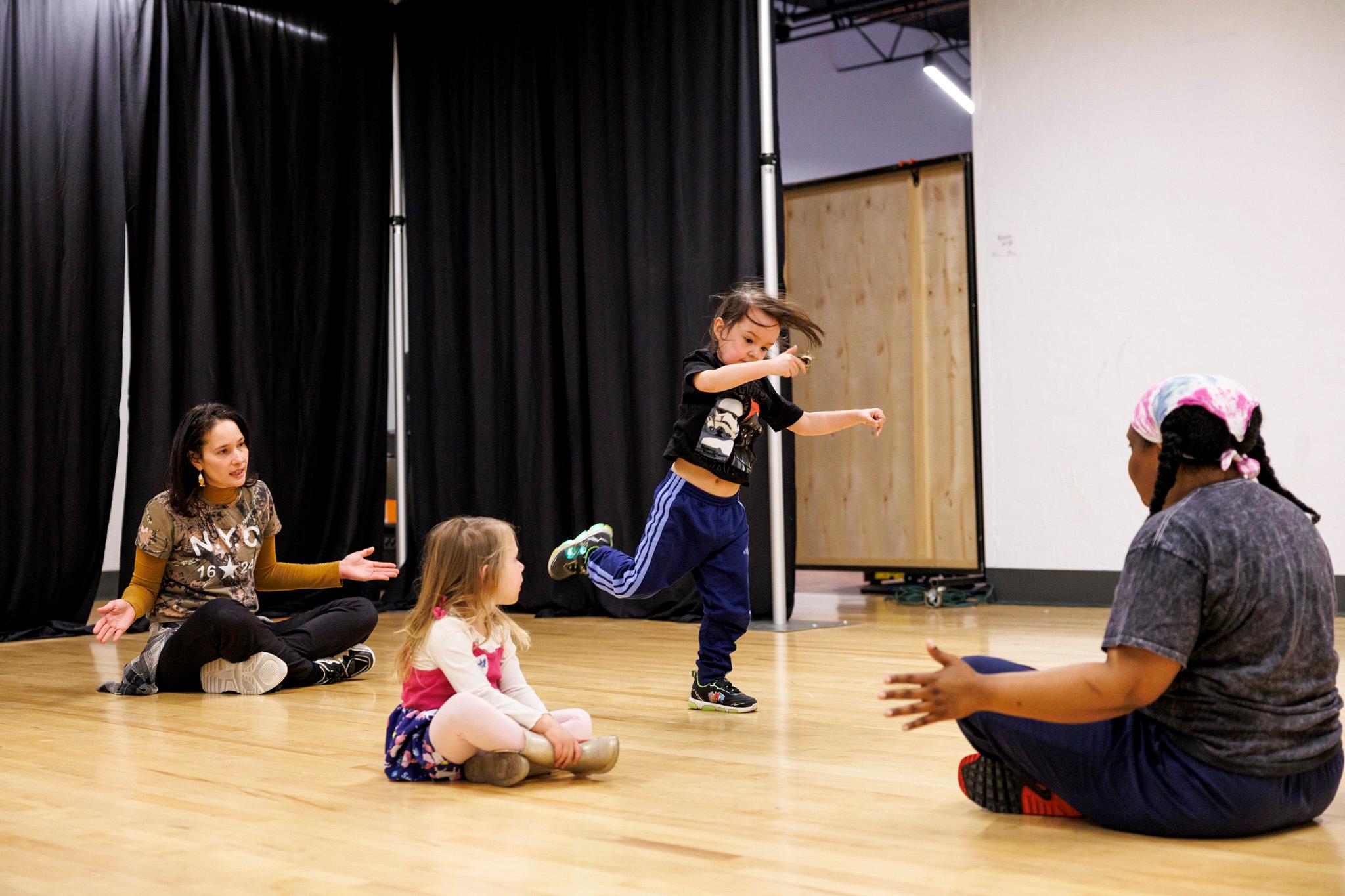
Evered hopes that by teaching students like her, the School of Breaking can build the culture of hip-hop and breaking from the ground up.
In 2022, the school received a proclamation from the city council and Aurora Mayor Mike Coffman for 10-plus years of excellence in service and education in Aurora, officially naming September 20 “School of Breaking Day” in Aurora.
“School of Breaking has been the pioneer, innovating in terms of education for hip hop and breaking in Colorado,” Evered said.
“And that is a big reason why there are so many schools and studios that teach breaking and hip hop in Colorado. We've been the trailblazers of that.”