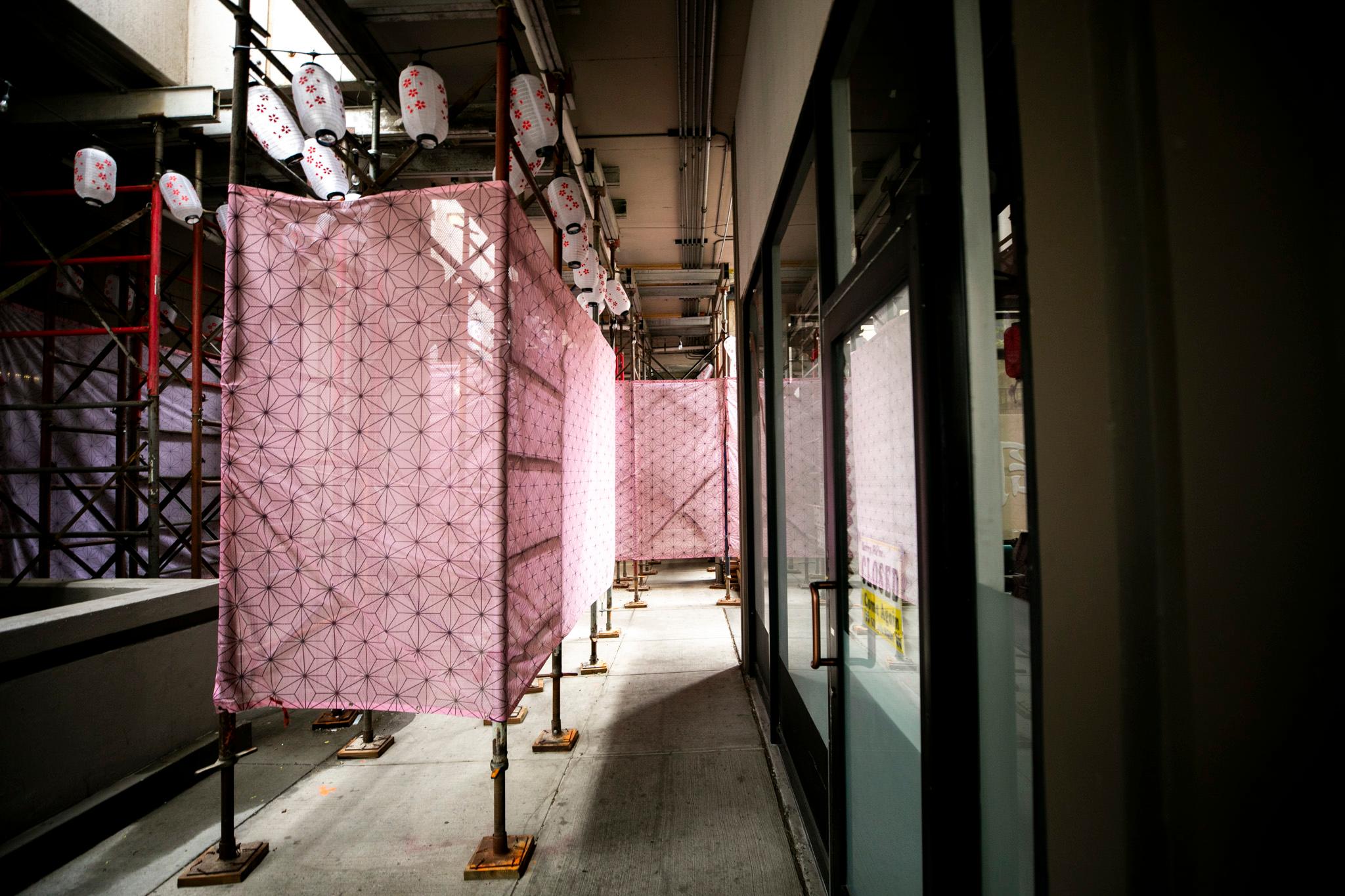
Sakura Square, the block in downtown Denver that has acted as a center for Japanese American culture in the city, is crumbling.
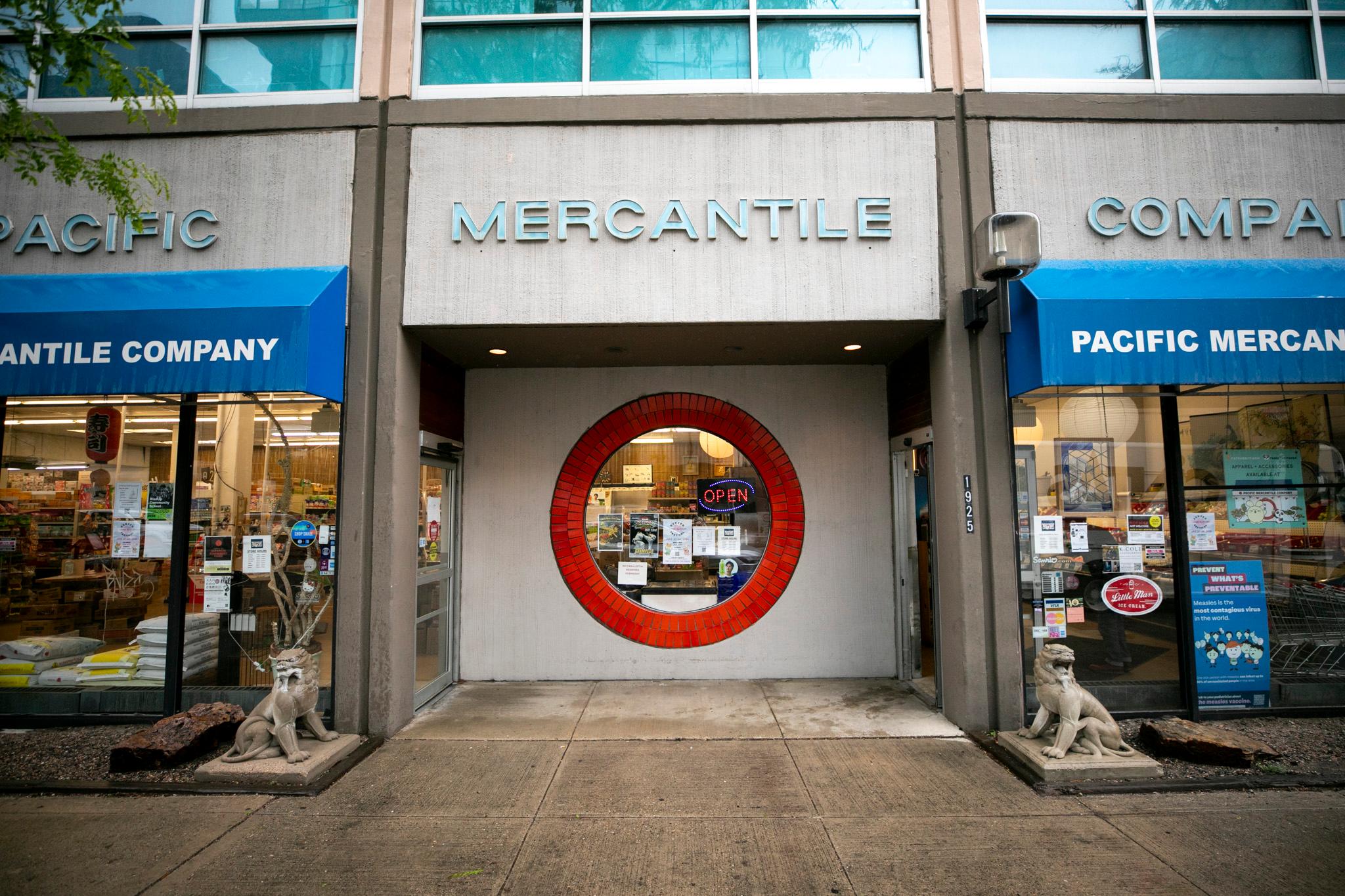
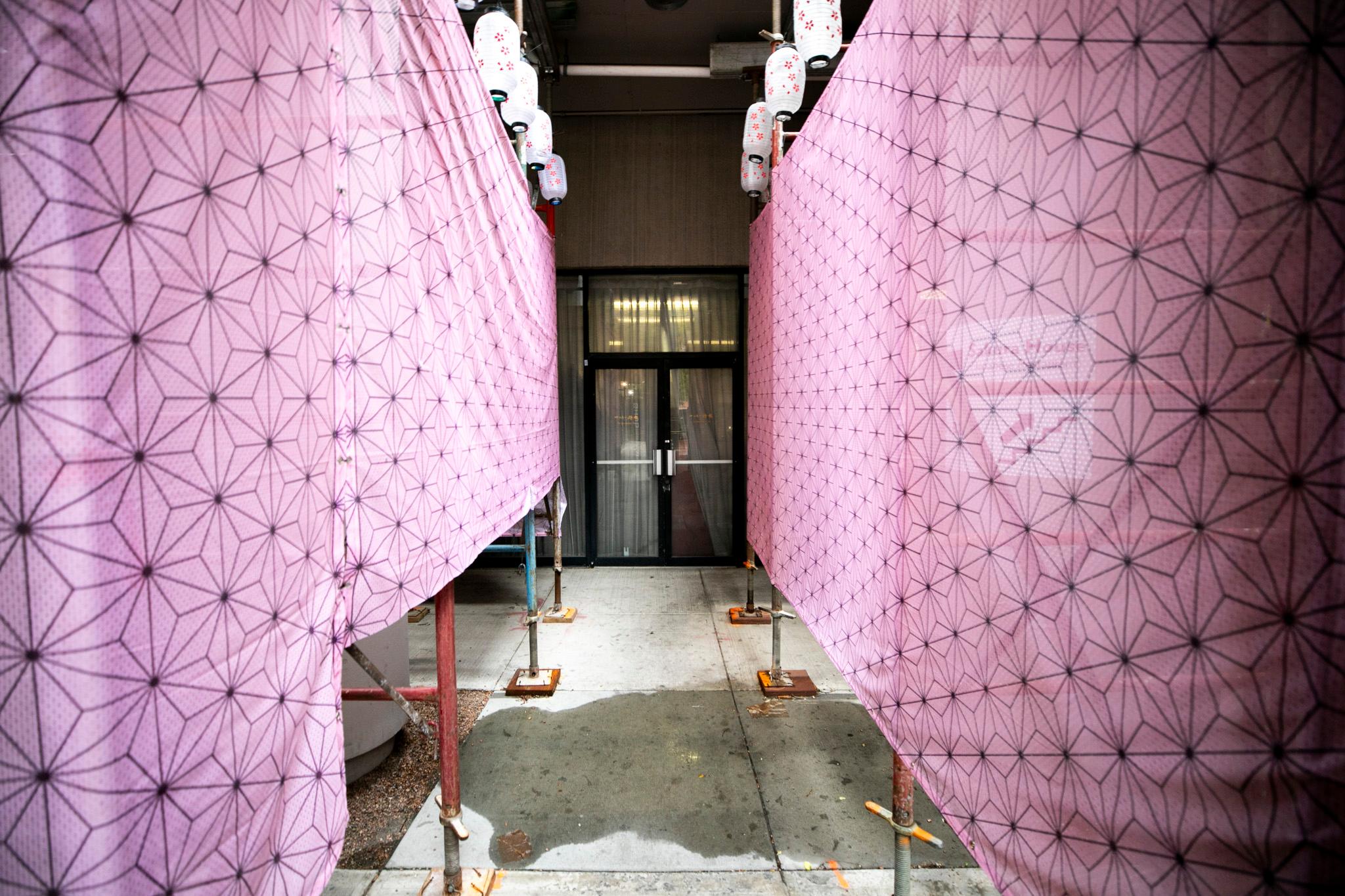
In the last year, the block’s owners installed unsightly metal scaffolding around the building, which houses mainstays like Pacific Mercantile Company, Sakura House and JJ Bistro.
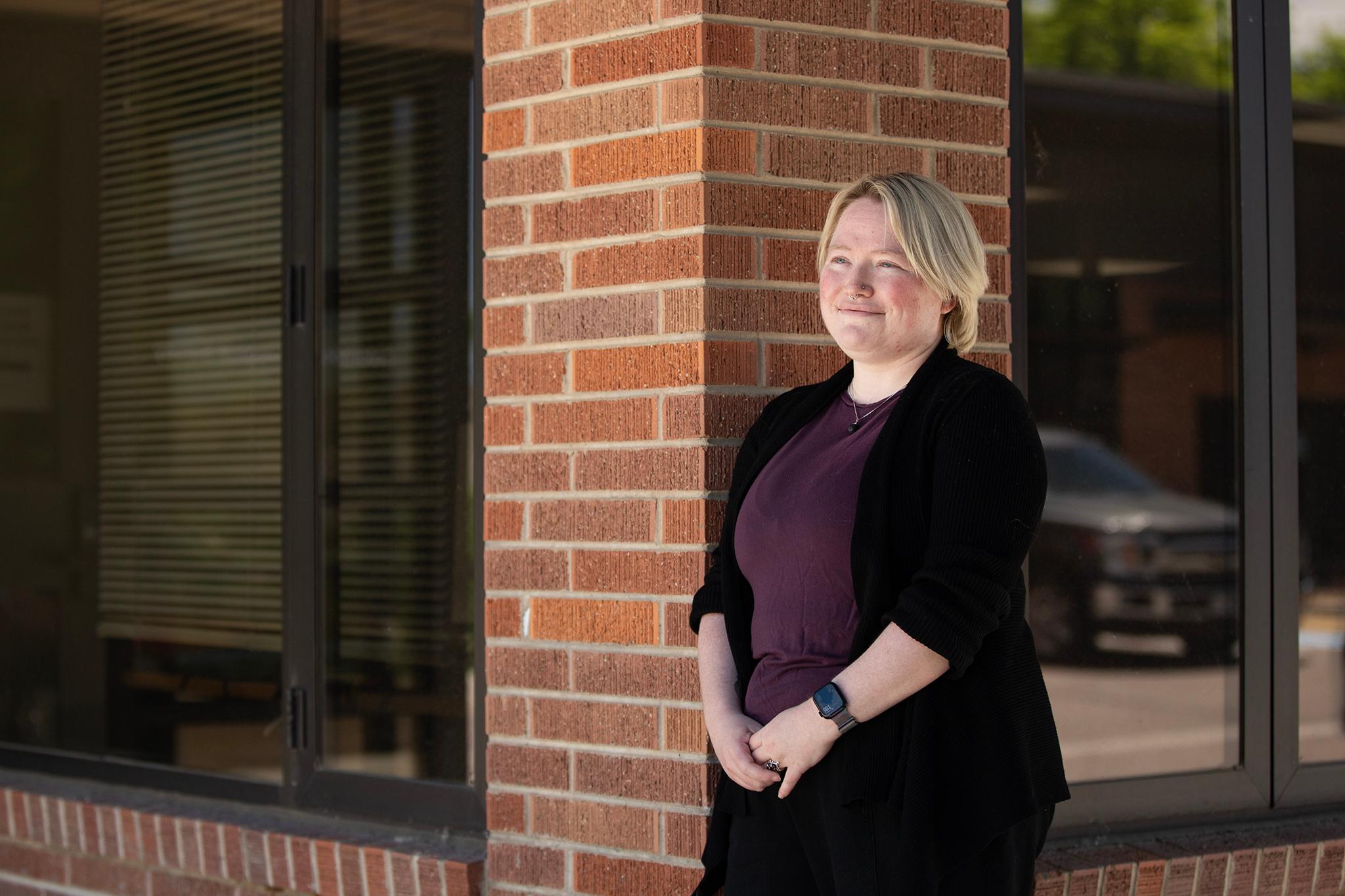
“It is starting to crumble,” said Joni Sakaguchi, the board president of the Sakura Foundation, which owns Sakura Square. “It's very safe in here. But we can't get rid of the scaffolding.”
The building — built in 1973 — has been exploring redevelopment for years as its infrastructure continues to age.
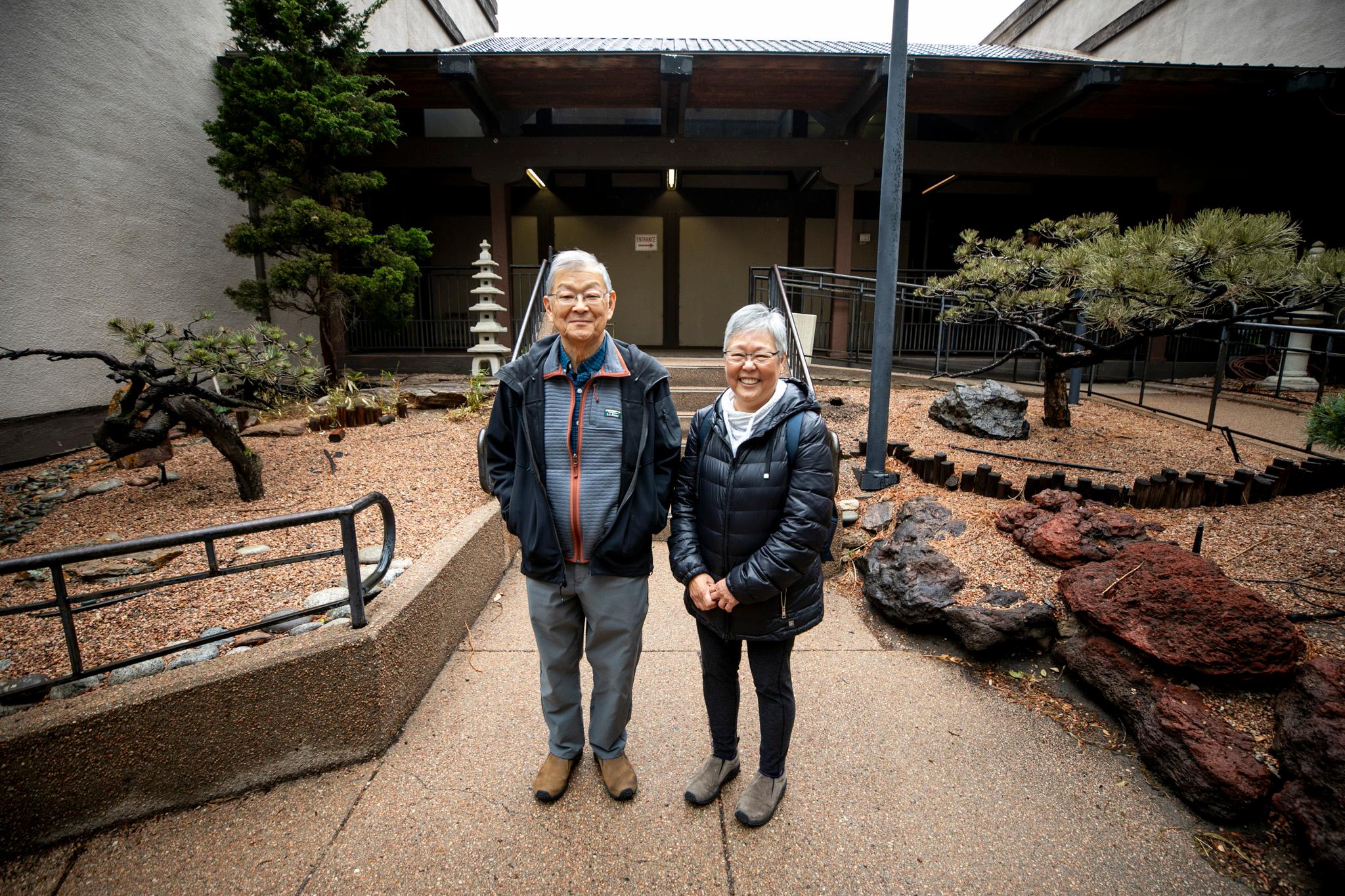
Now, the Sakura Foundation is hoping to utilize funds from the Downtown Denver Development Authority to accelerate that future.
“We have a vision for the entire block to be fully reconstructed at some point in the future,” said Charles Ozaki, a board member. “And the issue that we're facing is the basic economics of downtown and how all those factors can come into play over time to help us or help the block be fully reconstructed and sustainable into the future.”
Sakura Square could be completely rebuilt.
The Sakura Foundation applied for a loan with the Denver Downtown Development Authority, a voter-approved quasi-governmental entity that spends tax dollars on downtown projects.
With that loan, they’re hoping to, at the very least, address the immediate needs of the building. Other smaller issues, like plumbing and deteriorating ceilings and roofs, could also use the help.
But they hope the money can go beyond that.
“It would be a mixed-use project with high-rise residential and commercial over an activated ground floor that we want to make sure kind of honors our culture,” Ozaki said.
The application details a rebuilt Denver Buddhist Temple, a “modern plaza” and more. Future phases of construction could include new residential buildings and offices that anchor existing and new ground-floor retail.
The Sakura Foundation declined to say how much money they requested. The application states it would raise money from private donations to match DDDA’s investment.
Denver’s once-bustling Japantown was condensed into a single block.
Sakaguchi and Ozaki want to protect what’s ultimately a scaled-down version of the Japantown that once spanned seven blocks downtown.
Before the 1970s, the neighborhood was heavily populated by people who chose to move to Colorado in the post-war period — thanks to Gov. Ralph Carr, the only U.S. governor who offered refuge to Japanese-Americans during World War II.
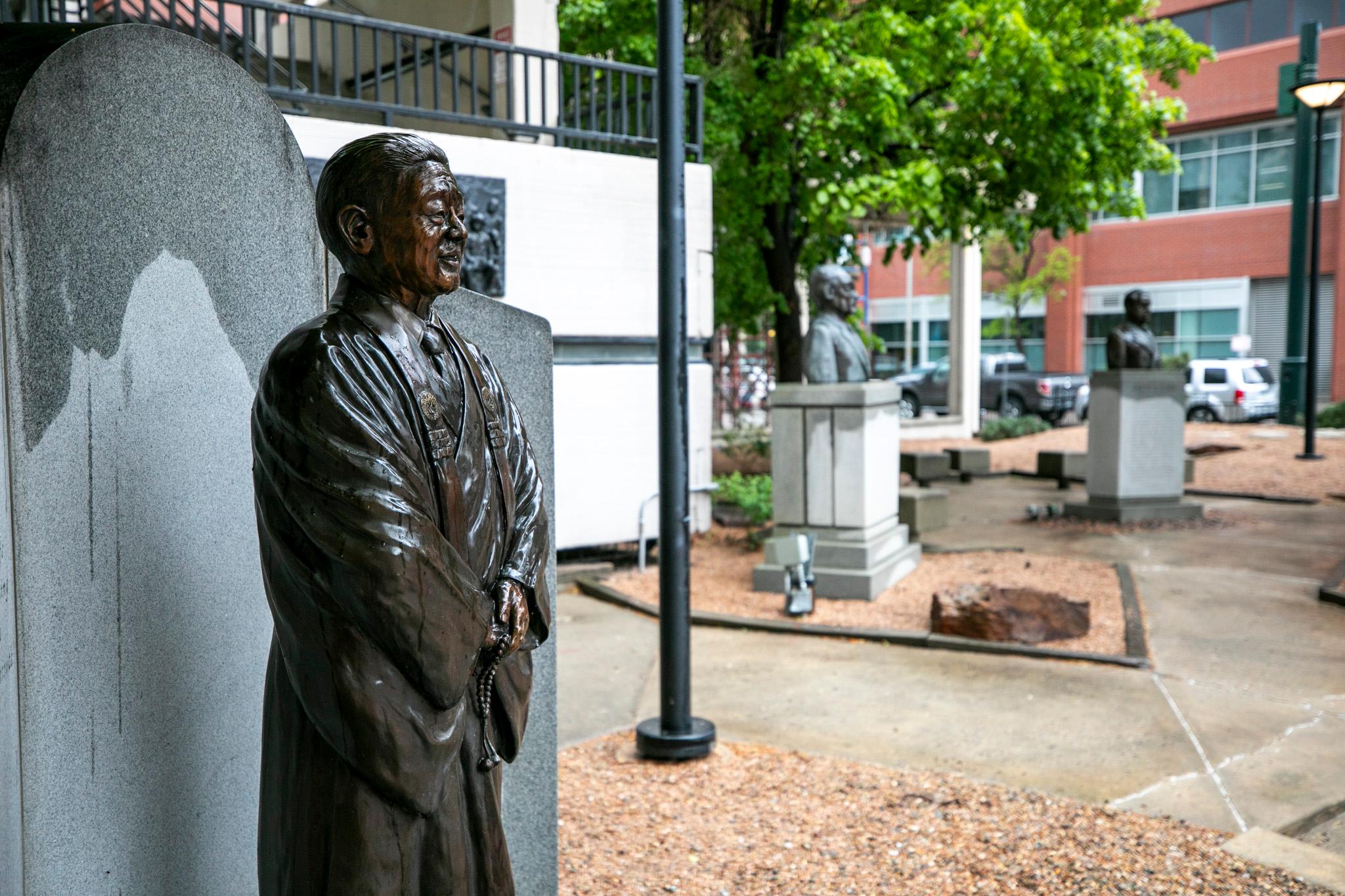
But when the Denver Urban Development Authority began its redevelopment of downtown in the 1960s, Japantown was part of the large swath of land that was razed.
Only the block where Sakura Square currently sits remained, after the Tri-State Buddhist Church worked to redevelop the area to ensure that a sliver of Japanese culture remains downtown.
The Sakura Foundation worries that if they’re unable to put funds towards fixing Sakura Square, the last remnant of Denver’s historic Japantown would be erased.
“I think that's where we are with the communities, is that they're seeing a lot of this being taken away and we're losing that,” Sakaguchi said. “And I think for all of the generations coming, it's a loss. And that's what we're trying to avoid here.”
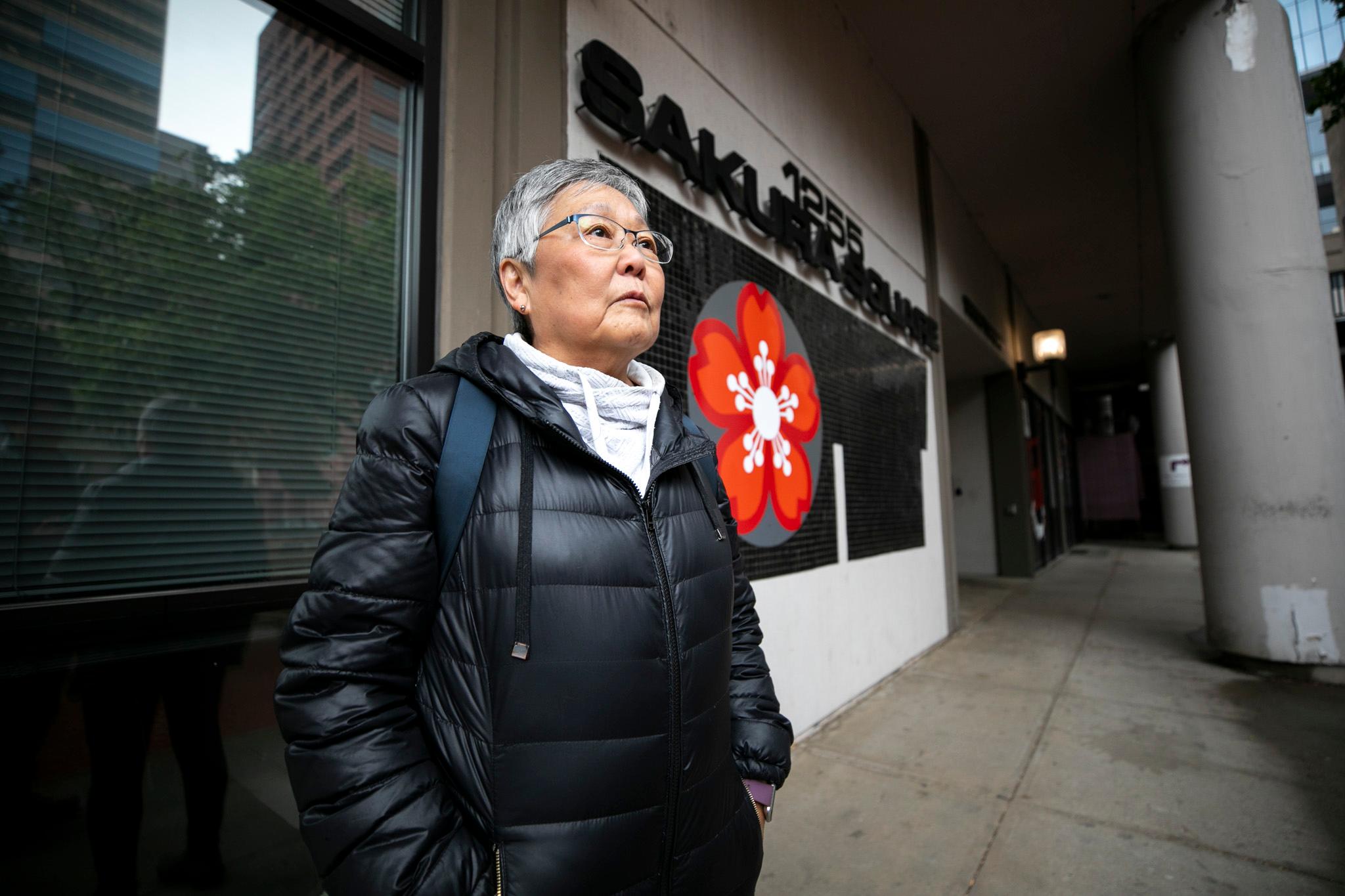
Today, Sakura Square is home to several businesses, an apartment tower and the Denver Buddhist Temple. But its stewards say it's more than its establishments — the block also serves as a cultural hub for Asian culture, hosting events like the Denver Cherry Blossom Festival and various clubs, like Denver Taiko.
Across the U.S., there are just three officially recognized Japantowns.
Unlike the Asia Center, the Sakura Square proposal is backed by its tenants
The proposal is reminiscent of a different — and more controversial — effort to breathe new life into a business center mostly populated by Asian businesses.
Last month, owners of the Asia Center on Federal Boulevard received pushback from tenants and community members alike after renderings of a new high-rise were filed with the city.
Unlike that project, the Sakura Foundation already has the blessing of its tenants.
“We've been talking for years,” Ozaki said. “And so we've had this kind of a partnership relationship going on for years.”
The DDDA has not yet ruled on whether Sakura Square’s loan will be approved. Recently, the entity has been investing money into pricey office-to-housing conversions and redeveloping Denver Pavilions.
If their application is denied, the Sakura Foundation will have to find alternative means of funding.
“I think what we're going to have to do is really look at alternative funding and reach out to the community and others who feel strongly about keeping this an important part of Denver. Because our goal is to try not to move,” Sakaguchi said.