Construction of future data centers in Denver could be paused for up to a year as the Denver City Council debates new requirements for the energy- and water-intensive projects.
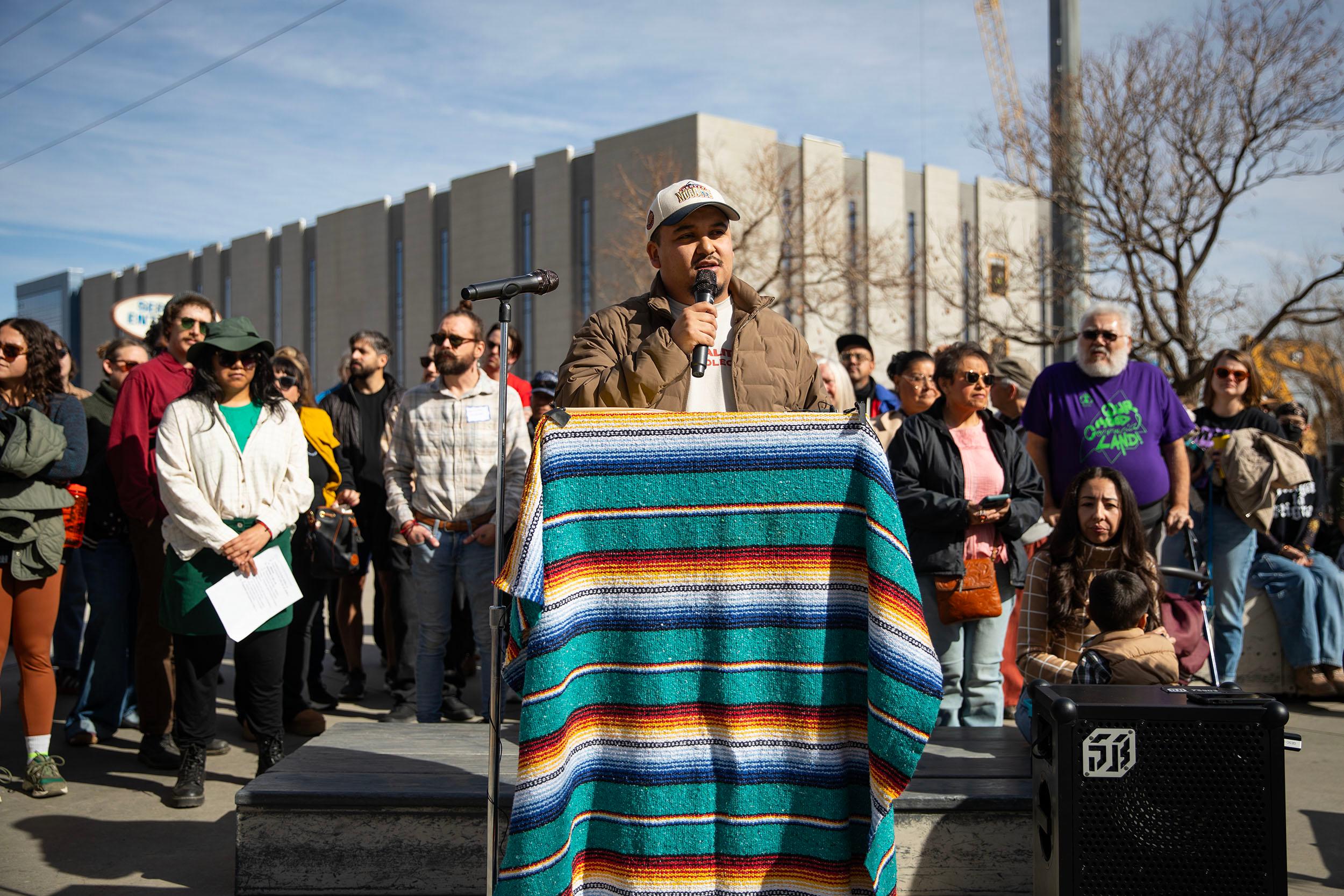
The proposed moratorium was telegraphed by Mayor Mike Johnston in February as tensions rose over a developer’s plan to build a 600,000-square-foot data center campus in Elyria-Swansea.
The moratorium, which is being sponsored by council members Paul Kashmann and Darrell Watson, would freeze new data center development until the city can convene a working group of city officials, subject matter experts, utility companies, developers and community members.
“We’re late to the dance,” Kashmann said. “While you can point fingers at data centers, you can also unfortunately point fingers at Denver city government.”
Jon Ewing, a spokesperson for Johnston, said the mayor approves of the proposal and its timeline. The moratorium would expire a year from when it is officially passed, but could be extended or shortened as needed.
The proposal wouldn’t affect data centers that are already permitted for construction. The Elyria-Swansea data center, under development by local company CoreSite, is already under construction.
The council had its first public discussion about the moratorium at a committee meeting on Tuesday.
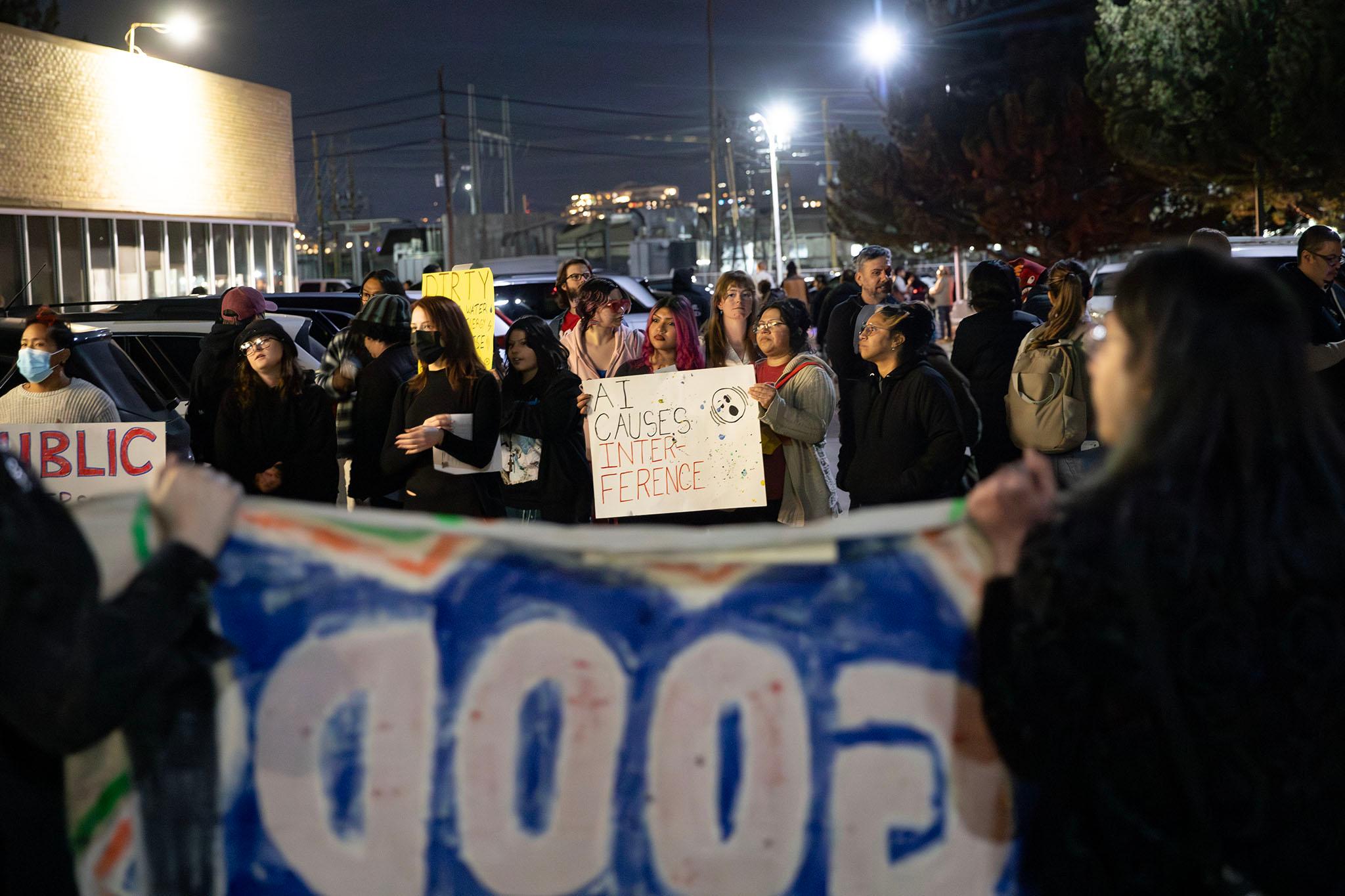
The city could force changes for future data centers.
Currently, there are “five sites across the city that are exclusively used as data centers and then about 46 other sites around the city that are partial data center use”, according to Emily Gideon with Denver’s Office of Climate Action, Sustainability and Resiliency.
Those projects are already governed by city rules, but those regulations could be updated, according to leaders with the city’s planning department.
“There is language that exists currently,” Eric Browning, Denver’s chief building official, told council members. “That language continues to mature and that does live in our building and energy codes, outside of the zoning. And so that'll just be part of the discussion and the conversation as we move forward.”
Kashmann and Watson said the pause could end with updated zoning for where and how data centers can be built; guidance for cooling systems and energy use; and renewable energy requirements.
The city’s planning and climate offices are already working on updates to Denver’s Energy Code, which will likely affect data centers, too.
Councilmember Amanda Sawyer said she hopes the moratorium doesn’t lead to an outright ban on data center development in Denver.
“Data centers are a really important part of the way we function in our universe and that's not going anywhere anytime soon,” she said.
But Councilmember Sarah Parady said the city shouldn’t immediately rule out the idea of an outright ban. The city should look closely at the environmental impacts, she said.
“I really hope that we're planning to do that and that it's not a foregone conclusion that we will continue to allow them in some form because I just don't think we should be taking that off the table,” Parady said.
The council committee unanimously passed the proposal to the full council. A final vote and public hearing could be held May 18.
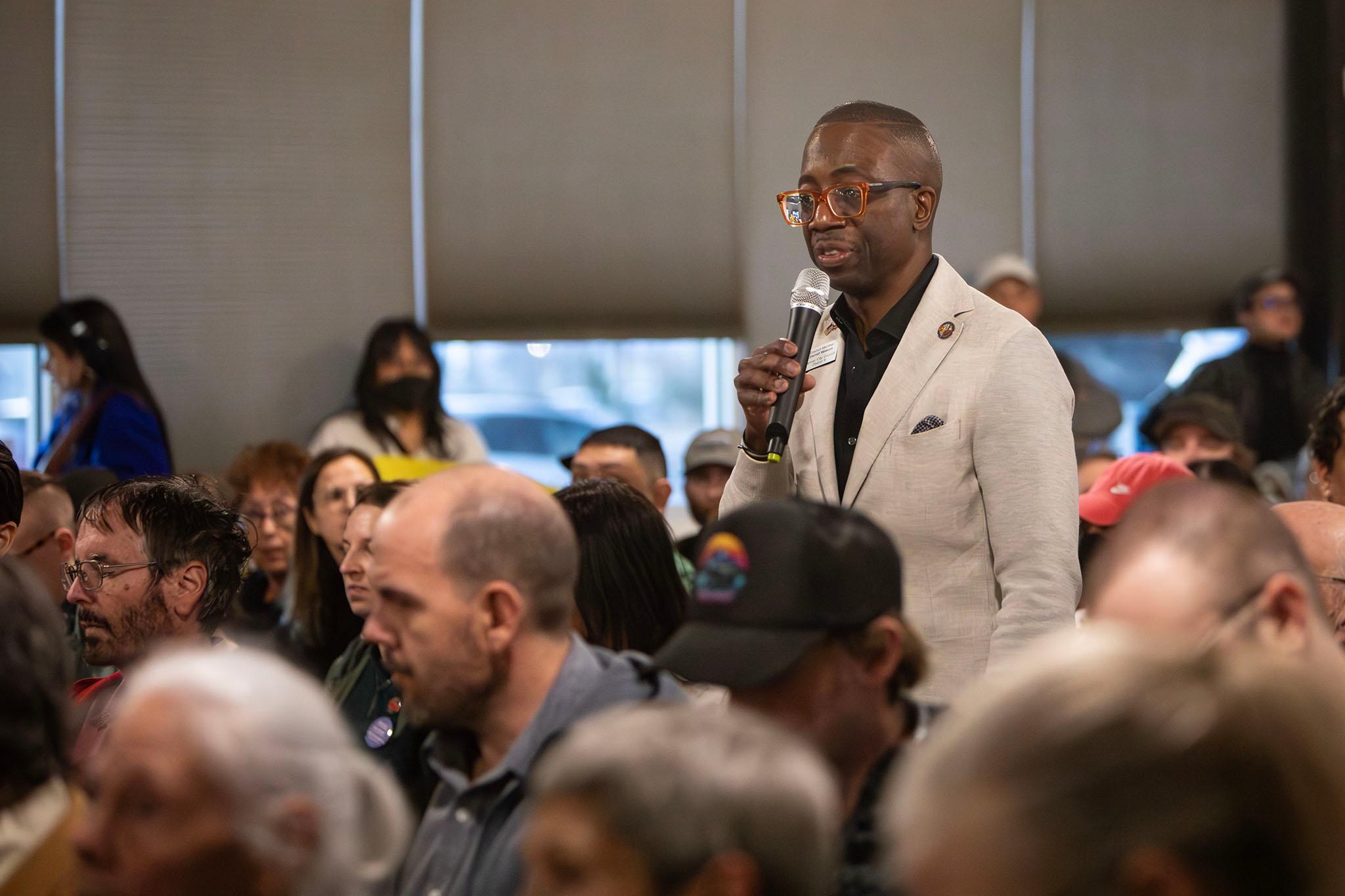
State lawmakers are also debating regulations on data centers.
The moratorium proposal comes as state lawmakers debate dueling data center bills.
One legislative effort backed by environmental groups aims to require data center developers to build renewable energy projects to power their electricity-hungry facilities. Backers hope the approach will keep Colorado’s climate targets within reach and guard households against rising energy costs.
The data center industry and labor groups are backing a different bill. Sponsored by business-friendly Democrats, the counter-legislation would enact a state sales tax exemption — granting tax breaks if a data center project complies with labor standards and more limited environmental protections.
Neither bill likely has enough support to move forward in its current form. Some lawmakers, however, say the push for moratoriums in Denver and other communities shows the public wants strict protections.
“The backlash isn’t anti-technology. It’s pro-accountability,” state Sen. Tracy Kipp, a Democrat from Fort Collins, said at a recent hearing.