
Updated 4:16 p.m.
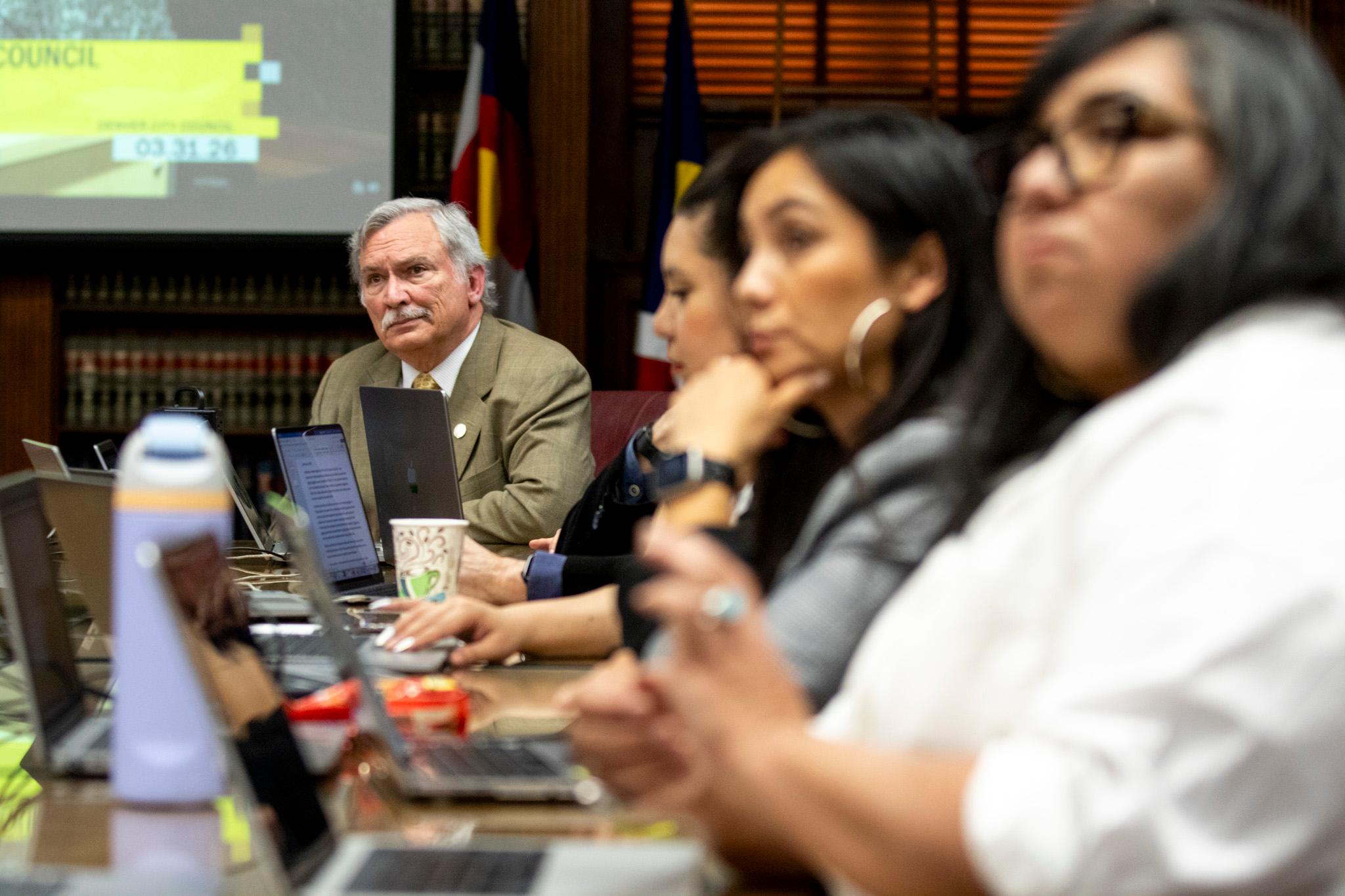
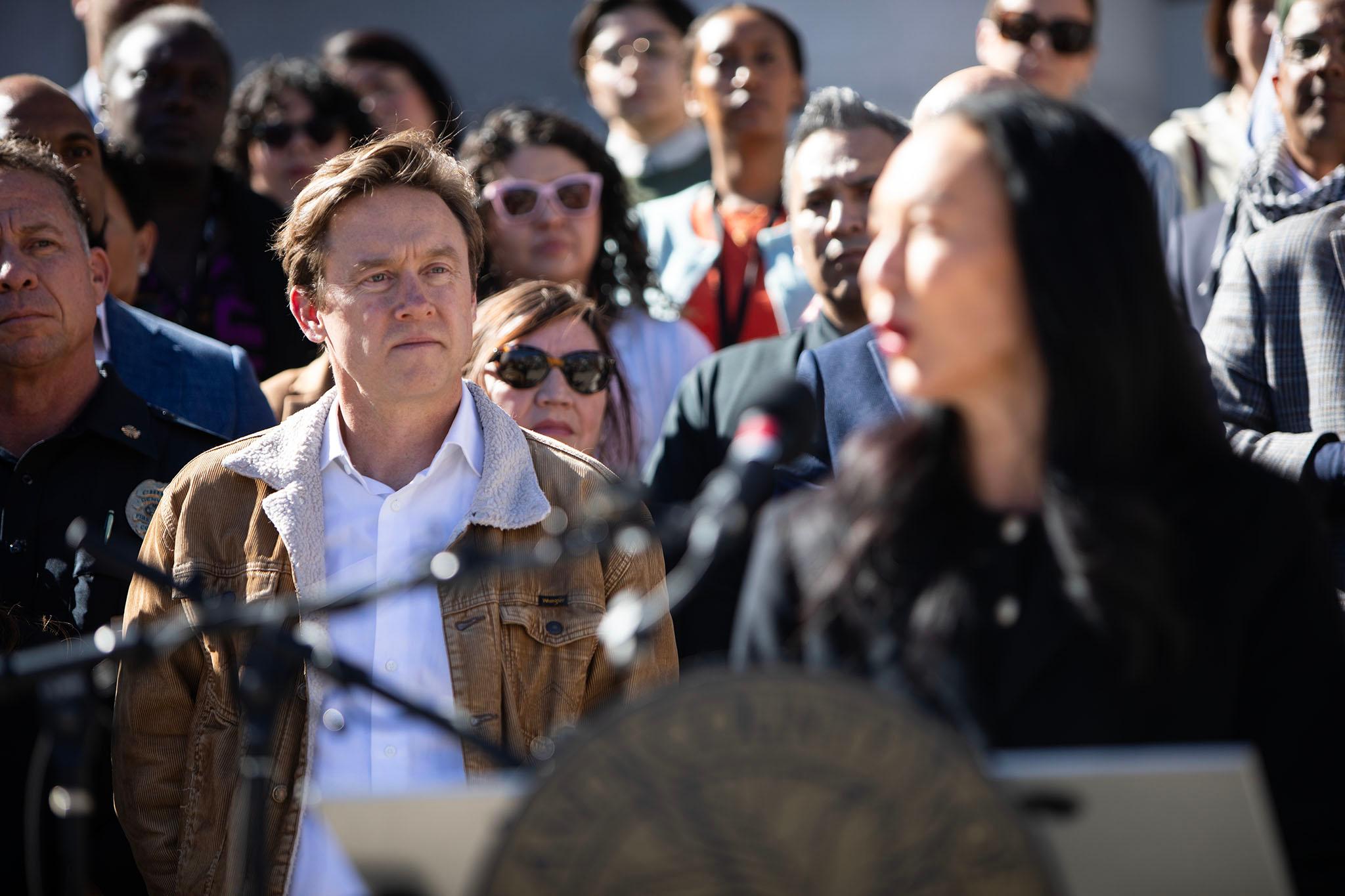
Several members of Denver City Council sent a letter to Mayor Mike Johnston on Tuesday over “grave concerns” about changes to the planned “road diet” on Alameda Avenue.
The letter was signed by eight council members, including Paul Kashmann and Flor Alvidrez, who represent the neighborhoods impacted by DOTI’s new road design.
The letter follows months of outcry from neighbors and advocates who say the city is failing to meet safety standards. They argue the city watered down final plans to cater to a small group of wealthy neighbors.
“Residents have been fighting diligently for safety protections on Alameda for over a decade,” the letter stated. “They report flipped cars, drivers plowing into houses. and children being hit on their way home from school. Their concerns could not be more serious, and we cannot accept their safety being threatened by changes arrived at without community vetting.”
DOTI had spent years redesigning Alameda, rated as one of the most dangerous streets in Denver, and had planned to begin construction earlier this year. The original plan would have narrowed the busy road from four lanes of traffic to two directional lanes and a turn lane, along with other changes.
Now, instead of fully eliminating a lane, the agency plans to convert one of the westbound travel lanes into a series of "turn pockets" from Franklin Street to Pearl Street. The road will keep three directional lanes instead of two. DOTI said it hasn't decided how and if it will move traffic away from sidewalks, which are notoriously close to traffic on the strip.
The change has angered some residents and transit advocates alike.
DOTI has continually defended the change, saying that the new design is as safe as the original one. The department argues that keeping one more directional lane will address concerns about traffic congestion and cars heading down side streets.
DOTI officials said the previous plan for a skinnier road would have added a “significant increase” of 98 seconds to some commutes along the one-mile stretch. The skinnier design also would have diverted 10 percent of drivers down to side streets, according to DOTI. The revised plan, they said, would keep travel times the same and send only 5 percent of drivers to side streets.
Traffic engineer and University of Colorado Denver professor Wes Marshall told Denverite last month he’s not convinced that DOTI’s new design is as safe as the original one.
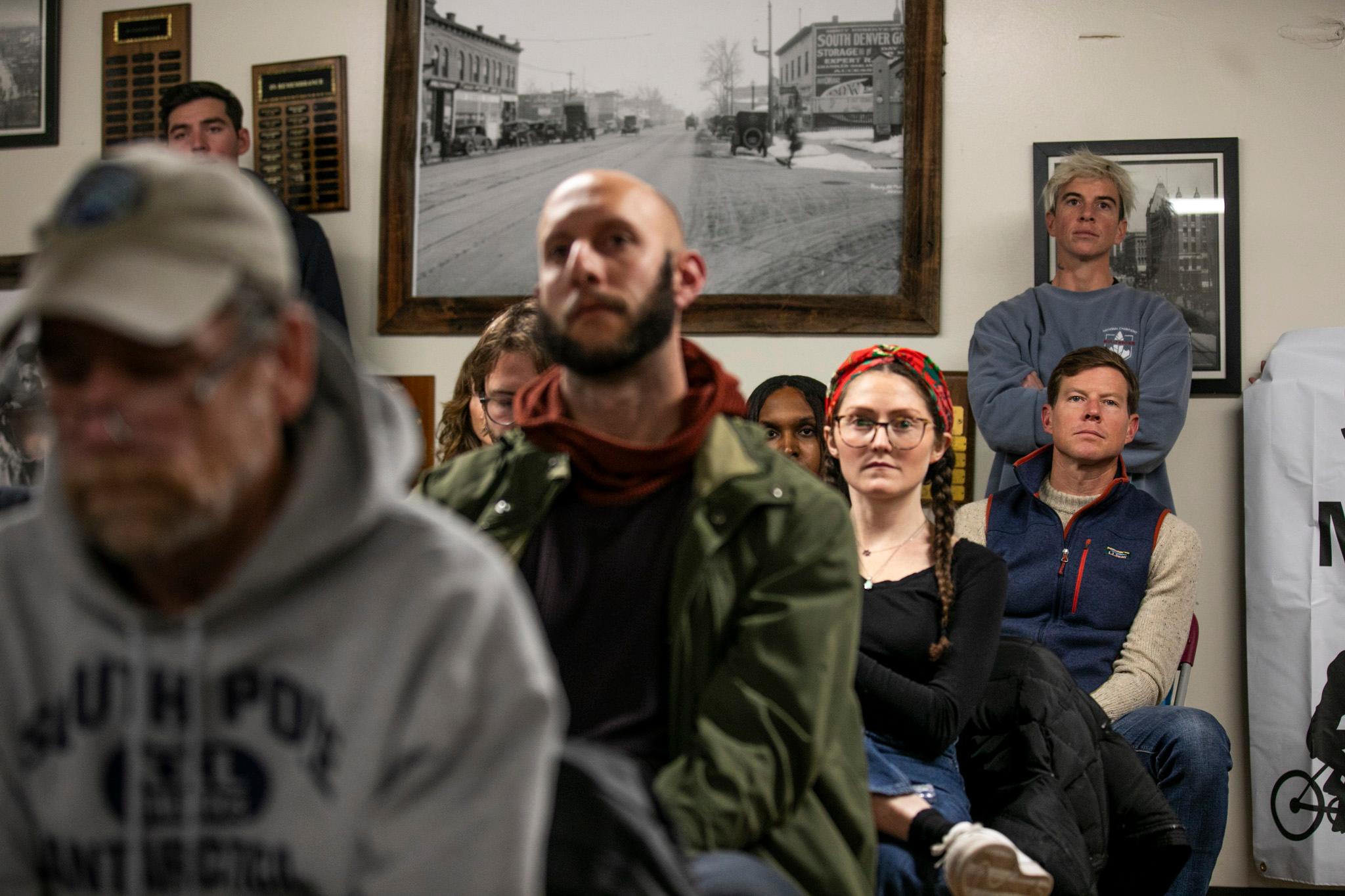
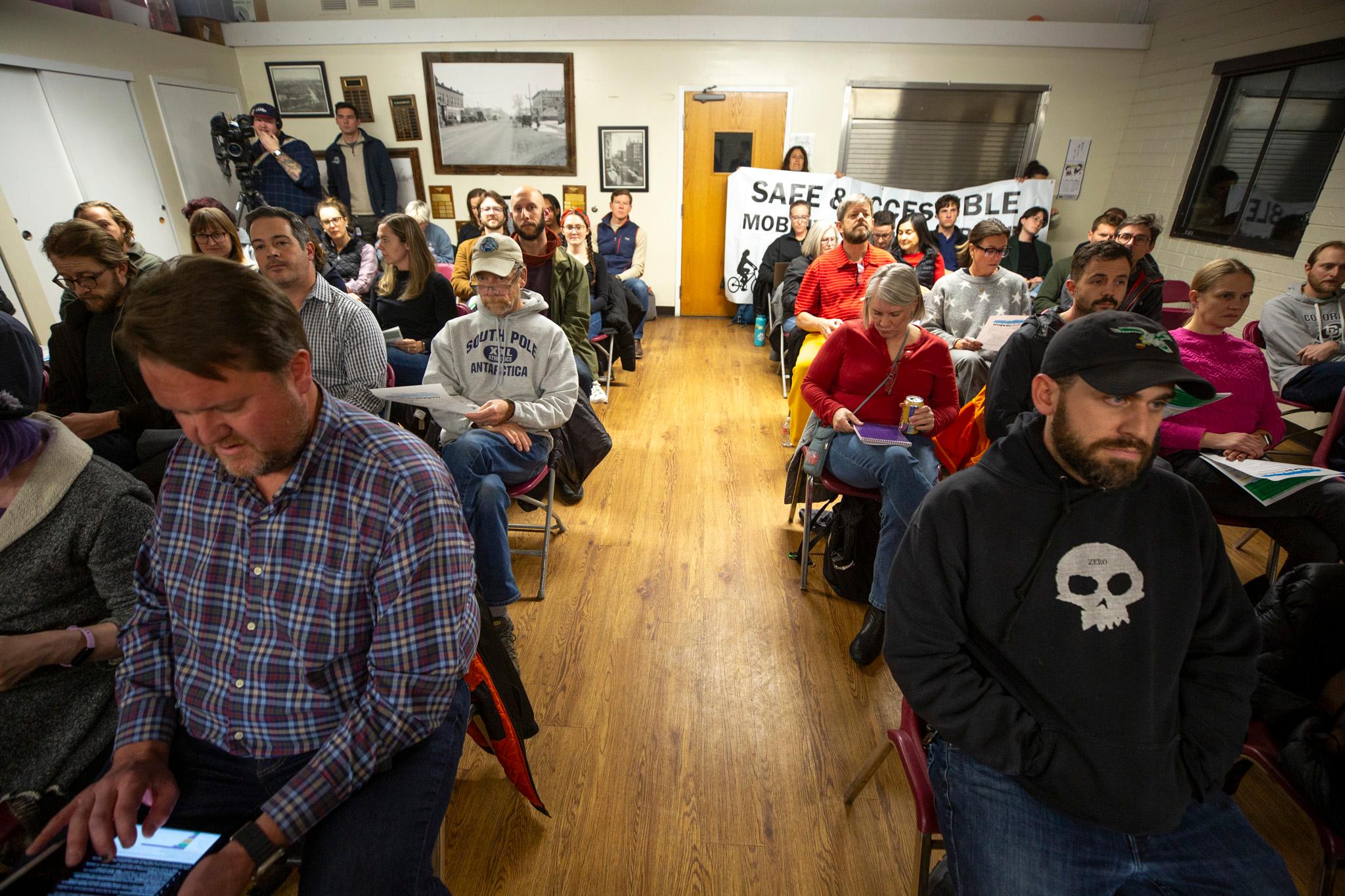
Neighbors and transit advocates share his skepticism. At a neighborhood meeting last month, residents grilled Ford and DOTI staff over the sudden departure from its original plan. They also lambasted the city for shifting away from the original plan after meeting with a lobbyist employed by the group that opposed the full road diet.
The group’s organizers included Jill Anschutz, a member of the influential Anschutz family, and several other neighbors.
The decision also resulted in pushback from DOTI’s citizen advisory board, which is made up of the city's biggest safety and mobility advocates. At least one member, Jaime Lewis, a long-serving local disability rights activist, tendered his resignation in protest of the scuttled road diet, with other members commenting that they were also questioning their future on the board.
It has also resulted in op-eds in The Denver Post and Westword that are critical of the Johnston administration’s commitment to street safety and Vision Zero, the ambitious citywide plan to end traffic deaths and serious injuries by 2030.
Now, City Council is chiming in.
While individual council members have denounced DOTI’s new plan, the letter is the first official action from the elected body.
“We urge you to reconsider these changes and immediately begin construction on the originally adopted, well-vetted, and shovel-ready Alameda Corridor Safety Plan,” the letter said.
The eight signatures on the letter represent a majority of the council. However, due to Denver’s strong mayor system, they are limited in what they can do to impose their will upon a city department.
Ford responded to the letter on Friday, continued to defend her department's decision, saying the new design was made "with care and deliberation".
"We are committed to continuing that public engagement, will conduct an additional safety review and analysis as we progress design on the project," Ford wrote. "We also commit to continuing to evaluate the project once implementation is done and can continue to make adjustments to the corridor as we move forward."
Editor's note: This story was updated to include comment from DOTI.