Updated at 4:43 p.m. on Thursday, Jan. 22, 2026
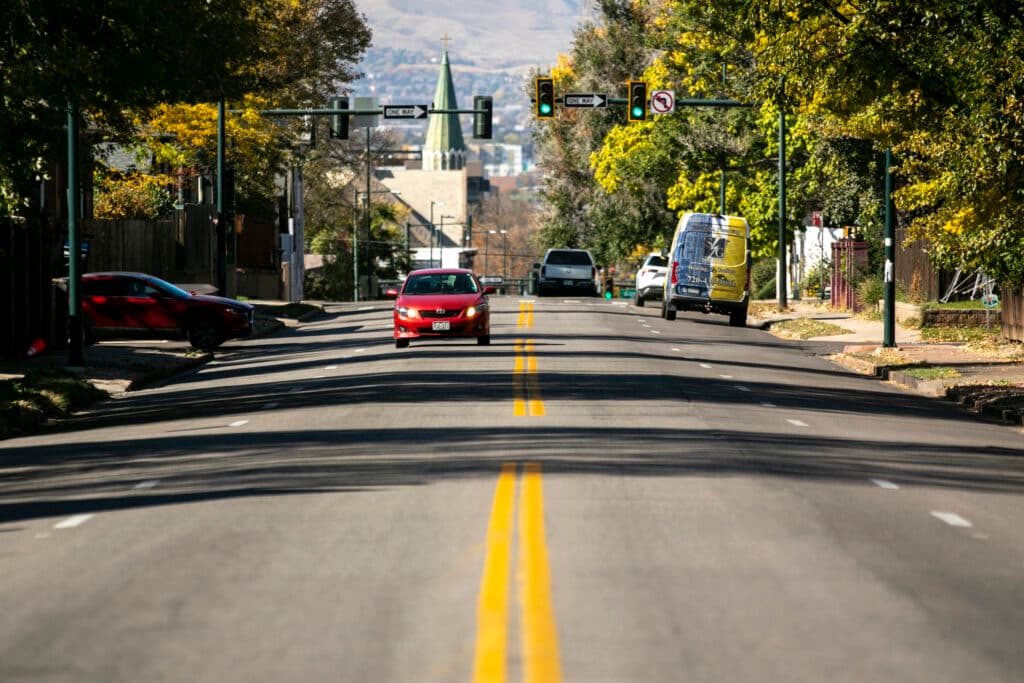
Scrutiny over the city’s decision to overhaul a shovel-ready road narrowing project along Alameda Avenue boiled over into Denver City Council chambers Tuesday, as council members grilled the city’s transportation head over the redesign.
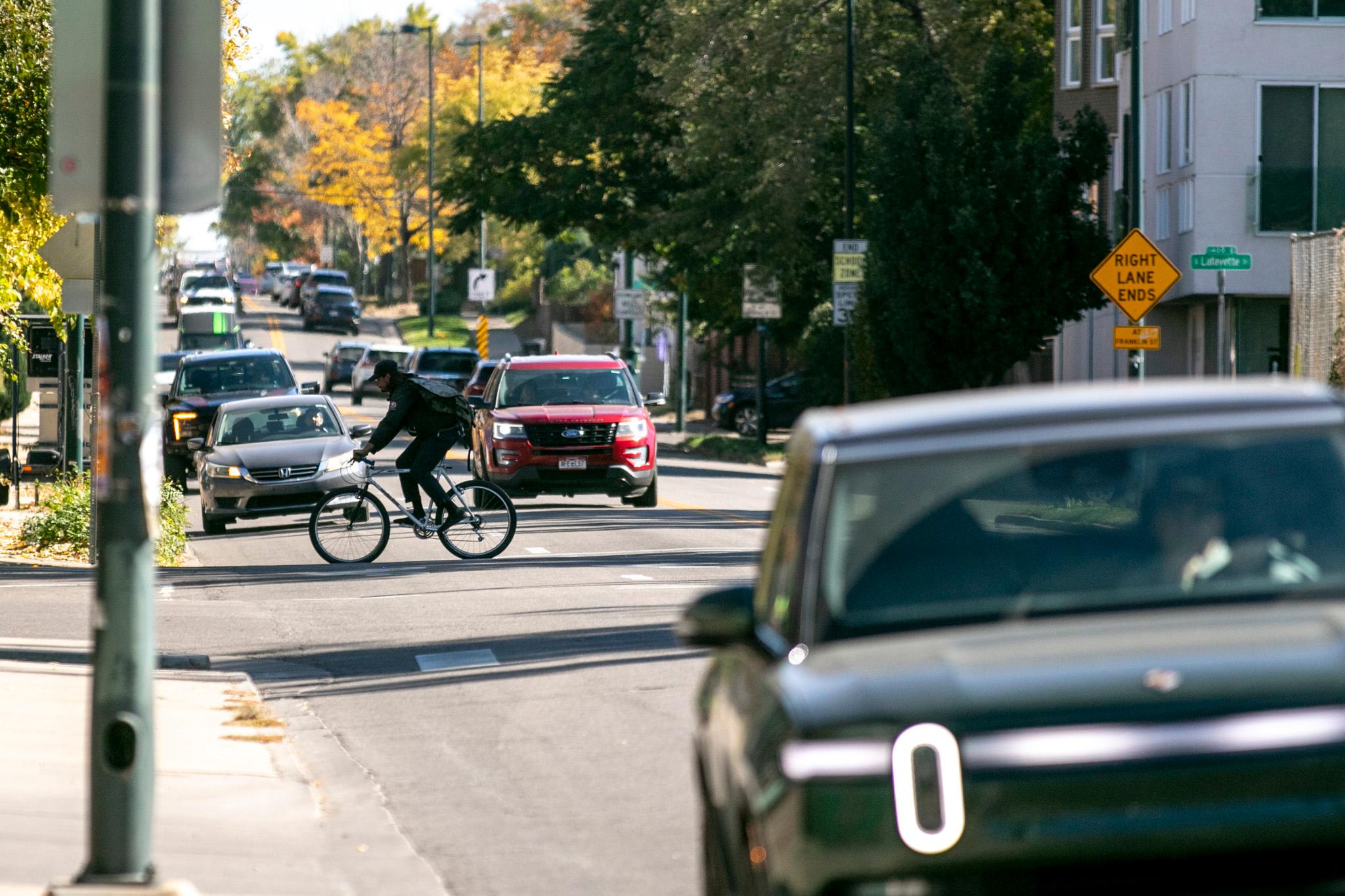
Since November, the city has faced intense backlash over the redesign. Denver’s Department of Transportation and Infrastructure, or DOTI, had spent years redesigning Alameda, rated as one of the most dangerous streets in Denver. Construction was set to begin earlier this year.
The original plan would have, along with other changes, narrowed the busy road from four lanes of traffic to three: two directional lanes and a turn lane.
Now, instead of fully eliminating a lane, the agency plans to convert one of the westbound travel lanes into a series of "turn pockets" from Franklin Street to Pearl Street. The road will keep three directional lanes instead of two. DOTI said it hasn't decided how and if it will move traffic away from sidewalks, which are notoriously close to fast-moving cars.
Concerned neighbors and transit advocates say Alameda is in desperate need of new safety measures and that the city’s redesign compromises safety on the road.
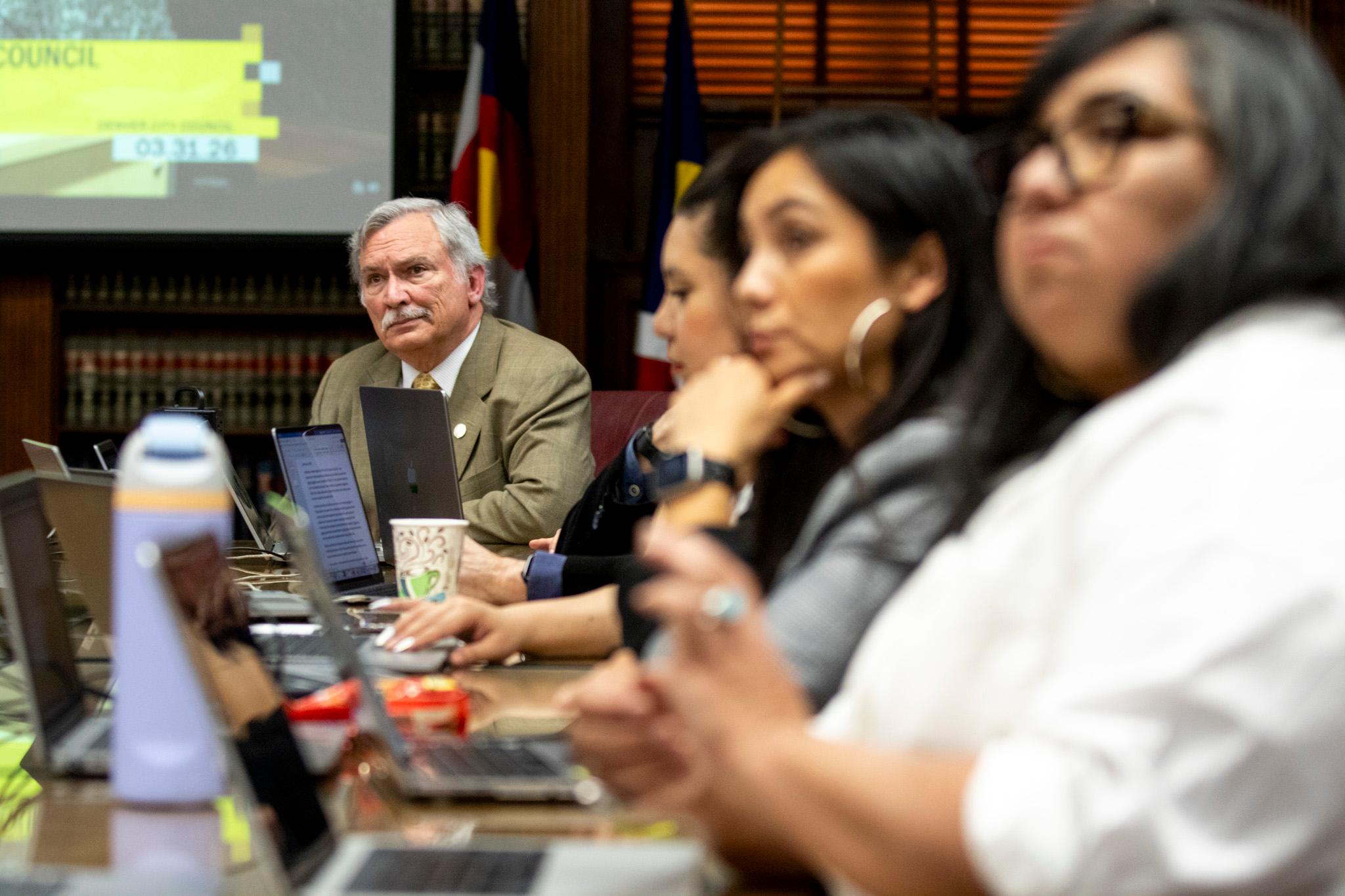
After months of both in-person and virtual backlash, DOTI officials went in front of Denver City Council’s Transportation and Infrastructure committee on Wednesday to defend their actions — but won little support from the elected body.
Council members pressed DOTI on familiar arguments.
Wednesday’s committee hearing is the second official time the elected body has gotten involved in the Alameda road diet saga. Earlier this month, a majority of council members sent a letter to DOTI leader Amy Ford and Mayor Mike Johnston outlining “grave concerns” about the project’s redesign.
Comments from council members on Wednesday largely follow the concerns outlined in the letter, like whether the redesign meets safety standards, and what role Jill Anschutz and a former DOTI deputy chief of staff-turned-lobbyist had in the redesign.
Anschutz is a member of influential Anschutz family and was among the organizers of Act for Alameda, a group of neighbors that opposed the original Alameda redesign. The group hired former DOTI deputy chief of staff Jason Gallardo to help facilitate a meeting with the city shortly before DOTI announced the watered-down plan.
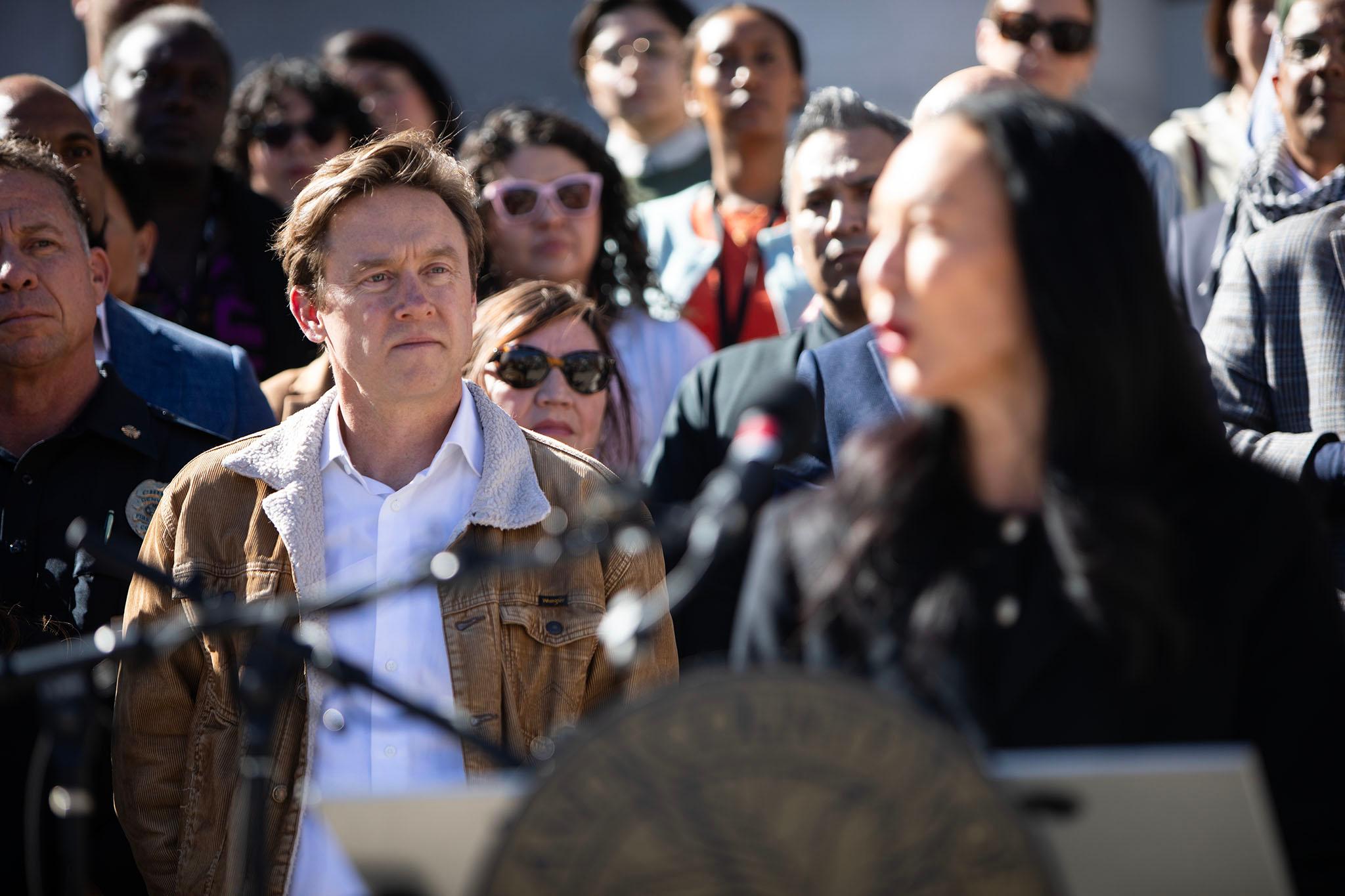
“What scares me most is that this is setting a precedent of the loudest, most powerful people continuing to influence our decisions, the people that are literally in the most danger not being in the room,” District 7 Councilwoman Flor Alvidrez said.
“So to, at this point, be looking at the new plan that was stimulated by a resident who could afford to hire a lobbyist to promote this, I don't think there's any way to gain community trust,” District 6 Councilman Paul Kashmann said.
The city announced its intent to change the Alameda plan in November. However, the decision appeared to have been made in August, when a city engineer wrote to an engineering contractor, “we have decided to move forward with a partial lane reduction” in light of “community and leadership concerns.”
At-large Councilmember Sarah Parady said DOTI is not being transparent and is eroding faith in city government.
“We're at crisis levels with public trust in government,” she said. “So these own goals need to stop.”
Ford, as she has done in the previous months, defended the plan. This time, however, DOTI took their arguments a step further — saying the revised plan will actually be safer than the original plan. Previously, DOTI said there is no material change in safety between the new plan and the original plan.
“We are 100% committed to Vision Zero and a rapid reduction as quickly as we can to the fatalities on our roadways,” Ford said. “This project is a good example of that.”
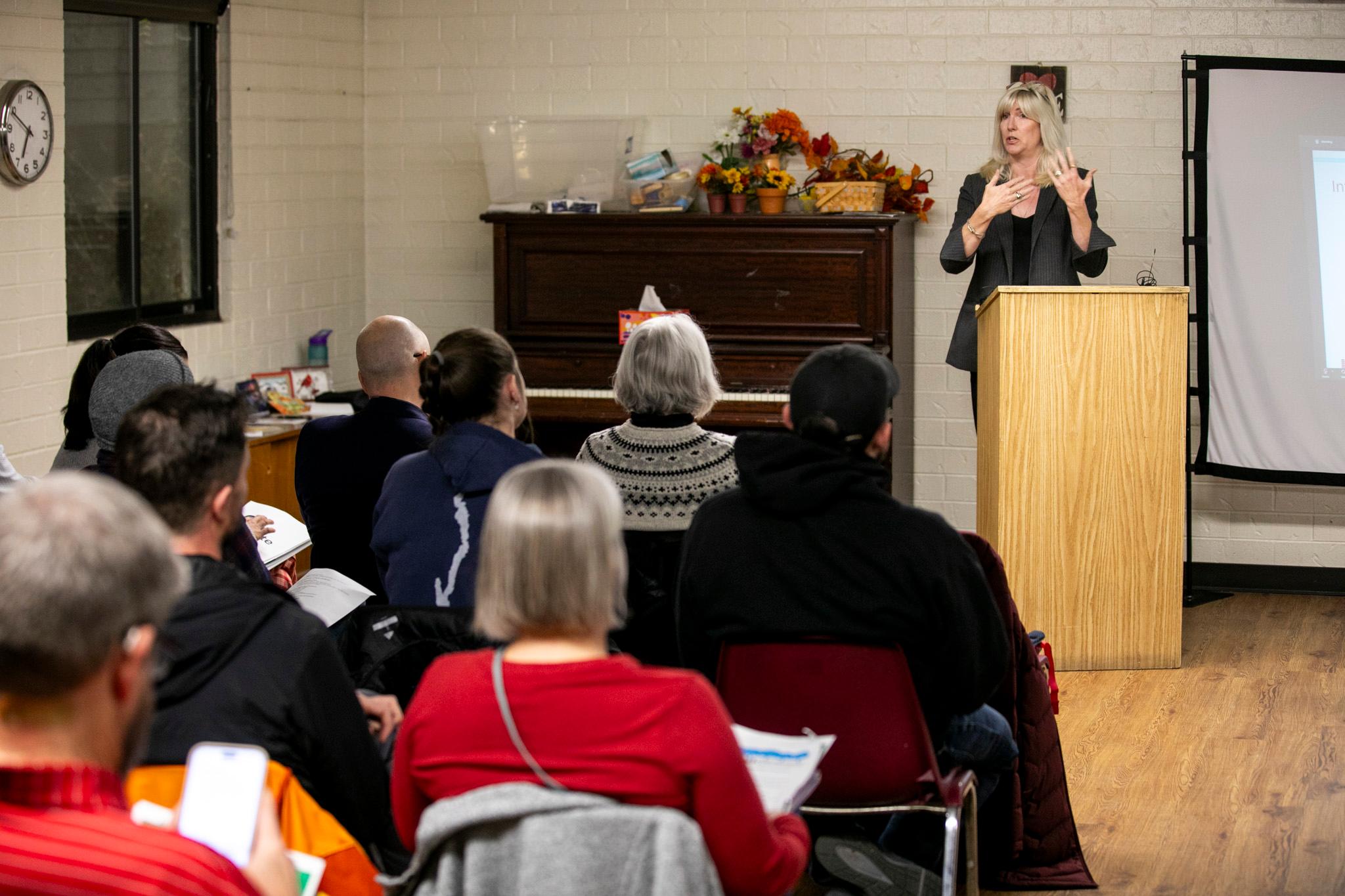
Ford said because the redesign redirects less traffic to Virginia Avenue, the street two blocks south that borders Washington Park, it's safer for pedestrians on both streets. DOTI said the original Alameda road diet design would have diverted 10 percent of traffic to Virginia, while the redesign sends 5 percent.
“It's very hard for me to accept that that meaningfully increases the risk of pedestrian or bike crashes on Virginia,” Parady said.
The redesign hasn’t been finalized yet, but it’s expected to cost $100,000 on top of the original price tag.
The city will pilot the redesigned road diet.
Ford said the city plans to test the redesign before making any permanent change to the road.
Ford said the test run will be a way for the city to see how theoretical scenarios, like traffic redirection and pedestrian safety, play out.
“We felt that this was the best way to continue the safety analysis on the overall project, like I said, to continue to gather data in real time,” Ford said.
Several council members also requested that DOTI pilot the original redesign. Ford said while the process hasn’t been finalized, it isn’t out of the question to test out the original design.
“We're in the process of determining how we'll do this, actually, and whether we choose to do the full or the partial,” Ford said. “And so we're in the process of making that decision, and it may be the full, we're going to have to sit and put that together.”
Amy Kenreich, a West Washington Park resident who has been a longtime advocate for improved safety along Alameda, said she hopes the full road diet is piloted in its full capacity.
“This type of four-to-three lane conversion works as a system throughout the whole corridor,” Kenreich said. “So, just demoing it on a few blocks, I would not be in favor of that. So I'm waiting for more information before I am celebrating.”