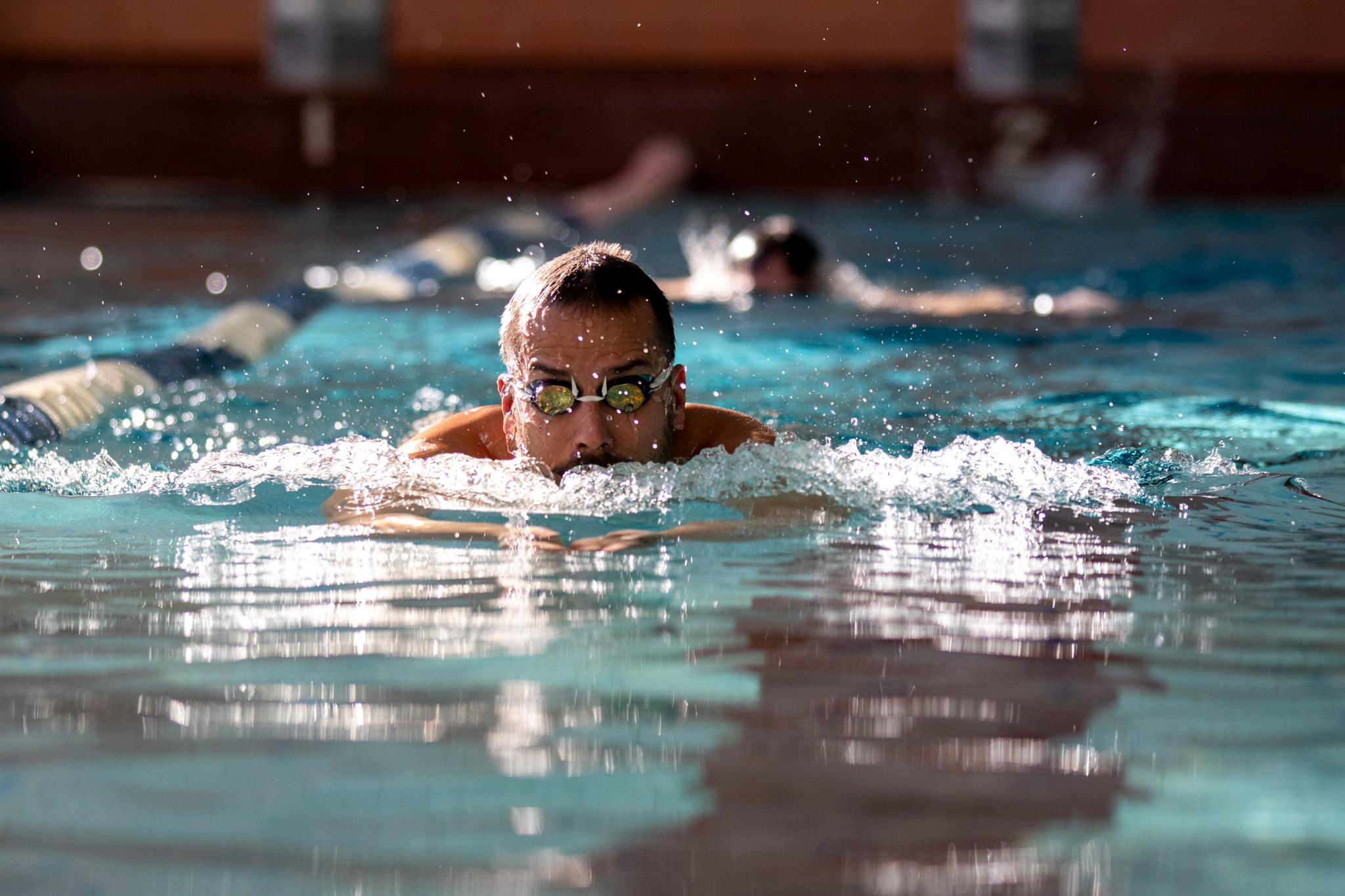
For months, LGBTQ swimmers with Denver Squid have been asking to be let back into Denver’s public pools.
The city had decided in December to kick all the city’s private swim teams out of its public pools — including Squid, also known as Swimming Queers United in Denver.
Now, Denver City Council is pressing the parks department to reopen its swimming lanes to Squid and other groups.
“The Denver Squid offer a welcoming environment, especially for the transgender community for whom swimming and locker rooms can be a source of stress,” a group of 11 council members wrote Clark.
The parks department’s decision effectively ended a three-decade relationship between a queer community institution and the city, forcing the swimmers to cut practices — or practice in the suburbs — ahead of this summer’s Gay Games. The decision also affected private teams serving other communities.
Previously, Deputy Executive Director John Martinez said the decision was made so the rec centers could focus on public rather than private uses and to ensure equity — a claim that left some queer swimmers scratching their swim caps.
“While this change in policy may have been made with good intentions to align with the department’s equity vision, the real impact of this decision is now being felt in our community,” the council members wrote. “We would be remiss to ignore the concerns raised by the swim and the LGBTQ+ community in Denver.”
The move came as the federal government has waged an attack on transgender athletes – a community Squid serves. And Squid members felt especially chafed because they had recently helped with the city’s unsuccessful bid to host the Gay Games.
Denver Parks and Recreation did not provide comment before publication.
Squid is not alone.
The Denver Tritons Swim Team, a longstanding competitive youth team, has also lost its access to the pools. The team serves more than 100 elementary and middle school kids. Since losing access to Denver’s pools, they have been practicing at random facilities in off-hours with an unpredictable schedule.
“Since the abrupt termination of pool access in late December, families have been displaced to later, less predictable practice times at other facilities,” wrote Triton parent Gary Montague in a letter to Denverite. “For younger swimmers, this has meant practices ending much later in the evening, disrupted sleep, school issues, and families scrambling to rework routines mid-season.”
The team, council members argued in their letter, has been a training ground for competitive swimmers in Denver Public Schools.
The council members argued private swim teams fill a gap in Parks and Rec offerings, since the department does not offer swim teams of its own.