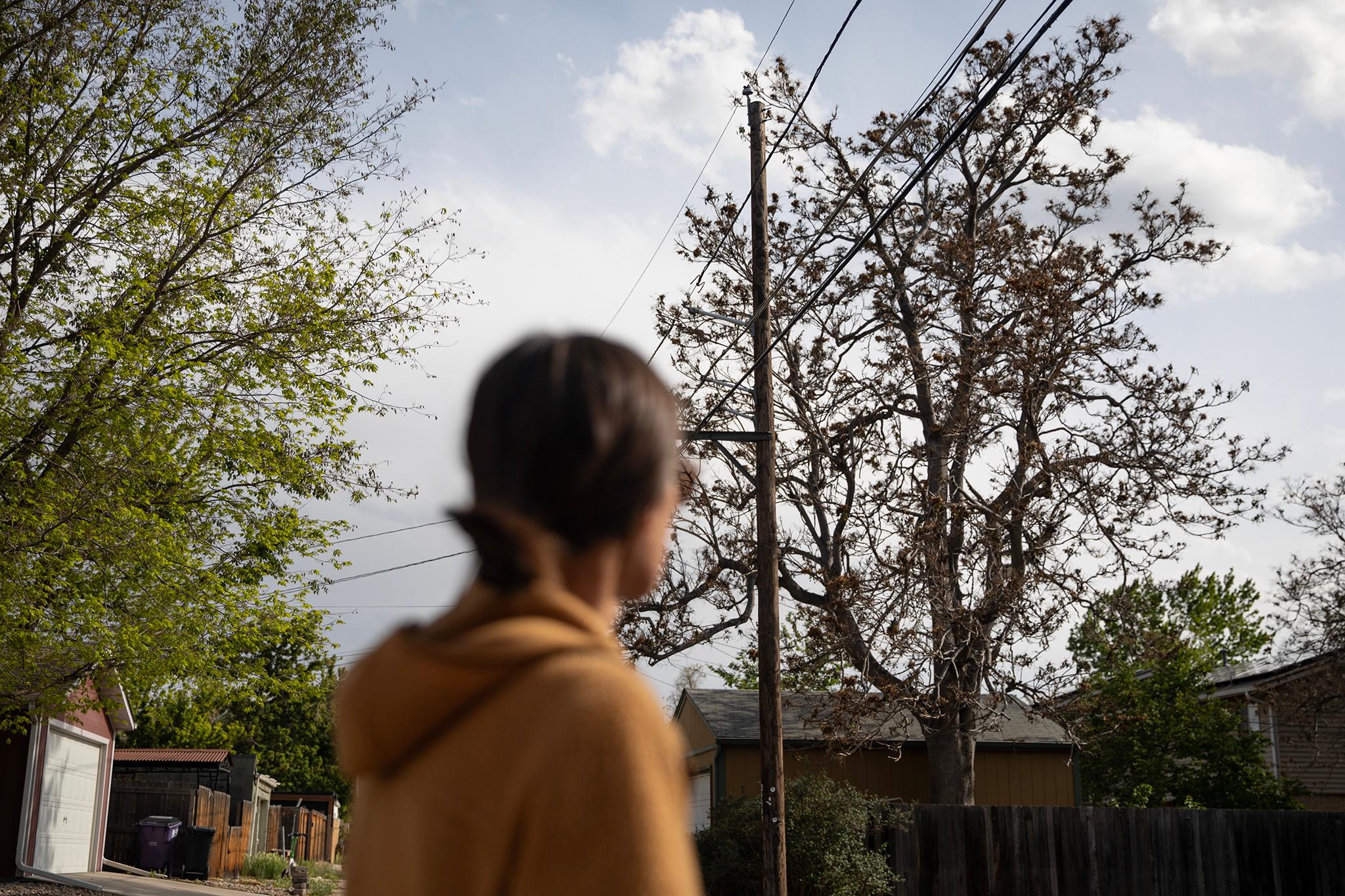
To the untrained eye, the tree-of-heaven is just another part of Denver’s canopy, providing shade and greenery in the city’s vast urban landscape.
But to Mike Miller and his posse, it is an enemy they have come to know intimately.
“I watch movies and I can pick them out on studio sets,” Miller said.
The tree-of-heaven — or Ailanthus altissima — is a “perennial, relatively short-lived deciduous tree, originally from China”, according to the Colorado Department of Agriculture. The tree was reportedly first brought to the United States by a man in Philadelphia in the 1780s to supplement his garden. It can grow up to 70 feet tall in a variety of environments and withstand extreme heat, drought and more.
Today, thousands have been reported in the metro area. They might seem rather pretty. But it is also a species on the Colorado Noxious Weed list. And noxious it is.
“It will outcompete every other plant, native or other invasive species, take all those resources and eventually our urban canopy will just be tree-of-heaven,” said Briana Lane, who is working with Miller to “eradicate” the tree’s presence in Denver.
Meet the people waging war against tree-of-heaven.
Miller and Lane run a citizen science group dedicated to raising awareness about the noxious weed and treating overrun properties.
When we asked for an interview, they told us to meet them at Ephemeral Rotating Taproom in Skyland to showcase a prime example of the tree-of-heaven.
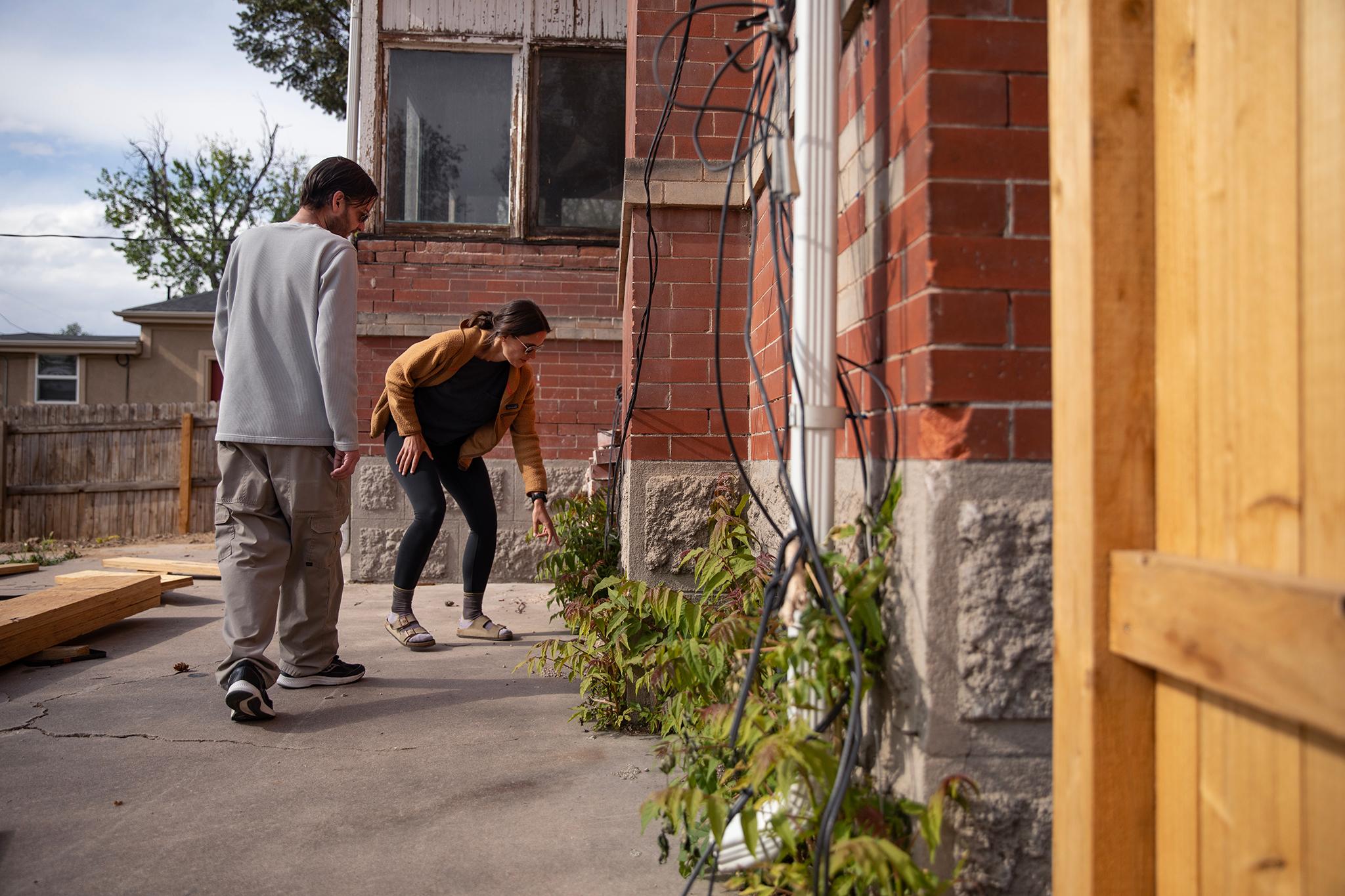
At the center of Ephemeral’s patio is a full-grown tree-of-heaven. Clustered around it are several young sprouts and shoots that have shot up 10 to 15 feet. Roots are creeping under Ephemeral’s decorative trailer and around the foundation of its building.
“They're always so close. The tiniest spaces and you're like, ‘I can't understand how this is getting through,’” Lane said. And they’re everywhere: Thousands have spread across Denver and in recent decades.
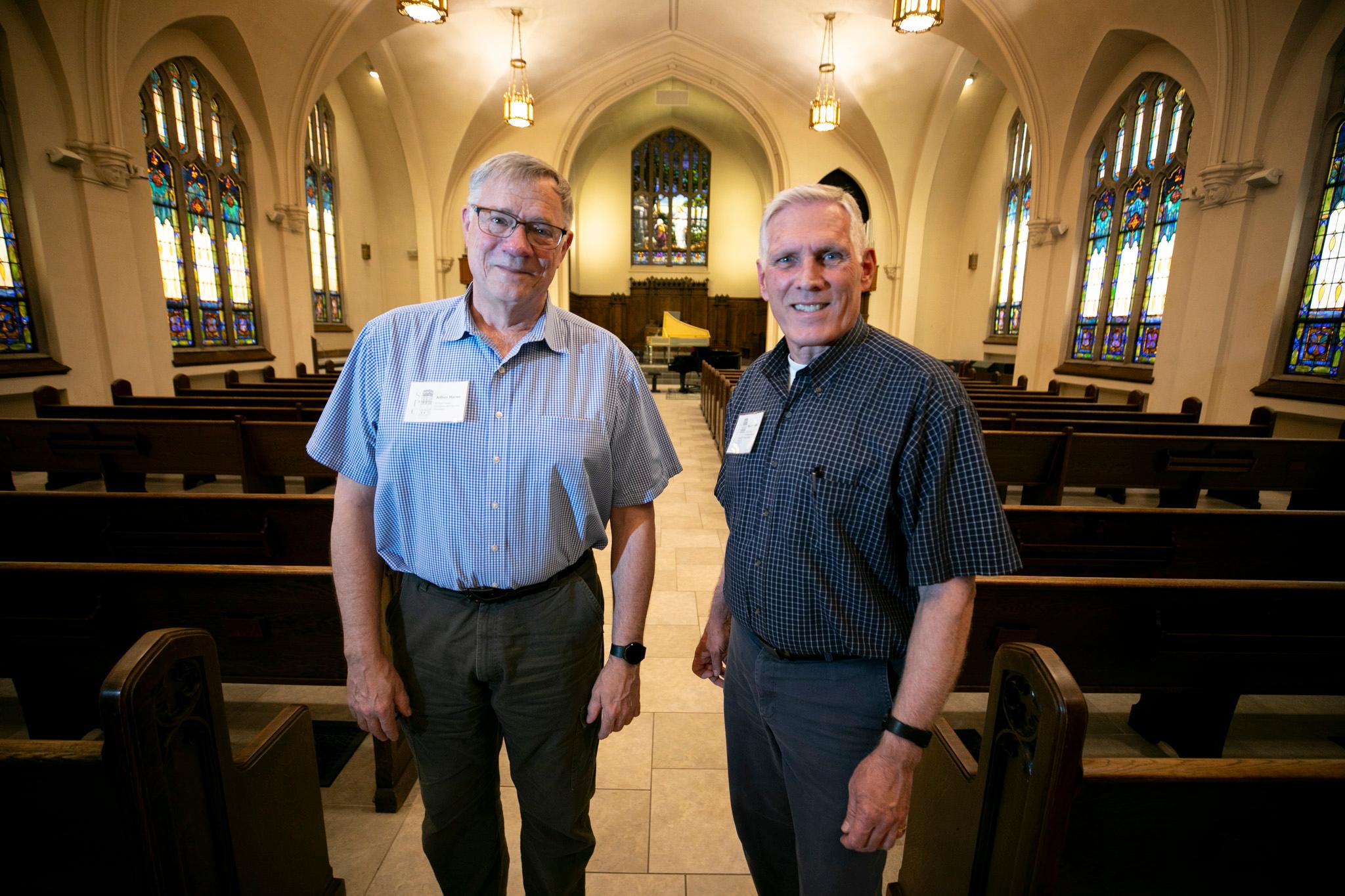
Miller, Lane and the other two core members of the group met through their mutual disdain for the tree-of-heaven. Some described the struggle against it as a war.
Each brought their own story to the table. Miller drove himself crazy trying to manage a giant tree-of-heaven on his property, a background he shares with fellow member Jeremy Davis-Turak. Lane, who did her master’s degree in environmental policy and management, wrote about managing the tree-of-heaven for her thesis. Suzanne Smith, a teacher by trade, learned about invasive species as a horticulturalist in New York.
And it isn’t just them — their Discord online chat group has 30 members. Every time one of them presents to a registered neighborhood organization, more people are swayed to their cause.
“Still doing God’s work, huh?” one Skyland neighbor remarked as the anti-tree militants walked by. Later, a group of friends let out a synchronized groan when Miller said they were looking for tree-of-heaven.
The tree-of-heaven is on the third tier of Colorado’s noxious weed list, meaning the species is so widespread that government agencies can’t hope to kill it off. Denver has banned the tree from being planted in the public right-of-way, but it still persists in alleys and yards.
Instead of relying on the state or city for support, Miller and company hope their “grassroots community-led organization” can fill the gap.
“We have a broader reach, can educate more people,” Lane said.
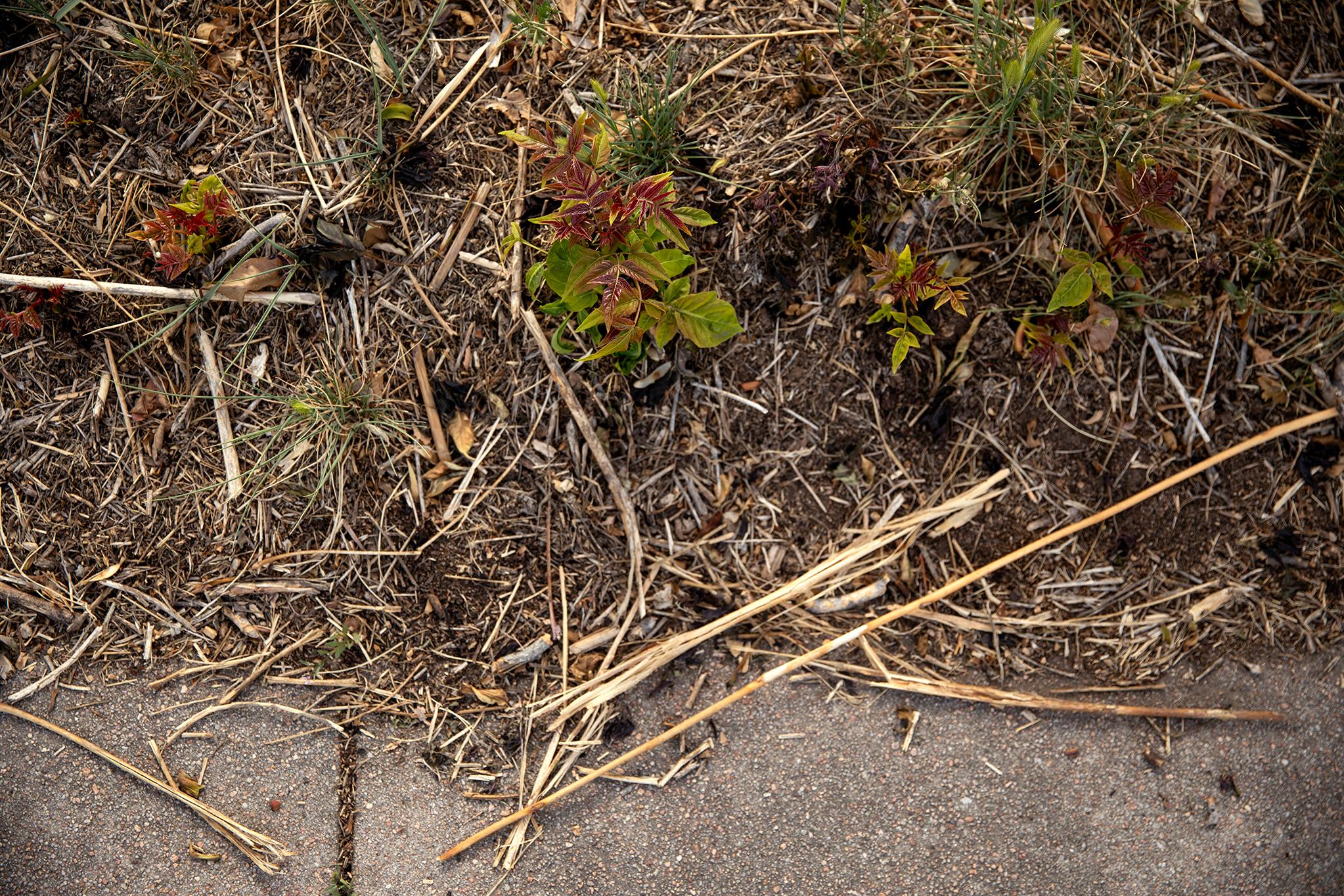
Why is it so pesky?
Getting rid of the tree-of-heaven isn’t easy.
If cut or injured, a tree-of-heaven activates a defense mechanism that sends up dozens of stump or root sprouts, potentially spawning dense colonies.
The group witnessed one property owner attempt to excavate an entire yard to get rid of one tree-of-heaven.
It didn’t work — now, the yard is covered in dozens of tree-of-heaven sprouts, with some shooting up at the foundation. Within a year, they could grow to bamboo-esque groves, releasing even more seeds and shoots.
“What's sad is, I could make short work of, I could absolutely eradicate this property of these trees for under a thousand dollars, for way less than people think,” Smith said. “It would take a little while. They have to come back and keep treating it and doing follow-ups.”
Letting them grow undisturbed could lead to major damage, like uneven sidewalks, cracked foundations and even broken pipes. No one knows that better than Miller, whose yard and fences were ravaged by the noxious weed.
“Just imagine the thousands of dollars I spent to repair my sewer line,” Miller said.
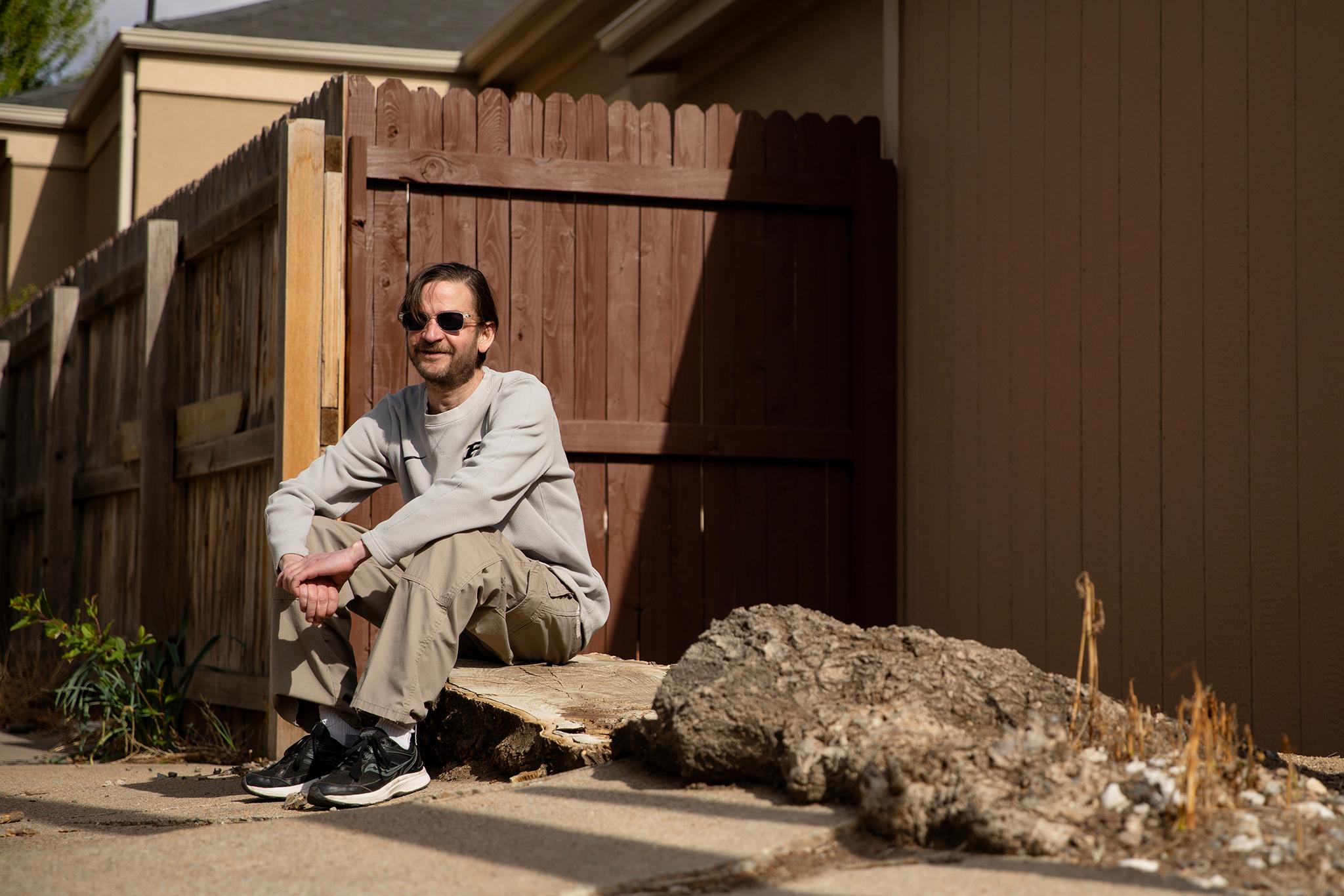
Miller said it will take a united front to expel the tree-of-heaven from neighborhoods. If one remains on a block, it can keep spreading.
In Skyland, Miller has been trying to spread the message, but sometimes he’ll run into road blocks.
Standing in front of one home at Martin Luther King Jr. Boulevard, Miller said he has tried and failed to reach its landlord, leading to dozens of tree-of-heaven root sprouts in both the yard and the public right-of-way.
“This war is already lost,” Miller said.
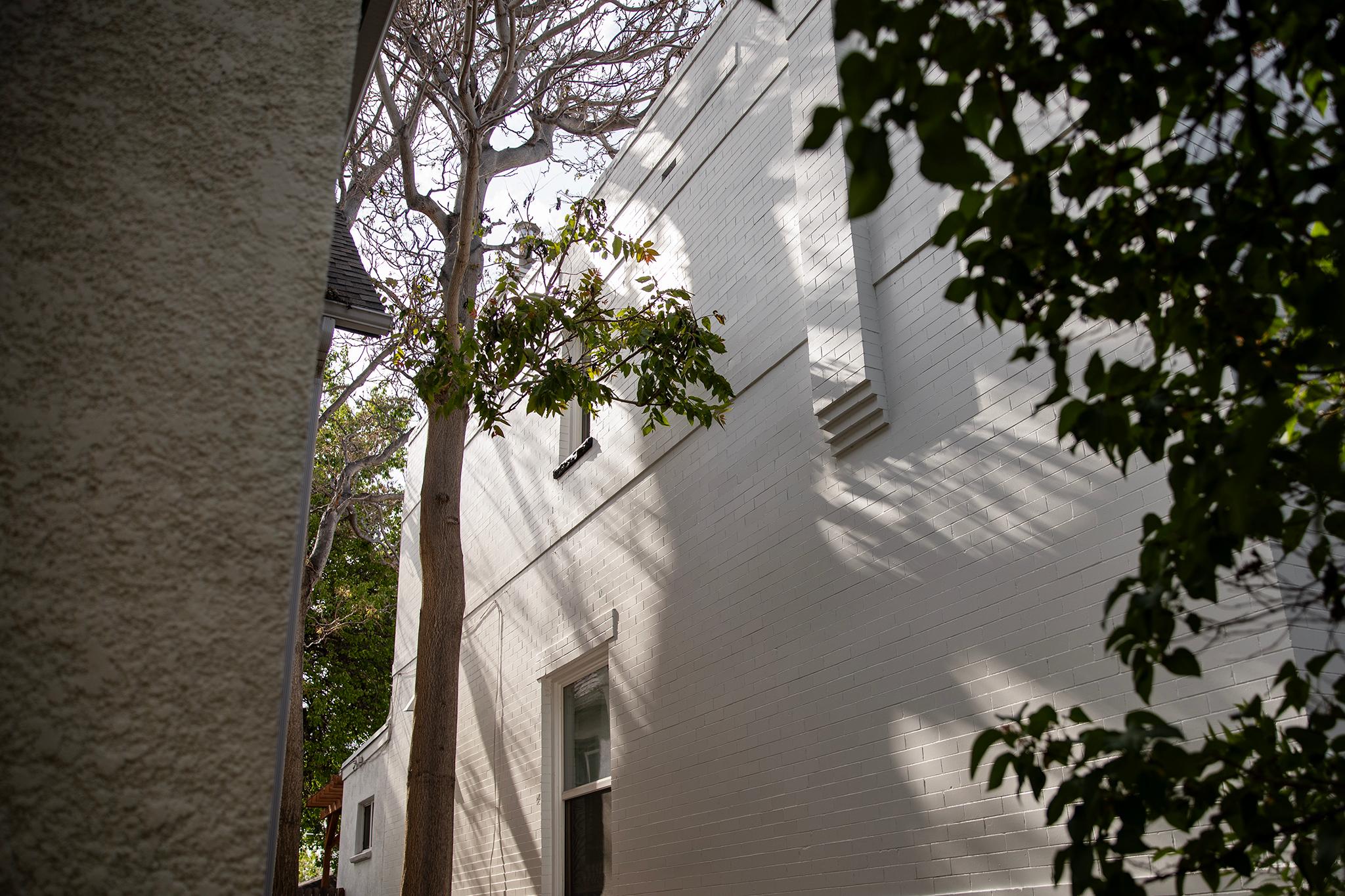
What do I do if I have a tree-of-heaven on my property?
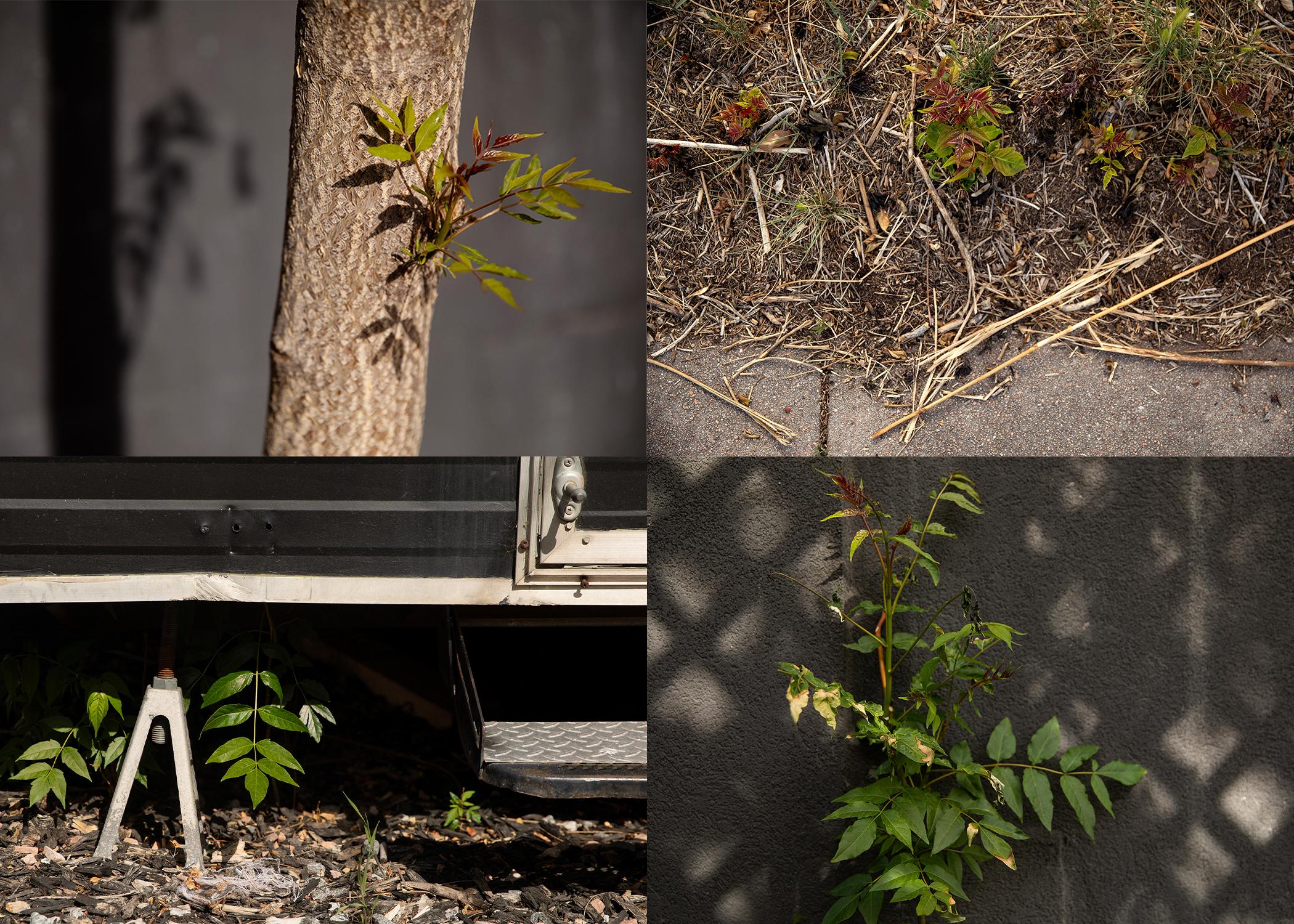
Here’s how to identify a tree-of-heaven.
The bark will look smooth, somewhat like the skin of a cantaloupe. But the biggest tell is the leaves, which are long and densely clustered in symmetrical pairs. Some say the leaves smell like rotten peanut butter when they’re crushed.
Sightings of the tree can be reported to the EDDMaps database, an academic database that tracks the spread of all invasive species. There are about 1,000 sightings of the noxious weed in the database.
If you do have a tree-of-heaven, you may have been inadvertently drafted into the war against the noxious weed. And while the process is lengthy, victory is possible.
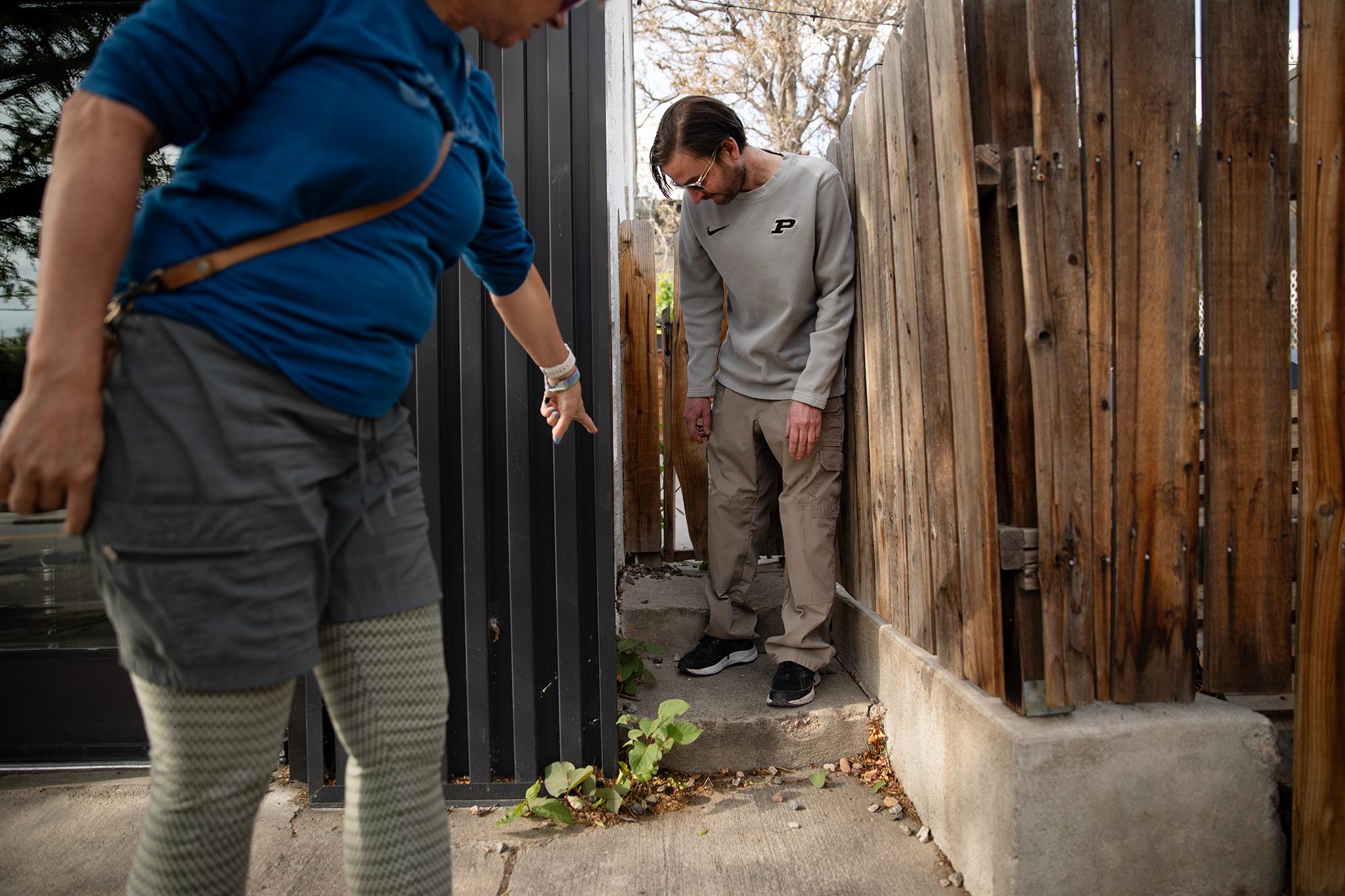
The Colorado Department of Agriculture has several recommendations for how to manage tree-of-heaven, including getting goats to graze on young sprouts and using chemical herbicides.
Smith, the horticulturist, said the most effective route is applying herbicides through the hack-and-squirt method: making small cuts into a tree’s trunk and filling those cuts with herbicide. (Ed. note: Be careful!)
Whatever option you choose, Smith says the roots have to be completely removed or killed, otherwise it will just come back. And she repeated the group’s sentiment that an entire neighborhood needs to be united against the weed.
“I've been winning battles,” Smith said. “We have not won the war yet.”
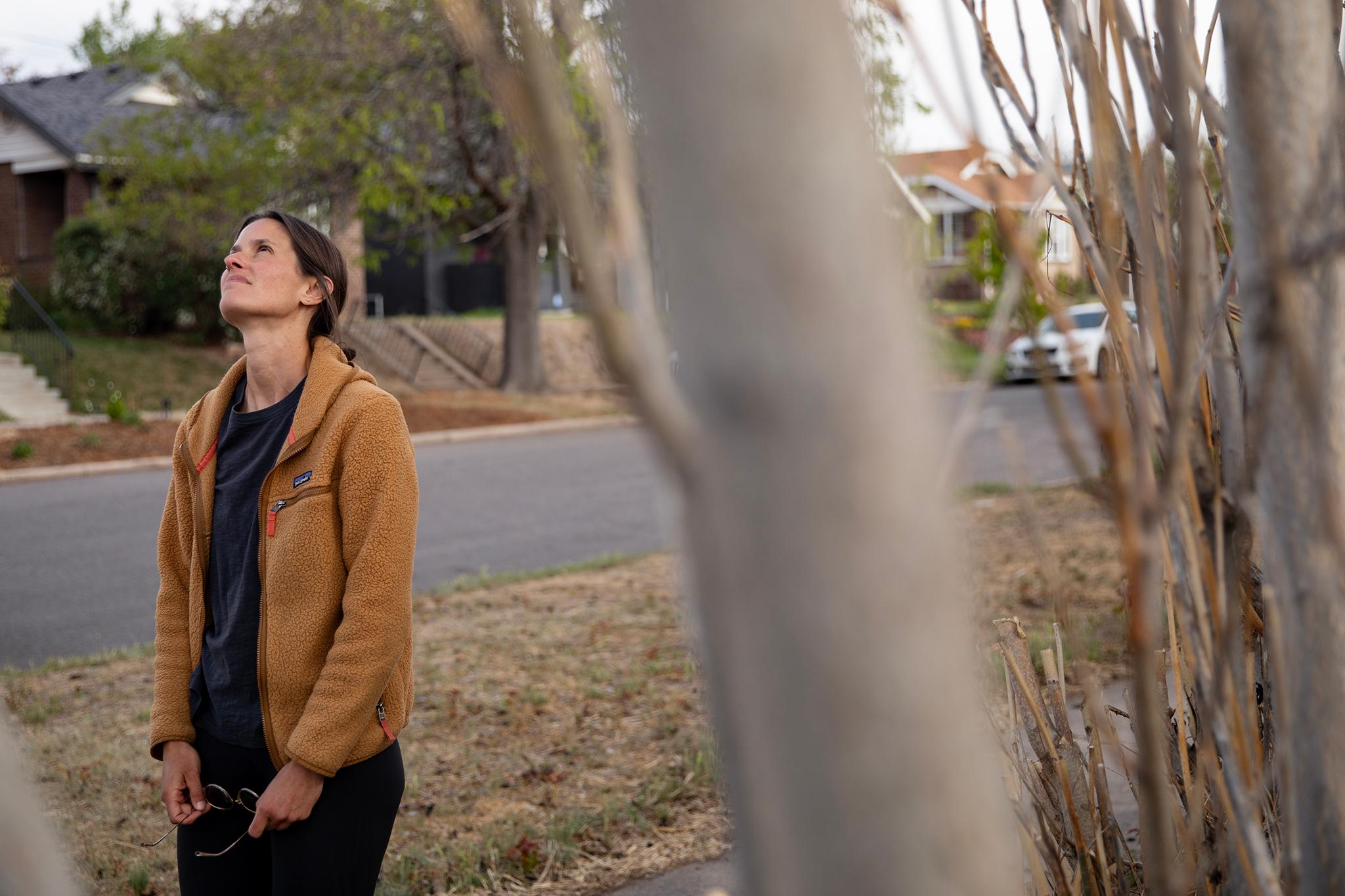
Editor's note: This article was updated to correct a plant identification in a photo caption.