Updated at 1:34 p.m. on Tuesday, May 19, 2026
Homelessness among adults was flat, and may even have declined, around Denver and across the state in 2025.
But that larger trend masks a troubling rise in homelessness for families and young people.
That’s according to the 2025 State of Homelessness report released by the Metro Denver Homelessness Initiative (MDHI) on behalf of Colorado's continuums of care. The group tracks and manages the Department of Housing and Urban Development's homelessness funding and oversees the annual Point-in-Time Count.
In the Denver metro area, 35,601 people experienced homelessness last year, according to data collected by MDHI. That’s the majority of the roughly 54,000 people who experienced homelessness around Colorado.
A rise in youth homelessness
Not all populations saw a drop or plateau.
In the Denver metro, 2,214 youth were experiencing homelessness — a 9.5% increase.
More significantly, the total number of youth accessing services for homelessness grew by 15.3%.
“This trend is driven by a combination of rising economic barriers, family conflict, and the transition out of systems like foster care or juvenile justice,” the report stated. “As affordable housing becomes harder to secure, young people are increasingly vulnerable to housing instability.”
MDHI has limited its tracking of the gender identity of people surveyed, thanks to Trump administration orders. As a result, it’s difficult to track trends related to sexuality and gender identity.
But based on past years, family conflicts are a big part of why LGBTQ kids are forced out of their homes or run away, Johnson said.
“Youth and young adults are experiencing the most rapid proportional growth across the entire system,” according to the report. “While they represent a smaller share of the total population, the double-digit increases seen in 2025 signal a growing crisis that requires targeted intervention.”
Families with children experiencing homelessness
In the Denver metro, 10,929 people are experiencing family homelessness — a 7.5% increase.
Families make up nearly 70% of those using homelessness prevention programs. Statewide, MDHI asserts that homelessness providers are reaching families before they lose their housing.
“The increase in families seeking help reflects statewide economic strain, including rising rents and a critical shortage of family-sized affordable housing units,” according to the report.

MDHI notes that even short experiences of housing instability impact the health, education and emotional and intellectual development of children.
“The system’s focus has shifted toward proactive support to ensure children stay in their homes and communities,” MDHI wrote.
Demographics
While 44% of people experiencing homelessness in the metro are white, Latino, Black and Indigenous people are all overrepresented compared to the general population.
“These disparities are especially stark for Black residents, who make up about 5.0% of Colorado’s population but 17.0% of those experiencing homelessness and 17.6% of all people served,” MDHI wrote.
While the majority of people experiencing homelessness are under 44, older Coloradans are expected to enter homelessness faster in the coming years.
“As Colorado’s population ages, a growing number of older adults are expected to enter the homelessness response system for the first time in their lives,” MDHI wrote. “Driven by fixed incomes that cannot keep pace with rising rents and medical costs, this demographic faces a unique ‘double burden’ of housing instability and declining health.”
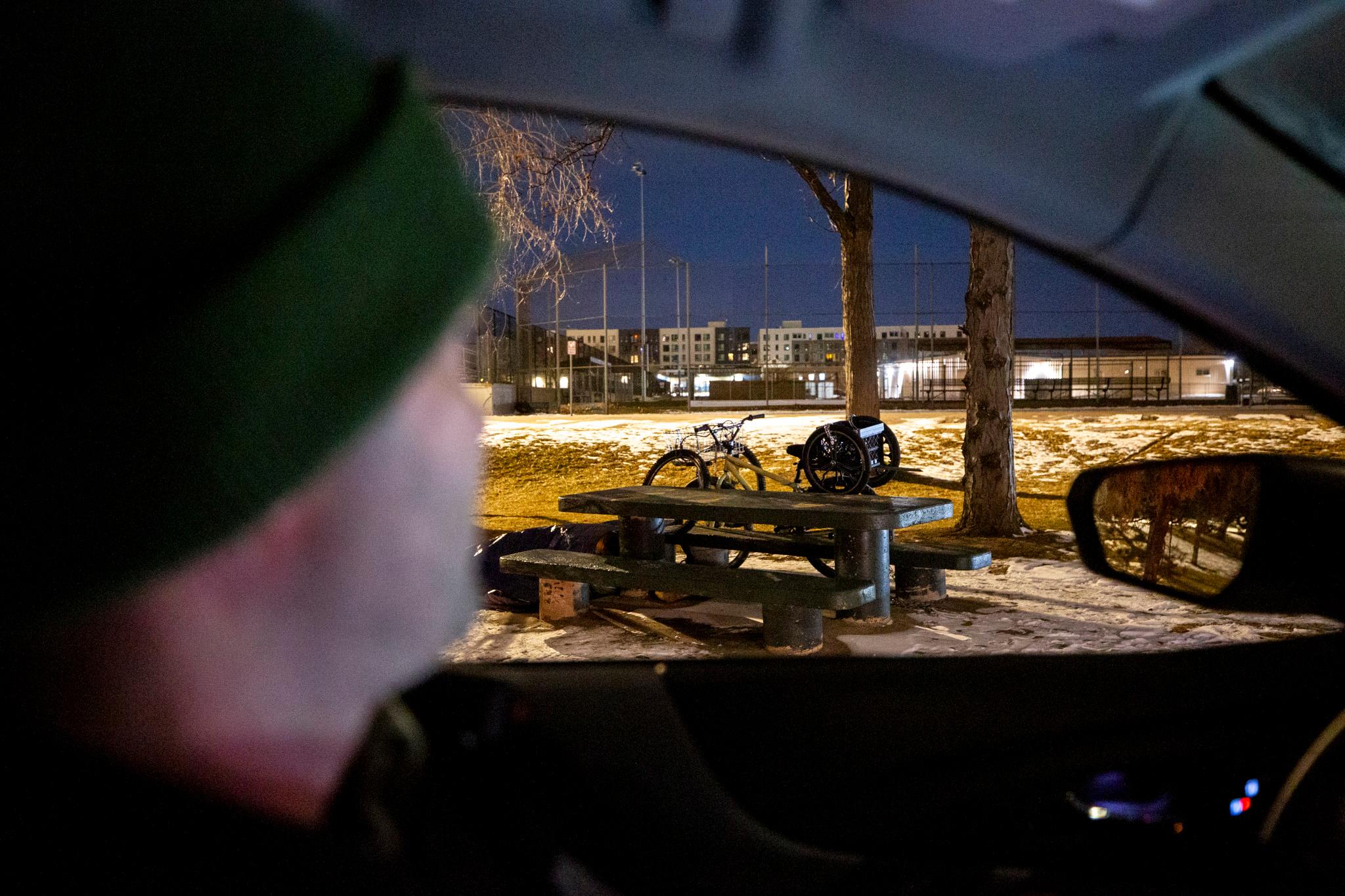
To compound the issue, the shelter system is generally not prepared for the needs of older adults, including distributing meds, assisting with bathing, offering mobility support and providing low-stress environments to support people dealing with cognitive decline.
“Perhaps more than any other demographic, older adults highlight the urgent reality that housing is healthcare,” MDHI wrote. “Success for this group means moving beyond a bed in a shelter toward a permanent home that can accommodate their changing physical and health needs.”
Other factors
Overall, veteran homelessness has dropped slightly, though more of them are using services.
The number of people with disabilities has grown by 3.5% to more than 19,000, while the number of chronically homeless people has risen by 4.6% to 11,681.
“This growth reflects the ongoing challenge of a housing market that lacks enough Permanent Supportive Housing (PSH) units to support those with the most intensive support needs, who often require long-term housing paired with ongoing supportive services,” according to the report.
Homelessness prevention in the metro
MDHI touts permanent supportive housing programs as an obvious success and uses its report to argue that housing-first policies should not be abandoned.
President Donald Trump signed an executive order demanding an end to housing first, the long-held bipartisan push to solve homelessness with housing, along with other supports.
“The 2025 data confirms, what decades of evidence have shown, that once individuals are placed in stable housing with appropriate supports, they overwhelmingly remain housed,” MDHI wrote.
The trends were influenced by changes in the data.
MDHI describes the data as “inherently dynamic.” After the 2024 report came out, service providers turned in belated data that demonstrated a higher number of people experiencing homelessness.
As a result, MDHI’s tally of the number of people experiencing homelessness in 2024 grew after its initial report for that year.
“It is never a complete picture of how many people are experiencing homelessness,” said MDHI head Jason Johnson in an interview. “We know there are other programs serving individuals that are not collecting data and putting that data in HMIS.”
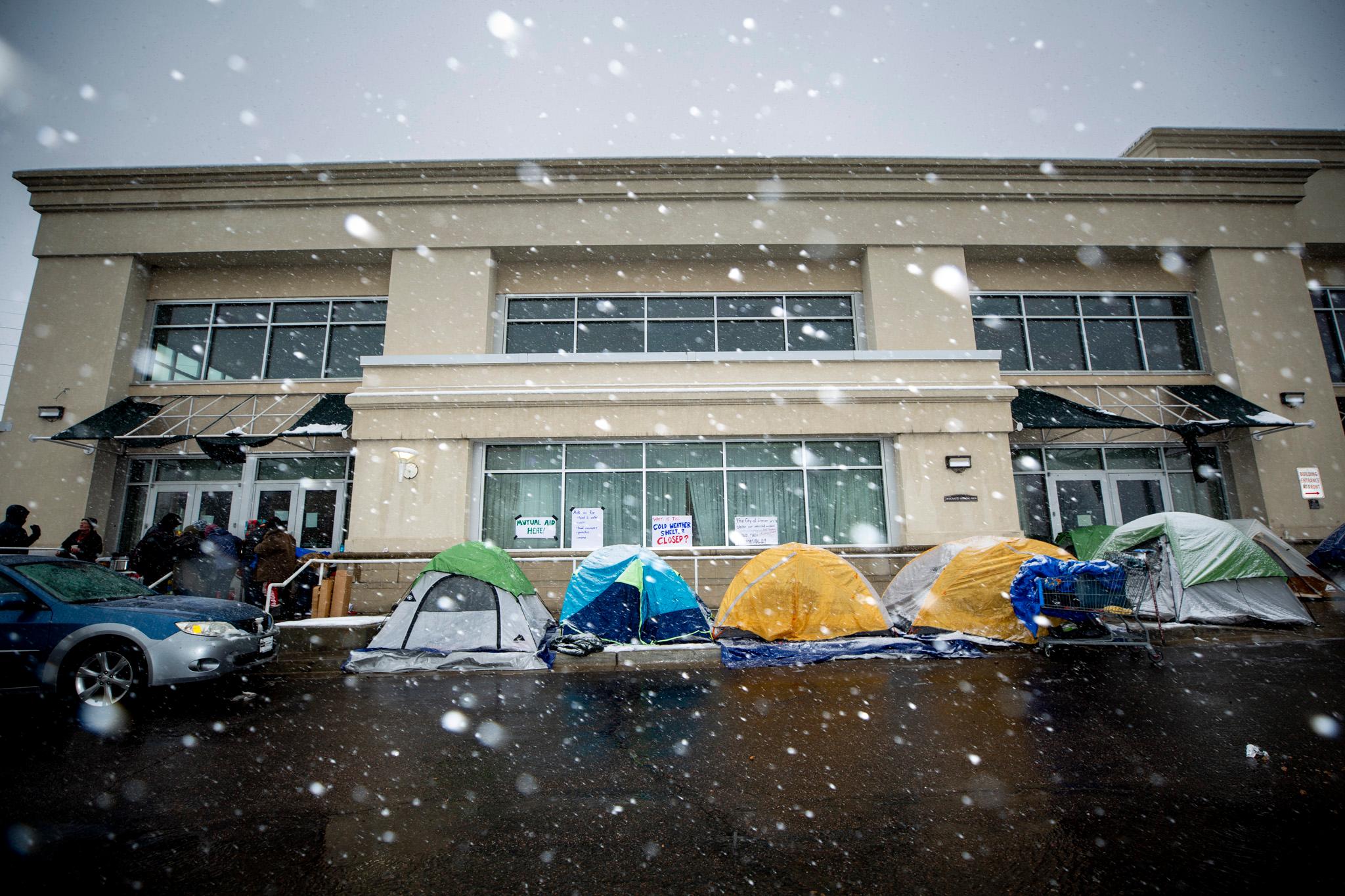
That variability makes it hard to say if homelessness actually increased or decreased in 2025.
“As participation in the Colorado Homeless Management Information System (COHMIS) continues to expand, some providers began entering data in 2025 for services and enrollments that occurred in 2024,” noted the most recent State of Homelessness report. “As a result, 2024 data has been updated where appropriate. Specifically, the number of people experiencing homelessness in 2024 has been updated from 52,806 to 54,135.”
Had the original number from the 2024 report stood, homelessness would have grown in 2025. But compared to the modified higher number, it dropped slightly.
The 2025 count could also rise over time — meaning, we could ultimately end up with data that shows a rise, not a drop.
Johnson could not predict what exactly would happen with the overall 2025 count.
“Really, what we're seeing is that we've plateaued,” Johnson said. “Right now, the homeless response system seems to be at a level of capacity where they can manage both inflow and outflow.”
How to improve
Homelessness remains a pressing problem, even as the state works toward solutions.
“The data in this report confirms a singular truth: Colorado’s homelessness response strategies are working, but they are currently operating at a fraction of the scale required to resolve the crisis,” MDHI wrote. “To build on the progress made in 2025, we must pivot from crisis management to sustained housing investment.”
The group recommends that the state ramp up its permanent housing options, including permanent supportive housing and affordable housing.

“Without sufficient inventory, individuals remain in emergency shelter or unsheltered situations longer than necessary, not due to a lack of readiness, but due to a lack of housing options,” MDHI wrote. “Expanding permanent housing capacity across all housing types is essential to ensure timely exits from homelessness and sustained housing stability.”
Finally, the group recommends expanding homelessness prevention and early intervention programs.
“As seen in our family data, 69.2% of those in prevention programs are families with children,” MDHI wrote. “Expanding these upstream interventions, such as emergency rental assistance and legal aid, prevents the trauma of displacement.”
Editor's note: This article was updated to clarify the report's authorship.