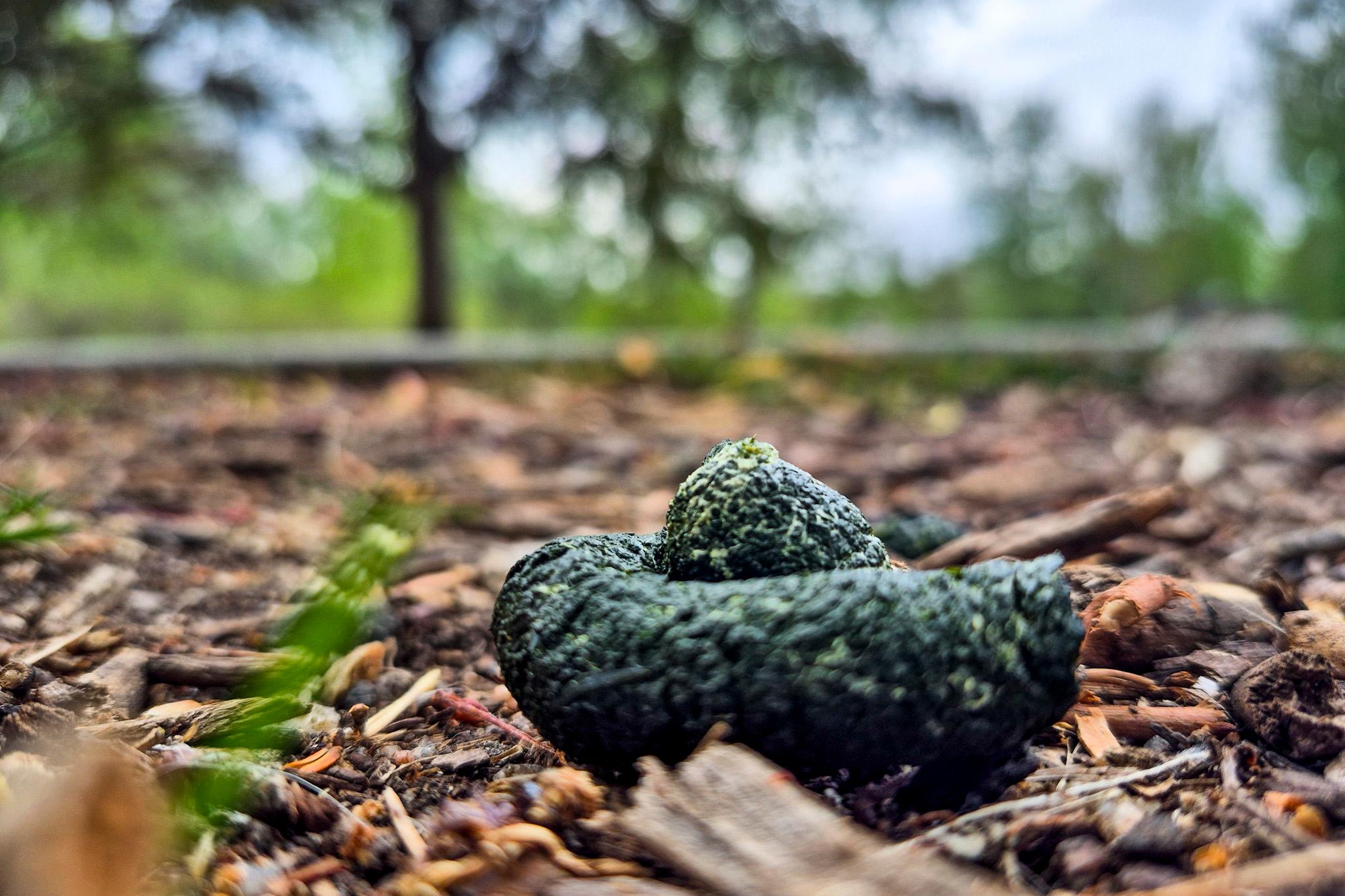
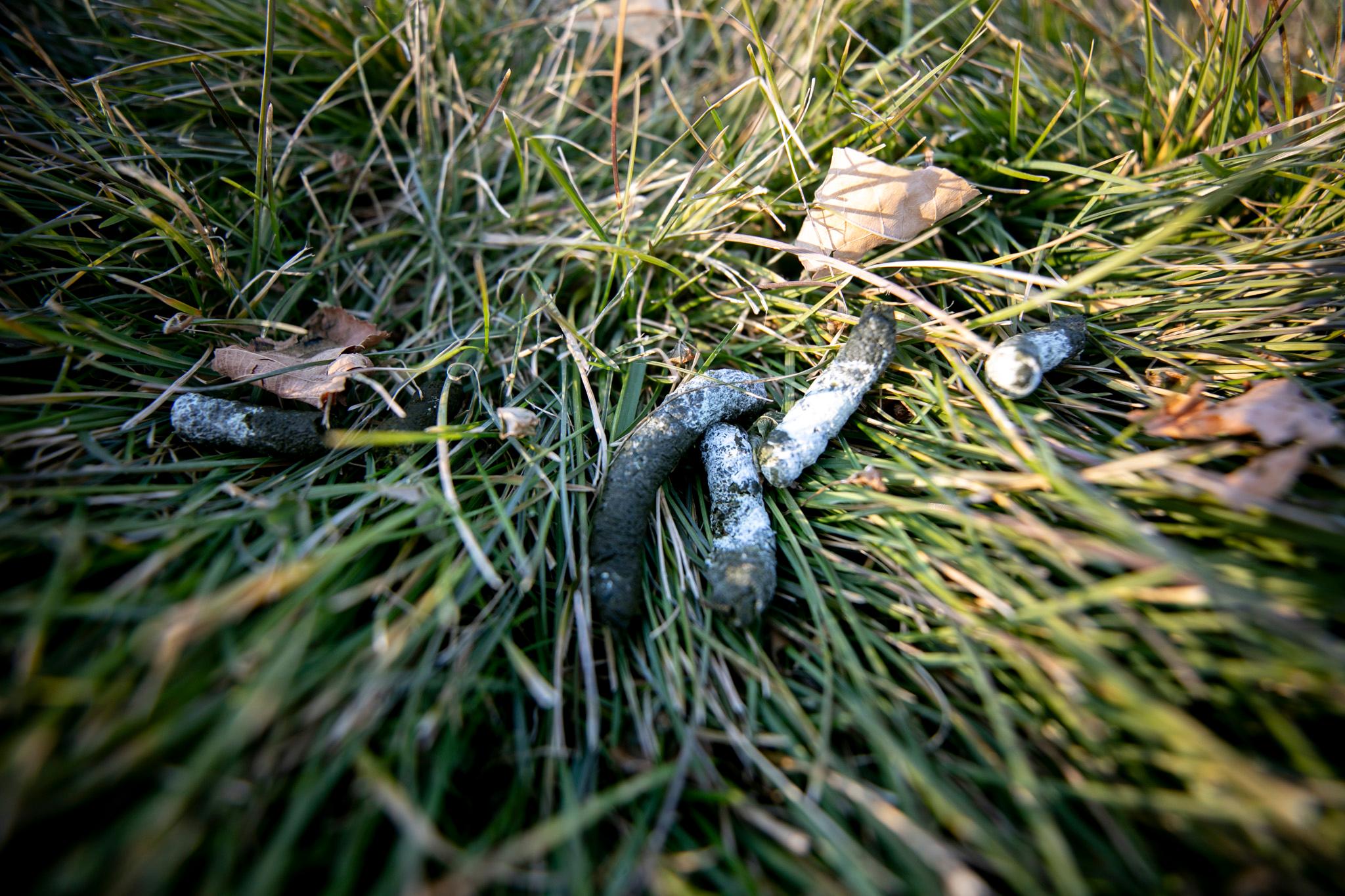
At Sloan’s Lake, the geese are hard to miss — and so is what they leave behind.
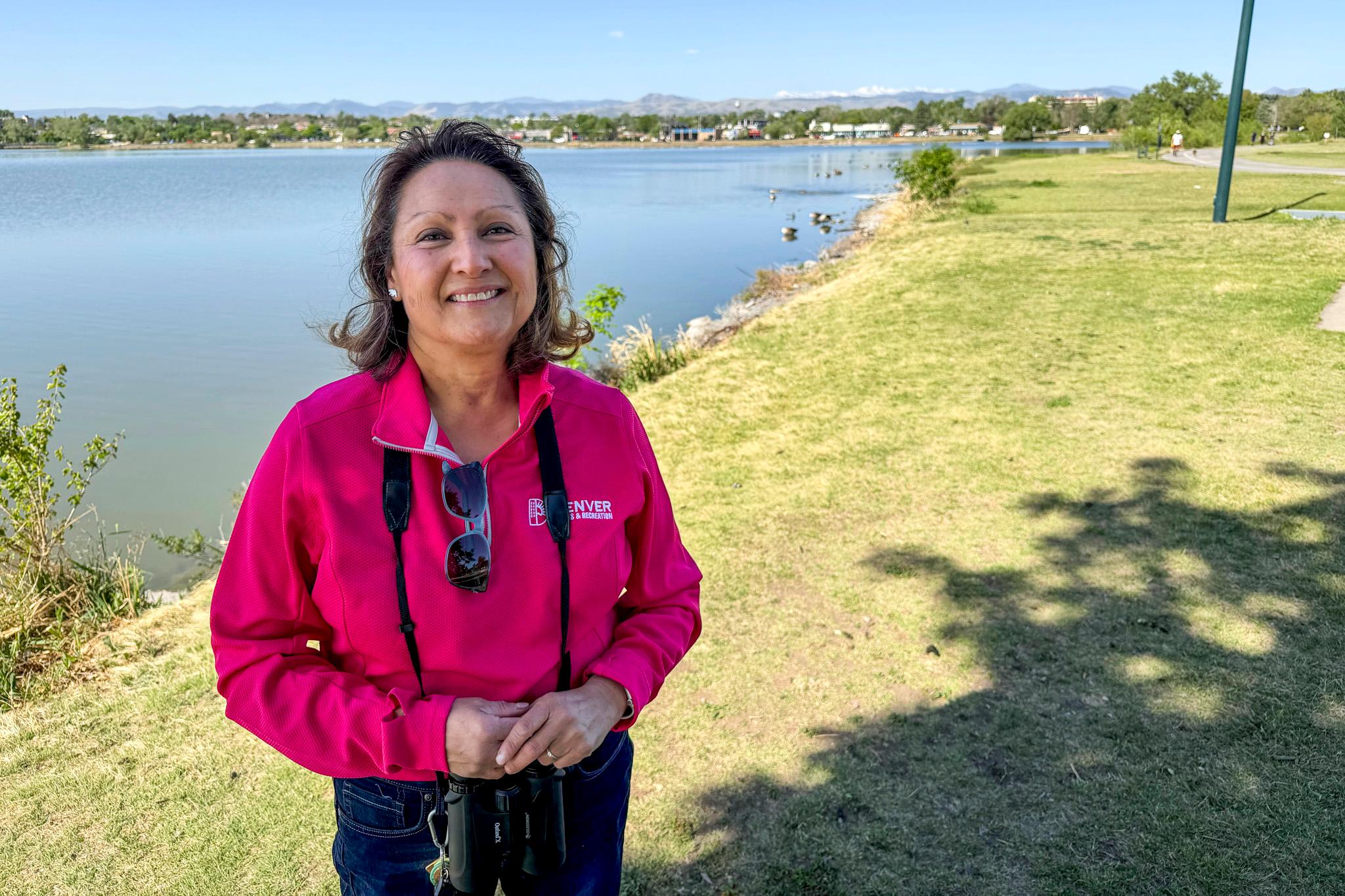
“We get quite a few complaints from goose poop,” said Vicki Vargas-Madrid, Denver Parks wildlife program manager. “Our park staff spend probably around 18 to 20 hours a month sweeping up the sidewalks and the trails across the board.”
The reason is simple: the same features that make Denver’s parks attractive to people — green grass, water features and open space — also make them perfect for geese that no longer migrate.
“They're not migrating throughout the continent as they should. They don't need to exert all of that energy to migrate thousands of miles when they have the habitat we’ve created for them in our park system,” she said.
As geese populations have grown, so have complaints about droppings, prompting the city to invest time and resources into managing the birds without pushing them out entirely.
How much poop do Denver geese produce?
Denver’s resident goose population is estimated between 2,500 and 3,000 birds in the park system alone, and they produce a lot of waste.
“A single goose will poop one and a half to two pounds a day,” said Vargas-Madrid.
Don’t worry, we did the math.
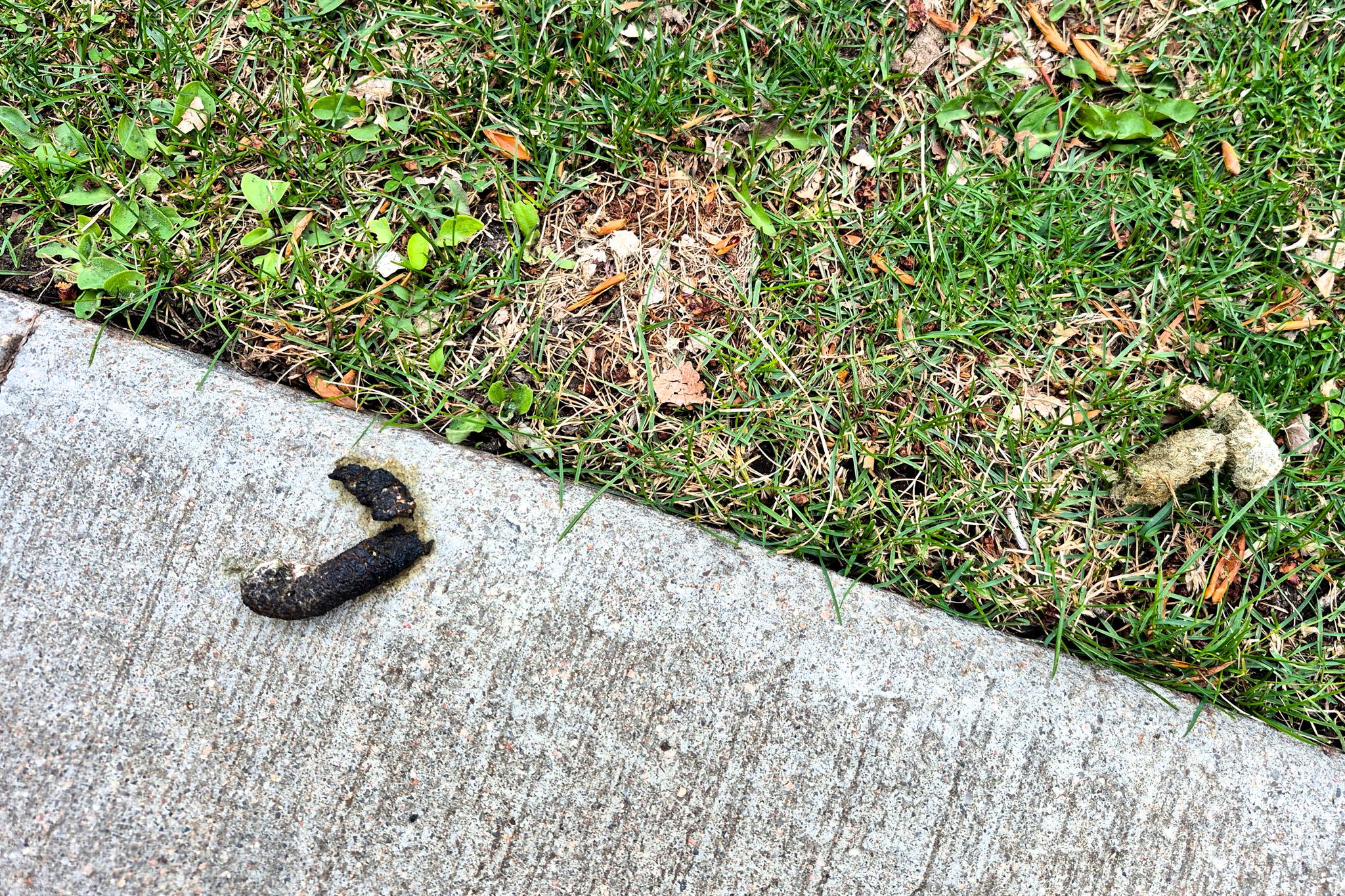
On the low end, that estimate means Denver’s geese likely produce about 26,000 pounds of droppings per week. On the high end, that figure climbs closer to 42,000 pounds. Regardless of how much, the poop on sidewalks and trails is swept, collected and disposed of along with other unsavory things found by maintenance crews like trash and spills.
But, for many parkgoers, the poop is just part of sharing space with wildlife.
“Our dog likes the goose poop way more than we do,” said Marty Chanes, who lives near Sloan’s Lake. “She sees it as an exfoliant.”
Others say they barely notice the poop at all.
“It feels pretty clean today. I hadn’t even thought about it,” said Gianna Sutley, who was also walking her dogs at the park. She said seeing the birds is also “a nice bit of nature,” especially when goslings hatch.
Vargas-Madrid says that balance, between keeping parks usable and preserving wildlife, is the goal.
“We want geese here,” she said. “Geese have a purpose and they are welcome here just as much as any other wildlife species.”
However, just a few years ago, the resident goose population was unmanageable. In 2019 and 2020, flock numbers peaked at around 6,000. At the time, the city made the “difficult decision” to incorporate lethal removal and bring numbers down. Parks workers captured the birds during molting season, when they are temporarily unable to fly, and humanely killed them.
Later, the meat was ground into mince at facilities that process hunting game and was donated to local food pantries.
“That was one of the understandings with that whole process, is that the meat would get used. We would not lethally take geese and then just throw them away,” she said. “The meat was very much appreciated by the people who took it.”
Shifting management strategies
Today, officials say the goose population is at a manageable level, and the focus has since shifted. Instead of just reducing numbers, the city is trying to make parks less appealing to geese in the first place.
That includes strategically replacing some traditional turf grass with native plants to create landscapes that are less attractive to geese, but still usable for people. They also use USDA-approved corn oil on some unhatched eggs in an effort to control the number of goslings born each year.
The new approach reflects a broader shift — not eliminating urban wildlife altogether, but reshaping the environment to create a better balance between animals and their human neighbors.
How you can help manage the goose population
To better serve the mission of a balanced population and to avoid returning to more aggressive measures, the city is asking people not to feed the geese and turning to research.
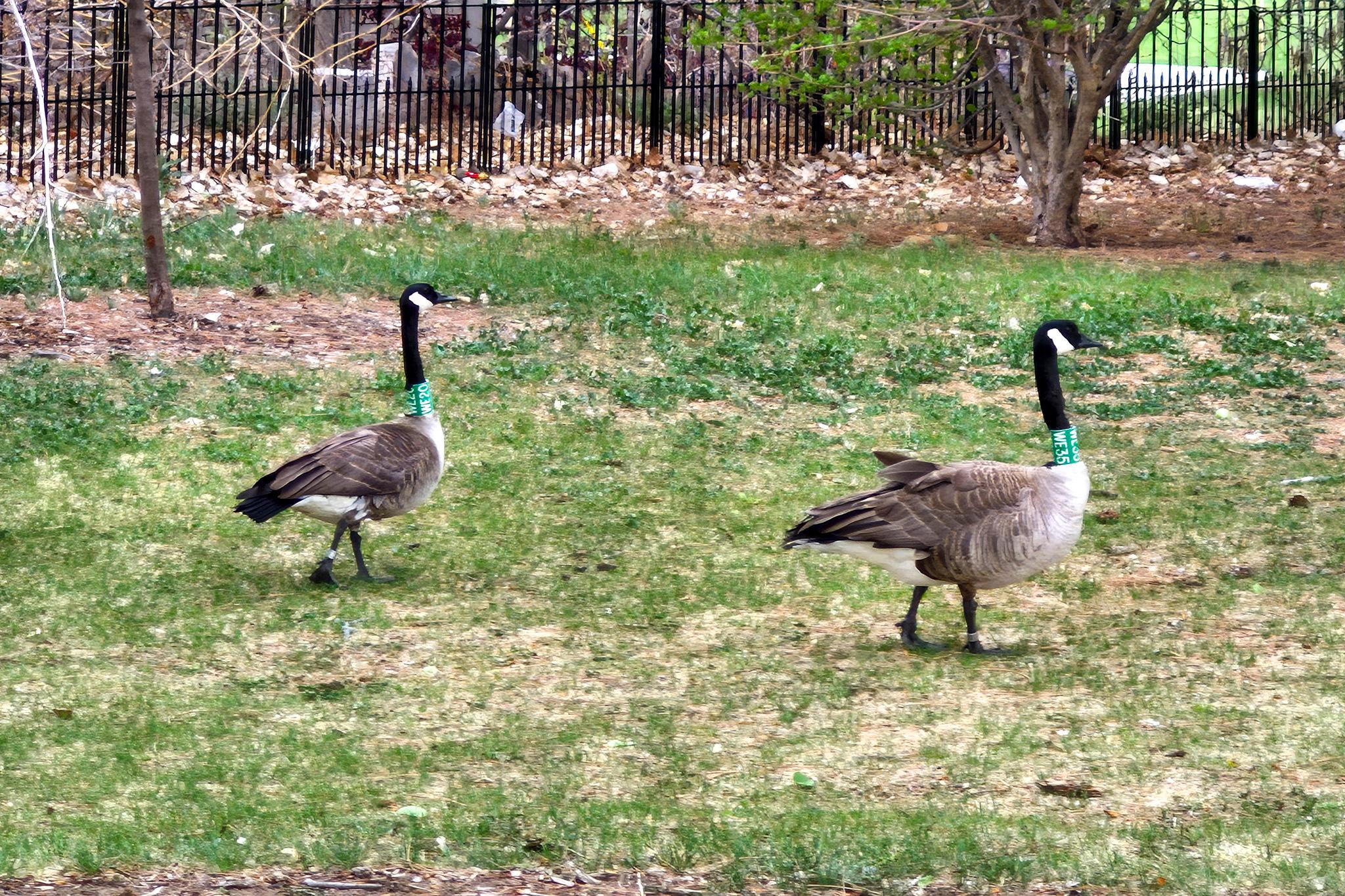
Last year, Denver Parks launched a five-year study, collaring and tagging about 200 geese across Sloan’s Lake, Washington Park, City Park and Garfield Park.
Each bird is marked with a unique code tied to its location, and park visitors can scan QR codes nearby to report sightings. The crowdsourced data will help officials track where geese are concentrating and when.
By 2030, the data collection will be used to inform flock management decisions. For now, though, the strategy remains focused on coexistence.
“We feel that we're at a good place. It's manageable, and we don't receive as many complaints from the public,” said Vargas-Madrid, who hopes the year-to-year look at Denver’s geese will help her team better serve both them and parkgoers. “How do we meet that balance between providing people with great wildlife opportunities, and at the same time trying to reduce those negative impacts,” she said.