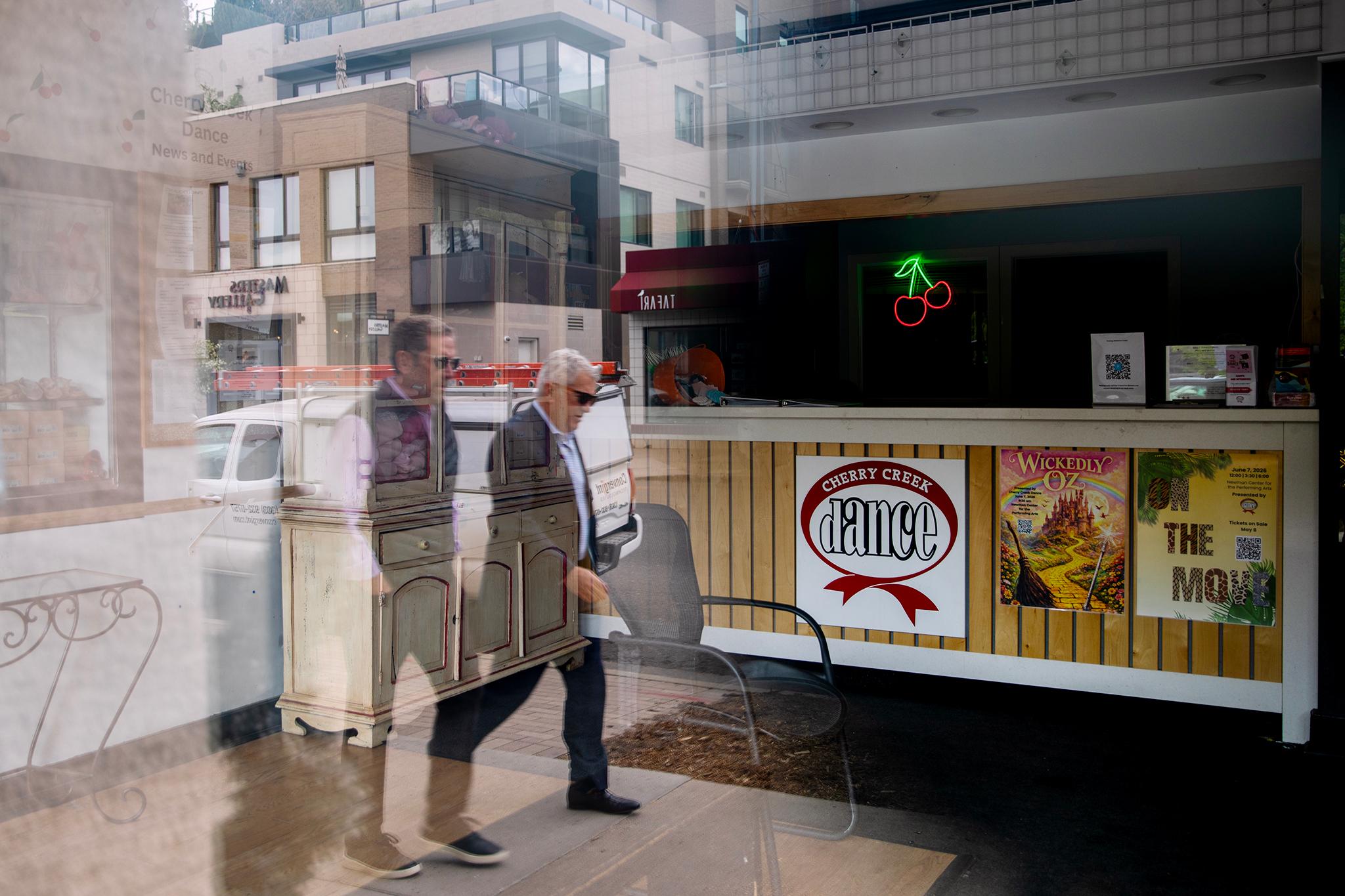
There’s nowhere in Denver quite like Cherry Creek. (And not just because it’s probably the only neighborhood in town where people aren’t adhering to Denver’s uniquely casual fashion code.)
While the rest of the city struggles to get companies back into vacant offices and customers into businesses, Cherry Creek North is putting up generational numbers.
The area has a vacancy rate of less than 2% for offices and retail, bucking a national trend and contributing to a major tax benefit for the city, according to a report released by the Cherry Creek Alliance.
By comparison, in downtown Denver in 2025, office vacancy was at 29% and housing vacancy at 11.5%, according to the Downtown Denver Partnership.
“There's nothing in America like what's happening in Cherry Creek North right now, where a developer [or] investors can come into the neighborhood, acquire land, build an office building, get it financed and get it leased and then get it open,” said Nick LeMasters, the president and CEO of the Cherry Creek Business Improvement District and Cherry Creek Alliance. “It's quite extraordinary at a time when almost no office is being built anywhere in America.”
The alliance is composed of the local business improvement district, the mall’s management, the neighborhood chamber of commerce and the Cherry Creek Leadership Council
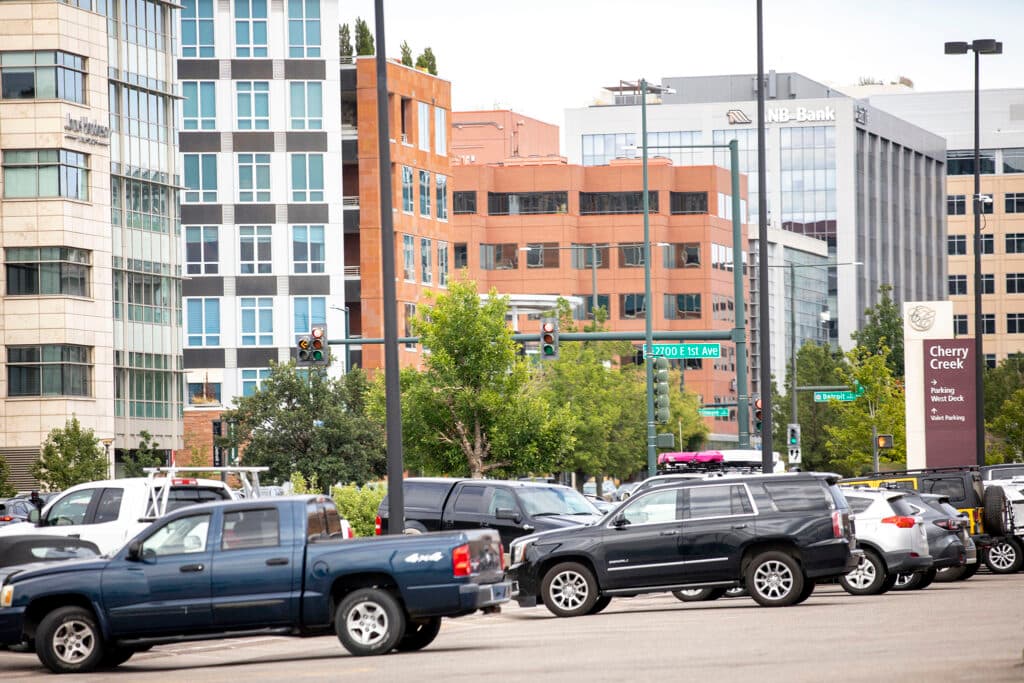
The report measures the state of Cherry Creek North, the commercial part of that neighborhood that doesn’t include the eponymous mall south of East First Avenue. The area is home to a wide variety of businesses, offices, hotels and residential units.
What’s Cherry Creek’s secret?
In many ways, Cherry Creek North is what city leaders hope to emulate downtown — a densely populated, walkable “work-live-play” neighborhood.
LeMasters said the secret to Cherry Creek’s success is simple: it’s a neighborhood that emphasizes walkability and comfort.
“People feel comfortable walking in the streets of Cherry Creek,” he said. “If they didn't, they wouldn't be here.”
Cherry Creek is one of the city’s wealthiest neighborhoods. City data shows that the average salary in Cherry Creek is $170,500 — nearly 64% more than the citywide average. And the median home value in 2024 was $1.1 million.
While there’s a perception of luxury in the area, LeMasters said there’s “something for everyone”, which brings mass foot traffic to the area. The report found that 16.8 million people visited Cherry Creek North last year. And that’s not even counting the mall, which isn’t part of the report’s boundaries.
Still, there are challenges. A Denver Post report found that some leaders who operate businesses in the area are worried that stronger regulations could push large companies out of the city and state. Plus, the neighborhood is still relatively inaccessible by public transportation, leaving its lowest-paid workers with costlier options.
Cherry Creek development will continue.
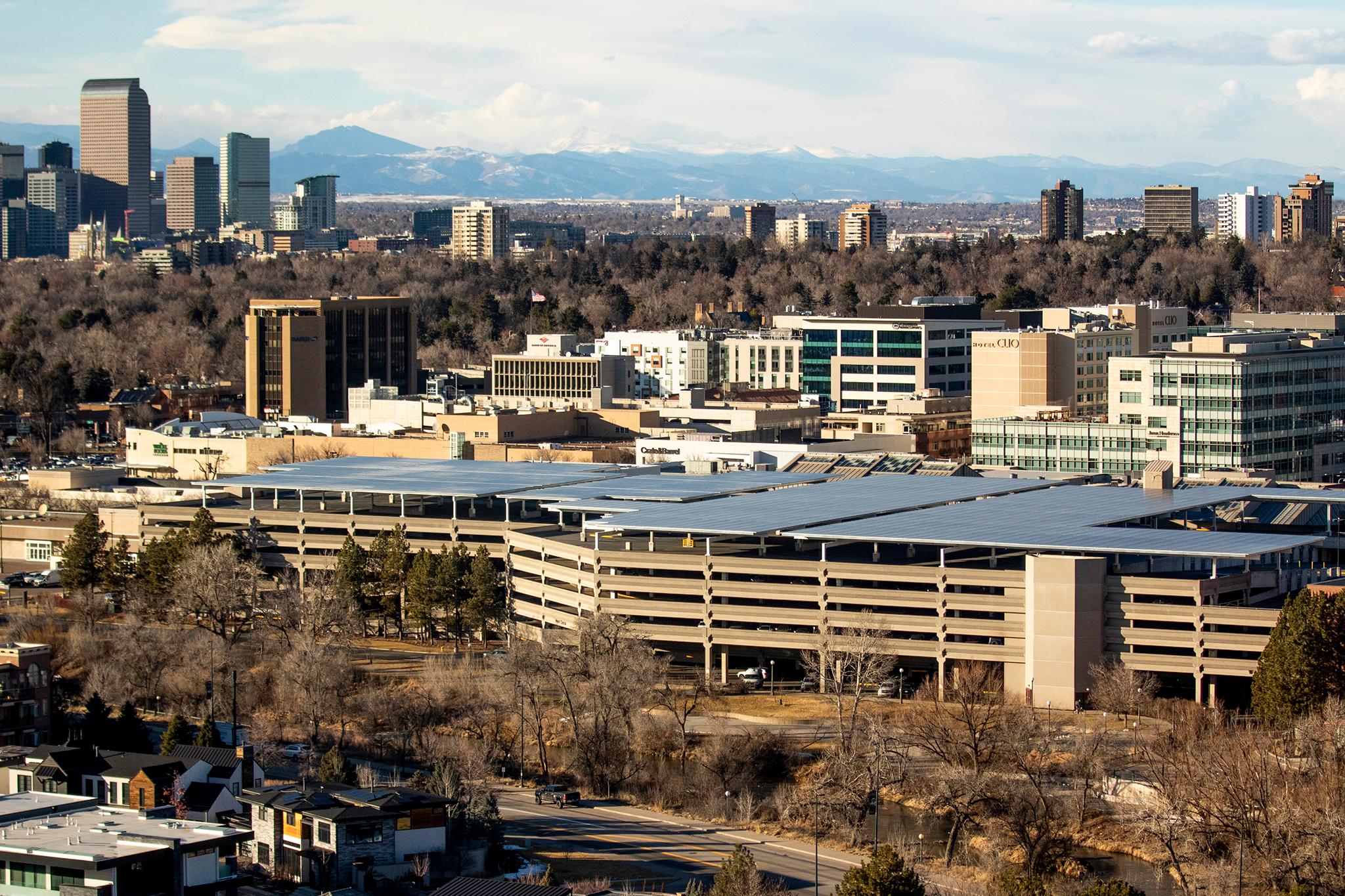
Anyone who drives through Cherry Creek will see a smattering of new construction underway.
“This is a neighborhood that's not afraid of development,” LeMasters said.
On both sides of First Avenue and Clayton Street, you’ll see two examples of major developments coming to Cherry Creek.
On the north side of the street, crews are at work turning the former Sears department store into a mix of 380 housing units, stores and restaurants.
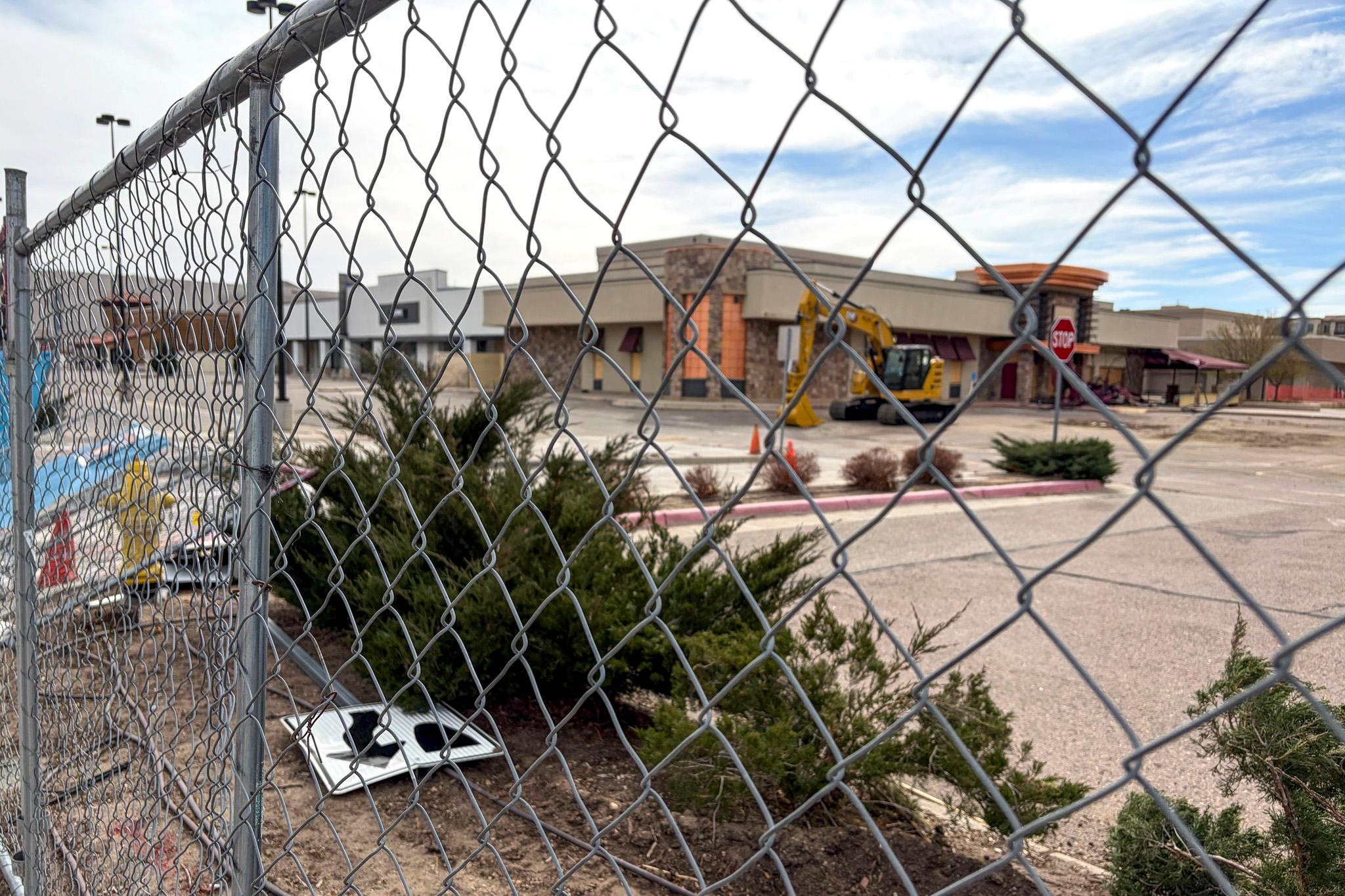
On the other side, demolition has begun for the large-scale Cherry Creek West project, which will turn 13 acres of vacant storefronts and parking lots into housing, office and retail space.