
A new government office aims to bridge the gap between the city and residents who feel left behind during the decision-making processes.
The Office of Community Empowerment was established in February 2025, after years of lobbying from Councilmember Paul Kashmann, in hopes that it would get registered neighborhood organizations more involved in local government.
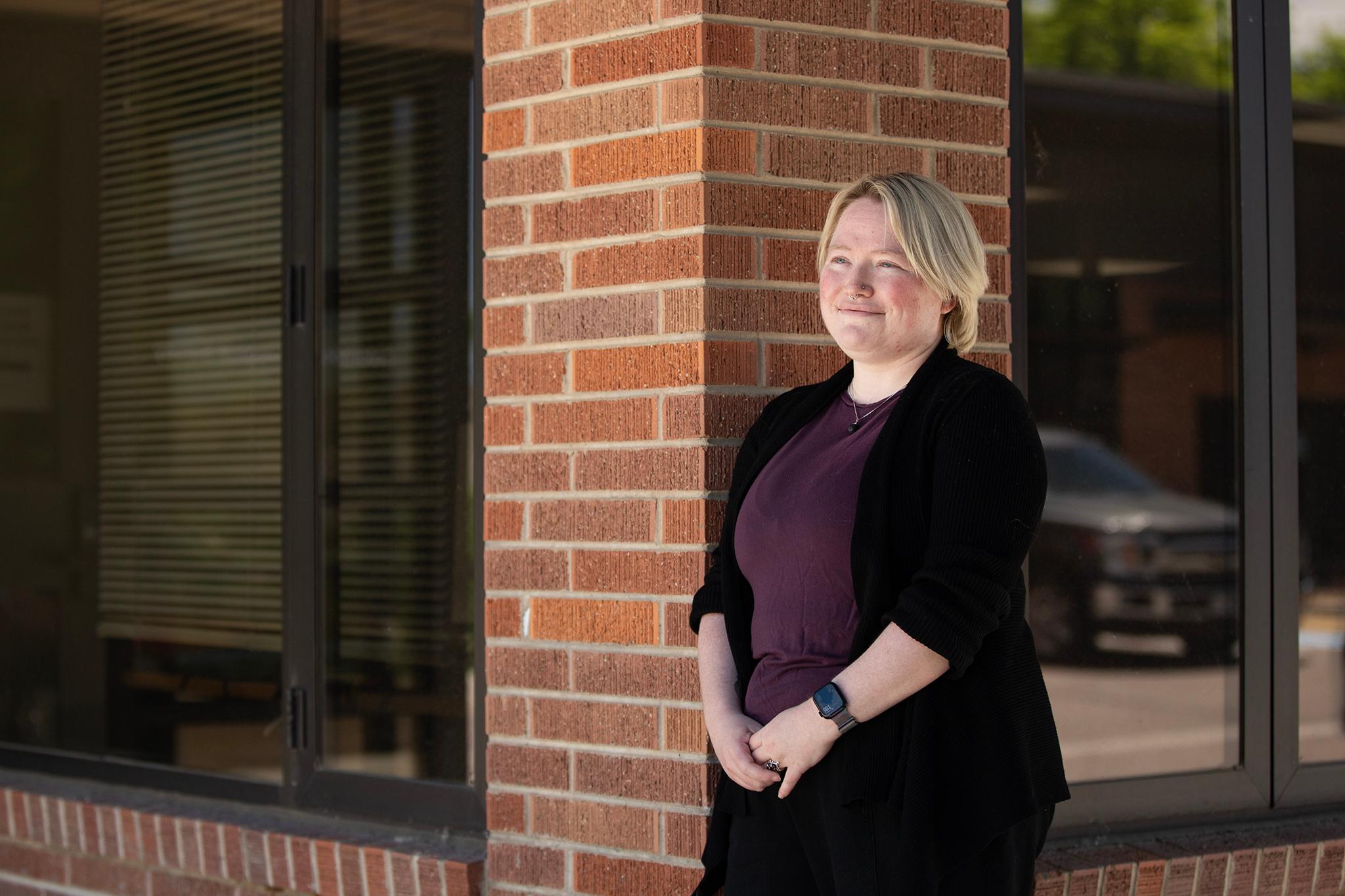
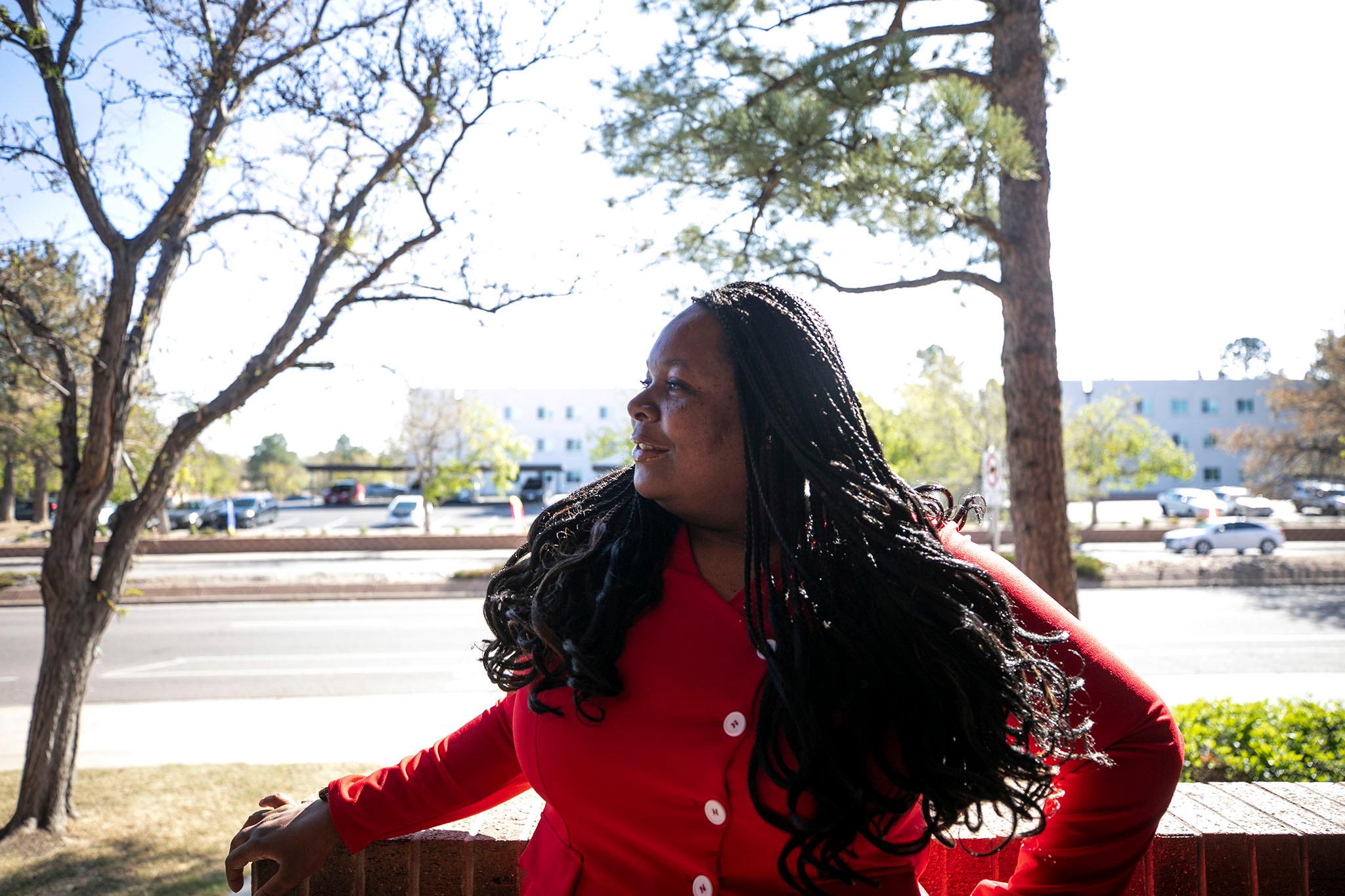
Earlier this year, the office hired its first director — Stephanie Laing, a former Denver Sheriff’s Department deputy who recently finished a master’s degree in organizational leadership from the University of Colorado.
After a few months on the job, she spoke with Denverite about what she hopes to accomplish during her tenure.
The new office will oversee community engagement.
While serving as a captain with the sheriff’s department, Laing was named to the city’s African-American Commission by Mayor Mike Johnston. It was there that she began working closely with the Department of Human Rights & Community Partnerships, which houses the new office.
“I really just decided I wanted to be a part of that group and just the impact that they were making on our city,” Laing said.
Laing said she was attracted to the idea of building community engagement.
“That looks like ensuring that all of our residents have a voice and we are ensuring that we utilize that information as we shape policy,” she said.
Engagement has been a sore spot for many neighborhoods, with some saying the city’s communication with residents is poor. In an especially high-profile example, neighbors on both sides of the ongoing Alameda Avenue road diet saga said the city failed to properly engage or communicate with residents.
Laing said her office will work with departments across the city to align their engagement strategies and avoid “duplicating certain things.” That could include communications about everything from development proposals to road projects and more.
“I think what my office is primarily going to be doing … just making sure that there's not one office that you call and you get a lot of engagement, and then another office that you call where you get none. Just making sure that there is someone in every single office that knows this is how we communicate with our citizens. Just making sure that process is across the board the same,” Laing said.
She’ll work closely with registered neighborhood organizations.
Registered neighborhood organizations, or RNOs, are groups of residents who have gotten organized and are formally recognized by Denver’s city code. There are nearly 200 of them in Denver.
They’ll be a major focus for Laing’s office.
In the first few months of her tenure, Laing has already attended several RNO meetings. There, she’s heard a common complaint — that the RNO system is unequal and some are better positioned to succeed than others.
City officials are already working to reform the system. The ordinance that created RNOs was passed in 1979.
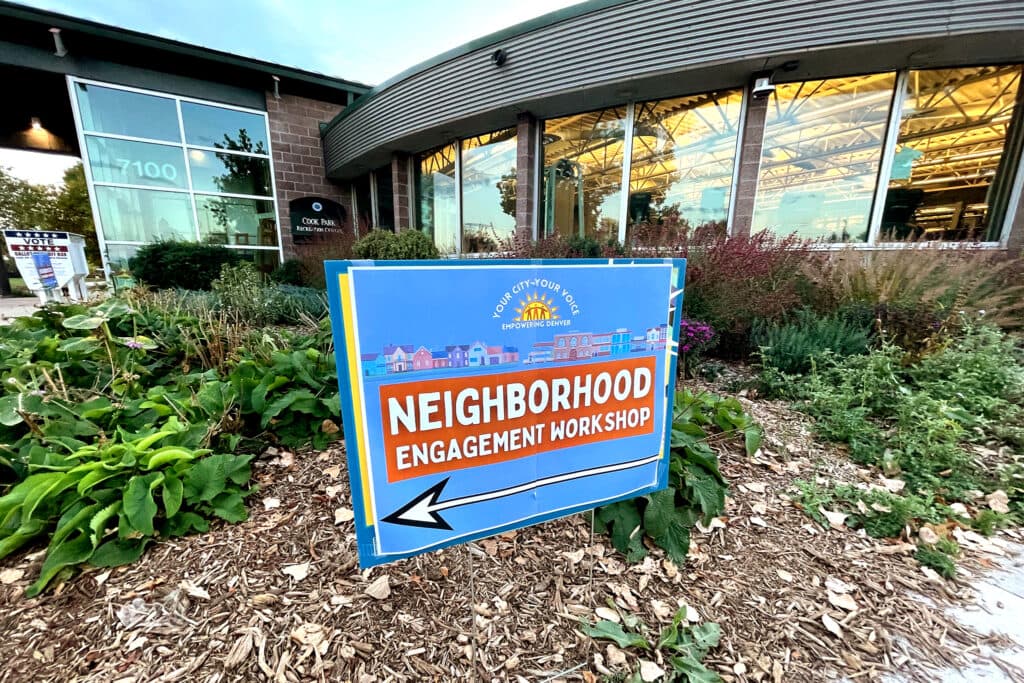
“Since it was created in 1979, the city's given it no support,” Kashmann told Denverite in October. “You do have some (RNOs) that function very well because, by chance, they have people with the time and the expertise to get involved in civic matters. But we have many, many, many groups that just flounder. They're trying, but they don't have the skillset that they need, and so they're not able to represent their community the way the community deserves.”
Laing said her office will likely not be very involved in the reform process, but if and when changes are passed by Denver City Council, her office will take a major role in maintaining relationships with RNOs and executing the new vision.
She also wants to find ways for RNOs to diversify. A chief critique of the system is that many groups are composed of mostly white, middle-class, elderly homeowners. But she said some have been able to engage with minority groups.
“I'll say that as I've been going out and I've been speaking to RNOs in neighborhoods, I have been able to see a lot of diversity, believe it or not,” she said.
Her office will grow.
Laing said her office will be hiring in the coming months as she settles on the direction of the office.
For inspiration, she’s studying how similar offices in other cities have been structured. Kashmann has done the same — he’s frequently pointed to Los Angeles, where a city department gives about $32,000 annually to each of the city’s 99 “neighborhood councils,” money that can be used for events, programs, infrastructure, mutual aid and more.