The Denver-based company Invi MindHealth measures the effects of psychedelic-assisted therapy on veterans by measuring their heart rate, blood pressure and sleep quality before, during and after a psychedelic trip – now with up to $4 million from the federal government.`
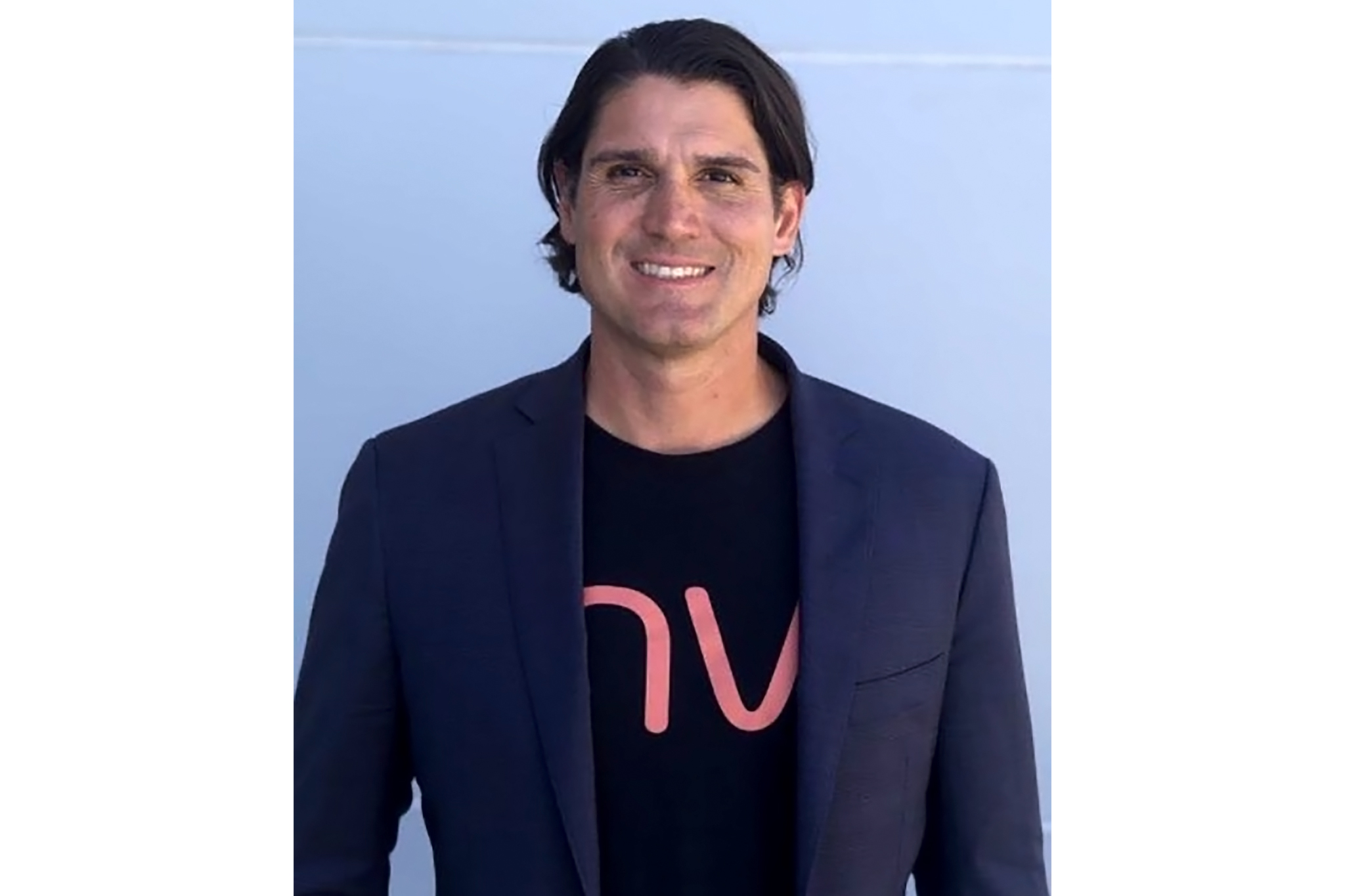
Jonathan Wilson, creator of Invi, is a U.S. Navy SEAL veteran who served for 16 years.
“A lot of conflict during that era. I lost a lot of teammates on the battlefield. Today I've lost more teammates to suicide,” Wilson said. “We realized we need to change what we're focused on here and really help this community, our community, and not just the SEAL community, but the veteran population, the first responders and now we're trying to help as many people as possible because it's a real challenge.”
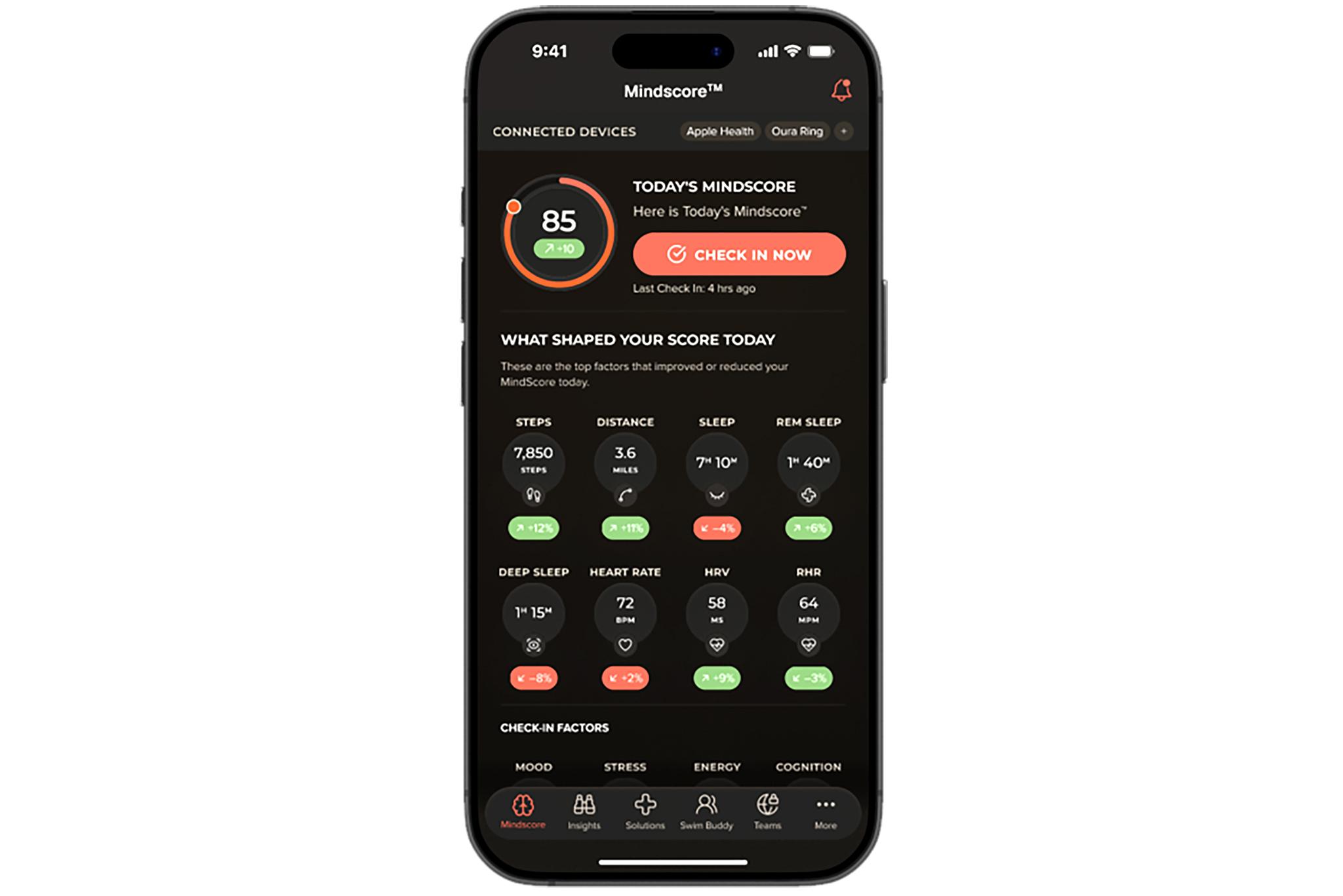
Invi’s main product is an app that aims to measure mental health through biometrics. But earlier this year, it was selected by the U.S. Department of Health and Human Services for a two-year study of psilocybin, ibogaine and psychedelic-assisted therapy. Psilocybin is the primary active compound in “magic” mushrooms, while ibogaine is another naturally occurring psychedelic.
The company will give 50 veterans Oura Ring devices to track their health signals and send them to a healing center in Mexico, where they will undergo a “journey,” meaning they’ll go through psychedelic-assisted therapy.
Through the Invi app, Wilson and researchers at Baylor University will watch for changes in the veterans’ biometrics and mental health throughout their journey.
“I knew having seen my own data that psychedelic interventions not only helped me from a qualitative standpoint, but then we were able to show it through a quantitative standpoint as well,” Wilson said.
In an executive order signed in April, the Trump administration pointed to high suicide rates among veterans, something Wilson knows all too well.
The order prioritized the studying of psychedelic-assisted therapy and allocated “at least $50 million from existing funds to support and partner with State governments that have enacted or are developing programs to advance psychedelic drugs for serious mental illnesses.”
Invi applied for the money earlier this year, winning the funding in just a few months.
“Using brain activity, wearable and sleep data, mental health questionnaires, and social activity measures, the project will study Veterans receiving several different therapies to find biomarkers that can predict both rapid improvement and durability of effects,” according to the program, which is operated by the Advanced Research Projects Agency for Health (ARPA-H)
Getting the full $4 million will depend on “meeting aggressive research milestones,” the program states. The principal investigator is Denise F. Bottiglieri, Invi’s chief commercial officer, who has a PhD in pharmacology.
Wearables, biometrics and psychedelics
Wilson went on his own psychedelic journey in 2018 after struggling with life after the Navy. He was working at Goldman Sachs but felt unfulfilled.
“Inside (I) was not doing well, if I'm being honest with you. I was in a dark place because I had lost my purpose in the SEAL teams. I had lost my community. I had lost the passion for what I did,“ Wilson said. “So I couldn't be more excited because I've seen it. It's healed myself and my family and I would say generational trauma. And I've seen it with my peers too, my teammates, there's people on this earth today that attribute that they're still here because of psychedelic-assisted therapy.”
He started Invi, which began as a biometric tracking system, to understand the connection between metrics like heart rate and mental health.
“We use (the measurements) as an early warning indicator, recognizing when our teammates weren't doing well and being proactive around the conversation about how they're doing,” Wilson said.
The startup has two major focuses. First, veterans can use the mobile app without taking psychedelics. The app tracks biometrics and mental health metrics, and it also has a buddy system. A user selects a buddy and that person is alerted when their metrics begin to show concerning signs.
Anyone with a wearable device can download the Invi app. Wilson said the name Invi comes from the word “invisible,” as mental health issues often go unseen.
The company’s other function is studying the metrics of psychedelic-assisted therapy.
Invi is partnered with Oura Health and retreat centers that offer psychedelic-assisted therapy. Participating veterans get an Oura Ring and track their metrics for a month to establish a baseline of their metrics. Then the veteran takes psychedelic drugs with a facilitator at a healing center.
“It could be ibogaine, it could be mushrooms, psilocybin. We see the impact from a physiological standpoint immediately,” Wilson said. “And then we capture the data post-intervention by a couple of weeks, one month, three months and six months to show the efficacy of the treatment protocol.”
He continued: “I think the biggest thing is there's so much excitement around the executive order. And that's a great signal that psychedelic research is now being taken seriously. But, the executive order does not automatically create access or approve treatments. And I think that needs to be really clear.”
Invi’s role, he said, is to supply “the data, to show the world the impact these different solutions – ibogaine, psilocybin — are having on these different communities,” he added. “I know that's what the data's going to show, but obviously we'll let the data do the talking.”
Psychedelic drugs were ignored by researchers for decades, thanks in large part to the U.S. crackdown on them and other drugs. But interest has grown sharply in recent years, with promising but incomplete early results.
Leading researchers warn that while some people report transformational and lasting experiences from psilocybin, others may see little difference — or may even have traumatizing, nightmare-like trips.
“Not everyone's dosing session is some kind of spiritual enlightenment. Sometimes, people have really difficult experiences and don't want to be in that moment anymore,” said Dr. Stacy Fischer, who is part of a sweeping CU Anschutz study of psychedelics to treat the psychological impacts of cancer, in an earlier interview with CPR News.
Colorado has already relaxed its laws for psychedelics, allowing personal possession but not sale of psilocybin, ibogaine, mescaline and DMT.
Executive order and Colorado’s psilocybin laws
Trump’s order is meant to accelerate the FDA review process for psychedelic medicines that have completed required clinical trials.
Shannon Hughes, the program director at Elemental Psychedelics, a women-led training program for natural medicine facilitators in Colorado, predicted psilocybin might be available in all 50 states by 2027.
“We might expect to see synthetic psilocybin offered through a pharmaceutical, prescription only, medical model quite soon. (Possibly) next year if this (EO) is a priority review,” Hughes said. “If they get reviewed in the next few months, and assuming that those applications are accepted, then there's a rollout period for any new pharmaceutical to actually hit the market and be available.”
“This federal executive order was sort of confirming at the federal level, a commitment and support of what's happening in multiple states, this interest in ibogaine as a treatment and more research in ibogaine,” Hughes said.
The business of psychedelic therapy has started to take off in Colorado. Voters here decriminalized psilocybin in 2022 with Proposition 122 and healing centers have been popping up throughout the state.
Meanwhile, Hughes said, the federal order could change the landscape of psychedelic-assisted therapy.
“The executive order is, I feel like, kind of breathing new life into the psychedelic therapy circles,” Hughes said.