Edgewater became the first Colorado city to take advantage of a recently passed state law that allows cities to raise their minimum wages without simultaneously raising the tipped minimum wage, which is paid to tipped restaurant workers and other tipped employees.
HB25-1208 passed earlier this year after a contentious vote that split Democrats. The law allows cities to choose to handle the minimum wage separately from the tipped minimum wage.
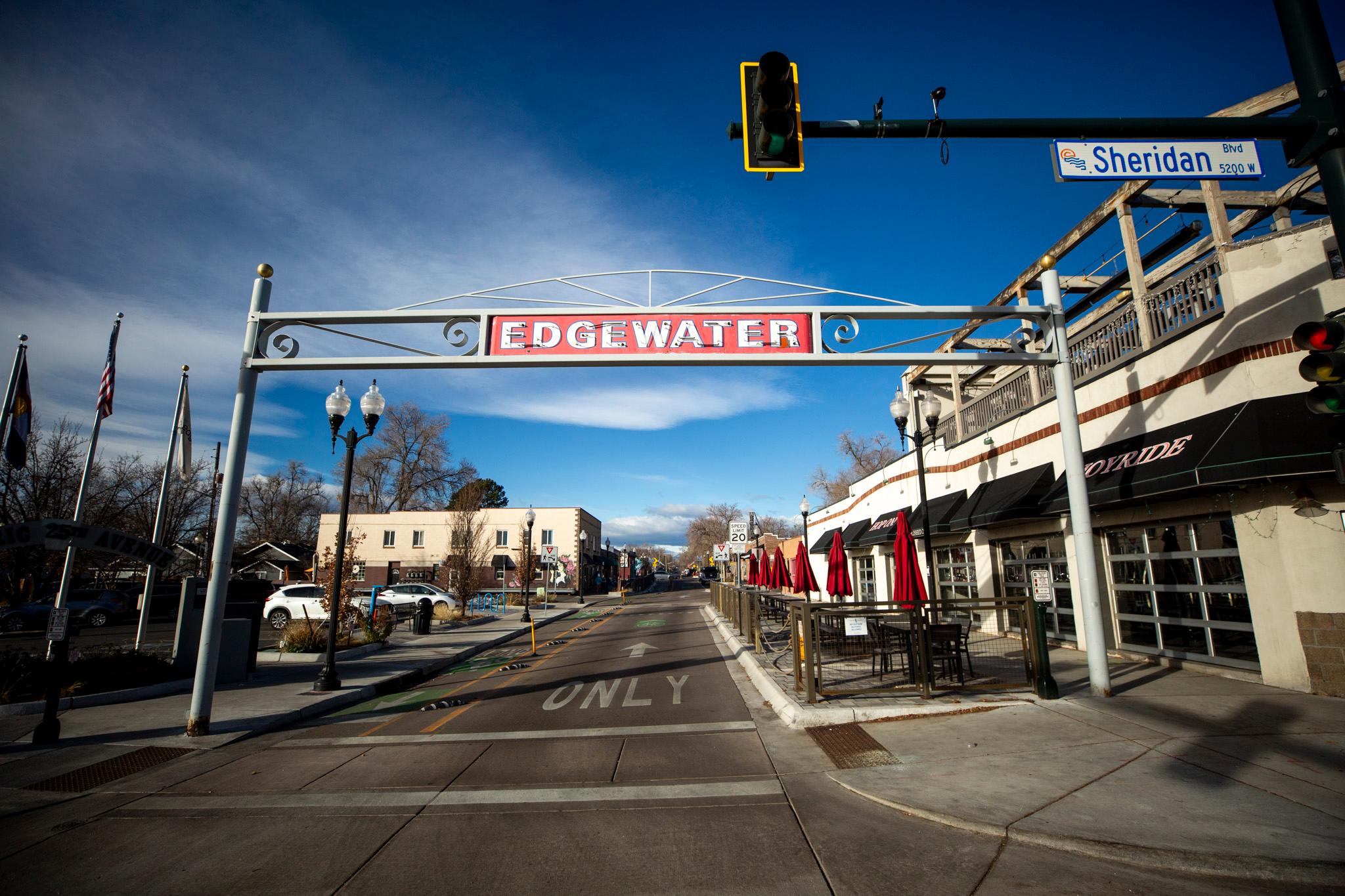
The City Council for Edgewater, the 5,000-person city on the western edge of Denver, voted Tuesday night 4-3 to raise the hourly minimum wage in 2026 from $16.52 to $18.17, but keep the current tipped minimum wage — $13.50 an hour — the same.
The tipped minimum wage is also known as a tip credit or tip offset. It must be paid to restaurant workers and others in addition to their tips. Employers also might have to kick in more money if the employee isn’t getting enough tips.
With the change in Edgewater, hourly wages for restaurant workers can now work like this:
- If employees are getting at least $4.67 an hour in tips, Edgewater employers can pay the tipped minimum wage of $13.50 — bringing the total to $18.17 an hour or more.
- If employees are not getting enough in tips, the employer will have to kick in a higher base wage, ensuring tips and wages combine to hit $18.17 total
Employers can also choose to completely forego the system and pay all employees a minimum of $18.17 an hour without using the tip credit system.
People in the restaurant industry argued that regular increases in the tipped minimum wage is leading to high labor costs. In Denver, the tipped minimum has grown from $11.10 an hour in 2019 to $15.79 in 2025, thanks to corresponding increases in the regular minimum wage.
The Colorado Restaurant Association spoke in favor of Edgewater’s proposed minimum wage structure, arguing it would help more businesses survive a difficult economic outlook.
State law previously required the tipped minimum to rise alongside the regular minimum wage. But now cities can freely lower the tipped minimum to as little as $12.14 next year. (Most Colorado cities are already at that lower level.)
Progressives and labor advocates have argued against any change to the minimum wage structure, saying that restaurant workers need a higher base wage to survive in an expensive city. Some have argued the tipped minimum wage should be abolished in full, forcing restaurants and others to pay the full minimum wage as a base wage.
Until Edgewater’s vote, cities have been hesitant to lower or freeze the tipped minimum, despite pressure from the governor’s office to do so.